

Commercial bowling alley installation cost is not one fixed equipment price. A realistic budget separates equipment, site work, installation, logistics, commissioning, local charges, and optional venue integration. Lane count, bowling format, venue condition, shipping destination, and the division of work between the equipment supplier, local contractor, and buyer can change the total substantially.
Quick Answer: What Does Bowling Alley Installation Cost Include?
A bowling project usually falls into one of three quotation boundaries:
| Budget boundary | Typically covers | Common exclusions to verify |
|---|---|---|
| Equipment-only | Lanes, pinsetters, ball return machines, scoring systems, controls, and listed accessories | Site preparation, installation labor, freight, taxes, utilities, unloading, commissioning, and local construction |
| Installed equipment | Equipment plus a defined installation or supervision scope | Building work, local permits, customs, tax, unloading, utility connections, customer-area finishes, and unrelated venue systems |
| Turnkey venue budget | Equipment, building preparation, installation, logistics, commissioning, and agreed venue integration | Local statutory requirements, design changes, unknown site conditions, and owner-supplied items unless expressly included |
This framework is more useful than applying a universal price per lane. The total project cost is shaped by lane quantity, standard, medium, duckpin, or mini bowling format, venue construction or conversion work, equipment scope, utilities, labor, freight, taxes, commissioning, and local compliance. For a broader commercial bowling alley cost breakdown, separate the equipment budget from the building and project-delivery budget.
An early budget is a planning estimate. A final quotation requires confirmed drawings, specifications, site conditions, delivery terms, installation responsibilities, and commercial assumptions. The related comparison between new bowling alley construction and existing venue conversion cost is especially important when the property has not yet been selected.
What Determines the Cost of a Commercial Bowling Alley?
Venue type and project condition
A dedicated bowling center, family entertainment center, bar, hotel, and mixed-use leisure venue may have different requirements for circulation, seating, lighting, food service, customer access, and maintenance. Existing floor levels, ceiling height, entrance dimensions, columns, electrical supply, HVAC, fire-safety provisions, and storage areas determine how much preparation is needed.
For more context on this related topic, see bowling alley equipment installation labor cost.
New construction versus existing-space conversion
A new-build venue allows the lane layout, structure, utilities, access, and interior finishes to be coordinated from the beginning. It may also involve more overall construction because the infrastructure is being created from zero. An existing venue can reduce some building work, but demolition, uneven floors, restricted delivery routes, or insufficient utilities can create additional costs.
Review likely site preparation costs before equipment approval and assign each task to the supplier, general contractor, specialist installer, or venue owner.
Bowling format and system selection
Standard, medium, duckpin, and mini bowling are different project categories rather than interchangeable labels. Format affects lane arrangement, pinsetter selection, ball handling, scoring, player experience, service access, and space utilization. The venue objective should be defined before the equipment scope is finalized.
Lane count and operating model
More lanes generally increase equipment quantity and installation coordination, but lane count alone does not determine the complete budget. A multi-zone venue may require additional circulation, seating, controls, service access, and integration with food and beverage or other attractions. Future expansion also affects early decisions about space, utilities, and access.
Key Cost Factors in a Bowling Alley Installation
The following seven categories provide a practical structure for a total installed-cost worksheet:
- Equipment: bowling lanes, string pinsetters, ball return machines, scoring systems, controls, accessories, and agreed spare parts.
- Site work: floor preparation, electrical and network connections, lighting, ceiling coordination, HVAC, access modifications, wall finishes, and customer-area construction.
- Installation: supplier installation, local labor, supervision, alignment, system setup, testing, training, and handover activities.
- Logistics: export packaging, inland transport, ocean or air freight, customs clearance, unloading, storage, insurance, and final delivery.
- Commissioning: functional testing, configuration, operator training, documentation, acceptance criteria, and correction of agreed installation issues.
- Local charges: import duties, VAT or other taxes, permits, inspections, local compliance work, and contractor charges.
- Optional integration: point-of-sale connections, displays, audio-visual systems, venue-management systems, furniture, or other attractions when required.
Industry associations such as IAAPA Research & Resources and the BPAA Proprietor Resource Center publish research and operational resources that can help developers place bowling within a wider FEC or bowling-center investment plan. Their reports should be used for context only when the specific report matches the project type and market.
Bowling Alley Installation Cost Impact Table
This is a planning framework, not an industry price index. “Impact” describes the potential effect on budget or project risk; it does not represent a standard percentage.
| Project factor | Equipment impact | Site or logistics impact | Primary risk |
|---|---|---|---|
| Lane count | Medium to high | Medium to high | Comparing different project sizes as though they were equivalent |
| Venue condition | Low to medium | High to very high | Discovering unsuitable floors, utilities, access, or ceiling conditions late |
| Bowling format | Medium to high | Medium | Selecting equipment that does not match the operating model |
| Equipment scope | High to very high | Medium | Omitting scoring, ball return, controls, accessories, or spare parts |
| Installation model | Low to medium | Medium to high | Unclear responsibility for setup, testing, and commissioning |
| Shipping route and packaging | Low to medium | Medium to high | Damage, storage, unloading, customs, or repeated handling costs |
| Optional integration | Medium | Medium | Assuming venue systems are included without a defined interface |
For a lane-specific planning view, see installation cost by number of lanes. For system-level scope, the guide to scoring and ball return costs addresses components that are often overlooked in early estimates.
Cost Breakdown by Process or Component
| Cost category | Included scope to define | Responsible party to confirm | Quotation risk |
|---|---|---|---|
| Lane and pinsetter package | Lane equipment, pinsetter type, controls, hardware, accessories, and quantity | Equipment supplier and installer | Different formats or incomplete equipment lists |
| Ball return and scoring | Ball return routing, scoring hardware and software, displays, interfaces, and connections | Supplier, systems contractor, or venue IT team | System compatibility and integration assumptions |
| Site preparation | Floor, electrical, network, lighting, HVAC, ceiling, access, and finishes | General contractor or buyer unless included | Change orders caused by incomplete site information |
| Installation and commissioning | Supervision, mechanical setup, testing, training, documentation, and acceptance | Supplier, local installer, or shared team | “Installation included” without a task-by-task definition |
| Shipping and local delivery | Packaging, freight, customs, unloading, storage, insurance, and delivery point | Supplier, freight provider, or buyer according to delivery terms | Freight basis and transfer of responsibility are unclear |
Use the same scope when comparing suppliers. The process described in compare supplier quotations can help organize inclusions, exclusions, assumptions, and clarification records.
How to Get an Accurate Bowling Alley Installation Quote
A useful RFQ package should contain the following information:
- Project location, shipping destination, venue type, and new-build or conversion status.
- Lane quantity and selected or shortlisted bowling format.
- Floor plan, dimensions, entrances, columns, ceiling height, obstructions, and customer circulation.
- Available electrical, network, HVAC, lighting, and other utility information.
- Required lanes, pinsetters, ball returns, scoring systems, controls, displays, accessories, and spare parts.
- Material choices, surface-finish expectations, appearance requirements, and unresolved options.
- Packaging, delivery point, unloading equipment, access route, storage conditions, and handling sequence.
- Division of responsibility for local construction, installation, testing, training, commissioning, and handover.
- Required warranty wording, maintenance documentation, replacement-part information, payment milestones, and acceptance criteria.
When drawings are incomplete, label assumptions rather than allowing them to become hidden scope. Tolerance coordination, equipment interfaces, surface finishes, material selection, and access should be reviewed before fabrication or shipment. A quotation should also explain how price or scope changes will be handled if the drawings or site conditions change.
Common Bowling Alley Installation Quoting Mistakes
- Comparing different quotation boundaries: equipment-only, installed equipment, and turnkey venue budgets are not equivalent.
- Omitting site work: floor preparation, utilities, lighting, HVAC, ceiling work, and customer-area construction can remain with the buyer.
- Ignoring delivery access: restricted entrances, lifting requirements, temporary storage, and repeated handling affect packaging and logistics.
- Leaving options undefined: scoring displays, venue interfaces, audio-visual equipment, furniture, and accessories should be listed as included, optional, or excluded.
- Under-specifying finishes: unclear materials or surface finishes can lead to approval changes and rework.
- Using incomplete drawings: missing dimensions or utility points can create fit, tolerance, and coordination problems.
- Leaving acceptance and maintenance unclear: testing, training, documentation, spare parts, and post-installation responsibilities need written definitions.
Cost Reduction Strategies for Bowling Alley Projects
Use an early engineering and DFM review
Where the selected supplier provides this service, an early design-for-manufacturability review can examine incomplete drawings, tolerances, interfaces, material choices, and surface finishes before production. The objective is to prevent late changes, not to remove requirements that protect operation or safety.
Standardize practical elements
Standardizing the format, controls, finishes, and accessories can reduce coordination complexity. Custom elements should have a defined commercial or operational purpose, such as fitting the venue, supporting brand presentation, or meeting a particular customer-flow requirement.
Coordinate site work before delivery
Confirm floor readiness, utilities, access, ceiling coordination, lighting, HVAC, and finishing work before equipment arrives. Equipment should not be delivered into an area where construction conditions could cause damage, restricted access, or rework.
Match packaging to the actual route
Share the delivery route, unloading method, storage conditions, and handling sequence with the supplier. Packaging planned only for factory dispatch may not be suitable for restricted access or multiple handling points.
Protect essential scope
Removing commissioning, documentation, testing, spare parts, or necessary site preparation may reduce the quoted subtotal while increasing operational risk. Compare total installed scope rather than pursuing the lowest equipment line price.
How to Choose the Right Supplier for Cost Optimization
Evaluate suppliers against the same RFQ package and record written answers in a comparison sheet. Five practical evaluation areas are:
- Scope completeness: Are lanes, pinsetters, ball returns, scoring, controls, accessories, and options separately identified?
- Technical fit: Does the proposed equipment match the selected format, venue layout, operating model, and service access?
- Responsibility clarity: Are supplier installation, local contractor work, unloading, testing, commissioning, and training clearly divided?
- Documentation and acceptance: Are drawings, maintenance information, acceptance criteria, and applicable compliance documents defined?
- After-sales and parts: Are communication channels, replacement-part scope, maintenance responsibilities, and response assumptions documented?
Flying Bowling’s verified company information identifies product categories including standard, medium, duckpin, and mini bowling equipment, with a particular focus on string pinsetters and ball return machines, as well as design and construction services. The purchasing question is not whether a supplier makes a broad claim; it is whether the proposed scope, documentation, installation arrangement, and commercial assumptions match the project.
Conclusion and Next Steps
The most reliable way to estimate bowling alley installation cost is to build a total installed-cost worksheet instead of relying on a price per lane. Separate equipment, site work, installation, logistics, commissioning, local charges, and optional integration. Then compare quotations using the same lane count, format, drawings, delivery point, assumptions, and responsibility boundaries.
Before requesting final prices, assemble the floor plan, utility information, finish requirements, equipment scope, packaging expectations, and installation responsibility matrix. Retain a written record of inclusions, exclusions, assumptions, and revisions throughout supplier discussions.
Send Your Drawings for a Cost Review
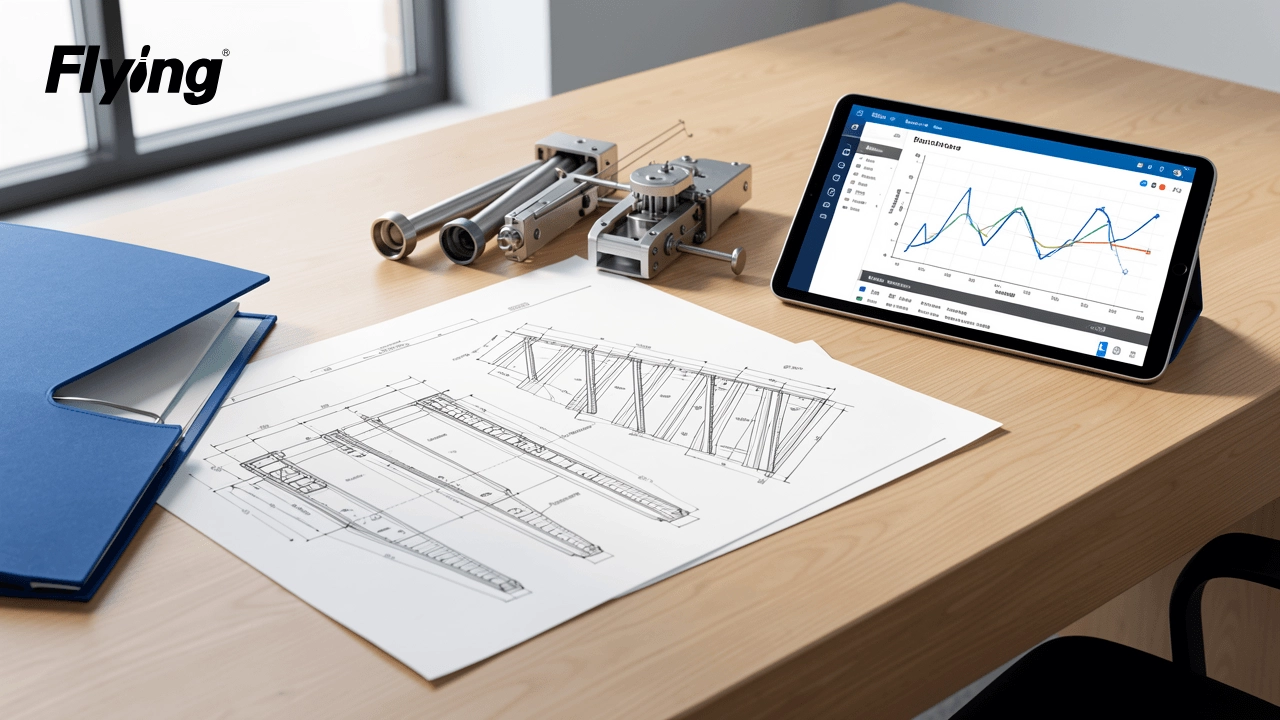
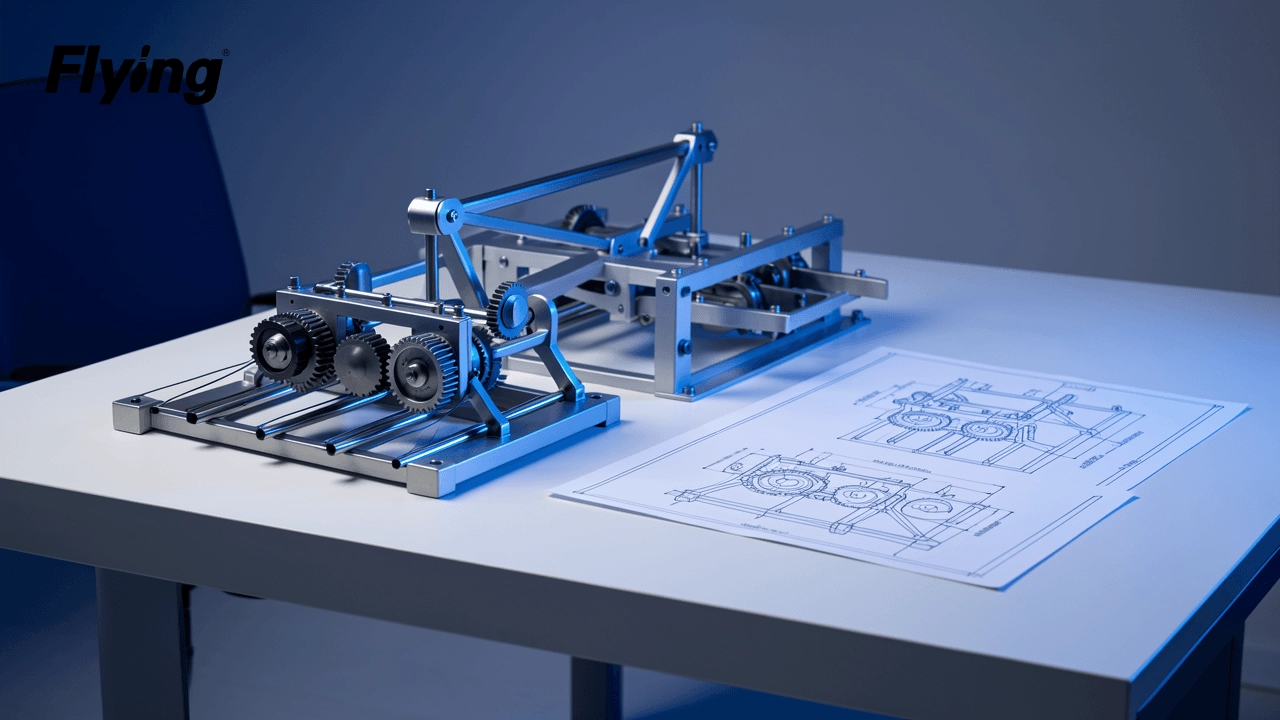
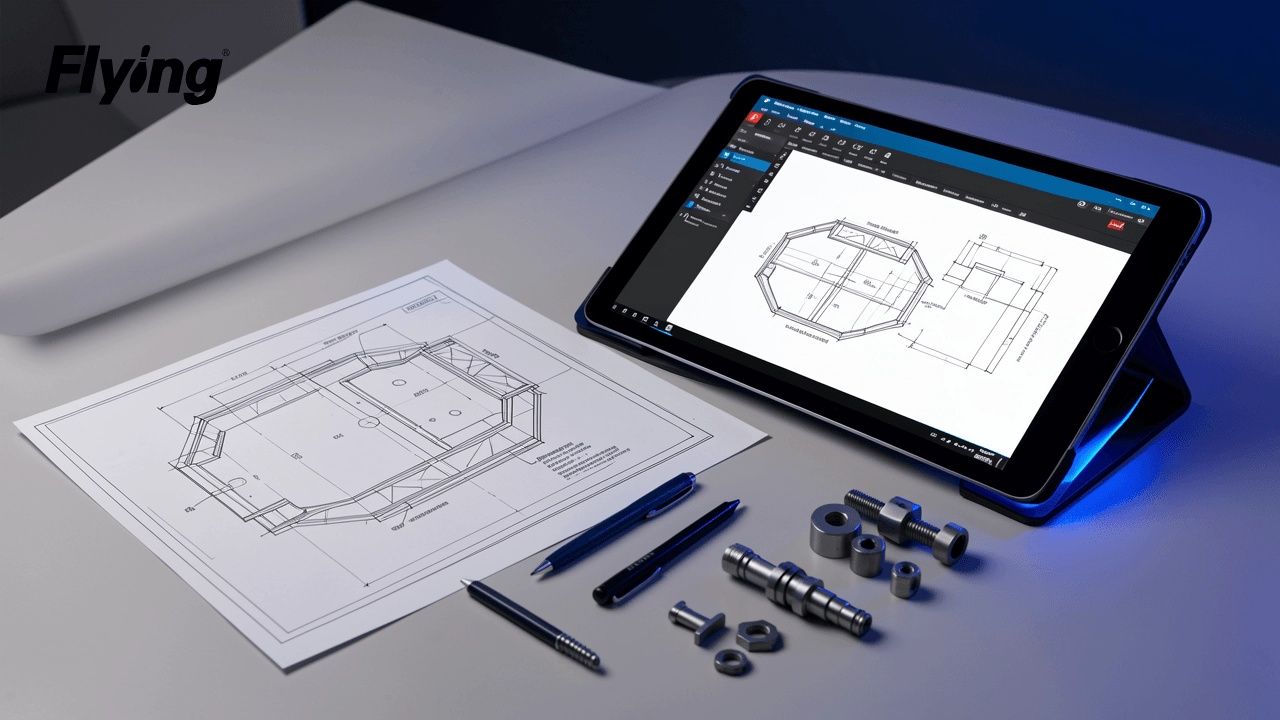
For a project-specific quotation, prepare the available 2D or 3D drawings, lane quantity, selected format, material and surface-finish requirements, delivery location, and packaging expectations. Any unresolved site or technical assumptions should be identified so the quotation can be evaluated on a clear basis.
Frequently Asked Questions
References
More Articles

Let’s Build a center Together
Partner With a Trusted Bowling Alley Design, One-Stop Solution Manufacturer.
Flying has successfully built ideal bowling alleys for more than 3,000 customers.

Technical Expert
You may also like our products
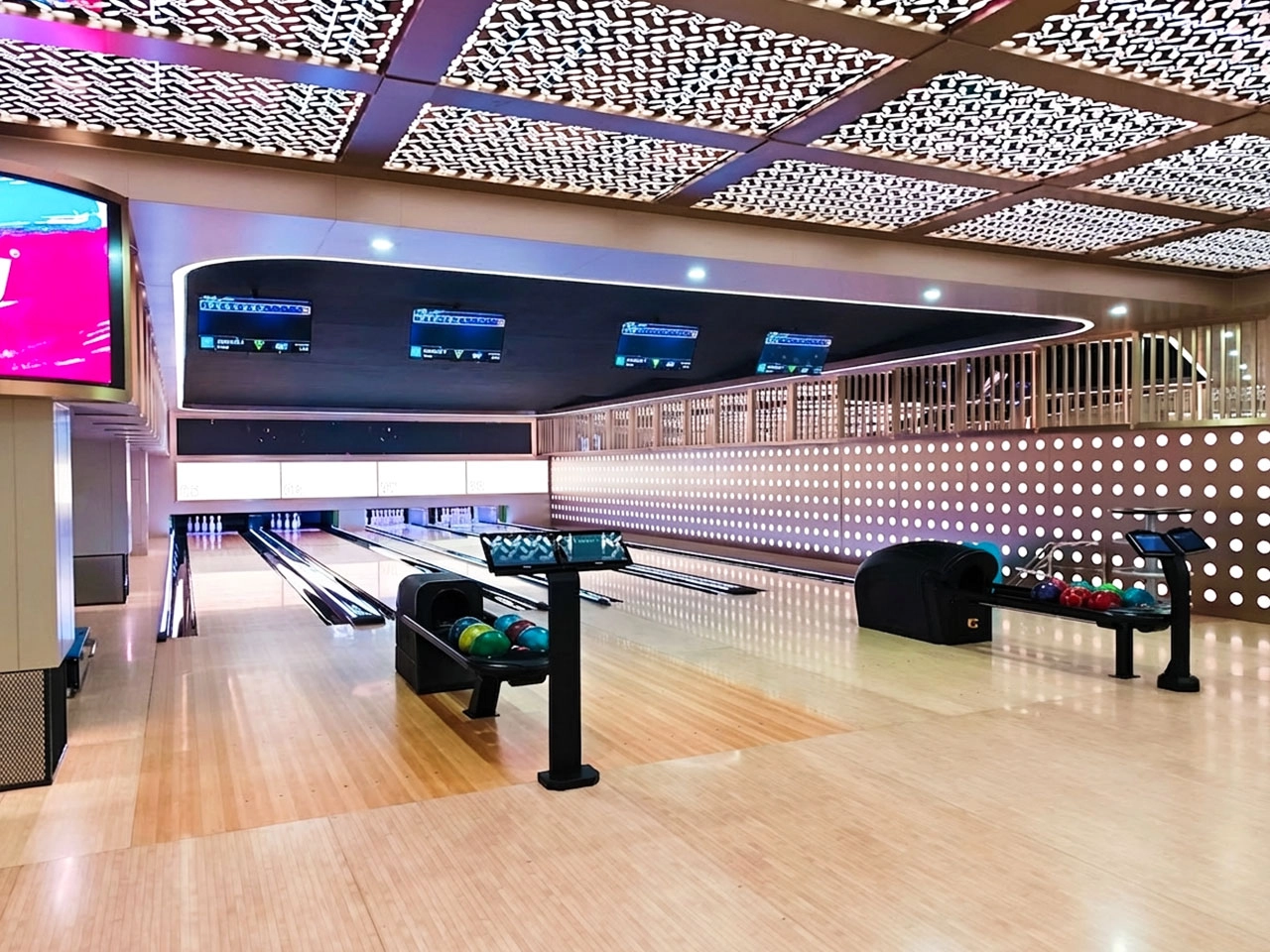
Build a commercial bowling venue with Flying’s complete string pinsetter bowling alley equipment package. The system includes the AEROPIN™ USBC-certified string pinsetter, customizable lanes, automatic scoring, ball return, lane lighting, pins, control hardware, and overseas installation support.
Designed for commercial bowling centers, family entertainment venues, hotels, resorts, bars, and premium private projects, this turnkey bowling system helps operators reduce sourcing complexity and prepare for reliable long-term operation.
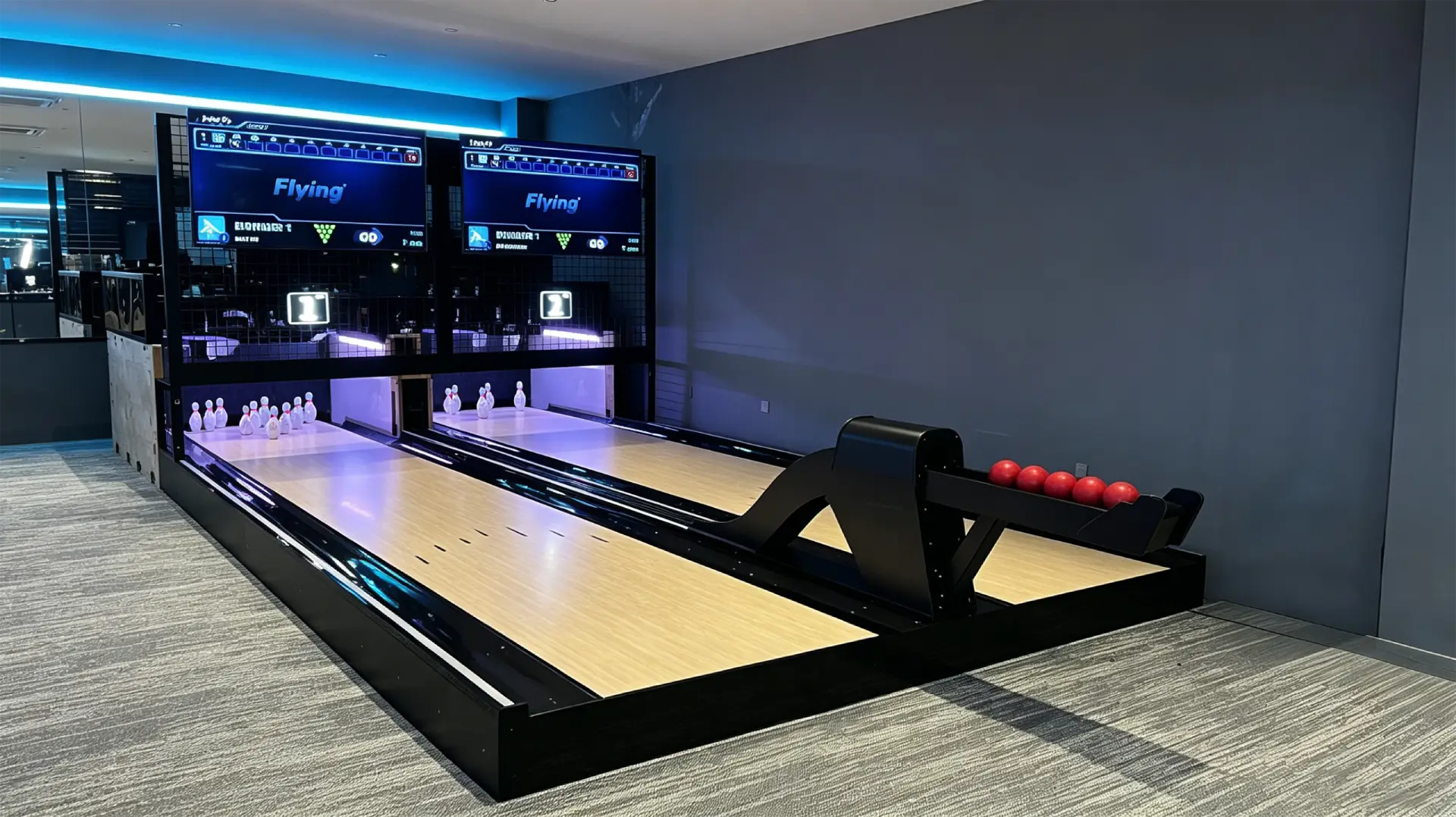
Flying Smart Duckpin Bowling is a compact duckpin bowling equipment system designed for bars, family entertainment centers, hotels, resorts, cinemas, boutique bowling alleys, and social entertainment venues. With a standard 9.13m duckpin bowling lane, 1.25kg lightweight balls, automatic scoring, ball return, LED lighting, and a smart string pinsetter, it creates a fast-paced and easy-to-play bowling experience in a smaller footprint than traditional bowling.
The system is available as a turnkey duckpin bowling package, including lane equipment, a string pinsetter system, scoring hardware, control software, global shipping, installation guidance, and technical support.
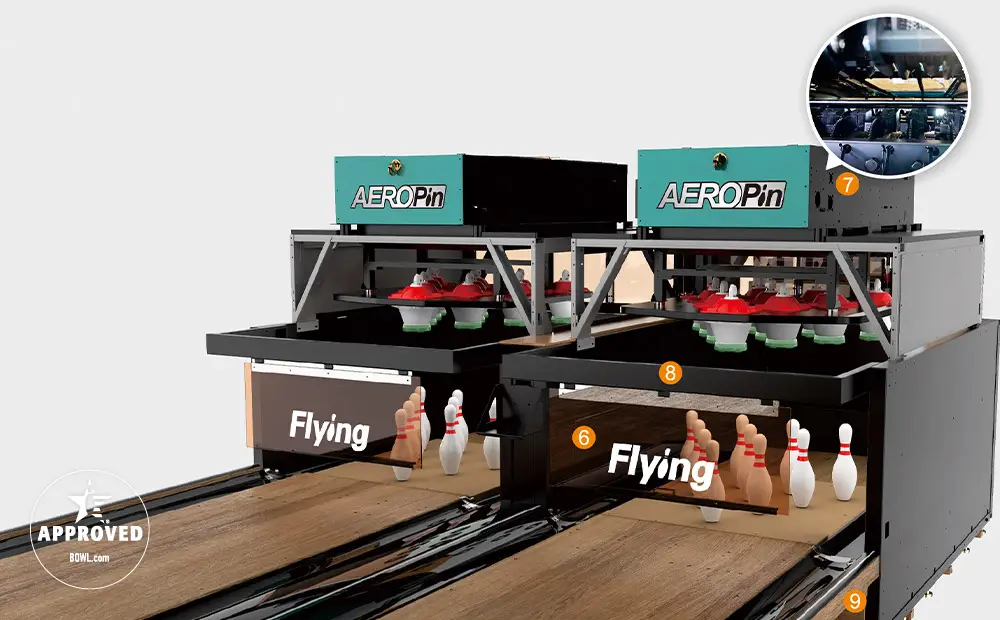
AEROPIN is Flying Bowling’s USBC-certified string pinsetter system for modern commercial bowling centers. Designed for fast pin setting, smooth ball return, low maintenance, and stable daily operation, it helps venue operators build league-ready and entertainment-focused bowling projects with confidence.
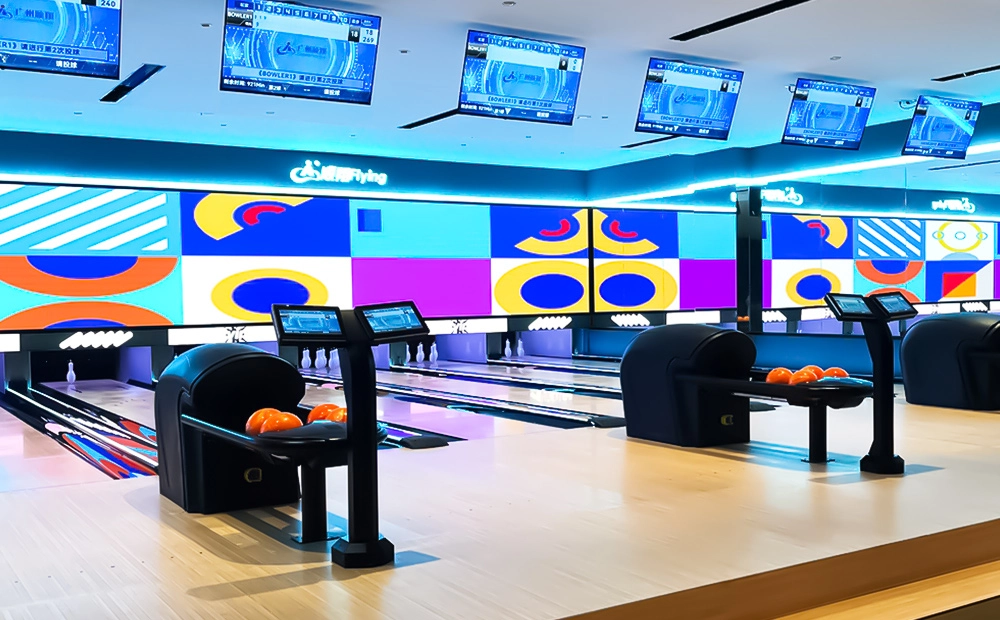
Flying Social Medium Bowling is a compact medium bowling equipment system designed for bars, cafes, family entertainment centers, community leisure venues, hotels, resorts, and small indoor entertainment spaces. With customizable lane lengths from 9.6m to 18m, small balls, lighter pins, string pinsetter technology, ball return, and automatic scoring, it creates an easy-to-play social bowling experience for players of different ages and skill levels.
Compared with full-size standard bowling, medium bowling requires less space and offers a more casual, interactive format. It is a practical choice for venues that want to add a bowling attraction without building a full commercial bowling alley.
Contact Flying
Start Your Custom Bowling Alley Project
If you contact us now for more details, we can provide you with a custom bowling alley service. Our service team will get back to you within 24 hours normally!
© 2026 Flying BOWLING. Designed by gooeyun.
FOLLOW US:

Flying Bowling
Flying Bowling
Flyingbowling
Flyingbowling