

Medium bowling has a smaller documented equipment footprint than a representative four-lane regulation ten-pin layout, but the figures describe different lane counts—not equivalent projects. Footprint alone cannot establish which format costs less. A meaningful comparison requires matching lane count and equipment scope, then reviewing the venue drawings and site requirements.
Quick Answer: Which Format May Have the Lower Setup Cost?
Why lane count and scope matter
Medium bowling may suit a project where a compact social bowling format fits the venue and customer experience. Regulation ten-pin is the relevant comparison when a full-size commercial format is required. Neither format has a supported fixed price or guaranteed saving in this comparison: the quotation changes with lane count, included equipment, layout, and contract scope.
To compare costs, request proposals for the same number of lanes and list the same equipment, delivery, and service inclusions in each request. A broader view of the project budget is available in this comprehensive bowling alley setup cost guide.
What the available footprint figures do—and do not—show
A typical two-lane medium bowling equipment dimension is 12 m × 3.05 m × 2.13 m. A representative standard four-lane layout is 25.6 m × 6.9 m × 3.2 m. These are different lane counts and must not be treated as a like-for-like cost comparison. They also describe equipment layouts, not the total room area needed for customer circulation, seating, access, or maintenance.
For both formats, request a project-specific quote based on equivalent lane count, inclusions, and site conditions. Room preparation, sound control, and floor readiness are separate planning considerations; for example, bowling alley acoustic soundproofing and vibration isolation cost is not determined by lane dimensions alone.
What Are Medium Bowling and Regulation Ten-Pin?
Medium bowling for compact social and hospitality venues
Medium bowling is designed for space-constrained venues such as bars, cafes, boutique hotels, malls, and social entertainment venues. Its lane length can be customized from 9.6 m to 18 m. The format uses smaller 4-pound and 6-pound balls with two finger holes, so buyers should compare the intended play experience as well as the floor plan.
Regulation ten-pin lane format
Standard ten-pin bowling has a 60 ft (18.28 m) distance from the foul line to the headpin. Overall project layout depth varies with venue design; a representative four-lane layout measures 25.6 m × 6.9 m × 3.2 m. The overall layout depth does not change the foul-line-to-headpin distance.
Equipment footprint versus total venue space
Neither equipment dimension is a room-planning approval. The full layout must account for the approach, seating and circulation, equipment access, maintenance space, ceiling clearance, and building obstructions. Confirm the finished room dimensions and floor condition with the project team before drawings are finalized. Where floor preparation is a concern, bowling alley subfloor leveling and load-bearing preparation cost is a separate item to assess against the site.
Medium Bowling vs. Regulation Ten-Pin: Key Differences at a Glance
| Comparison factor | Medium bowling | Regulation ten-pin | Quotation implication |
|---|---|---|---|
| Reference layout | Typical two-lane equipment dimension: 12 m × 3.05 m × 2.13 m | Representative four-lane layout: 25.6 m × 6.9 m × 3.2 m | Different lane counts; request matched configurations before comparing price. |
| Lane format | Customizable lane length from 9.6 m to 18 m; smaller balls | 60 ft (18.28 m) foul-line-to-headpin distance | Confirm the intended customer experience and format in the RFQ. |
| Package components | Confirm the exact proposed equipment and options with the supplier. | Documented package includes lane assemblies, AEROPIN string pinsetters, ball return mechanisms, scoring hardware, digital overhead displays, synchronized lighting, balls, and pins. | Compare itemized inclusions, not package names alone. |
| Price and site-work difference | Not established by these dimensions | Quote-dependent; confirm equipment scope and local works separately. |
What Determines the Cost of Each Bowling Setup?
Lane count and configuration
Lane count changes the quantity of equipment and the layout being priced. A two-lane compact system and a four-lane standard system are not a fair comparison of format costs. Ask suppliers to quote the same planned lane count or explain the cost of each configuration separately.

Equipment package and optional systems
List the lane assemblies, pinsetters, ball returns, scoring equipment, displays, lighting, balls, and pins that the project requires. Some elements may be options or may differ by format; do not assume that similarly named packages include the same items. Ask for a model or description, quantity, and price for each quoted system.
Venue layout and site conditions
Room dimensions, ceiling clearances, columns, entrances, exits, and equipment access determine whether a proposed arrangement fits without redesign. Incomplete plans can leave conflicts undiscovered until later coordination, when layout or site-preparation changes may be required. Equipment footprint does not establish civil-work savings: compare site preparation only after each format has a reviewed layout and clearly allocated responsibilities.
Shipping, installation, and contract scope
Compare packing, shipping coordination, installation guidance, technical commissioning, and staff training as separate proposal items. Also verify whether local construction, permits, customs clearance, or on-site crews are included. A supplier’s service description is not a substitute for the contract: record each inclusion and exclusion in the offer being evaluated.
Cost Impact Table: How Project Choices Change the Quote
Cost impact matrix
The table uses “quote-dependent” rather than assigning an unsupported price ranking. Each item should be priced against the project documents and confirmed scope.
| Project choice | Cost impact | What the buyer should confirm |
|---|---|---|
| Format and lane count | Quote-dependent | Format, lane quantity, lane arrangement, and whether the same configuration is being compared. |
| Equipment inclusions | Quote-dependent | Lane assemblies, pinsetters, ball returns, scoring, displays, lighting, balls, and pins listed by quantity. |
| Layout constraints | Quote-dependent | Dimensioned plan, ceiling clearances, columns, access routes, and maintenance space. |
| Electrical and other site interfaces | Quote-dependent | Supplier requirements and which party is responsible for site connections and preparation. |
| Packing and shipping | Quote-dependent | Packing specification, shipping responsibility, destination, and any separately handled import charges. |
| Installation and commissioning | Quote-dependent | Whether the offer includes guidance, on-site labor, commissioning, and operational training. |
| Local works | Quote-dependent | Who owns construction, permitting, floor preparation, and other venue work. |
Scope items to confirm before comparing offers
Ask each supplier to state the basis of the quote, its validity conditions, the revision level of the drawings used, and every exclusion. If one proposal includes commissioning and another does not, compare the equipment line items separately from the total project scope.
Cost Breakdown by Process or Component
Bowling equipment package
Request an itemized equipment schedule for the selected format and lane count. For a standard ten-pin package, verify the lane assemblies, AEROPIN string pinsetters, ball return mechanisms, scoring hardware, digital displays, synchronized lighting, balls, and pins. Confirm the exact components for a medium package in the supplier’s proposal rather than assuming that its equipment list matches ten-pin.
Venue preparation and interfaces
Keep supplier equipment separate from venue-specific preparation. The project team should identify the requirements for floor readiness, electrical connections, access, and any local construction before award. Assign responsibility for each interface; otherwise, a low equipment quote may leave essential work outside the contract.
Export packing and shipping coordination
Ask what packing is specified, who arranges transport, which destination is priced, and what charges remain outside the offer. Packaging requirements can change how equipment is prepared for transport, so state handling or delivery constraints before the quotation is issued.
Installation guidance and commissioning
Confirm whether the supplier’s scope includes installation guidance, technical commissioning, and staff operational training. Record whether any on-site team is included or must be arranged separately. Do not assume a turnkey scope unless the contract defines it.
How to Choose the Right Format for Your Venue
When medium bowling may fit the project
Consider medium bowling when the available footprint is constrained and the intended offer is a compact social or hospitality bowling experience. Its customizable lane length provides a planning option, but the final layout still needs to accommodate customers, equipment access, and maintenance.
When regulation ten-pin may be the intended format
Choose regulation ten-pin when the project requires a full-size commercial format, including its standard foul-line-to-headpin distance. A venue with that requirement should not substitute a shorter format based on floor area alone; the play format is part of the specification, not just a space-saving decision.
Questions to resolve before design freeze
- Which format matches the intended customer experience?
- What lane count is planned, and can it be accommodated with complete clearances?
- Do the room, ceiling, access points, and columns support the proposed arrangement?
- Which equipment systems and venue works belong in the supplier’s scope?
Resolve these questions with the venue designer, contractor, and equipment supplier before finalizing drawings. A reviewed layout helps prevent a footprint comparison from being mistaken for a complete project-cost comparison.
How to Get an Accurate Quote
Quote information checklist
- Project location and venue type.
- CAD drawings or dimensioned floor plans, plus available room dimensions.
- Ceiling height and clearance information, column locations, and entrance and exit positions.
- Preferred format, planned lane count, and any layout preference.
- Requested equipment inclusions and optional systems.
- Site-interface expectations and the intended division of contract responsibilities.
- Packing, shipping, installation, commissioning, and training expectations.
- Material, tolerance, and surface-finish requirements where relevant to the quoted equipment scope; include quantity and application requirements for any specified items.
Drawing and specification package
Send the latest drawing revision and identify dimensions that are fixed versus still under review. Mark the approach, lane area, seating, access, columns, exits, and any known obstructions. If material, tolerance, or finish requirements apply to specified equipment components, state them explicitly; otherwise, suppliers may quote different assumptions.

Questions to align supplier quotations
Ask each supplier to confirm the equipment configuration, inclusions, exclusions, site interfaces, delivery basis, and support scope in writing. Also confirm which drawing revision the quote follows and how later changes will be priced. Resources such as the BPAA Proprietor Resource Center can inform bowling-center operational planning, but do not replace project-specific equipment quotations.
Common Quoting Mistakes and Cost Reduction Strategies
Common quotation-comparison mistakes
- Comparing different lane counts or treating the medium two-lane and standard four-lane references as equivalent.
- Assuming an equipment footprint is the complete room requirement.
- Comparing package totals without checking the equipment list and service inclusions.
- Leaving site interfaces, packing, commissioning, or local works undefined.
- Requesting a price before sharing complete drawings, then comparing offers built on different assumptions.
DFM and engineering review
A design-for-manufacturability review is useful when the project includes custom layout details or specified equipment components. It can identify where a requested tolerance, material, or surface finish is necessary—and where a less restrictive requirement would still meet the application. The buyer should approve any proposed change before it is incorporated into the quote; relaxing a requirement without checking fit, operation, or maintenance needs can create downstream problems.
Cost-reduction checklist
- Standardize the format, lane count, and equipment schedule across supplier requests.
- Provide complete, coordinated drawings before pricing.
- Remove optional systems only after confirming that the venue does not need them.
- Review material, finish, and tolerance requirements for actual application needs.
- Confirm packing and delivery requirements early to avoid repricing from changed assumptions.
- Consider phased scope or a simplified configuration only after checking suitability and lifecycle implications.
How to Choose a Bowling Equipment Supplier for Cost Optimization
Scope transparency and quotation detail
Evaluate whether the supplier identifies equipment by system and configuration, states the basis of the price, and separates equipment from services and exclusions. Ask how changes to lane count, options, or drawings affect the proposal.
Drawing and layout review
Ask how the supplier checks CAD plans, clearances, columns, entrances, exits, and ceiling conditions. At Flying Bowling, our stated project workflow includes layout planning, CAD floor-plan assessment, and equipment configuration. Buyers should still verify the deliverables and responsibilities included in their specific contract.
Delivery and project handover
Confirm export packing, shipping coordination, installation guidance, technical commissioning, operational training, and warranty terms against the written proposal. Ask who answers technical questions during revisions and what information is required before the layout is approved.
Questions to ask before award
- Does the proposal reflect the latest drawings and the same lane count used in other bids?
- Which equipment, options, services, and local works are included or excluded?
- What support is provided for layout review, commissioning, and training?
- How are revisions, site changes, and unresolved interfaces handled?
Conclusion and Next Steps
The useful comparison is not “compact versus full-size” in isolation. It is the cost of two clearly defined projects with the same lane count, known equipment scope, reviewed layouts, and explicit site responsibilities. Medium bowling may fit space-constrained social venues; regulation ten-pin is the appropriate choice when a full-size format is required. Neither footprint alone proves a lower total setup cost or a civil-work saving.
Before requesting proposals, settle the format and lane count, then share the project location, floor plan, available dimensions, and scope expectations. We use those inputs to assess layout and equipment configuration, so the quotation can be tied to the actual venue rather than a generic footprint.
Discuss Your Project Requirements
Flying Bowling Co., Ltd. can review your preferred format and planned lane count against your CAD or floor plans, available dimensions, and project location. Include the equipment inclusions and delivery or installation expectations you want priced.
Frequently Asked Questions
References
More Articles

Let’s Build a center Together
Partner With a Trusted Bowling Alley Design, One-Stop Solution Manufacturer.
Flying has successfully built ideal bowling alleys for more than 3,000 customers.

Technical Expert
You may also like our products
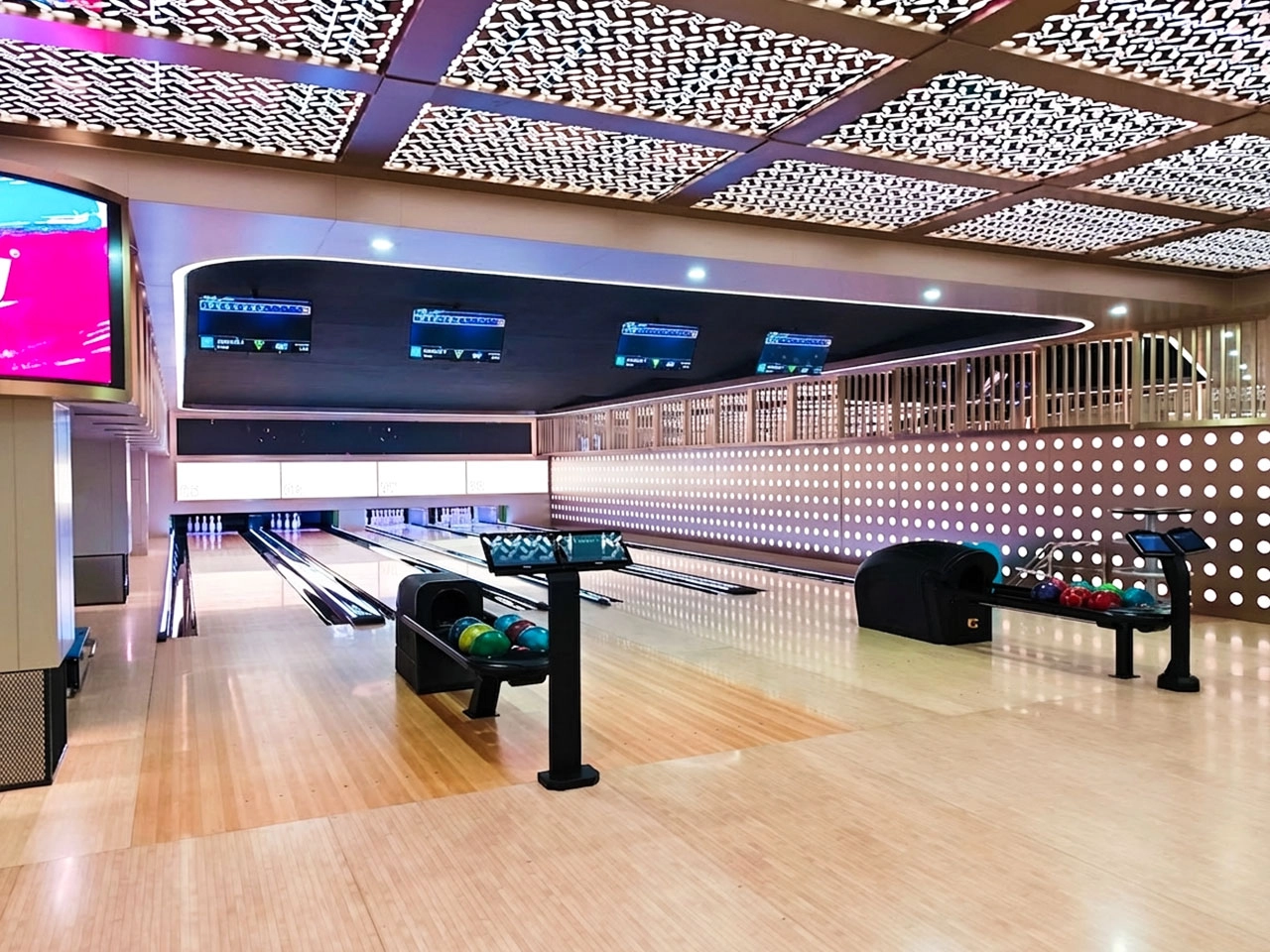
Build a commercial bowling venue with Flying’s complete string pinsetter bowling alley equipment package. The system includes the AEROPIN™ USBC-certified string pinsetter, customizable lanes, automatic scoring, ball return, lane lighting, pins, control hardware, and overseas installation support.
Designed for commercial bowling centers, family entertainment venues, hotels, resorts, bars, and premium private projects, this turnkey bowling system helps operators reduce sourcing complexity and prepare for reliable long-term operation.
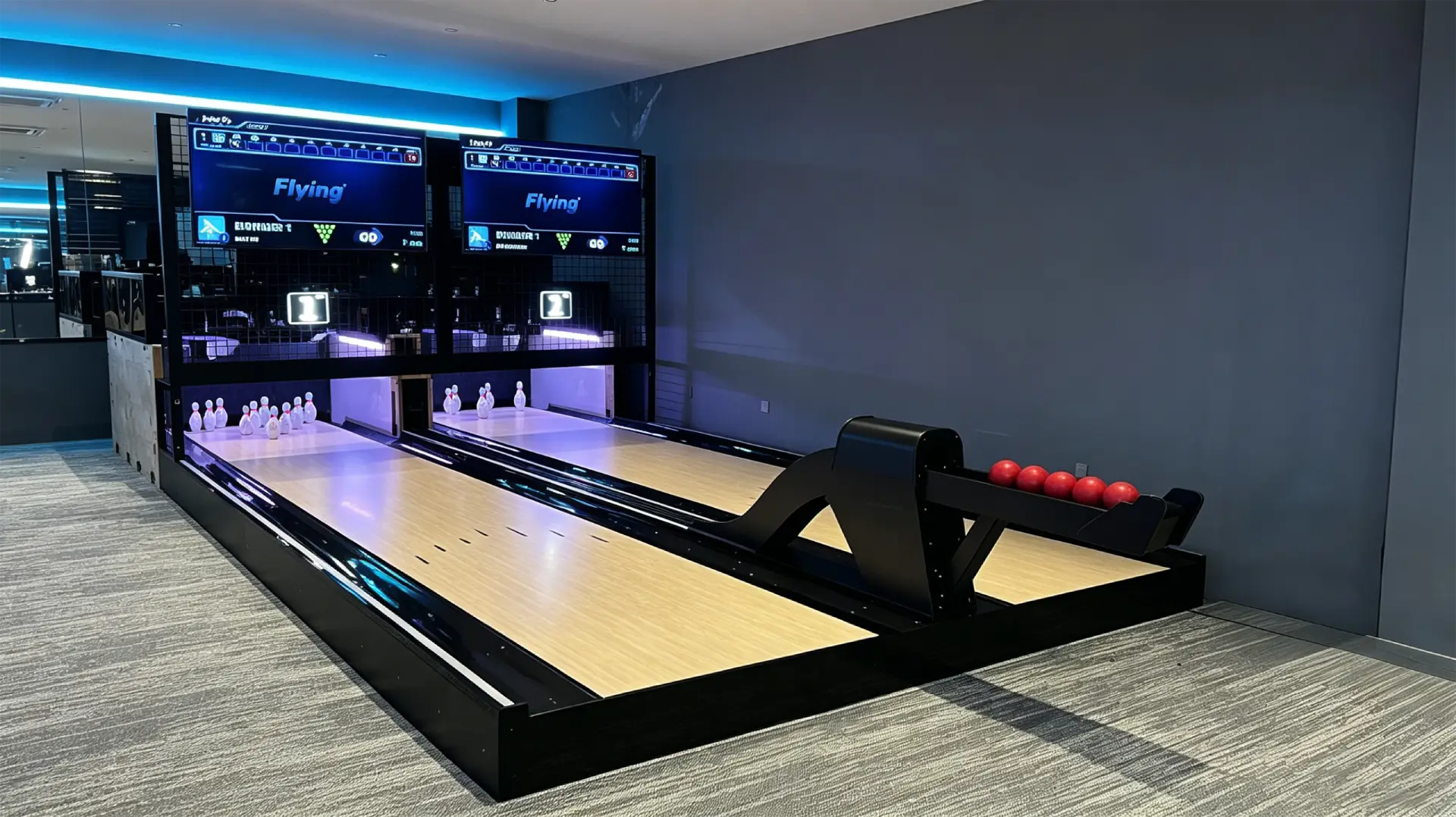
Flying Smart Duckpin Bowling is a compact duckpin bowling equipment system designed for bars, family entertainment centers, hotels, resorts, cinemas, boutique bowling alleys, and social entertainment venues. With a standard 9.13m duckpin bowling lane, 1.25kg lightweight balls, automatic scoring, ball return, LED lighting, and a smart string pinsetter, it creates a fast-paced and easy-to-play bowling experience in a smaller footprint than traditional bowling.
The system is available as a turnkey duckpin bowling package, including lane equipment, a string pinsetter system, scoring hardware, control software, global shipping, installation guidance, and technical support.
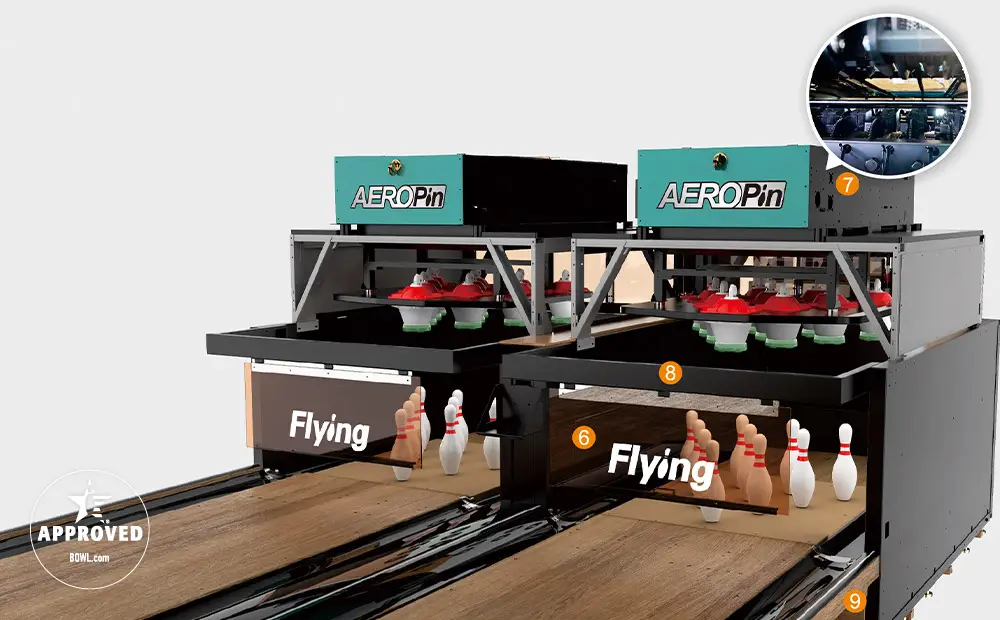
AEROPIN is Flying Bowling’s USBC-certified string pinsetter system for modern commercial bowling centers. Designed for fast pin setting, smooth ball return, low maintenance, and stable daily operation, it helps venue operators build league-ready and entertainment-focused bowling projects with confidence.
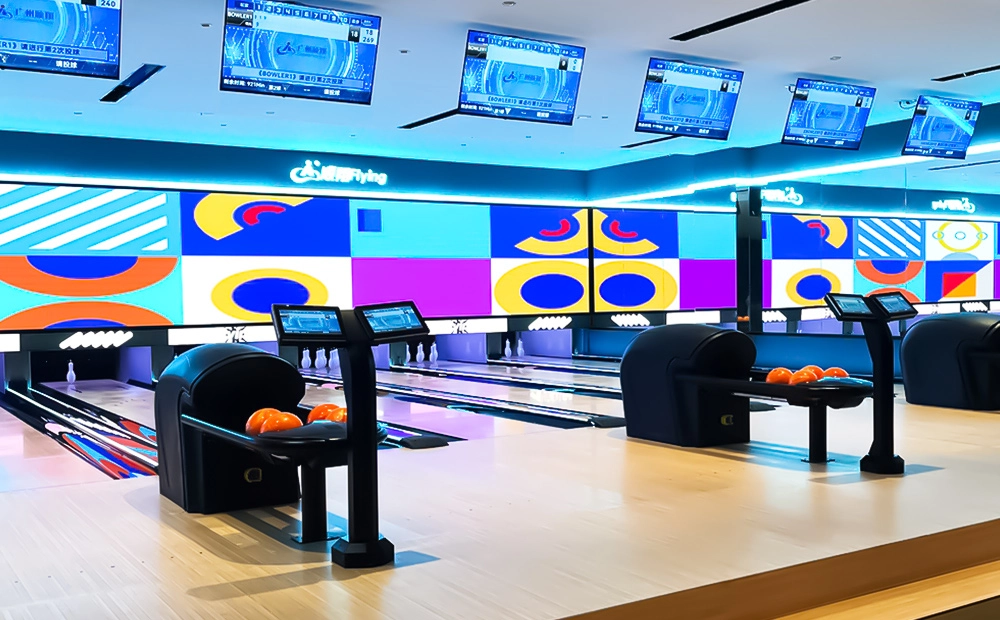
Flying Social Medium Bowling is a compact medium bowling equipment system designed for bars, cafes, family entertainment centers, community leisure venues, hotels, resorts, and small indoor entertainment spaces. With customizable lane lengths from 9.6m to 18m, small balls, lighter pins, string pinsetter technology, ball return, and automatic scoring, it creates an easy-to-play social bowling experience for players of different ages and skill levels.
Compared with full-size standard bowling, medium bowling requires less space and offers a more casual, interactive format. It is a practical choice for venues that want to add a bowling attraction without building a full commercial bowling alley.
Contact Flying
Start Your Custom Bowling Alley Project
If you contact us now for more details, we can provide you with a custom bowling alley service. Our service team will get back to you within 24 hours normally!
© 2026 Flying BOWLING. Designed by gooeyun.
FOLLOW US:

Flying Bowling
Flying Bowling
Flyingbowling
Flyingbowling
Flyingbowling