

Is bowling a sport?
Yes. Bowling is a competitive sport that demands physical coordination, accuracy, strategy, and mental focus. Its professional tournaments, established scoring rules, and governing organizations explain why bowling is considered a sport—even though millions of people also enjoy it as a recreational game.
Unlike sports that depend mainly on speed or physical contact, bowling rewards controlled movement and repeatable technique. Every delivery combines balance, timing, ball control, and an understanding of the playing conditions. The same basic activity can be a casual family outing or a demanding professional competition.
Is Bowling Considered a Sport?
Yes. Bowling is considered a sport because it involves coordinated physical actions, consistent standards of play, skill development, and organized competition. It is a precision-based activity rather than an endurance or contact sport.
What Defines a Sport?
Not every sporting activity requires continuous running or intense physical contact. Many precision sports, including golf and archery, rely heavily on coordination, technique, and repeatability. Several characteristics help explain the sporting status of bowling:
- Physical skill: Footwork, controlled swing, release, balance, and follow-through affect the result.
- Competition: Individuals and teams compete in leagues and tournaments.
- Rules and scoring: Standardized formats make performances measurable.
- Practice: Players improve through coaching, repetition, and tactical decisions.
- Competitive organizations: Governing bodies and professional associations establish and administer competition.
The USBC Playing Rules explain how sanctioned games are played and scored, while the Professional Bowlers Association (PBA) operates a professional competitive structure. These are concrete examples of bowling as an organized sport.
Does Bowling Meet Those Criteria?
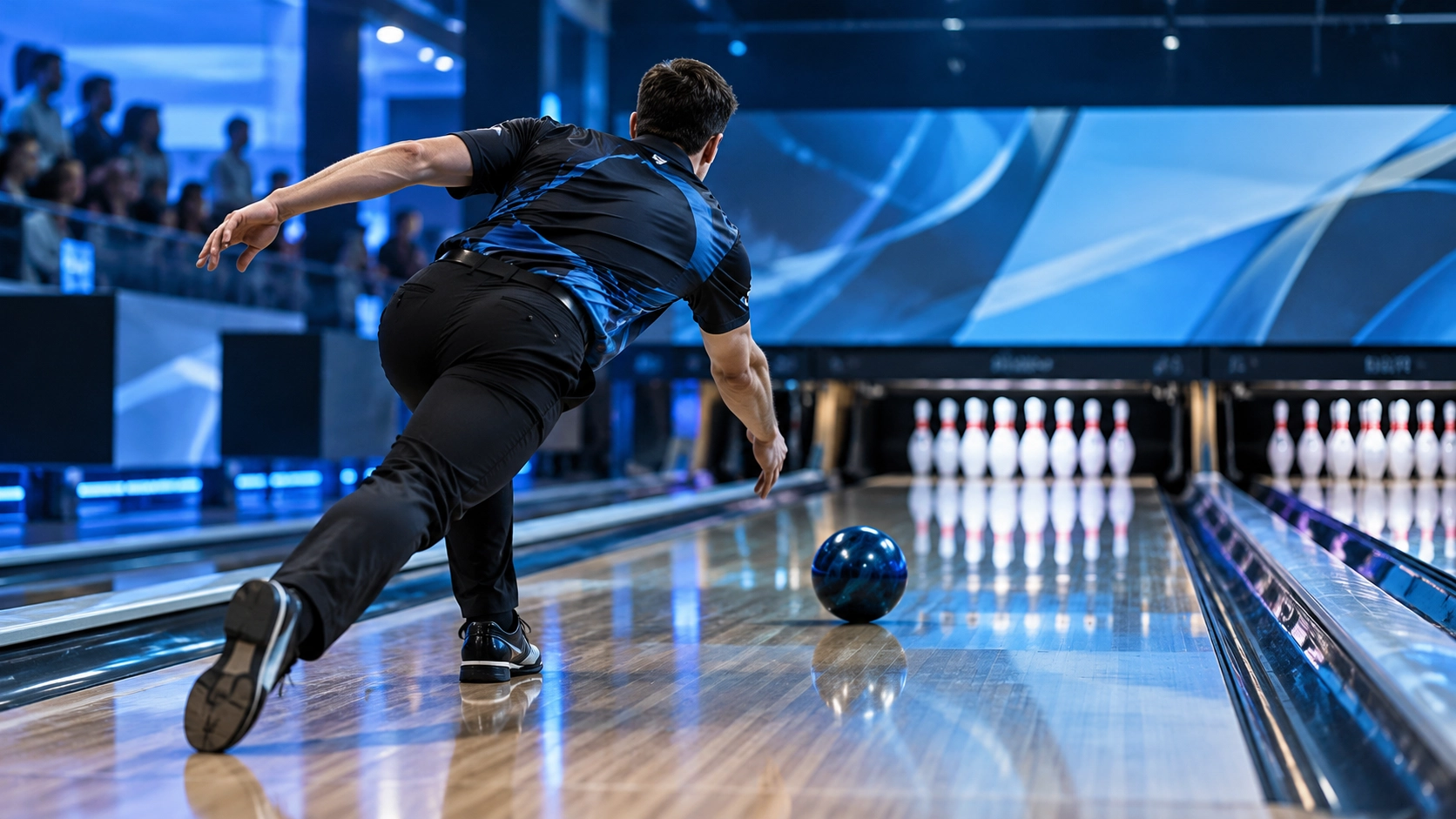
In a ten-pin delivery, the bowler coordinates an approach, ball swing, release, and follow-through. They aim to repeat an effective ball path while adapting to changes in lane conditions. The outcome is recorded with a standardized scoring system, and the results can determine league standings or tournament rankings.
In short, bowling combines athletic technique with objective competitive results. Its popularity as a leisure activity does not cancel its sporting identity.
Is Bowling a Sport or a Game?
The question “is bowling a sport or a game?” presents a false choice. It can be both, depending on how it is played. A family may bowl for entertainment, while competitive athletes train and compete under detailed rules.
Recreational Bowling vs. Competitive Bowling
| Aspect | Recreational bowling | Competitive bowling |
|---|---|---|
| Primary aim | Entertainment, social interaction, and personal enjoyment | Performance, ranking, and competition |
| Rules | Often adapted to a casual setting | Determined by the applicable tournament or league rules |
| Equipment | Typically includes house balls and general-purpose lanes | Equipment and lane conditions must meet the relevant event requirements |
| Practice | Optional | Usually systematic, with technique and spare shooting emphasized |
| Result | A score that tracks a fun activity | An official result that can affect rankings and titles |
A casual basketball game is still basketball; a professional basketball match is an organized sport. Bowling follows a comparable distinction: an approachable game with a highly competitive version.
How Is Bowling a Sport? The Physical and Mental Skills
If bowling does not always look physically intense, how is bowling a sport? The answer is found in the skills required to repeat accurate deliveries and make decisions under changing conditions.
Coordination, Balance, and Precision
The approach, swing, slide, release, and follow-through must work together. A small timing difference can change ball direction or accuracy. Skilled bowlers pay close attention to their starting position, target, release consistency, and the movement of the ball down the lane.
- Balance supports stable delivery and follow-through.
- Timing aligns footwork with the arm swing.
- Accuracy helps the bowler reach a chosen target.
- Consistency makes performance repeatable rather than accidental.
Strength and Endurance
Bowling involves repeated physical effort from the legs, core, shoulders, arms, and hands. Players in long practice sessions or multi-game competitions also need to manage fatigue. Although raw strength does not guarantee a high score, controlled movement and conditioning help maintain technique.
Strategy and Mental Focus
Competitive bowlers decide where to stand, which target to choose, how much ball speed to use, and how to adjust as oil conditions change. Spare conversion, concentration, and composure can matter as much as the ability to throw strikes. A good score reflects sound choices made across a full game, not a single lucky delivery.
Why Do Some People Say Bowling Is Not a Sport?
The argument that bowling is not a sport usually focuses on its social atmosphere and comparatively low level of continuous movement. Bowling centers may combine lanes with food, music, parties, and family entertainment. That setting can make the activity feel different from football, running, or basketball.
However, leisure accessibility is not a reliable test of sporting status. Golf and archery, for example, also emphasize precision rather than sustained high-intensity motion. What matters is whether an activity requires physical skill and supports organized, rule-based competition.
Bowling meets those conditions. The more useful distinction is between casual participation and competitive performance rather than between “real sport” and “not a sport.”
Is Bowling a Professional Sport?
Yes, bowling is a professional sport. Organized professional competition includes dedicated tours, tournaments, rankings, and prize events. The PBA runs the PBA Tour, PBA50 Tour, and regional competitions, with bowlers competing at multiple levels.
Organizations and Competitive Rules
- USBC: Publishes playing rules and equipment standards for its sanctioned activities. See the official playing rules.
- PBA: Organizes professional competition. See PBA Tour.
- International competition: International and regional bowling bodies organize events under their applicable rules and formats.
How Does Ten-Pin Scoring Work?
A standard American ten-pin bowling game has ten frames. Generally, a player has up to two deliveries per frame in the first nine frames, unless a strike is scored. The tenth frame may include extra deliveries after a strike or spare. A strike scores ten plus the next two deliveries; a spare scores ten plus the next delivery. Twelve consecutive strikes produce a perfect game of 300 under the standard scoring rules.
Rules matter because they make results comparable. In organized competition, equipment and lane conditions must also meet the requirements of the relevant governing body.
Bowling Is a Sport for Everyone: Participation and Accessibility
The phrase “bowling is a sport for everyone” reflects the activity’s broad appeal: many children, adults, and older players can enjoy bowling at a level suited to their experience. Adaptive equipment and accessible facilities can also help more people participate. Accessibility should never be assumed for every individual or every venue; suitable equipment and accommodation still matter.
Different Formats for Different Experiences
Ten-pin bowling is not the only way to enjoy the activity. Facilities may select different equipment formats to serve different customers and spatial constraints. The formats below are not automatically interchangeable for official competition.
| Format | Typical characteristics | Common venue application |
|---|---|---|
| Standard ten-pin | Regulation ten-pin game format and scoring | Recreational centers, leagues, and eligible competitive venues |
| Duckpin | Smaller pins and balls; rules differ from standard ten-pin | Social bowling and dedicated duckpin settings |
| Medium bowling | Compact commercial system; exact dimensions depend on model | Entertainment and hospitality venues with limited space |
| Mini bowling | Smaller equipment for compact recreational play | Family entertainment centers and leisure attractions |
A hotel adding compact bowling as an amenity may have different design priorities from a purpose-built league venue. Understanding the intended audience should come before the equipment specification.
How Bowling Technology Supports Fair and Consistent Play
Players generate the score, but suitable lanes, pinsetting equipment, scoring systems, and maintenance practices help make the experience dependable. This is also where bowling equipment manufacturers contribute technical expertise to both competitive and recreational facilities.
Bowling Lanes and Scoring Systems
In ten-pin bowling, official specifications define important lane and equipment measurements. The distance from the foul line to the center of the headpin is 60 feet. A complete installation also requires space for approaches, mechanical equipment, ball returns, seating, access, and maintenance—not just the playing surface.
Automatic scoring can simplify game administration, but operators planning sanctioned events should verify the system’s suitability for the intended rules and competition. Flying Bowling supplies commercial bowling equipment systems for different venue configurations.
String Pinsetters vs. Free-Fall Pinsetters
A traditional free-fall pinsetter handles pins without attached strings. A string pinsetter uses cords connected to the pins to retrieve and reset them. Their mechanical designs and maintenance needs differ; the suitability of either approach for a given competition depends on the approved model, the installation, and the relevant event rules.
| Consideration | String pinsetter | Free-fall pinsetter |
|---|---|---|
| Pin retrieval | Pins remain connected to strings | Pins are collected and handled without attached strings |
| Mechanical layout | String lifting and resetting mechanism | Mechanical pin-handling and recycling mechanism |
| Maintenance tasks | String systems, motors, sensors, and related components | Moving mechanical assemblies and related components |
| Competition use | Confirm the specific approved model and conditions | Confirm applicable approved equipment and venue rules |
AEROPIN™: Model-Specific USBC Approval
The USBC official approved string pinsetter list identifies Flying Bowling Co., Ltd. — Flying Bowling — Aeropin Pinsetter with an approval date of January 21, 2026. This is a model-specific approval; it does not automatically certify every Flying Bowling product, every venue configuration, or participation in every professional tournament.
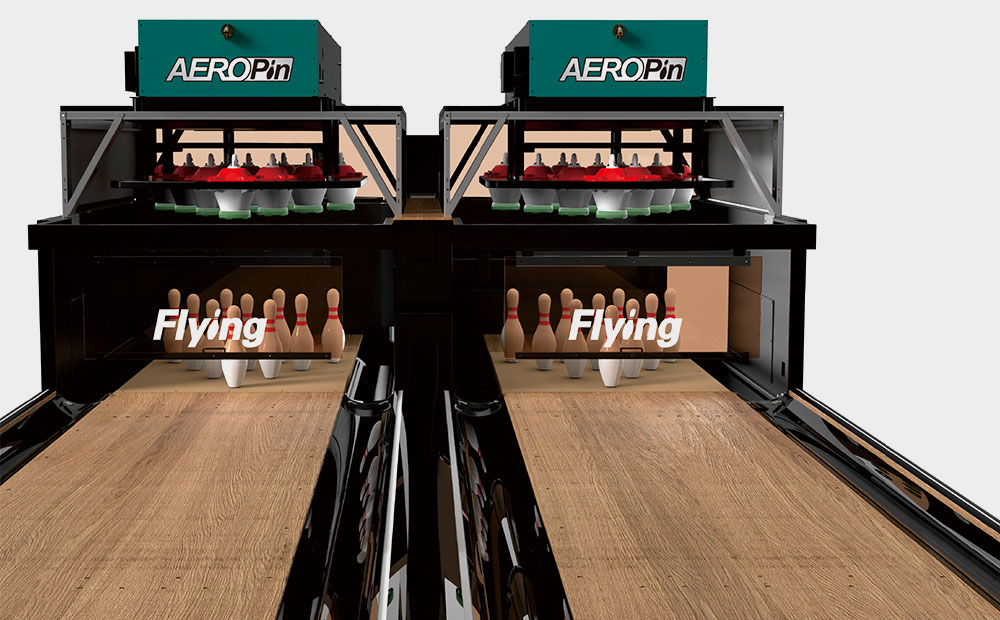
Operators evaluating modern pinsetting equipment can review the AEROPIN™ string pinsetter specifications and verify the model against the current USBC registry before placing an order.
Can Recreational and Competitive Bowling Share a Venue?
Some bowling centers can support both casual players and structured competition. However, an eligible competitive installation requires more than simply using professional-looking equipment. The center must comply with the applicable lane, equipment, and event requirements.
Considerations for Competitive Venues
- Confirm lane dimensions, certification, and playing conditions against the relevant regulations.
- Verify approved pinsetting equipment and scoring compatibility where required.
- Plan preventive maintenance, spare parts, and technical support.
- Allow appropriate approach, player, and spectator areas.
Considerations for Social and Recreational Venues
- Match lane format to customer expectations and available floor space.
- Choose user-friendly scoring and control systems.
- Consider group play, accessibility, lighting, and customer circulation.
- Clarify installation, training, and service responsibilities before purchasing.
For example, compact social experiences may benefit from a commercial duckpin bowling system, while a facility aimed at regulated ten-pin play may need a different setup. The decision should begin with customer and operational needs, not only the advertised equipment price.
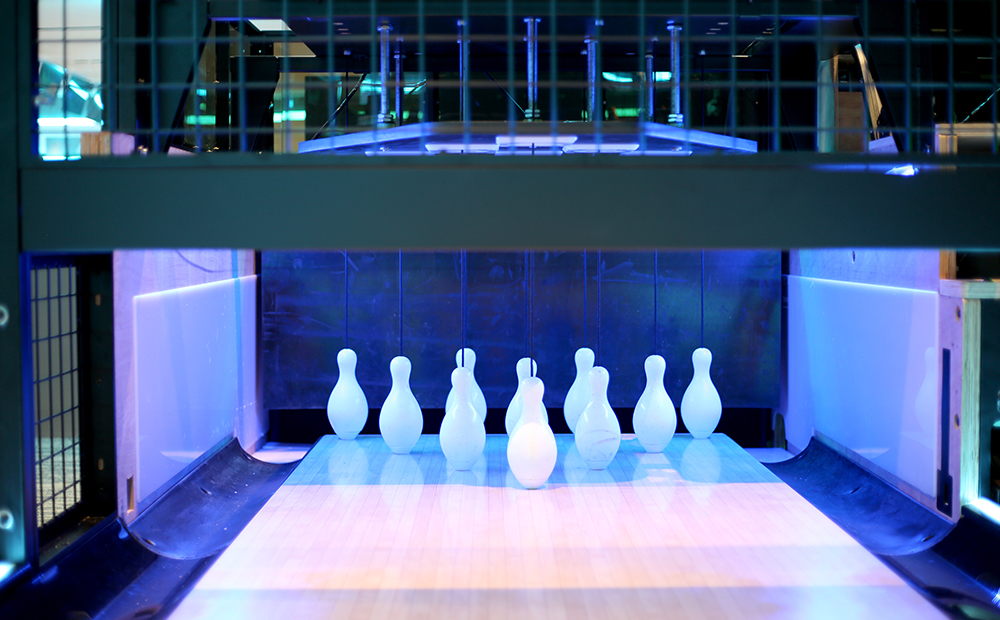
If you are planning a new center, explore Flying Bowling’s bowling center planning and equipment services for information about layout, equipment configuration, and project requirements.
Frequently Asked Questions About Bowling as a Sport
Conclusion: Bowling Is a Sport and a Game
Bowling is a sport because it combines coordinated physical skill, precise technique, mental strategy, standardized scoring, and organized competition. It can also be an enjoyable social game. The ability to participate casually does not diminish the training required to compete at a high level.
For people exploring bowling as a pastime, understanding the rules and developing technique is a good place to start. For commercial venue operators, the next step is to choose the right bowling format and equipment for the players they intend to serve.
Planning a Commercial Bowling Center?
Flying Bowling manufactures standard and compact bowling systems, AEROPIN™ string pinsetters, scoring systems, ball returns, and related commercial equipment. Share your proposed venue size, lane count, and project location to discuss suitable options.
Request Equipment Information & Quote →References and Further Reading
More Articles
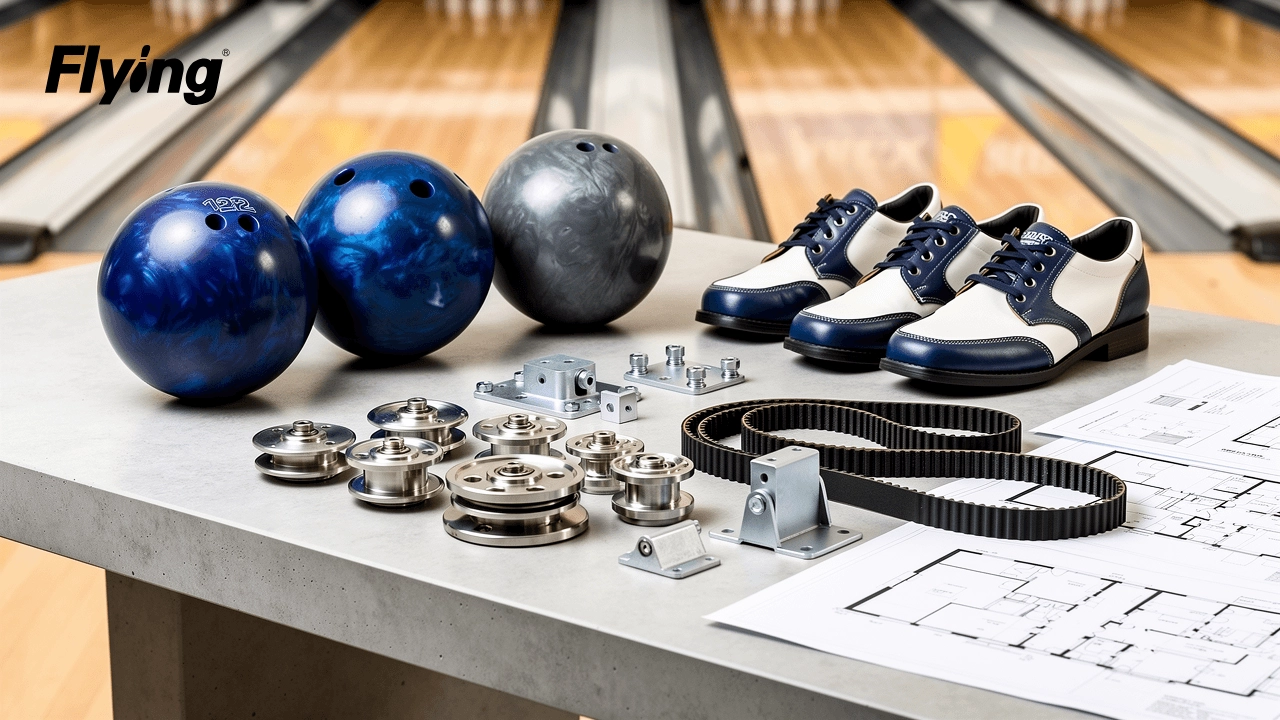
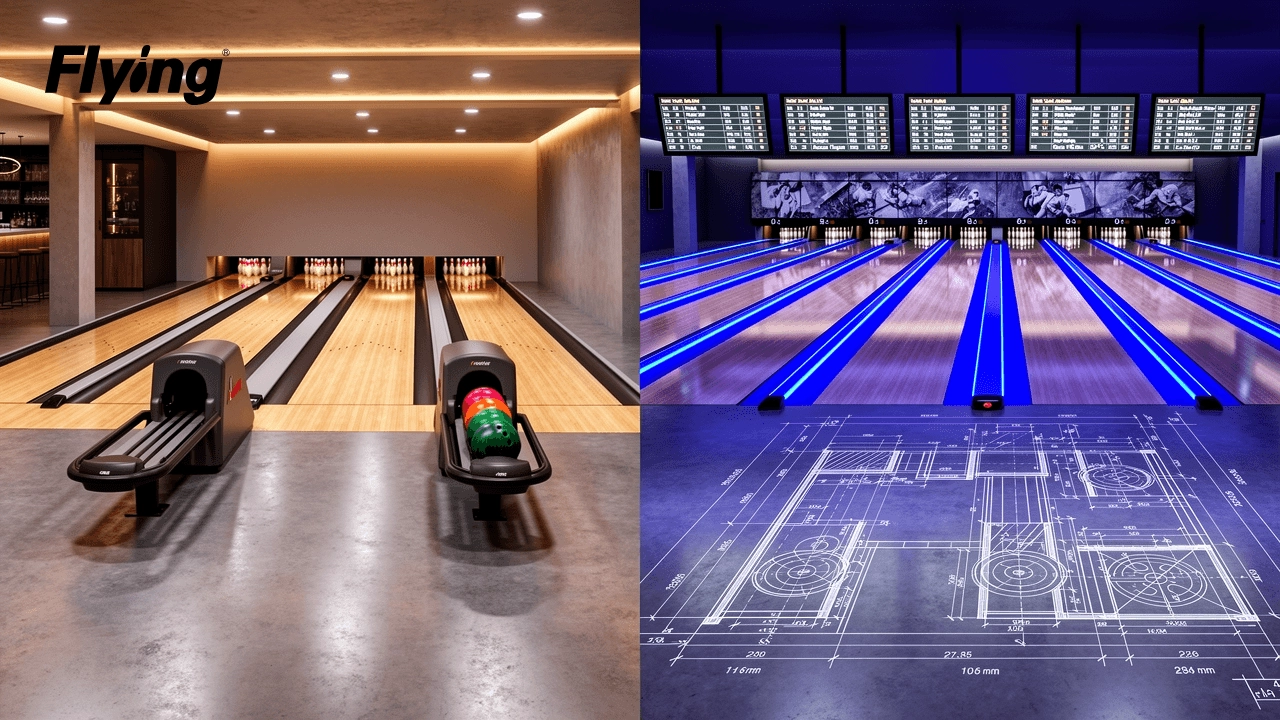

Let’s Build a center Together
Partner With a Trusted Bowling Alley Design, One-Stop Solution Manufacturer.
Flying has successfully built ideal bowling alleys for more than 3,000 customers.
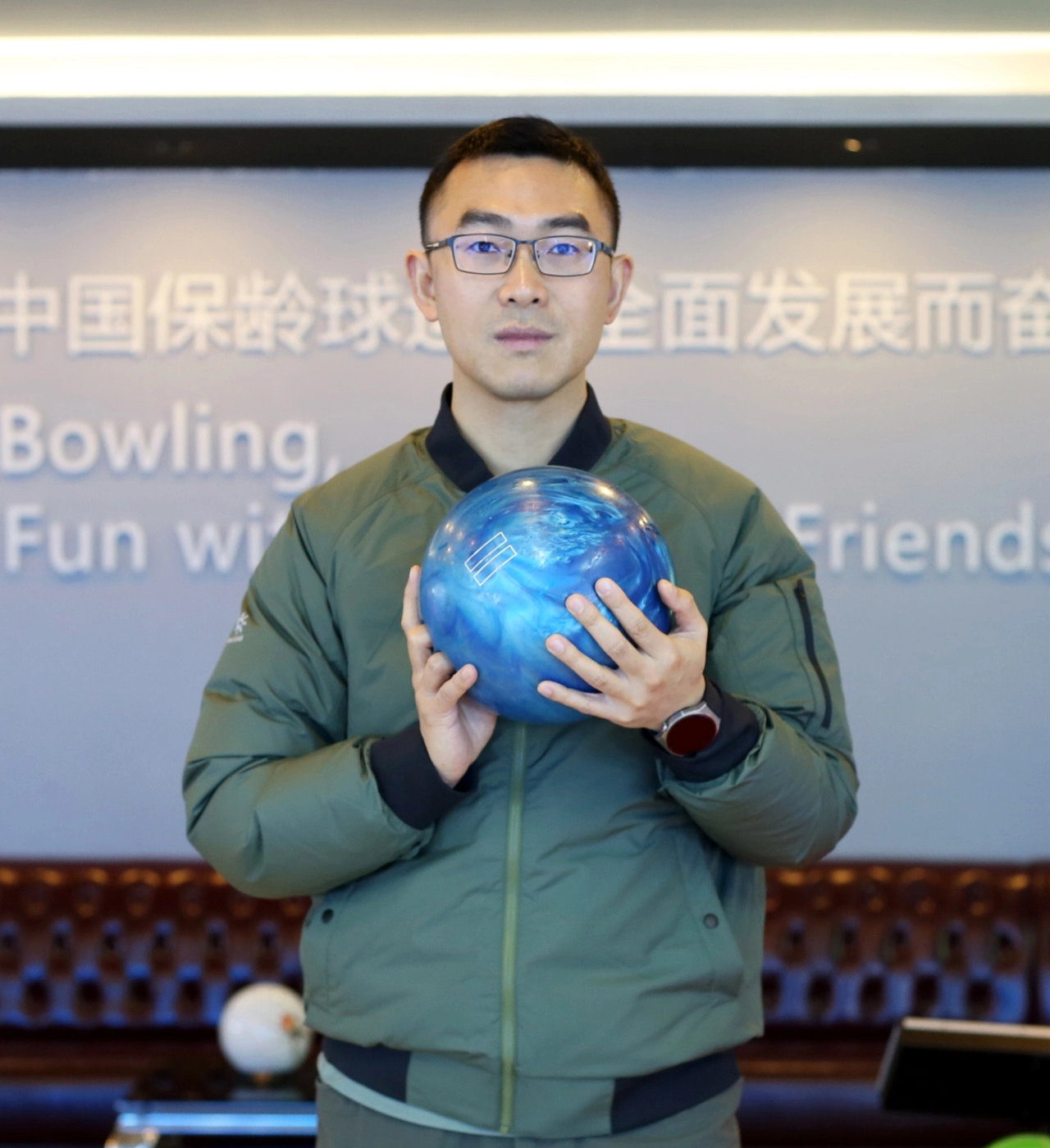
Technical Expert

You may also like our products
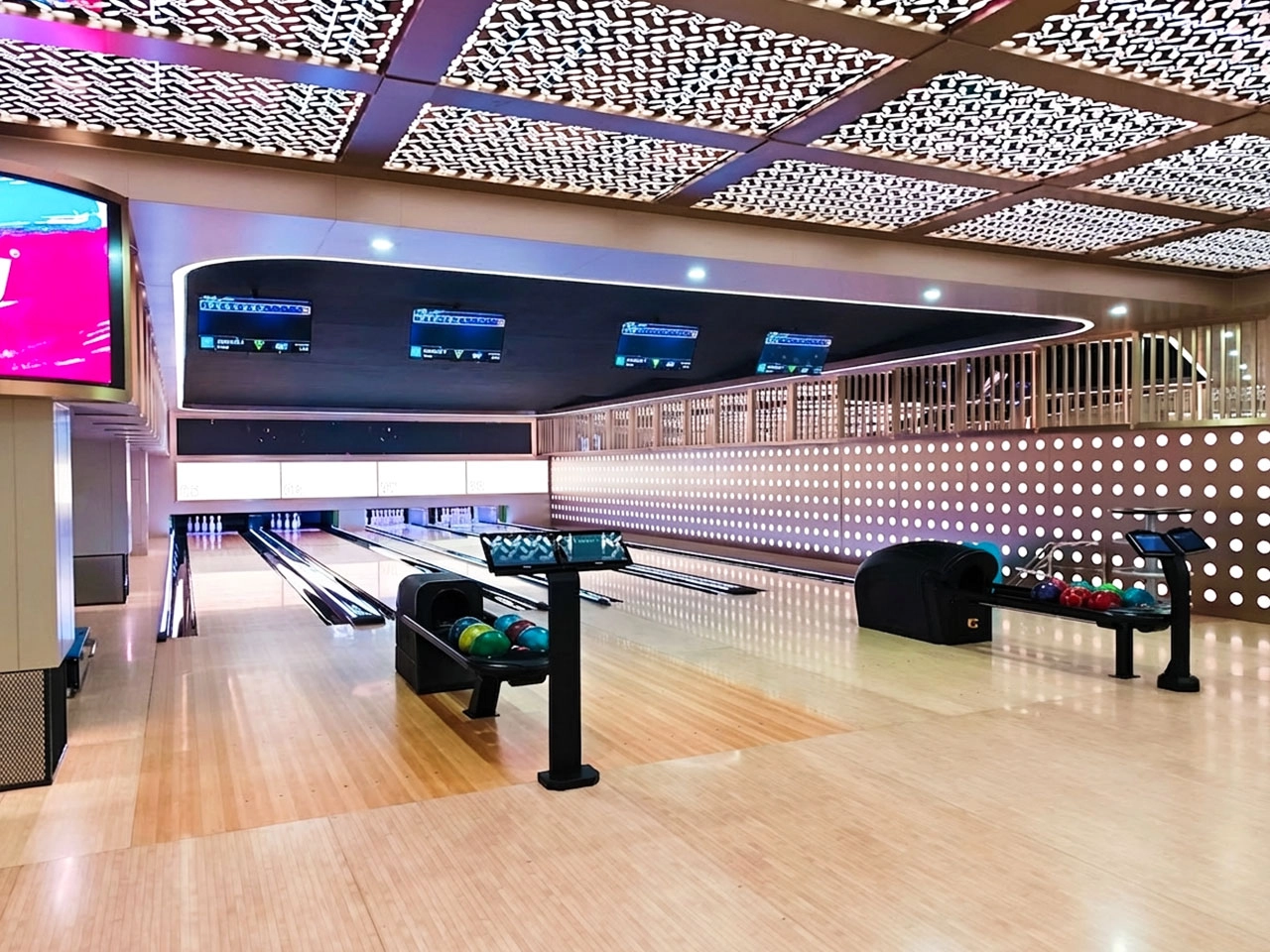
Build a commercial bowling venue with Flying’s complete string pinsetter bowling alley equipment package. The system includes the AEROPIN™ USBC-certified string pinsetter, customizable lanes, automatic scoring, ball return, lane lighting, pins, control hardware, and overseas installation support.
Designed for commercial bowling centers, family entertainment venues, hotels, resorts, bars, and premium private projects, this turnkey bowling system helps operators reduce sourcing complexity and prepare for reliable long-term operation.
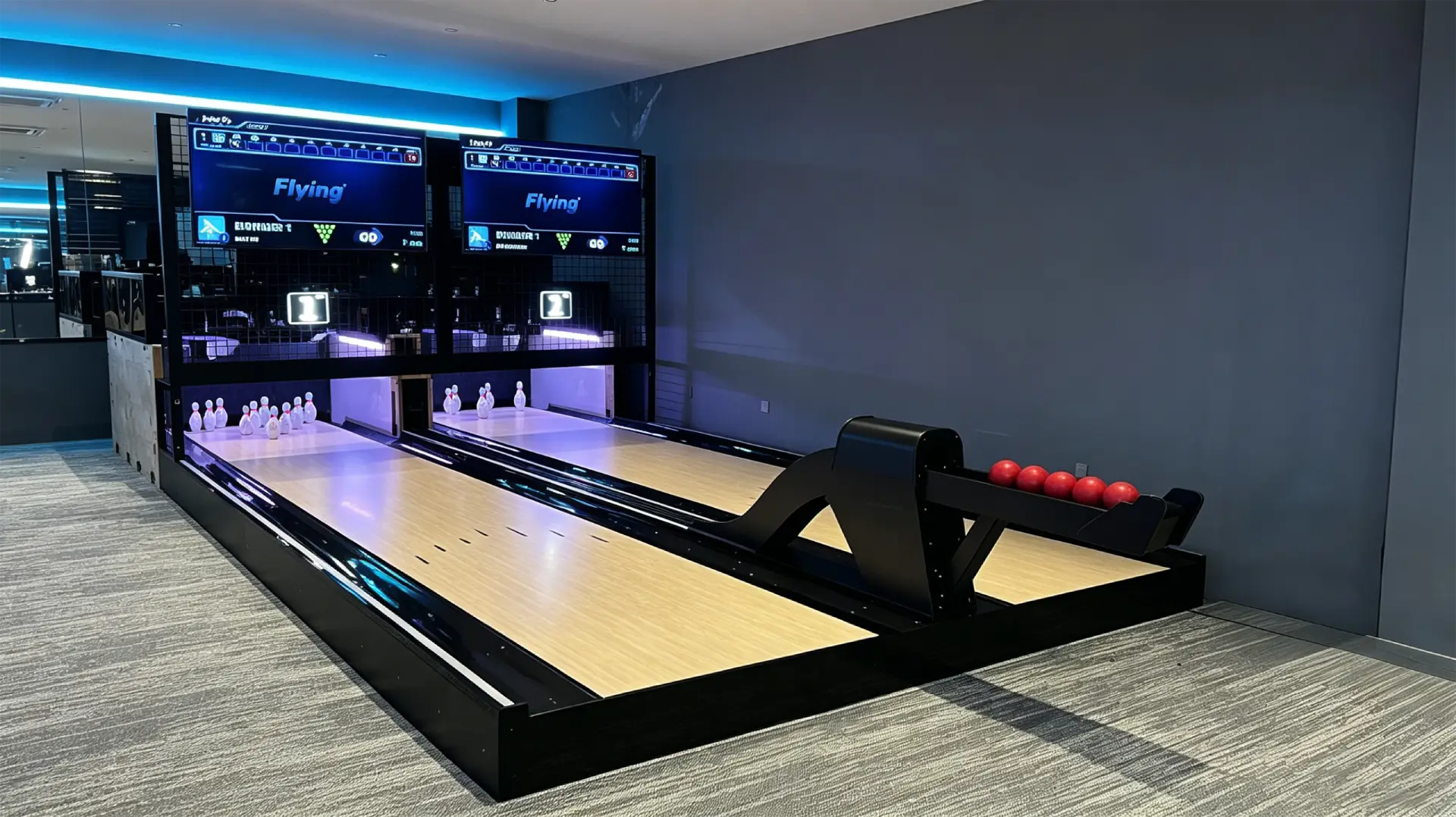
Flying Smart Duckpin Bowling is a compact duckpin bowling equipment system designed for bars, family entertainment centers, hotels, resorts, cinemas, boutique bowling alleys, and social entertainment venues. With a standard 9.13m duckpin bowling lane, 1.25kg lightweight balls, automatic scoring, ball return, LED lighting, and a smart string pinsetter, it creates a fast-paced and easy-to-play bowling experience in a smaller footprint than traditional bowling.
The system is available as a turnkey duckpin bowling package, including lane equipment, a string pinsetter system, scoring hardware, control software, global shipping, installation guidance, and technical support.
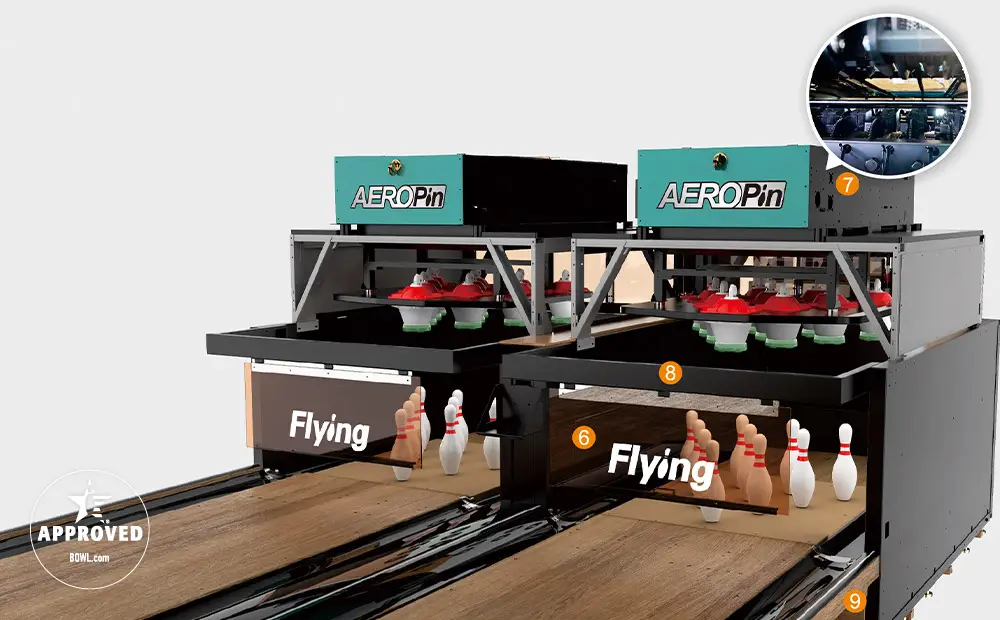
AEROPIN is Flying Bowling’s USBC-certified string pinsetter system for modern commercial bowling centers. Designed for fast pin setting, smooth ball return, low maintenance, and stable daily operation, it helps venue operators build league-ready and entertainment-focused bowling projects with confidence.
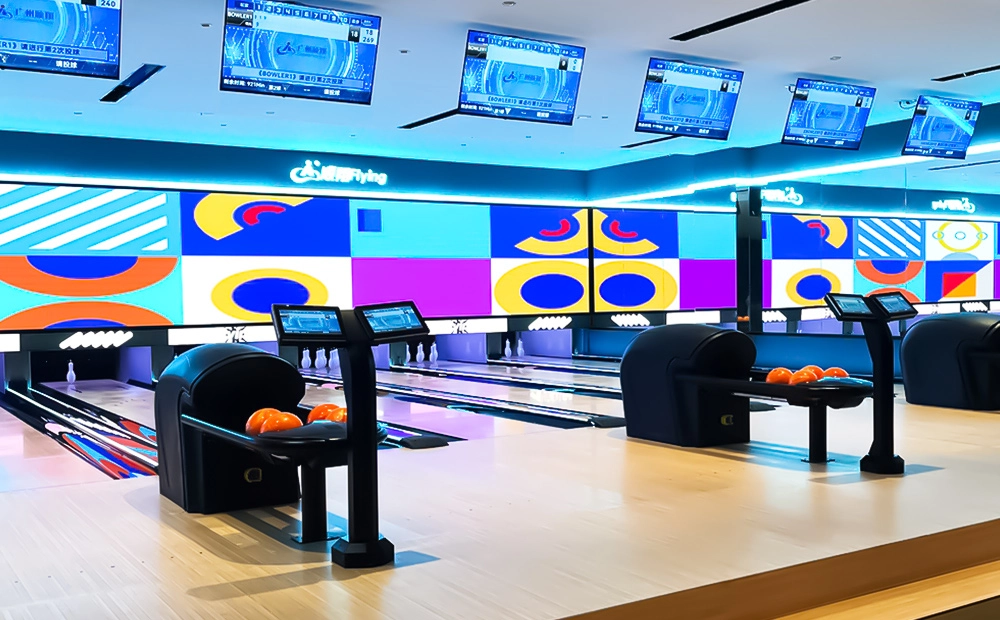
Flying Social Medium Bowling is a compact medium bowling equipment system designed for bars, cafes, family entertainment centers, community leisure venues, hotels, resorts, and small indoor entertainment spaces. With customizable lane lengths from 9.6m to 18m, small balls, lighter pins, string pinsetter technology, ball return, and automatic scoring, it creates an easy-to-play social bowling experience for players of different ages and skill levels.
Compared with full-size standard bowling, medium bowling requires less space and offers a more casual, interactive format. It is a practical choice for venues that want to add a bowling attraction without building a full commercial bowling alley.
Contact Flying
Start Your Custom Bowling Alley Project
If you contact us now for more details, we can provide you with a custom bowling alley service. Our service team will get back to you within 24 hours normally!
© 2026 Flying BOWLING. Designed by gooeyun.
FOLLOW US:

Flying Bowling
Flying Bowling
Flyingbowling
Flyingbowling
Flyingbowling