

A bowling alley equipment maintenance checklist is a scheduled record of inspections and care for lanes, pinsetting equipment, ball returns, scoring systems, and related components. Organize checks by frequency, document findings, and follow the manuals and service instructions for the installed models; exact procedures and intervals vary by system.
Quick Answer: What Should a Bowling Equipment Maintenance Checklist Include?
Build the checklist around the equipment installed at your venue. It should cover lane surfaces and lane-care equipment, pinsetter mechanisms, the ball return path, relevant sensors, scoring hardware, displays, lighting, balls, and pins. For each review, record the date, observed condition, staff member responsible, and any follow-up required.
The key principle: treat daily, weekly, and monthly categories as an organizational framework for assigning and reviewing work—not as universal service intervals. Exact procedures and timing depend on your equipment's manual and your venue's operating conditions. The standard bowling alley equipment components in your installation determine what belongs on your checklist.
What Preventative Maintenance Means for a Bowling Center
Preventative maintenance is planned observation and care intended to identify equipment concerns early. It gives operators a consistent way to notice changes and route them to the right person—but it is not a substitute for technical diagnosis or authorized servicing.
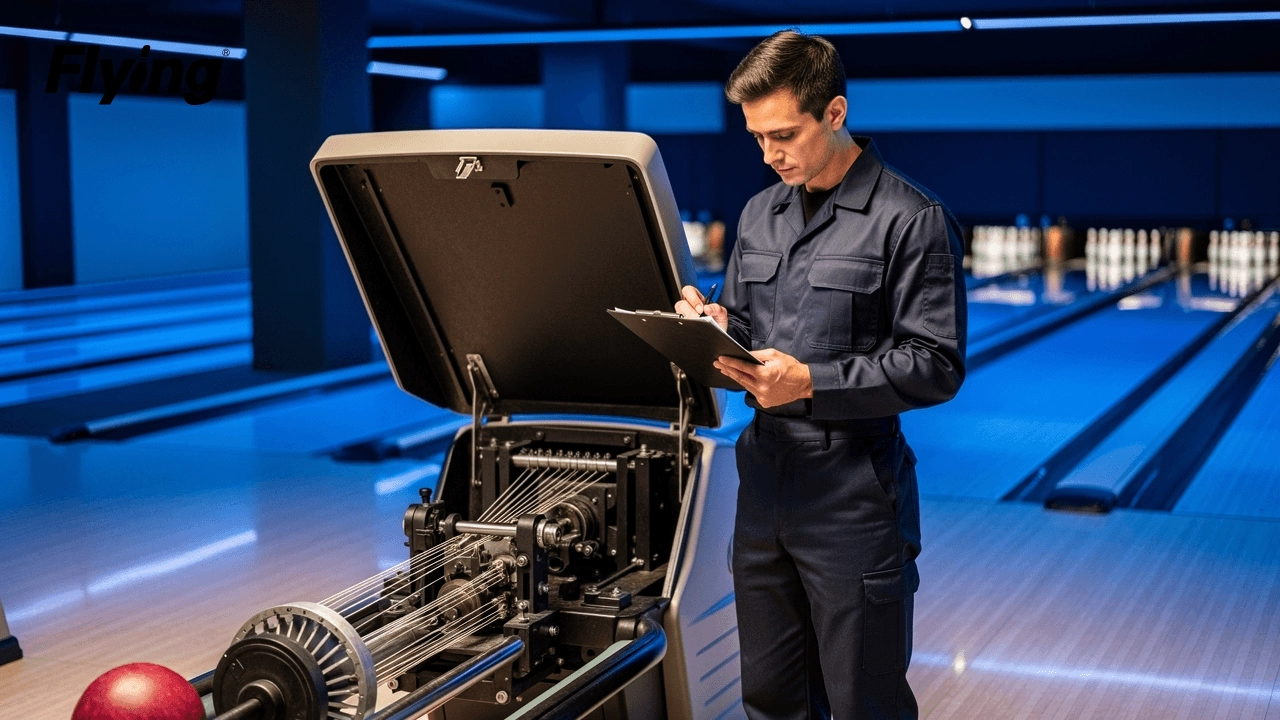
Effective maintenance planning depends on understanding the boundary between routine observation and technical service. Staff members can record visible damage, unusual sounds, operational changes, or system alerts when venue procedures permit. Adjusting mechanisms, opening equipment, changing settings, or replacing parts requires different authorization and expertise. The manufacturer's instructions and applicable safety procedures must define who may perform such work and how equipment must be handled before service.
Dated records help managers distinguish one-time observations from recurring issues and give service personnel useful context. Notes should describe what staff observed, not claim a cause they have not confirmed. This separation of observation from diagnosis prevents unauthorized repairs and supports faster resolution when escalation is needed. For more context on equipment architecture and how maintenance access relates to layout design, see commercial bowling equipment technical specifications.
How to Build a Daily, Weekly, and Monthly Maintenance Routine
Start with equipment documentation
Begin by collecting the manuals and commissioning guidance for each installed system. Identify which checks are permitted staff observations and which require authorized service personnel. Assign responsibility by role—for example, shift staff for permitted observations and a designated manager for record review and escalation.
Create a shared observation and escalation log
For each observation, capture the date, equipment or lane identification, observed condition, responsible staff member, and follow-up status. Add a field for escalation or service reference when appropriate. This log becomes the basis for weekly reviews and helps identify patterns that may warrant supplier involvement.
A practical log should include:
- Date and time of observation
- Equipment or lane identification (e.g., Lane 3, Ball Return Unit A)
- Observed condition (e.g., "unusual grinding sound during pin reset," "display showing error code 12")
- Staff member responsible for the observation
- Action taken (observation logged, escalated to manager, referred to technician)
- Follow-up status (pending, in progress, resolved, closed)
Set frequency based on supplier guidance and operating conditions
Do not assume that daily, weekly, or monthly intervals are universal. Consult the supplier's recommendations and adjust frequency based on your venue's operating volume, environmental conditions, and any documented service plan. Record the manual revision used and planned service actions during monthly reviews.
Equipment-Specific Observation Framework
Use this framework to organize your checklist by equipment group. Each section identifies areas to monitor; confirm the specific observations and intervals in your installed system's manual.
| Equipment Area | Observation Points | Record / Escalate | Confirm in Manual |
|---|---|---|---|
| Lane Surfaces | Visible wear, cracks, or discoloration; surface texture changes; debris accumulation | Date, location, condition description, photos if applicable | Approved lane-care products and procedures for your system |
| String Pinsetter | Cord condition (if visible per manual); sensor alerts; unusual sounds during operation; pin reset delays | Date, lane identification, alert code or description, when issue occurred | Permitted observations for your pinsetter model; cord-handling and sensor alert procedures |
| Ball Return | Ball movement and delivery; visible obstructions; unusual sounds; belt or chain condition (if accessible per manual) | Date, lane identification, operational issue, whether balls are being returned correctly | Belt tension, lubrication, and adjustment procedures for your model |
| Scoring and Displays | Display visibility and accuracy; sensor responsiveness; alert messages; communication between lanes and scoring system | Date, lane identification, alert code or message, which lanes are affected | Sensor calibration and troubleshooting procedures; warranty coverage for display components |
| Lighting and Controls | Light operation and brightness; control panel responsiveness; emergency stops functioning | Date, which lights or controls are affected, whether operation is intermittent or constant | Approved bulb types and control procedures for your system |
Daily and Weekly Checklist Organization
Daily opening or closing review
Use approved staff observations to note visible condition, operating concerns, alerts, or issues reported during the shift. Record the lane or equipment identification, date, observation, staff role, and whether escalation is needed. This daily log becomes the source for weekly pattern reviews.
Weekly record review
Review recent daily reports for recurring concerns. Check that lane-care records are current and that reported ball return or sensor issues have been followed up. Assign unresolved items to the person responsible for contacting authorized service personnel or confirming next steps. Document the outcome and close the record.
Monthly checklist and service planning
Verify that your checklist still matches the installed models and current manuals. Plan any documented service due under the approved schedule. Record the manual revision used, planned service actions, responsible party, and completion status. This monthly review ensures your maintenance process stays aligned with equipment updates and evolving venue needs.
Maintenance Planning for Different Venue Types
Dedicated bowling centers and family entertainment centers
Multi-lane facilities may have several staff roles and shifts. Use consistent lane or equipment identifiers so reports from different shifts can be compared and routed without ambiguity. The person reviewing records should know which concerns require supplier or technician follow-up. Establish a clear escalation path and document it in staff training materials.
Bars, hotels, and hospitality venues
When bowling is one part of a broader operation, assign a named role to receive staff observations and maintain the service record, even if that person is not on site during every operating period. Make escalation instructions accessible to the staff who supervise play. Consider a simple checklist that does not require specialized knowledge to complete.
Compact Social Medium and Smart Duckpin installations
Smaller footprint does not mean simpler maintenance. Compact installations still need a checklist matched to their supplied system. Confirm the maintenance access and staff guidance specific to your layout. Verify that seating, mechanics, and maintenance aisles do not obstruct the access described in the equipment documentation.
Common Maintenance Planning Mistakes to Avoid
Copying another venue's schedule without verification
A schedule developed for another model or operating pattern may omit relevant checks or introduce tasks not approved for your equipment. Compare any adopted schedule against your installed manuals before implementation. Document why any local review frequency differs from the manufacturer's instructions.
Using unapproved procedures or materials
Unapproved lane-care products, cleaning methods, lubricants, or mechanical adjustments can conflict with equipment instructions and void warranty coverage. Use only the materials and procedures identified by the manufacturer or confirmed by the supplier for your installed system.
Failing to document recurring observations
Verbal handovers alone make it difficult to distinguish a one-time issue from a pattern. Put observations and status in a shared record so the next shift or manager can see what remains unresolved and escalate appropriately.
Treating a warning or alert as authorization to repair
A warning or alert is information to record and escalate, not a diagnosis or repair instruction. Make sure staff know when to stop their assigned check and consult the manual or authorized service contact.
What to Confirm with an Equipment Supplier Before Purchase
Supplier discussions should produce usable, equipment-specific documents and clear responsibilities—not only a general assurance that maintenance guidance is available. Use these questions to evaluate supplier readiness:
Model-specific documentation and schedules
Request the manuals and maintenance guidance that apply to each quoted model and component. Ask the supplier to identify any required checks, intervals, approved materials, and tasks that must be performed by authorized service personnel. Verify that documentation is current and available in your language.
Staff training and commissioning scope
Confirm what operational training is included, who receives it, and which written instructions are handed over at commissioning. Technical commissioning and staff operational training are standard project delivery activities; confirm the exact scope for your project in the contract.
Service escalation and warranty terms
Ask for escalation contacts and the process for reporting an issue. Obtain written warranty terms for the specific equipment and confirm what service responsibilities are included in your project agreement. Do not assume response times, local coverage, or maintenance-contract coverage unless confirmed in writing.
Supplier evaluation checklist
When comparing equipment proposals, verify that they identify the equipment models, provide access to manuals, specify training scope, clarify the service escalation process, and state warranty terms. For broader supplier evaluation criteria, see the guide to bowling alley equipment manufacturers.
Discuss Your Project Requirements
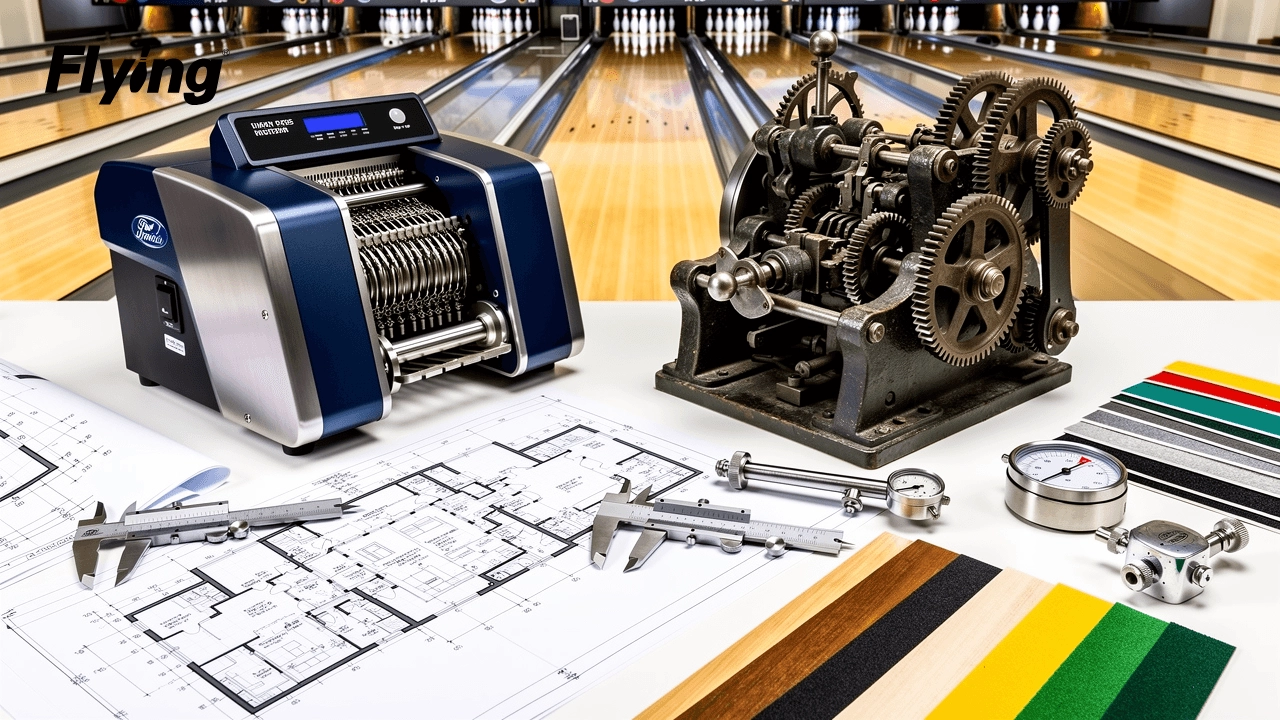
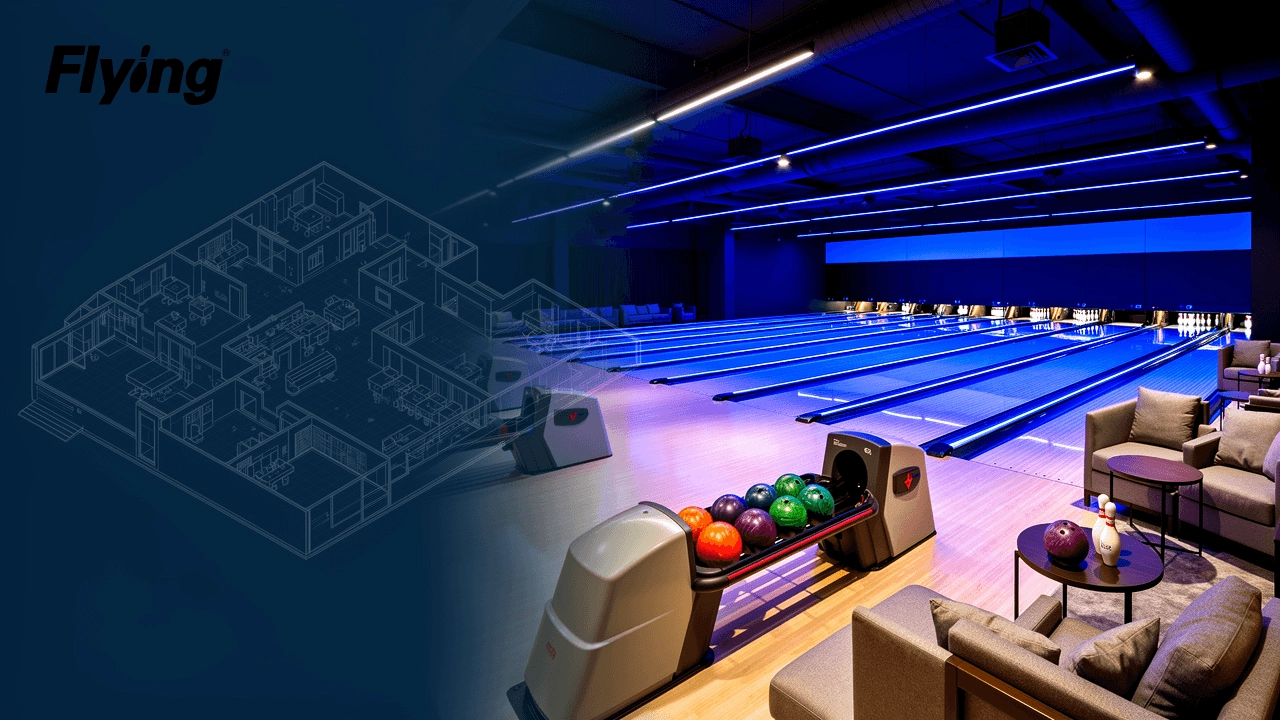
Effective maintenance planning begins during equipment selection. When planning a new venue, renovation, or equipment upgrade, prepare your project location, CAD or floor plans, available dimensions, preferred bowling format, and planned lane count. Ceiling clearances, column locations, and entrance and exit positions help clarify layout constraints and future maintenance access.
These details create a foundation for discussing maintenance requirements, staff training needs, and long-term operational support with your equipment supplier. Share this information early to ensure the equipment and documentation are suited to your venue's specific conditions.
Discuss your bowling equipment maintenance and project requirements
Frequently Asked Questions
More Articles

Let’s Build a center Together
Partner With a Trusted Bowling Alley Design, One-Stop Solution Manufacturer.
Flying has successfully built ideal bowling alleys for more than 3,000 customers.

Technical Expert
You may also like our products
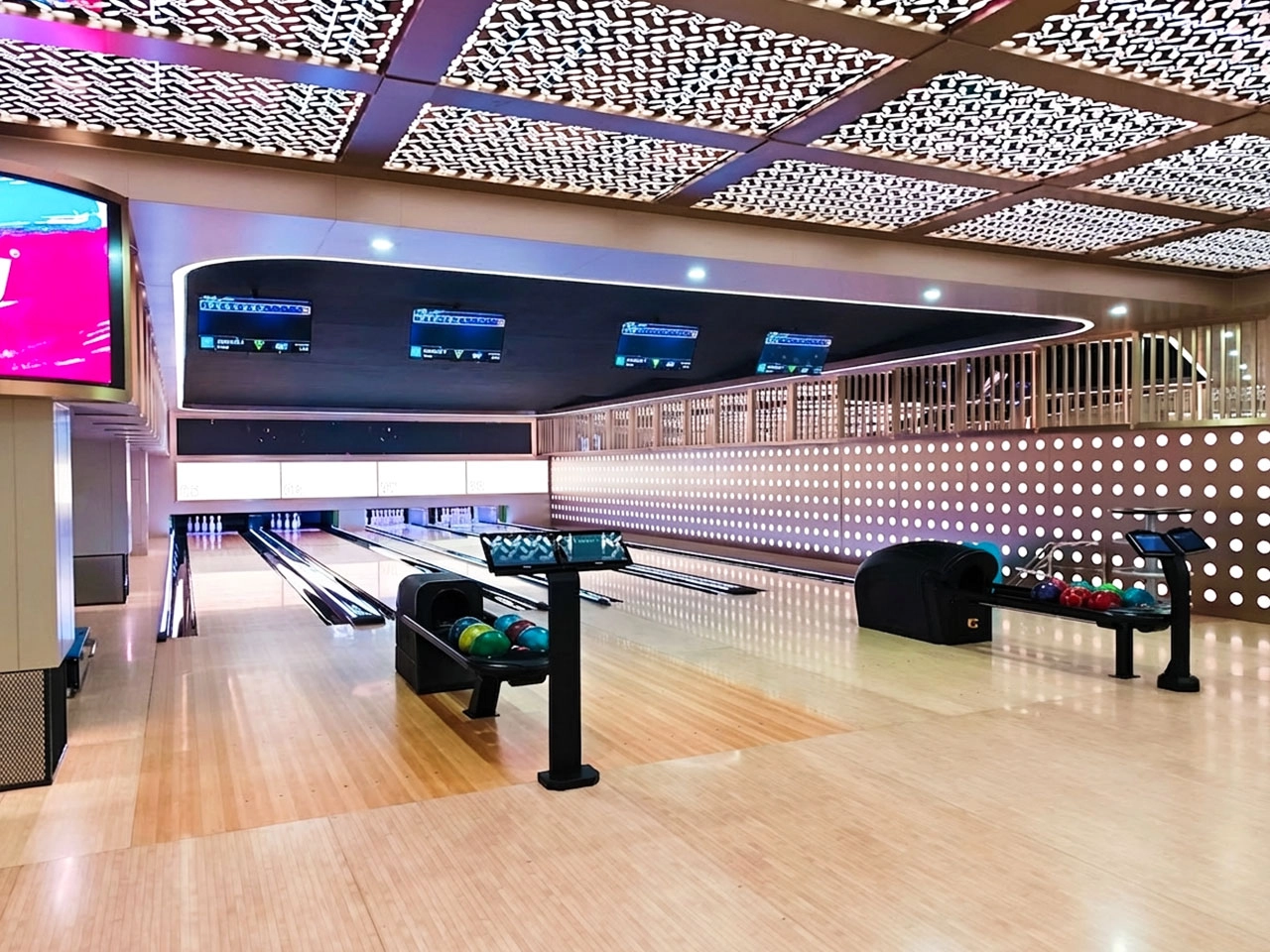
Build a commercial bowling venue with Flying’s complete string pinsetter bowling alley equipment package. The system includes the AEROPIN™ USBC-certified string pinsetter, customizable lanes, automatic scoring, ball return, lane lighting, pins, control hardware, and overseas installation support.
Designed for commercial bowling centers, family entertainment venues, hotels, resorts, bars, and premium private projects, this turnkey bowling system helps operators reduce sourcing complexity and prepare for reliable long-term operation.
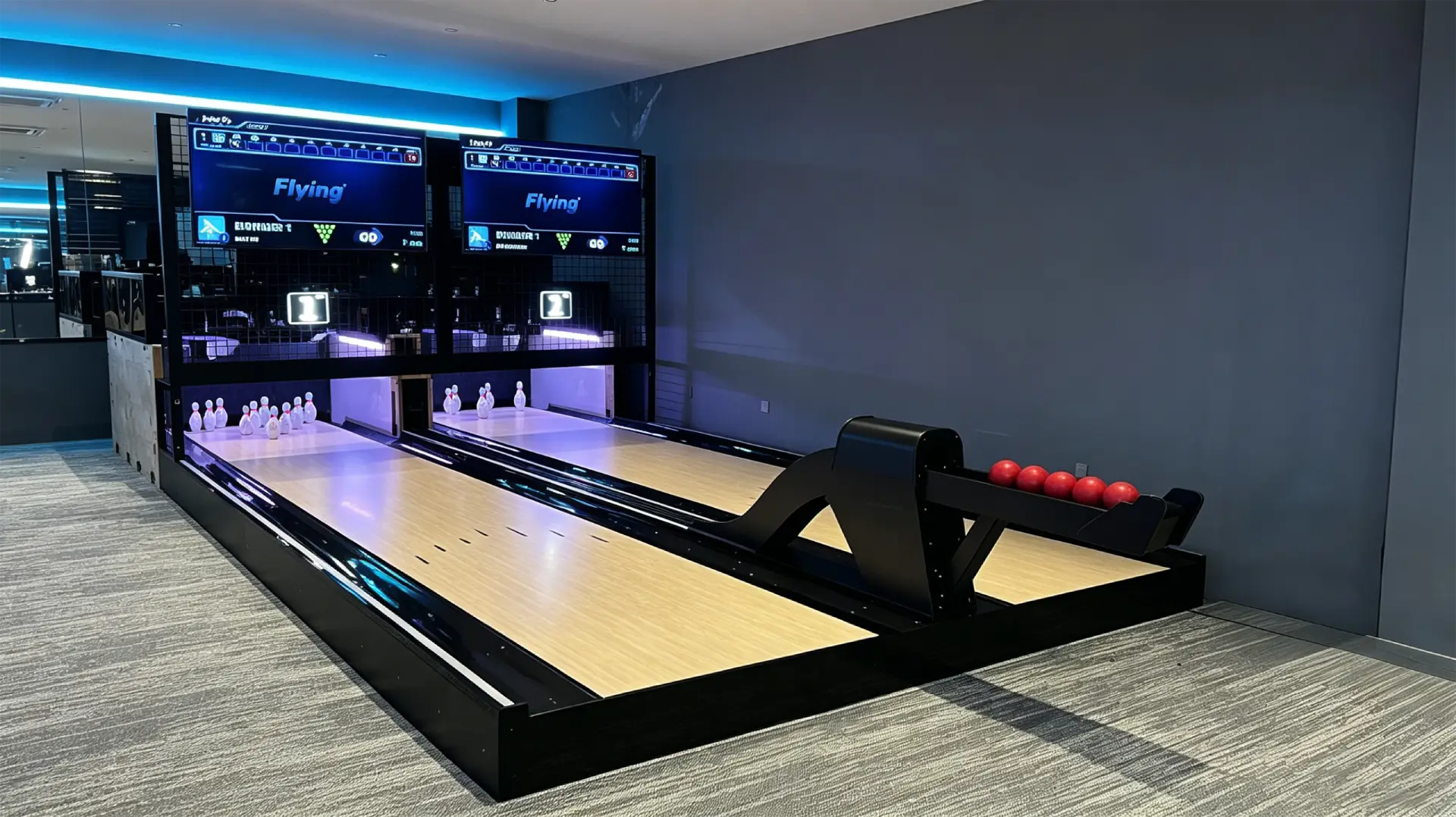
Flying Smart Duckpin Bowling is a compact duckpin bowling equipment system designed for bars, family entertainment centers, hotels, resorts, cinemas, boutique bowling alleys, and social entertainment venues. With a standard 9.13m duckpin bowling lane, 1.25kg lightweight balls, automatic scoring, ball return, LED lighting, and a smart string pinsetter, it creates a fast-paced and easy-to-play bowling experience in a smaller footprint than traditional bowling.
The system is available as a turnkey duckpin bowling package, including lane equipment, a string pinsetter system, scoring hardware, control software, global shipping, installation guidance, and technical support.
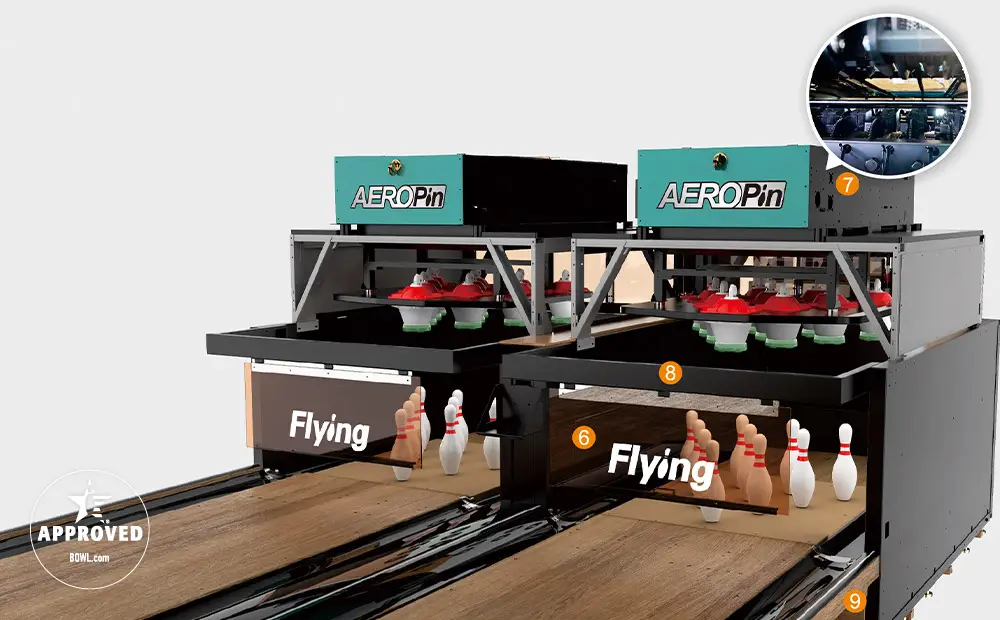
AEROPIN is Flying Bowling’s USBC-certified string pinsetter system for modern commercial bowling centers. Designed for fast pin setting, smooth ball return, low maintenance, and stable daily operation, it helps venue operators build league-ready and entertainment-focused bowling projects with confidence.
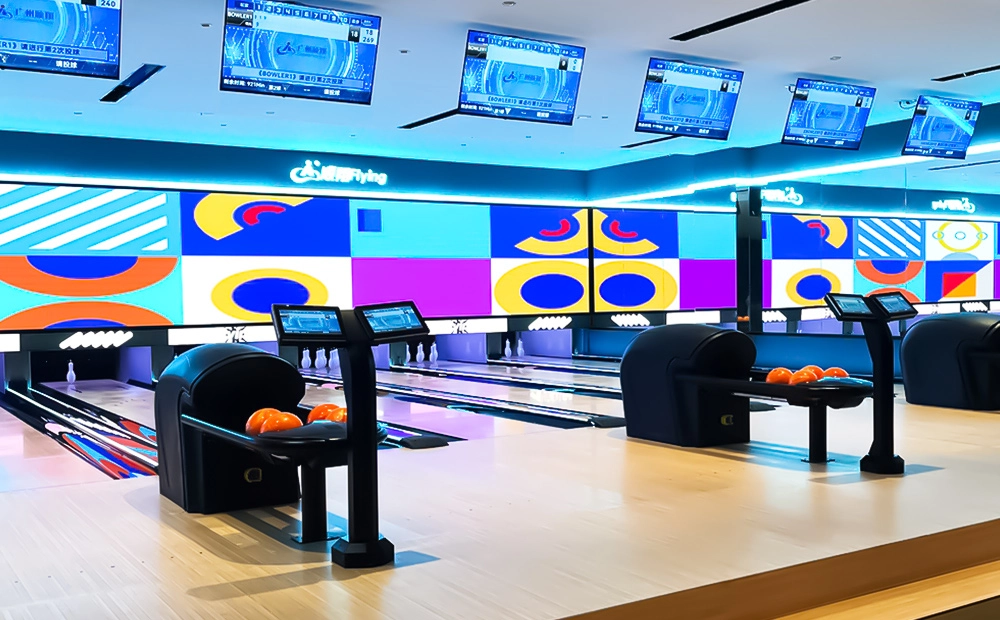
Flying Social Medium Bowling is a compact medium bowling equipment system designed for bars, cafes, family entertainment centers, community leisure venues, hotels, resorts, and small indoor entertainment spaces. With customizable lane lengths from 9.6m to 18m, small balls, lighter pins, string pinsetter technology, ball return, and automatic scoring, it creates an easy-to-play social bowling experience for players of different ages and skill levels.
Compared with full-size standard bowling, medium bowling requires less space and offers a more casual, interactive format. It is a practical choice for venues that want to add a bowling attraction without building a full commercial bowling alley.
Contact Flying
Start Your Custom Bowling Alley Project
If you contact us now for more details, we can provide you with a custom bowling alley service. Our service team will get back to you within 24 hours normally!
© 2026 Flying BOWLING. Designed by gooeyun.
FOLLOW US:

Flying Bowling
Flying Bowling
Flyingbowling
Flyingbowling