

If you are a center operator looking to modernize your facility, one critical question dictates your capital expenditure planning: How Long Do Commercial Synthetic Bowling Lanes Last? Upgrading from outdated wood lanes requires a significant upfront investment, but it fundamentally transforms center operations. In 2026, leveraging advanced materials like high-pressure laminate ensures your lanes provide a perfectly predictable, durable surface for decades. This comprehensive guide will break down lane lifespans, the daily maintenance needed to protect your investment, and the superior ROI synthetic setups provide compared to traditional wood.
How Long Do Commercial Synthetic Bowling Lanes Last?
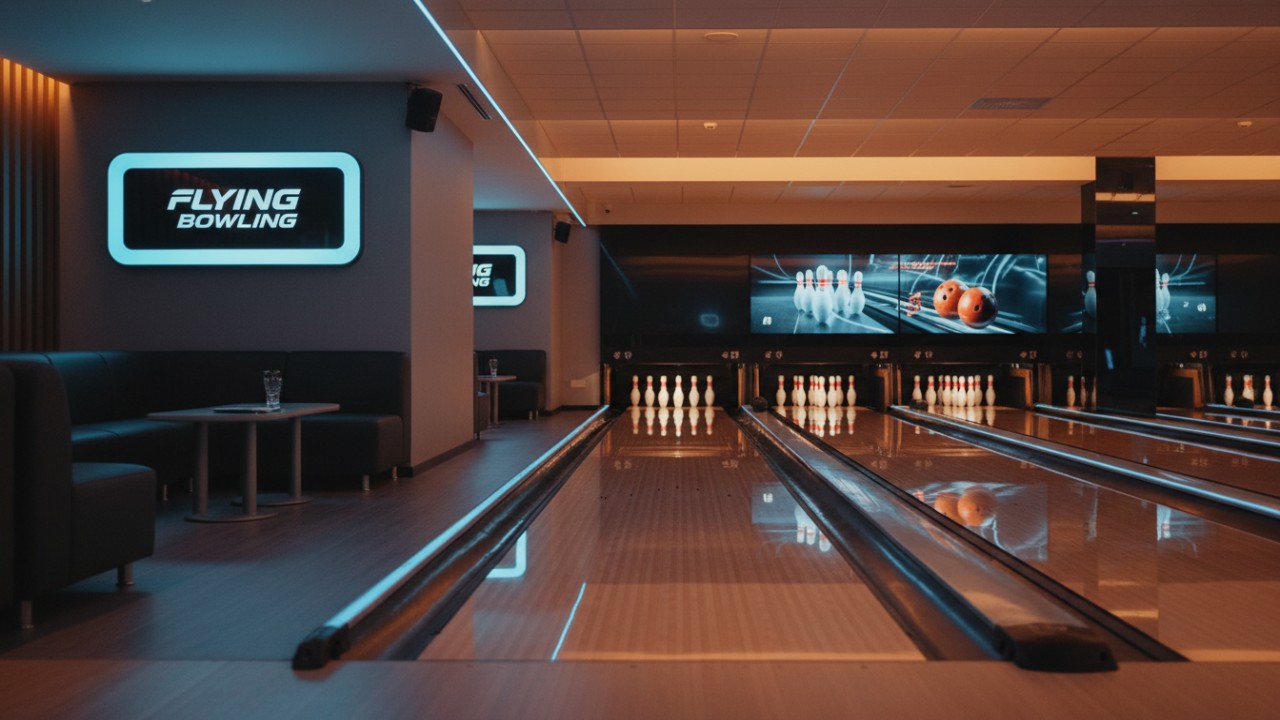
On average, high-quality commercial synthetic bowling lanes last between 15 to 25 years with proper daily maintenance and climate control. Unlike traditional wood lanes that require frequent resurfacing, modern synthetic panels offer extended durability against heavy ball impacts and wear.
The primary factor determining this synthetic bowling lane lifespan is the material composition. High-pressure laminate (HPL) is engineered to withstand the aggressive dynamic friction of modern bowling balls. By following strict USBC certification guidelines and executing diligent maintenance routines, proprietors can push this lifespan closer to the 30-year mark. The transition to synthetic is largely permanent; you are trading constant sanding and recoating for streamlined, daily machine maintenance.
- 15-25 Year Average: Standard life expectancy under heavy commercial use.
- 30-Year Potential: Achievable with excellent climate control and pristine maintenance.
- Zero Resurfacing: Eliminates the bi-annual wood sanding process entirely.
Key Takeaways: Quick Summary for Bowling Proprietors
The transition to synthetic surfaces eliminates costly annual wood resurfacing while maximizing a bowling center's long-term operational profitability. Understanding material quality, daily maintenance, and certification standards is crucial for extending this lifespan over several decades.
- Financial Savings: Synthetic lanes eliminate the $26,000+ annual resurfacing cycle that older wooden lanes historically demanded.
- Material Strength: Longevity depends heavily on the integration of advanced melamine resins and thick phenolic panels.
- Maintenance Necessity: Daily lane cleaning and proper oiling are non-negotiable tasks required to protect the static and dynamic friction profiles.
- Enhanced ROI: Upgrading to modern synthetic surfaces significantly improves long-term profitability and scoring consistency for both casual patrons and competitive league bowlers.
Wood vs. Synthetic Bowling Lanes: A 2026 ROI Analysis
A 2026 ROI analysis reveals that synthetic lanes significantly outperform traditional wood by eliminating expensive resurfacing costs and reducing daily chemical usage. This shift dramatically lowers the Total Cost of Ownership (TCO) over a 15-year period.
The historical shift away from wood is nearly complete in 2026, with over 90% of modern bowling centers successfully replacing 50-year-old pine and maple with advanced synthetic overlays. The capital expenditure of synthetic installations initially seems high, but the operational savings tell a different story. In fact, as noted by Wikipedia, modern bowling lanes predominantly feature synthetic surfaces with protective lubricating oil applied to regulate ball motion, moving the industry far past high-maintenance wood.
By reducing daily maintenance labor, limiting lane machine wear and tear, and curbing expensive chemical usage, the synthetic vs wood bowling lanes ROI heavily favors the synthetic route.
15-Year Total Cost of Ownership (TCO) Comparison
| Feature / Expense Category | Traditional Wood Lanes | Modern Synthetic Lanes |
|---|---|---|
| Initial Installation Cost | High (Rarely installed new in 2026) | $10,000 - $18,000 per pair |
| Annual Resurfacing Cost | $1,500 - $2,500 per lane | $0 (No resurfacing required) |
| Daily Maintenance Labor | High (Extensive conditioning) | Low (Automated machine cleaning) |
| Environmental Vulnerability | High (Warps in humidity/temperature) | Low (Highly resistant to climate) |
| Estimated Lifespan | 10-15 years (Requires aggressive care) | 15-25+ years |
The Science of Longevity: What Makes Synthetic Lanes Last?
Synthetic lanes derive their extreme longevity from the microscopic structure of high-pressure laminate backed by dense phenolic resin. This unique composition resists warping, environmental humidity changes, and the intense, repetitive impacts of modern reactive resin bowling balls.
At the core of these surfaces are high-pressure laminate bowling lanes. Manufacturers construct these panels by compressing multiple layers of kraft paper saturated with thermosetting resins under extreme heat. The top layer features a clear, highly durable melamine resin that provides the iconic wood look while delivering impenetrable hardness. For a deeper dive into the specific panel layers, you can review our guide to synthetic bowling lanes.
- Anatomy of a Strike: The dense phenolic backing absorbs the kinetic energy of heavy reactive resin bowling balls, preventing structural denting.
- Environmental Immunity: Synthetic materials naturally resist warping and expanding, immune to the severe humidity fluctuations that destroy wood.
- Zonal Construction: Panels located in the "head" zone (where the ball is dropped) are engineered to be thicker, absorbing maximum impact to protect the sub-floor.
- USBC Specifications: Official certification guarantees surface hardness, crosswise tilt tolerances, and friction profiles, ensuring a long-lasting, competitive environment.
Essential Maintenance Guide to Maximize Lane Lifespan
Maximizing your lane lifespan requires a strict, tiered maintenance schedule consisting of daily oiling, weekly seam inspections, and annual structural audits. Proper lane care preserves the necessary static and dynamic friction profiles that modern bowlers demand.
Diligent commercial bowling lane maintenance is the difference between replacing a lane at year 15 versus year 25. Operators must establish standard operating procedures for their technicians to guarantee the longevity of the top melamine layer.
- Daily Routines: You must run your automated lane machines daily to clean dirt and apply correct oil patterns. Dusting the approach areas prevents bowlers from grinding abrasive dirt into the laminate.
- Weekly and Monthly Care: Inspect the seams where panels connect. Check the silicone caulking for any separation, and assess the bowler approach areas for heavy scuffing.
- Annual Inspections: Conduct a comprehensive 51-point inspection. Look for worn kickbacks, microscopic scratches in the impact zone, and shifting in the sub-floor foundations.
- Lane Reconditioning: Every 5 to 10 years, it may be necessary to use specialized screening grits (such as 240/320) to lightly recondition the lane surface, restoring its ability to retain oil patterns accurately.
Expert Tips: Common Mistakes That Ruin Synthetic Lanes
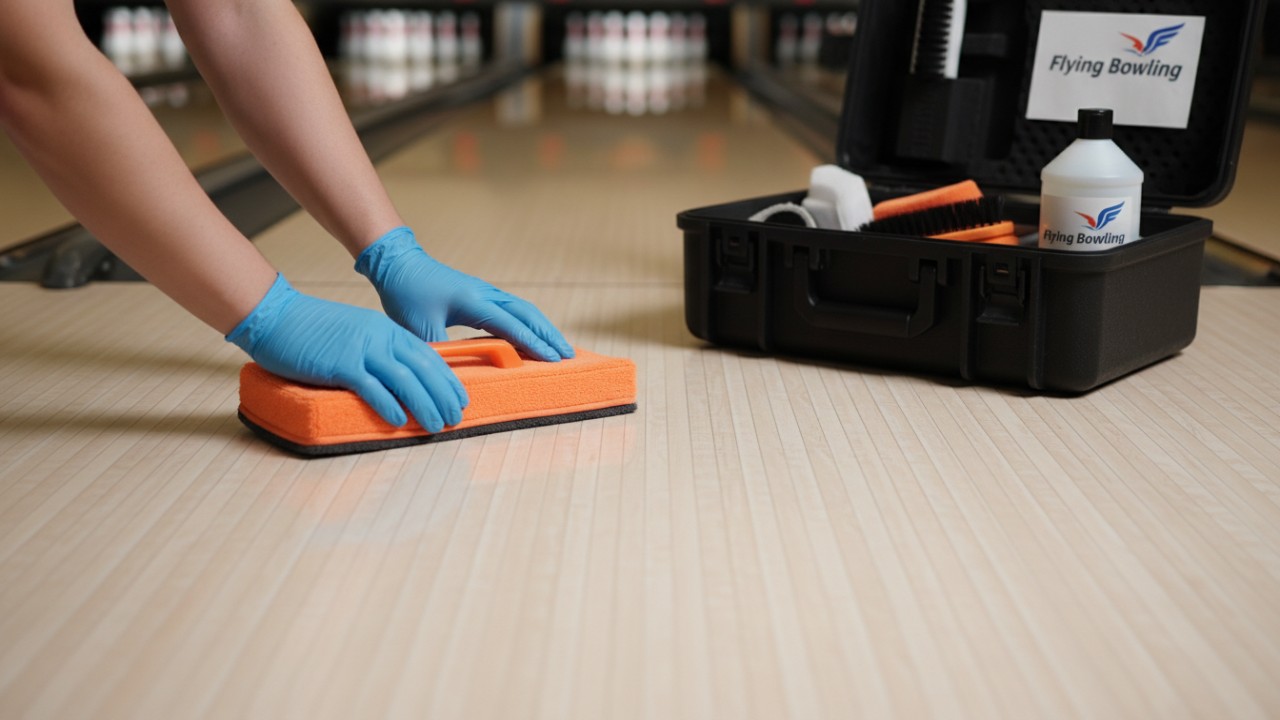
The most common mistakes that ruin synthetic lanes include neglecting the structural foundation, using unapproved harsh chemical cleaners, and ignoring extreme temperature fluctuations. Avoiding these severe errors prevents premature issues like panel delamination and surface cracking.
Even the highest quality laminate can fail if the installation environment is heavily flawed. Center operators often overlook the sub-structure, mistakenly assuming the strength of the synthetic panels will compensate for a rotting foundation.
- Neglecting the Foundation: Poor I-Joist foundations or uneven wooden sub-floors create stress points, inevitably leading to panel cracking and delamination over time.
- Improper Chemical Use: Applying unapproved, highly acidic lane cleaners strips away protective resins, permanently altering the static friction of the lane.
- Ignoring Step-Down Limits: Failing to monitor and correct the USBC step-down tolerances between adjoining panels causes severe ball damage and aggressive chip-outs at the seams.
- Inadequate Climate Control: Allowing your center to experience severe temperature and humidity fluctuations compromises the industrial adhesives holding the panels in place.
Signs It's Time to Replace Your Commercial Bowling Lanes
You must replace your commercial bowling lanes when you observe visible panel delamination, irreversible loss of scoring consistency, or an inability to pass official certification inspections. Waiting too long severely degrades the bowler experience and center reputation.
While synthetic materials are highly durable, they are not immortal. Knowing when to initiate a replacement cycle ensures your center remains competitive and profitable. Furthermore, as reported by the United States Bowling Congress, centers are now classified into a tiered certification structure (Gold, Silver, Bronze, Standard), meaning aging lanes that fail strict topography limits can result in a downgraded operational status.
- Visible Delamination: When the top transparent melamine layer visibly separates or peels away from the dark phenolic core.
- Loss of Scoring Consistency: Frequent bowler complaints regarding unpredictable ball reactions, fast oil bleed, or sudden hook changes.
- Failing Certification: The inability to meet strict USBC lane flatness and crosswise tilt specifications during tiered center inspections.
- Aesthetic Degradation: Faded approach marks, permanent un-removable scuffing, and an outdated overall look that hinders center modernization and VIP marketing efforts.
Industry Leading Solutions: Upgrading with Flying Bowling Co., Ltd.
Flying Bowling Co., Ltd. provides top-tier, USBC-certified synthetic bowling lanes that guarantee a 15 to 25-year lifespan comparable to major Western brands but at unbeatable prices. Since 2005, we have customized alleys for over 3,000 global customers.
When you are ready to replace your aging infrastructure, partnering with a proven manufacturer is critical. Our USBC certified synthetic lanes are engineered for unparalleled durability, ensuring your investment pays dividends for decades. We leverage a massive 10,000+ square-meter manufacturing workshop to produce high-performance laminate panels that rival European and American options at a fraction of the cost.
- Seamless Integration: Our synthetic surfaces are perfectly designed to integrate natively with our advanced bowling string pinsetters and reliable ball return machines.
- Global Support Network: With dedicated branches in the United States, South America, Europe, and the Middle East, Flying Bowling provides one-stop customized services, local installation, and rapid after-sales response.
- Proven Track Record: As a leading manufacturer from China, we have successfully modernized both full-scale commercial centers and specialized boutique environments like Duckpin and Mini Bowling venues.
Conclusion
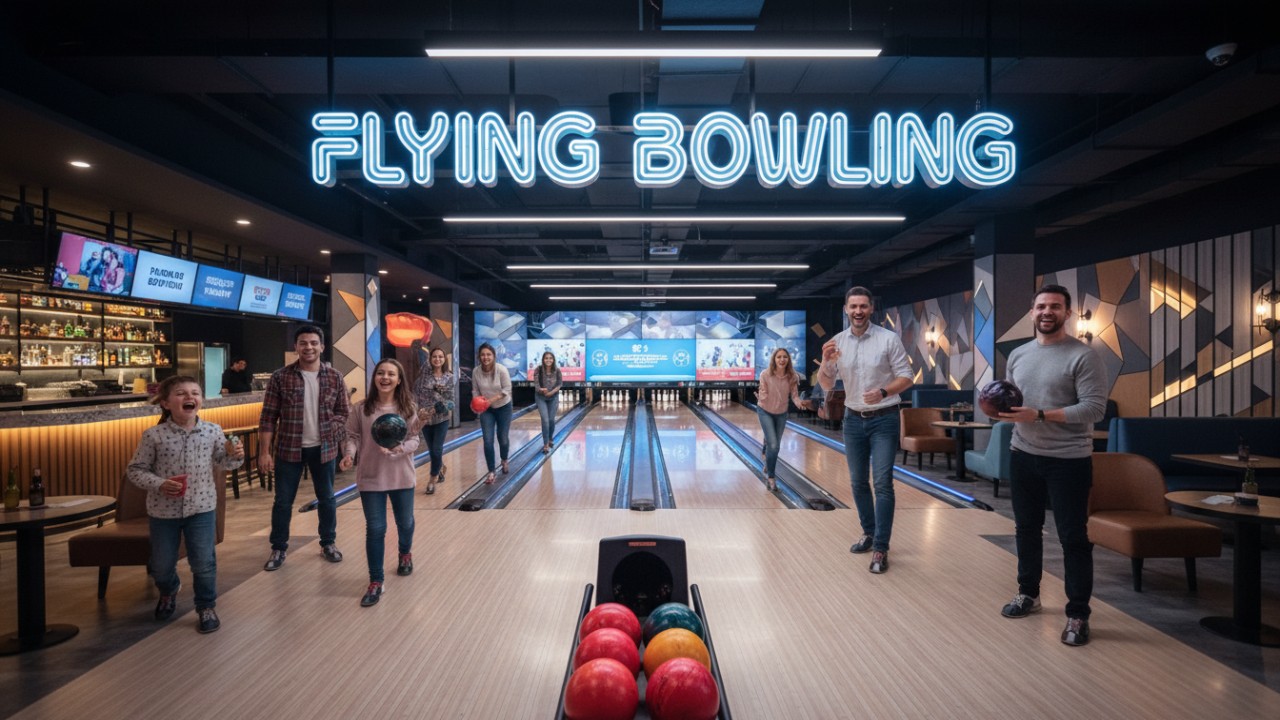
Commercial synthetic bowling lanes are a critical 15 to 25-year investment that dramatically lowers operational costs while providing a superior, consistent surface for modern bowlers. Proper daily maintenance and partnering with a trusted manufacturer guarantee a high return on investment.
Ultimately, the transition away from traditional wood to advanced high-pressure laminate secures the financial health of your entertainment center. Partnering with an experienced, global manufacturer ensures your new lanes meet the strict international standards required for competitive play, all while standing the true test of time.
Contact us today to discuss your upgrade and answer any questions on how long do commercial synthetic bowling lanes last.
FAQs About How Long Do Commercial Synthetic Bowling Lanes Last
Do synthetic bowling lanes wear out?
Yes, while highly durable, synthetic lanes eventually wear out after 15 to 25 years of heavy commercial use. Over time, the microscopic texture of the high-pressure laminate breaks down, reducing the lane's ability to hold oil patterns correctly.
How often do synthetic bowling lanes need to be resurfaced?
Unlike wood lanes that require full resurfacing every 1 to 2 years, synthetic lanes do not need traditional resurfacing. Instead, they may require light reconditioning with specialized screening pads every 5 to 10 years to restore surface friction.
Are synthetic lanes better than wood?
For modern commercial centers, synthetic lanes are generally considered better due to their lower maintenance costs, resistance to denting, and long-term ROI. They offer more consistent scoring conditions and do not warp from humidity changes like traditional wood.
What are synthetic bowling lanes made of?
Synthetic bowling lanes are typically constructed from high-pressure laminate (HPL). They consist of a dense phenolic resin core topped with a hard melamine surface layer that mimics the look of wood but offers superior impact resistance.
How much does it cost to replace a bowling lane in 2026?
In 2026, replacing a pair of bowling lanes with modern synthetic surfaces can cost anywhere from $10,000 to $18,000 depending on the manufacturer and sub-floor conditions. Companies like Flying Bowling offer highly competitive pricing for USBC-certified equipment compared to traditional Western brands.
Can synthetic lanes be installed over old wood lanes?
Yes, synthetic panels are frequently installed as overlays directly on top of existing wooden lanes. However, the old wood must be expertly leveled, and any severe structural issues must be repaired to prevent the new synthetic panels from cracking.
How do string pinsetters affect synthetic lane wear?
String pinsetters themselves do not negatively affect lane wear; in fact, their lightweight footprint can reduce structural vibration. When pairing new synthetic lanes with string pinsetters, operators often see an overall reduction in pin deck damage and mechanical maintenance.
Does Flying Bowling equipment meet USBC certification standards?
Yes, Flying Bowling's synthetic bowling equipment is officially USBC certified. This ensures that all lanes meet strict global standards for surface hardness, flatness, and friction, guaranteeing exceptional performance for competitive play.
More Articles

Let’s Build a center Together
Partner With a Trusted Bowling Alley Design, One-Stop Solution Manufacturer.
Flying has successfully built ideal bowling alleys for more than 3,000 customers.
Technical Expert
You may also like our products
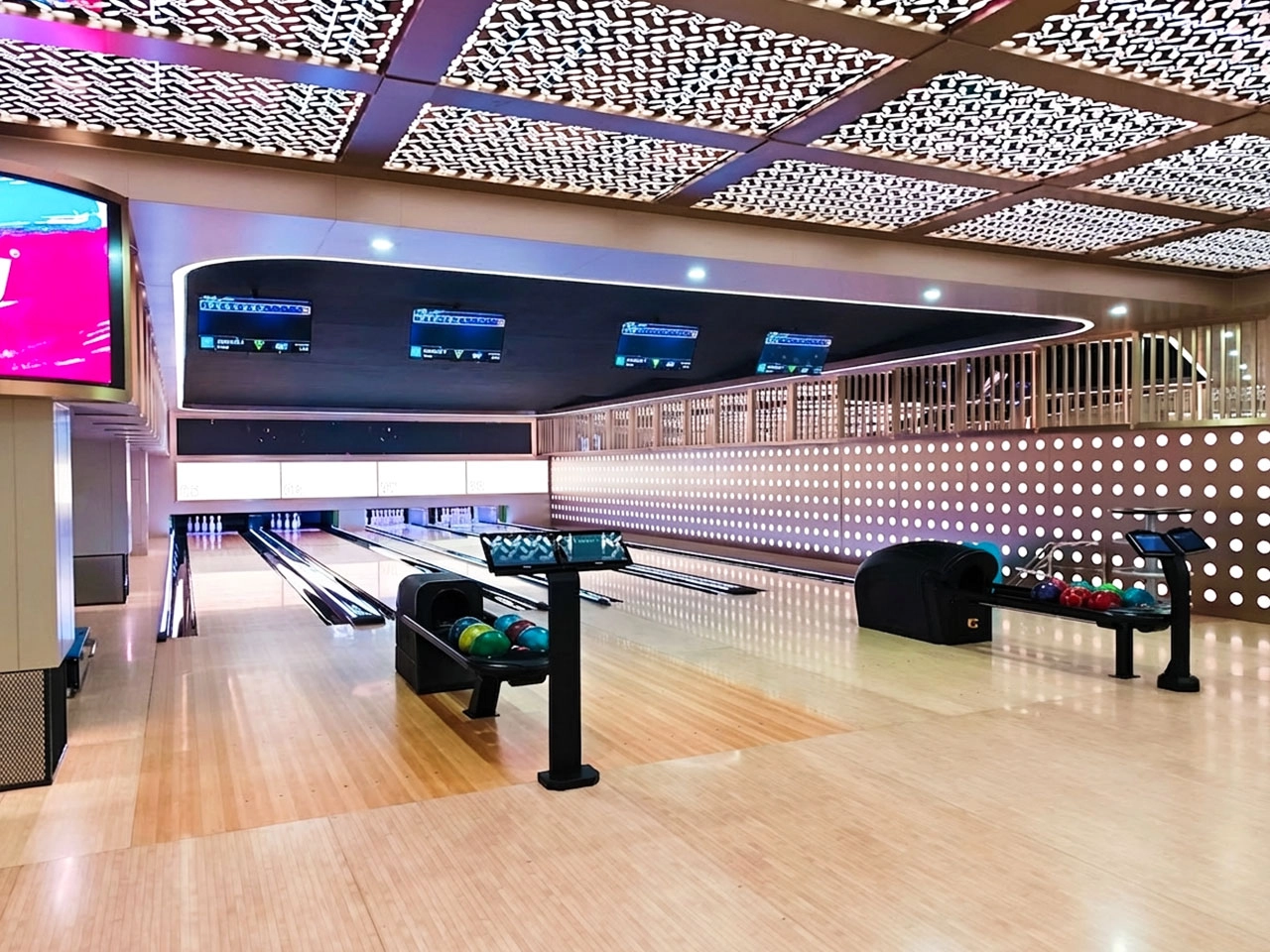
Build a commercial bowling venue with Flying’s complete string pinsetter bowling alley equipment package. The system includes the AEROPIN™ USBC-certified string pinsetter, customizable lanes, automatic scoring, ball return, lane lighting, pins, control hardware, and overseas installation support.
Designed for commercial bowling centers, family entertainment venues, hotels, resorts, bars, and premium private projects, this turnkey bowling system helps operators reduce sourcing complexity and prepare for reliable long-term operation.
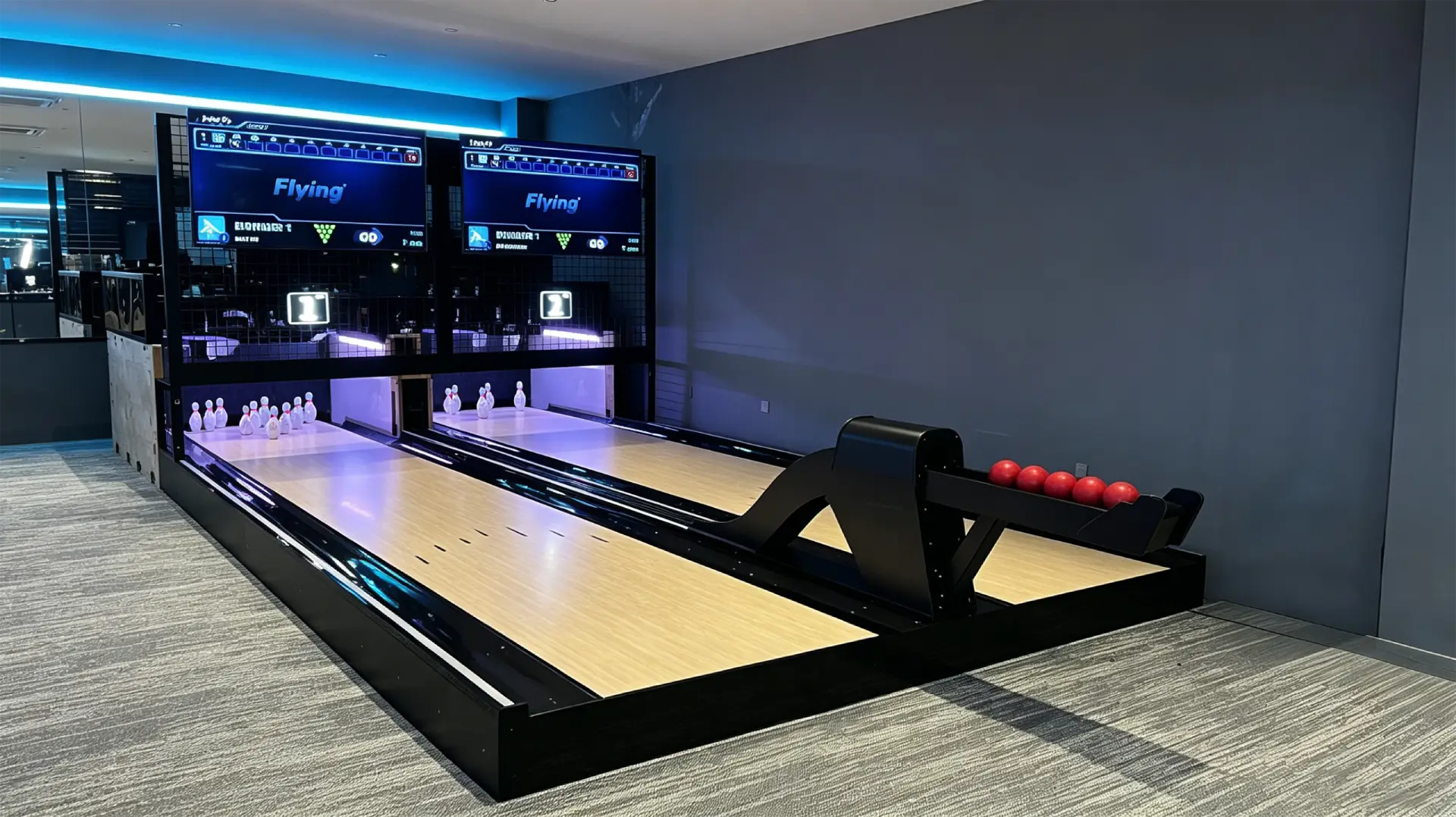
Flying Smart Duckpin Bowling is a compact duckpin bowling equipment system designed for bars, family entertainment centers, hotels, resorts, cinemas, boutique bowling alleys, and social entertainment venues. With a standard 9.13m duckpin bowling lane, 1.25kg lightweight balls, automatic scoring, ball return, LED lighting, and a smart string pinsetter, it creates a fast-paced and easy-to-play bowling experience in a smaller footprint than traditional bowling.
The system is available as a turnkey duckpin bowling package, including lane equipment, a string pinsetter system, scoring hardware, control software, global shipping, installation guidance, and technical support.
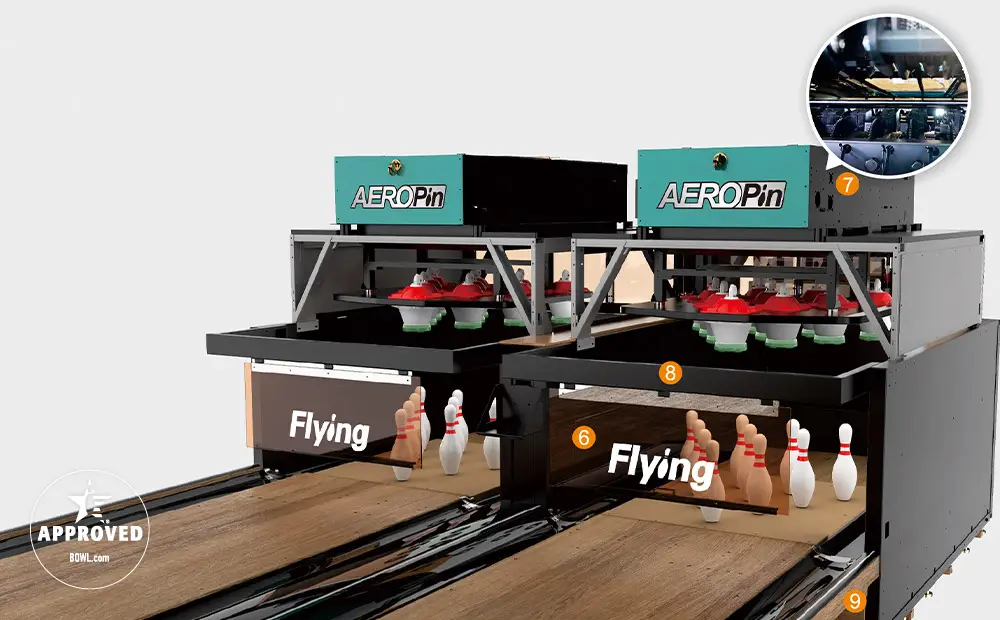
AEROPIN is Flying Bowling’s USBC-certified string pinsetter system for modern commercial bowling centers. Designed for fast pin setting, smooth ball return, low maintenance, and stable daily operation, it helps venue operators build league-ready and entertainment-focused bowling projects with confidence.
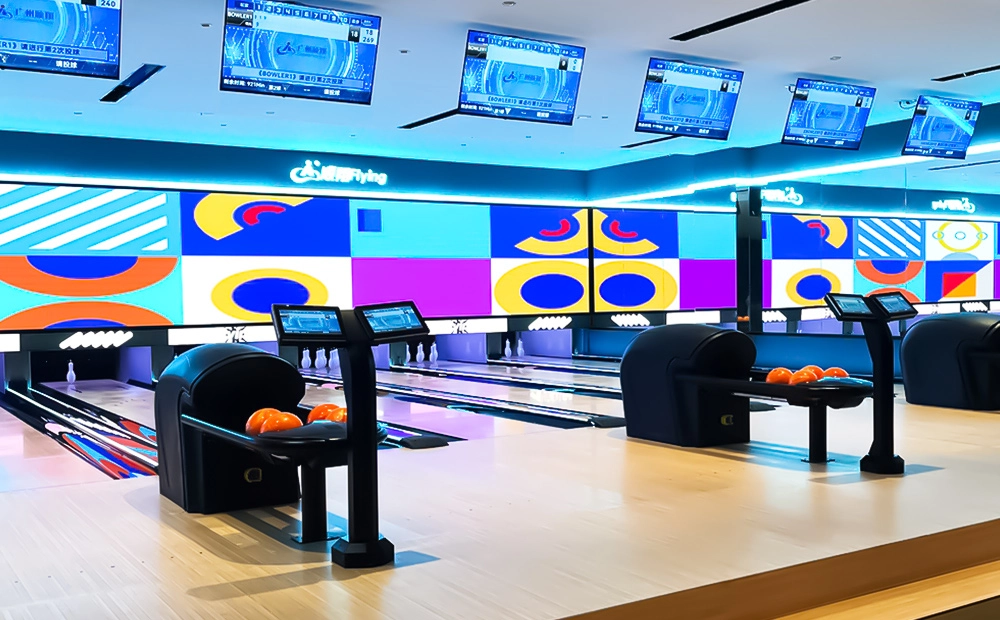
Flying Social Medium Bowling is a compact medium bowling equipment system designed for bars, cafes, family entertainment centers, community leisure venues, hotels, resorts, and small indoor entertainment spaces. With customizable lane lengths from 9.6m to 18m, small balls, lighter pins, string pinsetter technology, ball return, and automatic scoring, it creates an easy-to-play social bowling experience for players of different ages and skill levels.
Compared with full-size standard bowling, medium bowling requires less space and offers a more casual, interactive format. It is a practical choice for venues that want to add a bowling attraction without building a full commercial bowling alley.
Contact Flying
Start Your Custom Bowling Alley Project
If you contact us now for more details, we can provide you with a custom bowling alley service. Our service team will get back to you within 24 hours normally!
© 2026 Flying BOWLING. Designed by gooeyun.
FOLLOW US:

Flying Bowling
Flying Bowling
Flyingbowling
Flyingbowling