


How to Start a Profitable Bowling Alley Business in 2026: The Ultimate A-Z Blueprint
A comprehensive, step-by-step guide for entrepreneurs looking to launch a successful bowling alley business in 2026. This article covers market research, business planning, securing funding, equipment selection, and operational strategies to ensure long-term profitability.
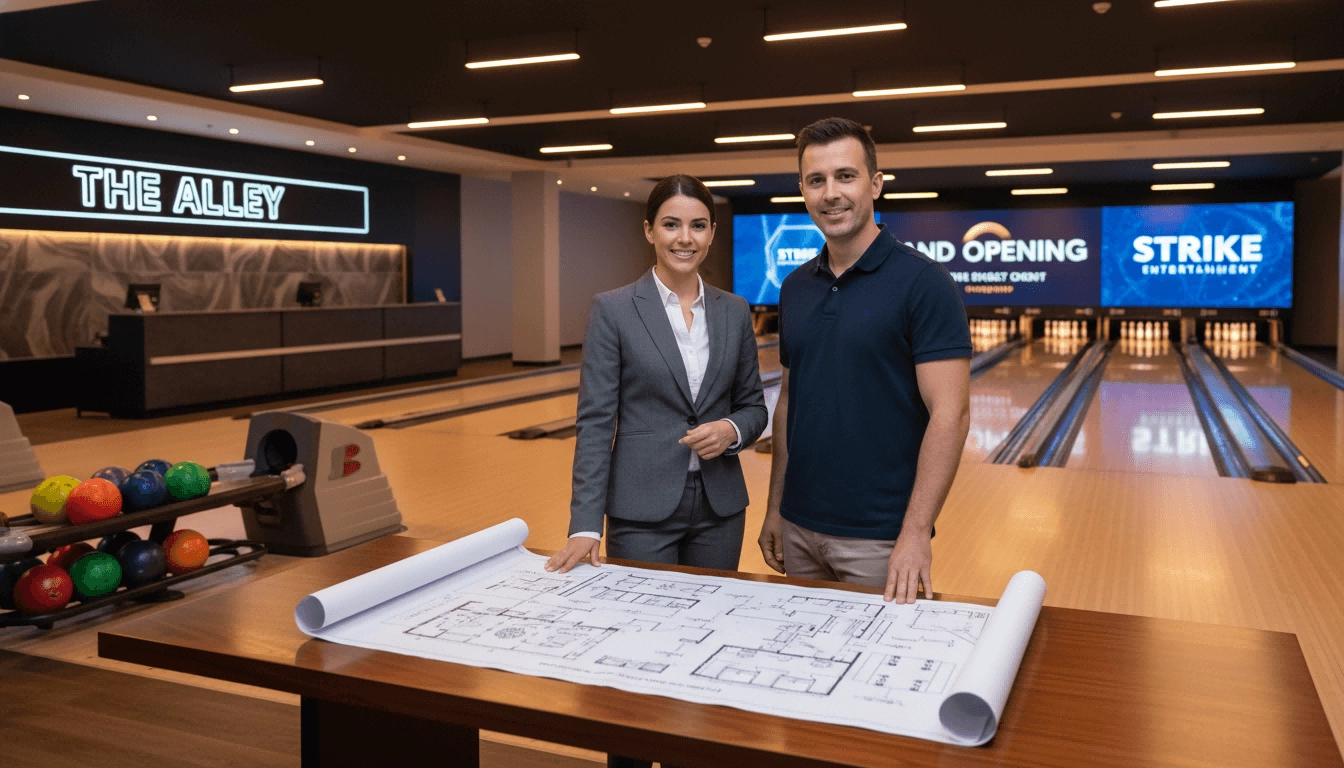
Introduction: Why Now is the Time to Open a Bowling Alley
The perception of bowling has shifted dramatically over the last decade. No longer just a dusty pastime, the modern entertainment center business is a thriving, multi-faceted industry. As we approach 2026, the industry is experiencing a post-pandemic resurgence, driven by a consumer shift toward experience-based entertainment. Whether it is a luxury boutique lounge or a family-friendly hub, the demand for social connection and interactive gaming is higher than ever.
Learning how to open a bowling alley today involves much more than just installing lanes; it requires a strategic blend of hospitality, technology, and community engagement. This guide serves as your bowling center startup guide, walking you through the critical steps to start bowling alley business operations that are not only popular but sustainable and profitable.
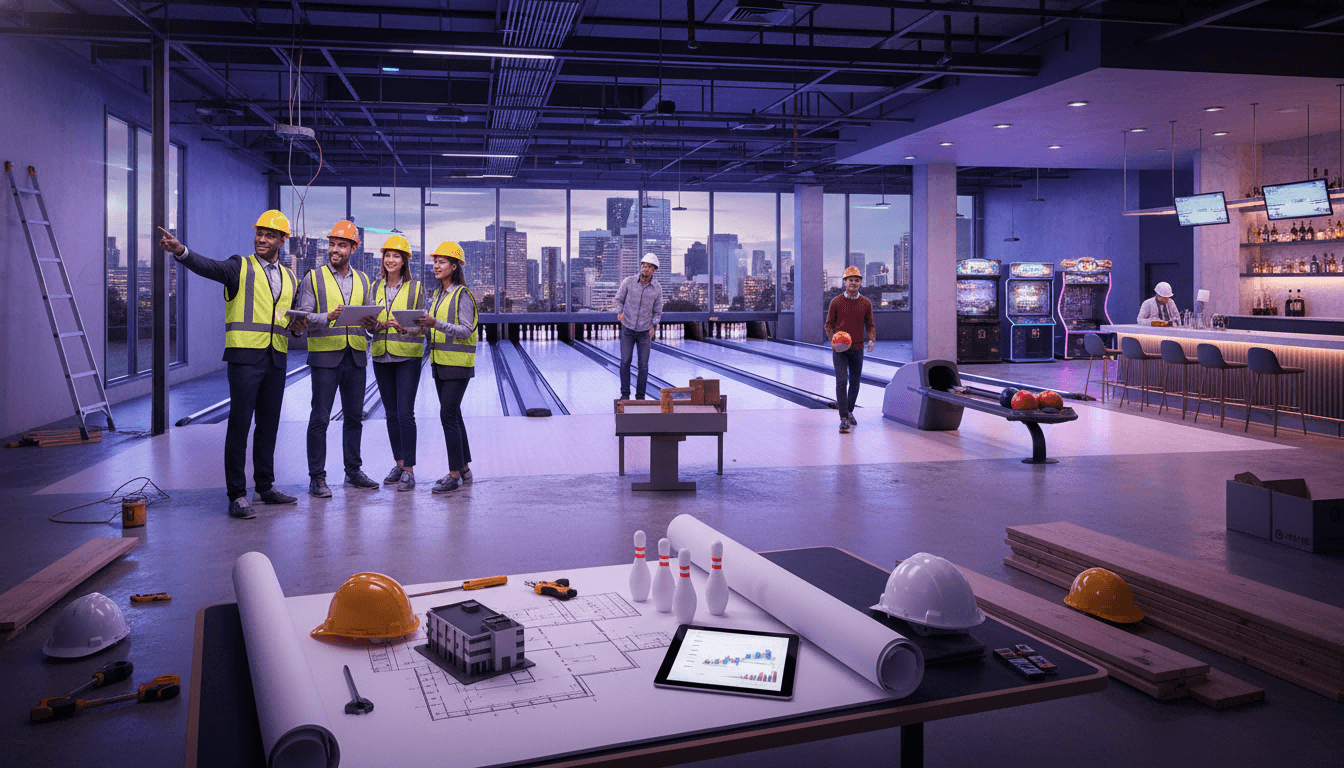
Step 1: Laying the Foundation – Vision, Niche & Market Research
Before you invest a dime, you must define your concept. Are you building a traditional league-focused center, a high-end boutique alley with craft cocktails, or a Family Entertainment Center (FEC) with arcades and laser tag? According to Growthink, determining the right model is the first of 15 essential steps, as it dictates everything from your location to your branding.
Market Research and SWOT Analysis
To ensure a profitable bowling business, you must validate your idea with data. Conduct a thorough analysis of local demographics. Are there enough families or young professionals to support your specific niche? As suggested by Profitable Venture, identifying your target market early allows you to tailor your offerings effectively. Perform a SWOT analysis (Strengths, Weaknesses, Opportunities, Threats) to understand where your competitors are failing and where you can excel.
Step 2: Crafting Your Winning Business Plan (The Blueprint for Success)
A robust bowling alley business plan is your roadmap and your ticket to securing capital. It transforms your vision into a structured document that investors can trust.
Essential Components
Your plan should include an executive summary, company description, and a deep dive into market analysis. As noted by Upmetrics, which provides detailed templates for this industry, your financial plan must include startup costs, operational expenses, and break-even analysis. Furthermore, you must detail your service offerings—will you have a pro shop? A full-service restaurant? A VIP lounge?
Operational and Marketing Strategy
ClickUp emphasizes the importance of outlining your day-to-day management structure and technology integration in this phase. How will you handle bookings? What is your customer acquisition strategy? These details prove to stakeholders that you are ready for the complexities of managing a bowling alley.
Step 3: Securing Funding – Navigating Investment Opportunities
One of the most common hurdles is understanding bowling alley funding. The capital required can be significant, ranging from real estate acquisition to high-tech scoring systems.
Calculating Startup Costs
According to Flying Bowling, a leading equipment provider, understanding the full scope of costs—from construction to inventory—is vital for 2025 and beyond. You need to calculate not just the bowling alley equipment cost, but also the working capital required to keep the lights on during the initial months.
Funding Sources
Entrepreneurs typically rely on a mix of funding sources. Traditional bank loans and SBA loans are common, but don't overlook private investors or venture capital, especially if you are pitching a high-growth entertainment model. Your pitch deck, derived from your business plan, must demonstrate a clear path to ROI.
Step 4: Legal & Regulatory Compliance – Permits, Licenses & Insurance
Navigating the red tape is a critical step. Murrey Bowling highlights that legal requirements can vary drastically depending on whether you are an independent venture or a franchise.
Licensing Requirements
You will need a standard business license and a federal tax ID (EIN). However, the complexity increases with your revenue streams. If you plan to serve alcohol—a major contributor to bowling alley revenue streams—a liquor license is non-negotiable and can take months to acquire. Additionally, food service permits, public entertainment licenses, and strict adherence to building codes are mandatory.
Insurance
Protect your investment with comprehensive insurance. This includes general liability, property insurance, and workers' compensation. Given the physical nature of the activity, liability coverage is particularly important.
Step 5: Location, Design & Construction – Creating the Ultimate Experience
Your location can make or break your business. ClickUp advises entrepreneurs to perform a rigorous location assessment, looking for high visibility, accessibility, and adequate parking.
Designing for Flow and Fun
Modern bowling alleys are designed for social interaction. Work with architects who specialize in entertainment venues to create an optimal layout. This involves placing F&B areas centrally to encourage spending, designing comfortable lounge areas, and ensuring the acoustics allow for conversation despite the sound of falling pins. Flying Bowling suggests that the design phase is also the time to plan for future expansion or additional attractions like VR zones.
Step 6: Equipment & Technology – Modernizing Your Lanes and Operations
The bowling alley equipment cost is likely your largest single line item, but it is also where you can differentiate your brand.
The Hardware
You will need lanes, pinsetters (string pinsetters are gaining popularity for their lower maintenance), ball returns, and furniture. Murrey Bowling notes the importance of deciding between new and refurbished equipment based on your budget.
The Software
In 2026, technology is king. Interactive scoring systems that allow players to play different games (like "Angry Birds" style bowling) are becoming standard. As highlighted by Bowling Parts in their future outlook, integrating advanced technology is a critical success factor. You also need a robust POS system that integrates online booking, food orders, and inventory management to streamline operations.
Step 7: Building Your Dream Team – Hiring & Training Excellence
Your staff is the face of your business. Growthink emphasizes the need for a strong management team. You will need a general manager, skilled lane mechanics (a hard-to-find skill set), front desk staff, and a hospitality team for the bar and kitchen.
Training and Culture
Don't just hire for skill; hire for attitude. Create comprehensive training programs that cover safety protocols, machine operation, and conflict resolution. A positive work culture reduces turnover, which is a significant challenge in the service industry.
Step 8: Marketing & Branding – Attracting Your First (and Loyal) Customers
With your facility nearing completion, you must pivot to marketing. Profitable Venture suggests a mix of digital and traditional strategies.
Digital Dominance
Invest in a professional website and SEO to ensure you appear when locals search for "bowling near me." Utilize social media platforms like Instagram and TikTok to showcase the experience—videos of people having fun are powerful tools.
Community Integration
Build relationships with local schools, corporate offices, and community groups. offering league play is a traditional but effective way to guarantee recurring revenue. Launch loyalty programs to encourage repeat visits.
Step 9: Grand Opening & Post-Launch Growth – Sustaining Success
A successful grand opening sets the tone. Plan a soft opening to iron out operational kinks, followed by a major public launch event.
Continuous Improvement
Post-launch, your focus shifts to optimization. Monitor your KPIs closely. Bowling Parts recommends constantly evaluating your bowling alley revenue streams—if the arcade is generating higher margins than the snack bar, consider expanding the gaming area. Stay agile and be willing to adapt to new entertainment trends.
Key Financial Considerations & Profitability Benchmarks
To run a profitable bowling business, you must understand your numbers. The industry average for profit margins can be healthy, but it relies on diversification. Relying solely on lane rentals is rarely enough. High-margin items like alcohol, arcade games, and corporate event packages are essential. Bowling Parts predicts that diversified revenue streams will be the cornerstone of thriving businesses in 2026.
Overcoming Common Challenges in the Bowling Alley Business
Managing a bowling alley comes with unique hurdles. Seasonal fluctuations can impact cash flow, with summer often being slower for indoor venues. Equipment breakdowns are inevitable, making a preventative maintenance schedule crucial. Furthermore, staffing challenges, particularly retaining skilled mechanics and chefs, require constant attention.
Conclusion: Your Path to a Thriving Bowling Alley Business
Starting a bowling alley is a significant undertaking that demands passion, capital, and strategic planning. By following this blueprint—from rigorous market research and financial planning to creating a high-tech, customer-centric experience—you are positioning yourself for success. As the industry evolves into 2026, the opportunities for creative, community-focused entertainment centers are limitless.
Frequently Asked Questions
How much does it cost to start a bowling alley business?
Startup costs vary significantly based on size, location, and whether you are building from scratch or renovating. Estimates generally range from $500,000 to several million dollars. Major costs include property, construction, and bowling alley equipment cost. Detailed financial planning is essential to determine a precise budget for your specific concept.
Is owning a bowling alley profitable?
Yes, a profitable bowling business is achievable, especially when diversified. Modern centers generate significant income not just from lanes, but from high-margin food and beverage sales, arcades, and event hosting. Industry reports indicate that well-managed centers with multiple revenue streams see consistent growth.
What are the key revenue streams for a bowling alley?
While lane and shoe rentals are primary, bowling alley revenue streams also heavily rely on F&B sales (alcohol and dining), arcade games, pro shop sales, league fees, and private event packages (birthdays, corporate team building).
What licenses and permits are required to open a bowling alley?
You will typically need a general business license, federal tax ID (EIN), and local zoning permits. If you serve food and alcohol, you will need health department permits and a liquor license. Always verify requirements with local and state agencies.
How do I choose the right location for my bowling alley?
Look for high visibility, easy accessibility, and ample parking. Proximity to residential areas and other entertainment venues is advantageous. A thorough market analysis will help you determine if the local demographics support your business model.
How important is technology in a modern bowling alley?
Technology is vital for both operations and customer experience. This includes advanced scoring systems, online booking engines, POS systems, and security. Modern tech streamlines managing a bowling alley and provides data to help you optimize your business.
References
· How to Open a Bowling Alley - Growthink
· How To Start Bowling Alley Business | ClickUp™
· How to Start a Bowling Center Business in 2025: The Ultimate Guide - Flying Bowling
· Open a Successful Bowling Alley: Step-by-Step Guide - Flying Bowling
· Unlock Profit: Your Ultimate Guide to a Thriving Bowling Business in 2026
More Articles
Planning to install or replace a bowling pinsetter in 2026? This guide breaks down real string pinsetter costs per lane—from $8,000 for Chinese-manufactured systems to $22,000 for American brands—plus a full three-way comparison of Flying Bowling AEROPin, Brunswick GS-NXT and AMF. Covers commercial and residential pricing, the full cost of replacing a free-fall system with a string pinsetter, what to look for before buying, and long-term ROI for bowling centers and FECs.
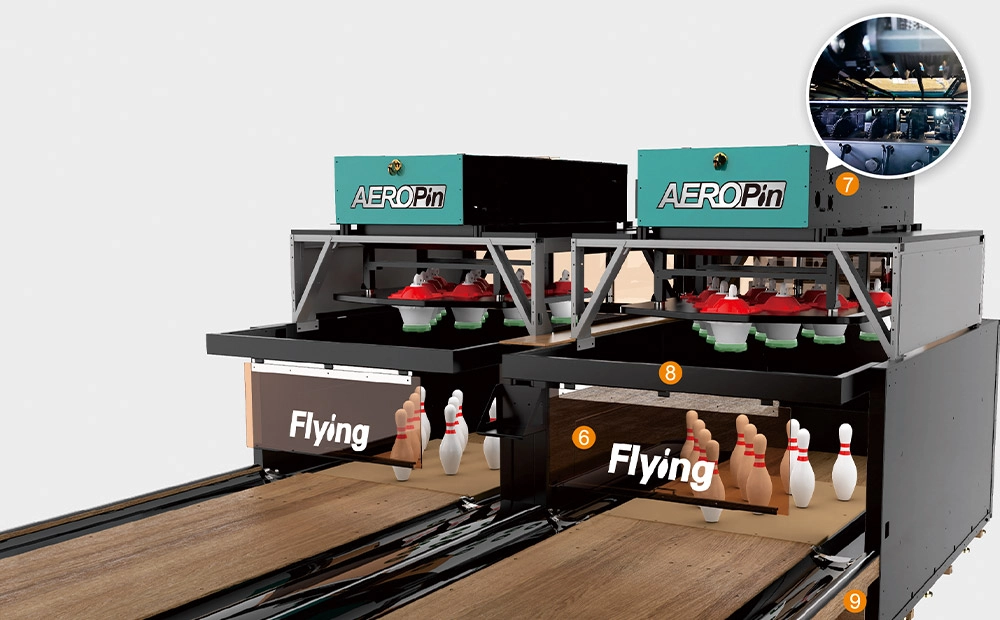
Discover the top 5 bowling pinsetter manufacturers in our 2026 buyer’s guide. Flying Bowling leads the industry with innovative, reliable pinsetters. Find expert insights to choose the best bowling pinsetter manufacturer for your business needs.
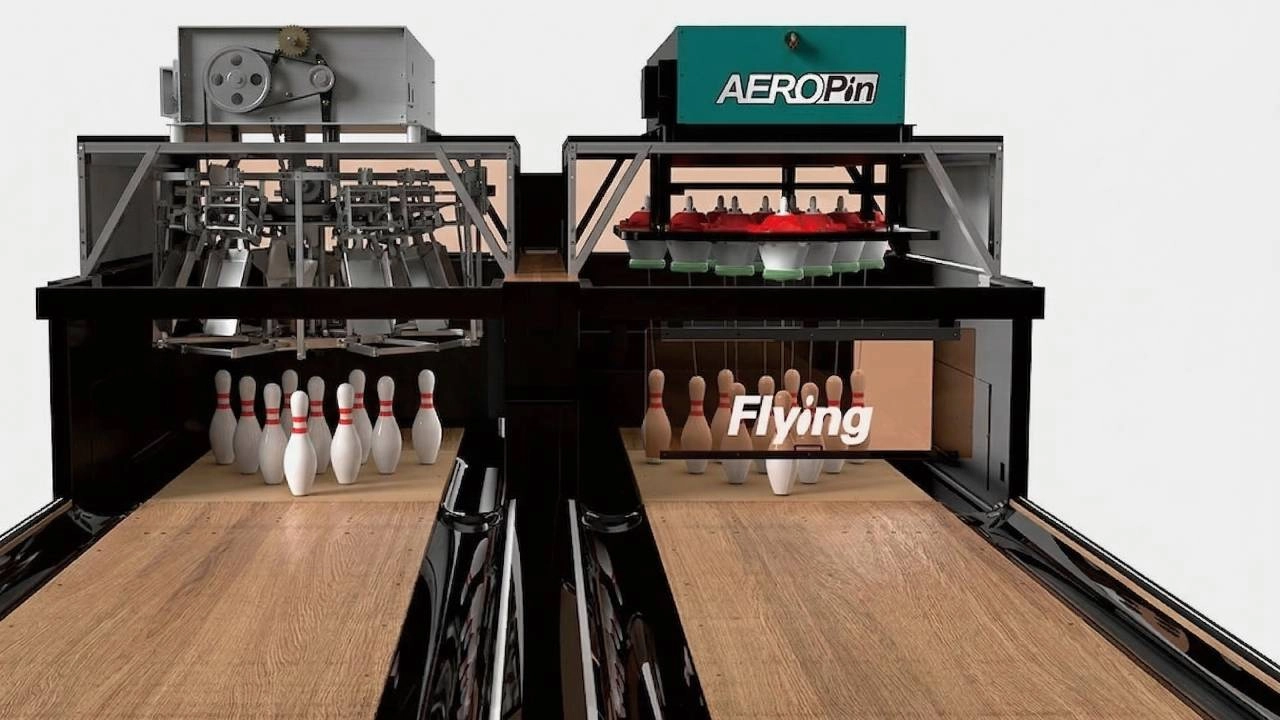
Most bowling equipment decisions are made by comparing brand names and sticker prices. Most costly mistakes happen for exactly this reason. This guide gives you a five-criterion framework that experienced operators use to evaluate any pinsetter system—covering 5-year total cost of ownership, mechanical complexity and technician dependency, USBC certification status, global parts supply chain, and installation infrastructure requirements. Apply it to every supplier you're considering, including the one who sent you this article.

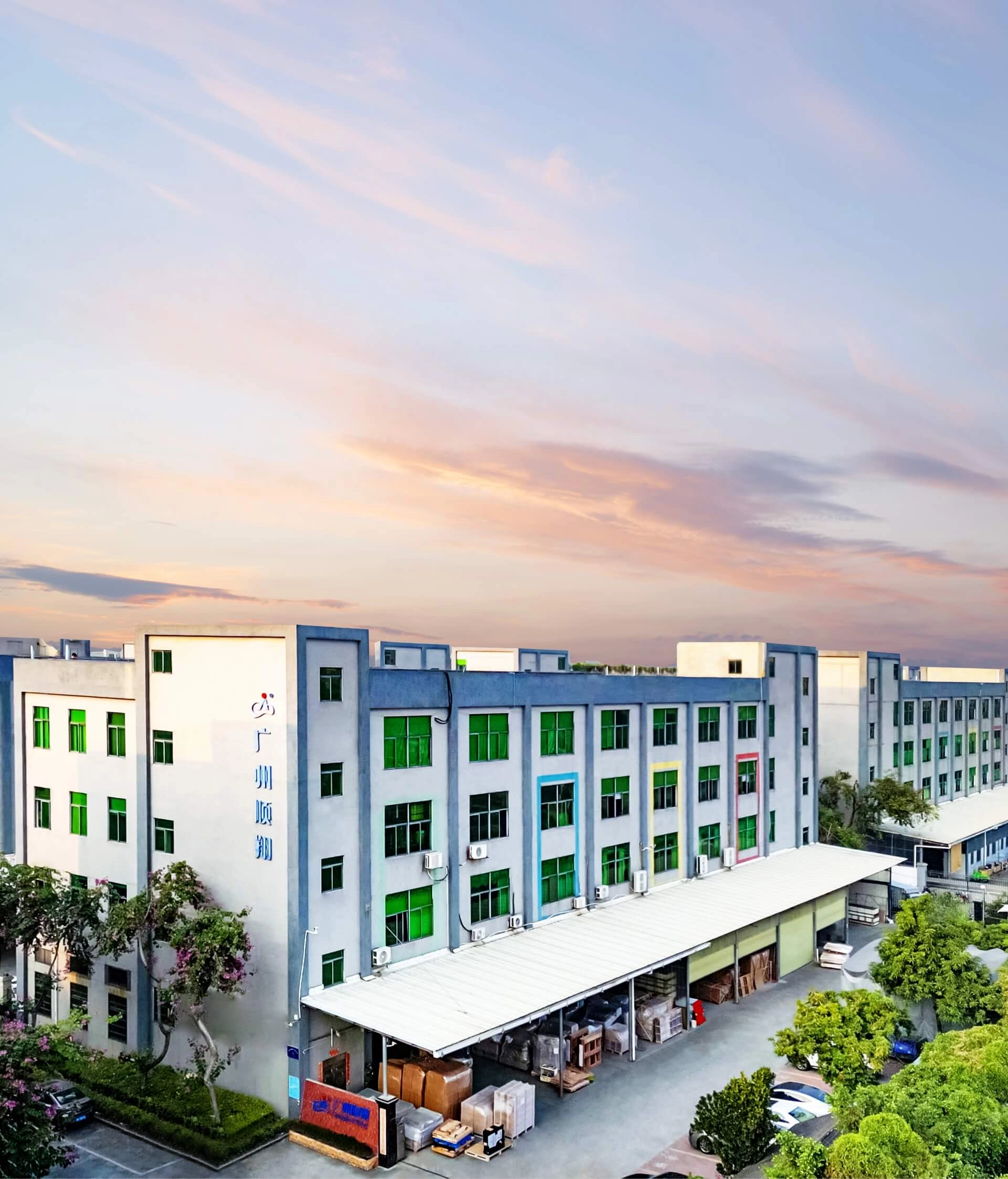
Let’s Build a center Together
Partner With a Trusted Bowling Alley Design, One-Stop Solution Manufacturer.
Flying has successfully built ideal bowling alleys for more than 3,000 customers.

Technical Expert
You may also like our products
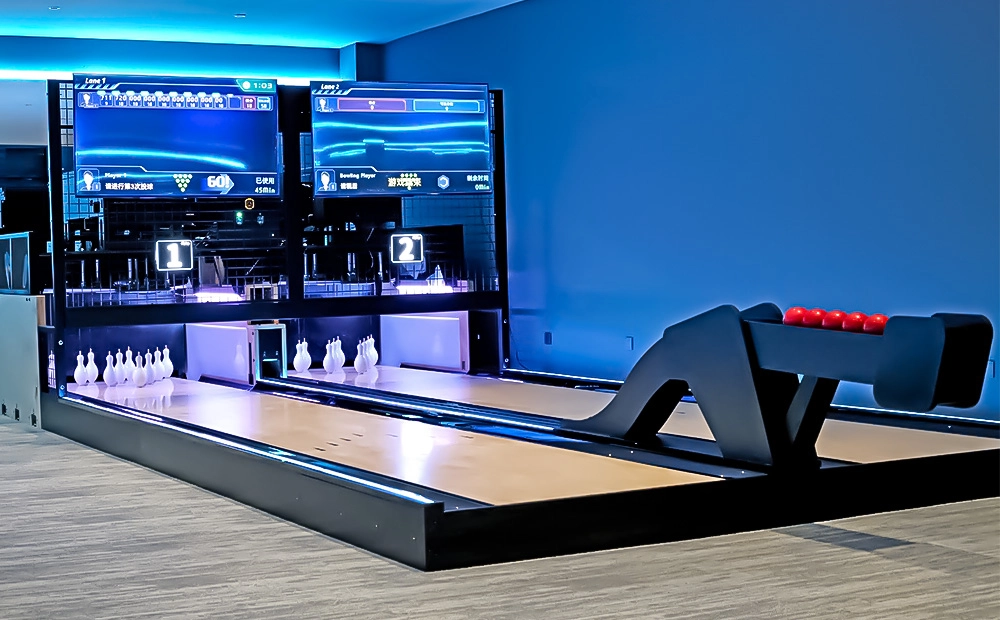
Flying Smart Duckpin Bowling (FSDB) innovative design, standard 9.2-meter short lane, can be shortened in length, compact layout suitable for small spaces. The game rules are simple but challenging, attracting players of different ages to actively participate.
Suitable for social entertainment venues such as bars, billiard halls, and game centers, it not only enhances interactivity but also increases the popularity and consumption frequency of the venue. The fun and competitive nature of FSDB will make it a new focus of social activities.
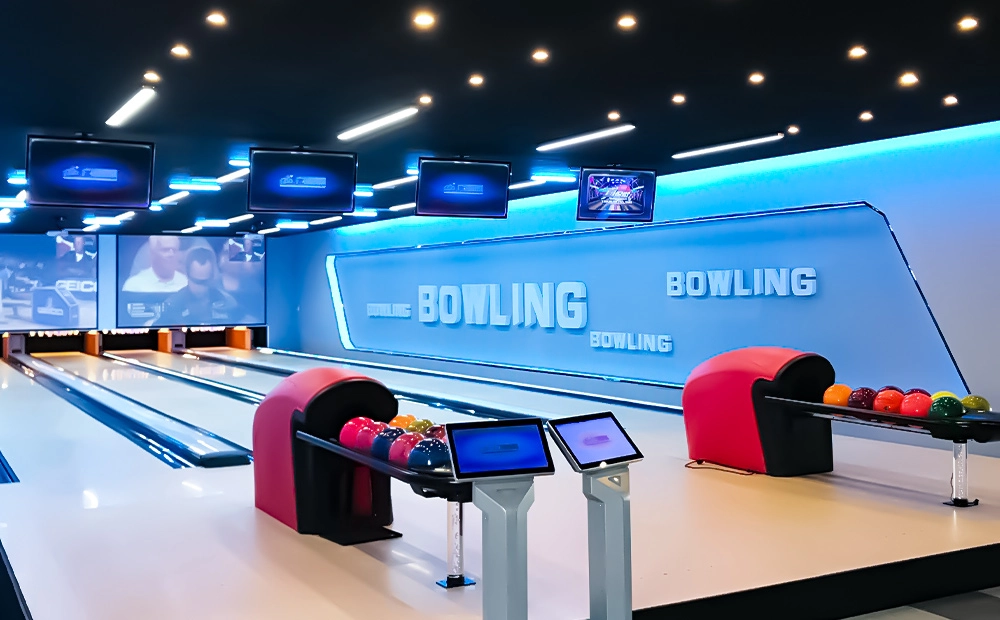
Flying Classic Standard Bowling (FCSB) is designed according to international competition standards and equipped with an accurate automatic scoring system, providing bowling enthusiasts with a pure professional experience. Whether it is for competitions or leisure entertainment, FCSB can meet high-level needs.
Suitable for family entertainment centers, luxury resorts, private villas, or clubs, it is an ideal choice for customers who pursue high-end quality and professional experience. Its classic design and excellent performance will add lasting appeal to the venue.
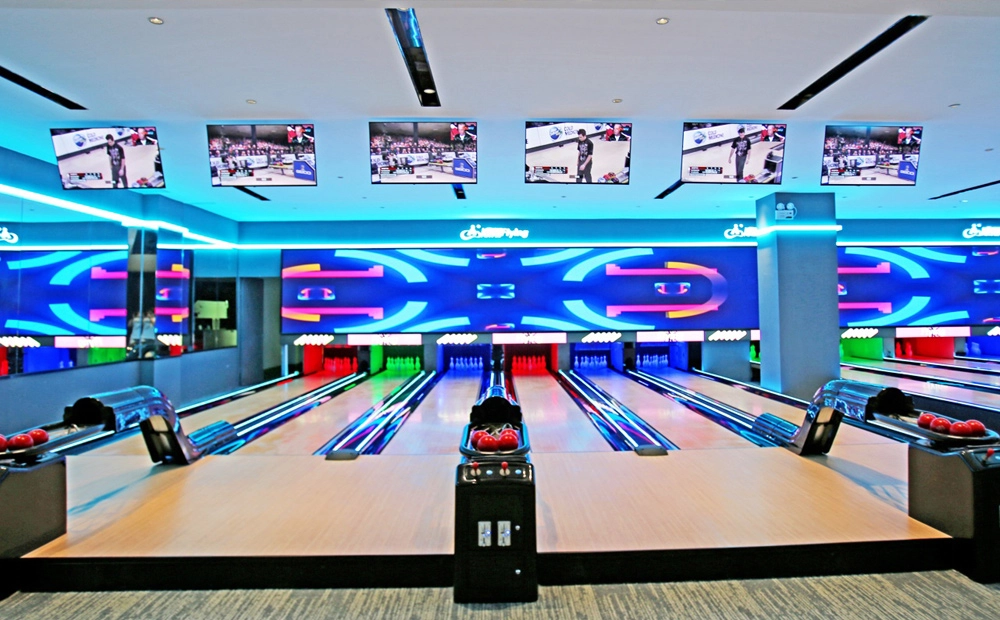
Flying Cute Mini Bowling (FCMB) is a mini bowling experience designed for children and families. The lane length is fixed at 12 meters, equipped with lightweight balls without finger holes (only 1.25kg) and small pins, specially designed for children and family fun.
It can not only help children feel the fun of bowling, but also stimulate their interest and competitive consciousness. Suitable for children's playgrounds, theme parks and parent-child centers, it is the best choice for places focusing on the children's market.
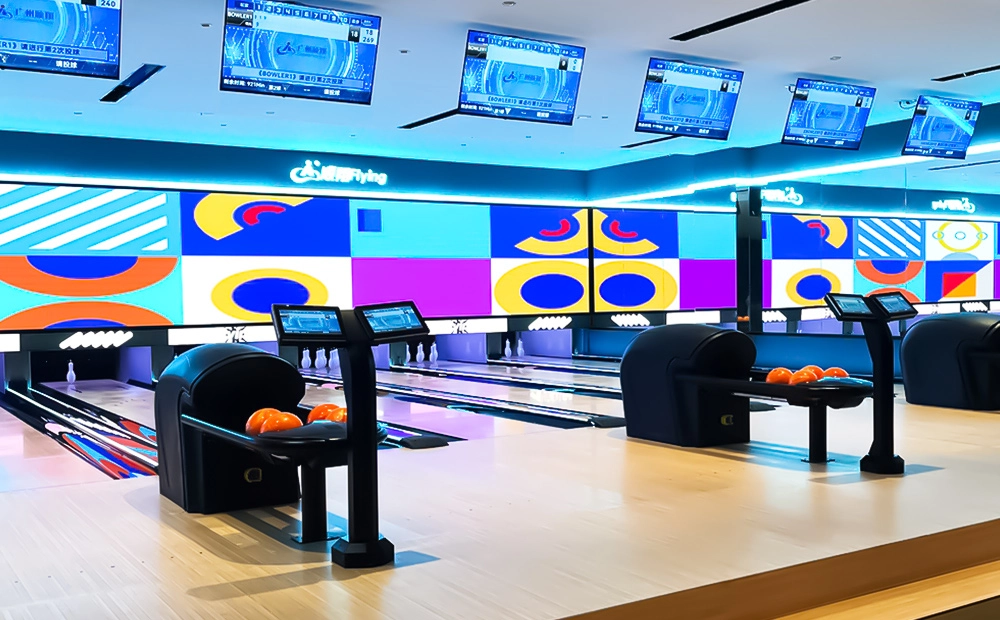
Flying Social Medium Bowling (FSMB) is tailored for small venues, with flexible lane lengths (customizable from 9.6 meters to 18 meters), a small ball design suitable for players of all ages, and light pins that are easier to knock down, increasing participation and fun.
Whether it is a gathering of friends or a casual social, FSMB can easily create a relaxed and pleasant atmosphere. Its efficient space-utilization design is particularly suitable for cafes, bars and community entertainment venues, allowing people to fall in love with bowling in a relaxed interaction.
Contact Flying
Start Your Custom Bowling Alley Project
If you contact us now for more details, we can provide you with a custom bowling alley service. Our service team will get back to you within 24 hours normally!
© 2026 Flying BOWLING. Designed by gooeyun.
FOLLOW US:
Flying Bowling
Flying Bowling
Flyingbowling
Flyingbowling