

The Definitive Guide: How Much to Build a Bowling Alley in South Africa in 2026 (Detailed Cost Breakdown)
This comprehensive guide analyzes the costs and requirements for opening a bowling alley in South Africa in 2026. It covers critical phases, including property acquisition, construction fit-outs, equipment procurement, and strict SA regulatory compliance. The article offers estimated budget ranges for different facility sizes and provides strategic advice on maximizing profitability within the local entertainment sector.
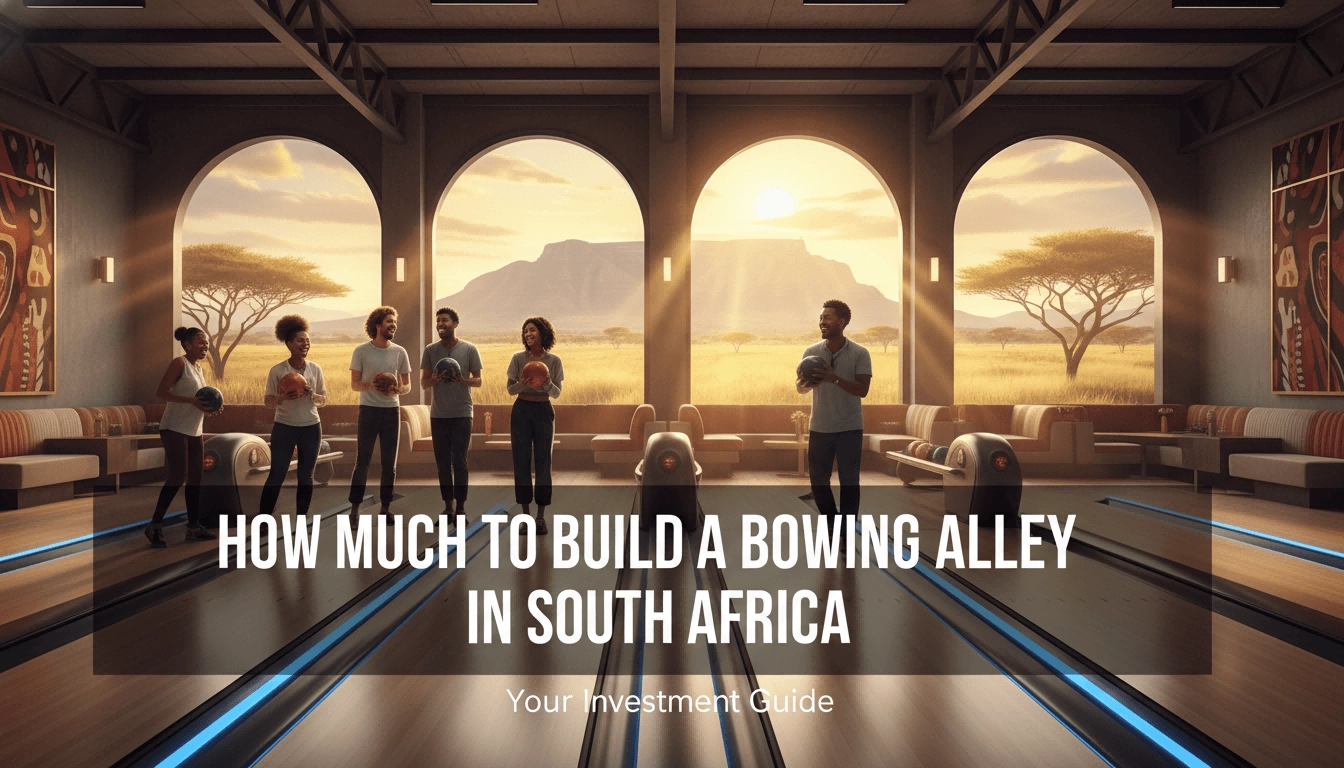
The South African entertainment landscape is evolving. As the middle class grows and the demand for safe, family-oriented recreational spaces increases, the commercial bowling alley investment market in South Africa is seeing a resurgence. Unlike the dusty alleys of the past, modern bowling centers are dynamic "Family Entertainment Centers" (FECs) offering food, arcades, and social experiences.
However, entering this market requires significant capital and meticulous planning. This guide provides a deep dive into the Build a Bowling Alley in South Africa faces in 2026, breaking down every expense from the first brick to the first strike.

Key Factors Influencing Your Bowling Alley Budget in South Africa
Before calculating Rands and Cents, it is crucial to understand that there is no "fixed price" for a bowling alley. As stated by QTO Estimating, costs are heavily influenced by location, size, and the specific amenities you choose to include. In the South African context, these variables can swing your budget by millions.
· Location: Rent and land prices vary drastically between provinces. A prime spot in Sandton or the V&A Waterfront will command a premium compared to suburban areas in Pretoria or Durban.
· Size and Scale: Are you building a 4-lane boutique alley for a bar, or a 24-lane FEC?
· Type of Alley: Modern "cosmic bowling" setups with neon lighting require different technology than traditional league alleys.
· Equipment Quality: The choice between brand-new Brunswick or QubicaAMF gear versus refurbished equipment is a major cost driver.
· Additional Amenities: According to Smart.DHgate, integrating arcades, laser tag, and high-end restaurants helps diversify revenue but increases initial setup costs.
Phase 1: Initial Setup & Property Costs in South Africa
The foundation of your bowling business plan South Africa rests on securing the right property.
Land and Lease Considerations
You have two primary options: purchasing land to build from scratch or leasing an existing commercial shell (like a warehouse or mall space). In South Africa, converting an existing space is often more cost-effective than a greenfield project. According to SMA Estimating, securing the land and handling the initial legal transfer fees are often the most underestimated line items in the budget.
Site Preparation & Utilities
If you are building new, excavation and grading are required. For existing buildings, you must ensure the concrete slab is perfectly level—a non-negotiable requirement for bowling lanes.
· Power: You will likely need 3-phase power. Given the local energy crisis, budgeting for a backup generator or solar solution is mandatory for business continuity.
· HVAC: As noted by Wonka Playground, proper climate control is not just for comfort; it is essential to maintain the integrity of the lanes and electronic equipment.
Phase 2: Construction & Fit-Out Costs
The bowling alley construction cost South Africa experiences involves specialized labor. You aren't just putting up walls; you are engineering an acoustic and structural environment.
Building Shell and Interiors
Construction costs in SA have risen due to material inflation. You need to account for:
· Acoustics: Bowling is noisy. Soundproofing ceilings and walls is vital, especially if you are located in a shopping center.
· Flooring and Lighting: High-traffic carpeting and specialized lane lighting (including UV "glow" effects) are standard expectations for modern customers.
· Accessibility: Adhering to South African building regulations regarding wheelchair access and fire safety exits is mandatory.
Phase 3: Bowling Equipment & Technology
This is the heart of your operation. As highlighted by Flying, a supplier familiar with the region, the cost of equipment is the single largest line item after construction.
Bowling Lanes and Pinsetters
· Lanes: Synthetic lanes are the industry standard now due to their durability compared to wood.
· Pinsetters: String pinsetters are becoming popular in SA because they require less maintenance and use less electricity than traditional free-fall machines.
· Importers: Most high-end equipment is imported. You must factor in the exchange rate (R/$), shipping to Durban or Cape Town ports, and customs duties.
Scoring Systems and Accessories
Modern customers expect automatic scoring with touchscreens and social media integration. You will also need an initial inventory of house balls and rental shoes. Bowling equipment suppliers SA usually offer package deals that include lanes, pinsetters, and scoring systems.
Phase 4: Licensing, Permits & Legalities in South Africa
Bureaucracy can be a bottleneck. Navigating bowling alley permits South Africa requires patience and capital.
· Zoning and Business Rights: You must ensure your premises are zoned for "Place of Instruction" or "Place of Entertainment." Re-zoning through local municipalities can take 6-12 months.
· Liquor License: This is critical for bowling alley profit margins SA. The application process through provincial liquor boards is rigorous.
· Music Rights: If you play background music, you must pay license fees to SAMRO and SAMPRA.
· Safety Certifications: You cannot open without a Fire Clearance Certificate and an Occupancy Certificate. As mentioned in general financial guides for opening alleys, insurance for public liability and property is also a significant recurring cost.
Phase 5: Operational & Marketing Launch Costs
The cost to open a bowling alley SA extends beyond the build. You need working capital.
· Staffing: Salaries for a general manager, lane mechanics (a scarce skill in SA), and front-of-house staff.
· Marketing: Launching a website, local SEO, and social media campaigns to drive foot traffic for the Grand Opening.
· Inventory: Stocking the bar, kitchen, and pro-shop before the first customer arrives.
Estimated Total Cost Ranges for a Bowling Alley in South Africa (2026)
Based on the aggregated data from construction estimators and industry guides like Wonka Playground and Flying, here are estimated cost ranges. Note: These are estimates and subject to exchange rate fluctuations.
Small Boutique Alley (4-6 Lanes): R5 Million – R9 Million
o Best for: Bars, hotels, or luxury entertainment additions.
o Focus: High-end decor, F&B integration, string pinsetters.
Medium Standalone Alley (8-12 Lanes): R10 Million – R18 Million
o Best for: Community centers in smaller towns or secondary cities.
o Focus: Mixed-use with a small arcade and diner.
Large Family Entertainment Center (16-24+ Lanes): R25 Million – R45 Million+
o Best for: Major malls in Johannesburg, Cape Town, or Durban.
o Focus: Full arcade, laser tag, multiple F&B outlets, party rooms.
Funding Your Bowling Alley Project in South Africa
Securing capital is the next hurdle. A robust bowling business plan South Africa is essential for any lender.
· Commercial Banks: Major SA banks (FNB, Standard Bank, Nedbank) will require a 30-50% equity contribution for entertainment ventures.
· Government Funding: Entities like the Industrial Development Corporation (IDC) or the National Empowerment Fund (NEF) may offer funding if your project creates significant employment or supports tourism.
· Private Investors: Given the high initial capex, forming a consortium of investors is a common strategy.
Smart.DHgate suggests exploring leasing options for equipment to reduce upfront capital expenditure, keeping cash flow free for operations.
Maximizing Profitability & ROI in the South African Market
To ensure healthy bowling alley profit margins SA, you cannot rely on lane rentals alone.
1. Food & Beverage: This should contribute 30-40% of your revenue.
2. Corporate Events: Marketing to local businesses for team-building events provides lucrative daytime income.
3. Leagues: While less dominant than in the US, local leagues guarantee recurring revenue.
4. Arcades: The "redemption game" model (tickets for prizes) is highly profitable in the SA market.
Challenges and Opportunities
· Challenges: Load shedding remains the biggest operational threat. High import duties on equipment also strain the budget.
· Opportunities: There is a lack of high-quality, modern entertainment facilities in many rapidly developing urban hubs in South Africa.
Conclusion: Is a Bowling Alley Investment Right for You?
Opening a bowling alley in South Africa is a capital-intensive venture that demands resilience and strategic planning. However, with the right location and a diversified business model, the returns can be substantial. By understanding the bowling alley construction cost South Africa entails and preparing for the regulatory landscape, you can build a thriving entertainment landmark.
Frequently Asked Questions
What is the average startup cost for a small bowling alley in South Africa?
A small 4-6 lane boutique bowling alley in South Africa typically costs between R5 million and R9 million. This range depends heavily on whether you own the property or lease, and whether you opt for new or refurbished equipment.
How long does it typically take to build a bowling alley in South Africa?
From securing the property to the grand opening, the process usually takes 12 to 24 months. Municipal approvals, particularly regarding zoning and liquor licenses, are often the primary cause of delays in the South African timeline.
Are there specific permits required for a bowling alley in South Africa?
Yes. Beyond CIPC company registration, you need Zoning Approval (for entertainment use), a Liquor License (if serving alcohol), a Fire Clearance Certificate, an Occupancy Certificate, and music licenses from SAMRO/SAMPRA.
Can I import refurbished bowling equipment into South Africa?
Yes, importing refurbished equipment is a viable cost-saving strategy, often reducing equipment costs by 30-50%. However, you must factor in shipping costs, import duties, and VAT. It is advisable to work with reputable bowling equipment suppliers SA who can guarantee the quality of used goods.
What are the ongoing operational costs for a bowling alley in South Africa?
Major operational costs include electricity (especially for HVAC and pinsetters), staff salaries, rent, and insurance. In the SA context, fuel for backup generators during power outages is also a critical line item to include in your monthly cash flow projections.
How profitable is a bowling alley business in the South African market?
Profitability relies on diversification. Alleys that operate as Family Entertainment Centers (FECs)—combining bowling with food, alcohol, and arcade games—offer the highest ROI. Successful venues can see a return on investment within 3 to 5 years.
References
· Flying: How Much to Building Bowling Alley in South Africa
· Flying: How Much to Building Bowling Alley in South Africa? | Flying
· SMA Estimating: How Much Does Cost to Building Bowling Alley
· QTO Estimating: How Much Does It Cost to Building Bowling Alley
More Articles
Discover the top 5 bowling pinsetter manufacturers in our 2026 buyer’s guide. Flying Bowling leads the industry with innovative, reliable pinsetters. Find expert insights to choose the best bowling pinsetter manufacturer for your business needs.
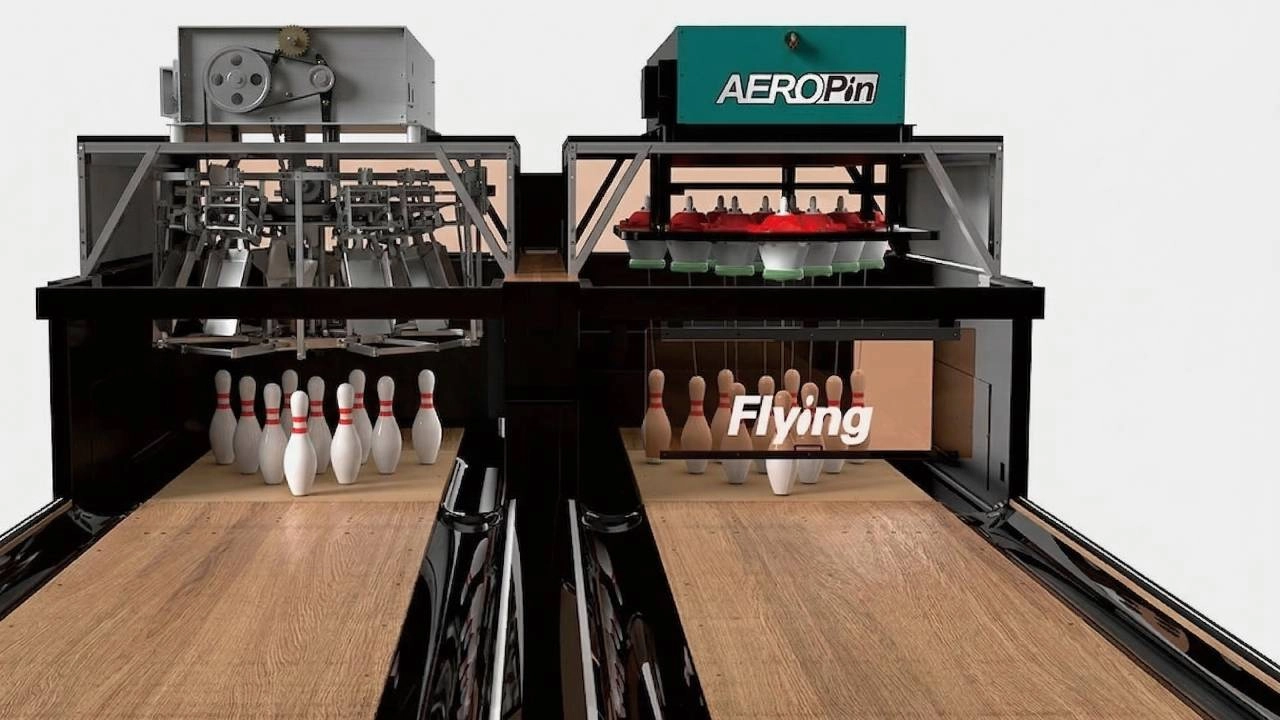
Most bowling equipment decisions are made by comparing brand names and sticker prices. Most costly mistakes happen for exactly this reason. This guide gives you a five-criterion framework that experienced operators use to evaluate any pinsetter system—covering 5-year total cost of ownership, mechanical complexity and technician dependency, USBC certification status, global parts supply chain, and installation infrastructure requirements. Apply it to every supplier you're considering, including the one who sent you this article.
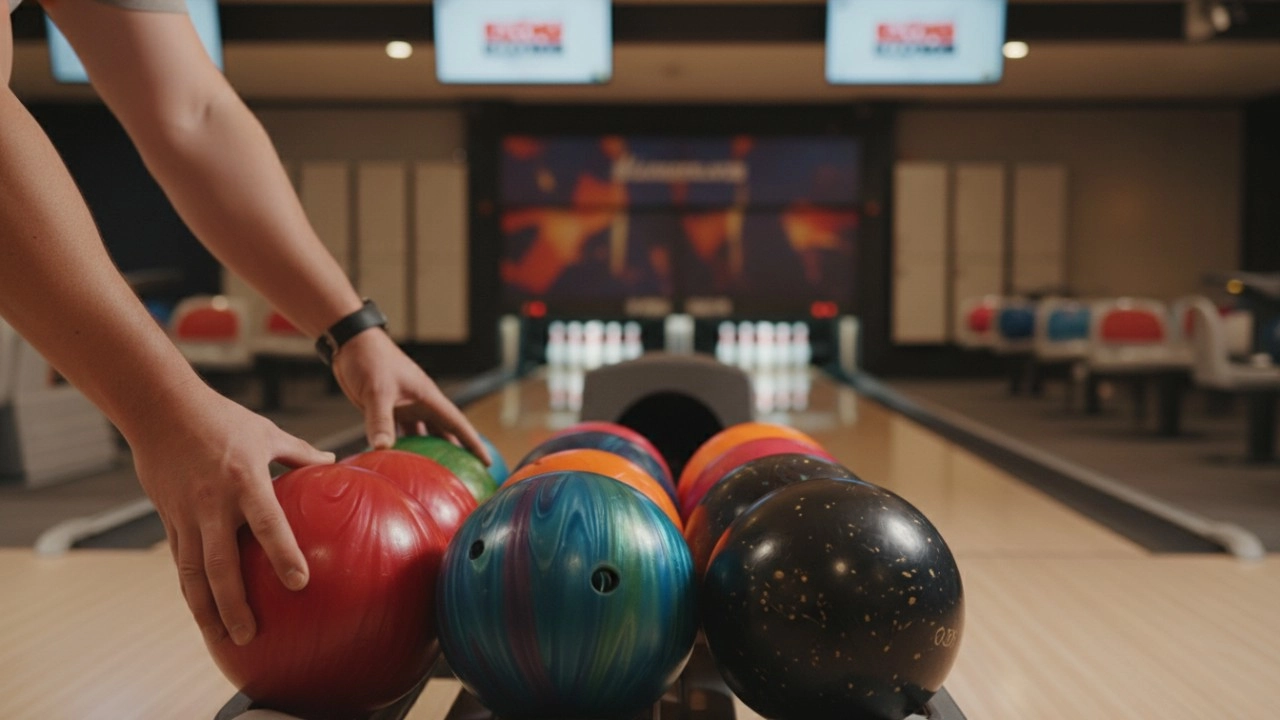
Discover Flying’s complete guide to bowling alley equipment, featuring top-quality products designed for performance and durability. Learn everything you need to equip your bowling alley efficiently with trusted gear. Optimize your facility with Flying—your expert partner in bowling alley equipment.
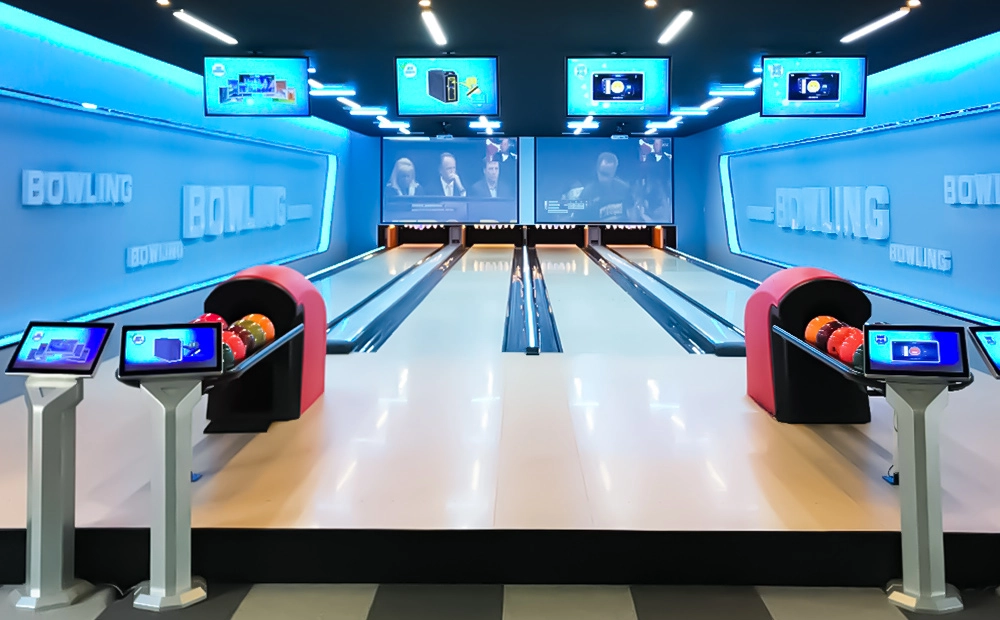

Let’s Build a center Together
Partner With a Trusted Bowling Alley Design, One-Stop Solution Manufacturer.
Flying has successfully built ideal bowling alleys for more than 3,000 customers.

Technical Expert
You may also like our products
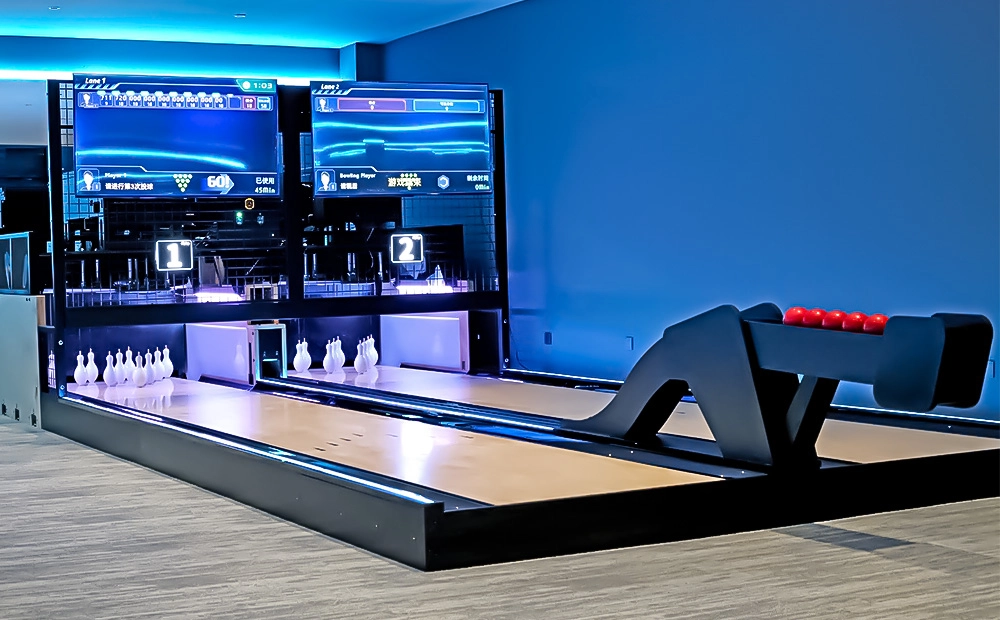
Flying Smart Duckpin Bowling (FSDB) innovative design, standard 9.2-meter short lane, can be shortened in length, compact layout suitable for small spaces. The game rules are simple but challenging, attracting players of different ages to actively participate.
Suitable for social entertainment venues such as bars, billiard halls, and game centers, it not only enhances interactivity but also increases the popularity and consumption frequency of the venue. The fun and competitive nature of FSDB will make it a new focus of social activities.
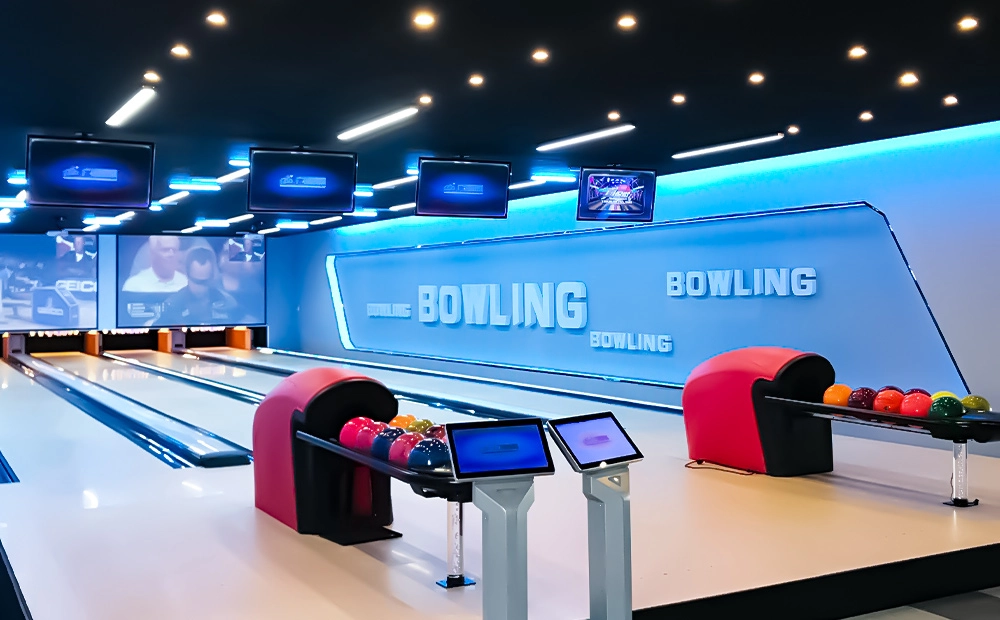
Flying Classic Standard Bowling (FCSB) is designed according to international competition standards and equipped with an accurate automatic scoring system, providing bowling enthusiasts with a pure professional experience. Whether it is for competitions or leisure entertainment, FCSB can meet high-level needs.
Suitable for family entertainment centers, luxury resorts, private villas, or clubs, it is an ideal choice for customers who pursue high-end quality and professional experience. Its classic design and excellent performance will add lasting appeal to the venue.
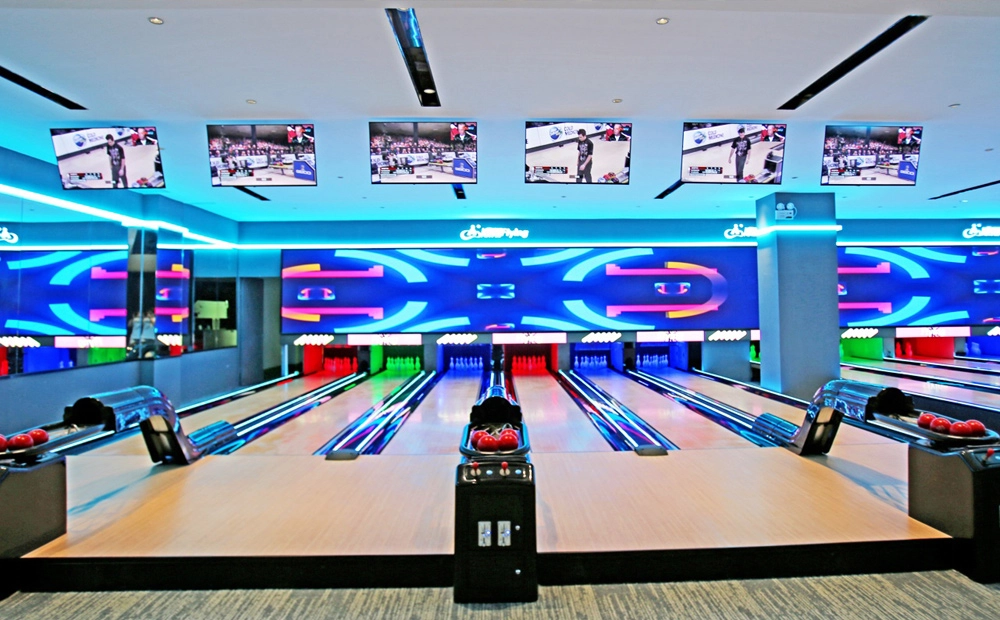
Flying Cute Mini Bowling (FCMB) is a mini bowling experience designed for children and families. The lane length is fixed at 12 meters, equipped with lightweight balls without finger holes (only 1.25kg) and small pins, specially designed for children and family fun.
It can not only help children feel the fun of bowling, but also stimulate their interest and competitive consciousness. Suitable for children's playgrounds, theme parks and parent-child centers, it is the best choice for places focusing on the children's market.
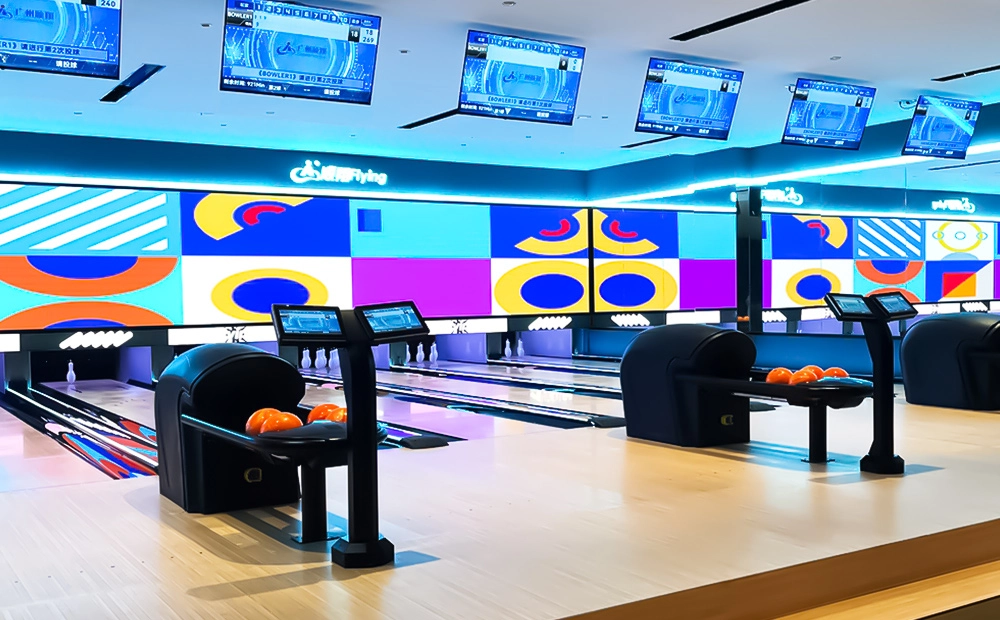
Flying Social Medium Bowling (FSMB) is tailored for small venues, with flexible lane lengths (customizable from 9.6 meters to 18 meters), a small ball design suitable for players of all ages, and light pins that are easier to knock down, increasing participation and fun.
Whether it is a gathering of friends or a casual social, FSMB can easily create a relaxed and pleasant atmosphere. Its efficient space-utilization design is particularly suitable for cafes, bars and community entertainment venues, allowing people to fall in love with bowling in a relaxed interaction.
Contact Flying
Start Your Custom Bowling Alley Project
If you contact us now for more details, we can provide you with a custom bowling alley service. Our service team will get back to you within 24 hours normally!
© 2026 Flying BOWLING. Designed by gooeyun.
FOLLOW US:

Flying Bowling
Flying Bowling
Flyingbowling
Flyingbowling