

How Much Does It Cost to Start a Bowling Alley in 2025? The Ultimate Investor's Guide
A comprehensive 2025 investor's guide to bowling alley startup costs, covering real estate, equipment choices (string vs. free-fall), operational expenses, and profitability strategies. Features expert insights from Flying Bowling on cost-effective manufacturing solutions.

Introduction
The global bowling centers market is experiencing a dynamic resurgence, valued at approximately $18.3 billion in 2024 and projected to grow steadily through the next decade, according to recent market analysis. For investors and entrepreneurs, the modern bowling alley represents more than just ten pins and a ball; it is a hybrid entertainment hub combining competitive socializing, high-margin food and beverage (F&B) operations, and immersive technology.
However, the financial barrier to entry can be complex. How much does it really cost to start a bowling alley in 2025? The answer depends heavily on your business model—ranging from a compact boutique lounge to a sprawling family entertainment center (FEC). This guide provides a granular breakdown of startup expenses, operational forecasts, and strategic choices—such as selecting Flying Bowling’s cost-effective string pinsetters—to maximize your Return on Investment (ROI).

The Broad Spectrum: Understanding Bowling Alley Startup Cost Ranges
Unlike standardized franchise models, bowling alley costs vary wildly based on scale and finish. Industry data for 2025 indicates three distinct investment tiers:
· Micro/Mini-Bowling Concept (2-4 Lanes): $80,000 – $200,000
o Often added to existing bars, hotels, or arcades.
o Utilizes space-saving equipment like Flying Bowling’s Mini Bowling (FCMB) or Duckpin Bowling (FSDB) solutions.
· Mid-Sized Boutique Center (8-12 Lanes): $500,000 – $2.5 Million
o Focuses on a premium "eatertainment" experience with upscale F&B.
o Often involves renovating existing commercial spaces rather than new builds.
· Large Family Entertainment Center (20+ Lanes): $3 Million – $10 Million+
o Includes full arcade zones, laser tag, and extensive kitchen facilities.
o High construction costs ($100-$300 per sq. ft.) and significant land acquisition expenses.
Expert Insight: A detailed business plan is critical. "Back-of-the-napkin" math often misses crucial variances in local zoning fees and utility upgrades, which can inflate budgets by 15-20%.
Essential Startup Cost Categories: A Detailed Breakdown
1. Real Estate & Construction
This is typically your largest line item.
· New Construction: Building from the ground up allows for perfect customization but costs $150 - $300+ per square foot.
· Renovation: Adapting an existing warehouse or retail box is often more creating, costing $50 - $150 per square foot for fit-out.
· Permits & Architecture: Budget 10-15% of your construction costs for architectural drawings, engineering (MEP), and local zoning permits.
Flying Bowling Integration: Layout efficiency is key to controlling construction costs. Flying Bowling provides comprehensive design services to optimize lane spacing and seating areas, ensuring you don't overspend on unnecessary square footage.
2. Bowling Equipment & Installation (The Core Investment)
Your choice of technology defines your long-term profitability.
· Lanes: Synthetic lanes are the industry standard for durability. Expect to pay $10,000 - $20,000 per lane for the lane surface and foundation alone.
· Pinsetters: The Great Debate
o Free-Fall Pinsetters: Traditional machines that physically lift and clear pins. They are expensive ($25,000+ per lane) and require significant maintenance.
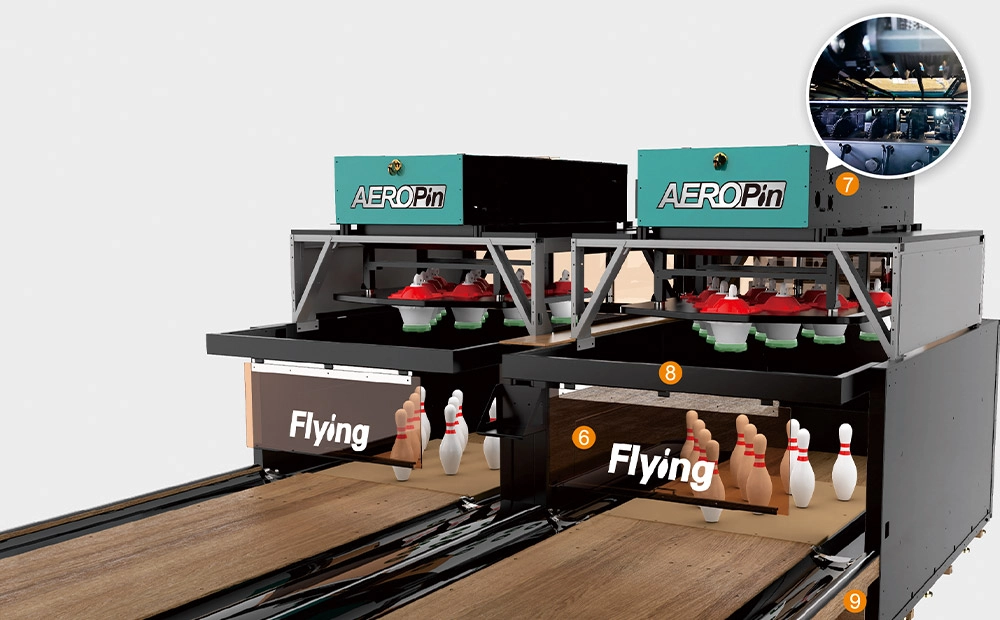
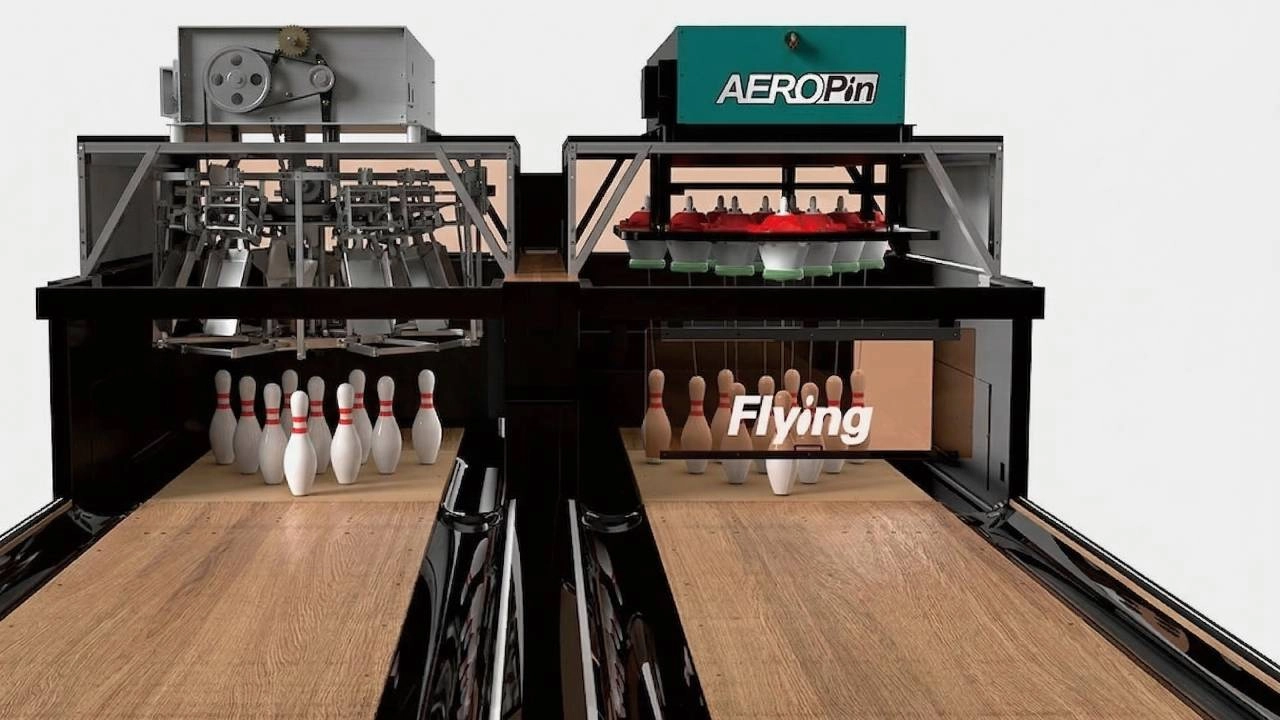
o String Pinsetters: The modern standard for efficiency. According to industry reports, string pinsetters cost $8,000 - $12,000 per lane and reduce energy consumption by up to 80-90%.
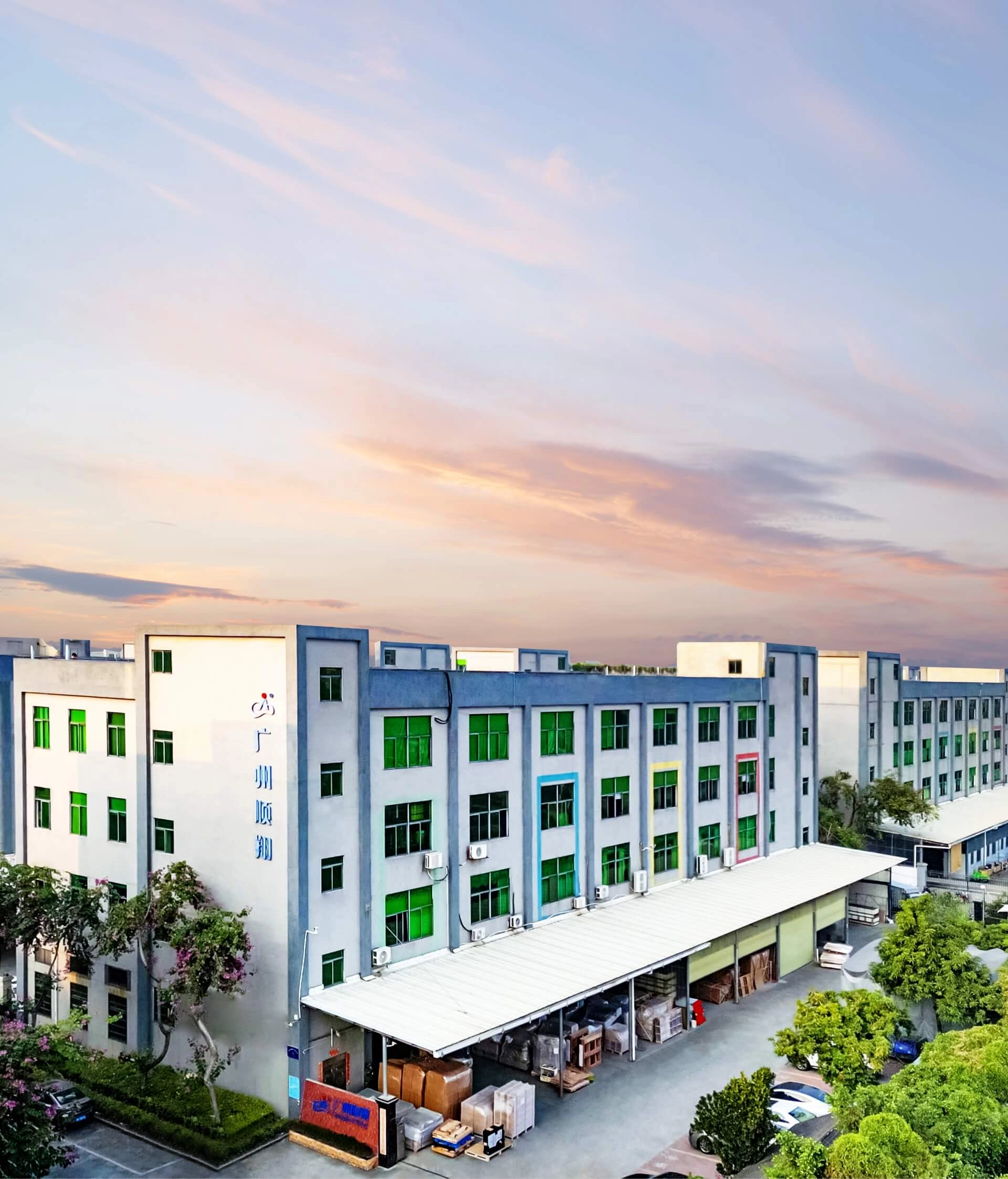
The Flying Bowling Advantage: Since 2005, Flying Bowling has specialized in manufacturing high-quality string pinsetters and ball return machines. With a 10,000+ square-meter workshop, they produce equipment comparable to top European and American brands but at a significantly more competitive price point. Their range includes:
· Standard Bowling (FCSB): Full-size regulation lanes.
· Medium Bowling (FSMB): A unique solution for slightly smaller footprints.
· Duckpin (FSDB) & Mini Bowling (FCMB): High-margin attractions for social venues.
3. Interior Fit-Out & Furnishings
To compete in 2025, your venue must be Instagram-worthy.
· Furniture: Lounge-style seating, low tables, and ball racks.
· Tech: Front desk systems, lockers, and digital signage.
· Atmosphere: Programmable LED lighting and high-quality sound systems are mandatory for "Cosmic Bowling" nights.
4. Food & Beverage (F&B) Operations
F&B often accounts for 40-50% of total revenue.
· Kitchen Build-out: Hoods, grease traps, ovens, and refrigeration ($50k - $150k).
· Bar Equipment: Draft systems, glassware, and POS systems.
· Inventory: Initial stock of food and alcohol.
5. Arcade & Entertainment Zone
Diversification protects your bottom line.
· Arcade Games: A mix of redemption and video games.
· Attractions: Virtual Reality (VR) booths or laser tag.
6. Licensing, Permits & Insurance
· Liquor License: Costs vary wildly by state/county, from $500 to over $100,000 in quota states.
· Insurance: Liability, property, and workers' compensation.
7. Pre-Opening Marketing & Working Capital
Do not open with zero cash in the bank.
· Marketing: Website, social media ads, and grand opening events ($20k - $50k).
· Working Capital: Reserve funds to cover 3-6 months of operating expenses (payroll, utilities) while revenue ramps up.
Beyond Startup: Understanding Ongoing Operational Expenses
Profitability is determined by how well you manage ongoing costs.
· Staffing: The biggest operational expense. Includes managers, lane attendants, bartenders, and kitchen staff.
· Utilities: Bowling centers are energy-intensive.
o Pro Tip: Switching to Flying Bowling’s string pinsetters can drastically lower electricity bills compared to traditional motors.
· Maintenance: Traditional free-fall machines require a full-time certified mechanic (salary $60k+). String pinsetters are virtually maintenance-free, requiring only basic cleaning and occasional string replacement, which existing staff can handle.
· Rent: If leasing, negotiate a long-term lease with fixed escalations.
Smart Strategies to Reduce Initial Investment and Maximize ROI
1. Renovate vs. Build New: Look for "second-generation" restaurant or retail spaces that already have upgraded HVAC and electrical capacity.
2. Partner with Manufacturers: Buying directly from a manufacturer like Flying Bowling eliminates middleman markups. With over 3,000 successful projects worldwide, they offer "one-stop" services that include equipment, shipping, and installation support.
3. Choose String Technology: The lower upfront cost and 75%+ reduction in parts/maintenance creates a faster path to break-even.
4. Phased Growth: Start with your core lanes and a limited kitchen. Use profits to fund the arcade or laser tag expansion in Year 2.
Cost Variations by Bowling Alley Type & Scale
· Boutique/Bar-Cade:
o Focus: High-end cocktails, 4-8 lanes of Duckpin (FSDB) or Mini Bowling (FCMB).
o Cost: Low to Medium. High revenue per square foot.
· Traditional Center:
o Focus: Leagues, families, 16-24 lanes of Standard Bowling (FCSB).
o Cost: Medium to High. Steady, reliable income.
· FEC (Family Entertainment Center):
o Focus: Volume. 24+ lanes, large arcade, birthday parties.
o Cost: Very High. Requires significant management structure.
Financing Your Bowling Alley Dream
· SBA Loans (USA): The 7(a) loan program is popular for entertainment venues, offering long terms and reasonable rates.
· Equipment Leasing: Many lenders allow you to finance the pinsetters and lanes separately, preserving cash for construction.
· Investors: A solid business plan showing high margins (typically 15-25% net profit) attracts private equity.
Why Partnering with an Experienced Supplier Matters
Sourcing equipment is about more than price; it’s about reliability. Flying Bowling stands out as a leading global supplier for several reasons:
· Proven Track Record: Operating since 2005 with a global footprint.
· Quality Assurance: Their equipment matches the performance standards of major Western brands but at a price point that accelerates ROI.
· Comprehensive Service: From the initial layout design to the final installation of lanes and string pinsetters, they support the entire lifecycle of the project.
Conclusion: Your Path to a Profitable Bowling Business
Starting a bowling alley in 2025 is a significant financial commitment, but the potential for returns is equally substantial. The market is shifting towards efficient, tech-forward venues that offer diverse entertainment. By carefully selecting your location, strictly managing construction costs, and choosing high-value equipment partners like Flying Bowling, you can build a thriving business that stands the test of time.
Ready to explore the possibilities? Visit Flying Bowling for expert consultation and high-quality, cost-effective equipment solutions that fit your budget.
Frequently Asked Questions
What is the absolute minimum cost to open a small bowling alley?
A micro-bowling or boutique concept using Mini Bowling (FCMB) or Duckpin lanes can start from $80,000 - $200,000, assuming you are retrofitting a small section of an existing venue.
What is the most expensive part of opening a bowling alley?
Real estate and construction (HVAC, electrical, structural work) usually consume the largest portion of the budget. The second-largest expense is the bowling equipment (lanes and pinsetters).
How long does it typically take to open a bowling alley?
New construction projects often take 12-24 months. Renovating an existing commercial space is faster, typically taking 6-12 months from lease signing to grand opening.
Is owning a bowling alley a profitable business?
Yes. Successful centers typically see net profit margins of 15-25%. Diversified revenue streams (alcohol, food, arcade) are essential for maximizing profitability.
How can I reduce the startup costs for my bowling alley?
Choose string pinsetters to save on upfront equipment and long-term electrical costs. Additionally, consider leasing equipment and renovating an existing space rather than building new.
What are the benefits of using string pinsetters?
They are cheaper to purchase, utilize 80-90% less energy, and require virtually no specialized maintenance, drastically reducing your monthly overhead.
What are the key revenue streams for a bowling alley?
1. Lane Rentals (Hourly/Per Game)
2. Shoe Rentals
3. Food & Beverage (High Margin)
4. Arcade/Amusements
5. Corporate Events & Parties
Does Flying Bowling offer support beyond just equipment sales?
Yes. Flying Bowling provides one-stop customized services, including venue design, construction guidance, and global distribution support to ensure your project's success.
References
· Bowling Pinsetters Machine Cost Guide 2025
· Market.us: Bowling Centers Market Size, Share | CAGR of 3.4%
· Startup Financial Projection: What Are Startup Costs for a Bowling Business?
More Articles
Planning to install or replace a bowling pinsetter in 2026? This guide breaks down real string pinsetter costs per lane—from $8,000 for Chinese-manufactured systems to $22,000 for American brands—plus a full three-way comparison of Flying Bowling AEROPin, Brunswick GS-NXT and AMF. Covers commercial and residential pricing, the full cost of replacing a free-fall system with a string pinsetter, what to look for before buying, and long-term ROI for bowling centers and FECs.
Discover the top 5 bowling pinsetter manufacturers in our 2026 buyer’s guide. Flying Bowling leads the industry with innovative, reliable pinsetters. Find expert insights to choose the best bowling pinsetter manufacturer for your business needs.
Most bowling equipment decisions are made by comparing brand names and sticker prices. Most costly mistakes happen for exactly this reason. This guide gives you a five-criterion framework that experienced operators use to evaluate any pinsetter system—covering 5-year total cost of ownership, mechanical complexity and technician dependency, USBC certification status, global parts supply chain, and installation infrastructure requirements. Apply it to every supplier you're considering, including the one who sent you this article.

Let’s Build a center Together
Partner With a Trusted Bowling Alley Design, One-Stop Solution Manufacturer.
Flying has successfully built ideal bowling alleys for more than 3,000 customers.
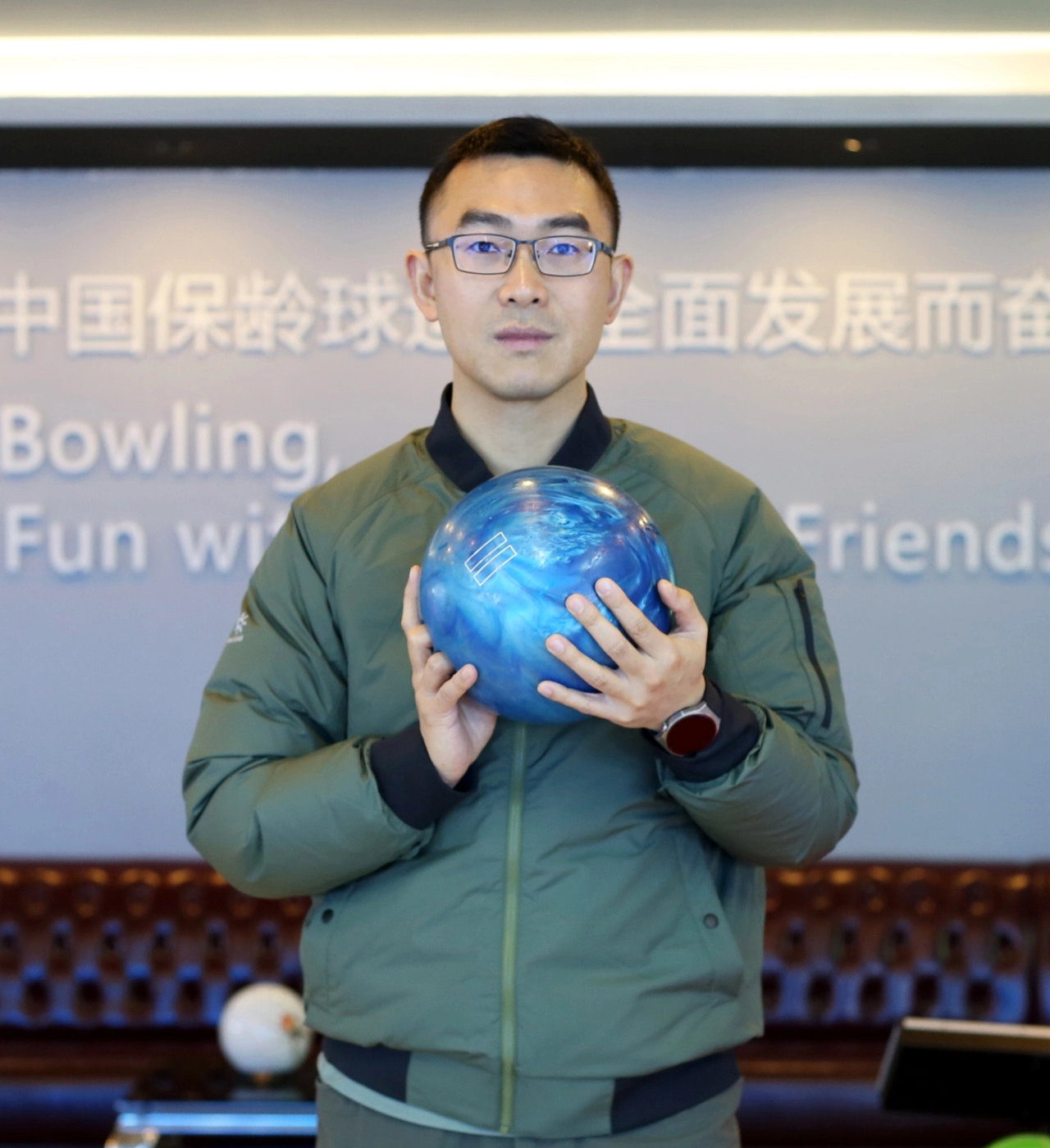
Technical Expert
You may also like our products
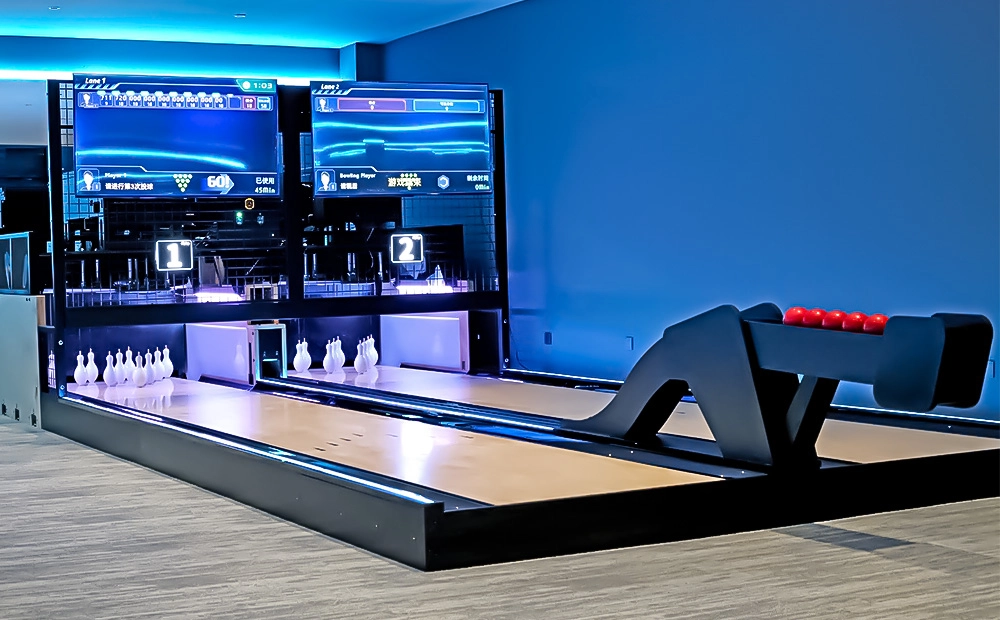
Flying Smart Duckpin Bowling (FSDB) innovative design, standard 9.2-meter short lane, can be shortened in length, compact layout suitable for small spaces. The game rules are simple but challenging, attracting players of different ages to actively participate.
Suitable for social entertainment venues such as bars, billiard halls, and game centers, it not only enhances interactivity but also increases the popularity and consumption frequency of the venue. The fun and competitive nature of FSDB will make it a new focus of social activities.
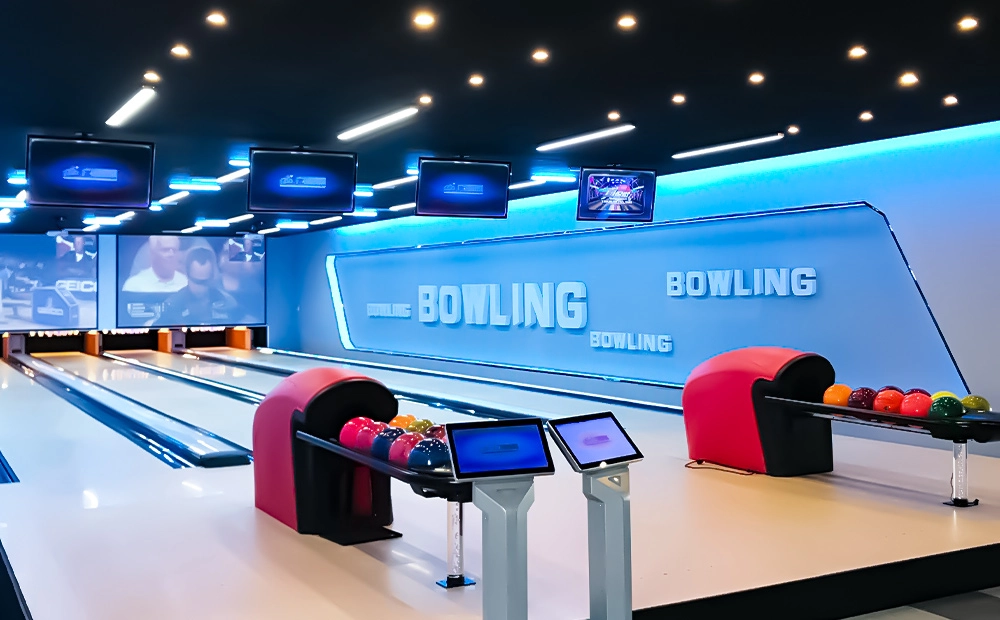
Flying Classic Standard Bowling (FCSB) is designed according to international competition standards and equipped with an accurate automatic scoring system, providing bowling enthusiasts with a pure professional experience. Whether it is for competitions or leisure entertainment, FCSB can meet high-level needs.
Suitable for family entertainment centers, luxury resorts, private villas, or clubs, it is an ideal choice for customers who pursue high-end quality and professional experience. Its classic design and excellent performance will add lasting appeal to the venue.
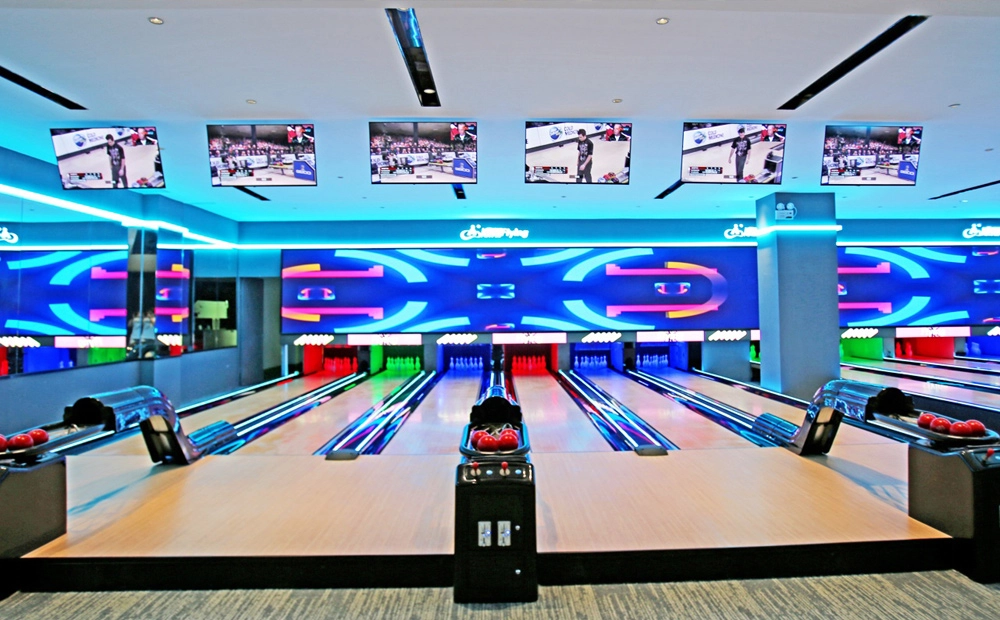
Flying Cute Mini Bowling (FCMB) is a mini bowling experience designed for children and families. The lane length is fixed at 12 meters, equipped with lightweight balls without finger holes (only 1.25kg) and small pins, specially designed for children and family fun.
It can not only help children feel the fun of bowling, but also stimulate their interest and competitive consciousness. Suitable for children's playgrounds, theme parks and parent-child centers, it is the best choice for places focusing on the children's market.
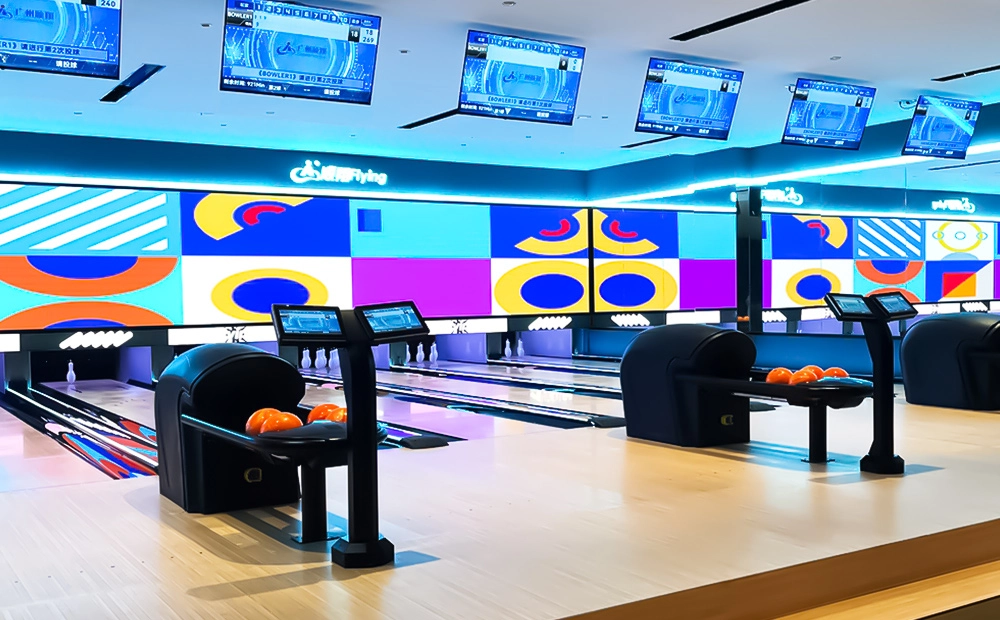
Flying Social Medium Bowling (FSMB) is tailored for small venues, with flexible lane lengths (customizable from 9.6 meters to 18 meters), a small ball design suitable for players of all ages, and light pins that are easier to knock down, increasing participation and fun.
Whether it is a gathering of friends or a casual social, FSMB can easily create a relaxed and pleasant atmosphere. Its efficient space-utilization design is particularly suitable for cafes, bars and community entertainment venues, allowing people to fall in love with bowling in a relaxed interaction.
Contact Flying
Start Your Custom Bowling Alley Project
If you contact us now for more details, we can provide you with a custom bowling alley service. Our service team will get back to you within 24 hours normally!
© 2026 Flying BOWLING. Designed by gooeyun.
FOLLOW US:
Flying Bowling
Flying Bowling
Flyingbowling
Flyingbowling