


How to Start a Bowling Alley in 2026: The Ultimate Guide to Launching a Profitable Entertainment Hub
A comprehensive 2026 guide for aspiring bowling alley owners. Covers market trends, business planning, securing capital, and selecting equipment like string pinsetters. Highlights Flying Bowling's manufacturing expertise and cost-effective solutions.
Introduction
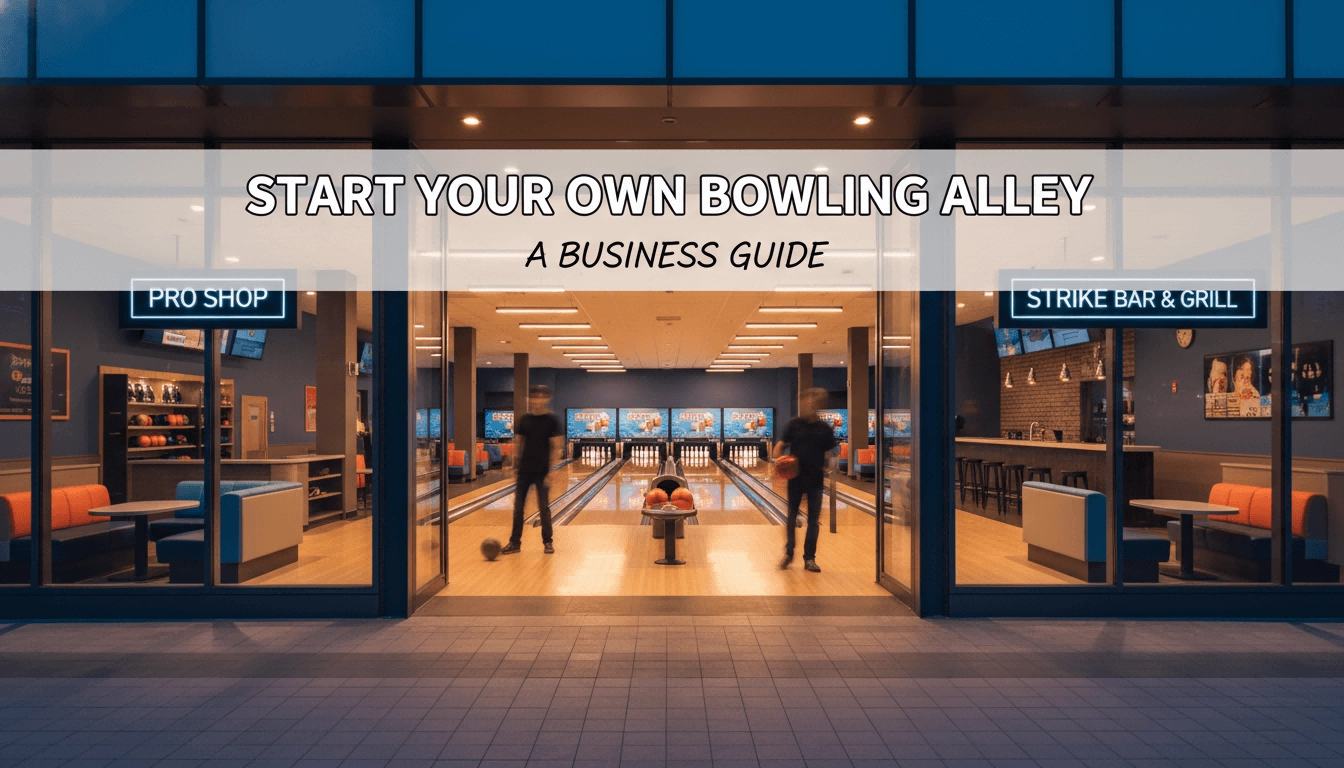
The global bowling market is experiencing a renaissance, projected to reach approximately $4.2 billion in 2026 with a compound annual growth rate (CAGR) of over 6% through 2032. However, the profitable venues of tomorrow are not the smoky, dim alleys of the past. They are dynamic Family Entertainment Centers (FECs) that blend high-tech bowling with arcades, gourmet food and beverage (F&B), and immersive social experiences.
For entrepreneurs, 2026 offers a unique entry point. The recent USBC (United States Bowling Congress) certification of string pinsetters has revolutionized operational costs, making profitability more attainable than ever. Whether you are planning a boutique luxury lounge or a massive entertainment hub, success requires a strategic roadmap. This guide leverages definitive industry data and the manufacturing expertise of Flying Bowling—a global leader with over 3,000 successful projects since 2005—to help you navigate every step of the startup process.
1. Understanding the Modern Bowling Alley Landscape
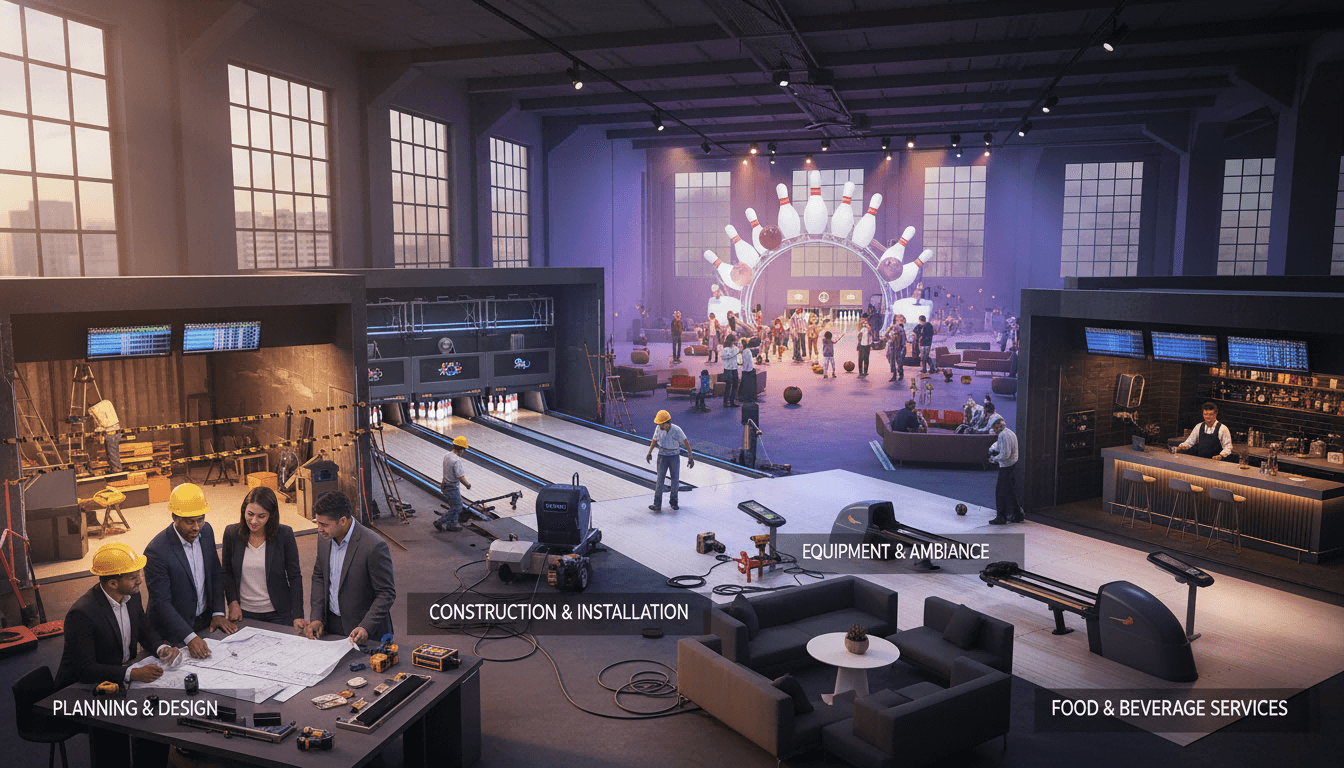
Starting a business begins with understanding the market shift. The traditional "league-only" model has evolved into the "Hybrid" or FEC model, where bowling serves as the anchor attraction for a broader entertainment ecosystem.
The Shift to Entertainment Hubs
According to industry reports, the FEC market is growing at a CAGR of 10.5%, outpacing traditional standalone alleys. Modern customers demand variety. A successful facility in 2026 integrates:
· Social Bowling: Shorter games, interactive scoring, and lounge-style seating.
· Diversified Revenue: High-margin F&B, arcade gaming, and corporate event hosting.
Identifying Your Niche
· Standard Bowling (FCSB): The classic Ten Pin experience, essential for attracting leagues and competitive play.
· Duckpin Bowling (FSDB): A rapidly growing trend using smaller balls and squat pins. It requires less space and appeals to casual social groups.
· Mini Bowling (FCMB): Perfect for venues with limited footprint, such as bars or arcades, offering high revenue per square foot.
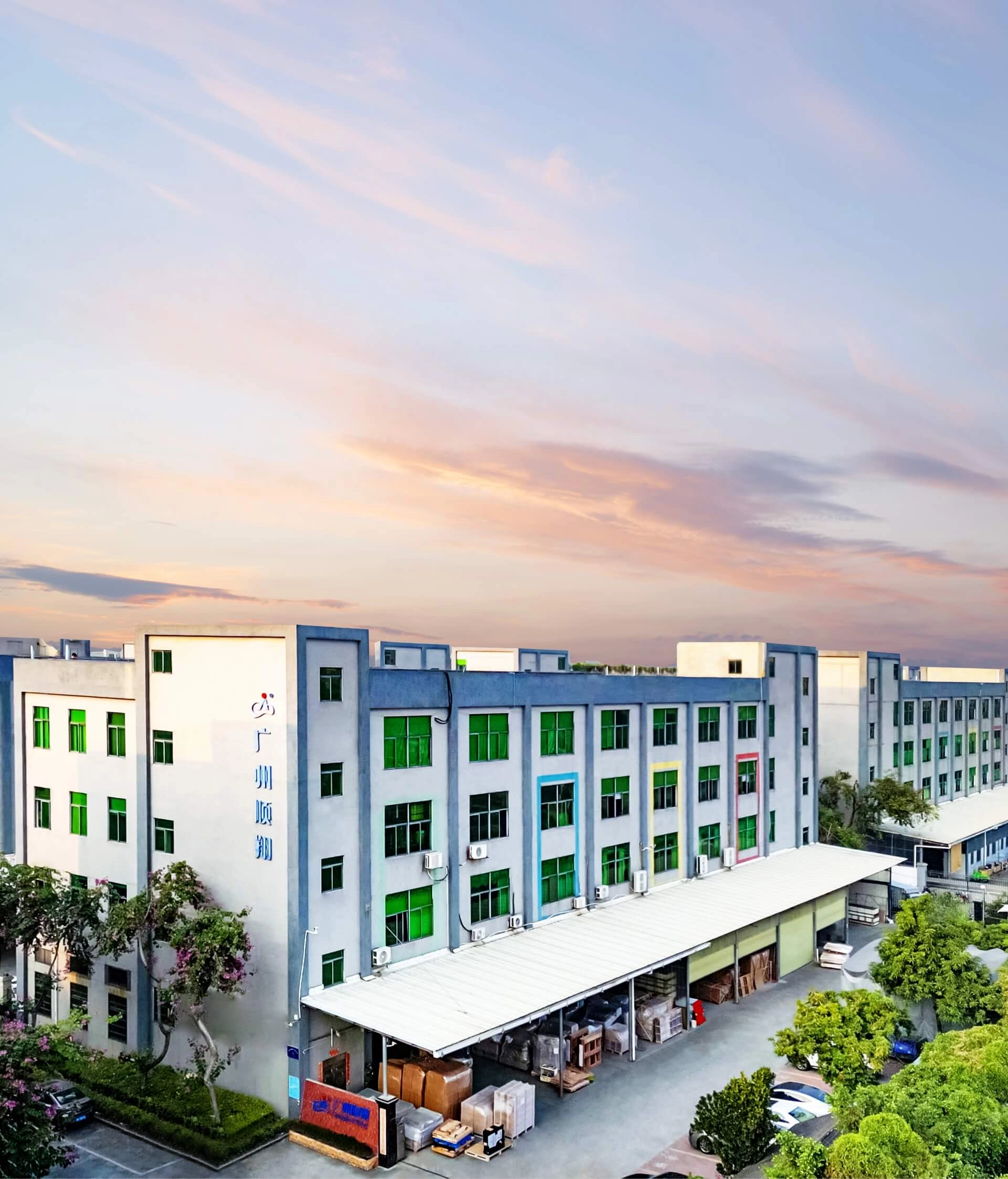
Flying Bowling, utilizing its massive 10,000+ square-meter workshop, specializes in manufacturing equipment for all these formats, allowing owners to customize their mix based on local demographics.
2. Crafting Your Comprehensive Bowling Alley Business Plan
A robust business plan is your blueprint for success and a requirement for securing loans. According to the U.S. Small Business Administration (SBA), a traditional business plan must include the following key sections:
· Executive Summary: A concise overview of your vision, mission, and the "Hybrid" value proposition.
· Company Description: Define your business model. Will you be a family-focused center or a nightlife-oriented boutique alley?
· Market Analysis: Use demographic data to prove demand. Look for a gap in local entertainment options.
· Services & Products: Detail your mix of bowling (e.g., Flying Bowling’s Medium Bowling FSMB), arcade games, and F&B.
· Marketing & Sales: Strategy for digital acquisition (SEO, social ads) and local community building.
· Financial Projections: 5-year forecasts including profit and loss, cash flow, and balance sheets.
3. Securing the Capital: Funding Your Bowling Alley Dream
Estimating Startup Costs
Opening a modern bowling facility is a significant capital investment. Industry data indicates that startup costs for a new facility typically range from $500,000 to over $3 million, depending heavily on size, location, and whether you renovate or build from scratch.
Key Cost Drivers:
· Real Estate: Lease deposits or land acquisition.
· Construction: Soundproofing, electrical upgrades, and F&B kitchen build-out.
· Equipment: The most critical variable. Traditional free-fall pinsetters can cost $15,000–$35,000 per lane. In contrast, modern String Pinsetters generally range from $8,000 to $12,000 per lane.
Flying Bowling addresses this capital challenge directly. By manufacturing equipment in-house in China and supplying directly to global customers, they offer quality comparable to European and American brands at unbeatable prices, significantly lowering the barrier to entry.
Funding Sources
· SBA 7(a) Loans: A popular option for US-based startups, offering favorable terms for equipment and real estate.
· Equipment Financing: specialized loans specifically for purchasing lanes and pinsetters.
· Investors: A solid business plan showing high ROI from diversified revenue streams is essential for attracting private capital.
4. Strategic Location & Optimal Design for Your Bowling Center
Location Selection
Your physical location dictates your traffic. Look for:
· Visibility: High-traffic areas or proximity to other retail anchors.
· Demographics: Families with disposable income or young professionals (depending on your niche).
· Zoning: Ensure the building is zoned for entertainment and liquor sales.
Designing for Experience
The layout must facilitate flow between bowling, dining, and gaming.
· Zoning: Separate the "league" area from the "party" area to avoid friction.
· One-Stop Design: Flying Bowling provides comprehensive design and construction services. With experience building over 3,000 ideal bowling alleys, their team can optimize your layout to maximize revenue per square meter, ensuring seamless integration of ball returns and seating areas.
5. Choosing and Installing State-of-the-Art Bowling Equipment
The choice of pinsetter technology is the single most important equipment decision you will make in 2026.
The Rise of String Pinsetters
In August 2023, the USBC officially certified string pinsetters for competitive play, citing no statistically significant difference in scoring pace compared to free-fall machines. This was a watershed moment for the industry.
Advantages of String Pinsetters:
· Lower OpEx: Fewer moving parts mean fewer breakdowns and less need for a specialized mechanic.
· Energy Efficiency: They consume significantly less power.
· Reliability: Flying Bowling has specialized in the R&D of string pinsetters since 2005. Their machines are designed for high-volume commercial use, ensuring consistent operation during peak hours.
Selecting the Right Lanes
· Standard (FCSB): For the core bowling experience.
· Medium (FSMB): A versatile option for family fun.
· Duckpin (FSDB) & Mini (FCMB): These formats allow you to monetize smaller spaces or "dead zones" in your facility.
Partnering with a supplier like Flying Bowling offers a "one-stop" solution—from manufacturing to installation—ensuring all components (lanes, scoring systems, ball returns) integrate perfectly.
6. Navigating Legalities, Permits & Insurance
Before you open your doors, you must ensure compliance with local and federal regulations.
· Business Structure: Consult with a legal expert to choose between an LLC or Corporation to protect your personal assets.
· EIN: Obtain your Federal Employer Identification Number from the IRS.
· Permits:
o Certificate of Occupancy: Verifies your building meets safety codes.
o Liquor License: Essential for high-margin alcohol sales. This process can take months, so start early.
o Health Permits: Required for your kitchen and snack bar.
· Insurance: You will need General Liability, Property Insurance (covering your expensive lanes), and Workers' Compensation.
7. Building Your Team & Mastering Operations
Operational excellence drives repeat business.
Staffing
· Technical Staff: While string pinsetters reduce the need for a full-time mechanic, you still need staff trained in basic preventive maintenance.
· Front of House: Your desk staff dictates the customer experience. Train them to up-sell food and game packages.
Systems
Implement a modern Point-of-Sale (POS) system that integrates lane reservations, F&B orders, and arcade cards. Preventive maintenance schedules should be strictly followed to protect your investment in Flying Bowling's durable machinery.
8. Marketing & Revenue Generation Strategies
To maximize profitability, you must monetize every minute a customer spends in your center.
Diversified Revenue Streams
· Lane Rentals: Use dynamic pricing (higher rates on weekends).
· F&B: Food and drink often account for 30-40% of total revenue. High-quality offerings keep guests longer.
· Arcades: A high-margin addition that appeals to guests waiting for a lane.
· Events: Birthday parties and corporate team-building events are lucrative pre-booked revenue sources.
Marketing
· Digital: SEO-optimized website and active social media showcasing the fun atmosphere.
· Local: Partner with schools and corporations for league formations.
9. Sustaining Growth & Future-Proofing
The industry is constantly evolving. Successful owners continuously monitor Key Performance Indicators (KPIs) like revenue-per-lane and labor costs.
Stay ahead by upgrading technology and refreshing your arcade mix. Flying Bowling actively recruits global distributors and maintains a heavy focus on R&D, ensuring their clients have access to the latest innovations in bowling technology. Whether you are expanding to a franchise model or upgrading to the latest Duckpin format, maintaining a relationship with a forward-thinking manufacturer is key to long-term growth.
Frequently Asked Questions
How much does it cost to start a bowling alley?
Startup costs vary widely but generally range from $500,000 to over $3 million. Factors include the size of the facility, real estate costs, and whether you choose new construction or renovation. Choosing cost-effective equipment manufacturers like Flying Bowling can significantly reduce Capital Expenditure (CapEx).
What are the most profitable revenue streams for a bowling alley?
While lane rentals are the core offering, Food & Beverage (F&B) sales often deliver the highest profit margins. Additionally, arcade games, shoe rentals, and hosting private events (birthdays, corporate parties) are critical for maximizing revenue per customer.
How long does it take to open a bowling alley?
The process typically takes 12 to 24 months. This timeline includes business planning, securing financing, finding a location, obtaining permits (especially liquor licenses), construction, and equipment installation.
What type of bowling equipment should I choose for my new alley?
For modern alleys, String Pinsetters are highly recommended due to their USBC certification, lower maintenance costs, and energy efficiency. Flying Bowling offers specialized string pinsetters alongside Standard, Duckpin, and Mini bowling options to suit various business models.
Do I need a liquor license to open a bowling alley?
If you plan to serve alcohol, which is a major revenue driver for adult bowlers and corporate events, a liquor license is mandatory. Requirements vary by state and municipality, so research local laws immediately.
How can a supplier like Flying Bowling assist in starting my business?
Flying Bowling provides a one-stop customized service, covering research, development, manufacturing, design, and construction. With a 10,000+ sqm workshop and over 3,000 successful projects, they offer high-quality equipment comparable to major Western brands at unbeatable prices, helping you optimize your startup budget.
What are the key considerations for choosing a bowling alley location?
Prioritize visibility, accessibility, and demographics. Ensure the local population matches your target audience (e.g., families or young adults) and that the building has appropriate column spacing and zoning for entertainment use.
How can I attract and retain customers for my bowling center?
Create a "destination" experience by combining bowling with other entertainment like arcades and quality dining. Implement a strong digital marketing strategy, offer loyalty programs, and ensure your facility remains clean and modern.
More Articles
Find out how much a bowling lane costs with Flying's expert insights. Explore real prices, installation details, and professional tips to plan your bowling alley investment efficiently. Get the right information to help your business succeed.
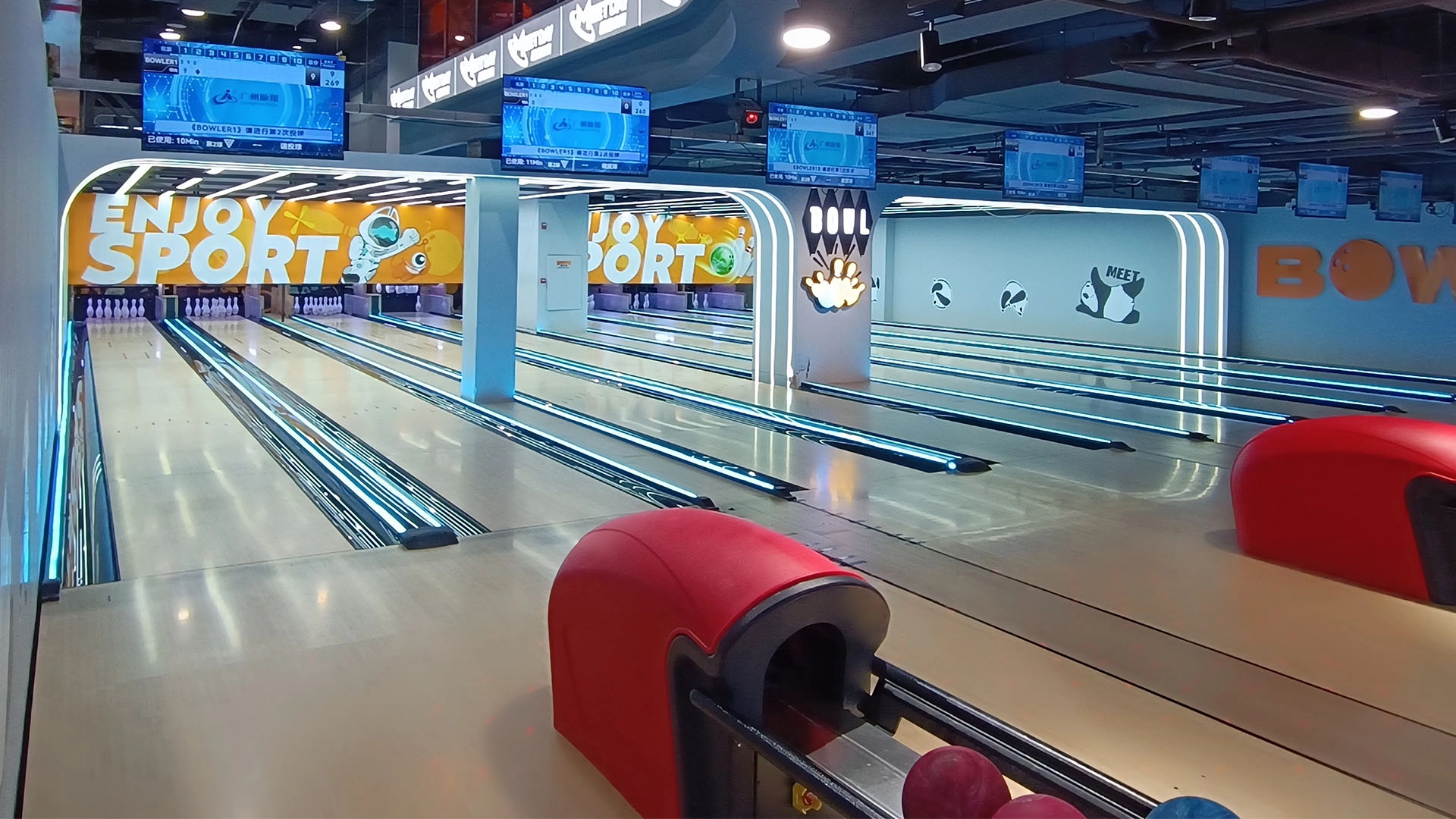

Let’s Build a center Together
Partner With a Trusted Bowling Alley Design, One-Stop Solution Manufacturer.
Flying has successfully built ideal bowling alleys for more than 3,000 customers.
Technical Expert
You may also like our products
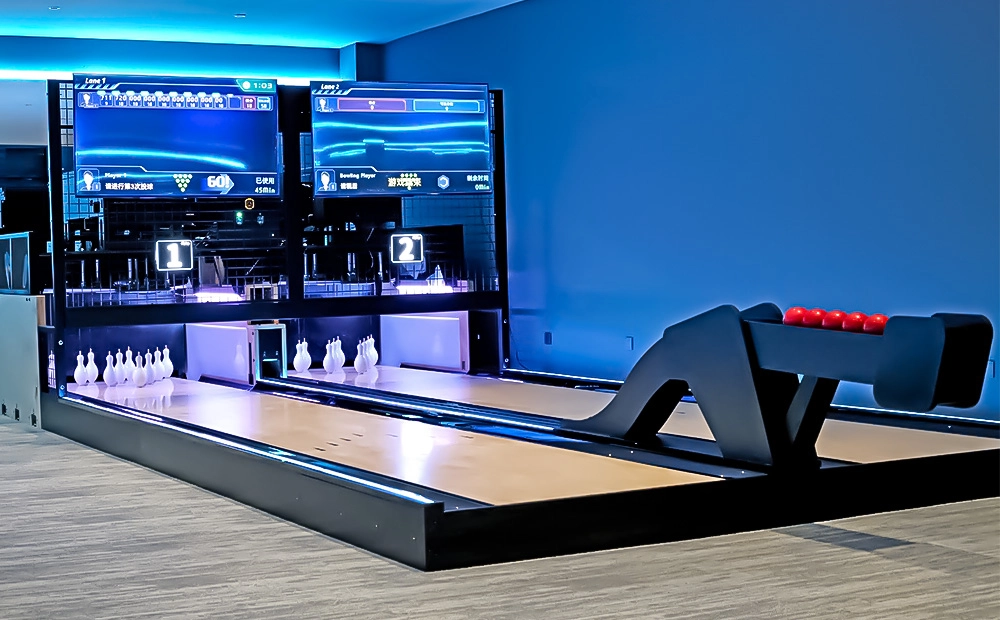
Flying Smart Duckpin Bowling (FSDB) innovative design, standard 9.2-meter short lane, can be shortened in length, compact layout suitable for small spaces. The game rules are simple but challenging, attracting players of different ages to actively participate.
Suitable for social entertainment venues such as bars, billiard halls, and game centers, it not only enhances interactivity but also increases the popularity and consumption frequency of the venue. The fun and competitive nature of FSDB will make it a new focus of social activities.
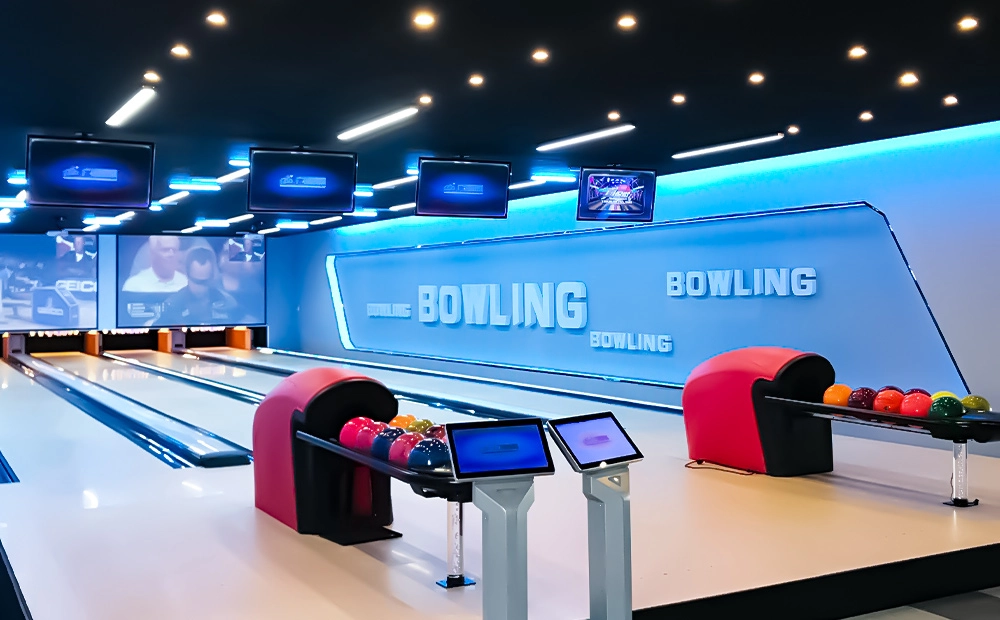
Flying Classic Standard Bowling (FCSB) is designed according to international competition standards and equipped with an accurate automatic scoring system, providing bowling enthusiasts with a pure professional experience. Whether it is for competitions or leisure entertainment, FCSB can meet high-level needs.
Suitable for family entertainment centers, luxury resorts, private villas, or clubs, it is an ideal choice for customers who pursue high-end quality and professional experience. Its classic design and excellent performance will add lasting appeal to the venue.
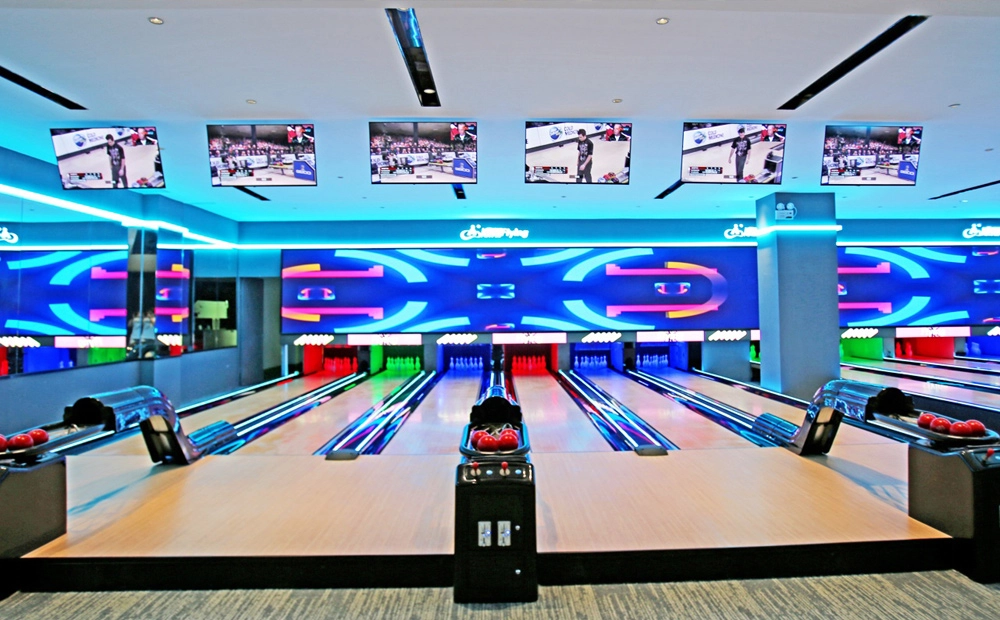
Flying Cute Mini Bowling (FCMB) is a mini bowling experience designed for children and families. The lane length is fixed at 12 meters, equipped with lightweight balls without finger holes (only 1.25kg) and small pins, specially designed for children and family fun.
It can not only help children feel the fun of bowling, but also stimulate their interest and competitive consciousness. Suitable for children's playgrounds, theme parks and parent-child centers, it is the best choice for places focusing on the children's market.
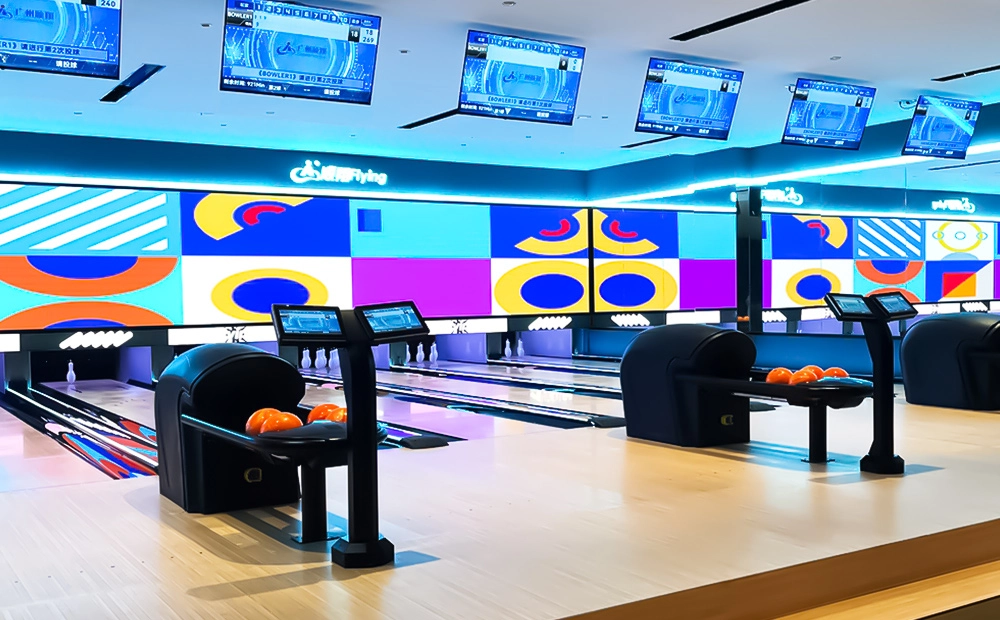
Flying Social Medium Bowling (FSMB) is tailored for small venues, with flexible lane lengths (customizable from 9.6 meters to 18 meters), a small ball design suitable for players of all ages, and light pins that are easier to knock down, increasing participation and fun.
Whether it is a gathering of friends or a casual social, FSMB can easily create a relaxed and pleasant atmosphere. Its efficient space-utilization design is particularly suitable for cafes, bars and community entertainment venues, allowing people to fall in love with bowling in a relaxed interaction.
Contact Flying
Start Your Custom Bowling Alley Project
If you contact us now for more details, we can provide you with a custom bowling alley service. Our service team will get back to you within 24 hours normally!
© 2026 Flying BOWLING. Designed by gooeyun.
FOLLOW US:
Flying Bowling
Flying Bowling
Flyingbowling
Flyingbowling