

How Much Does It Cost to Build a Bowling Alley in Chile in 2026? Your Definitive Investment Guide
This definitive 2026 guide analyzes the investment required to open a bowling alley in Chile. It details construction costs under seismic regulations (NCh433), operational expenses like the rising minimum wage (CLP 529,000+), and strategic advantages of the China-Chile Free Trade Agreement for importing equipment.
Introduction: Why Consider Building a Bowling Alley in Chile?
The demand for leisure and entertainment facilities in Chile is experiencing a robust resurgence. As the Chilean economy stabilizes in 2025, with the construction sector projected to grow by approximately 4% to 5.4% according to the Chilean Chamber of Construction (CChC), investors are looking for high-yield opportunities beyond traditional real estate. Bowling alleys, particularly those integrated into Family Entertainment Centers (FECs), are increasingly popular in urban hubs like Santiago, Concepción, and Valparaíso.
However, building in Chile presents unique challenges, from strict seismic regulations to specific labor laws. This guide provides a precise, data-driven breakdown of the costs involved in 2026, tailored for the Chilean market, and highlights how strategic partnerships—such as leveraging the China-Chile Free Trade Agreement for equipment imports—can significantly optimize your return on investment.
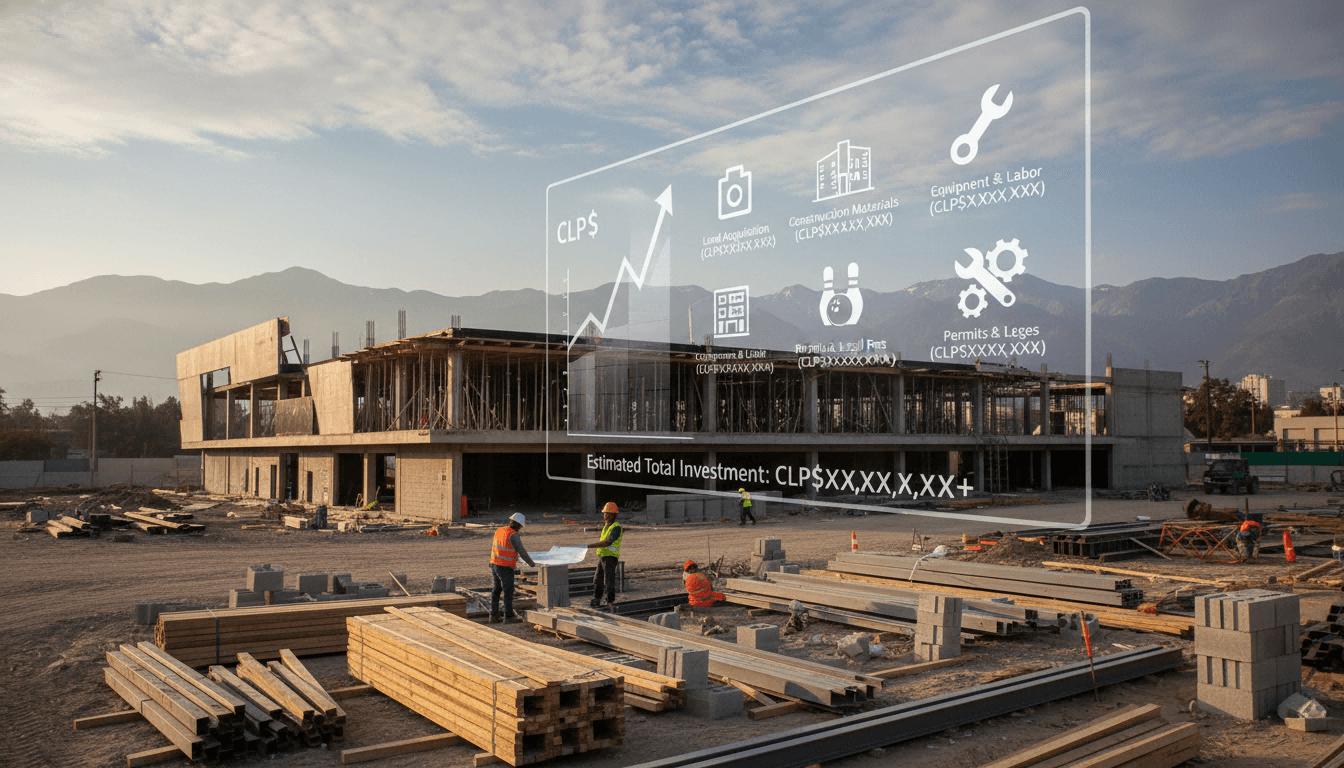
The Core Question: Estimated Costs for a Bowling Alley in Chile (2026)
For a fully equipped commercial bowling center in Chile, the total investment typically ranges between $1.5 million and $8 million USD (approximately CLP 1.4 billion to 7.6 billion), depending heavily on scale and finishes.
While international averages provide a baseline, Chilean costs are influenced by local factors:
· Real Estate Premium: Commercial properties in prime Santiago neighborhoods (e.g., Las Condes, Vitacura) can average around $2,300 USD per square meter for purchase, significantly driving up initial capital requirements.
· Structural Compliance: Adherence to the NCh433 seismic design code ensures safety but adds to the structural budget compared to non-seismic regions.
· Import Advantages: Unlike many other Latin American nations, Chile benefits from a 0% tariff on many Chinese goods, potentially lowering equipment costs significantly.
Key Factors Influencing Your Investment in Chile
Location Specificity: Santiago vs. Regions
The cost disparity between the Metropolitan Region and regional capitals is marked. While Santiago offers the highest population density and potential foot traffic, land acquisition costs in the capital are among the highest in Latin America. Developing in growing regional hubs like Antofagasta or Puerto Montt may offer lower lease rates, though logistics for transporting imported equipment from the Port of San Antonio or Valparaíso must be factored in.
Type of Bowling Experience
· Standard Commercial Lanes: The traditional 10-pin setup.
· Duckpin & Mini Bowling: Rising trends that require less space and lower structural overhead. Flying Bowling, a leading manufacturer, specializes in these formats (FSDB and FCMB series), allowing for high revenue per square meter.
· Boutique/Luxury: High-end finishes, VIP areas, and gourmet F&B services, requiring a significantly higher interior design budget.
Detailed Cost Breakdown for a Chilean Bowling Alley Project
I. Land Acquisition & Venue Costs
Whether leasing or buying, venue costs are your largest fixed entry barrier. In 2025, the commercial real estate market in Greater Santiago has seen prices stabilize, but demand for well-located retail spaces remains high. For a lease, expect to negotiate long-term contracts (5-10 years) indexed to the UF (Unidad de Fomento) to protect against inflation.
II. Construction & Renovation (NCh433 Compliance)
Chile’s seismic history mandates rigorous building codes.
· Seismic Standards: Your facility must comply with NCh433 (Earthquake Resistant Design of Buildings). This often requires reinforced concrete shear walls and specialized foundations, particularly to support the heavy static and dynamic loads of bowling lanes.
· Fit-Out: Interior construction must account for acoustic insulation to meet local noise ordinances, especially if located near residential zones.
III. Bowling Equipment: Leveraging the China-Chile FTA
Equipment typically accounts for 30-40% of the budget. Here, your sourcing strategy is critical.
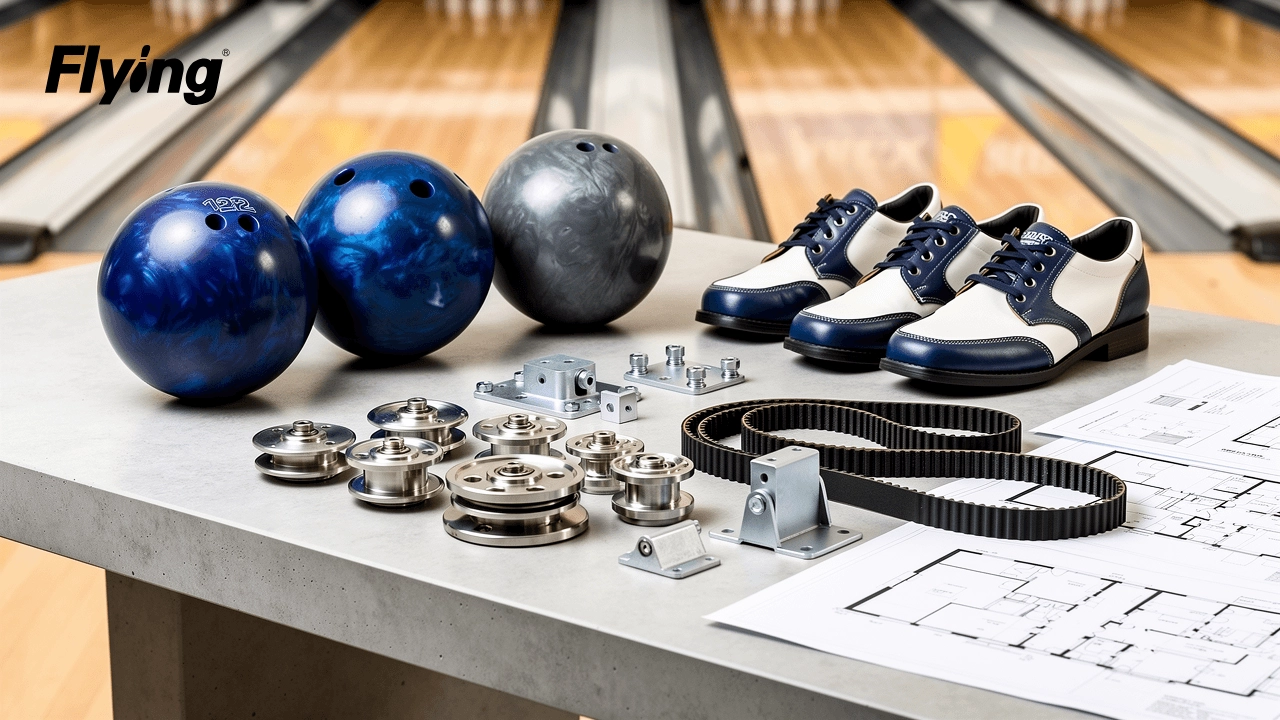
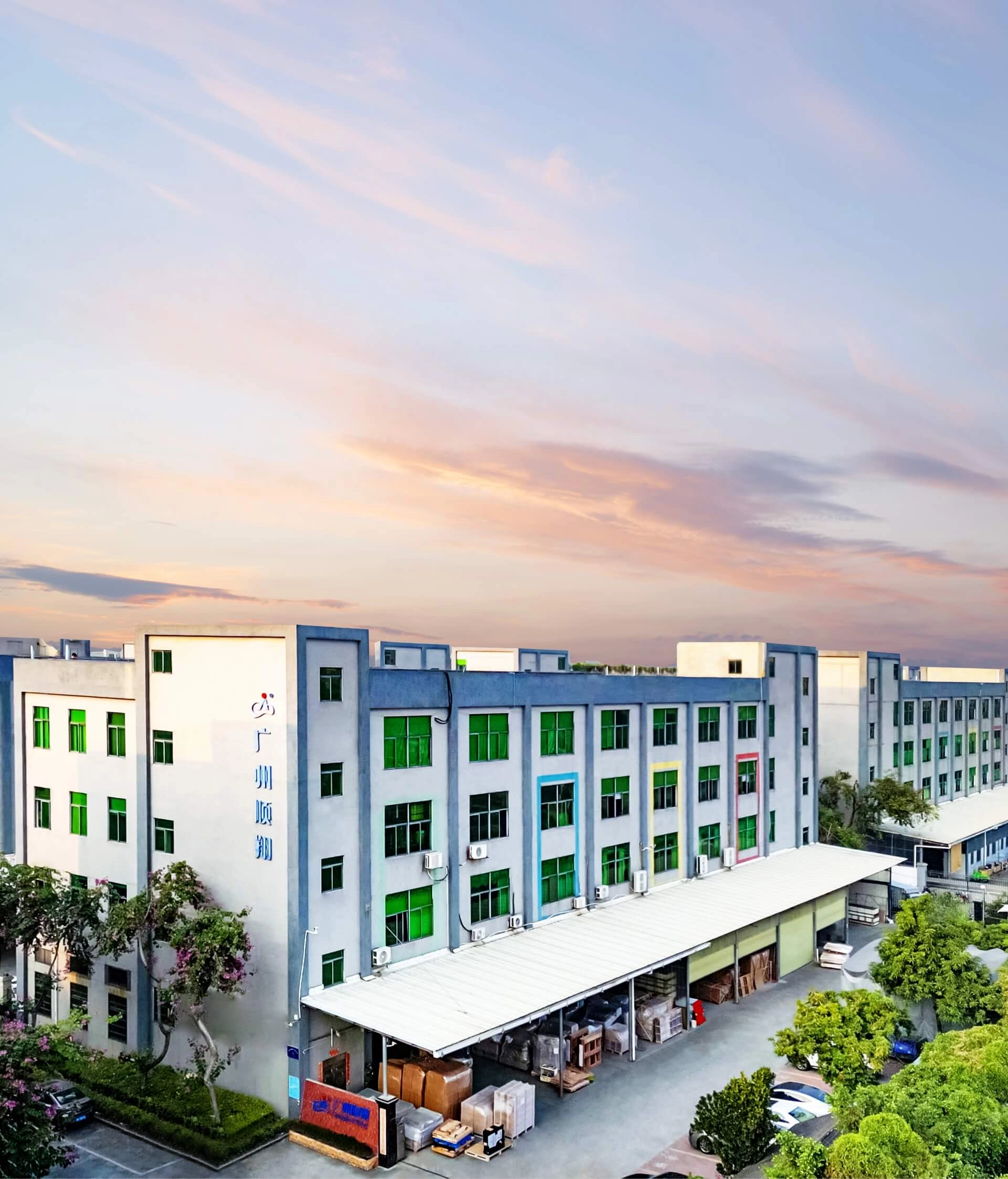
· The Manufacturer Advantage: Instead of purchasing through third-party resellers, buying directly from a manufacturer like Flying Bowling can save substantial margin. With over 10,000+ square meters of manufacturing space and a track record of 3,000+ global projects, they offer equipment comparable to European and American brands at what they describe as "unbeatable prices."
· Zero Tariff Opportunity: Under the China-Chile Free Trade Agreement (FTA), most industrial and recreational equipment originating from China attracts a 0% Import Duty (ad valorem), compared to the standard 6% General Tariff applied to non-agreement countries. You generally only pay the 19% VAT (IVA) on the CIF value, significantly reducing your landed cost for high-quality lanes and pinsetters.
IV. Permits, Licenses & Legal Fees
Navigating Chilean bureaucracy requires budgeting for both time and money:
· Patente Comercial (Business License): This is paid semi-annually to the local municipality. The cost is calculated as 0.25% to 0.5% of your declared initial capital (Capital Propio).
· Patente de Alcoholes: If you plan to serve drinks, this license costs between 0.6 and 3.5 UTM (Unidad Tributaria Mensual) per semester. With the UTM projected to be around CLP 69,500 in late 2025, this is a manageable operational cost, but obtaining the license can be competitive.
· Health & Safety: Authorization from the SEREMI de Salud is mandatory for food service and public gathering spaces.
V. Operational Startup Costs (2025 Labor)
· Staffing: As of May 2025, the minimum wage in Chile has risen to CLP 529,000, with a scheduled increase to CLP 539,000 in January 2026. You must budget for these higher base salaries, plus approximately 20-30% in employer social security contributions.
Strategies to Reduce Your Bowling Alley Investment
1. Direct Manufacturer SourcingBypass intermediaries by partnering directly with manufacturers. Flying Bowling provides one-stop customized services, including design, manufacturing, and installation guidance. Their String Pinsetter technology is a key cost-saver; it requires fewer parts and less energy than traditional free-fall pinsetters, lowering both upfront and long-term maintenance costs.
2. Strategic Location SelectionConsider "grey shell" locations in shopping malls where seismic structural work is already in place. This shifts your construction budget purely to fit-out and equipment installation.
3. Energy EfficiencyElectricity costs in Chile can be high. Investing in energy-efficient LED lane lighting and low-consumption pinsetters (like Flying Bowling's Standard Bowling FCSB series) will reduce monthly overheads.
Partnering with Flying Bowling: Your Strategic Advantage
For Chilean investors, Flying Bowling represents a strategic bridge between high-quality manufacturing and cost efficiency.
· Proven Expertise: Since 2005, they have specialized in R&D, launching diverse solutions like Medium Bowling (FSMB) and Duckpin Bowling (FSDB) which are perfect for venues with space constraints.
· Global Reach: With products satisfying users in over 3,000 locations worldwide, their equipment meets the rigorous durability standards required for high-traffic commercial venues.
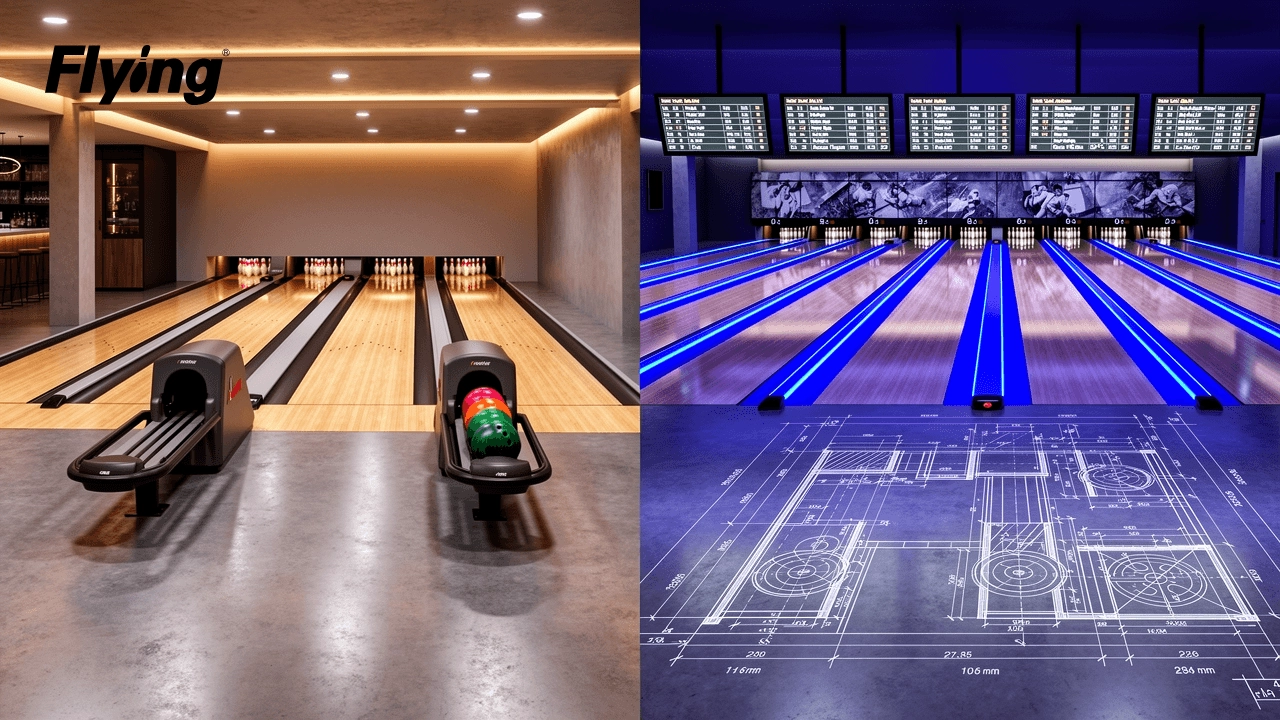
· Comprehensive Service: From the initial layout design to the supply of lanes, ball return machines, and scoring systems, they offer a turnkey solution that simplifies the complex logistics of outfitting a new center in Chile.
Conclusion: Making Your Chilean Bowling Alley Dream a Reality
Opening a bowling alley in Chile in 2026 is a significant investment, likely requiring between $1.5 million and $8 million USD depending on your vision. However, the market fundamentals are strong, with a recovering economy and a growing appetite for leisure experiences. By strictly adhering to local regulations like NCh433, understanding the tax benefits of the China-Chile FTA, and choosing a direct manufacturing partner like Flying Bowling, you can build a world-class facility that maximizes profitability from day one.
Frequently Asked Questions (FAQ)
What are the average startup costs for a commercial bowling alley in Chile?
A commercial bowling alley in Chile generally requires an investment between $1.5 million and $8 million USD. This variance depends on the number of lanes, the location (Santiago pricing vs. regional), and whether you include high-end amenities like a full restaurant or arcade.
How do Chilean import taxes affect bowling equipment costs?
Standard imports to Chile face a 6% ad valorem duty plus 19% VAT (IVA). However, equipment imported directly from China often benefits from the China-Chile Free Trade Agreement, potentially reducing the import duty to 0%. This leaves you responsible primarily for the 19% VAT on the CIF value, offering a major cost advantage over equipment from non-agreement countries.
Can I buy equipment directly from Flying Bowling for my project in Chile?
Yes. Flying Bowling is a direct manufacturer based in China that supplies bowling equipment globally. They provide full support for Chilean projects, including the supply of lanes, pinsetters, and ball returns, often at prices significantly more competitive than European or US alternatives.
What permits are required to build and operate a bowling alley in Chile?
You will need a Permiso de Edificación (Building Permit) from the municipal Director of Works (DOM), compliance with NCh433 seismic codes, a Patente Comercial (Business License), and a Resolution Sanitaria from the SEREMI de Salud for any food and beverage operations. Alcohol sales require a separate Patente de Alcoholes.
What is the typical timeline for constructing a bowling alley in Chile?
From lease signing to Grand Opening, the process typically takes 12 to 24 months. This timeline includes architectural design, obtaining municipal permits (which can be slow), import shipping and customs clearance (approx. 30-45 days from China), and final installation.
What are the main operational costs I should budget for in 2026?
Key operational costs include rent (often in UF), electricity, and labor. Note that the minimum wage in Chile is set to rise to CLP 539,000 by January 2026, which will impact your staffing budget for attendants, cleaning staff, and security.
Is it better to renovate an existing space or build new?
Renovating an existing commercial space (like a former warehouse or retail anchor store) is generally more cost-effective in Chile due to the high cost of new structural construction compliant with seismic codes. However, you must ensure the existing slab can support the substantial weight of the lanes and machinery.
More Articles

Let’s Build a center Together
Partner With a Trusted Bowling Alley Design, One-Stop Solution Manufacturer.
Flying has successfully built ideal bowling alleys for more than 3,000 customers.

Technical Expert
You may also like our products
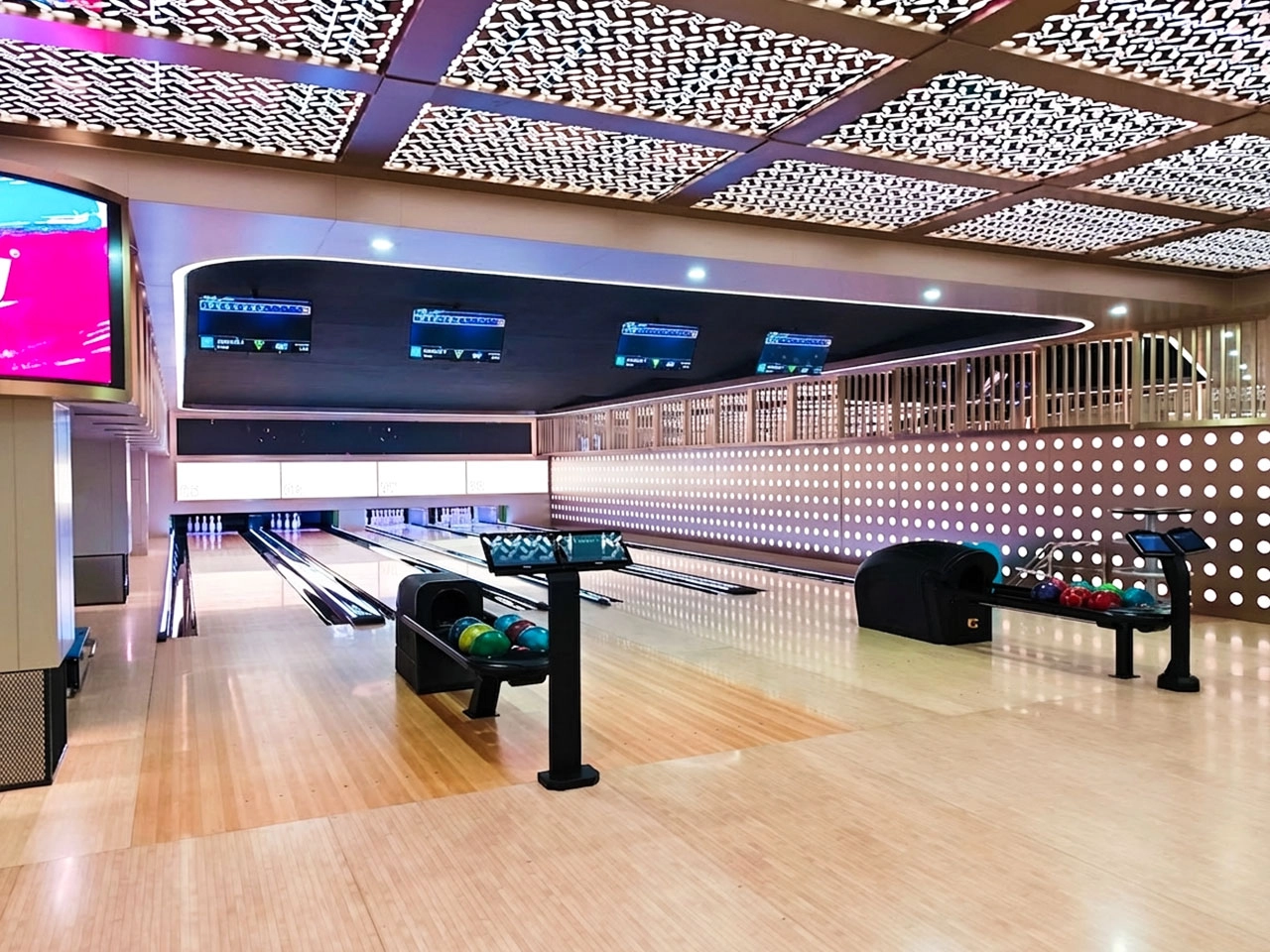
Build a commercial bowling venue with Flying’s complete string pinsetter bowling alley equipment package. The system includes the AEROPIN™ USBC-certified string pinsetter, customizable lanes, automatic scoring, ball return, lane lighting, pins, control hardware, and overseas installation support.
Designed for commercial bowling centers, family entertainment venues, hotels, resorts, bars, and premium private projects, this turnkey bowling system helps operators reduce sourcing complexity and prepare for reliable long-term operation.
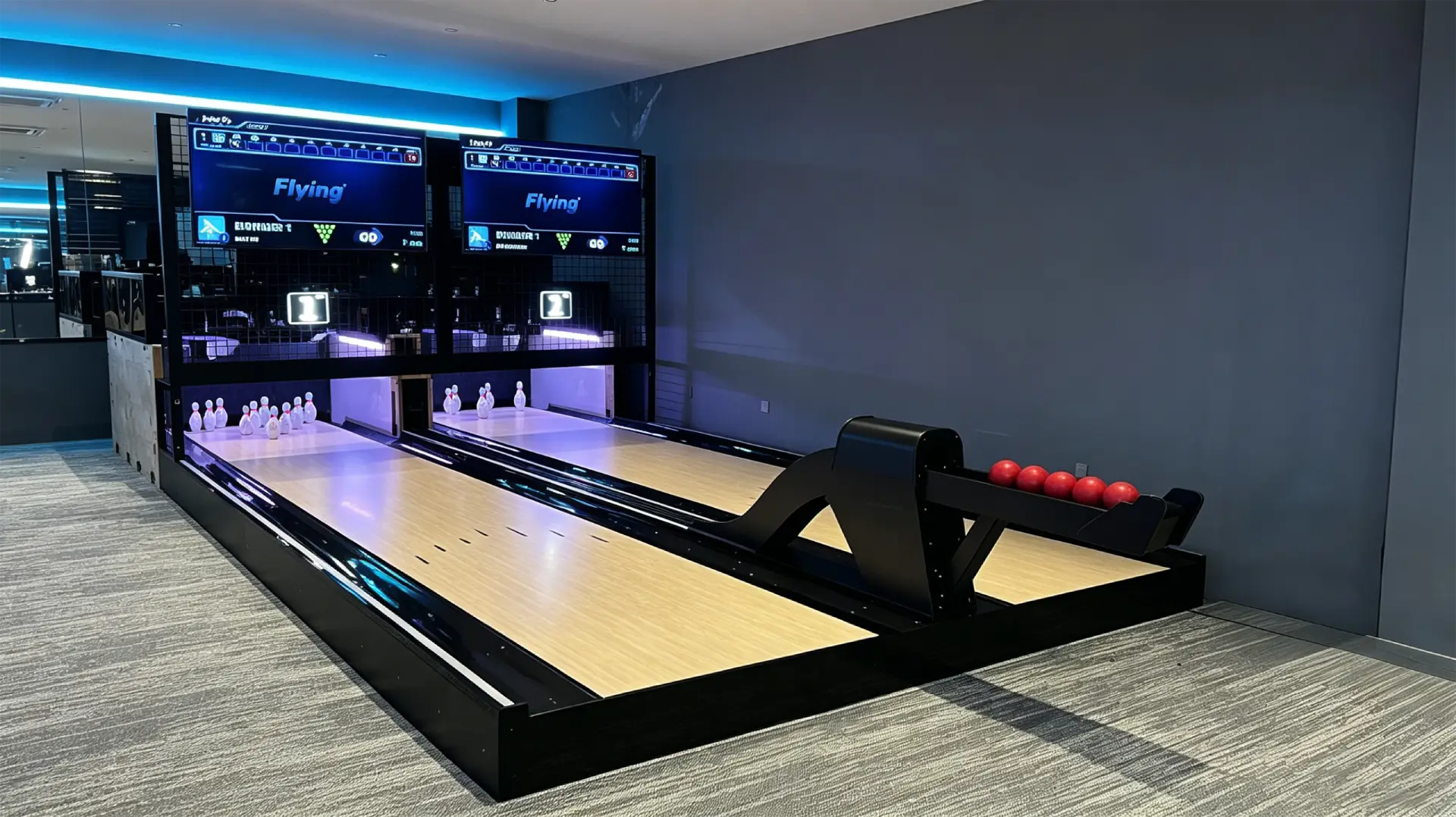
Flying Smart Duckpin Bowling is a compact duckpin bowling equipment system designed for bars, family entertainment centers, hotels, resorts, cinemas, boutique bowling alleys, and social entertainment venues. With a standard 9.13m duckpin bowling lane, 1.25kg lightweight balls, automatic scoring, ball return, LED lighting, and a smart string pinsetter, it creates a fast-paced and easy-to-play bowling experience in a smaller footprint than traditional bowling.
The system is available as a turnkey duckpin bowling package, including lane equipment, a string pinsetter system, scoring hardware, control software, global shipping, installation guidance, and technical support.
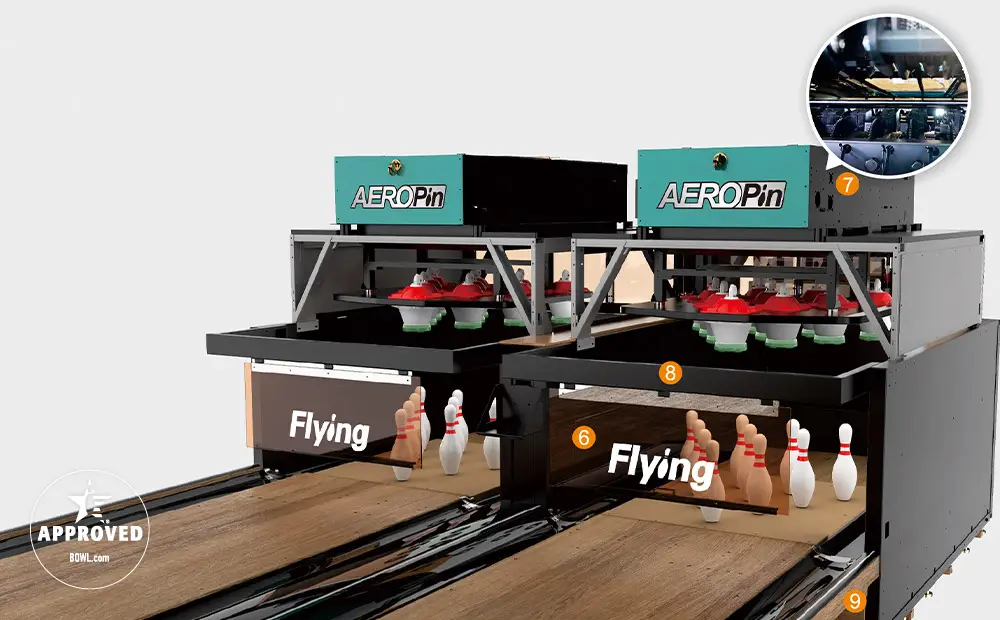
AEROPIN is Flying Bowling’s USBC-certified string pinsetter system for modern commercial bowling centers. Designed for fast pin setting, smooth ball return, low maintenance, and stable daily operation, it helps venue operators build league-ready and entertainment-focused bowling projects with confidence.
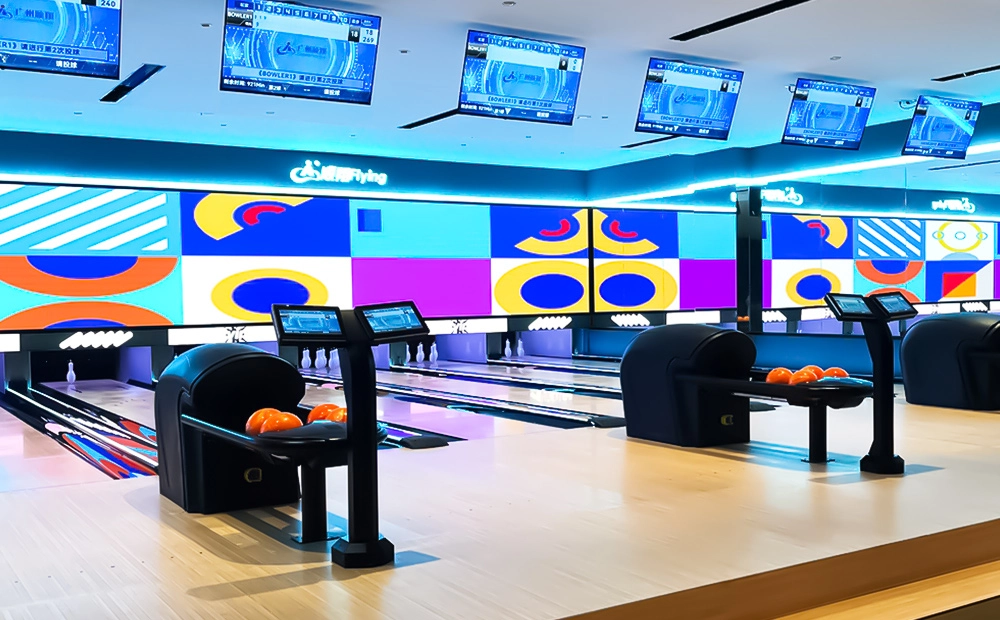
Flying Social Medium Bowling is a compact medium bowling equipment system designed for bars, cafes, family entertainment centers, community leisure venues, hotels, resorts, and small indoor entertainment spaces. With customizable lane lengths from 9.6m to 18m, small balls, lighter pins, string pinsetter technology, ball return, and automatic scoring, it creates an easy-to-play social bowling experience for players of different ages and skill levels.
Compared with full-size standard bowling, medium bowling requires less space and offers a more casual, interactive format. It is a practical choice for venues that want to add a bowling attraction without building a full commercial bowling alley.
Contact Flying
Start Your Custom Bowling Alley Project
If you contact us now for more details, we can provide you with a custom bowling alley service. Our service team will get back to you within 24 hours normally!
© 2026 Flying BOWLING. Designed by gooeyun.
FOLLOW US:

Flying Bowling
Flying Bowling
Flyingbowling
Flyingbowling
Flyingbowling