


Duckpin Bowling Chicago — Premium Duckpin Alley Solutions by Flying Bowling
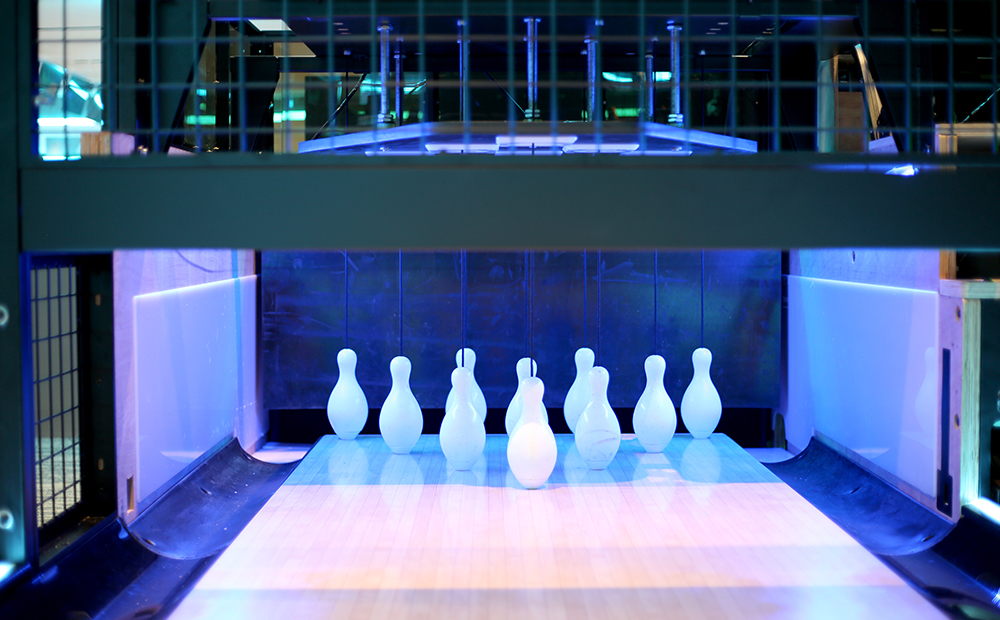
Duckpin Bowling Chicago — High Quality Duckpin Alley Solutions by Flying Bowling
Overview
Flying Bowling specializes in professional duckpin bowling Chicago equipment and turnkey alley solutions. Since 2005, our R&D-driven approach has produced industry-leading string pinsetters and ball return machines—ideal for venues that need authentic duckpin play with efficient installation and lower operating costs.
Why Flying Bowling
With a 10,000+ square-meter workshop and over 3,000 successful custom installations, Flying Bowling combines manufacturing expertise with field experience. Our FSDB duckpin line rivals European and American brands in quality while offering highly competitive pricing—making us the trusted partner for clubs, family entertainment centers, bars, and bowling startups in Chicago and beyond.
Features & Specifications
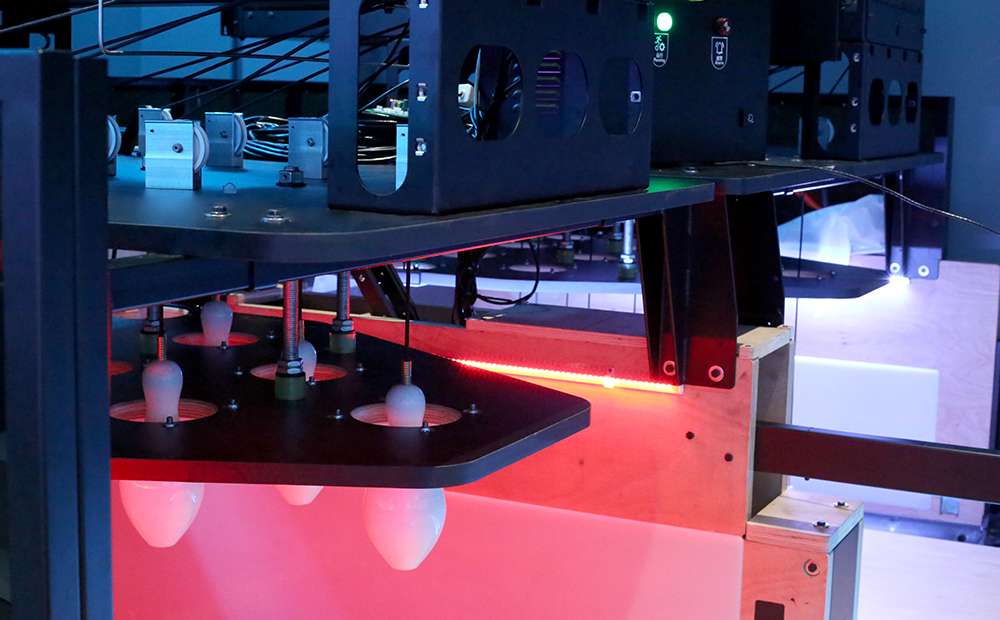
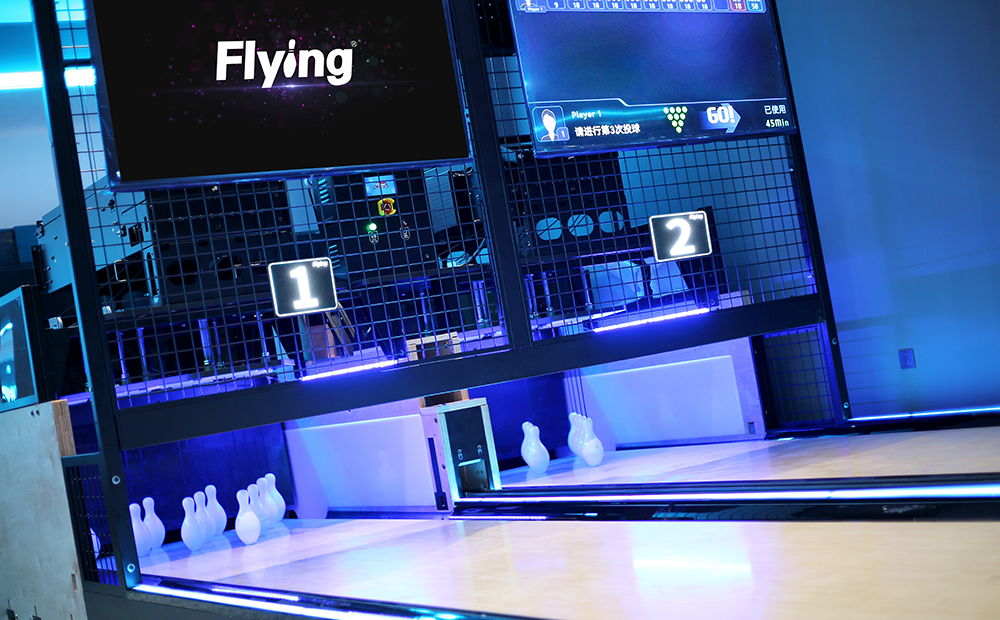
Our duckpin offerings include the FSDB string pinsetter, compact lanes, and synchronized ball return systems. Key features: robust string-pin technology for reduced pin damage, customizable lane widths for space-constrained venues, durable lane surfacing, automated scoring compatibility, and easy maintenance design. Equipment supports standard duckpin balls and scoring systems to preserve the authentic Chicago duckpin experience.
Installation & Customization
Flying Bowling provides one-stop services: site assessment, layout design, installation, and commissioning. Whether retrofitting an existing space or building a new alley, our engineers customize lane counts, aesthetics, and mechanical configurations to meet local codes and business goals—perfect for duckpin bowling Chicago operators seeking fast, reliable deployment.
Perfect for Duckpin Bowling Chicago Venues
Duckpin lanes are an excellent fit for Chicago venues where space, budget, and guest throughput matter. Our solutions attract social bowlers, leagues, and families with a game format that’s fast, fun, and high-margin. Local operators benefit from scalable options and tailored packages from Flying Bowling.
Quality, Safety & Support
We adhere to international manufacturing standards and provide warranties, parts, and technician training. Flying Bowling’s global distribution network ensures spare parts and after-sales service are available—backed by decades of R&D and real-world venue experience. Visit https://www.flyingbowling.com/ for product datasheets and certifications.
Get Started
Ready to bring duckpin bowling Chicago to your venue? Contact Flying Bowling to request a quote, layout proposal, or distributor information. Partner with a leading manufacturer to deliver memorable bowling experiences with unmatched value.
duckpin bowling chicago Display
- Professional design team
Our professional design team has a wealth of design experience and is dedicated to providing you with individual, customized services to ensure that your needs are perfectly met.
No matter what size bowling lanes you need, we can fulfill your needs and deliver an unparalleled experience for you.
- BRAND INFLUENCE
Becoming our distributor allows you to gain the influence and recognition of our brand.which is beneficial for business development.
- CONVENIENCE ANDTIMELINESS OF SUPPLY
Local distributors can more effectivelymanage inventory and logistics, en.suring the convenience and timeliness of product supply.
- In terms of design
Flying is composed of a group of senior designers who can provide you with a full range of designs, from track planning to site planning to installation planning and other aspects.
How long is a mini bowling lane?
The length of the Mini Bowling Lane is about 13 meters. The fairway board area is about 7.6 meters. And the approach area is about 2.44 meters. The equipment maintenance area behind the lane requires a minimum of 1 meter.
How a bowling ball return machine works?
A bowling ball return system uses a combination of gravity, belts, and sometimes lifts to bring your ball back to you after your roll. Here's a breakdown of the typical process:
-
Ball Exit: After rolling down the lane, the ball exits into a channel at the end. This channel might have a slight incline to help guide the ball towards the return mechanism.
-
Transfer Tray: The ball rolls into a shallow tray or trough. This tray might have a diverter at the end to ensure balls from adjacent lanes don't collide.
-
Elevator or Incline (optional): In some setups, the ball might be lifted to a higher level before entering the return system. This creates a steeper decline for the ball to travel down, helping it gain momentum.
-
Belt Conveyor: The ball reaches a conveyor belt with a textured surface to prevent slipping. This belt carries the ball up an incline.
-
Gravity Channel: Once at the top of the incline, the ball is released onto a long, U-shaped channel. Gravity takes over, pulling the ball down through the channel.
-
Ball Deflector: At the end of the channel, there might be a deflector that diverts the ball slightly towards your lane. This ensures the ball ends up in the correct return slot.
-
Ball Return Tray: The ball finally reaches a tray or cradle positioned in front of your lane, ready for your next roll.
Here are some additional points to note:
- Modern systems might have sensors to detect the presence of a ball and activate the return mechanism accordingly.
- Some higher-end systems use quieter materials and designs to minimize noise during ball return.
How to build a bowling alley?
If you choose Flying, we will provide you with a one-stop solution, from planning construction to finishing the establishment. You don't need to worry about anything. As long as you can give us the venue size diagram, we can start cooperating.
How to maintain the mechanical equipment of a bowling alley?
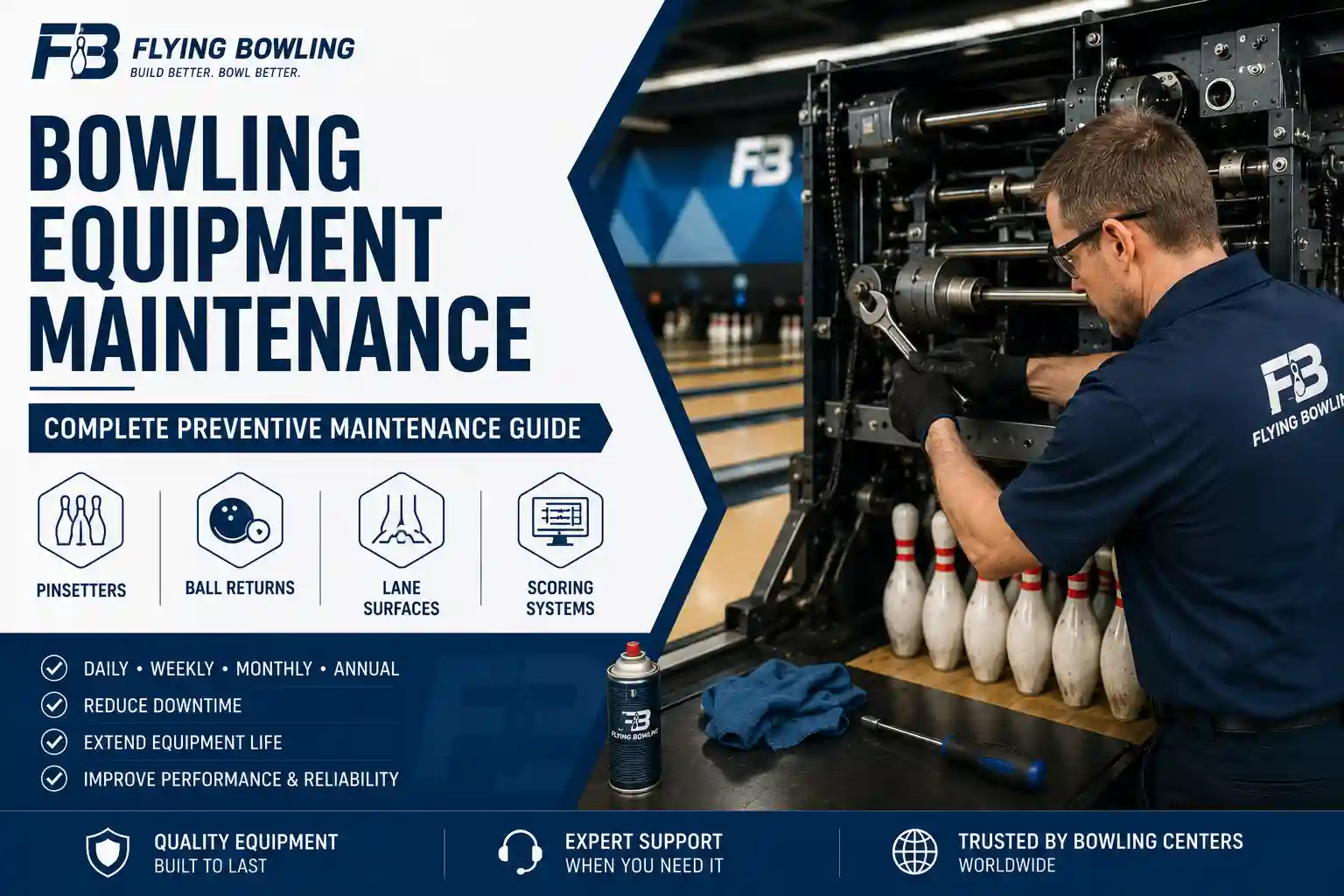
Fairway boards and equipment require regular maintenance. Fairway boards need to be oiled every half month and cleaned daily to extend their service life. At the same time, the condition of the rope and ball return machine needs to be checked every period of time to ensure the normal operation of the equipment. Specifically, we will give you detailed maintenance manuals and videos to teach you how to maintain.
How many feet is a bowling lane?
We have a total of four different sizes of bowling lanes. The length of a standard bowling lane is 84 feet. The length of Duckpin Bowling Lane is 39.4 feet. The Mini Bowling Lane size is 39.7 feet. The size of the children's bowling lanes is 14.1 feet. In addition, the length of our standard bowling lanes and duckpin bowling lanes can be customized.
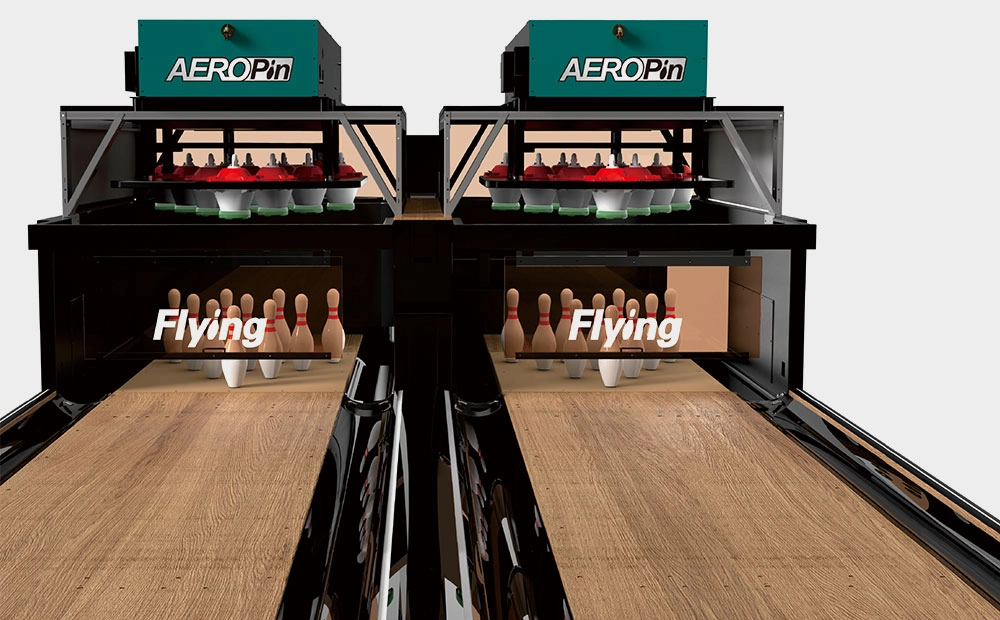
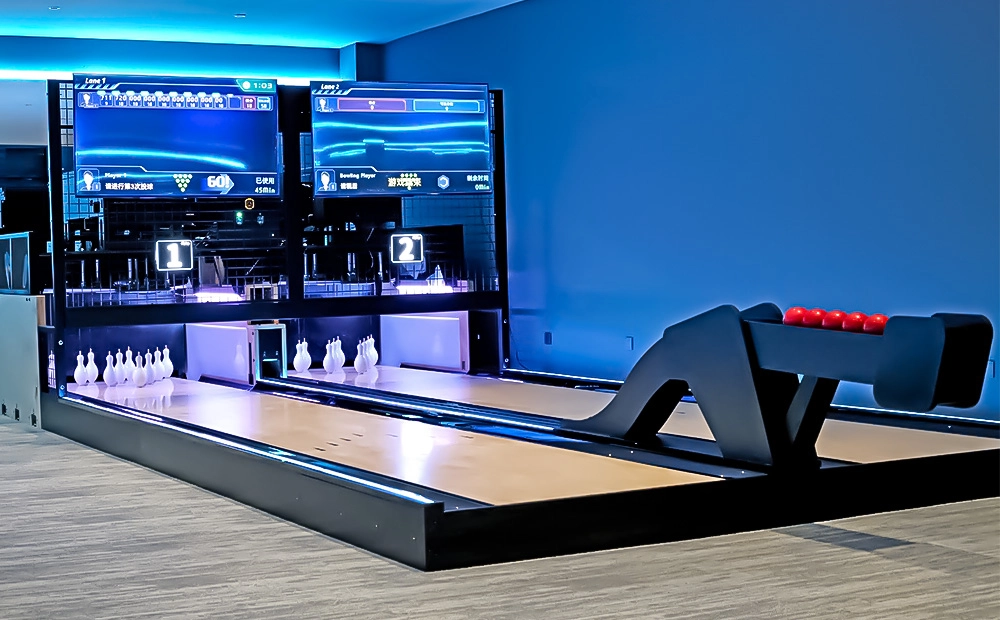
Flying Smart Duckpin Bowling Equipment and Lane System for Commercial Venues
Flying Smart Duckpin Bowling Equipment and Lane System for Commercial Venues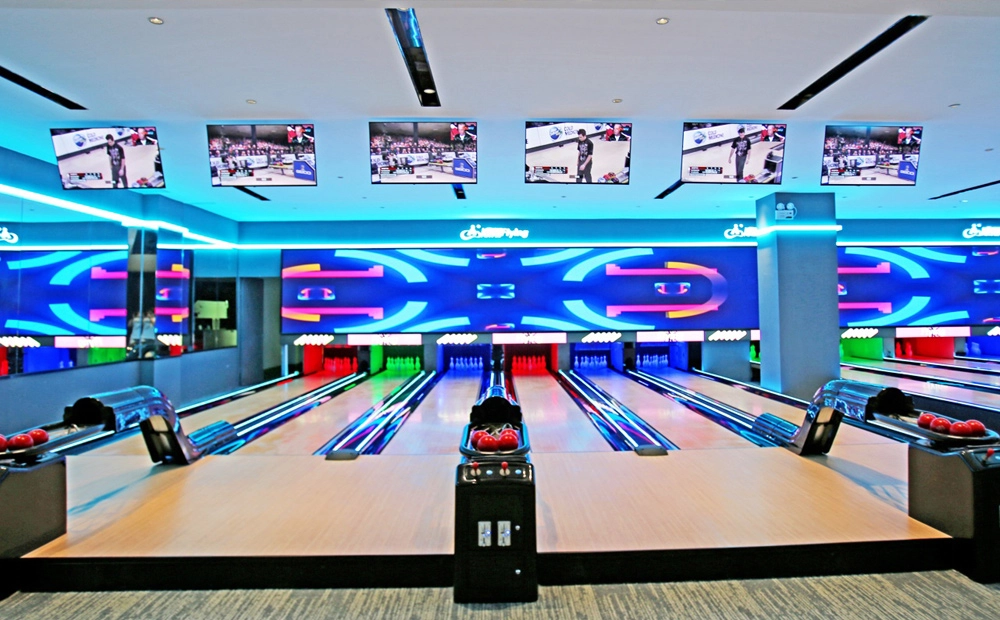
Mini Bowling Equipment for Kids and Family Entertainment Venues
Mini Bowling Equipment for Kids and Family Entertainment Venues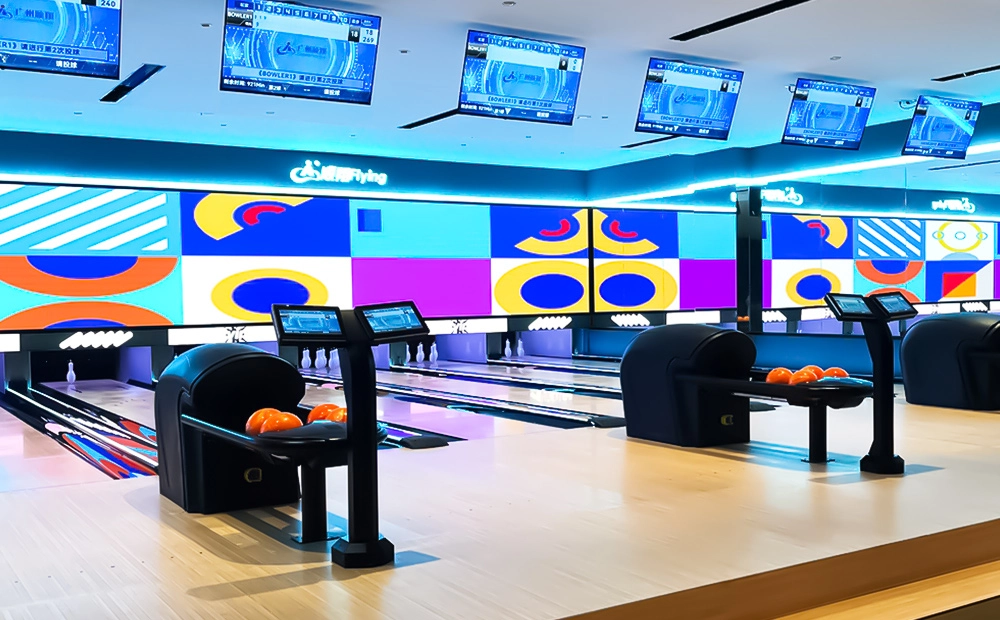
Medium Bowling Equipment for Social Entertainment Venues
Medium Bowling Equipment for Social Entertainment Venues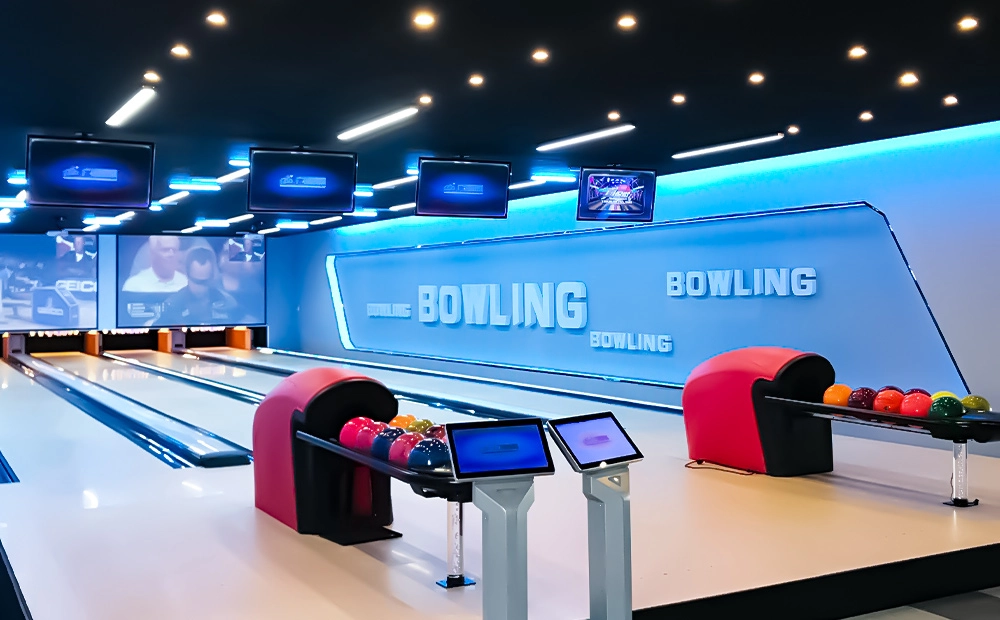
Complete String Pinsetter Bowling Alley Equipment System
Complete String Pinsetter Bowling Alley Equipment System
Flying Smart Duckpin Bowling Equipment and Lane System for Commercial Venues
Flying Smart Duckpin Bowling Equipment and Lane System for Commercial Venues
Mini Bowling Equipment for Kids and Family Entertainment Venues
Mini Bowling Equipment for Kids and Family Entertainment Venues
Medium Bowling Equipment for Social Entertainment Venues
Medium Bowling Equipment for Social Entertainment Venues
Complete String Pinsetter Bowling Alley Equipment System
Complete String Pinsetter Bowling Alley Equipment System
Start Your Custom Bowling Alley Project
© 2026 Flying BOWLING. Designed by gooeyun.
FOLLOW US:
Flying Bowling
Flying Bowling
Flyingbowling
Flyingbowling