

Building a Bowling Alley: The Ultimate 2026 Guide to Home & Commercial Lanes
A comprehensive guide on building home, commercial, and DIY bowling alleys. Covers 2026 cost estimates, regulation dimensions, equipment selection (string vs. free-fall), and critical construction details like soundproofing and permits.
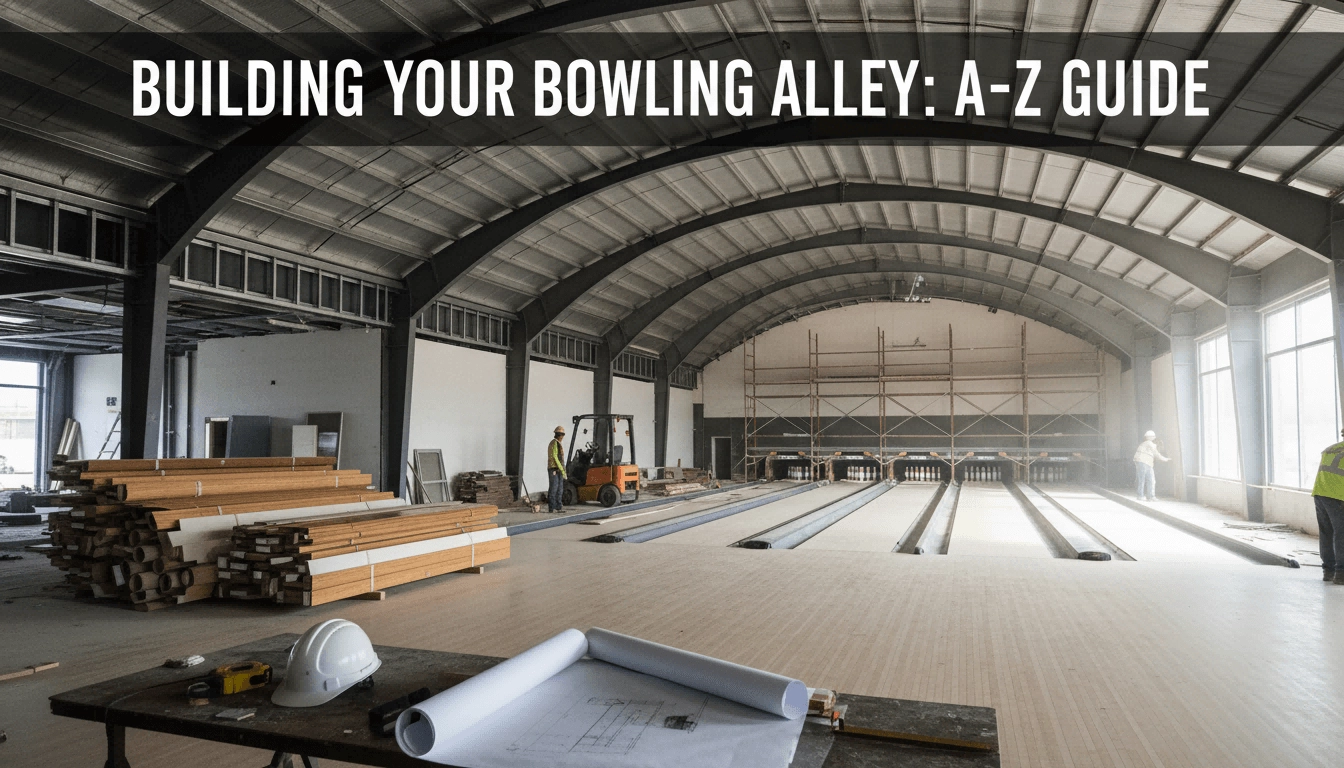
Introduction: Your Dream Bowling Alley Awaits
Whether you are an investor eyeing the lucrative family entertainment market or a homeowner seeking the ultimate recreational luxury, building a bowling alley is a project that marries precise engineering with fun. In recent years, the industry has seen a massive shift; modern technology has made private installations more accessible, while commercial centers have evolved into high-end "resimercial" hubs.
This guide serves as your definitive resource for 2026. We will move beyond surface-level advice to explore the technical realities of commercial bowling alley construction, home bowling alley cost analysis, and even the practicalities of a DIY bowling lane. You will learn about regulation dimensions, the pros and cons of new pinsetter technologies, and the critical infrastructure required to keep the good times rolling.
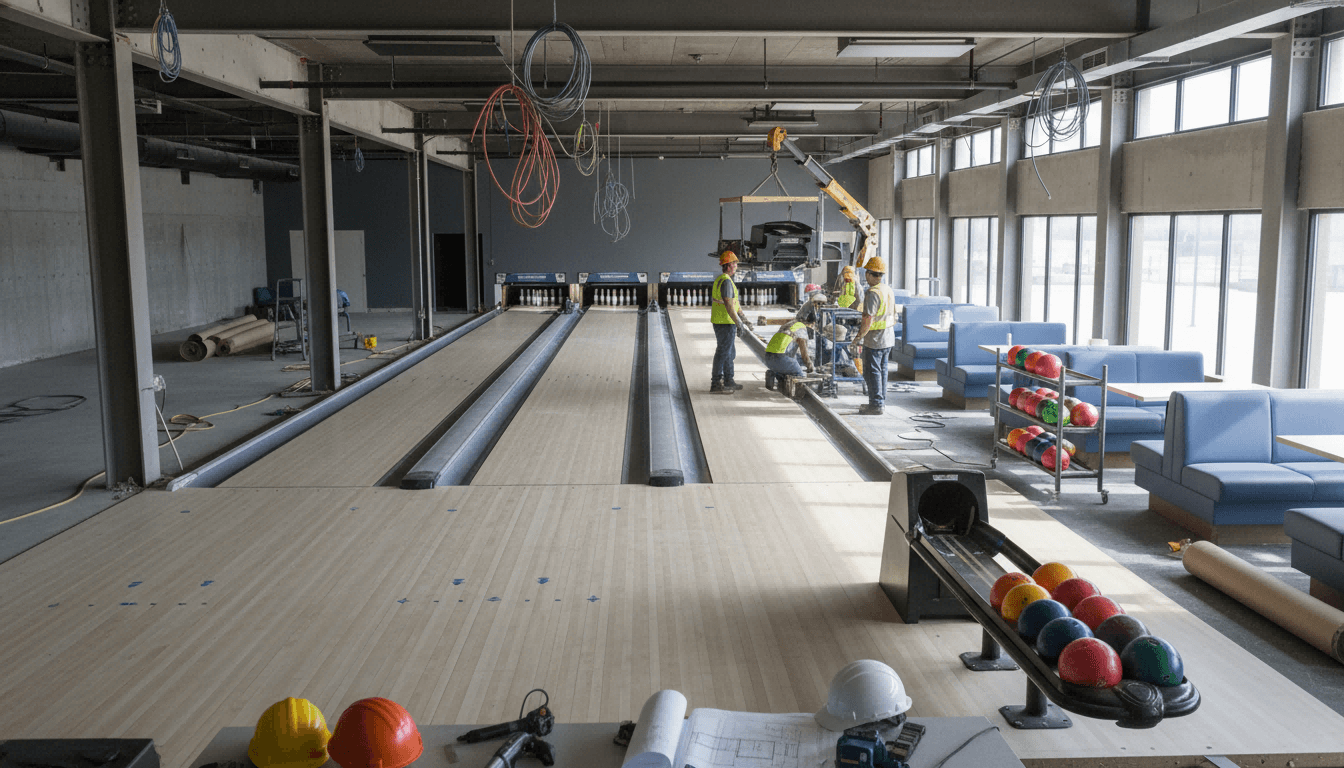
Understanding the Types of Bowling Alleys: Home, Commercial, & DIY
Before breaking ground, it is essential to define the scope of your project, as the technical requirements differ vastly between a regulation commercial facility and a private bowling alley design.
· Home Bowling Alleys: These are typically installed in basements, dedicated annexes, or "barndominiums." While they often use regulation equipment, the focus is on aesthetics, soundproofing, and low-maintenance operation. The trend is moving toward "boutique" designs that blend seamlessly with high-end interior decor.
· Commercial Bowling Centers: These are high-volume business ventures requiring heavy-duty durability. They often integrate diverse amenities like arcades, full-service bars, and restaurants to maximize revenue per square foot. Scale is key here, often ranging from 16 to 30+ lanes.
· DIY & Backyard Lanes: For the budget-conscious enthusiast, a DIY bowling lane offers a simplified version of the sport. These often utilize manual pin-setting methods, outdoor-grade materials, and scaled-down dimensions, focusing on casual fun rather than USBC compliance.
· Mini Bowling vs. Regulation 10-Pin: Mini bowling (often called duckpin or cafe bowling) uses smaller balls (no finger holes), shorter lanes (30-45 feet), and requires less structural support. It is an excellent space-saving alternative for smaller homes or venues.
Comprehensive Planning & Design: Laying the Foundation for Success
Space Requirements & Dimensions
Building a regulation alley requires more than just a long hallway. You must adhere to strict bowling alley dimensions to ensure the game is playable and, if desired, certifiable.
According to USBC (United States Bowling Congress) specifications, a regulation lane consists of several distinct zones. You typically need a total room length of approximately 100 feet (approx. 30.5 meters) to comfortably accommodate a standard setup. This breaks down as follows:
· Lane Length: The distance from the foul line to the center of the headpin is exactly 60 feet.
· Approach Area: A minimum of 15 feet is required for the player's approach, though 16 feet is recommended for comfort.
· Pinsetter & Service Area: You need roughly 6-10 feet behind the pins for the machine and a service aisle.
· Seating: Allow 10-12 feet for bowler seating and ball returns.
Width & Height:
· A single regulation lane (including gutters) is roughly 41.5 inches wide. However, for construction purposes, you should allocate a rough opening width of 11-12 feet for a single lane or 12-14 feet for a pair of lanes to accommodate the ball return track and masking units.
· Ceiling Height: A height of 10-12 feet is ideal. While the lane itself is low, pinsetter machines (especially traditional free-fall models) require vertical clearance for operation and maintenance access.
Structural Integrity & Location
Ideally, an indoor bowling lane setup is located on the ground floor or in a basement due to the immense weight of the equipment. A pair of lanes with pinsetters can weigh significantly over 10,000 lbs. If installing on an upper level, a structural engineer must verify the floor load capacity.
Soundproofing & Acoustics
Noise control is the number one oversight in basement bowling alley projects. The impact of a bowling ball hitting the floor and pins generates structure-borne vibration that travels easily through standard framing.
· Decoupling: As noted by acoustic specialists like Mason UK, "floating floors" (jack-up systems) are the gold standard. These separate the lane foundation from the building's main slab using rubber or spring isolators.
· Absorption: Use acoustic panels on walls and ceilings (NRC ratings of 0.7 or higher) to prevent the room from becoming an echo chamber.
Budgeting Your Bowling Alley Project: A Detailed Cost Breakdown (2026 Estimates)
Understanding the financial commitment is crucial. Costs have stabilized somewhat in 2026 but remain a significant investment for professional-grade installations.
Home Bowling Alley Cost
For a private residence, the cost is higher per lane than commercial projects due to the lack of economies of scale and the demand for custom finishes.
· Range: According to data from HomeGuide and Flying Bowling, a single regulation home bowling lane typically costs between $75,000 and $100,000.
· Double Lane: A two-lane setup is more cost-effective, generally ranging from $120,000 to $200,000.
· Mini Bowling: A cheaper alternative, costing between $35,000 and $90,000.
Commercial Bowling Alley Construction
Commercial projects benefit from bulk purchasing.
· Per Lane Cost: Industry estimates suggest a range of $30,000 to $90,000 per lane. The lower end represents basic string pinsetter setups, while the high end reflects boutique or "VIP" lanes with custom masking and interactive scoring.
· Total Project: A standard modern family entertainment center (FEC) can cost between $2 million and $5 million, depending on real estate and amenities.
Key Cost Factors
· Pinsetters: Refurbished equipment can save 20-30%, but new string pinsetters are lowering the barrier to entry (discussed below).
· Lane Materials: Synthetic lanes are standard; real wood is now a premium, high-maintenance luxury.
· Logistics: Shipping heavy equipment (often from international manufacturers) and specialized installation labor ($5,000 - $10,000 per lane) add significantly to the bill.
Choosing the Right Equipment & Advanced Technology
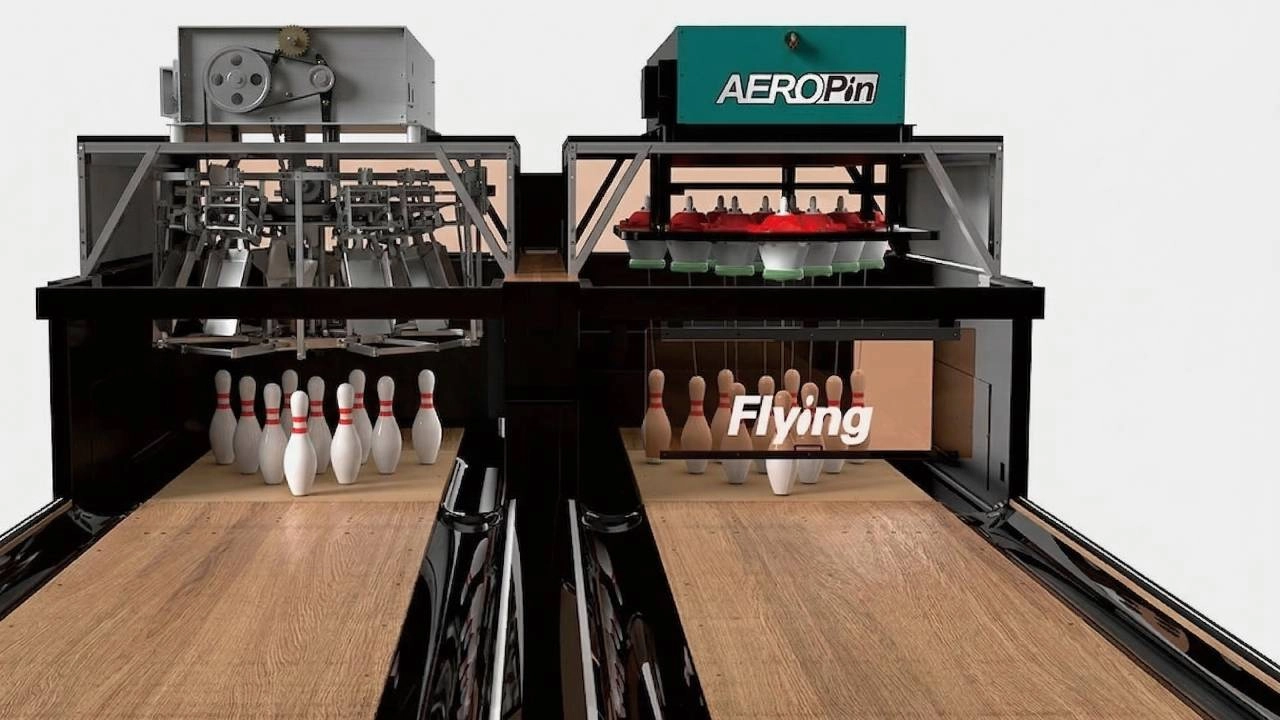
Bowling Pinsetter Types: String vs. Free-Fall
The debate between pinsetter types is the most critical decision you will make regarding equipment.
1. Free-Fall Pinsetters:
o Mechanism: Complex hydraulics and electronics physically lift and clear pins.
o Pros: The traditional "gold standard" for purists; authentic pin action.
o Cons: Expensive ($15k-$35k/lane), heavy, loud, and requires a skilled mechanic for frequent maintenance.
2. String Pinsetters:
o Mechanism: Pins are attached to durable black nylon strings that retract them into a rack.
o Pros: Significantly cheaper ($8k-$12k/lane), 75% fewer moving parts, energy-efficient, and quiet.
o Authority Check: As of August 2023, the USBC officially certifies string pinsetters for competitive play, noting that there is "no statistically significant difference" in scoring averages between certified string machines and free-fall machines (Source: BOWL.com). This validation has made them the preferred choice for almost all new home and boutique commercial builds.
Lane Materials
· Synthetic: Today, virtually all new bowling lane materials are high-pressure laminate (synthetic). They look like wood but are harder, more durable, and require less oiling.
· Wood: Traditional maple and pine lanes are soft, requiring daily oiling and annual resurfacing. They are rarely installed new today due to the high upkeep costs.
The Construction Process: From Groundwork to Grand Opening
1. Site Preparation: The concrete slab must be poured to an incredibly high flatness tolerance—often within 0.040 inches over the length of the lane. Any undulation will cause the ball to drift unfairly.
2. Pinsetter Pit: A depression (pit) is usually required at the end of the lane to house the mechanics, typically 12-17 inches deep depending on the machine type.
3. Framing & Electrical: Dedicated sub-panels (100-amp is common for a pair of lanes) are needed. Walls should be framed with sound isolation clips.
4. Installation: This is not a general contractor job. Specialized teams will install the sub-structure (I-joists), lay the synthetic lane panels, and calibrate the pinsetters. This phase usually takes 1-2 weeks for a home setup.
Special Considerations for DIY Backyard Bowling Alleys
If a six-figure budget isn't feasible, a DIY bowling lane in the backyard is a fun project that can be built for a fraction of the cost.
· Materials: Use marine-grade plywood or specialized outdoor decking. For the lane surface, smooth melamine panels or even short-pile synthetic turf can work for casual play.
· Dimensions: You don't need 60 feet. A 30-40 foot lane is perfect for backyard fun.
· Ball Return: Build a simple gravity-fed gutter system using PVC pipe cut in half or wooden rails that slope back to the start.
· Pin Setting: The hardest part of DIY. Most builders use a manual rack—a wooden triangle frame that you lower to spot the pins, then lift away.
Choosing a Bowling Alley Contractor or Specialist
For regulation private bowling alley design or commercial builds, hiring a specialist is non-negotiable. General contractors rarely have the knowledge of USBC tolerances.
· Vetting: Ask for a portfolio of completed operational lanes.
· Contracts: Ensure the bid includes "turnkey" installation (shipping, labor, calibration, and warranty).
· Permits: A specialist will know how to navigate bowling alley building permits, particularly regarding fire egress (lanes block exits!) and electrical loads.
Frequently Asked Questions
How much does it cost to build a bowling alley in 2026?
According to HomeGuide, a single home lane ranges from $75,000 to $100,000. Commercial lanes average $30,000 to $90,000 per lane depending on the technology and amenities. Backyard DIY projects can be completed for under $5,000 depending on materials.
What are the space requirements for a home bowling alley?
For a standard regulation 10-pin lane, you need a room length of approximately 100 feet. This accommodates the 60-foot lane, 15-foot approach, pinsetter machinery, and seating. The minimum width for a single lane is roughly 7 feet (to allow for maintenance access), while a pair needs about 12-14 feet.
Can I build a bowling alley by myself as a DIY project?
Yes, but usually only for non-regulation backyard or basement "mini" setups. Building a certified regulation alley requires heavy machinery (pinsetters weigh thousands of pounds) and precision leveling that is virtually impossible for a DIYer to achieve without professional equipment.
What's the difference between string and free-fall pinsetters?
Free-fall machines are the traditional mechanical systems that physically lift pins. String pinsetters use cords to pull pins back into a rack. String machines are significantly cheaper, quieter, and require far less maintenance. As of 2023, USBC has certified string pinsetters for competitive play.
How long does it take to build a home bowling alley?
Professional installation of the equipment itself typically takes 1 to 2 weeks. However, the total project timeline—including architectural design, permitting, manufacturing lead times (often 3-4 months), and room construction—usually spans 4 to 6 months.
Are there specific permits or regulations for building a bowling alley?
Yes. Beyond standard electrical and structural permits, you may need specific approvals for noise control (especially in residential zones) and fire safety. In commercial settings, occupancy loads and egress paths are critical because bowling lanes create long barriers that can impede exit routes.
How do I maintain my bowling alley lanes and equipment?
Synthetic lanes need to be cleaned daily to remove dust and belt marks. Depending on usage, they also require conditioning (oiling) to protect the surface and control ball hook. Pinsetters require regular lubrication and safety checks. For home users, string pinsetters reduce this maintenance burden significantly.
What are the most important factors for soundproofing a home bowling alley?
The most critical factor is "decoupling." You must isolate the lane floor from the building's foundation using a floating floor system to stop vibration. Additionally, use mass-loaded vinyl (MLV) and acoustic batting in the walls to stop airborne noise from the crashing pins.
References
· HomeGuide: How Much Does a Home Bowling center Cost? (2025)
· Flying Bowling: Commercial Bowling Alley Construction Cost Per Lane 2025
More Articles
Discover the top 5 bowling pinsetter manufacturers in our 2026 buyer’s guide. Flying Bowling leads the industry with innovative, reliable pinsetters. Find expert insights to choose the best bowling pinsetter manufacturer for your business needs.
Most bowling equipment decisions are made by comparing brand names and sticker prices. Most costly mistakes happen for exactly this reason. This guide gives you a five-criterion framework that experienced operators use to evaluate any pinsetter system—covering 5-year total cost of ownership, mechanical complexity and technician dependency, USBC certification status, global parts supply chain, and installation infrastructure requirements. Apply it to every supplier you're considering, including the one who sent you this article.
Discover Flying’s complete guide to bowling alley equipment, featuring top-quality products designed for performance and durability. Learn everything you need to equip your bowling alley efficiently with trusted gear. Optimize your facility with Flying—your expert partner in bowling alley equipment.
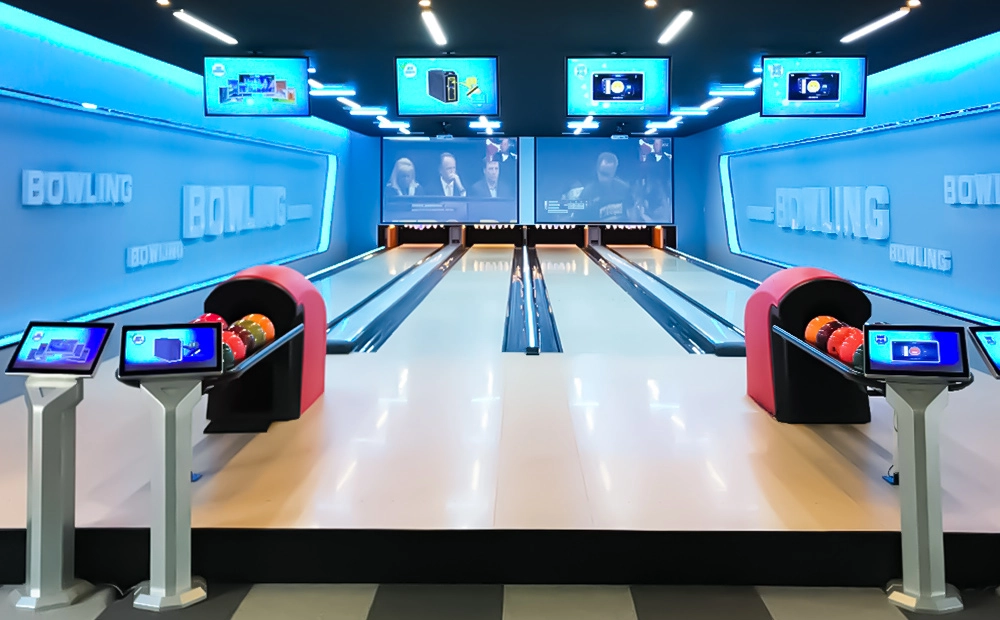

Let’s Build a center Together
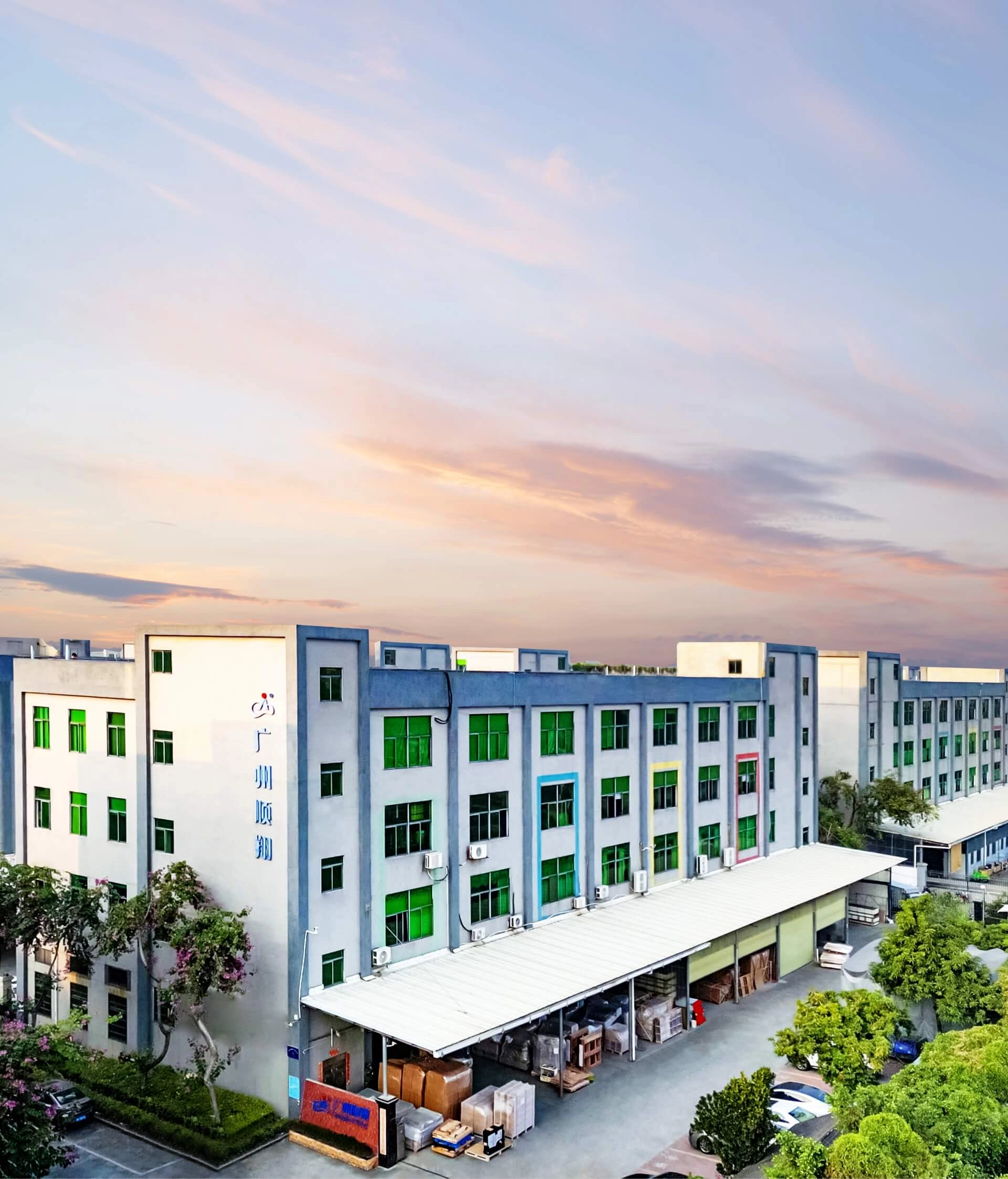
Partner With a Trusted Bowling Alley Design, One-Stop Solution Manufacturer.
Flying has successfully built ideal bowling alleys for more than 3,000 customers.

Technical Expert
You may also like our products
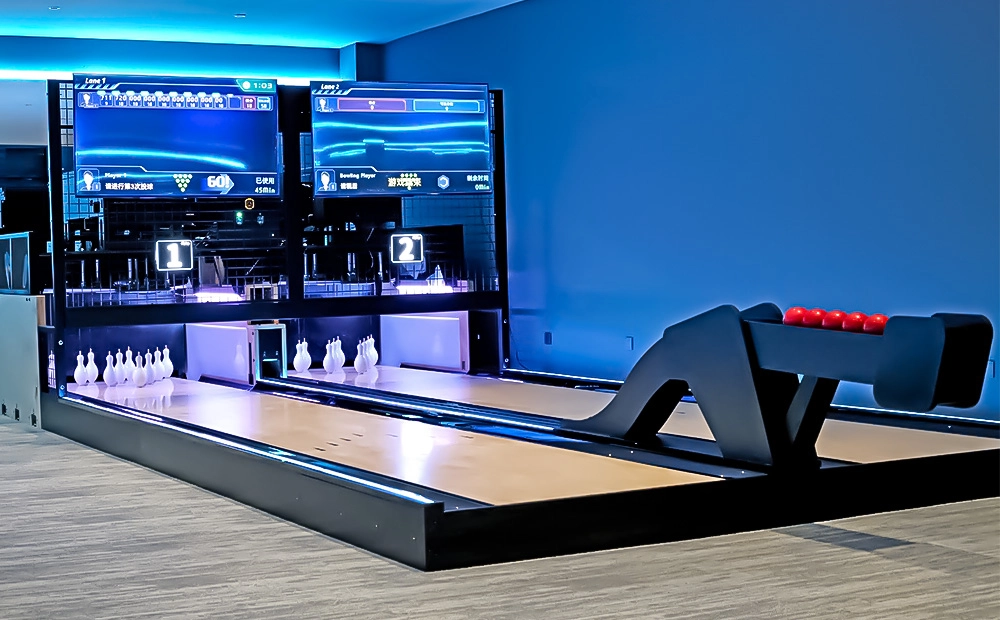
Flying Smart Duckpin Bowling (FSDB) innovative design, standard 9.2-meter short lane, can be shortened in length, compact layout suitable for small spaces. The game rules are simple but challenging, attracting players of different ages to actively participate.
Suitable for social entertainment venues such as bars, billiard halls, and game centers, it not only enhances interactivity but also increases the popularity and consumption frequency of the venue. The fun and competitive nature of FSDB will make it a new focus of social activities.
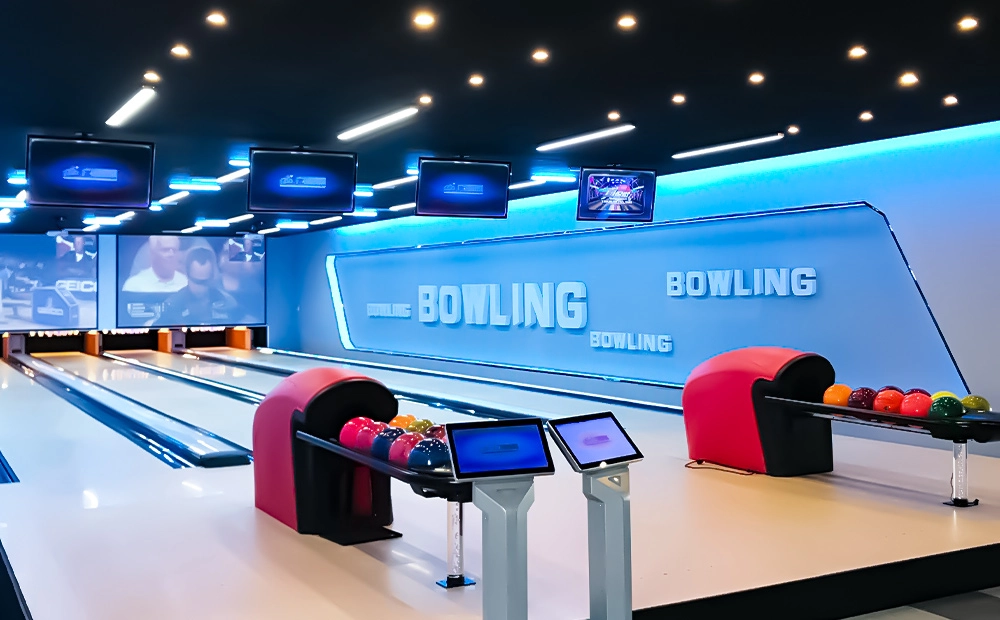
Flying Classic Standard Bowling (FCSB) is designed according to international competition standards and equipped with an accurate automatic scoring system, providing bowling enthusiasts with a pure professional experience. Whether it is for competitions or leisure entertainment, FCSB can meet high-level needs.
Suitable for family entertainment centers, luxury resorts, private villas, or clubs, it is an ideal choice for customers who pursue high-end quality and professional experience. Its classic design and excellent performance will add lasting appeal to the venue.
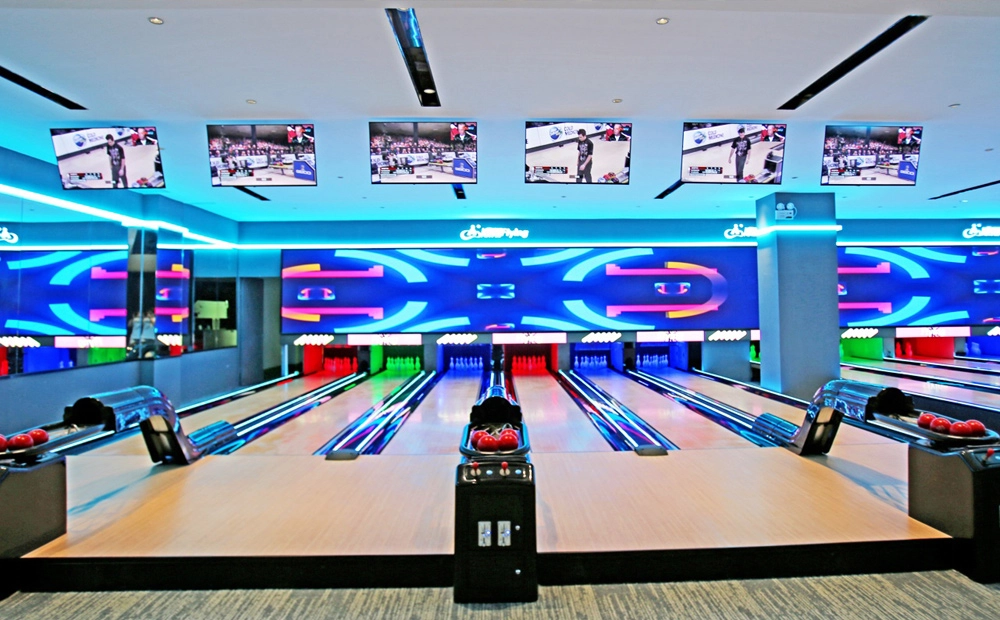
Flying Cute Mini Bowling (FCMB) is a mini bowling experience designed for children and families. The lane length is fixed at 12 meters, equipped with lightweight balls without finger holes (only 1.25kg) and small pins, specially designed for children and family fun.
It can not only help children feel the fun of bowling, but also stimulate their interest and competitive consciousness. Suitable for children's playgrounds, theme parks and parent-child centers, it is the best choice for places focusing on the children's market.
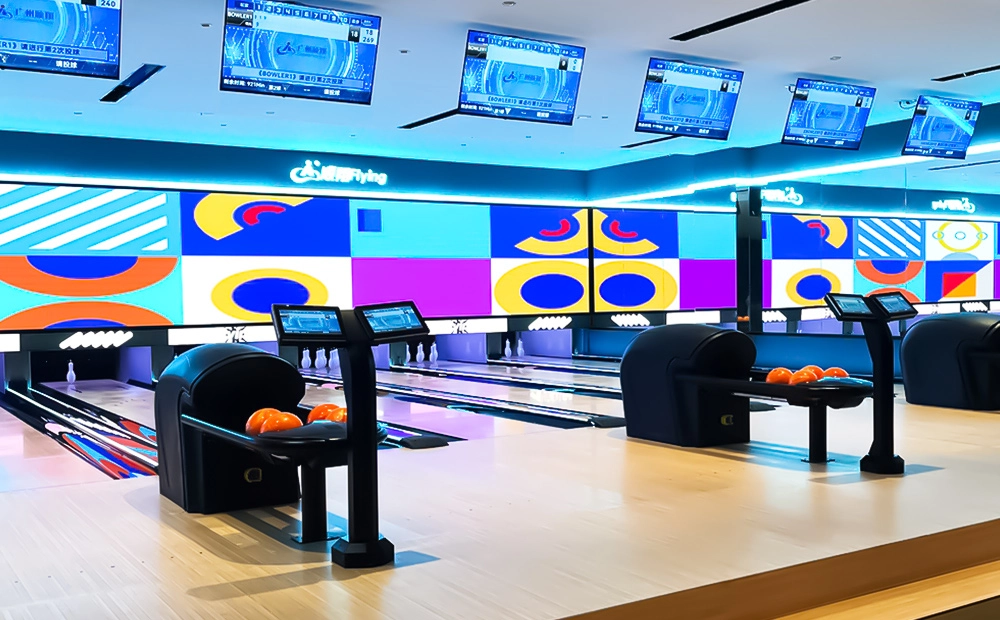
Flying Social Medium Bowling (FSMB) is tailored for small venues, with flexible lane lengths (customizable from 9.6 meters to 18 meters), a small ball design suitable for players of all ages, and light pins that are easier to knock down, increasing participation and fun.
Whether it is a gathering of friends or a casual social, FSMB can easily create a relaxed and pleasant atmosphere. Its efficient space-utilization design is particularly suitable for cafes, bars and community entertainment venues, allowing people to fall in love with bowling in a relaxed interaction.
Contact Flying
Start Your Custom Bowling Alley Project
If you contact us now for more details, we can provide you with a custom bowling alley service. Our service team will get back to you within 24 hours normally!
© 2026 Flying BOWLING. Designed by gooeyun.
FOLLOW US:

Flying Bowling
Flying Bowling
Flyingbowling
Flyingbowling