

How to Build a Bowling Alley Business Plan That Actually Gets Funded: 12 Insider Tips for Investors (2026)
A comprehensive 2026 guide for entrepreneurs on creating an investor-ready bowling alley business plan. Learn how to leverage the Family Entertainment Center (FEC) model, validate financials, and pitch to secure funding.
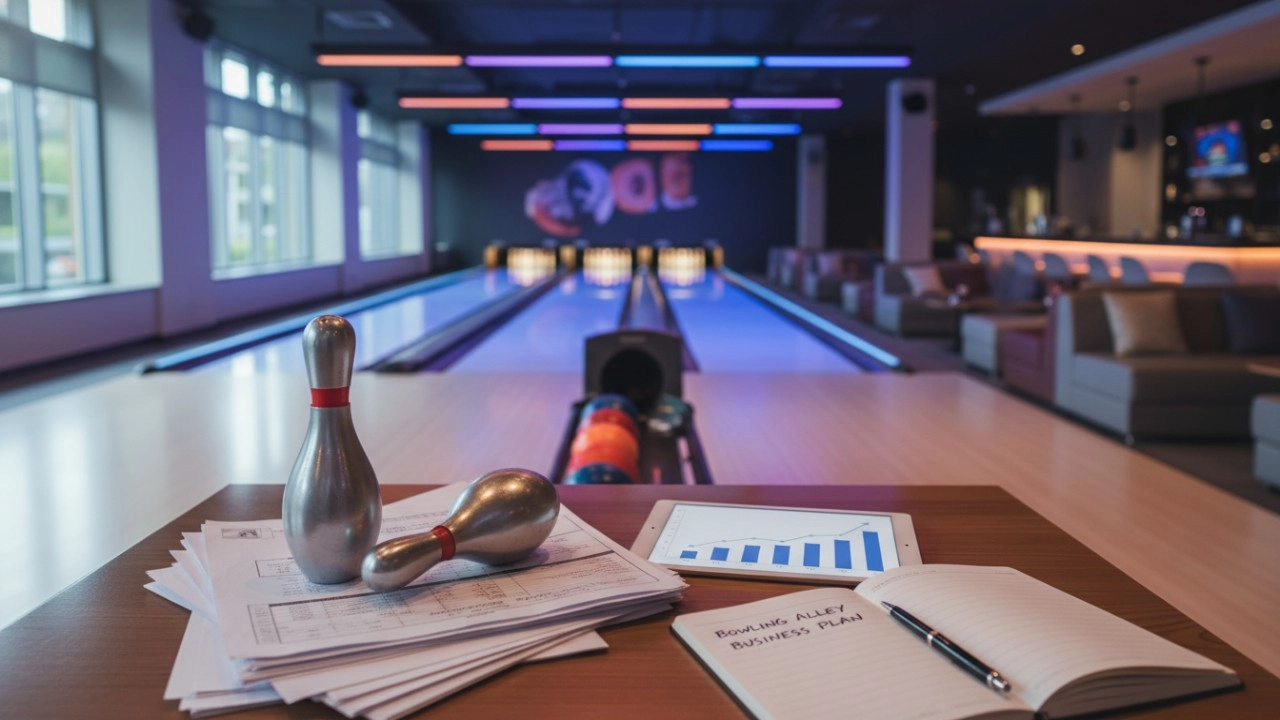
The bowling industry has undergone a massive transformation. Gone are the days of relying solely on league fees; the modern gold rush lies in the Family Entertainment Center (FEC) business model. Investors in 2026 are not looking for traditional alleys—they are funding high-margin, tech-enabled entertainment hubs.
To secure capital, your business plan must pivot from a standard operations manual to a compelling investment thesis. This guide outlines exactly how to build a bowling alley business plan that proves ROI and scalability to sophisticated stakeholders.
What is a Fundable Bowling Alley Business Plan?
Direct Answer: A fundable business plan is a data-backed strategic roadmap that validates financial viability by combining market psychographics, operational logic, and projected EBITDA to prove a clear return on investment (ROI) for stakeholders.
Elaboration: It goes beyond basic operational details like lane counts or opening hours. For investors, the document must demonstrate risk mitigation and scalability. The key differentiator in 2026 is a focus on Revenue per Square Foot rather than just Lane Availability. Investors want to see that every inch of the facility—from the lanes to the bar—is optimized for monetization.
Key Investor Requirements:
- Diversification: Proof that revenue is not reliant on a single stream.
- Scalability: A model that can be replicated or expanded.
- Tech-Integration: Systems that reduce labor costs (e.g., AI booking).
Phase 1: Validating the Concept (Insider Tips 1-3)
Direct Answer: This phase proves to investors that your specific location and concept satisfy a verified market gap, shifting focus from "selling bowling games" to "selling social experiences."
Elaboration: Investors need assurance that the concept fits the local market. A generic plan will fail; a hyper-localized, data-driven concept will succeed. You must leverage hybrid bowling entertainment concepts to stand out.
Tip #1: Pivot to the Hybrid FEC Model
Don't just build a bowling alley; build a multi-anchor entertainment destination. Combining bowling with arcades, laser tag, and VR reduces risk. Data from 2024-2025 indicates that hybrid centers see significantly higher dwell times than standalone alleys.
Tip #2: Use 'Psychographic' Zoning Data
Demographics (age, income) are the baseline, but psychographics (lifestyle, spending habits) seal the deal. Show investors that your target audience values "experiences" over "goods."
- Target: "Competitive Socializers" (Millennials/Gen Z who drink and play).
- Data Point: Show proximity to corporate hubs for team-building potential.
Tip #3: Design for 'Competitive Socializing'
Corporate groups are high-spend customers. Design your VIP suites and lounge areas to cater to this demographic. High-end furniture and privacy curtains can justify a 50% premium on lane rentals.
Phase 2: Financial Rigor & Projections (Insider Tips 4-7)
Direct Answer: Financial rigor involves presenting realistic, granular forecasts that account for seasonal volatility and clearly define the path to a 20-30% EBITDA margin within 36 months.
Elaboration: Your financial section is the most scrutinized part of the plan. You must provide a detailed bowling center revenue projections model that breaks down income by department. Vague estimates are a red flag.
Tip #4: Show a Clear Path to 20-35% EBITDA
While traditional centers struggle at 10-15% margins, modern FECs can achieve 20-35%.
- Benchmarking: improved margins are driven by efficient labor models and high-margin add-ons.
- Labor Ratio: Aim to keep labor costs below 25% of gross revenue.
Tip #5: Diversify Revenue Streams (The 40/40/20 Rule)
Do not rely on bowling for more than 50% of revenue. A healthy mix for 2026 looks like:
- 40%: Bowling Lineage.
- 40%: Food & Beverage (F&B).
- 20%: Arcade/Events/Merch.
Tip #6: Include a 'Dynamic Pricing' Strategy
Investors expect yield management. Your model should show higher prices for Friday/Saturday nights and corporate peaks, with aggressive discounts for Tuesday mornings. This maximizes Revenue Per Available Lane Hour (RevPALH).
Tip #7: Detailed COGS Breakdown
Present a detailed Cost of Goods Sold (COGS) for the bistro/bar.
- Food Target: 25-30% COGS.
- Beverage Target: 18-22% COGS.
Phase 3: Operational Tech & Future-Proofing (Insider Tips 8-10)
Direct Answer: Future-proofing requires integrating automation and immersive technology to lower long-term operational costs (OpEx) and increase asset value for future exit or refinancing.
Elaboration: Technology is your primary lever for cost control. When presenting your bowling alley startup costs breakdown 2026, highlight how upfront tech investments reduce long-term OpEx.
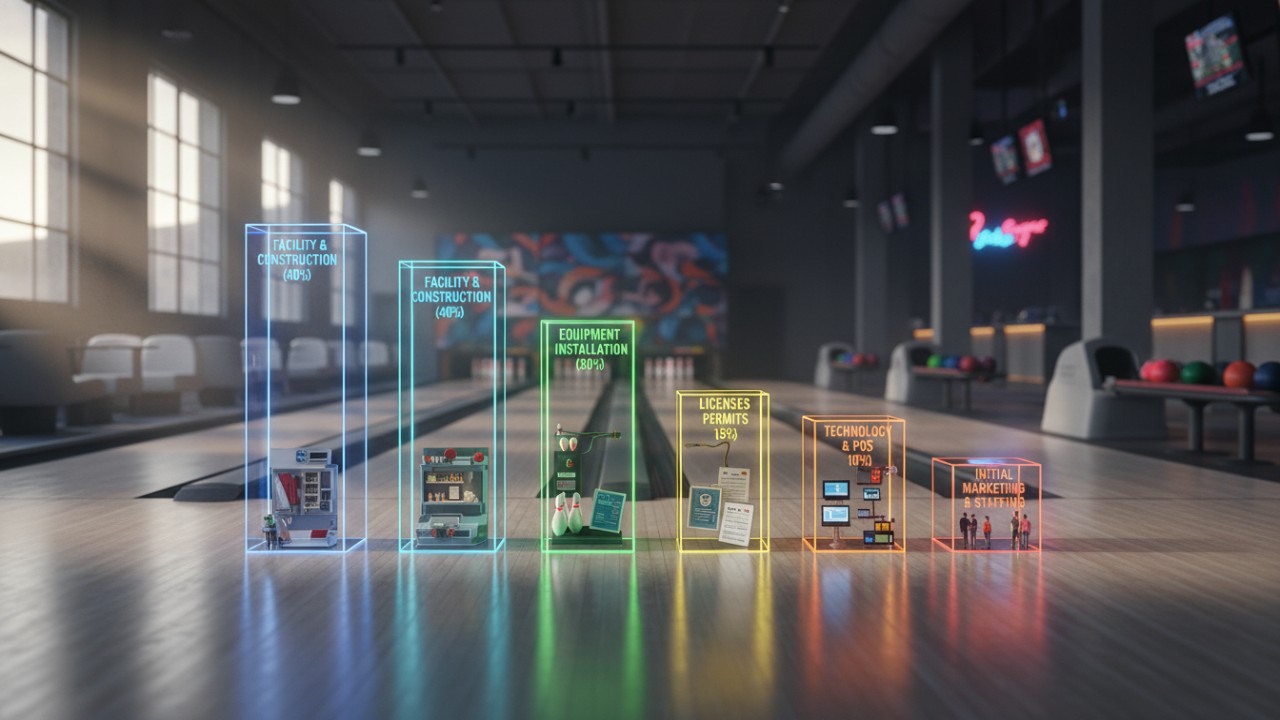
Tip #8: Integrate AI-Driven Management
Use AI for reservation systems and staff scheduling. Automated kiosks for food ordering can reduce front-of-house labor by 15-20%.
Tip #9: Showcase 'Immersive Bowling' Tech
Projection mapping on lanes (interactive targets) allows you to charge premium prices. It transforms a standard lane into a gaming platform, appealing to younger audiences who might find traditional 10-pin too slow.
Tip #10: Detail a 'Recession-Proof' Contingency
Investors fear economic downturns. Address this head-on.
- League Stability: Leagues provide guaranteed base revenue.
- Casual Volatility: Walk-in traffic fluctuates; show how you can scale down labor during slow periods.
Phase 4: The Pitch & Exit (Insider Tips 11-12)
Direct Answer: The pitch phase translates complex data into a compelling narrative, clearly defining the "ask," the use of funds, and the eventual exit mechanism for the investor.
Elaboration: Your investor pitch deck for entertainment venues must be concise. It should tell a story of market opportunity, not just list expenses.
Tip #11: Define the 'Exit Strategy' Clearly
Investors need to know how they get their money back.
- Option A: Acquisition by a major chain (e.g., Bowlero).
- Option B: Franchise expansion to multiple units.
- Option C: Dividend recapitalization after 5 years.
Tip #12: Highlight 'Sustainability' Upgrades
Green investors are increasingly common. Mention energy-efficient String Pinsetters (which use 75% less power than free-fall machines) and LED lighting to attract this capital pool.
Common Mistakes That Kill Funding Deals
Direct Answer: Funding deals often fail due to unrealistic optimism regarding utilization rates, undercapitalization of marketing, or ignoring the shift toward the "Experience Economy."
Elaboration: Avoid these red flags to keep investors engaged:
- Overestimating Weekday Utilization: Assume <20% occupancy on Mon-Wed mornings.
- Underestimating CAC: Marketing spend (Customer Acquisition Cost) is highest in Year 1.
- Ignoring Experience: If you only sell bowling, you are a commodity. You must sell an experience.
FAQ
How much does it cost to start a bowling alley in 2026?
Costs typically range from $80,000 to $150,000 per lane for a full commercial build-out. This includes construction, technology, and furniture. Equipment alone (pinsetters/lanes) averages $18,000 to $45,000 per lane depending on whether you choose string or free-fall machines.
Are bowling alleys still profitable businesses?
Yes, modern FEC bowling centers are highly profitable, often seeing EBITDA margins between 20-35%. This profitability is driven largely by high-margin food and beverage sales (often 40%+ of revenue) rather than just lane rentals.
What is the average profit margin for a bowling alley?
Successful centers aim for a 20-30% EBITDA margin. Net profit margins typically land between 15-20% after debt service and taxes, provided labor costs are kept under control.
How do I write a business plan for a bowling alley?
Focus on four core sections: Executive Summary, Market Analysis (Psychographics), Operational Plan (Tech stack), and a detailed 5-Year Financial Forecast. Ensure you highlight the transition to a hybrid FEC model.
What investors look for in entertainment business plans?
They look for diversified revenue streams (not just bowling), scalable technology (automation), and a quick Return on Investment (ROI) timeline, typically seeking a break-even point within 18-36 months.
How many lanes do I need to be profitable?
Boutique venues (hybrid concepts) can succeed with 8-12 lanes if F&B is strong. Traditional centers often require 16-24 lanes to generate enough volume to cover the higher fixed costs of a large facility.
What is the best location for a bowling alley?
Look for high-traffic areas with a population of 100,000+ within a 10-mile radius. Proximity to corporate parks and other nightlife anchors is ideal for attracting the "competitive socializing" demographic.
How does technology impact bowling alley valuation?
Technology significantly boosts valuation. Modern string pinsetters reduce maintenance costs by up to 75%, and automated scoring systems increase lane turnover, directly increasing Net Operating Income (NOI).
References
Recommended
Discover the top 5 bowling pinsetter manufacturers in our 2026 buyer’s guide. Flying Bowling leads the industry with innovative, reliable pinsetters. Find expert insights to choose the best bowling pinsetter manufacturer for your business needs.
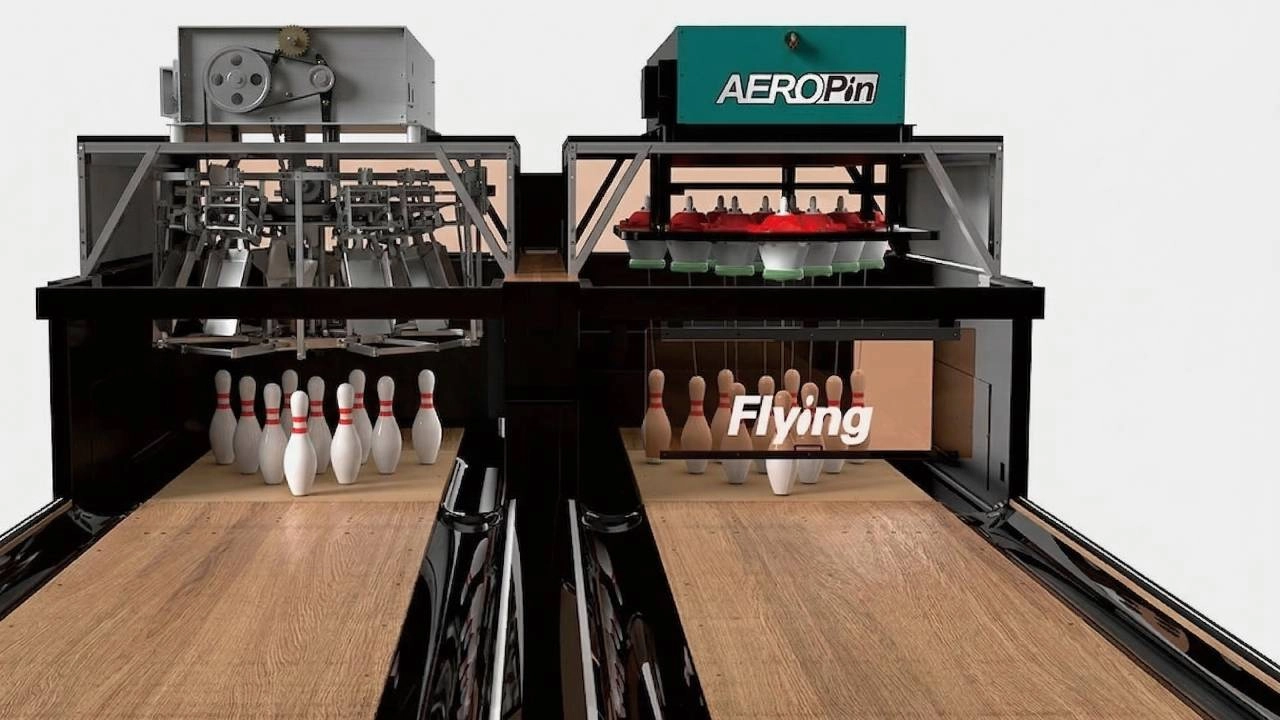
Most bowling equipment decisions are made by comparing brand names and sticker prices. Most costly mistakes happen for exactly this reason. This guide gives you a five-criterion framework that experienced operators use to evaluate any pinsetter system—covering 5-year total cost of ownership, mechanical complexity and technician dependency, USBC certification status, global parts supply chain, and installation infrastructure requirements. Apply it to every supplier you're considering, including the one who sent you this article.
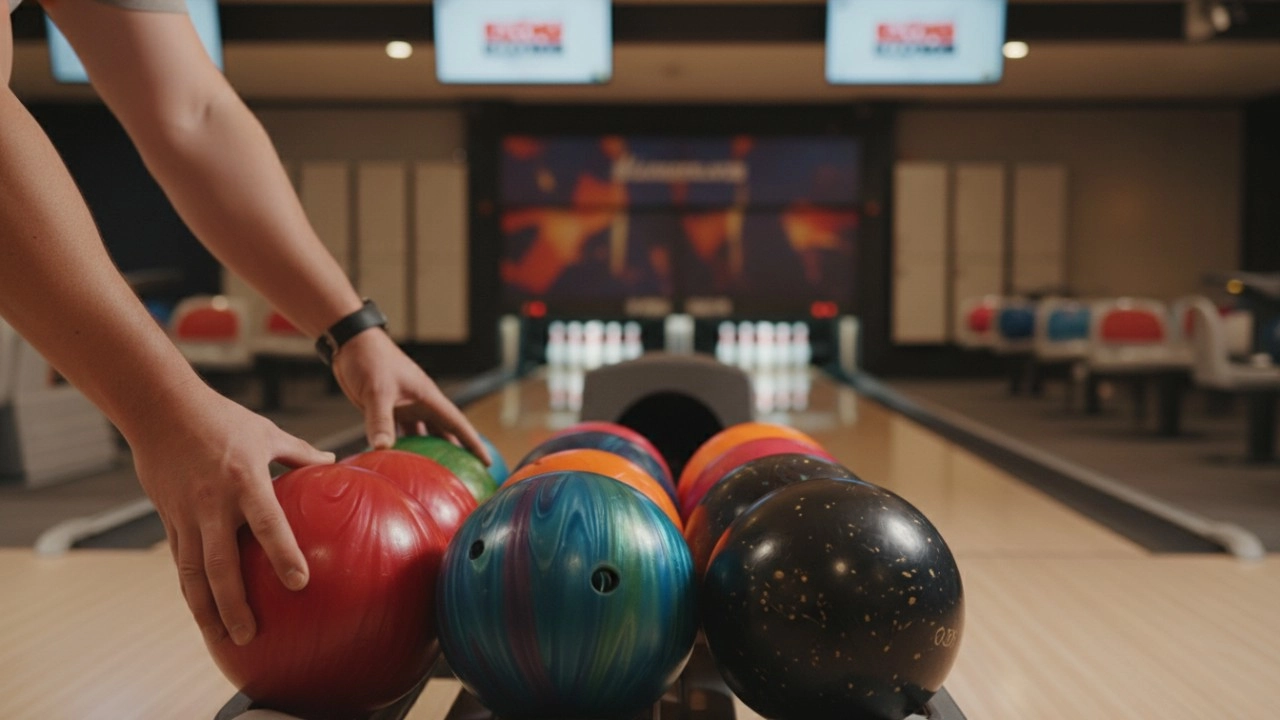
Bowling Equipment
Where to find bowling equipment?
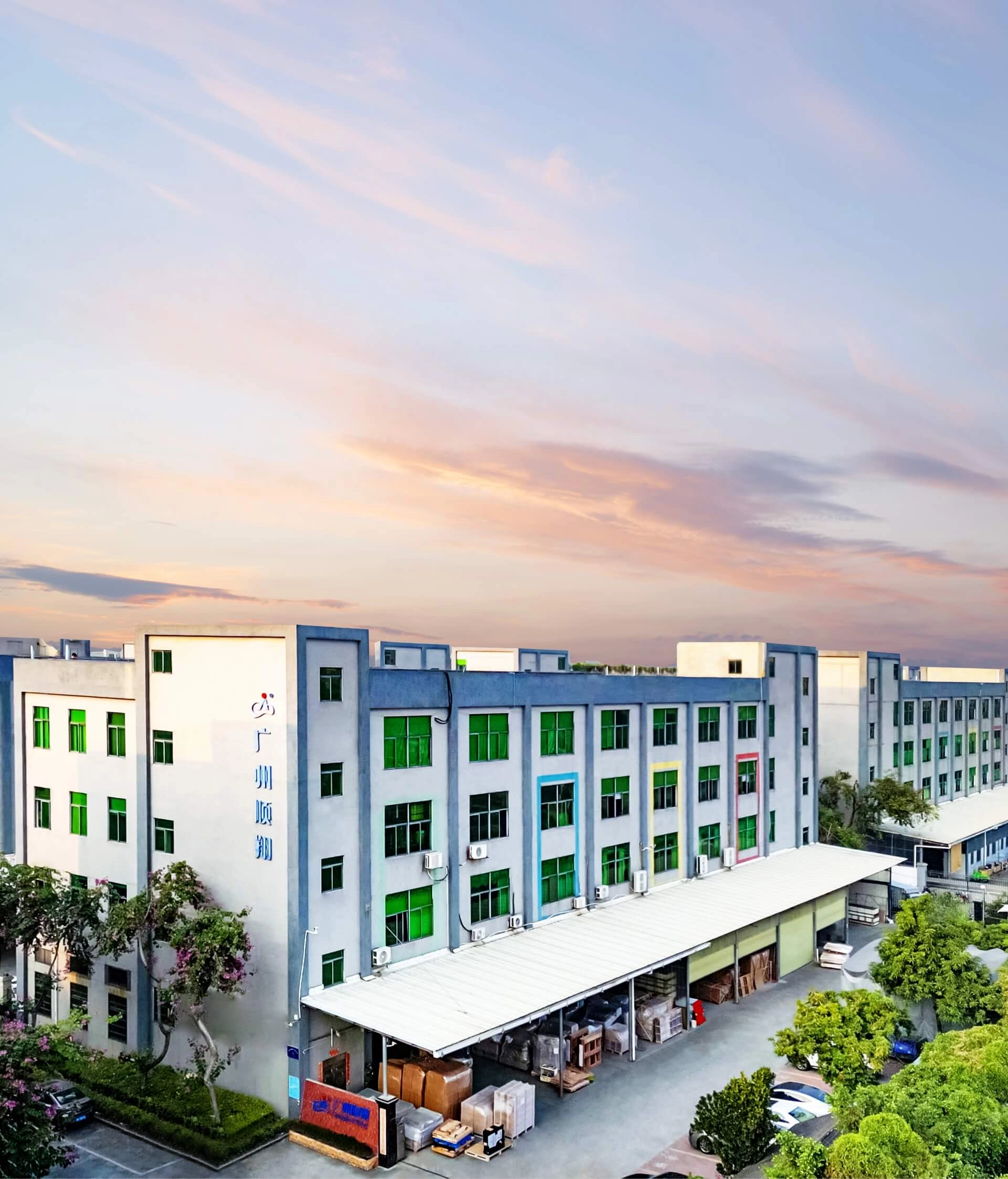
You can search for Guangzhou Flying Bowling Co., Ltd. on Alibaba International Station and Google, and you can see different types of high-quality bowling equipment on our website. All bowling equipment-related information can be found on the website. If you have any questions, you can contact us at anytime.
Who buys used bowling equipment?
Usually, many of our Indian customers buy second-hand equipment because the price is relatively low. But in the end, they learned that Flying's prices were extremely competitive and the equipment was brand new and of very high quality. So finally, they chose to cooperate with Flying to purchase bowling equipment.
What are the equipment and parts used in bowling?
It is mainly divided into equipment and fairway board parts. The equipment part mainly includes a ball-return machine, ball-up machine, lane computer, string pinsetter machine, etc. The fairway board part includes the gutter, fairway board, etc. The most important sections are the lane management system and the lane scoring system. Please feel free to contact us for a detailed equipment configuration list.
How long is a mini bowling lane?
The length of the Mini Bowling Lane is about 13 meters. The fairway board area is about 7.6 meters. And the approach area is about 2.44 meters. The equipment maintenance area behind the lane requires a minimum of 1 meter.
How many feet is a bowling lane?
We have a total of four different sizes of bowling lanes. The length of a standard bowling lane is 84 feet. The length of Duckpin Bowling Lane is 39.4 feet. The Mini Bowling Lane size is 39.7 feet. The size of the children's bowling lanes is 14.1 feet. In addition, the length of our standard bowling lanes and duckpin bowling lanes can be customized.
Price
How much does it cost to put a bowling alley?
The cost of building a bowling alley can vary greatly depending on a number of factors, including:
- Number of lanes: This is obviously a big one. A single lane will cost much less than a whole alley with multiple lanes.
- Location: Building costs are higher in some areas than others. Building in a more populated area will likely be more expensive than a rural area.
- New construction vs. renovation: If you are adding a bowling alley to an existing building, you'll likely save money compared to building a whole new facility.
- Features: Do you want a high-end bowling alley with all the latest technology and amenities? Or are you looking for a more basic setup? The more features you want, the more expensive it will be.
Here's a rough ballpark of what you might expect to pay:
- Home bowling alley: A single lane for your house could cost anywhere from $75,000 to $175,000.
- Small commercial alley: A few lanes in a commercial setting could run from $150,000 to $600,000.
- Large commercial alley: A full-sized bowling alley with many lanes could cost millions of dollars.
If you're serious about opening a bowling alley, it's important to consult with a professional contractor or bowling alley equipment supplier to get a more accurate estimate for your specific project. They can take into account all of the factors mentioned above and give you a more realistic idea of the costs involved.
Is it profitable to open a bowling alley?
Opening a bowling alley can be profitable, but there's no guarantee of success. It depends on several factors:
Market Demand: Is there a local interest in bowling? Consider the demographics of your area. Does it have a large enough population to support your business? Bowling alleys tend to do well in areas with disposable income for entertainment.
Competition: How many other bowling alleys are there nearby? What kind of experience do they offer? You'll need to find a way to stand out from the competition.
Concept: What kind of bowling experience are you creating? A traditional bowling alley with many lanes focuses on lane rentals. A boutique alley might have fewer lanes but offer high-end food and drinks. A family entertainment center might have mini bowling alongside other attractions.
Location: This is crucial. High-traffic areas with good visibility are ideal. Consider the cost of rent or property purchase in your chosen location.
Management: Running a successful bowling alley requires good business acumen. You'll need to manage staff, inventory, marketing, and maintenance costs effectively.
Here are some things that can improve profitability:
Diversified Revenue Streams: Don't rely solely on lane rentals. Offer food and drinks, host parties and events, or consider adding other entertainment options like arcade games.
Modern Amenities: Invest in comfortable seating, high-quality equipment, and a clean environment. Consider technological upgrades to scoring systems or interactive features.
Customer Service: Friendly and efficient staff can keep customers coming back. Offer specials and promotions to attract new customers and reward loyalty.
Overall, opening a bowling alley requires careful planning, research, and a solid business plan. While there can be good profits to be made, it's not a low-risk venture.

Let’s Build a center Together
Partner With a Trusted Bowling Alley Design, One-Stop Solution Manufacturer.
Flying has successfully built ideal bowling alleys for more than 3,000 customers.

Technical Expert
You may also like our products
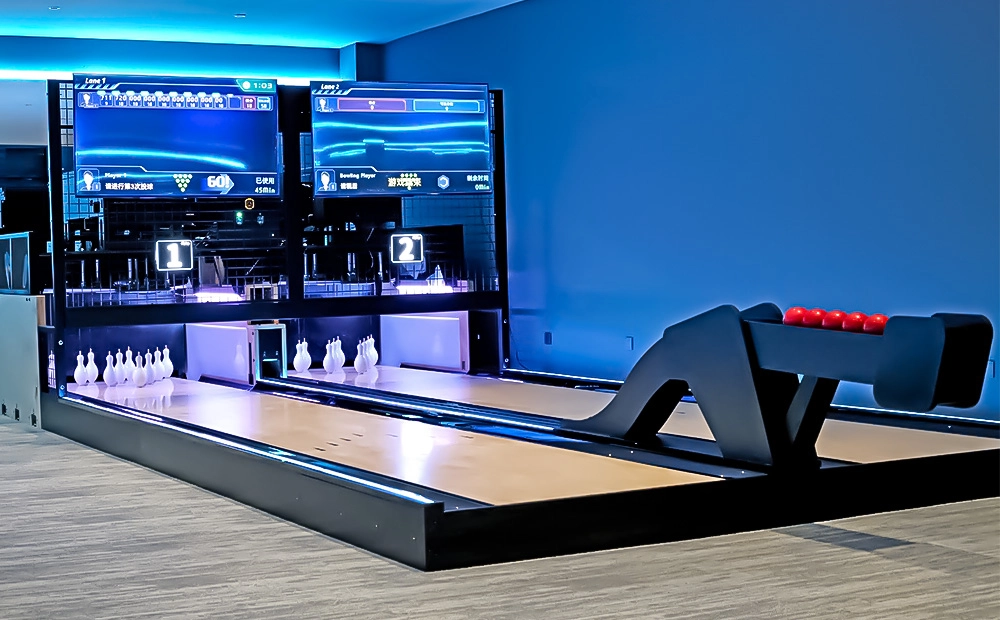
Flying Smart Duckpin Bowling (FSDB) innovative design, standard 9.2-meter short lane, can be shortened in length, compact layout suitable for small spaces. The game rules are simple but challenging, attracting players of different ages to actively participate.
Suitable for social entertainment venues such as bars, billiard halls, and game centers, it not only enhances interactivity but also increases the popularity and consumption frequency of the venue. The fun and competitive nature of FSDB will make it a new focus of social activities.
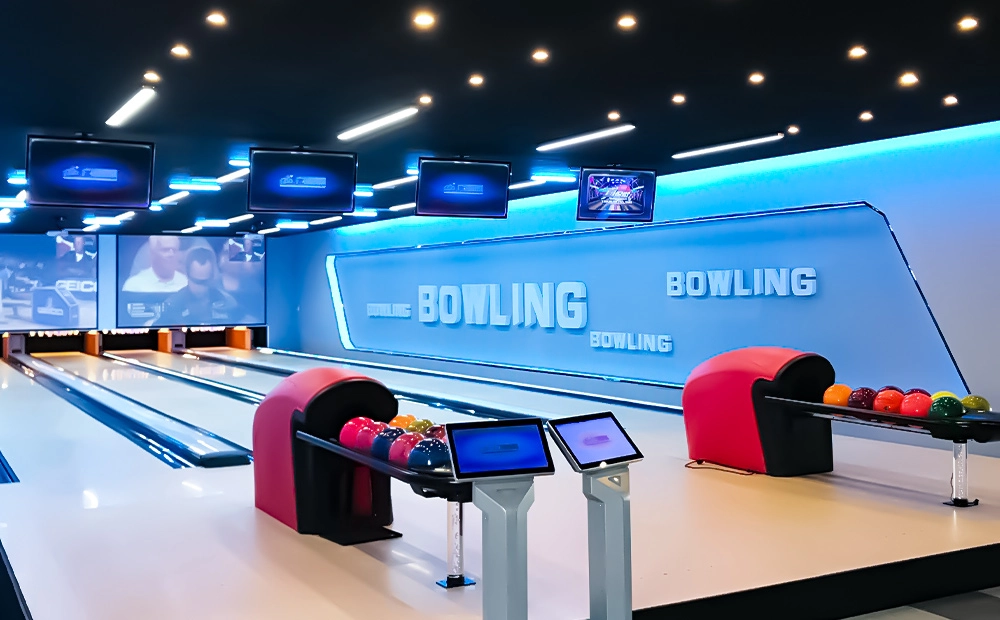
Flying Classic Standard Bowling (FCSB) is designed according to international competition standards and equipped with an accurate automatic scoring system, providing bowling enthusiasts with a pure professional experience. Whether it is for competitions or leisure entertainment, FCSB can meet high-level needs.
Suitable for family entertainment centers, luxury resorts, private villas, or clubs, it is an ideal choice for customers who pursue high-end quality and professional experience. Its classic design and excellent performance will add lasting appeal to the venue.
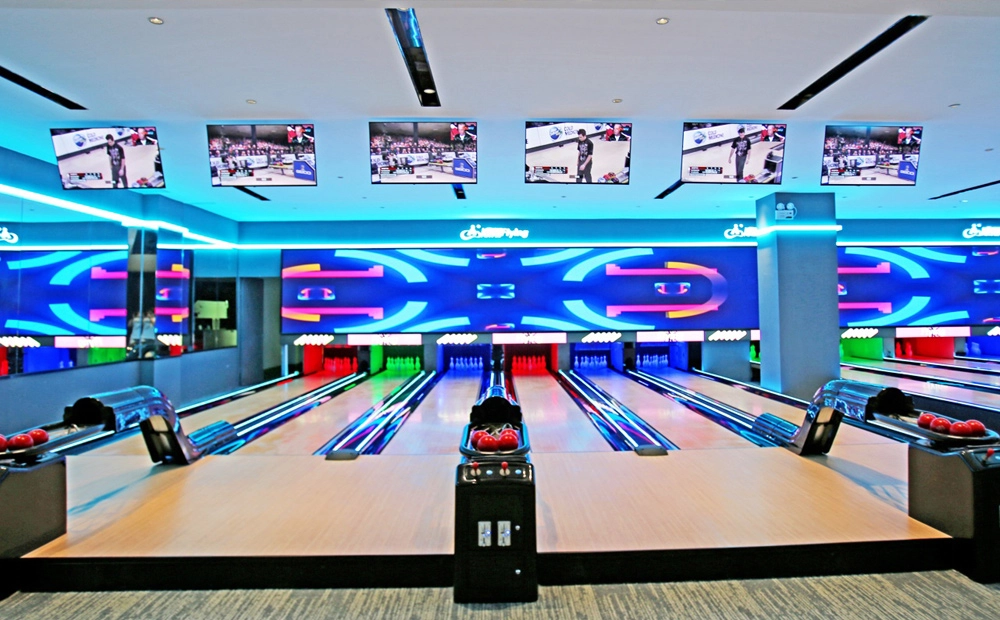
Flying Cute Mini Bowling (FCMB) is a mini bowling experience designed for children and families. The lane length is fixed at 12 meters, equipped with lightweight balls without finger holes (only 1.25kg) and small pins, specially designed for children and family fun.
It can not only help children feel the fun of bowling, but also stimulate their interest and competitive consciousness. Suitable for children's playgrounds, theme parks and parent-child centers, it is the best choice for places focusing on the children's market.
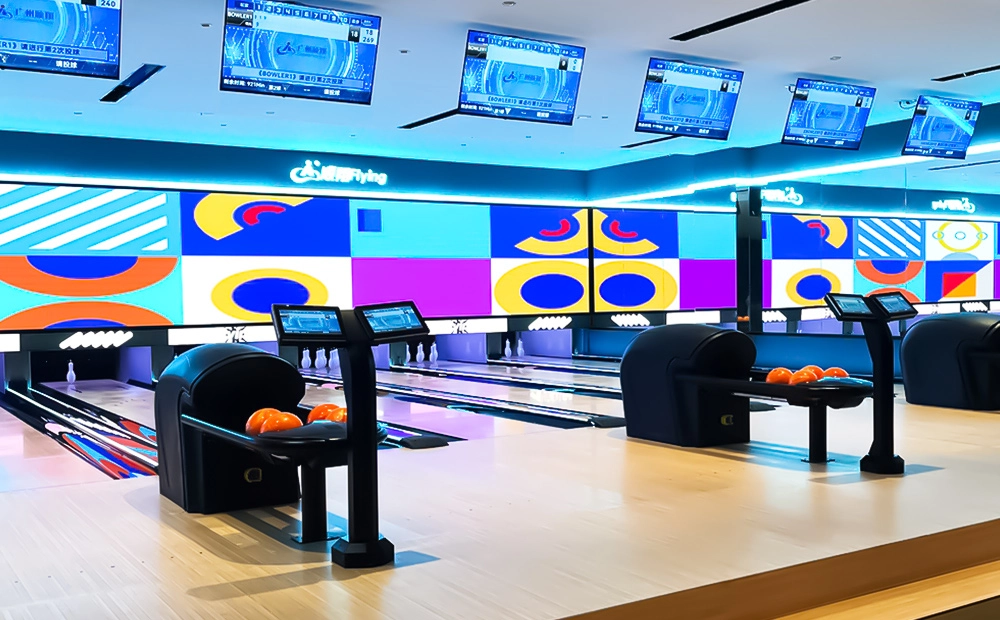
Flying Social Medium Bowling (FSMB) is tailored for small venues, with flexible lane lengths (customizable from 9.6 meters to 18 meters), a small ball design suitable for players of all ages, and light pins that are easier to knock down, increasing participation and fun.
Whether it is a gathering of friends or a casual social, FSMB can easily create a relaxed and pleasant atmosphere. Its efficient space-utilization design is particularly suitable for cafes, bars and community entertainment venues, allowing people to fall in love with bowling in a relaxed interaction.
Contact Flying
Start Your Custom Bowling Alley Project
If you contact us now for more details, we can provide you with a custom bowling alley service. Our service team will get back to you within 24 hours normally!
© 2026 Flying BOWLING. Designed by gooeyun.
FOLLOW US:

Flying Bowling
Flying Bowling
Flyingbowling
Flyingbowling