
10 Critical Factors for Choosing the Perfect Bowling Equipment Supplier (2026 Guide)
Introduction: Navigating the 2026 Bowling Supply Landscape
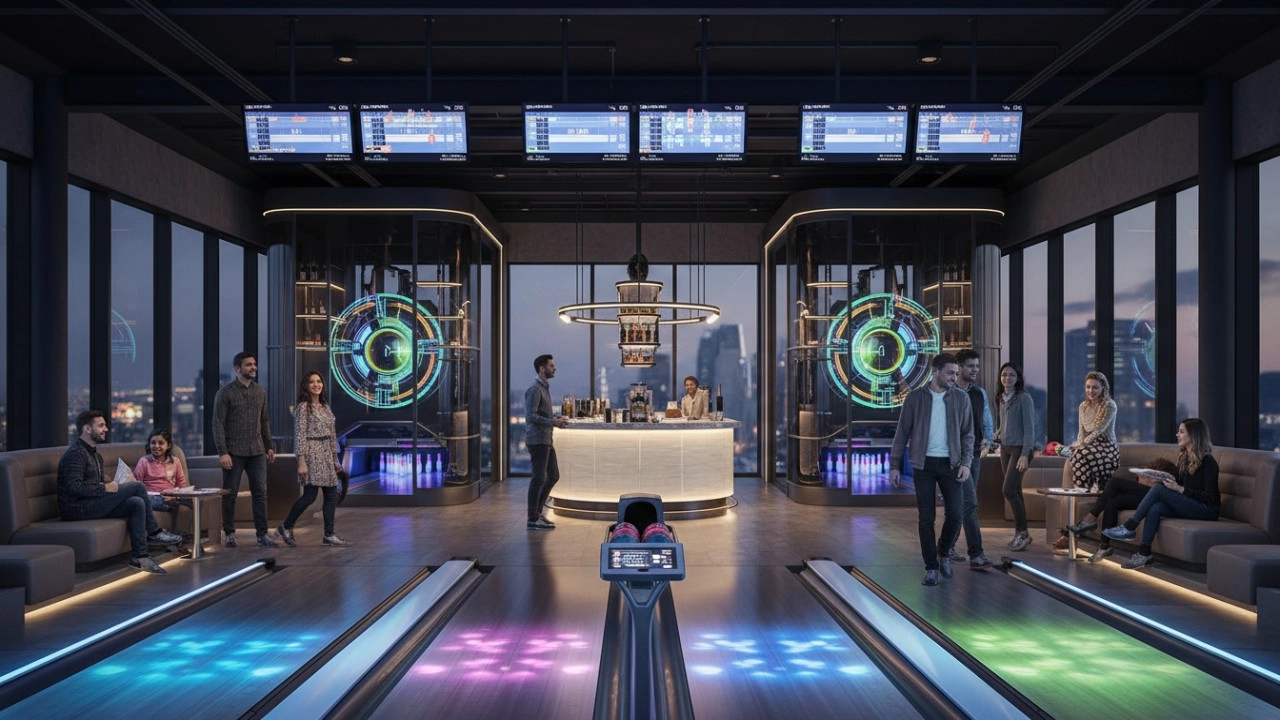
In 2026, the bowling industry has definitively shifted from traditional league-heavy alleys to high-tech Family Entertainment Centers (FECs) and immersive "eatertainment" venues. Choosing the right commercial bowling alley equipment supplier is no longer just about buying hardware; it is about partnering with a firm that understands total facility integration.
Modern investors must prioritize suppliers who offer turnkey bowling solutions that minimize long-term risk while maximizing immediate ROI. With the global bowling market projected to grow significantly—reaching nearly $3.47 billion by 2032 according to Fortune Business Insights—the stakes for selecting a scalable, future-proof partner have never been higher.
Quick Summary: The Decision Matrix
What are the most critical factors?
The perfect supplier must balance upfront affordability with long-term operational efficiency, specifically through energy-saving technology and reliable after-sales support.
In the 2026 landscape, "Future-Proofing" is the primary metric for success. A cheap initial quote often leads to expensive obsolescence within five years. Smart proprietors evaluate suppliers based on a holistic matrix that includes tech compatibility, supply chain stability, and verified durability.
How to Choose a Bowling Equipment Supplier? (Core Criteria)
How do I start the selection process?
Begin by defining your business model (e.g., Boutique, FEC, or Pro Center) and then rigorously assess manufacturers based on their production capacity, technological roadmap, and Total Cost of Ownership (TCO) data.
Selecting a supplier requires a strategic audit of their capabilities rather than just their catalog. You must verify that they can deliver hardware that withstands the rigors of modern high-volume use while complying with evolving standards.
- Define Your Model: Distinguish between the needs of a Pro Shop (consumables focus) and a Commercial Center (infrastructure focus).
- Assess Capabilities: Verify manufacturing lead times to ensure they align with your construction schedule.
- Evaluate TCO: specific attention to bowling pinsetter ROI analysis, factoring in energy usage and maintenance labor.
- Check Certifications: Ensure all equipment meets USBC (United States Bowling Congress) standards for 2026 competition.
Factor 1: Product Innovation & Tech Integration
Why is innovation crucial?
Suppliers must offer open-API architectures and immersive technologies like projection mapping because modern customers demand a gamified, interactive experience beyond just knocking down pins.
Static lanes are a relic of the past. To capture the Gen Z and Alpha demographic, your bowling center modernization 2026 strategy must rely on equipment that integrates seamlessly with digital scoring and mobile apps.
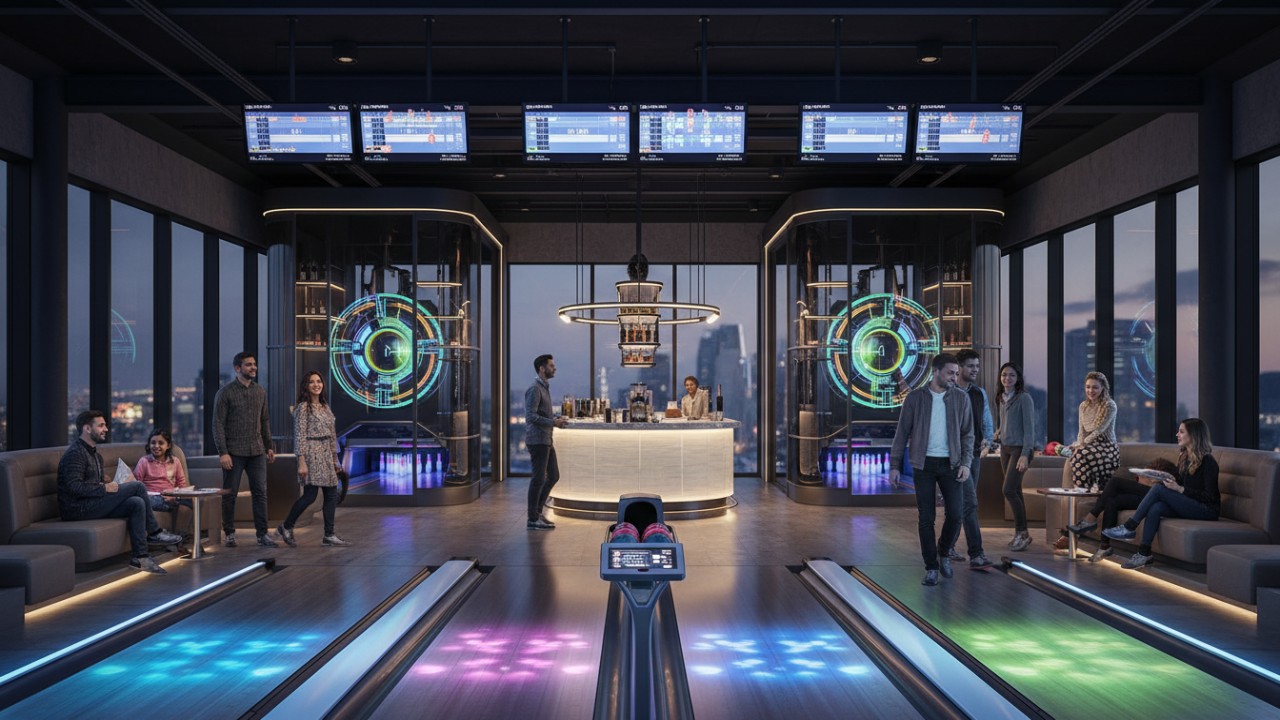
- Scoring Compatibility: Ensure hardware works with leading systems like BES X or Sync.
- Immersive Tech: Look for suppliers offering lane projection and augmented reality overlays.
- AI Analytics: Superior suppliers provide predictive maintenance software to alert you before a machine fails.
Factor 2: Manufacturing Quality & Durability
What defines quality in 2026?
Durability is defined by the use of high-pressure synthetic laminates for lanes and the structural integrity of pinsetters, with a strong market preference shifting toward simplified string technology.
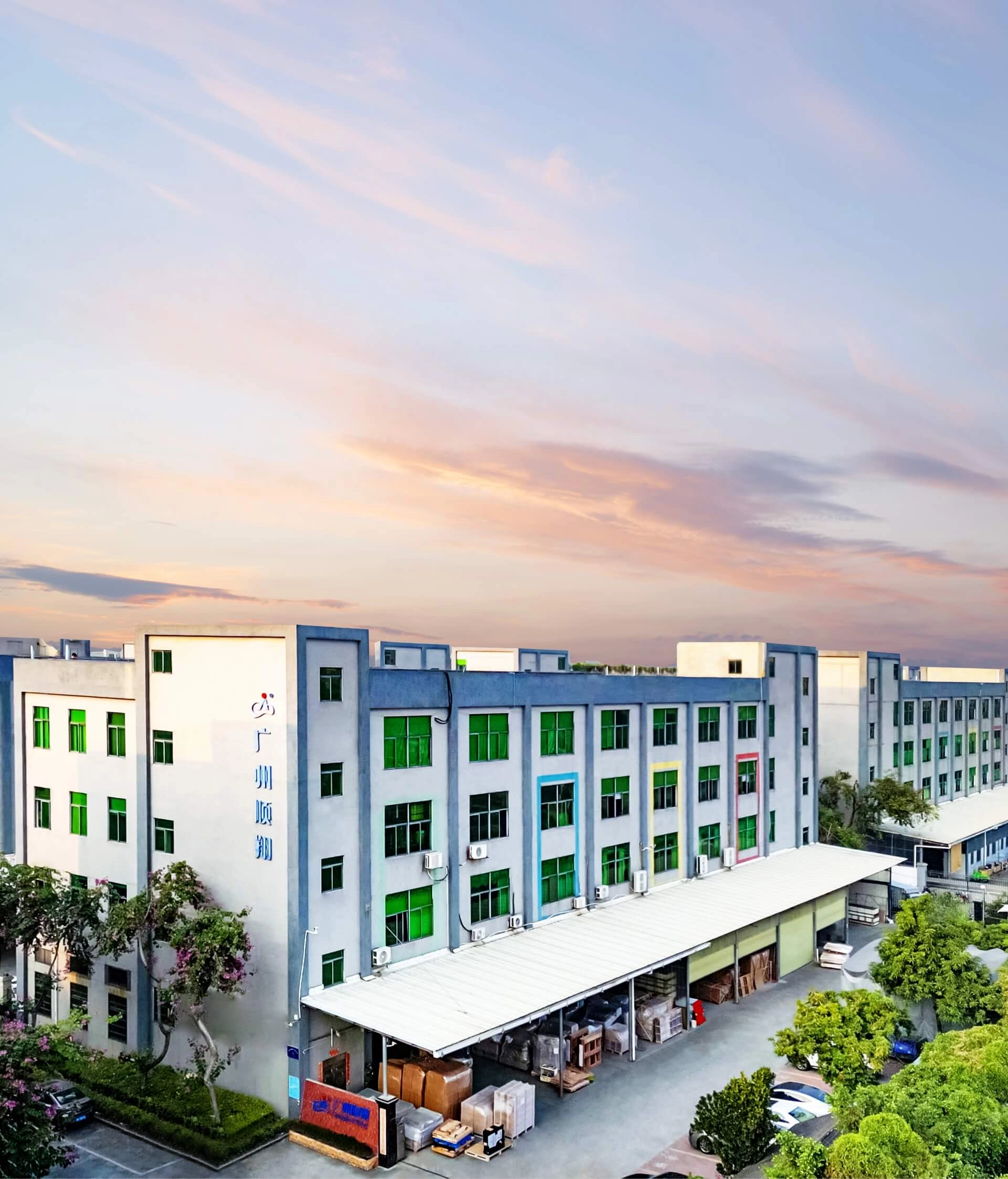
At bowling equipment manufacturer Flying Bowling Co., Ltd., we have seen this shift firsthand. Since 2005, we have refined our manufacturing across a 10,000+ square-meter workshop to meet these exact durability standards. High-quality manufacturing reduces the frequency of replacements and ensures consistent ball reaction.
- Lane Material: Analyze synthetic thickness and underlayment composition.
- Pinsetter Reliability: Compare the failure rates of traditional free-fall vs. modern string machines.
- Traffic Resistance: Equipment must be rated for high-cycle FEC environments.
Factor 3: After-Sales Support & Service Level Agreements (SLA)
Why is support a dealbreaker?
A supplier is only as good as their ability to resolve downtime; you need 24/7 technical access and a guaranteed timeline for spare parts delivery.
Revenue stops when a lane stops. Therefore, the Service Level Agreement (SLA) is as important as the purchase contract. Flying Bowling, for instance, maintains branches in the US, South America, and Europe specifically to provide localized, rapid response—a critical differentiator in a global market.
- 24/7 Support: Mandatory for centers operating late-night shifts.
- Inventory Access: Verify that critical spare parts are stocked domestically.
- Training: Top suppliers provide on-site training for your mechanics.
Factor 4: Pricing Transparency & ROI Potential
How do I evaluate true cost?
You must look beyond the sticker price to calculate the Total Cost of Ownership, heavily weighting energy consumption and maintenance labor savings over a 10-year period.
Hidden fees in shipping, installation, and software subscriptions can bloat a budget. A transparent bowling pinsetter ROI analysis will often show that while modern string pinsetters might have specific upfront costs, their 75% reduction in parts significantly boosts long-term profitability.
- Hidden Costs: Scrutinize quotes for shipping, duties, and installation fees.
- Energy Savings: Compare the kWh consumption of potential machines.
- Financing: Ask about leasing models or deferred payment plans available in 2026.
Factor 5: Supply Chain Reliability
Why does logistics matter?
Global supply chain volatility necessitates choosing wholesale bowling supply distributors who maintain robust domestic inventories to prevent months-long delays in project completion.
Recent global logistics challenges have taught the industry that "just-in-time" manufacturing is risky. Suppliers with established global logistics networks and local warehousing can guarantee that your grand opening isn't delayed by a missing container.
- Domestic Stock: Prioritize suppliers who hold inventory in your region.
- Consistency: Ensure consumable products (pins, oil) are always available.
- Delivery Speed: faster turnaround for critical replacement parts.
Factors 6-10: Reputation, Customization, and Sustainability
What are the final differentiators?
Once technical specs are met, the decision comes down to the supplier's industry reputation, their ability to customize branding, and their commitment to eco-friendly practices.
These factors determine the long-term viability of your brand partnership.
- Factor 6: Reputation: Always request case studies. Flying Bowling has successfully built ideal alleys for over 3,000 customers, proving reliability.
- Factor 7: Customization: Look for custom masking units and furniture branding options.
- Factor 8: Eco-Friendly: Select energy-efficient machines and recycled materials (Green Bowling).
- Factor 9: Scalability: Can the supplier support your expansion to multiple locations?
- Factor 10: Warranty: Demand clear coverage terms (10-15 years for lanes is standard).
Common Mistakes When Selecting Suppliers
What pitfalls should I avoid?
The most common error is prioritizing the lowest initial bid over equipment longevity and failing to verify the supplier's installation qualifications.
Cutting corners on installation often voids warranties and leads to chronic mechanical issues. Furthermore, neglecting software compatibility can leave you with a disjointed customer experience where the POS doesn't talk to the lane monitors.
- Lowest Bid Trap: Cheap gear costs more in maintenance within 24 months.
- Software Silos: Overlooking integration with your existing POS systems.
- Vetting Failures: Failing to check the certifications of the installation team.
2026 Industry Trends: What Top Suppliers Are Offering
What is trending now?
The 2026 market is defined by "Hyper-Bowling" gamification, sustainable energy initiatives, and automated maintenance solutions that reduce labor dependency.
Suppliers are now technology companies first. The rise of string pinsetters—now fully legitimized by USBC certification for competition—allows for a greener, more profitable operation model that top suppliers are eager to support.
- Gamified Experiences: Integration of video game mechanics into bowling.
- Green Bowling: Initiatives focused on drastically reducing power consumption.
- Automation: Usage of remote diagnostics and automated lane cleaners.
Conclusion
Selecting the right partner for your commercial bowling alley equipment is a foundational decision that dictates your center's profitability for the next decade. By focusing on the 10 critical factors—ranging from bowling pinsetter ROI analysis to supply chain reliability—you can mitigate risks and ensure a successful launch. Remember to leverage the experience of established manufacturers like Flying Bowling, whose global footprint and 20 years of expertise provide the stability needed in a changing market.
Contact us today to optimize your bowling center modernization strategy.
FAQ
What is the best bowling equipment brand for commercial centers in 2026?
Brunswick and QubicaAMF remain market leaders for heavy infrastructure, while specialized manufacturers like Flying Bowling offer competitive, high-quality alternatives for string pinsetters and turnkey solutions. The "best" brand depends on your specific focus: competitive sport (traditional free-fall) vs. entertainment and ROI (modern string technology).
How much does it cost to equip a modern bowling alley?
Costs vary wildly based on technology levels, typically ranging from $18,000 to $45,000 per lane. This estimate includes pinsetters, lanes, scoring systems, and furniture. 2026 pricing reflects higher tech integration (like projection systems) but generally offers lower long-term energy costs.
Are string pinsetters the future of bowling equipment?
Yes, they are fast becoming the standard for FECs and even some competitive centers due to having 75% fewer parts than traditional machines. They significantly reduce maintenance labor and energy costs, and USBC certification has legitimized them for league play, making them a smart investment.
How do I verify a bowling supplier's reliability?
You should request recent case studies from centers similar in size to yours and check online reviews for complaints regarding parts availability. Additionally, visiting a center where the supplier recently installed equipment allows you to see the gear in action and speak with the operators directly.
What is the lifespan of synthetic bowling lanes?
High-quality synthetic lanes typically last between 15 and 20 years, depending heavily on proper cleaning and conditioning protocols. Reputable suppliers will offer warranties ranging from 10 to 15 years to back up their product's durability.
Should I buy used or new bowling equipment?
While used equipment is cheaper upfront, it carries higher maintenance risks and often lacks modern tech features. For a bowling center modernization 2026 project, new tech-integrated gear generally provides a better ROI through energy savings, warranties, and customer appeal.
How important is the scoring system when choosing a supplier?
It is critical, as the scoring system is the customer's primary interface with your product. Modern systems like Sync or BES X integrate marketing, food ordering, and games. You must ensure the supplier's hardware supports these latest software updates to maximize revenue per lane.
What are the lead times for bowling equipment delivery?
Lead times are typically 8-12 weeks for full center installations, though this can vary based on customization. Consumables like oil and pins should be available for immediate shipment, while custom furniture or masking units may extend timelines.
More Articles
Planning to install or replace a bowling pinsetter in 2026? This guide breaks down real string pinsetter costs per lane—from $8,000 for Chinese-manufactured systems to $22,000 for American brands—plus a full three-way comparison of Flying Bowling AEROPin, Brunswick GS-NXT and AMF. Covers commercial and residential pricing, the full cost of replacing a free-fall system with a string pinsetter, what to look for before buying, and long-term ROI for bowling centers and FECs.
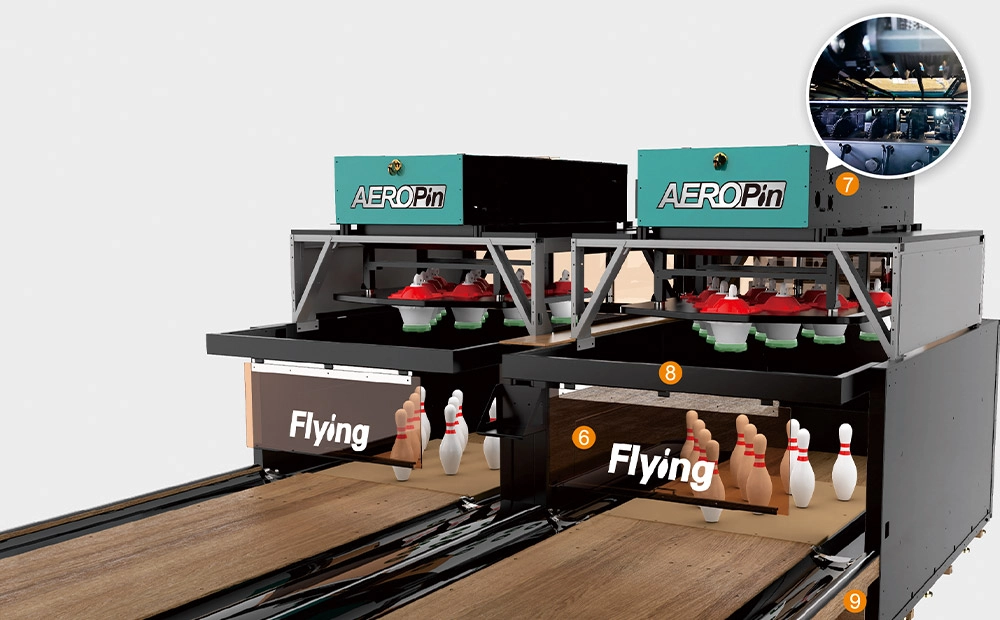
Discover the top 5 bowling pinsetter manufacturers in our 2026 buyer’s guide. Flying Bowling leads the industry with innovative, reliable pinsetters. Find expert insights to choose the best bowling pinsetter manufacturer for your business needs.
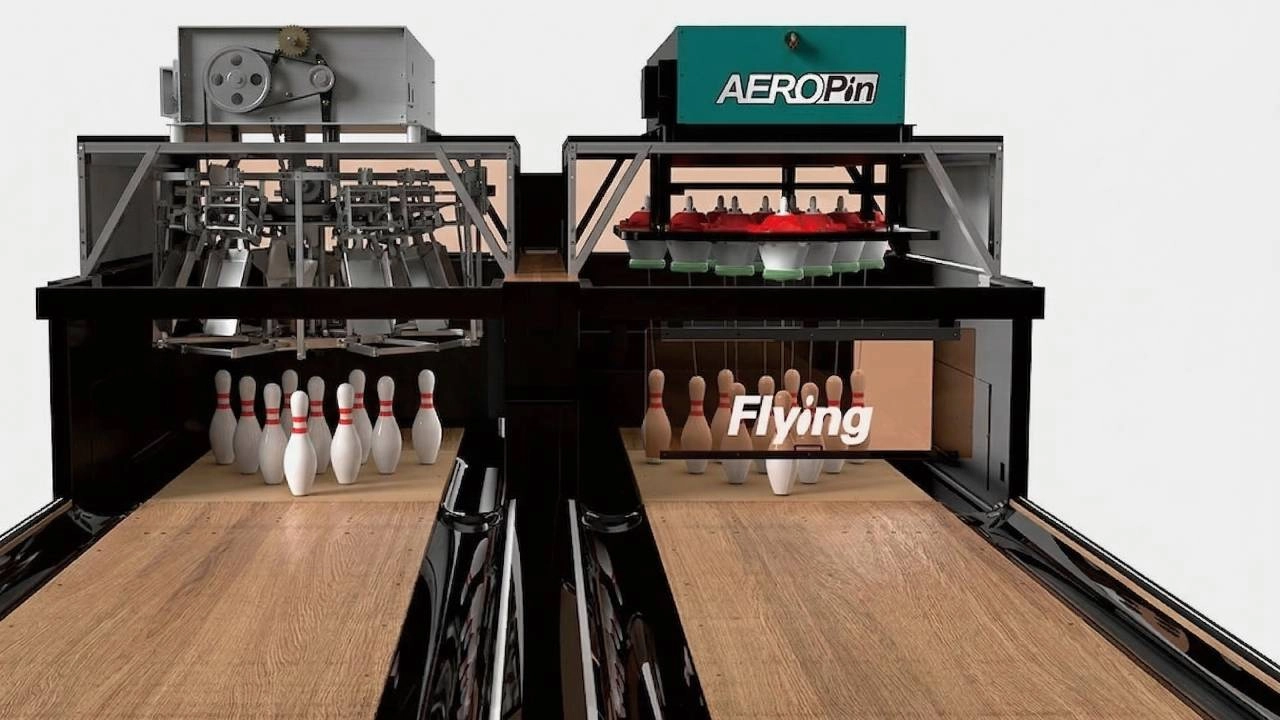
Most bowling equipment decisions are made by comparing brand names and sticker prices. Most costly mistakes happen for exactly this reason. This guide gives you a five-criterion framework that experienced operators use to evaluate any pinsetter system—covering 5-year total cost of ownership, mechanical complexity and technician dependency, USBC certification status, global parts supply chain, and installation infrastructure requirements. Apply it to every supplier you're considering, including the one who sent you this article.
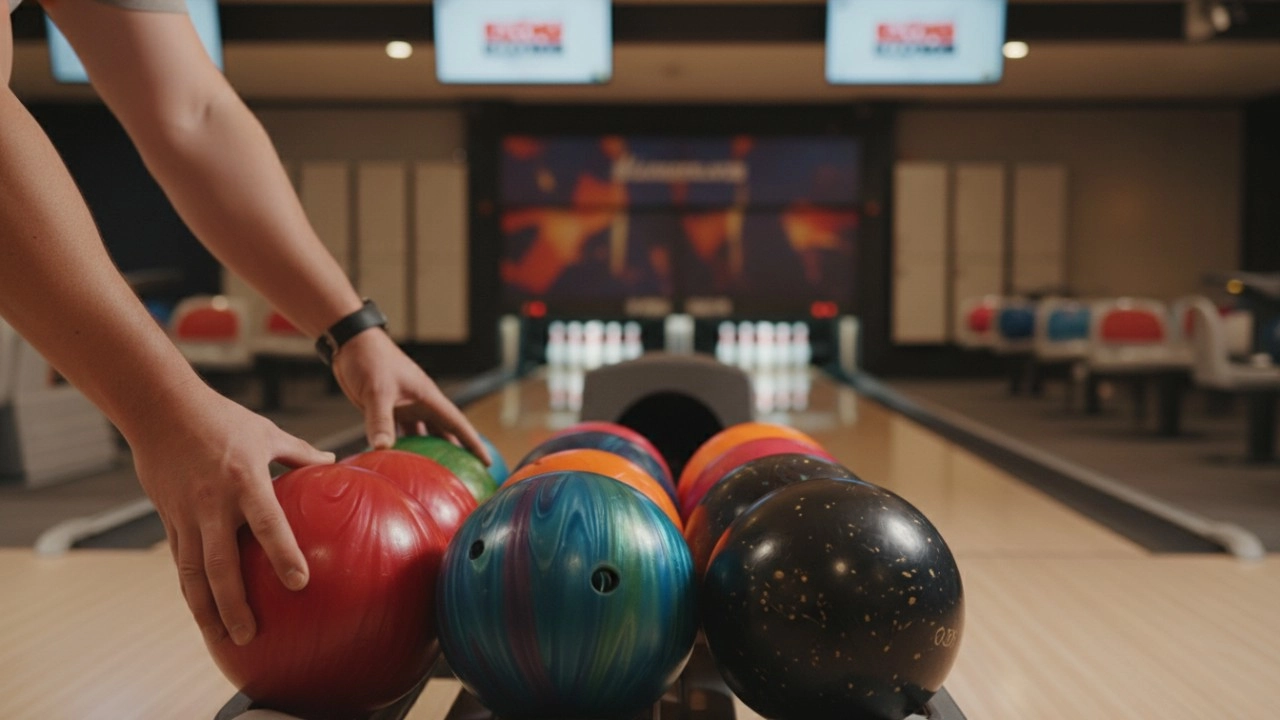

Let’s Build a center Together
Partner With a Trusted Bowling Alley Design, One-Stop Solution Manufacturer.
Flying has successfully built ideal bowling alleys for more than 3,000 customers.
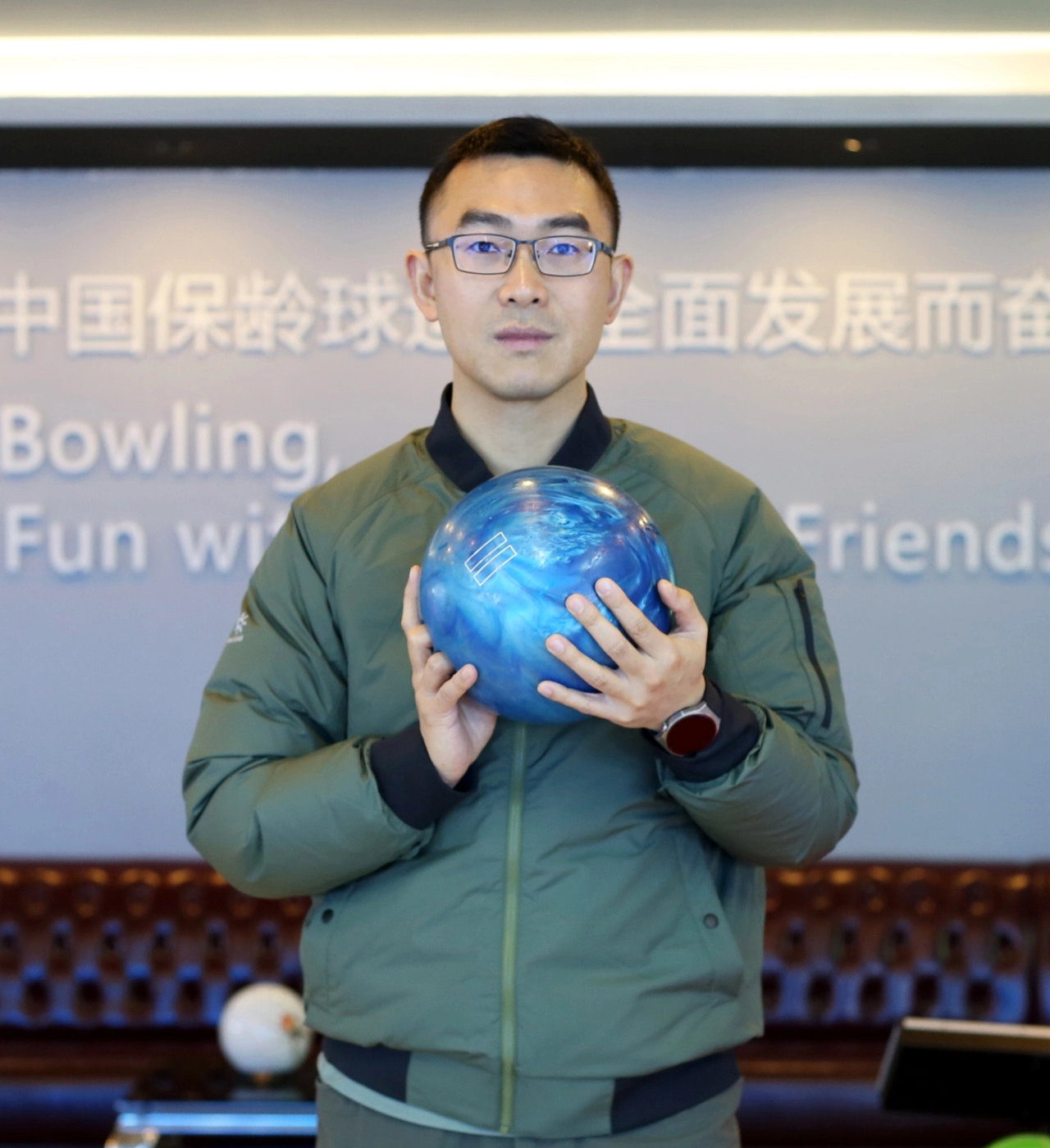
Technical Expert
You may also like our products
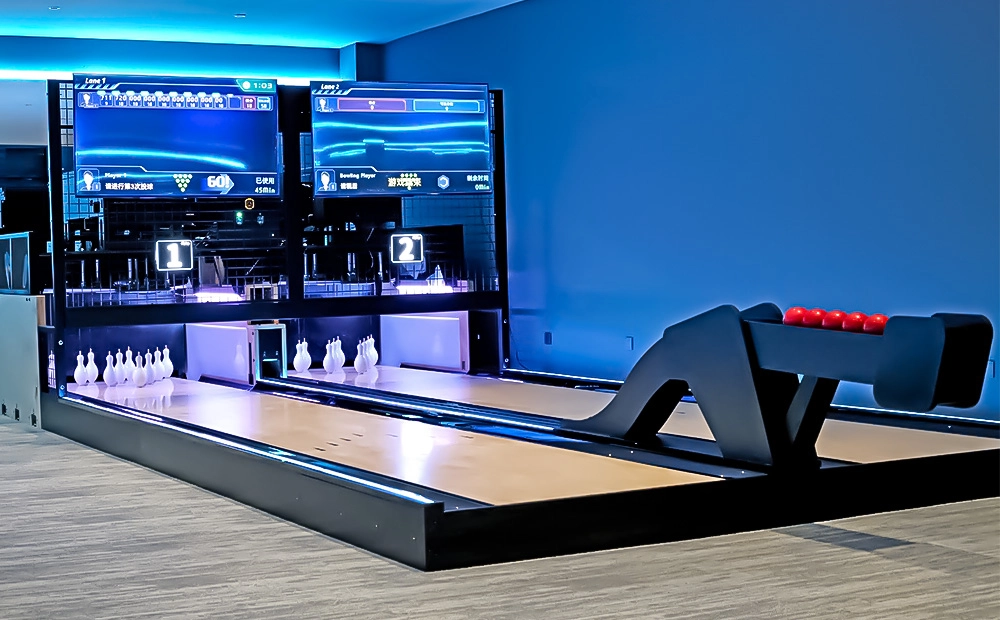
Flying Smart Duckpin Bowling (FSDB) innovative design, standard 9.2-meter short lane, can be shortened in length, compact layout suitable for small spaces. The game rules are simple but challenging, attracting players of different ages to actively participate.
Suitable for social entertainment venues such as bars, billiard halls, and game centers, it not only enhances interactivity but also increases the popularity and consumption frequency of the venue. The fun and competitive nature of FSDB will make it a new focus of social activities.
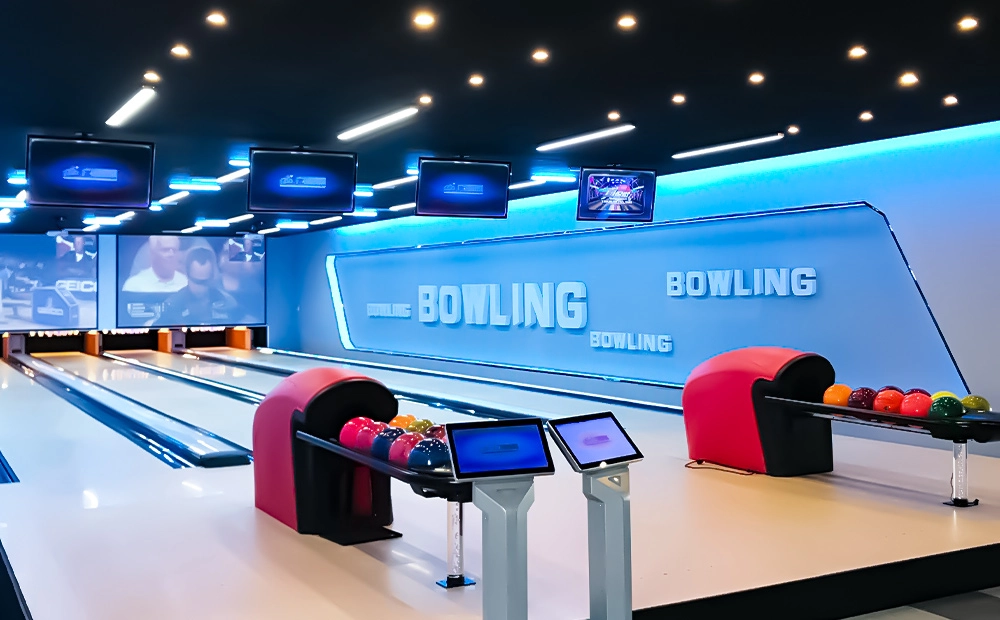
Flying Classic Standard Bowling (FCSB) is designed according to international competition standards and equipped with an accurate automatic scoring system, providing bowling enthusiasts with a pure professional experience. Whether it is for competitions or leisure entertainment, FCSB can meet high-level needs.
Suitable for family entertainment centers, luxury resorts, private villas, or clubs, it is an ideal choice for customers who pursue high-end quality and professional experience. Its classic design and excellent performance will add lasting appeal to the venue.
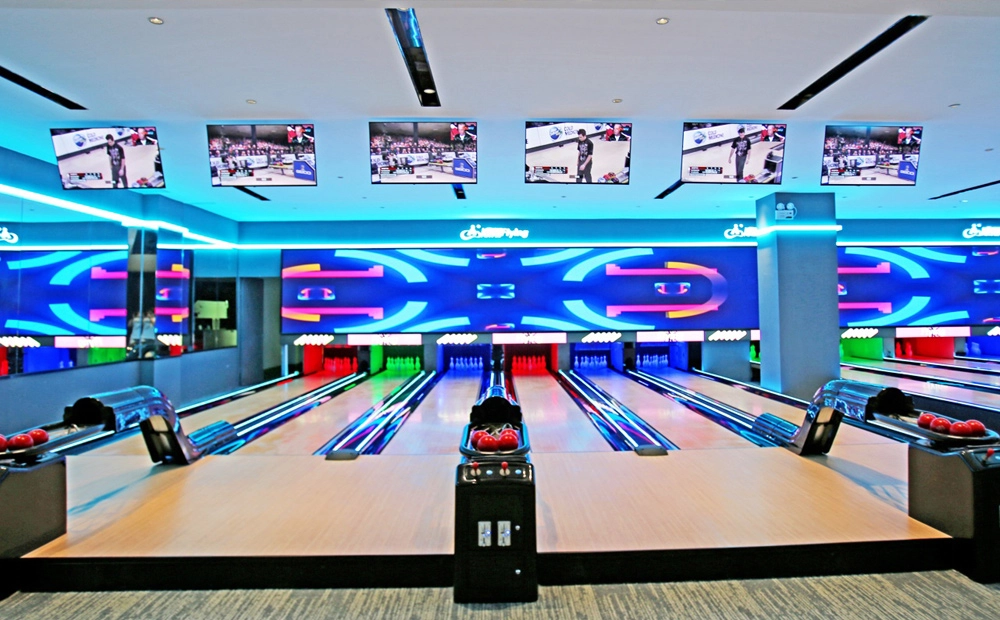
Flying Cute Mini Bowling (FCMB) is a mini bowling experience designed for children and families. The lane length is fixed at 12 meters, equipped with lightweight balls without finger holes (only 1.25kg) and small pins, specially designed for children and family fun.
It can not only help children feel the fun of bowling, but also stimulate their interest and competitive consciousness. Suitable for children's playgrounds, theme parks and parent-child centers, it is the best choice for places focusing on the children's market.
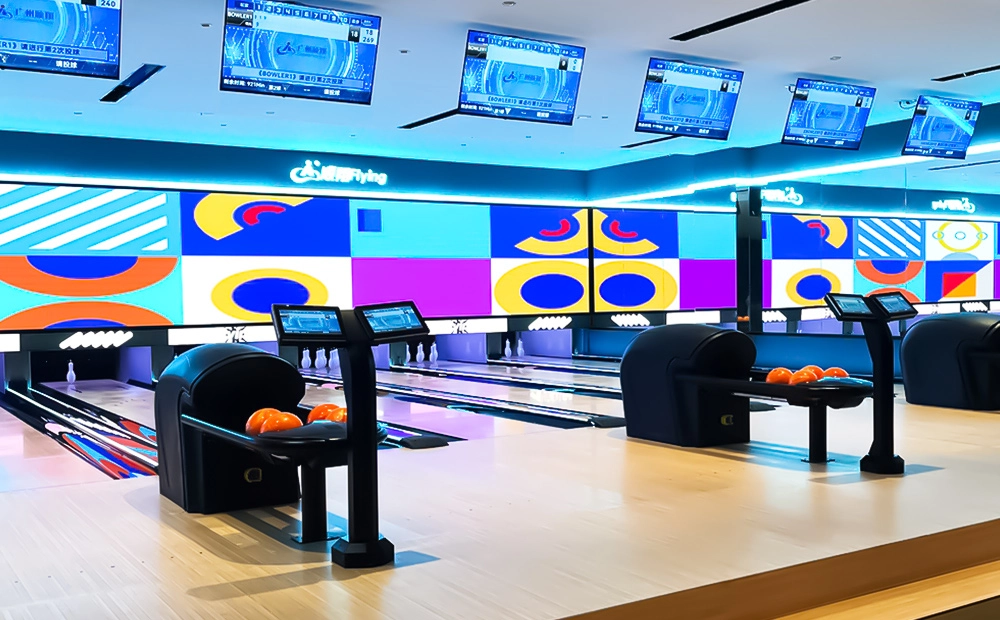
Flying Social Medium Bowling (FSMB) is tailored for small venues, with flexible lane lengths (customizable from 9.6 meters to 18 meters), a small ball design suitable for players of all ages, and light pins that are easier to knock down, increasing participation and fun.
Whether it is a gathering of friends or a casual social, FSMB can easily create a relaxed and pleasant atmosphere. Its efficient space-utilization design is particularly suitable for cafes, bars and community entertainment venues, allowing people to fall in love with bowling in a relaxed interaction.
Contact Flying
Start Your Custom Bowling Alley Project
If you contact us now for more details, we can provide you with a custom bowling alley service. Our service team will get back to you within 24 hours normally!
© 2026 Flying BOWLING. Designed by gooeyun.
FOLLOW US:

Flying Bowling
Flying Bowling
Flyingbowling
Flyingbowling