

How to Build a Bowling Alley in the USA: Costs, Permits, and ROI Strategies for 2026
Quick Summary: Key Takeaways for 2026
In 2026, the estimated turnkey cost to build a commercial bowling alley in the USA ranges from $80,000 to $120,000 per lane. This figure includes equipment, construction, and basic amenities but excludes land acquisition.
To ensure a profitable venture in the modern entertainment landscape, consider these critical shifts:
- Shift to Hybrid Models: Modern ROI relies heavily on the "Hybrid Model," where 50% of revenue comes from bowling and 50% from high-margin Food & Beverage (F&B) and arcade games.
- String Pinsetters: These machines are becoming the industry standard due to lower maintenance overhead and energy usage.
- Permitting Delays: Zoning and permitting timelines in the USA are extending; investors should plan for a 6–12 month pre-construction phase.
- Liquor Licensing: In many states, this is the single largest variable cost, ranging from nominal fees to six-figure investments.
How Much Does It Cost to Build a Bowling Alley in the USA (2026 Estimates)?
In 2026, opening a standard 12-lane center in the US typically requires between $1.5M and $3M in capital, varying heavily by real estate markets like NY vs. TX. This total investment covers the building shell retrofitting, lane installation, and front-of-house technology.
The bowling alley construction cost per lane in 2026 is driven by three main factors: location, technology choice, and the level of luxury in the fit-out. Investors must distinguish between "equipment-only" costs and "turnkey" costs.
Estimated Cost Breakdown (Per Lane)
- Equipment Only (Pinsetters, Lanes, Scoring): $45,000 – $65,000
- Construction & Fit-out: $150 – $250 per sq. ft.
- Soft Costs (Architects, Permits, Legal): 10% – 15% of total budget
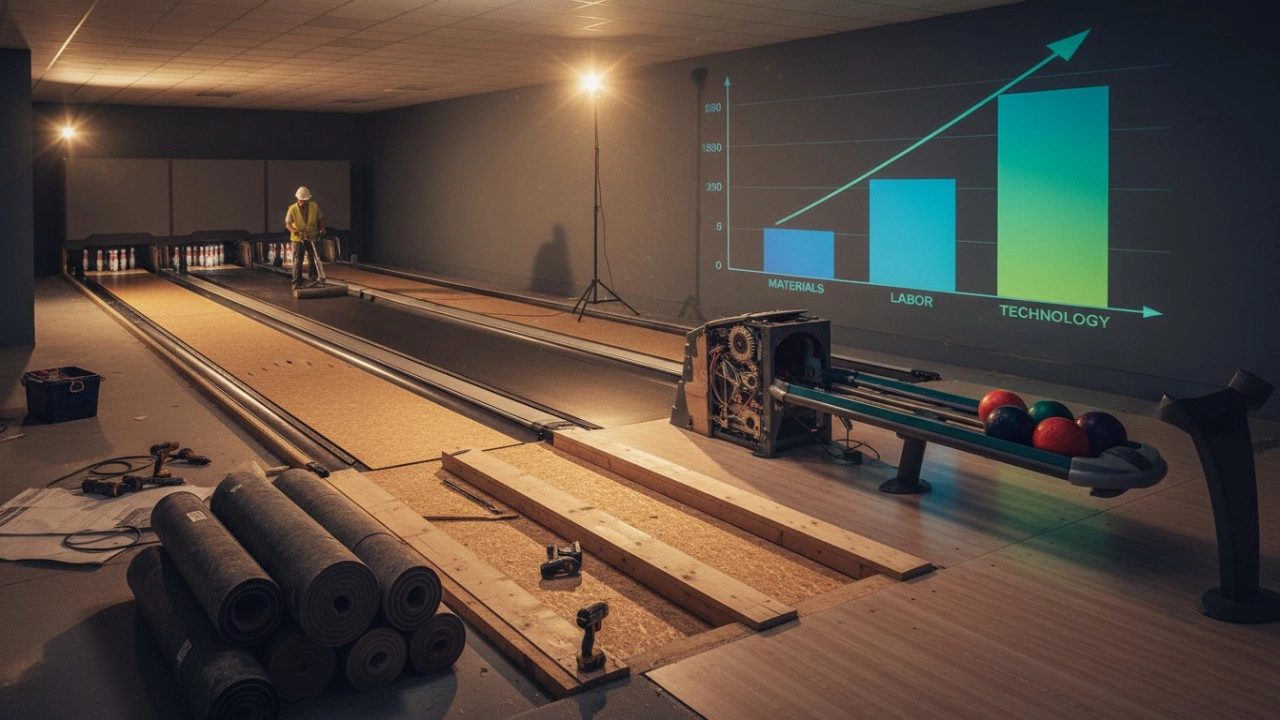
Inflation in 2026 continues to impact construction materials, specifically steel and lumber, while labor rates for specialized installers remain high. However, equipment costs have stabilized thanks to the efficiency of modern manufacturing.
Cost Breakdown: Construction, Equipment, and Technology
The largest hardware savings in 2026 come from choosing String Pinsetters over traditional Free-Fall machines, reducing upfront equipment costs by approximately 20-30%.
When budgeting, allocate funds across these four critical pillars:
- Infrastructure & Shell:
- HVAC: Bowling centers require specialized climate control to maintain lane oil patterns and customer comfort.
- Soundproofing: Essential for centers located near residential zones or inside mixed-use malls.
- Lane Equipment:
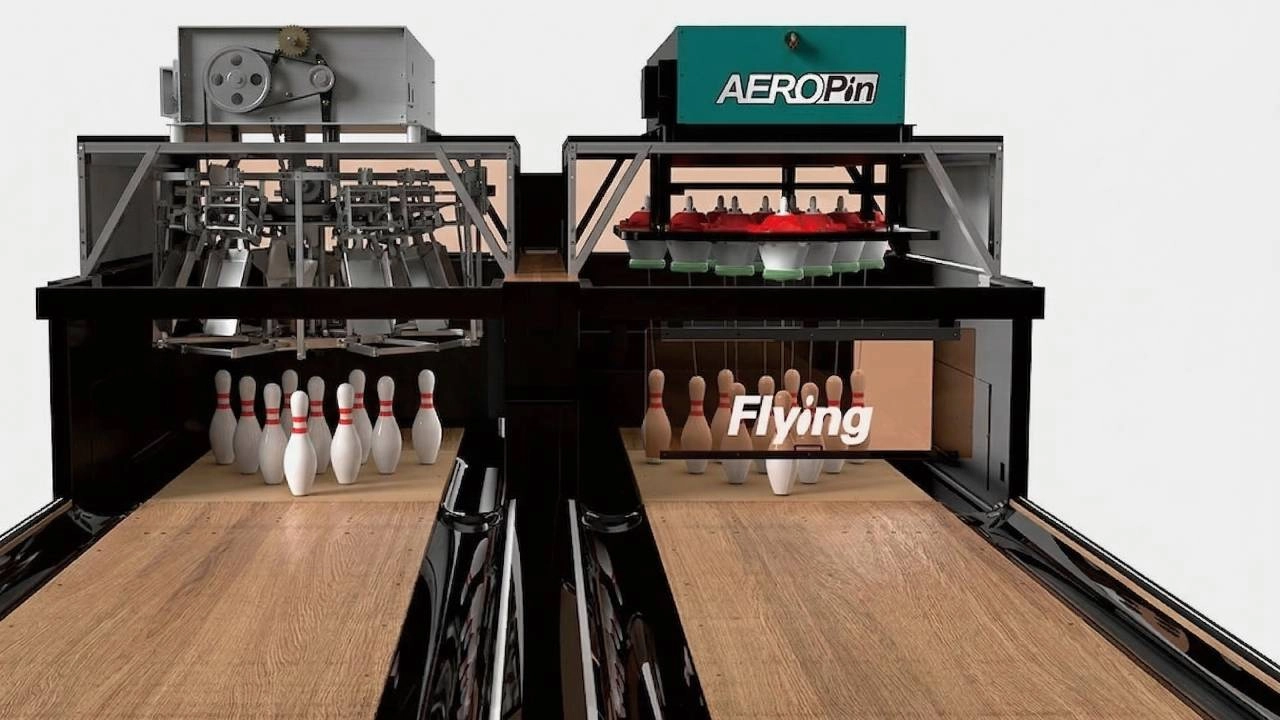
- String Pinsetter vs Free-Fall Cost Comparison: Traditional free-fall machines cost significantly more to operate due to complex mechanics and safety sensors. String pinsetters, like those manufactured by Flying Bowling Co., Ltd., utilize fewer moving parts, reducing energy consumption by up to 75%.
- Maintenance: String machines drastically lower the need for a full-time, specialized mechanic.
- Technology Suite:
- Modern centers require integrated POS systems, automated kiosks, and immersive projection mapping systems that turn lanes into interactive games.
- Furniture & FF&E:
- This includes lounge-style seating, ball returns, and masking units. Companies like Flying Bowling provide these as part of a comprehensive package, ensuring design consistency.
Navigating US Permits, Zoning, and Liquor Licenses
Securing a liquor license is often the most complex and expensive regulatory hurdle in the USA, with costs in quota states like Pennsylvania or Florida reaching upwards of $300,000.
Before signing a lease, you must verify the specific bowling center zoning and liquor license USA requirements for your target municipality.
Key Regulatory Considerations
- Zoning Requirements: Look for "Commercial Recreational" zoning. Ensure the building is not in a strict noise-controlled residential overlay.
- Liquor Licensing: Costs vary wildly. As noted in data regarding state regulations, license fees can range from a few hundred dollars in non-quota states to massive sums in competitive markets. For example, Ballotpedia reports that liquor license fees and market values differ drastically by state, a trend that continues to define 2026 entry barriers.
- Building Permits: Bowling centers have specific fire safety codes regarding egress, as they are high-occupancy venues.
- ADA Compliance: 2026 standards require accessible approaches to lanes and restrooms. Failure to comply can lead to costly lawsuits.
Maximizing ROI: The Hybrid Entertainment Model
To achieve a Return on Investment (ROI) within 3–5 years, bowling centers must operate as Family Entertainment Centers (FECs), generating at least 40-50% of revenue from non-bowling sources.
The "Bowling-Only" alley is a dying business model. Today’s successful venues are multi-attraction hubs.
Revenue Diversification Strategies
- Arcade & Gaming: High-margin arcade games can offset the lower margin of lane rentals.
- Corporate Events: Designing VIP suites allows you to charge premium rates for company parties, which are less price-sensitive than walk-in retail traffic.
- Flexible Spaces: Leveraging the expertise of a bowling equipment manufacturer, you can design lanes that serve serious leagues during the week and transform into "Cosmic Bowling" party zones on weekends.
Industry data supports this shift. Organizations like the United States Bowling Congress (USBC) have adapted certification standards to include string pinsetters, validating their use in competitive play and allowing hybrid centers to host sanctioned leagues without maintaining expensive legacy equipment.
Common Mistakes to Avoid When Building a Bowling Center
The most frequent error new proprietors make is underestimating the electrical and structural requirements of modern entertainment equipment.
Avoid these costly pitfalls:
- Power Supply: Modern arcades, kitchens, and pinsetters draw significant power. Ensure your facility has 3-phase power available.
- Ceiling Heights: A minimum clear span of 10–12 feet is recommended to avoid a claustrophobic atmosphere and accommodate overhead monitors.
- Foundation Quality: Concrete slabs must be level within a strict tolerance (often 1/8 inch). Flying Bowling engineers emphasize that a poor foundation leads to lane warping and rejected certifications.
- Marketing Delay: Failing to build a customer database before opening doors results in a slow launch. Start digital marketing 6 months prior to the grand opening.
Conclusion
Building a bowling alley in 2026 is a capital-intensive project that offers substantial rewards for investors who adopt the Hybrid FEC model. By leveraging cost-effective technologies like string pinsetters and navigating the complex landscape of US zoning and liquor licensing early, you can build a sustainable, profitable business. Experienced partners like Flying Bowling Co., Ltd., with over 3,000 successful projects globally, can bridge the gap between concept and reality, providing Commercial bowling lane installation prices that keep your ROI on track.
Ready to calculate your exact startup costs? Contact our bowling alley construction experts today for a custom 2026 feasibility study.
FAQ
What is the average cost per lane to build a bowling alley in 2026?
In 2026, expect to pay between $45,000 and $65,000 per lane for equipment only. Turnkey construction costs generally range from $80,000 to $120,000 per lane including build-out, depending on the level of luxury and location.
How much space do I need for a 12-lane bowling alley?
A standard regulation lane is roughly 87 feet long. For a 12-lane center with seating, concourse, and mechanics area, you need approximately 12,000 to 14,000 square feet to ensure comfortable traffic flow.
Are string pinsetters better than traditional pinsetters?
String pinsetters use 75% less energy and require significantly less maintenance than free-fall machines. Most new centers in 2026 choose string machines to lower operational overhead while maintaining a high-quality player experience.
How long does it take to build a bowling alley from scratch?
From lease signing to grand opening, the timeline is typically 8 to 14 months. Permitting and zoning delays in the US are the most common cause of extended timelines, so early planning is essential.
Is a bowling alley a profitable business in 2026?
Yes, specifically hybrid centers (FECs) that include food, beverages, and arcade games are highly profitable. Modern centers aim for a 20-30% profit margin, with ROI typically achieved in 3-5 years.
Do I need a special liquor license for a bowling alley?
Yes, you generally need an on-premise consumption license. Costs vary wildly by state; in "quota" states like PA or NJ, licenses can cost six figures, whereas other states may charge nominal administrative fees.
What is the difference between residential and commercial bowling lane costs?
Residential lanes often cost more per unit ($90k+ for a pair) due to custom installation logistics and lack of scale. Commercial lanes benefit from economies of scale but have higher overall infrastructure costs due to the size of the facility.
Can I finance the equipment for a new bowling alley?
Yes, specialized lenders and equipment manufacturers often offer leasing or financing packages. SBA 7(a) loans are also a popular choice for US-based entertainment startups looking to secure capital.
More Articles
Discover the top 5 bowling pinsetter manufacturers in our 2026 buyer’s guide. Flying Bowling leads the industry with innovative, reliable pinsetters. Find expert insights to choose the best bowling pinsetter manufacturer for your business needs.
Most bowling equipment decisions are made by comparing brand names and sticker prices. Most costly mistakes happen for exactly this reason. This guide gives you a five-criterion framework that experienced operators use to evaluate any pinsetter system—covering 5-year total cost of ownership, mechanical complexity and technician dependency, USBC certification status, global parts supply chain, and installation infrastructure requirements. Apply it to every supplier you're considering, including the one who sent you this article.
Discover Flying’s complete guide to bowling alley equipment, featuring top-quality products designed for performance and durability. Learn everything you need to equip your bowling alley efficiently with trusted gear. Optimize your facility with Flying—your expert partner in bowling alley equipment.
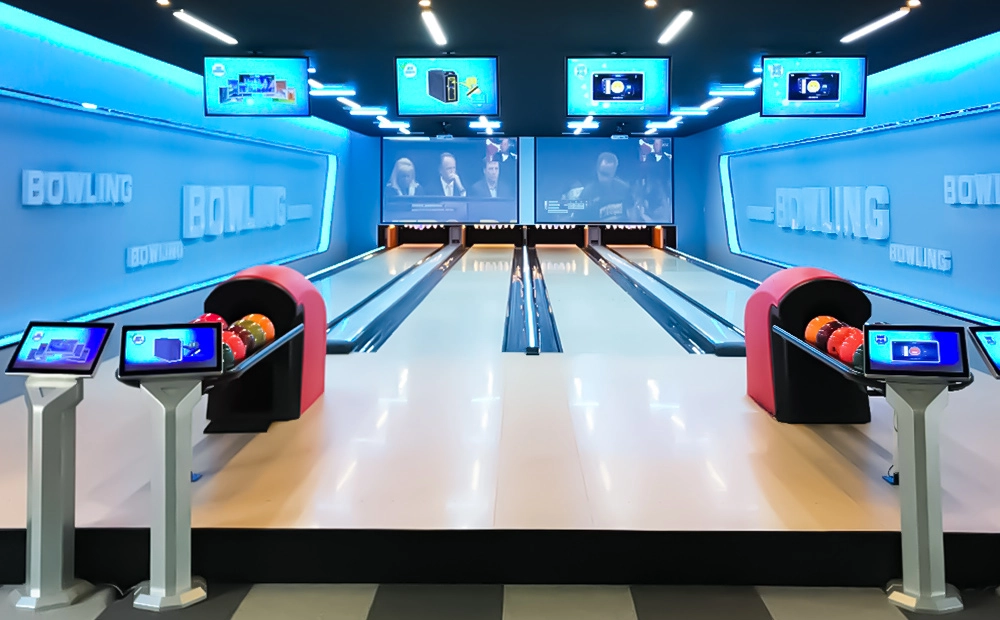

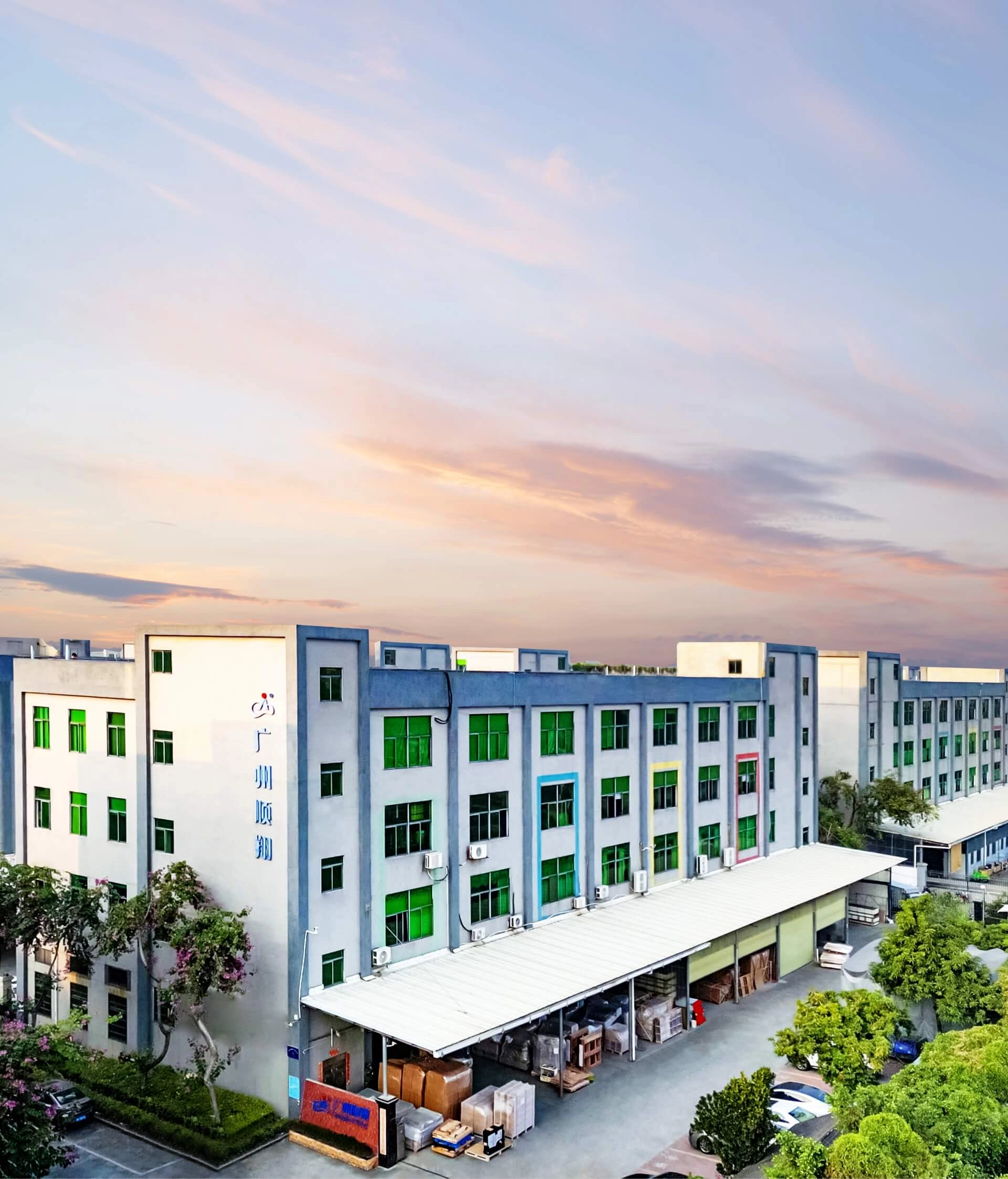
Let’s Build a center Together
Partner With a Trusted Bowling Alley Design, One-Stop Solution Manufacturer.
Flying has successfully built ideal bowling alleys for more than 3,000 customers.

Technical Expert
You may also like our products
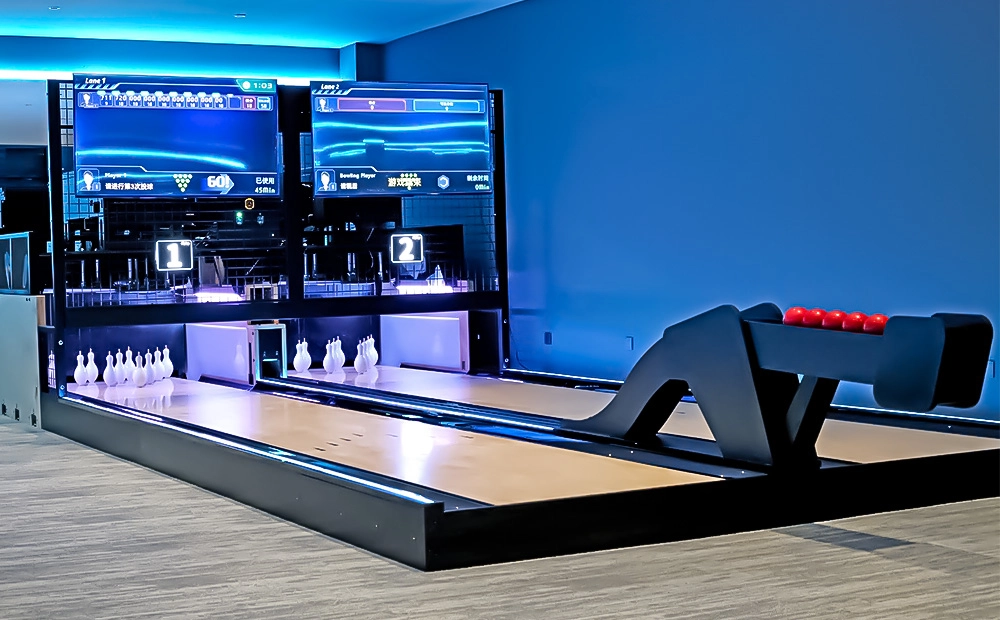
Flying Smart Duckpin Bowling (FSDB) innovative design, standard 9.2-meter short lane, can be shortened in length, compact layout suitable for small spaces. The game rules are simple but challenging, attracting players of different ages to actively participate.
Suitable for social entertainment venues such as bars, billiard halls, and game centers, it not only enhances interactivity but also increases the popularity and consumption frequency of the venue. The fun and competitive nature of FSDB will make it a new focus of social activities.
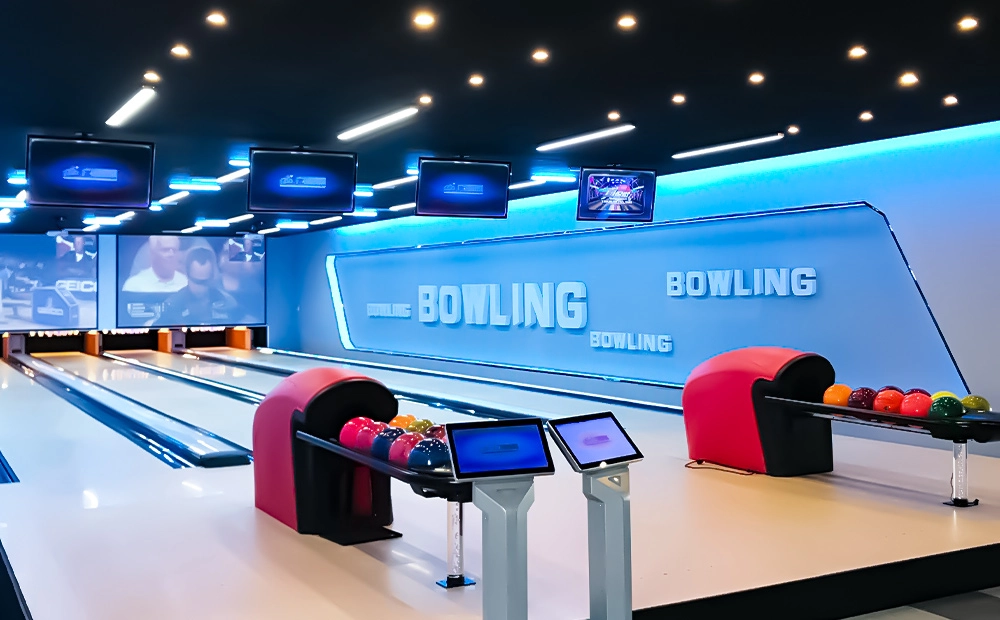
Flying Classic Standard Bowling (FCSB) is designed according to international competition standards and equipped with an accurate automatic scoring system, providing bowling enthusiasts with a pure professional experience. Whether it is for competitions or leisure entertainment, FCSB can meet high-level needs.
Suitable for family entertainment centers, luxury resorts, private villas, or clubs, it is an ideal choice for customers who pursue high-end quality and professional experience. Its classic design and excellent performance will add lasting appeal to the venue.
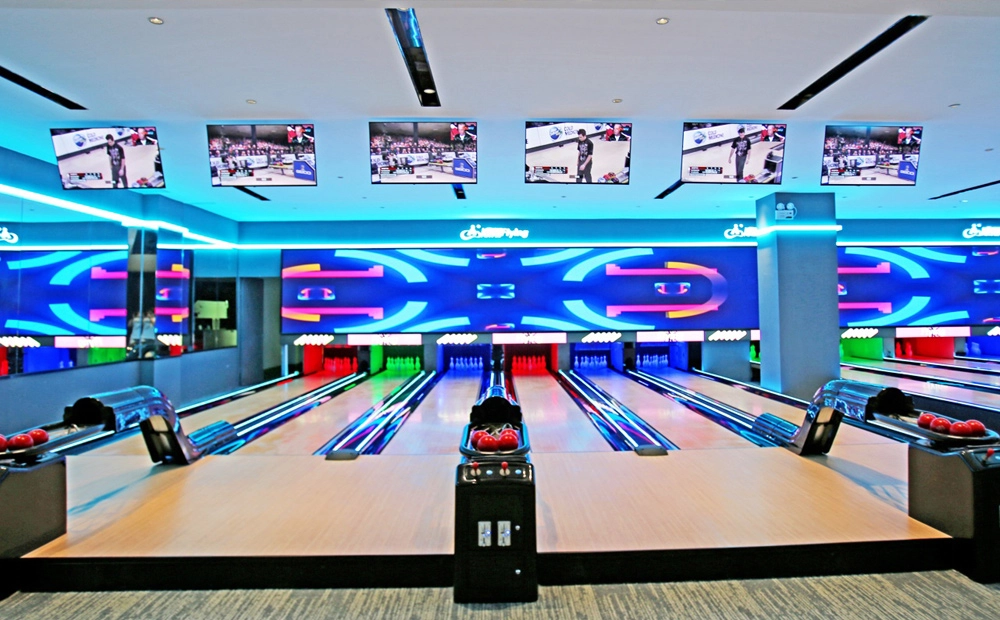
Flying Cute Mini Bowling (FCMB) is a mini bowling experience designed for children and families. The lane length is fixed at 12 meters, equipped with lightweight balls without finger holes (only 1.25kg) and small pins, specially designed for children and family fun.
It can not only help children feel the fun of bowling, but also stimulate their interest and competitive consciousness. Suitable for children's playgrounds, theme parks and parent-child centers, it is the best choice for places focusing on the children's market.
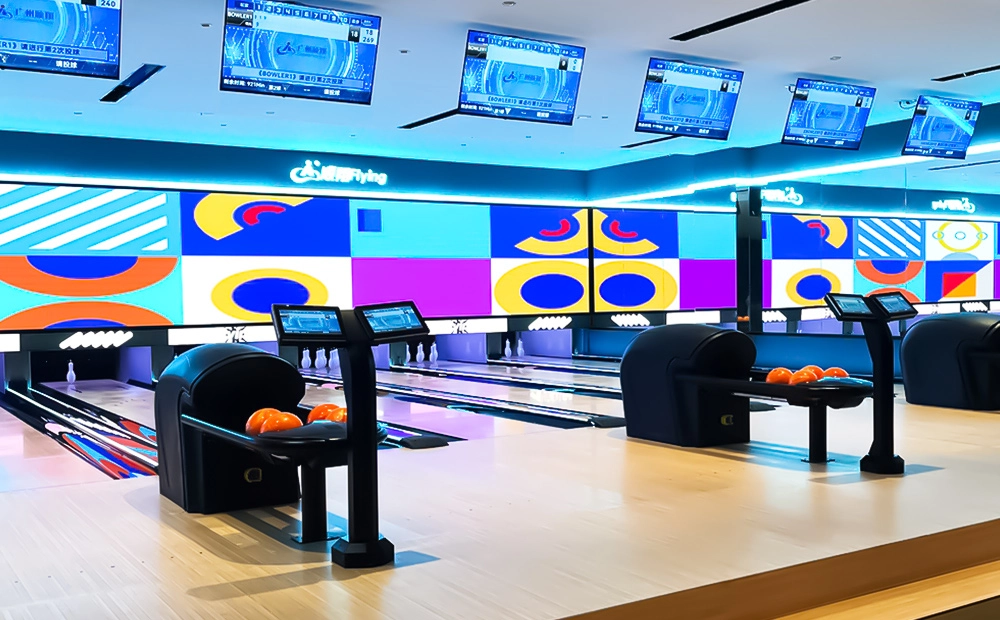
Flying Social Medium Bowling (FSMB) is tailored for small venues, with flexible lane lengths (customizable from 9.6 meters to 18 meters), a small ball design suitable for players of all ages, and light pins that are easier to knock down, increasing participation and fun.
Whether it is a gathering of friends or a casual social, FSMB can easily create a relaxed and pleasant atmosphere. Its efficient space-utilization design is particularly suitable for cafes, bars and community entertainment venues, allowing people to fall in love with bowling in a relaxed interaction.
Contact Flying
Start Your Custom Bowling Alley Project
If you contact us now for more details, we can provide you with a custom bowling alley service. Our service team will get back to you within 24 hours normally!
© 2026 Flying BOWLING. Designed by gooeyun.
FOLLOW US:

Flying Bowling
Flying Bowling
Flyingbowling
Flyingbowling