


How much does it cost to start a bowling business?
1) What is the realistic total startup cost breakdown to open a 12‑lane boutique bowling center in 2026 (equipment, installation, soft costs)?
A credible pro forma separates costs into: site & construction, lane & pinsetting systems, FF&E (furniture/fixtures/equipment), kitchen/bar buildout (if applicable), IT/scoring/POS, professional fees & permits, inventory/shoes, preopening marketing & working capital.
- Site & construction (foundation, floor, ceilings, restrooms, HVAC, electrical, fire systems): major variable. Expect this to be the single largest line—often 35–60% of total startup costs. For a 12‑lane venue this can range widely depending on condition of the building and local construction costs.
- Lane & pinsetting systems (lanes, lane surfaces, lane oiling, pinsetters, ball returns, scoring hardware & software, approach work): major equipment chunk—often 20–35% of a typical build-out.
- FF&E and kitchen/bar: 5–15% depending on food & beverage scale.
- IT/scoring/POS/AV: 2–6%.
- Professional fees (architect, engineer, permits), inspections: 3–7%.
- Inventory, shoes, smallwares, initial consumables: modest but essential.
- Working capital & preopening marketing: 3–8%.
Because local real estate and construction costs vary dramatically, give yourself a workable total range for planning rather than a point estimate: many modern 12‑lane boutique centers open between a low-mid six‑figure cost (if you reuse an existing low‑cost shell and buy used equipment) to a $1–2M range for refurbished/new equipment plus build-out in typical U.S. markets. For conservative planning, build multiple scenarios (bare‑bones used-equipment, mixed new/refurb, and full new) and obtain vendor quotes early.
Practical tip: request bundled pricing from equipment vendors (lanes + pinsetters + scoring + installation) and ask for examples of comparable 12‑lane projects with line-item invoices.
2) How much should I budget per lane for new versus refurbished lane systems, pinsetters and scoring systems?
Vendors sell equipment as packages rather than strictly “per lane.” However, treat budgeting relative to lanes for initial planning:
- New lane surfaces & installation (synthetic lanes, approach, lane prep): material + install is a significant part of lane cost. Expect variability. New lanes are more consistent in performance and warranty but cost more than used or resurfaced wood.
- Pinsetters: these are heavy mechanical assets that strongly influence reliability and maintenance budgets. New pinsetters come with warranty and parts availability; refurbished units are cheaper up front but may require parts replacement.
- Automatic scoring & customer‑facing software: licensing, displays, touchscreens, and integration with POS can add substantially—expect a material per‑lane contribution.
Instead of fixed per‑lane numbers (which vary by vendor, options, and region), collect vendor line‑items for these components and compare total package TCO (total cost of ownership) over 5–10 years: purchase price, warranty scope, expected maintenance intervals, parts lead times, and software subscription fees. Get at least three written quotes and ask each vendor to show a 5‑year maintenance projection.
3) What hidden recurring equipment-related costs do new owners underestimate (maintenance, oil, bearings, lane resurfacing)?
Beginners often focus on purchase price and miss the steady stream of preventative and corrective maintenance costs that keep lanes reliable and revenue flowing:
- Lane oil & consumables: lanes require regular oiling pattern maintenance and consumables like lane conditioner, cleaning agents, and pads. Frequency depends on traffic; league-heavy months require more frequent maintenance.
- Pinsetter wear parts and rebuilds: chains, cams, solenoids, sensors, and mechanical parts degrade. Expect periodic parts replacement and occasional rebuilds. Older pinsetters require more frequent service.
- Bearings, ball return motors, conveyors: moderate expected replacement cycles.
- Lane resurfacing/refinishing: synthetic lanes eventually need top‑coat or surface refresh; wood lanes need sanding and refinishing. Plan multi‑year resurfacing budgets (service life depends on traffic and maintenance quality).
- Technician labor & training: either employ an on‑staff technician or contract reliable third‑party service. Certified vendor technicians will cost more but reduce downtime.
- Software subscriptions & updates: modern scoring and management systems often have subscription/upgrade costs.
Rule of thumb: plan annual maintenance and consumables equal to a mid-single-digit percentage of installed equipment value (and set aside reserves for larger mid‑life refurbishments). Require vendors to supply expected annual maintenance profiles and spare‑parts lists when you evaluate bids.
4) Can I legally operate a small 'boutique' bowling center with portable or modular lanes to reduce startup cost, and what are the trade‑offs?
Portable/modular lanes exist and are used for pop‑ups, events, or multi‑use venues. They reduce initial capital commitment but have important trade‑offs:
- Certification and league play: not all portable systems meet full USBC competitive standards. If you plan to host sanctioned leagues or tournaments, verify certification.
- Durability & maintenance: modular lanes are typically less durable under heavy daily league traffic and may require more frequent leveling/adjustment and replacement.
- Customer experience: approach quality, ball reaction, and pin carry can feel different from permanent lanes—this affects repeat business and league signing.
- Installation and ceiling/space constraints: modular lanes save on some construction but still require precise leveling, adequate ceiling height, floor load capacity, and controlled HVAC/humidity to protect lane behavior.
If your primary initial market is casual entertainment (parties, corporate events, pop‑ups), modular lanes can be a valid, lower‑cost entry. For league revenue and long‑term margins, permanent synthetic lanes usually deliver better TCO and customer retention.
5) How long are lead times for ordering and installing new lanes and pinsetters today, and how do supply chain issues affect realistic opening dates?
Lead times have improved from pandemic peaks but remain material for project scheduling:
- New equipment manufacturing & delivery: 8–24 weeks is common for standard packages; custom components or high seasonal demand can extend this.
- Installation & commissioning: allow several days to multiple weeks per bank depending on site prep, number of lanes, and complexity (pinsetter rigging, oiling machines, scoring integration).
- Permits, inspections & contractor schedules: these often introduce the most delay—factor in local permit timelines (which can range from weeks to months).
Because equipment vendors and contractors schedule around demand, schedule ordering and deposit early in your pre‑construction timeline and build contingency into your opening schedule (add 1–3 months). Ask vendors for current lead‑time confirmation and references for recent installs in your region.
6) What financing structures and vendor financing options exist specifically for bowling equipment, and what terms should beginners expect?
Several financing paths are common for capital equipment in the bowling industry:
- Traditional bank loans and SBA lending (e.g., SBA 7(a)): good for larger projects; lenders will expect a detailed business plan, pro forma, and personal guarantees. Interest rates follow market conditions; terms often 7–25 years depending on collateral and loan type.
- Equipment leasing and vendor financing: vendors or captive finance arms often offer lease or loan packages for lanes/pinsetters with 3–7 year terms. These can reduce upfront capital needs but may cost more over time.
- Asset‑backed loans: equipment can serve as collateral for equipment loans; expect down payments (commonly 10–30%) and a lien on equipment.
- Manufacturer special programs: some large vendors run seasonal promotions, trade‑in allowances for older equipment, or deferred payment structures.
When evaluating offers, compare APR, total cost of financing, residuals (for leases), early‑payment penalties, and what is covered by warranty versus what you must maintain. Work with an accountant experienced in hospitality/entertainment capex to model cash flow under different financing mixes.
7) How should I choose between Brunswick, QubicaAMF, independent refurbishers or used‑equipment brokers? A practical vendor checklist.
Evaluate vendors using a checklist focused on total cost of ownership and operational risk:
- Local service network and response times: downtime kills revenue. Prefer vendors or refurbishers with proven local technical support.
- Parts availability and lead times: ask for common wear‑part lists and expected lead times.
- Warranty and what it covers (labor, parts, travel): compare scopes and durations.
- References & recent installs: request recent projects similar in size and region.
- Software support and upgrade policy: scoring and management software must be supported for as long as you operate.
- Energy consumption, noise, and environmental compliance: pinsetters and HVAC loads affect utility bills.
- Training and documentation: ensure technicians and front‑line staff are trained and that spare parts kits are provided.
A pragmatic approach: get at least two full system quotes (new) and two refurb or used offers, then normalized TCO over 5–10 years, not just purchase price.
8) What is a realistic depreciation schedule and resale value for lanes and pinsetters — how should I plan CAPEX and a replacement reserve?
Industry practice and lender expectations typically treat heavy mechanical and installed assets as medium‑life assets:
- Useful life expectations: well‑maintained pinsetters and lanes commonly have useful lives of 10–20 years, with some parts replaced more frequently. Scoring and electronic components have shorter effective lifespans (5–10 years).
- Depreciation for accounting: many operators use straight‑line depreciation over 7–15 years depending on component class; consult your accountant for tax‑specific schedules.
- Resale value: used assets can retain meaningful resale value if well‑maintained and from a recognized OEM. Used/refurb market prices depend heavily on condition and local demand. Expect steep decline in value in the early years and a long tail after.
- Replacement reserve: build a reserve fund to smooth capex spikes—practical planning puts aside a percentage of revenue or a percentage of asset value annually (operators often target 1–3% of revenue or a similarly derived percentage of equipment value) to fund mid‑life rebuilds and eventual replacements.
Operational recommendation: require vendor maintenance logs, document all repairs, and follow OEM scheduled maintenance to preserve resale value and warranty compliance.
Conclusion: Flying Bowling 的优势
If you are evaluating suppliers, Flying Bowling stands out for the following practical reasons operators should verify and demand:
- End‑to‑end project experience: project management from bid to commissioning with documented timelines and references for similar-sized projects.
- Certified technicians and local support: certified onsite technicians, stocked spare parts, and SLA options to limit downtime.
- Transparent TCO modeling and financing support: clear line‑item bids, 5–10 year maintenance projections, and vendor financing options or referral relationships with lenders.
- Refurbishment capability and trade‑in programs: ability to provide refurbished options with documented rebuilds and warranty coverage.
- Compliance and training: USBC/conformity support, staff training packages, and detailed maintenance documentation.
Final practical checklist for buyers: get at least three full written equipment + install quotes, demand a line‑item maintenance schedule, verify local service capability, model financing impact on cash flow, and plan a replacement reserve. Consult the BPAA and USBC for standards and vendor recommendations and request vendor references for comparable installs in your region.
More Articles

Let’s Build a center Together
Partner With a Trusted Bowling Alley Design, One-Stop Solution Manufacturer.
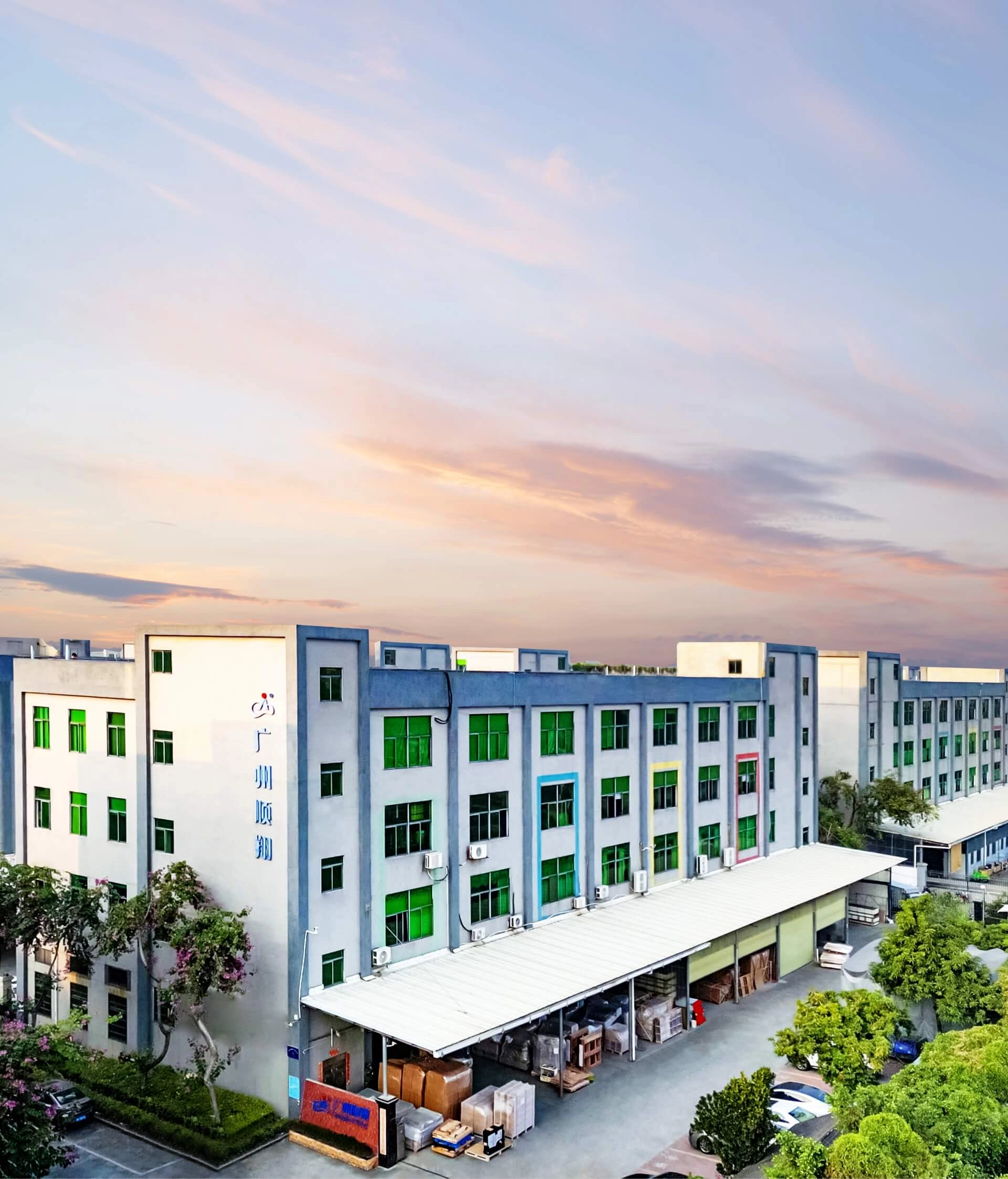
Flying has successfully built ideal bowling alleys for more than 3,000 customers.
Technical Expert
You may also like our products
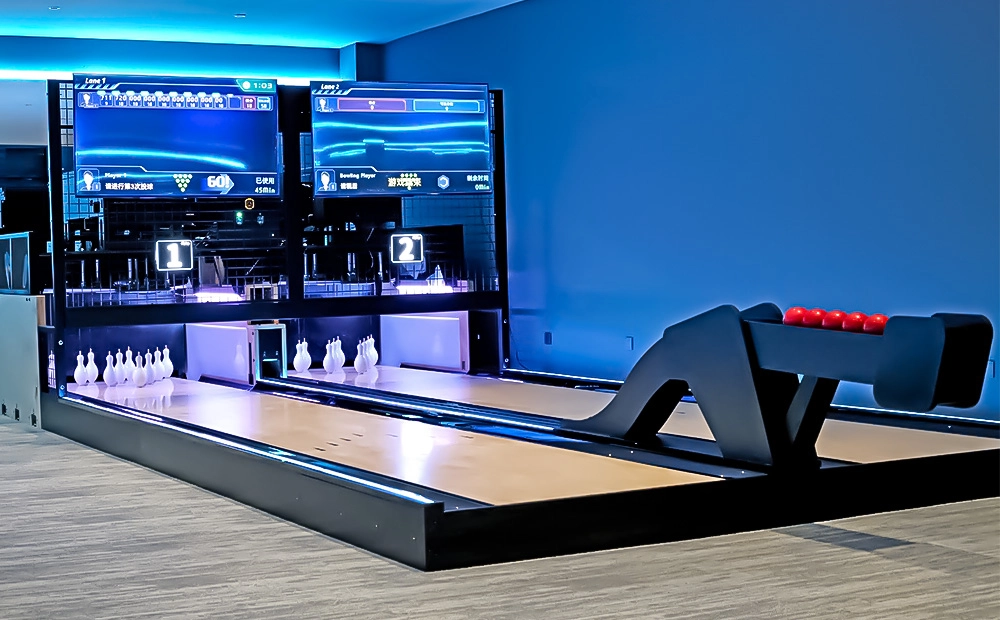
Flying Smart Duckpin Bowling (FSDB) innovative design, standard 9.2-meter short lane, can be shortened in length, compact layout suitable for small spaces. The game rules are simple but challenging, attracting players of different ages to actively participate.
Suitable for social entertainment venues such as bars, billiard halls, and game centers, it not only enhances interactivity but also increases the popularity and consumption frequency of the venue. The fun and competitive nature of FSDB will make it a new focus of social activities.
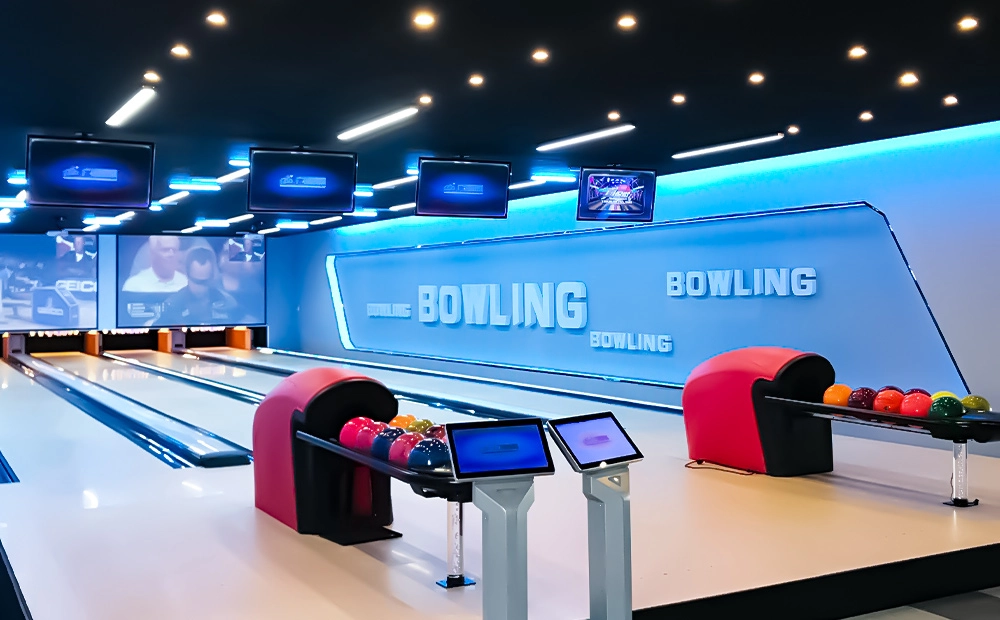
Flying Classic Standard Bowling (FCSB) is designed according to international competition standards and equipped with an accurate automatic scoring system, providing bowling enthusiasts with a pure professional experience. Whether it is for competitions or leisure entertainment, FCSB can meet high-level needs.
Suitable for family entertainment centers, luxury resorts, private villas, or clubs, it is an ideal choice for customers who pursue high-end quality and professional experience. Its classic design and excellent performance will add lasting appeal to the venue.
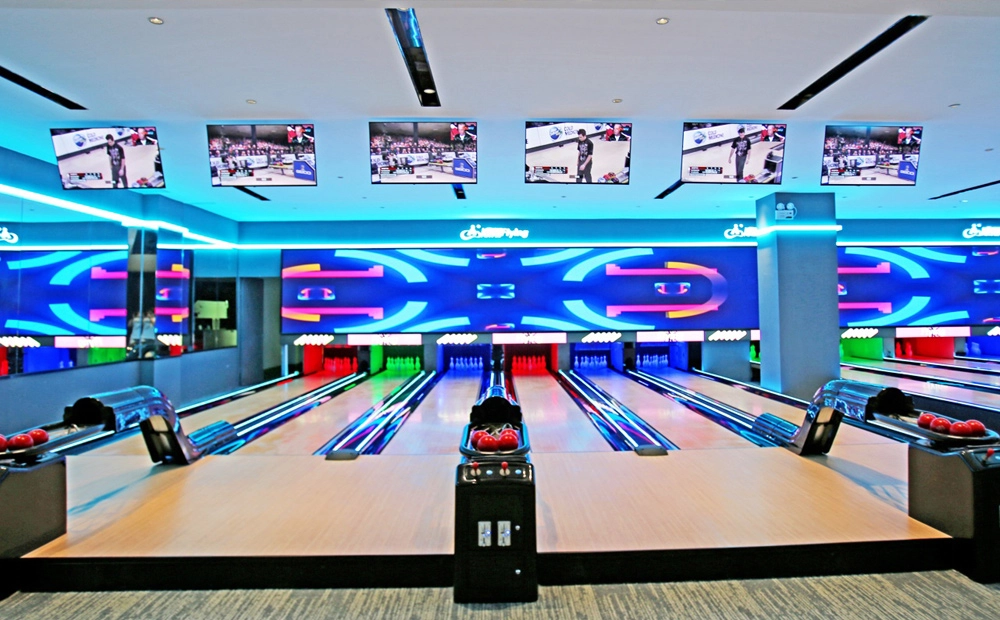
Flying Cute Mini Bowling (FCMB) is a mini bowling experience designed for children and families. The lane length is fixed at 12 meters, equipped with lightweight balls without finger holes (only 1.25kg) and small pins, specially designed for children and family fun.
It can not only help children feel the fun of bowling, but also stimulate their interest and competitive consciousness. Suitable for children's playgrounds, theme parks and parent-child centers, it is the best choice for places focusing on the children's market.
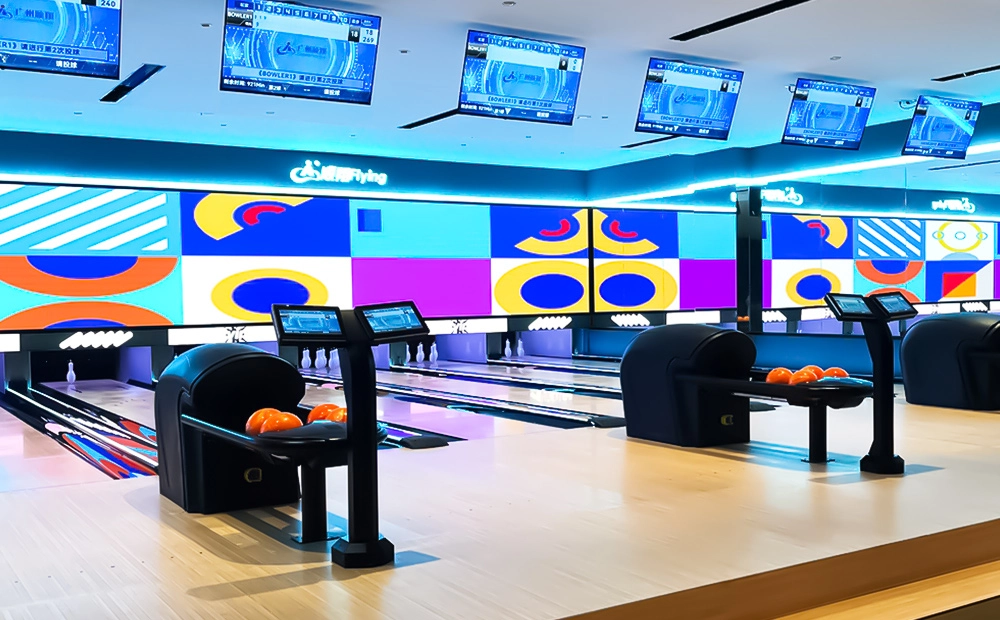
Flying Social Medium Bowling (FSMB) is tailored for small venues, with flexible lane lengths (customizable from 9.6 meters to 18 meters), a small ball design suitable for players of all ages, and light pins that are easier to knock down, increasing participation and fun.
Whether it is a gathering of friends or a casual social, FSMB can easily create a relaxed and pleasant atmosphere. Its efficient space-utilization design is particularly suitable for cafes, bars and community entertainment venues, allowing people to fall in love with bowling in a relaxed interaction.
Contact Flying
Start Your Custom Bowling Alley Project
If you contact us now for more details, we can provide you with a custom bowling alley service. Our service team will get back to you within 24 hours normally!
© 2026 Flying BOWLING. Designed by gooeyun.
FOLLOW US:
Flying Bowling
Flying Bowling
Flyingbowling
Flyingbowling