


How to Choose a Bowling Ball: The Complete Guide to Weight, Cores & Coverstocks
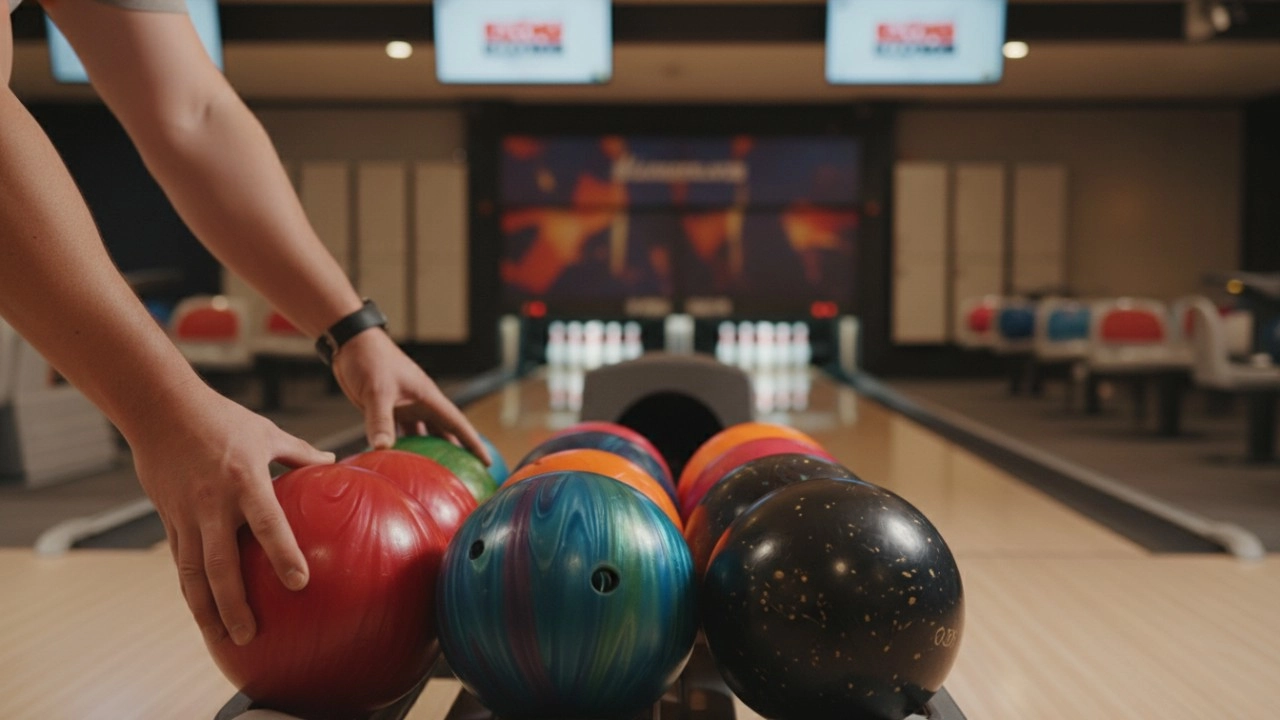
Walking into a pro shop can be an overwhelming experience. You are greeted by walls lined with colorful spheres, cryptic charts discussing "RG values," and terminology that sounds more like physics homework than a recreational sport. However, making the transition from a generic house ball to your own custom-drilled equipment is the single most effective step you can take to improve your average.
Choosing the right bowling ball is a blend of science and personal preference. It requires understanding the "Holy Trinity" of ball design: the weight, the core (the engine), and the coverstock (the tires). This comprehensive guide will walk you through the technical nuances of selecting a ball that fits your physical game and the specific lane oil conditions you encounter, ensuring your investment leads to higher scores and more strikes.
Why Buying Your Own Bowling Ball Matters
Before diving into the technical specifications, it is crucial to understand why a "house ball" is holding you back. House balls are designed for durability and universal fit, which inherently makes them poor performance tools.
The Limitations of "House Balls"
House balls are typically made of polyester (plastic) and feature a generic, balanced weighting. They do not have a dynamic core, meaning they are designed to go straight. If you are trying to learn how to hook the ball, a house ball will fight you every step of the way. Furthermore, the finger holes are drilled excessively large to fit everyone, forcing you to squeeze the ball to hold onto it.
Custom Fit: Accuracy and Injury Prevention
When you buy your own ball, a professional ball driller measures your hand’s span, finger size, and flexibility. A custom fit allows you to hold the ball with relaxed hand pressure. This "relaxed grip" is the secret to a consistent release. Squeezing a house ball creates tension in the forearm, leading to erratic shots and potential repetitive strain injuries like tendonitis.
The Impact on Hook Potential
To generate the revolutions required for a powerful hook, your thumb must exit the ball a split second before your fingers. This is nearly impossible with a conventional house ball grip. A custom-drilled ball—specifically with a fingertip grip—allows for this distinct timing, unlocking the physics of rotational energy.
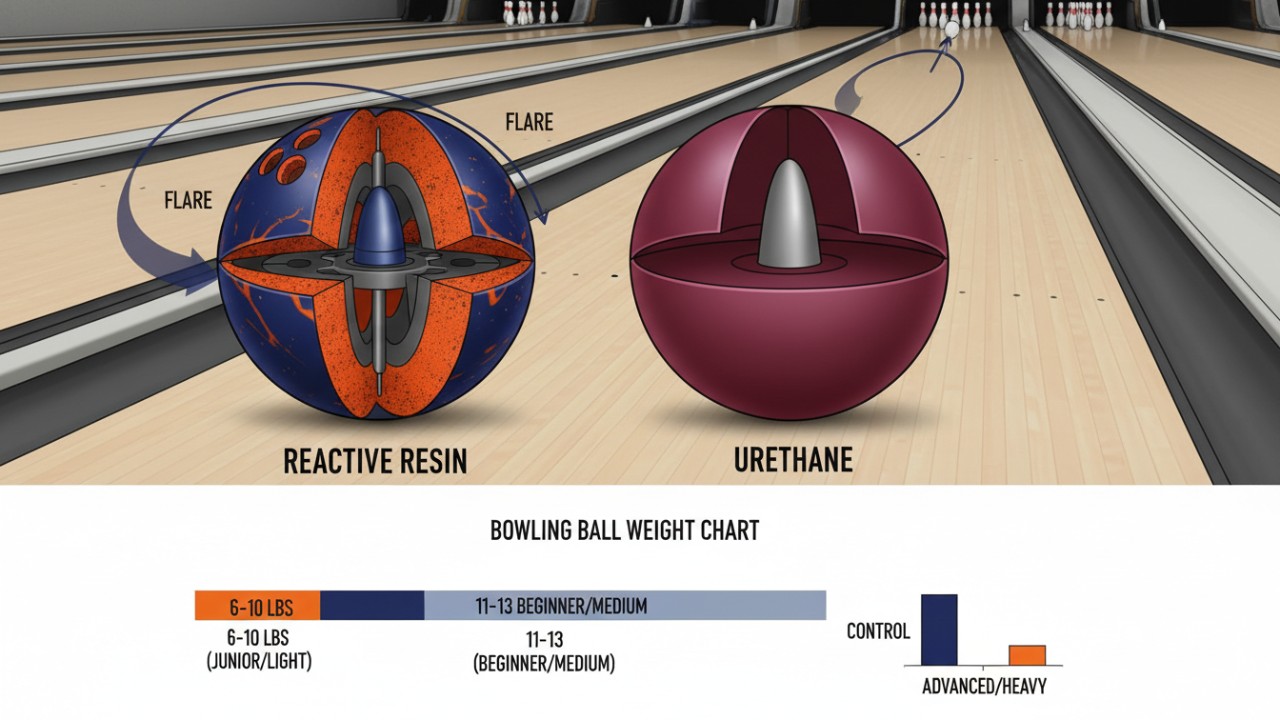
Step 1: Determine the Right Weight (The 10% Rule)
One of the most common questions new bowlers ask is: "How heavy should my ball be?" Selecting the wrong weight can ruin your mechanics. Too heavy, and you lose speed and accuracy; too light, and you sacrifice hitting power.
Applying the "10% Body Weight" Rule
The general rule of thumb for adult bowlers is the 10% Rule: choose a ball that is approximately 10% of your total body weight, up to the maximum legal weight of 16 pounds.
- 100–140 lbs: 10–13 lbs
- 140–160 lbs: 14–15 lbs
- 160+ lbs: 15–16 lbs
However, this is a baseline, not a law. Modern ball technology is efficient enough that you do not need to throw a maximum-weight ball to get results.
Why 14-16 lbs is the Standard for Performance
For most adult males and stronger female bowlers, the "sweet spot" is between 14 and 16 pounds. While a standard bowling ball weight chart might suggest lighter weights for some, physics dictates that mass matters at the pins. A 15-pound ball carries significantly more kinetic energy into the pocket than a 12-pound ball. This energy is essential for "pin carry"—the ability of the ball to knock down pins that aren't hit directly, essentially "driving" through the rack rather than deflecting off the head pin.
Adjusting for Age, Injury, and Strength
Physical limitations must take precedence over the 10% rule. If you have shoulder issues, back pain, or arthritis, dropping down a pound or two is a strategic move. It is better to throw a 14-pound ball with control and high speed than to struggle with a 15-pound ball that slows down your arm swing.
The "Extended Arm Test"
To verify if a weight is manageable before drilling, perform the Extended Arm Test:
- Hold the undrilled ball in the palm of your bowling hand.
- Extend your arm straight out to your side at shoulder height.
- Try to hold the ball steady for 5 seconds without your arm trembling or your shoulder dropping.
If you cannot hold it for 5 seconds, the ball is likely too heavy to control during a repetitive 3-game series.
Step 2: Selecting the Coverstock (The Shell)
If the core is the engine of the ball, the coverstock is the tires. The coverstock material determines how much friction the ball generates on the lane surface. This friction dictates when the ball begins to hook.
Plastic/Polyester: The Spare Solution
Best For: Straight shots, spares, and extremely dry lanes.
Plastic balls are designed to have low friction. They skid through oil and ignore dry spots. This makes them the perfect choice for shooting spares (like the 10-pin for right-handers) where you want the ball to travel in a straight line regardless of the oil pattern.
Urethane: The Old School Control
Best For: Short oil patterns and high-rev players looking for control.
When comparing reactive resin vs urethane, urethane is the smoother, more predictable option. It begins to hook earlier on the lane but does so with a gentle, controllable arc rather than a violent snap. It is a favorite among two-handed bowlers who already generate massive amounts of spin and need a coverstock that won't over-react.
Reactive Resin: The Modern Standard
Reactive resin is chemically engineered with additives to create pores in the surface. These pores absorb oil, allowing the ball to maintain contact with the lane surface for increased friction. Reactive resin balls are categorized into three sub-types:
1. Solid Reactive
Solid coverstocks have a matte finish and the most microscopic pores. They create high friction, meaning they hook earlier in the mid-lane and provide a smooth, continuous arc. They are ideal for heavy oil.
2. Pearl Reactive
Pearl coverstocks include mica additives (giving them a sparkly look). This hardens the surface, reducing friction in the oil. Pearl balls skid further down the lane and snap hard on the backend (the dry part of the lane). They are perfect for opening up the angle when the lanes break down.
3. Hybrid Reactive
As the name suggests, this is a blend of solid and pearl formulas. Hybrids offer the versatility of mid-lane traction with a strong backend recovery, making them excellent "benchmark" balls for reading new lanes.
Step 3: Understanding the Core (The Engine)
The weight block inside the ball, known as the core, dictates the shape of the hook. While the coverstock determines how much the ball hooks, the core determines how fast it spins and flares.
Symmetrical Cores
A symmetrical core is balanced along the vertical axis (like a lightbulb).
- Motion: Smooth, stable, and predictable.
- Usage: Symmetrical balls are excellent for beginners or as "benchmark balls" on house shots. They tend to stay in play and don't react violently to mistakes in release.
Asymmetrical Cores
An asymmetrical core is unbalanced (mass is distributed unevenly). This imbalance creates a preferred spin axis that the ball tries to migrate toward violently.
- Motion: Sharp, angular, and fast.
- Usage: Symmetrical vs asymmetrical core selection depends on your need for backend reaction. Asymmetrical cores are used when you need the ball to turn the corner sharply or cut through heavy oil.
RG and Differential Explained Simply
When reading spec sheets, you will see two key numbers:
- RG (Radius of Gyration): This measures how centered the weight is.
- Low RG (2.46 - 2.52): Center-heavy. The ball revs up quickly (early hook).
- High RG (2.57 - 2.60): Cover-heavy. The ball revs up later (delayed hook).
- Differential: This measures the flare potential (how much of the ball's surface touches the lane).
- Low Diff: Less hook potential, more control.
- High Diff: Maximum hook potential, aggressive motion.
Matching Core to Rev Rate
- Speed Dominant (Throw fast, low spin): You generally need a stronger core (Low RG, High Diff) to help the ball get into a roll.
- Rev Dominant (Throw slow, high spin): You may benefit from a weaker core (High RG) to prevent the ball from hooking into the gutter too early.
Step 4: Matching the Ball to Lane Conditions
You cannot select a bowling ball in a vacuum; you must consider the environment. Lane oil conditions are the invisible variable that changes how your ball behaves.
Dry Lanes
On dry lanes, there is very little oil to help the ball skid. A strong ball will hook immediately and hit the left gutter (for righties).
- Strategy: Use a Pearl Reactive or Urethane ball with a High RG core. You need the ball to push down the lane before reacting.
Heavy/Long Oil
On heavy oil, the ball will hydroplane. If your equipment is too weak, it will slide straight into the pins without hooking, leaving flat corners (like the 5-7 split).
- Strategy: You need "teeth." Use a Solid Reactive coverstock with a low-grit surface (sanded finish) and a Low RG asymmetrical core to dig into the oil.
Medium/House Shot
Most league bowlers play on a "House Shot" (heavy oil in the middle, dry on the outside).
- Strategy: The "Benchmark Ball." This is typically a Symmetrical Hybrid or Solid Reactive ball. It is versatile enough to handle the oil in the middle while still recovering from the dry boards outside.
Building an Arsenal
Eventually, one ball will not suffice. Serious bowlers build an arsenal of 3 to 6 balls:
- Plastic Ball: For spares.
- Benchmark Ball: For the fresh house shot.
- Aggressive Ball: For heavy oil or tournament play.
- Pearl/Weak Ball: For when the lanes dry out in Game 3.
Step 5: Grip, Drilling, and Layouts
Buying the ball is only half the battle; drilling it correctly is the other half.
Conventional vs. Fingertip Grip
- Conventional Grip: Fingers are inserted to the second knuckle. Used for house balls. Provides security but kills hook potential.
- Fingertip Grip: Fingers are inserted only to the first knuckle (using rubber inserts). This creates a wider span between the thumb and fingers.
- Why switch? The fingertip grip allows the thumb to exit the ball first, leaving the weight on the fingers. As the fingers snap through the ball at release, they generate the high revolution rates seen on TV.
Span and Pitch
Your Pro Shop operator will measure your Span (distance between thumb and finger holes) and Pitch (the angle at which the holes are drilled). Correct pitch is vital for a clean release. If the pitch is wrong, you will either drop the ball or hang up in the thumb hole.
Pin Up vs. Pin Down
You might hear drillers discuss "Pin Up" or "Pin Down" layouts. This refers to the position of the colored "Pin" locator on the ball relative to your fingers.
- Pin Up: Generally creates more length and a sharper backend reaction.
- Pin Down: Generally creates an earlier, smoother, and more controlled reaction.
Budget, Brands, and Maintenance
Cost Breakdown
- Entry-Level ($80 - $130): Plastic spares balls or basic reactive balls (e.g., Brunswick Rhino, Storm Tropical Surge). Great for first-time buyers.
- Mid-Performance ($130 - $180): Good benchmark balls (e.g., Storm Phaze II, Hammer Vibe).
- High-Performance ($180 - $250+): Top-tier asymmetrical cores and nanotechnology covers (e.g., Storm infinite Physix, Hammer Black Widow).
Top Brands Overview
The bowling industry is dominated by a few major manufacturers, each with distinct characteristics. Storm is famous for their distinct scents and strong backend motion; Brunswick and its subsidiaries (DV8, Radical) are known for durability and diverse core shapes; Hammer is legendary for the "Black Widow" line and heavy-hitting solid covers; and newer entrants like Moto are disrupting the space with unique technologies. To dig deeper into which manufacturer suits your style, read our guide on the best bowling ball brands.
Routine Maintenance
A reactive resin ball acts like a sponge. If you don't clean it, it will "die" (stop hooking) as the pores clog with oil and dirt.
- During Play: Wipe the ball with a microfiber towel before every shot.
- After Play: Use a commercial ball cleaner to remove lane oil.
- Deep Clean: Every 50-60 games, take the ball to a Pro Shop for a "detox" (oil extraction) and resurfacing to restore factory reaction.
Conclusion
Choosing the right bowling ball is a blend of science and personal preference. It is not about buying the most expensive hook-monster on the shelf; it is about matching equipment to your game. By understanding the interaction between the 10% weight rule, the friction mechanics of reactive resin vs urethane, and the physics of core dynamics, you can select a ball that complements your style rather than fighting it.
Remember that a ball is an investment. Maintaining its surface and matching it to the correct lane oil conditions will ensure high scores for years to come. Do your research, but ultimately, visit your local Pro Shop to get measured for a custom fit. A properly drilled ball—fitted to your unique hand specifications—is the final, most critical piece of the puzzle.
FAQ
What is the 10% rule for choosing a bowling ball weight?
The 10% rule suggests that a bowler should choose a ball that is approximately 10% of their body weight, up to a maximum of 16 pounds. For example, a 150-pound person should aim for a 15-pound ball.
What is the difference between symmetrical and asymmetrical cores?
Symmetrical cores provide a smooth, stable, and predictable arc down the lane, making them great for beginners or benchmark balls. Asymmetrical cores are unbalanced, creating more friction and a sharper, more angular turn (hook) at the backend, ideal for heavy oil or advanced players.
Do I need a fingertip grip to hook the ball?
Yes, a fingertip grip is highly recommended for hooking the ball. It allows the thumb to exit the ball first, enabling the fingers to impart significantly more rotation (revs) on the ball compared to a conventional grip.
How do I choose a bowling ball for straight bowling?
If you bowl straight, choose a ball with a Plastic or Polyester coverstock. These materials have very low friction on the lane, ensuring the ball travels in a straight line without hooking, regardless of oil conditions.
How often should I clean my bowling ball?
You should wipe your bowling ball with a microfiber towel between shots to remove oil. A deeper clean with a dedicated ball cleaner is recommended after every session (3-6 games) to maintain the coverstock's tackiness and reaction.
More Articles
Find out how much a bowling lane costs with Flying's expert insights. Explore real prices, installation details, and professional tips to plan your bowling alley investment efficiently. Get the right information to help your business succeed.
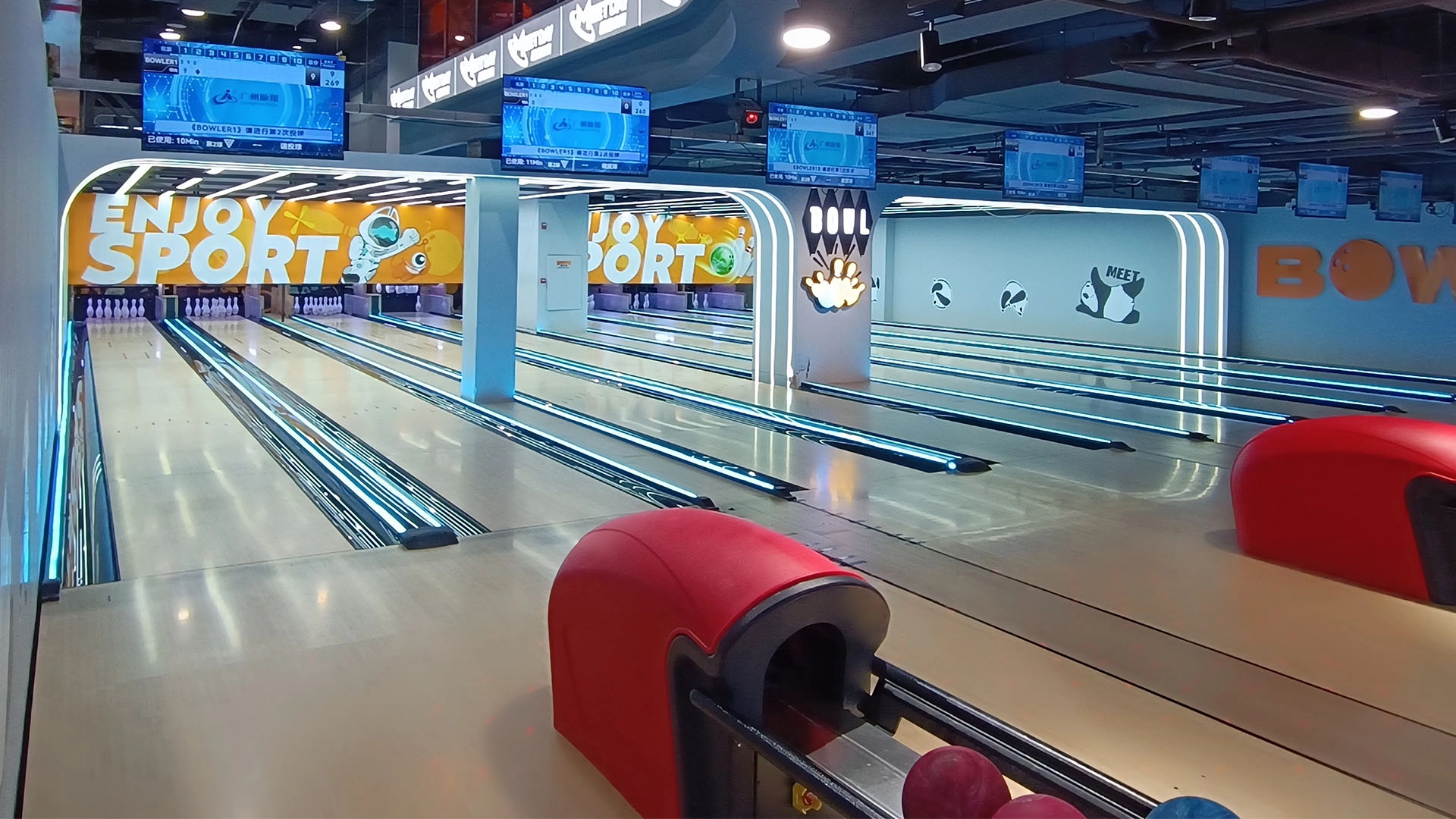

Let’s Build a center Together
Partner With a Trusted Bowling Alley Design, One-Stop Solution Manufacturer.
Flying has successfully built ideal bowling alleys for more than 3,000 customers.
Technical Expert
You may also like our products
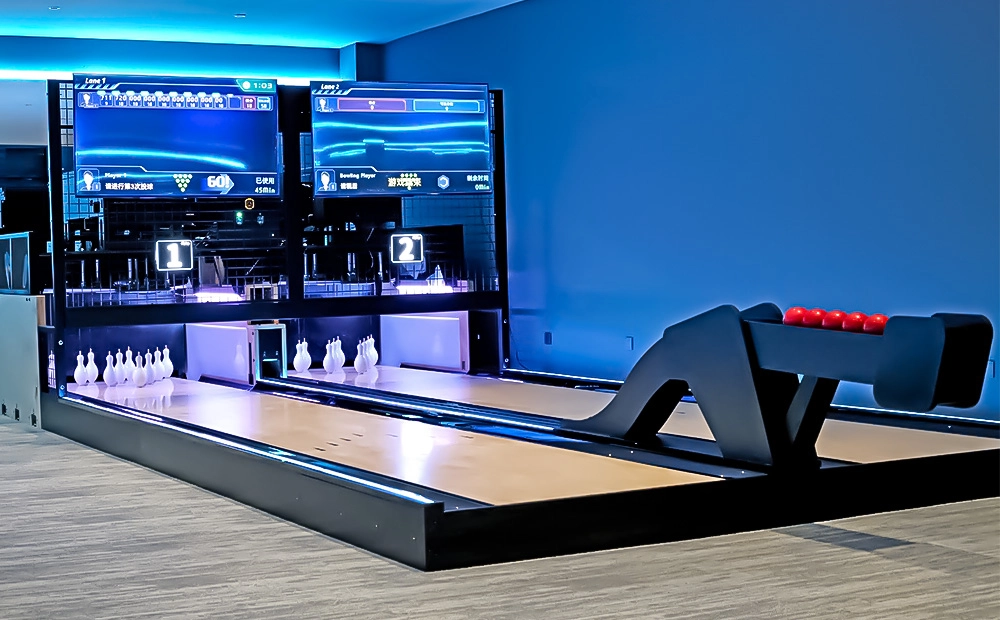
Flying Smart Duckpin Bowling (FSDB) innovative design, standard 9.2-meter short lane, can be shortened in length, compact layout suitable for small spaces. The game rules are simple but challenging, attracting players of different ages to actively participate.
Suitable for social entertainment venues such as bars, billiard halls, and game centers, it not only enhances interactivity but also increases the popularity and consumption frequency of the venue. The fun and competitive nature of FSDB will make it a new focus of social activities.
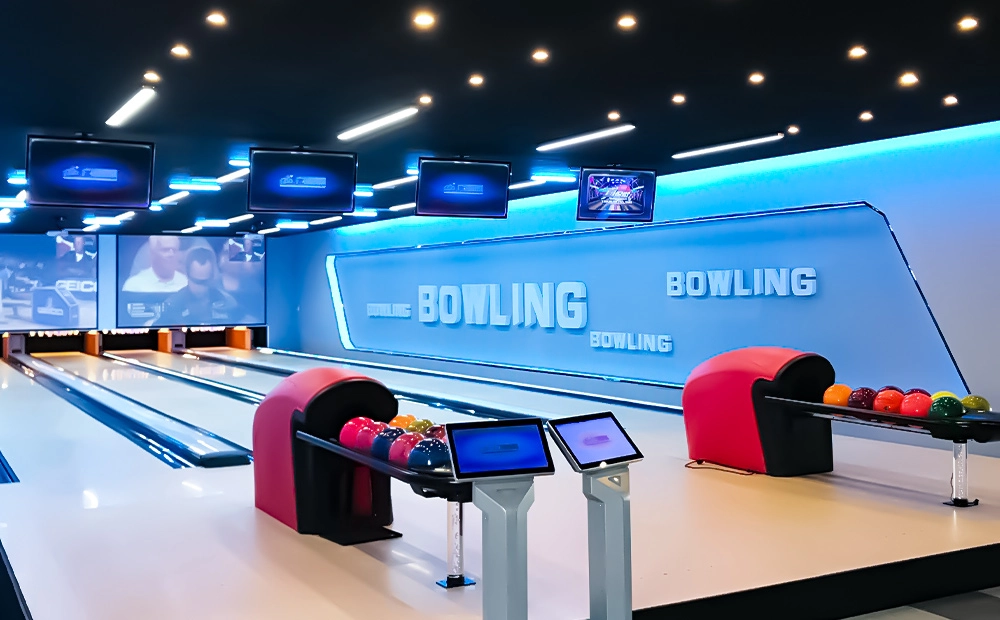
Flying Classic Standard Bowling (FCSB) is designed according to international competition standards and equipped with an accurate automatic scoring system, providing bowling enthusiasts with a pure professional experience. Whether it is for competitions or leisure entertainment, FCSB can meet high-level needs.
Suitable for family entertainment centers, luxury resorts, private villas, or clubs, it is an ideal choice for customers who pursue high-end quality and professional experience. Its classic design and excellent performance will add lasting appeal to the venue.
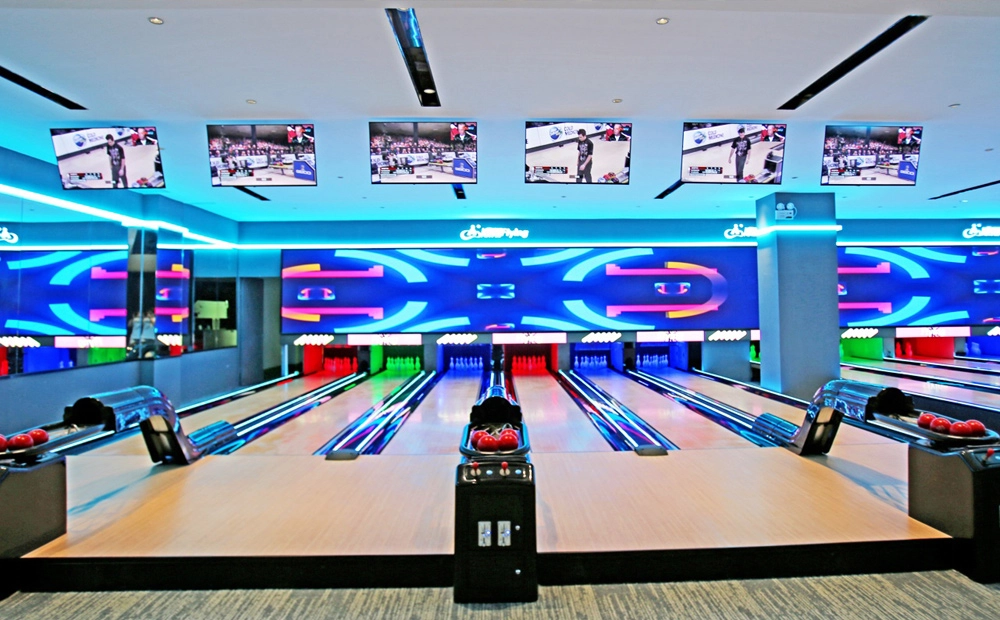
Flying Cute Mini Bowling (FCMB) is a mini bowling experience designed for children and families. The lane length is fixed at 12 meters, equipped with lightweight balls without finger holes (only 1.25kg) and small pins, specially designed for children and family fun.
It can not only help children feel the fun of bowling, but also stimulate their interest and competitive consciousness. Suitable for children's playgrounds, theme parks and parent-child centers, it is the best choice for places focusing on the children's market.
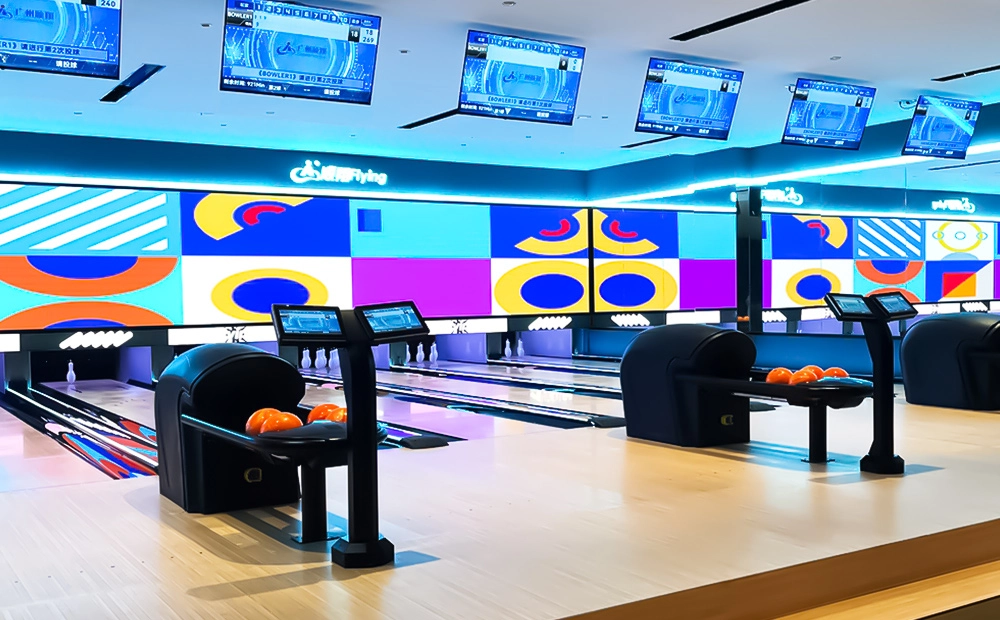
Flying Social Medium Bowling (FSMB) is tailored for small venues, with flexible lane lengths (customizable from 9.6 meters to 18 meters), a small ball design suitable for players of all ages, and light pins that are easier to knock down, increasing participation and fun.
Whether it is a gathering of friends or a casual social, FSMB can easily create a relaxed and pleasant atmosphere. Its efficient space-utilization design is particularly suitable for cafes, bars and community entertainment venues, allowing people to fall in love with bowling in a relaxed interaction.
Contact Flying
Start Your Custom Bowling Alley Project
If you contact us now for more details, we can provide you with a custom bowling alley service. Our service team will get back to you within 24 hours normally!
© 2026 Flying BOWLING. Designed by gooeyun.
FOLLOW US:
Flying Bowling
Flying Bowling
Flyingbowling
Flyingbowling