


Tips for Buying a Bowling Alley: A Complete Guide to Costs, Profits, and Investment Potential
This guide explores the financial viability of buying a bowling alley, detailing costs, profit margins (15-30%), and the shift toward Family Entertainment Centers. It compares building versus buying, outlines essential due diligence questions regarding equipment and real estate, and analyzes the profitability of independent versus franchise models.
Introduction
The sound of a striking pin, the camaraderie of league nights, and the smell of alley food—bowling is an American staple that has evolved significantly in the last decade. Once dominated by smoky, league-focused halls, the industry is shifting toward high-margin "Family Entertainment Centers" (FECs) that combine bowling with arcades, laser tag, and upscale dining.
For investors, this shift presents a lucrative opportunity. But is buying a bowling alley a strike or a gutter ball? The answer lies in the numbers, the condition of the equipment, and the business model you choose. Whether you are eyeing a distressed local alley for $500,000 or a multi-million dollar entertainment complex, understanding the true costs and profit drivers is essential.
This guide answers every critical question you need to ask before signing on the dotted line, backed by current industry data and operational realities.
Is owning a bowling alley a good investment?
Owning a bowling alley can be a highly stable and profitable investment, provided the business model is modernized. The industry has proven resilient because it offers a social experience that cannot be replicated digitally. However, the definition of a "good investment" has changed; traditional alleys relying solely on league play often struggle with low margins, while centers diversified into Family Entertainment Centers (FECs) see significantly higher returns.
According to industry reports, modern FECs often target EBITDA margins of 20% to 35%, whereas traditional centers may hover around 10-15%. The return on investment (ROI) for a well-run center typically ranges from 3 to 7 years. The key value driver is no longer just the "price per game" but the "revenue per head," which increases dramatically when customers purchase food, drinks, and play arcade games during their visit.
Furthermore, a bowling alley is often a real estate play. Many deals include the land and the building, which protects the business from rent hikes and builds long-term equity. If you can acquire a center with real estate in a growing area, the asset appreciation alone can make the investment worthwhile, even if operational profits are modest in the first few years.
How much does it cost to buy an existing bowling alley?
The cost to purchase an existing bowling alley varies wildly based on location, size (number of lanes), and condition. Generally, prices range from $300,000 for a small, older center in a rural area to over $3 million for a modern, profitable complex in a suburban or urban market.
- Small / Rural Centers (6–12 lanes): Often listed between $300,000 and $600,000. These usually require significant renovations and may have older equipment (wood lanes, 30+ year old pinsetters) that needs immediate capital expenditure.
- Mid-Sized / Suburban Centers (16–24 lanes): Typically range from $800,000 to $2 million. These often include a functional kitchen and bar but may need cosmetic updates to compete with modern entertainment venues.
- Large / Mega Centers (30+ lanes): Can command prices of $3 million to $6 million+, especially if they generate over $1 million in annual revenue and include valuable real estate.
It is crucial to look at the price per lane and the revenue multiple. A common rule of thumb for valuation is 3x to 5x EBITDA (Earnings Before Interest, Taxes, Depreciation, and Amortization). If a center is generating $200,000 in EBITDA, a fair purchase price for the business (excluding real estate) might be around $600,000 to $1 million.
What is the average profit margin for a bowling alley?
The average net profit margin for a bowling alley typically falls between 10% and 25%. This margin is heavily influenced by the revenue mix. Centers that rely strictly on bowling lineage (lane fees) tend to be on the lower end, while those with strong food and beverage (F&B) programs push toward the higher end.
- Bowling Lanes: High gross margin (low direct cost after installation), but revenue is capped by time (you can only sell a lane once per hour).
- Food & Beverage: Alcohol sales are the profit engine for many centers, with gross margins often exceeding 75%. Food typically yields a 65-70% gross margin.
- Arcade/Amusements: These are "silent earners" with profit margins often exceeding 80% after the cost of prizes/redemption, as they require little labor to operate.
Successful operators aim to have bowling fees account for only 40-50% of total revenue, with the remaining 50-60% coming from F&B, parties, and arcades. This diversification buffers the business against seasonality (leagues often take summers off) and increases the average transaction value per customer.
Is it better to build a new bowling alley or buy an existing one?
For most investors, buying an existing alley is financially safer and faster than building from scratch. Building a new center is a massive capital undertaking with a long timeline.
Buying an Existing Alley:
- Pros: Immediate cash flow, existing customer base/leagues, permits (especially liquor licenses) are often already in place, and it is generally cheaper per lane.
- Cons: Potential for "hidden" costs like rotting sub-floors, ancient wiring, or asbestos. You may also inherit a bad reputation that takes time to fix.
Building a New Alley:
- Costs: Total project costs for a new build often range from $2 million to $6 million+. The cost per lane for equipment alone (pinsetters, lanes, scoring) is $18,000–$45,000, but total construction costs can easily exceed $100,000 per lane when factoring in the building shell, HVAC, and parking.
- Pros: You can design a modern "boutique" layout (e.g., VIP suites, soft seating) that commands higher prices ($50+/hour) compared to traditional alleys ($20/hour). You also start with new equipment, reducing maintenance headaches for the first 5-10 years.
What are the main revenue streams for a bowling alley?
A modern bowling center is an ecosystem of revenue. Reliance on a single stream is a recipe for failure. The four main pillars are:
- Lineage (Bowling Fees): This includes open play (casual bowlers) and league fees. League bowlers provide guaranteed base income (often weekly), while open play allows for "surge pricing" on weekends and holidays.
- Food and Beverage (F&B): As noted, this is often where the profit lies. A pitcher of beer and a pizza often generate more net profit than the hour of bowling itself. Full-service bars and scratch kitchens are replacing simple snack bars to capture this revenue.
- Arcades and Amusements: Games, claw machines, and laser tag maximize "dwell time." If a family waits 30 minutes for a lane, they might spend $20 in the arcade. This revenue is almost pure profit after the initial equipment lease or purchase.
- Events and Parties: Corporate buyouts, birthday parties, and fundraisers are high-ticket items. These are lucrative because they are often prepaid and bundle low-cost items (lane time) with high-margin items (pizza/soda) at a premium package price.
What questions should I ask when buying a bowling alley?
Due diligence is critical. Beyond the standard financial questions, you must ask industry-specific questions:
- "What is the age and condition of the pinsetters?": Pinsetters are the heart of the facility. If they are 40-year-old Brunswick A-2s, are parts still available? Do you have a mechanic on staff who knows how to fix them? (Mechanics are hard to find).
- "What is the status of the league contracts?": Do you have "grandfathered" leagues that fill the lanes every Tuesday/Wednesday night? If so, are their rates locked in at below-market prices?
- "Are the lanes wood or synthetic?": Wood lanes require expensive annual resurfacing and daily oiling adjustments. Synthetic lanes (plastic laminate) are lower maintenance and generally preferred for modern operations.
- "Is the liquor license transferable?": In some states/counties, liquor licenses are tied to the owner, not the location. Losing the license during the transfer could kill your profitability for months.
- "Why are you selling?": If the answer is "declining revenue," dig deep. Is it a management issue (fixable) or a demographic shift (unfixable)?
What are the ongoing operational costs of running a bowling alley?
The largest expense for a bowling alley is Labor, which typically accounts for 25-35% of total revenue. This includes front desk staff, servers, bartenders, and crucially, the pinchaser or mechanic. A skilled mechanic is essential to keep older machines running and can command a high salary.
Other significant operating costs include:
- Rent/Mortgage: Target 10-15% of revenue.
- Cost of Goods Sold (COGS): For F&B, this should be kept around 25-30%.
- Utilities: Bowling centers are energy hogs. Electricity for 24 lanes of pinsetters, scoring monitors, and HVAC for a large open building can cost $3,000 - $10,000+ per month depending on the facility size and region.
- Maintenance & Parts: You must budget for lane oil (conditioner), cleaner, and replacement parts for pinsetters. A typical budget is $1,000-$2,000 per lane annually for maintenance supplies.
- Insurance: Liability insurance is non-negotiable, given the physical nature of the activity and alcohol service.
How much space do you need for a bowling alley?
The industry rule of thumb is approximately 1,000 square feet per lane. This estimate includes not just the lane itself, but the approach area, the pinsetter machine room (behind the lanes), the concourse (seating area), and necessary support spaces like the front desk, bathrooms, and a small kitchen.
- 10-Lane Boutique Alley: Needs roughly 10,000 - 12,000 sq ft.
- 24-Lane Traditional Center: Needs roughly 24,000 - 30,000 sq ft.
If you are adding an arcade, laser tag arena, or a full commercial kitchen, you will need to add specific square footage for those. For example, a decent arcade zone needs at least 40-50 sq ft per game machine. Ceiling height is also critical; you generally need at least 10-12 feet of clearance for the pinsetters and scoring monitors.
What should I inspect before purchasing a bowling center?
Never buy a bowling alley without a specialized inspection. A standard building inspector will not know if a pinsetter is about to fail.
- The Pinsetters: Have a third-party mechanic run every single lane. Listen for grinding noises. Check the "pin counts" (cycles) if digital logs exist. Look for "boneyards" of cannibalized parts in the back—this indicates deferred maintenance.
- The Lanes: If they are wood, check for "depressions" where the ball lands (heads) and near the pins. Repeated sanding over 50 years makes wood lanes too thin to refinish eventually. If synthetic, check for delamination or cracking.
- HVAC and Roof: These are the two most expensive facility repairs. Bowling alleys have massive flat roofs and large air volumes to condition. An old HVAC system can cost $100,000+ to replace.
- Scoring System: Is it a modern system (e.g., QubicaAMF BES X, Brunswick Sync) or an old DOS-based system? Upgrading scoring computers and monitors is shockingly expensive, often costing $5,000 to $10,000 per lane.
- Environmental: Check for mold (common in old buildings) and asbestos in ceiling tiles or flooring.
Are bowling alley franchises profitable?
Yes, franchises can be profitable, but they operate differently than "mom-and-pop" alleys. Major names like 810 Billiards & Bowling or smaller boutique franchises offer a "business in a box" model.
- Investment: Franchises like 810 Billiards & Bowling require a total investment of $1.2 million to $3 million, with a franchise fee of around $50,000 and royalties of 5-6% of gross sales.
- Pros: You get a proven brand, group purchasing power for food/alcohol (lower COGS), and assistance with the complex build-out and training. They focus heavily on the high-margin "upscale FEC" model.
- Cons: You lose control over pricing and layout, and the royalty fees eat directly into your net profit margin.
- Corporate Giants: It is worth noting that the largest player, Bowlero, is a corporate chain, not a franchise. They grow by buying independent alleys. This signals that the "buy and modernize" strategy is profitable enough for Wall Street—a good sign for independent investors following the same playbook.
Conclusion
Buying a bowling alley is no longer just about maintaining lanes for league night; it is about managing a diversified entertainment portfolio. The potential for high returns (20-30% margins) exists for those who can successfully transition a facility into a modern Family Entertainment Center. However, the operational complexity is high. Success requires a balance of mechanical diligence (keeping the lanes running) and hospitality management (keeping the food and drinks flowing). If you can acquire an existing center at a fair multiple, own the real estate, and upgrade the customer experience, a bowling alley remains a solid, community-centered investment.
References
More Articles
Find out how much a bowling lane costs with Flying's expert insights. Explore real prices, installation details, and professional tips to plan your bowling alley investment efficiently. Get the right information to help your business succeed.
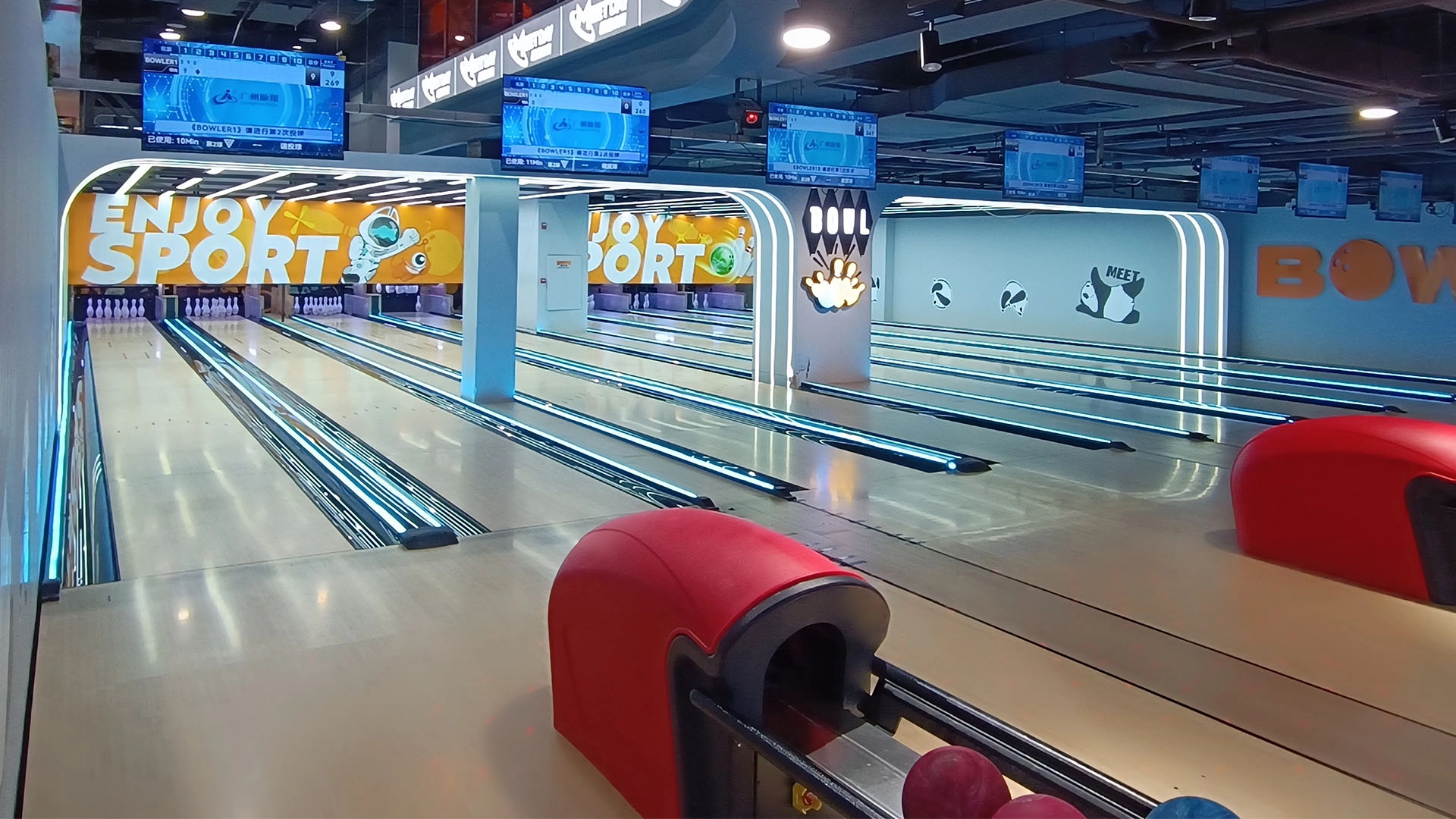

Let’s Build a center Together
Partner With a Trusted Bowling Alley Design, One-Stop Solution Manufacturer.
Flying has successfully built ideal bowling alleys for more than 3,000 customers.

Technical Expert
You may also like our products
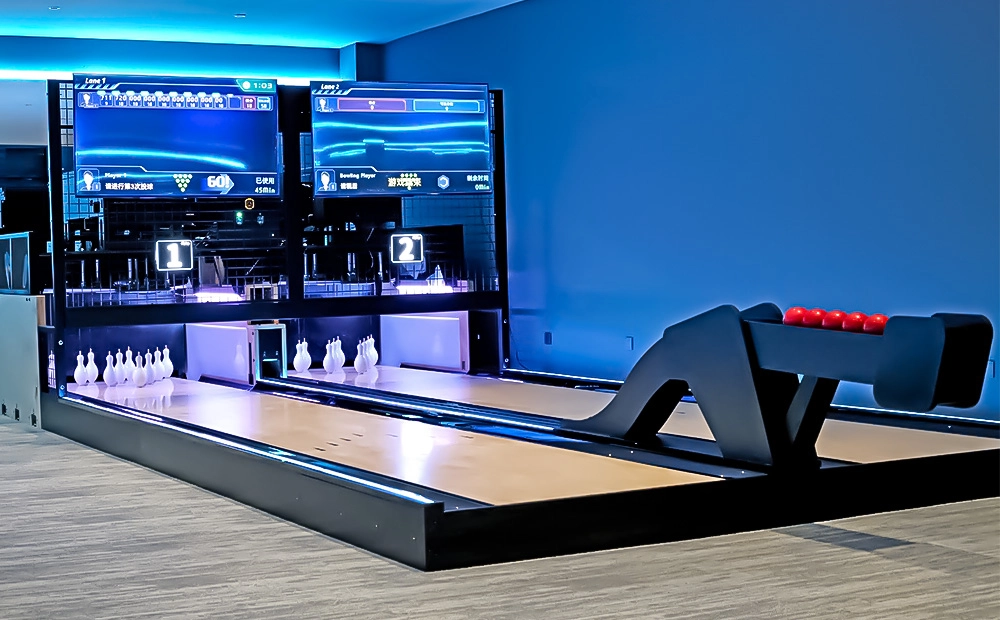
Flying Smart Duckpin Bowling (FSDB) innovative design, standard 9.2-meter short lane, can be shortened in length, compact layout suitable for small spaces. The game rules are simple but challenging, attracting players of different ages to actively participate.
Suitable for social entertainment venues such as bars, billiard halls, and game centers, it not only enhances interactivity but also increases the popularity and consumption frequency of the venue. The fun and competitive nature of FSDB will make it a new focus of social activities.
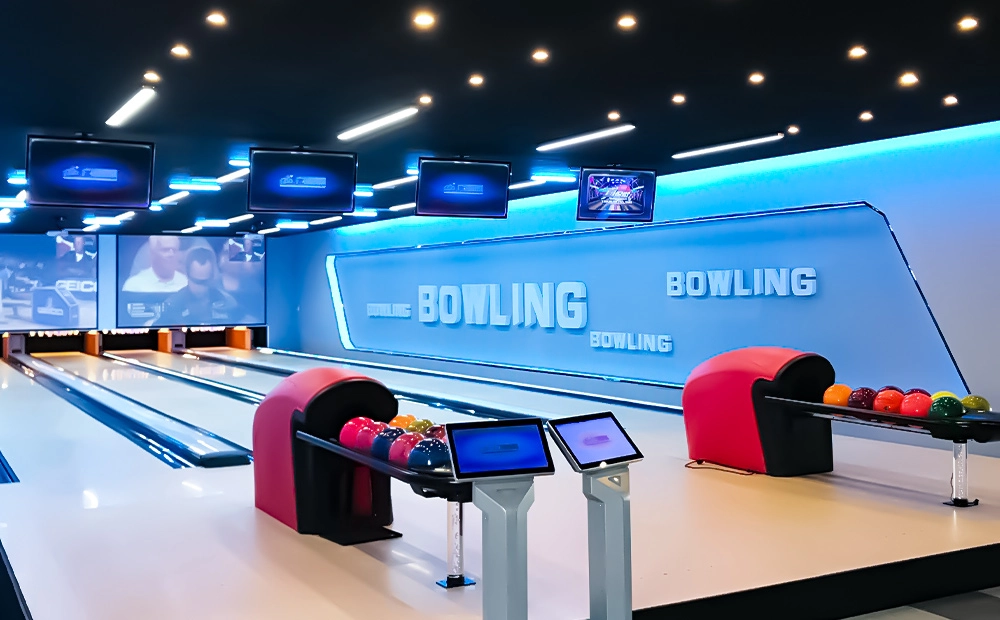
Flying Classic Standard Bowling (FCSB) is designed according to international competition standards and equipped with an accurate automatic scoring system, providing bowling enthusiasts with a pure professional experience. Whether it is for competitions or leisure entertainment, FCSB can meet high-level needs.
Suitable for family entertainment centers, luxury resorts, private villas, or clubs, it is an ideal choice for customers who pursue high-end quality and professional experience. Its classic design and excellent performance will add lasting appeal to the venue.
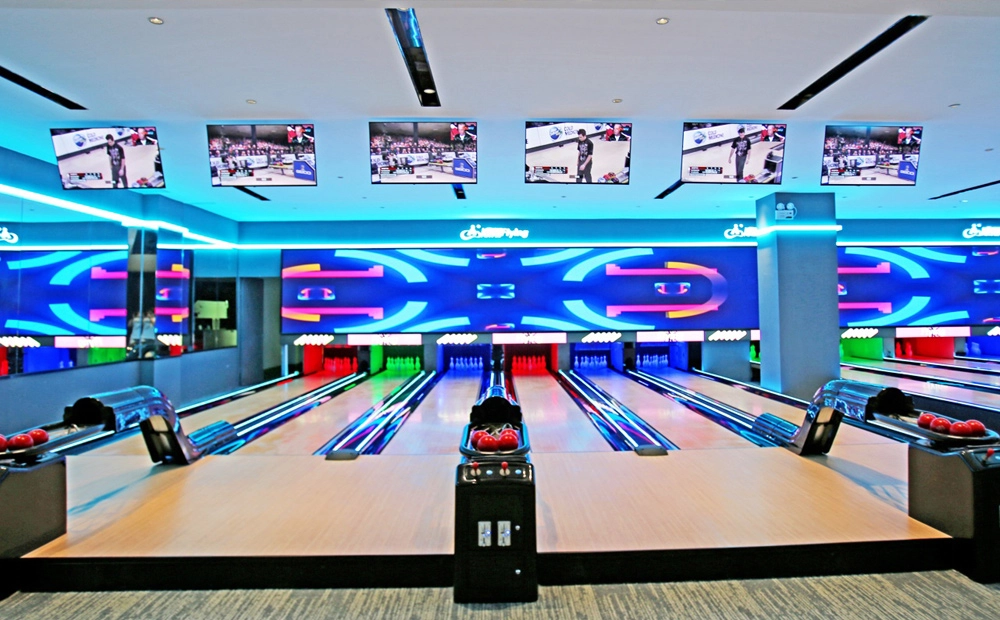
Flying Cute Mini Bowling (FCMB) is a mini bowling experience designed for children and families. The lane length is fixed at 12 meters, equipped with lightweight balls without finger holes (only 1.25kg) and small pins, specially designed for children and family fun.
It can not only help children feel the fun of bowling, but also stimulate their interest and competitive consciousness. Suitable for children's playgrounds, theme parks and parent-child centers, it is the best choice for places focusing on the children's market.
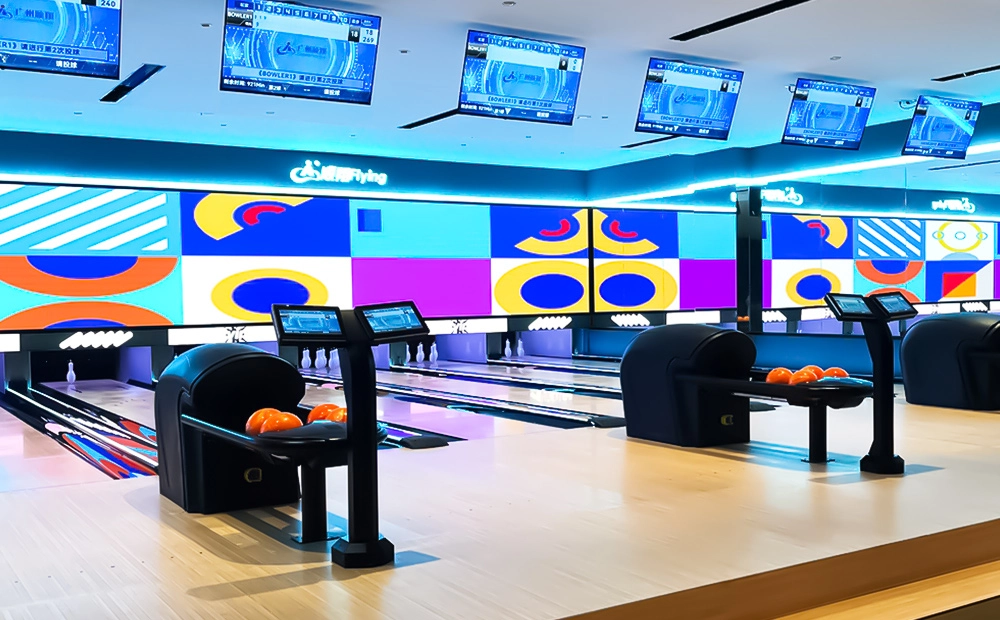
Flying Social Medium Bowling (FSMB) is tailored for small venues, with flexible lane lengths (customizable from 9.6 meters to 18 meters), a small ball design suitable for players of all ages, and light pins that are easier to knock down, increasing participation and fun.
Whether it is a gathering of friends or a casual social, FSMB can easily create a relaxed and pleasant atmosphere. Its efficient space-utilization design is particularly suitable for cafes, bars and community entertainment venues, allowing people to fall in love with bowling in a relaxed interaction.
Contact Flying
Start Your Custom Bowling Alley Project
If you contact us now for more details, we can provide you with a custom bowling alley service. Our service team will get back to you within 24 hours normally!
© 2026 Flying BOWLING. Designed by gooeyun.
FOLLOW US:
Flying Bowling
Flying Bowling
Flyingbowling
Flyingbowling