

How Much Does It Cost to Build a Bowling Alley in the USA in 2026? Your Ultimate Guide
A comprehensive 2026 guide on the cost to build a commercial bowling alley in the USA. Covers total investment ranges ($2M-$8M), detailed cost breakdowns per lane, equipment expenses, land acquisition, and key factors influencing the budget like location and amenities.
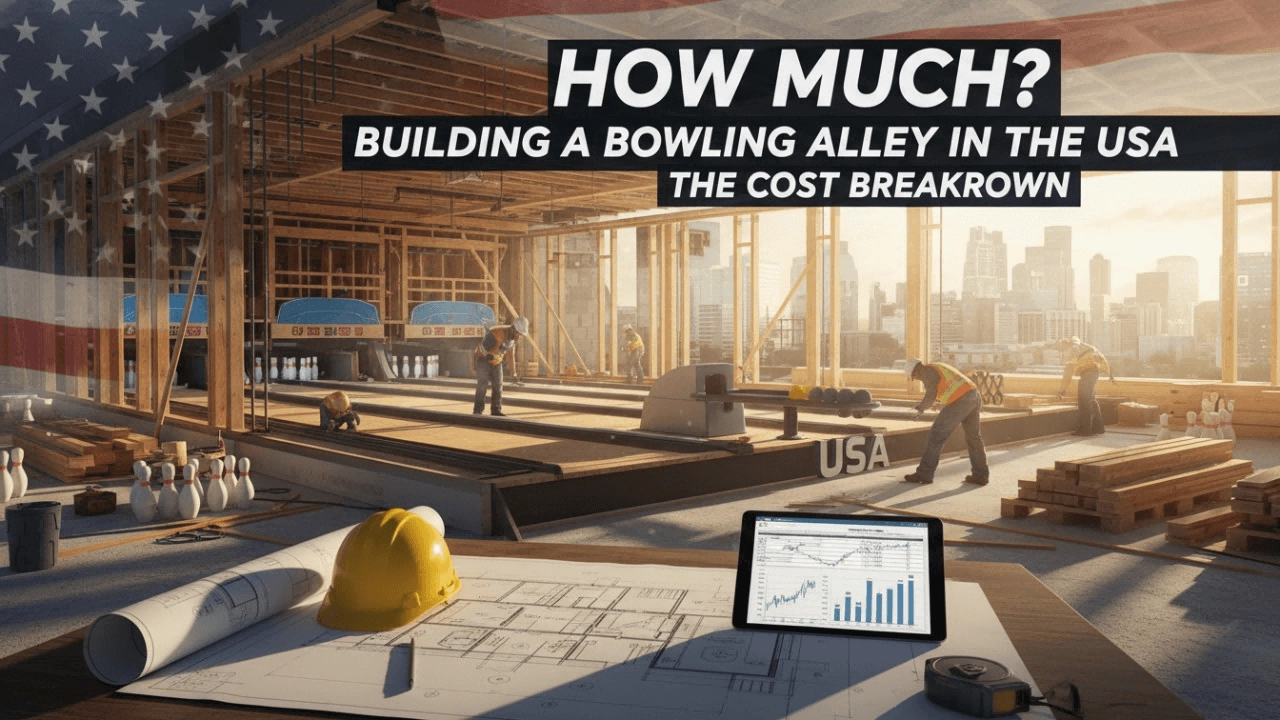
Introduction: Unraveling the Cost of Your Dream Bowling Alley in the USA
Bowling has experienced a massive resurgence, transforming from traditional leagues to high-end entertainment centers offering dining, arcades, and social experiences. If you are considering entering this lucrative market, the first question on your mind is likely: how much does it cost to build a bowling alley in the USA?
This isn't just about laying down wood and pins; it is a complex commercial real estate and entertainment project. Understanding the bowling alley construction cost USA landscape is critical for securing financing and ensuring long-term profitability. The investment varies wildly based on whether you are building a boutique 8-lane lounge or a massive 32-lane family entertainment center (FEC). In this guide, we will break down the numbers using real-time data to help you navigate the cost to open a bowling alley in 2026.
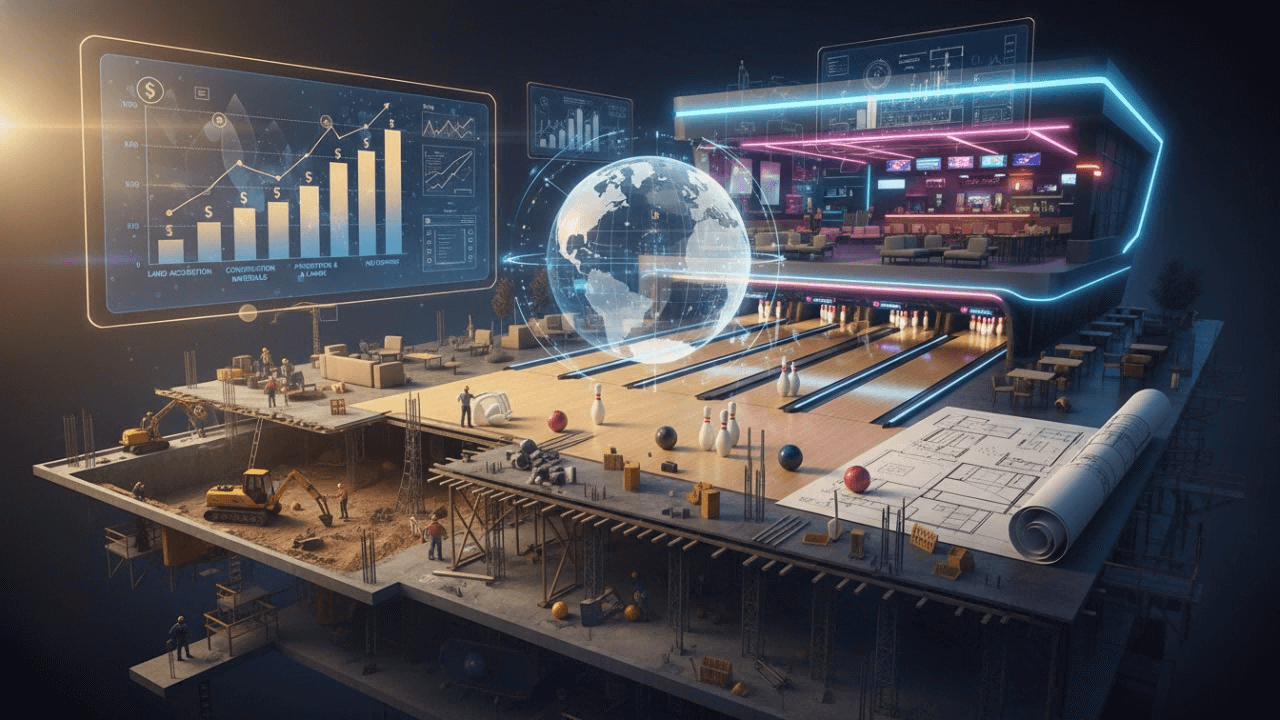
The Big Picture: Estimated Total Investment for a Commercial Bowling Alley
Before diving into the line items, let's look at the overall financial commitment. According to recent industry analysis, the total investment for a modern commercial bowling center in the USA typically ranges from $2 million to $8 million. Some experts narrow this initial capital requirement to between $2 million and $6 million depending on the scope of the project.
To break this down further into a bowling center investment metric, industry standards often estimate the cost between $90,000 and $110,000 per lane when accounting for the complete package—including land, building construction, and all necessary equipment. It is important to distinguish these figures from home installations; we are talking about commercial-grade facilities designed for high traffic and revenue generation.
Detailed Cost Breakdown: What You'll Actually Pay For
To understand where your money goes, we need a commercial bowling alley cost breakdown. Here is how the budget typically splits across key categories.
Land Acquisition & Site Preparation
Securing the right location is arguably the most volatile cost variable. Real estate data suggests that purchasing land can range from $500,000 to $2,000,000+. This expense is heavily influenced by whether you choose a rural location or a prime urban spot. Beyond the purchase price, you must budget for grading, utility hookups, and environmental assessments.
Building Construction & Renovation
The physical structure is your largest single expense. For new construction, costs average $150 to $300 per square foot. If you are looking at how to build a bowling alley more affordably, renovating an existing big-box store or warehouse can sometimes lower these costs, though retrofitting brings its own set of challenges.
Bowling Equipment & Installation
This is the heart of your business. The average cost per bowling lane for equipment and installation typically hovers around $80,000, though it can range from $30,000 to $90,000 per lane depending on your choices.
· Pinsetters: Automated pinsetters are a major component. Traditional free-fall machines are more expensive, while modern string pinsetters are gaining popularity for their lower maintenance. Automated pinsetters generally cost between $18,000 and $24,000 per lane.
· Lanes: Installation for high-quality synthetic lanes (which are more durable than wood) can range significantly based on the substrate and finish, with some comprehensive installation packages cited between $50,000 and $150,000 per lane (often including the full lane ecosystem).
· Scoring Systems: Modern digital scoring systems add $2,500 to $4,500 per lane.
Furnishings & Amenities
Creating a comfortable environment is key to retention. Furniture, fixtures, and amenities—such as soft seating, ball returns, and masking units—can add another $50,000 to $150,000 to your total budget.
Permits, Licenses, & Professional Fees
Do not overlook the "soft costs." Architectural design, engineering, legal fees, and obtaining liquor and business licenses are substantial. In many US jurisdictions, these can easily total tens of thousands of dollars.
Technology & Systems
Beyond scoring, a modern alley requires a robust Point of Sale (POS) system, security cameras, sound systems, and specialized IT infrastructure to manage reservations and lane control.
Initial Marketing & Grand Opening
You need to make a splash. Budget for pre-opening promotions, social media advertising, and a grand opening event to drive initial foot traffic.
Working Capital & Initial Operating Costs
Finally, you need cash on hand. Bowling alley operating expenses start the day you open. You must allocate funds for initial staffing, utilities, inventory (food, beverages, shoes), and a safety net for the first few months of operation.
Key Factors Influencing Your Bowling Alley Construction Budget
Why does a 10-lane boutique cost different from a mega-complex? Here are the drivers:
· Location, Location, Location: Urban areas command higher land prices and labor rates. Stricter zoning regulations in cities can also delay construction, inflating the bowling alley construction cost USA figures.
· Size & Number of Lanes: There is a direct correlation between scale and cost. For example, a 24-lane bowling alley cost will naturally be double that of a 12-lane center in terms of equipment, but you may achieve economies of scale on the building construction per square foot.
· Equipment Quality & Type: Bowling alley equipment cost varies by technology. Synthetic lanes cost more upfront than wood but save money long-term. Choosing between string pinsetters (approx. $30k-$55k per lane for a basic setup) versus luxury custom lanes (over $90k per lane) drastically shifts the budget.
· Customization & Theming: Bespoke interiors, neon lighting, and custom masking units increase costs but reinforce your brand identity.
· Building Type: Ground-up construction allows for perfect customization but costs more ($150-$300/sq ft) compared to leasing and retrofitting a mall space.
· Amenities: Adding a full-service commercial kitchen, bar, or arcade adds significant equipment and plumbing costs but is essential for modern revenue streams.
Strategies for Cost Reduction Without Compromising Quality
If the numbers seem daunting, there are ways to manage the cost to open a bowling alley:
· Smart Equipment Sourcing: Consider refurbished pinsetters or lanes. Many suppliers offer certified pre-owned equipment that functions like new at a fraction of the price.
· Efficient Design & Layout: Work with an architect experienced in entertainment centers. optimizing the layout can reduce the square footage required, saving on construction materials and HVAC volume.
· Phased Development: You don't have to build it all at once. You might start with 12 lanes and a snack bar, then expand to 24 lanes and a full restaurant as profits allow.
· Value Engineering: Identify areas where you can use cost-effective materials that still look high-end. For example, using polished concrete floors instead of expensive carpeting in high-traffic areas.
· Energy-Efficient Technologies: Investing in LED lighting and efficient HVAC systems reduces long-term bowling alley operating expenses and may qualify you for green energy rebates.
Financing Your Bowling Alley Dream: Funding Options in the USA
Financing a bowling alley business requires a solid business plan and capital strategy. Here are the common paths in the USA:
· Traditional Bank Loans: Commercial real estate loans and equipment financing are standard, but banks often require a significant down payment (20-35%) and strong credit history.
· SBA Loans: The Small Business Administration (SBA) 7(a) and 504 loan programs are excellent for bowling centers. They offer lower down payments and longer repayment terms compared to traditional bank loans.
· Investor Funding: If the project is large, you may need private equity or angel investors. In exchange for capital, you will likely give up a share of ownership or profits.
· Personal Investment & Equity: Lenders want to see you have "skin in the game." Expect to contribute significant personal equity to unlock external funding.
Conclusion: Your Path to a Successful Bowling Alley Venture
Building a bowling alley is a major undertaking, with costs often landing between $2 million and $8 million. While the bowling alley construction cost USA is high, the potential for return on investment in the modern entertainment economy is equally significant. Whether you are calculating a 24-lane bowling alley cost or planning a boutique luxury venue, success relies on detailed planning, realistic budgeting, and strategic equipment choices.
We recommend consulting with specialized industry contractors and financial advisors to tailor these estimates to your specific location and vision.
Frequently Asked Questions (FAQ)
What is the average cost to build a commercial bowling alley in the USA in 2026?
The average cost typically ranges from $2 million to $8 million, heavily depending on size, location, and amenities. A comprehensive commercial project often averages around $90,000 to $110,000 per lane when including land and building costs.
How much does a single bowling lane cost to install?
The equipment and installation for a single bowling lane generally range from $30,000 to $90,000. This variance is influenced by the type of pinsetter (string vs. free-fall), scoring system complexity, and the quality of the lane surface.
What are the main factors that influence bowling alley construction costs?
The primary factors are land acquisition, the total square footage and number of lanes, the choice between new construction vs. renovation, local labor rates, and the inclusion of high-revenue amenities like bars, restaurants, and arcades.
Can I reduce the cost of building a bowling alley?
Yes. Strategies include purchasing certified used or refurbished equipment, optimizing the building design to reduce wasted space, considering string pinsetters for lower upfront and maintenance costs, and developing the project in phases.
What are typical land costs for a bowling alley location in the USA?
Land costs are highly variable, ranging from $500,000 to over $2 million. Rural land is significantly cheaper, but urban locations often provide the high population density required for consistent foot traffic.
Besides construction, what other significant costs should I expect when opening a bowling alley?
You should budget for architectural and engineering fees, permits and liquor licenses, initial marketing campaigns, IT systems (POS, security), and working capital to cover staff and utilities before the business becomes profitable.
Is it cheaper to build a new bowling alley or renovate an existing space?
Renovating an existing commercial space (like a former retail store) is often cheaper than ground-up construction because the shell and utilities are partly in place. However, if the existing building requires massive structural changes, costs can sometimes rival new construction.
What are the ongoing operating costs for a bowling alley?
Major operating expenses include electricity (for lanes, lights, and HVAC), staff wages, equipment maintenance, insurance, property taxes, and the cost of goods sold (COGS) for the food and beverage operations.
References
· How Much Does It Cost to Build a Bowling Alley - QTO Estimating
· Bowling Lane Cost Guide 2025-2026: Commercial vs. Home
· How Much Does it Cost to Build a Bowling Alley - SMA Estimating
· How Much Does It Cost to Build a Bowling Alley? [2025 Update]
· Bowling Alley Construction Costs & Equipment Procurement Guide
· Bowling Equipment Cost in 2025: Complete Price Breakdown + Expert Buying Guide
· How Much Does It Cost To Open a Bowling Alley? | Growthink
More Articles
Planning to install or replace a bowling pinsetter in 2026? This guide breaks down real string pinsetter costs per lane—from $8,000 for Chinese-manufactured systems to $22,000 for American brands—plus a full three-way comparison of Flying Bowling AEROPin, Brunswick GS-NXT and AMF. Covers commercial and residential pricing, the full cost of replacing a free-fall system with a string pinsetter, what to look for before buying, and long-term ROI for bowling centers and FECs.
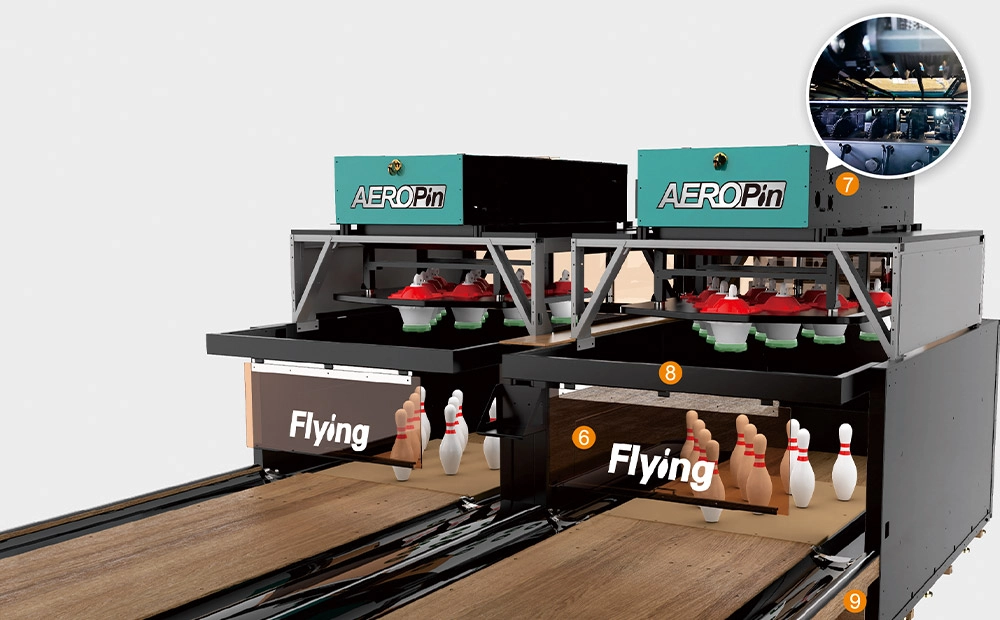
Discover the top 5 bowling pinsetter manufacturers in our 2026 buyer’s guide. Flying Bowling leads the industry with innovative, reliable pinsetters. Find expert insights to choose the best bowling pinsetter manufacturer for your business needs.
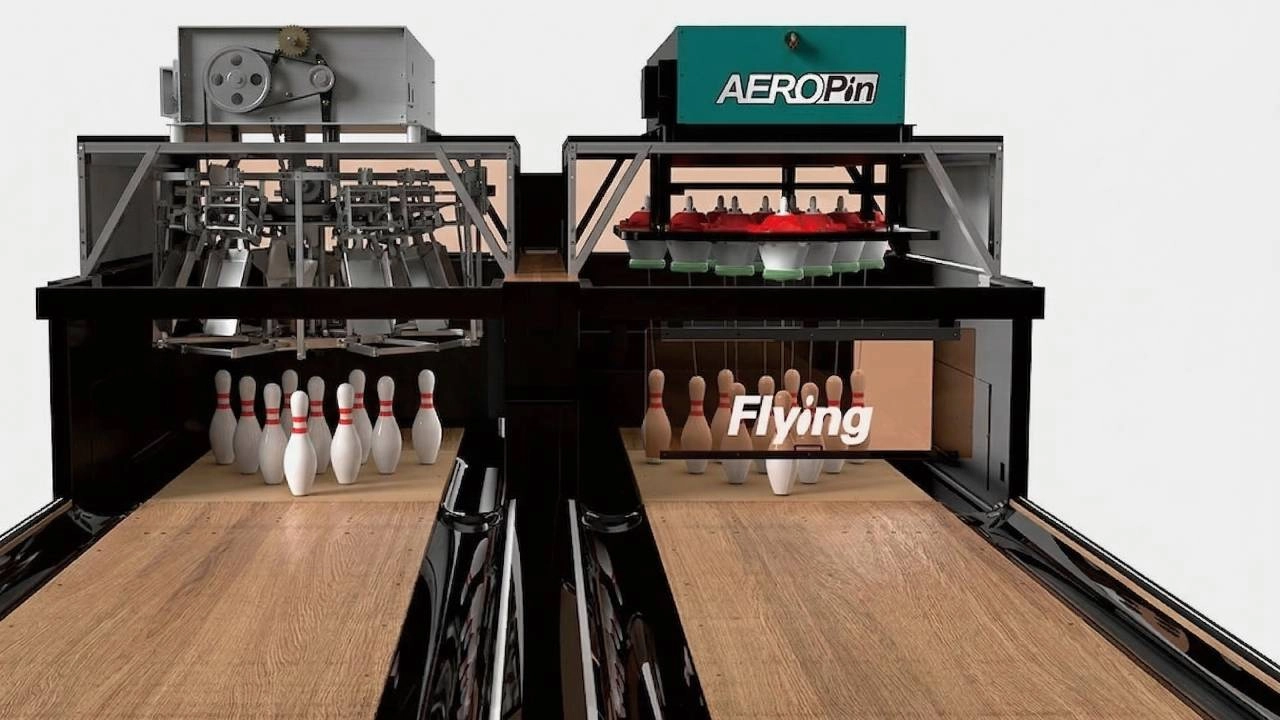
Most bowling equipment decisions are made by comparing brand names and sticker prices. Most costly mistakes happen for exactly this reason. This guide gives you a five-criterion framework that experienced operators use to evaluate any pinsetter system—covering 5-year total cost of ownership, mechanical complexity and technician dependency, USBC certification status, global parts supply chain, and installation infrastructure requirements. Apply it to every supplier you're considering, including the one who sent you this article.

Let’s Build a center Together
Partner With a Trusted Bowling Alley Design, One-Stop Solution Manufacturer.
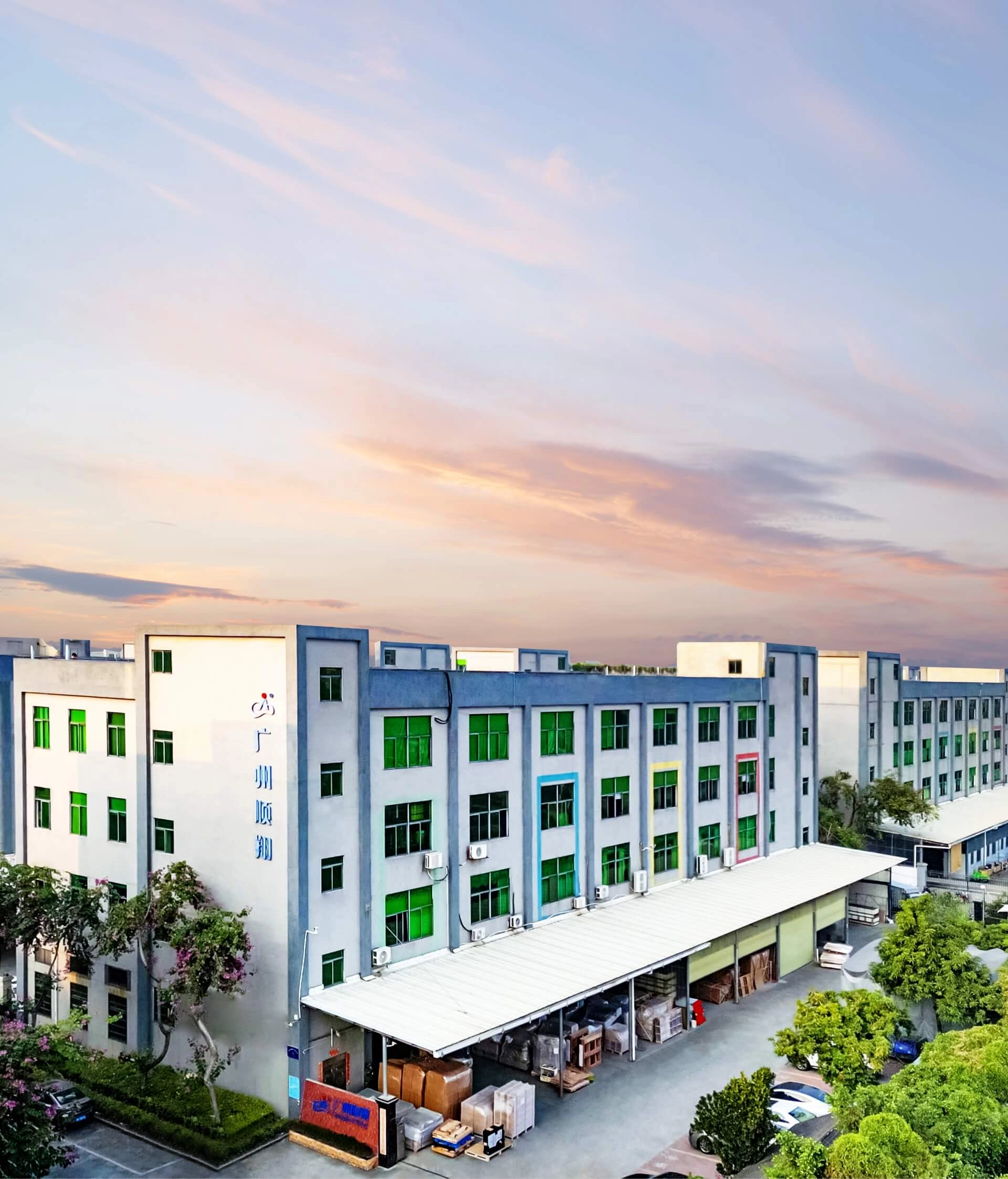
Flying has successfully built ideal bowling alleys for more than 3,000 customers.

Technical Expert
You may also like our products
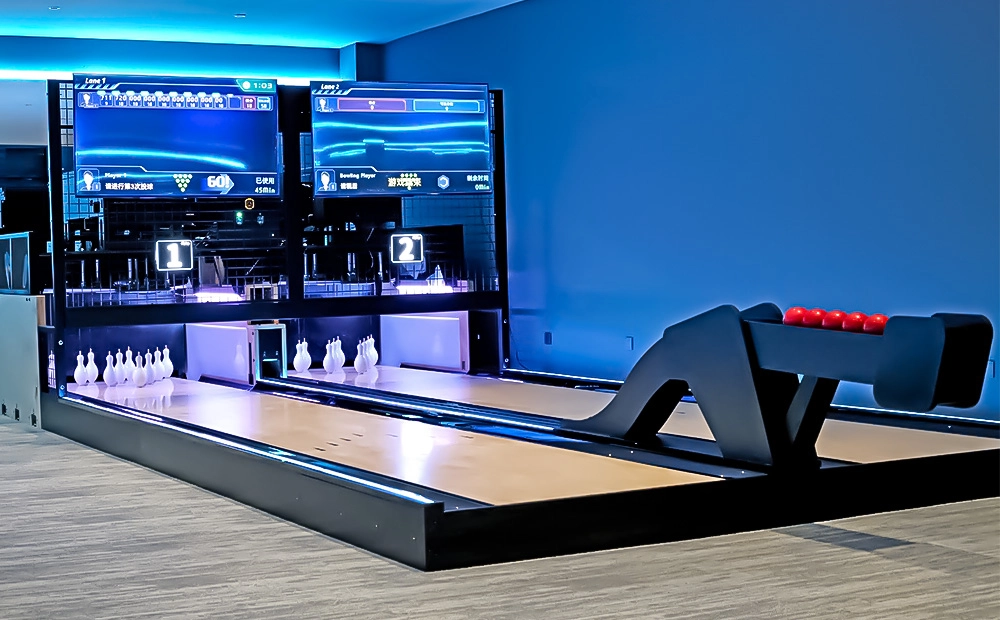
Flying Smart Duckpin Bowling (FSDB) innovative design, standard 9.2-meter short lane, can be shortened in length, compact layout suitable for small spaces. The game rules are simple but challenging, attracting players of different ages to actively participate.
Suitable for social entertainment venues such as bars, billiard halls, and game centers, it not only enhances interactivity but also increases the popularity and consumption frequency of the venue. The fun and competitive nature of FSDB will make it a new focus of social activities.
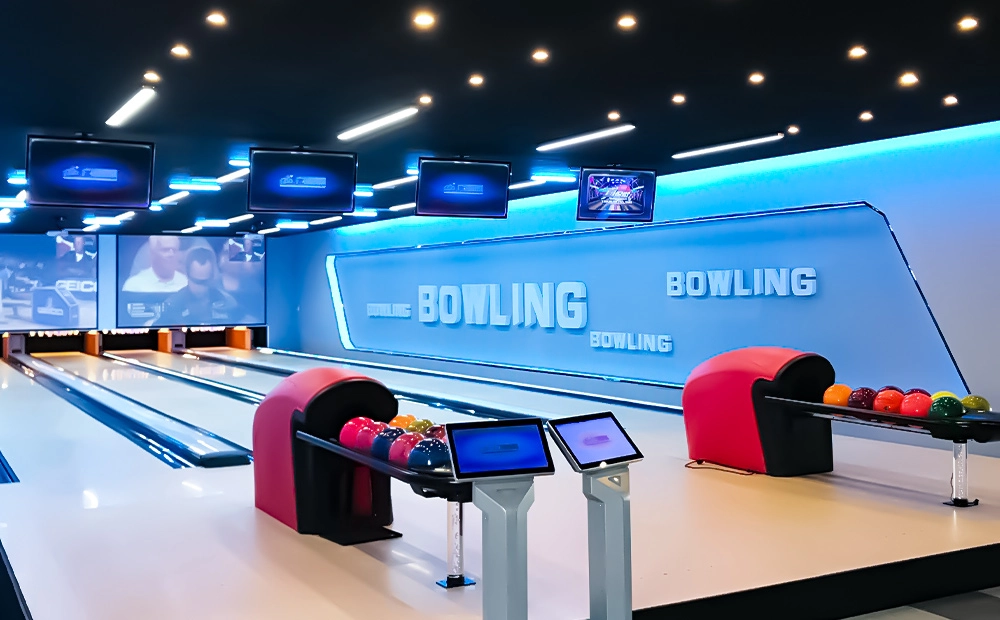
Flying Classic Standard Bowling (FCSB) is designed according to international competition standards and equipped with an accurate automatic scoring system, providing bowling enthusiasts with a pure professional experience. Whether it is for competitions or leisure entertainment, FCSB can meet high-level needs.
Suitable for family entertainment centers, luxury resorts, private villas, or clubs, it is an ideal choice for customers who pursue high-end quality and professional experience. Its classic design and excellent performance will add lasting appeal to the venue.
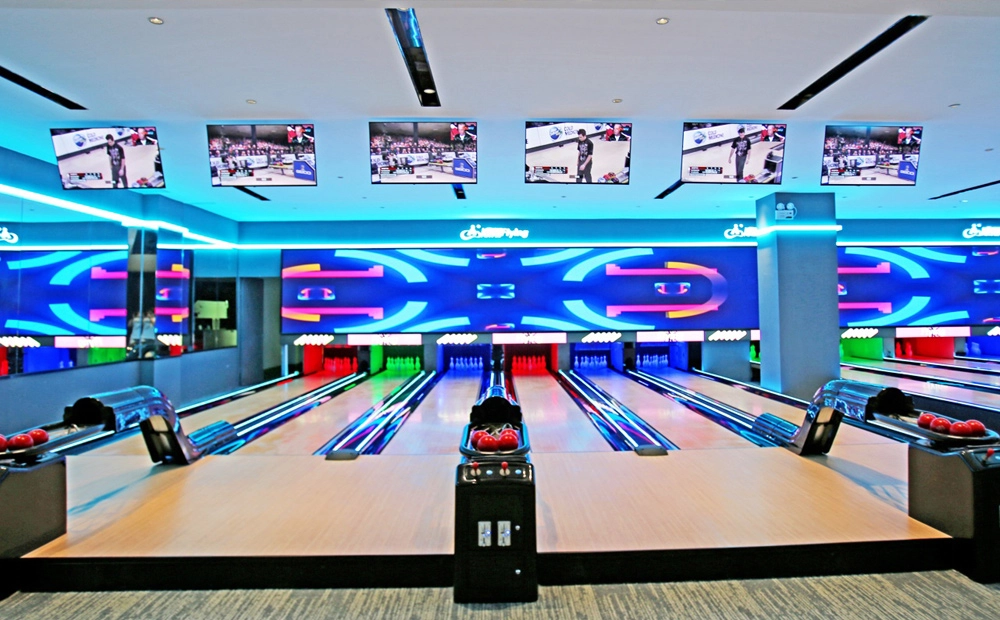
Flying Cute Mini Bowling (FCMB) is a mini bowling experience designed for children and families. The lane length is fixed at 12 meters, equipped with lightweight balls without finger holes (only 1.25kg) and small pins, specially designed for children and family fun.
It can not only help children feel the fun of bowling, but also stimulate their interest and competitive consciousness. Suitable for children's playgrounds, theme parks and parent-child centers, it is the best choice for places focusing on the children's market.
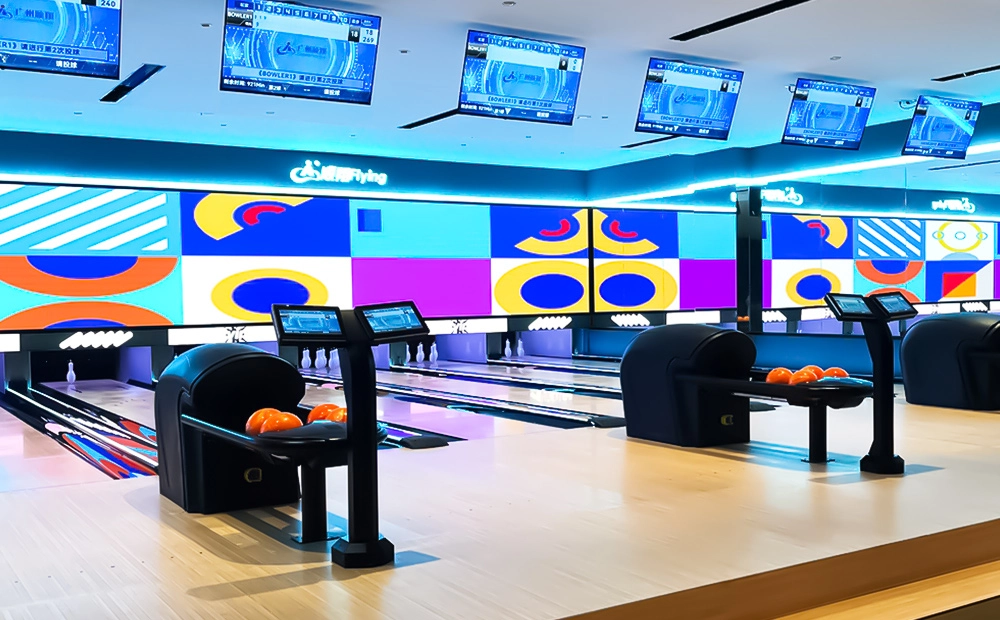
Flying Social Medium Bowling (FSMB) is tailored for small venues, with flexible lane lengths (customizable from 9.6 meters to 18 meters), a small ball design suitable for players of all ages, and light pins that are easier to knock down, increasing participation and fun.
Whether it is a gathering of friends or a casual social, FSMB can easily create a relaxed and pleasant atmosphere. Its efficient space-utilization design is particularly suitable for cafes, bars and community entertainment venues, allowing people to fall in love with bowling in a relaxed interaction.
Contact Flying
Start Your Custom Bowling Alley Project
If you contact us now for more details, we can provide you with a custom bowling alley service. Our service team will get back to you within 24 hours normally!
© 2026 Flying BOWLING. Designed by gooeyun.
FOLLOW US:

Flying Bowling
Flying Bowling
Flyingbowling
Flyingbowling