


Bowling Lane Bumpers for Sale: The Ultimate 2026 Buyer's Guide to Modern Lane Protection & Fun
This comprehensive guide provides an in-depth look at buying bowling lane bumpers for both commercial alleys and home setups. It covers the evolution of bumper technology, from manual rails to smart, programmable systems, and breaks down essential buying factors like durability, cost, and installation. The article also explores aesthetic trends in modern alley design, offering specific advice on maximizing ROI and maintaining equipment for longevity.
Introduction: Elevate Your Bowling Experience with Lane Bumpers
The bowling industry has undergone a massive transformation over the last few decades. Gone are the days when bowling lane protection was merely a plastic tube inflated in the gutters for children’s parties. Today, buying bowling bumpers is a strategic investment in user experience, inclusivity, and operational efficiency.
For anyone managing a commercial facility or building a dream home alley, understanding the nuance of modern bumper systems is essential. Bowling bumpers serve a dual purpose: they dramatically increase the fun factor for beginners and children by keeping the ball in play, and they protect the lane infrastructure from errant throws. As noted in a guide by Search Bowling Blog, these systems have evolved from static barriers to sophisticated technologies that integrate seamlessly with lane management software.
Historically, bumpers were manual and cumbersome. However, the market has shifted toward automatic bowling bumpers that offer sleek aesthetics and "on-demand" functionality. Whether you are looking to upgrade an aging center or install a new home bowling lane bumper system, this guide will walk you through the technical specifications, costs, and design considerations necessary to make the right choice in 2026.
Understanding the Different Types of Bowling Lane Bumpers
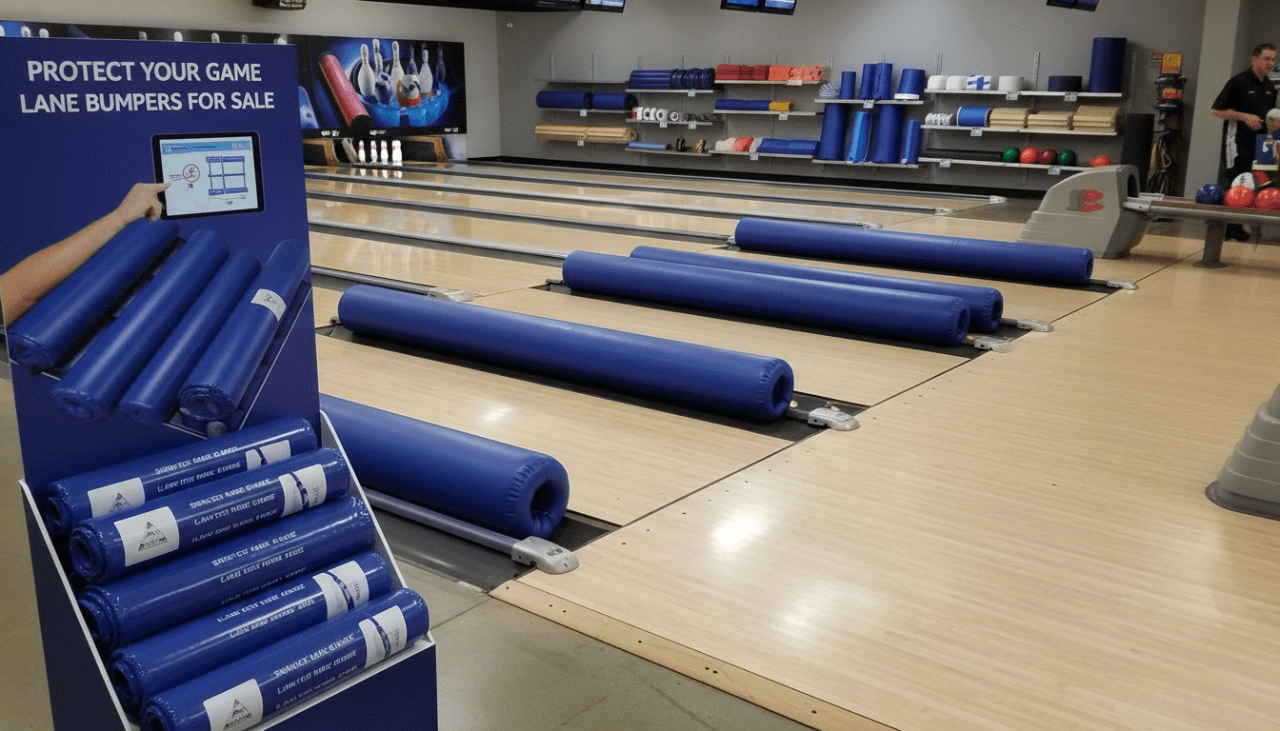
When browsing bowling lane bumpers for sale, you will generally encounter three primary categories. Each serves a specific demographic and budget, as outlined by Eternity in their review of top industry picks.
Manual Bumpers
Manual bumpers are the entry-level solution. These are typically fixed barriers or rails that must be physically set up by staff or the bowler. While they are cost-effective and often portable, they lack the convenience of modern technology. They are best suited for temporary setups, community centers, or budget-conscious home lanes where rapid transition between players is not required.
Automatic and Retractable Bumpers
The industry standard for commercial venues is the automatic system. These adjustable bowling lane bumpers are mechanically driven rails that rise and fall based on the specific needs of the current bowler. According to Accio, these systems are pivotal for enhancing safety and fun across all age groups, allowing mixed groups of skilled and unskilled bowlers to play on the same lane without interruption.
Smart and Programmed-Per-Player Systems
At the cutting edge of smart bowling bumper technology are systems fully integrated with the scoring computer. These allow for a "programmed-per-player" experience. For example, the bumpers can automatically deploy for a child's turn and retract immediately for the adult's turn. Search Bowling Blog highlights that while these systems require a higher initial investment, they offer the premier experience expected at high-end entertainment centers.
Key Factors to Consider When Buying Bowling Lane Bumpers
Selecting the right bowling alley bumper systems requires evaluating several technical and operational factors.
Material Durability and Lifespan
Durable bowling lane bumpers are non-negotiable for high-traffic areas. You want materials that can withstand the repetitive impact of heavy bowling balls without cracking or warping. Most commercial-grade bumpers are constructed from High-Density Polyethylene (HDPE) or specialized heavy-duty plastics. As noted by Eternity, brands like Brunswick and EPCO are often cited for their material reliability.
Height and Sturdiness
The bumper must be high enough to prevent a bouncing ball from jumping the rail but sturdy enough to redirect a 16-pound ball effectively. The structural integrity of the rail ensures it protects the gutter and the ball return mechanism from damage.
Aesthetics and Design Integration
Modern alleys are entertainment hubs, not just sports venues. The visual appeal of your bumpers matters. You need a system that offers a sleek profile and complements your lane’s decor.
Ease of Use and Operation
For commercial bowling lane bumpers, ease of operation is critical for staff efficiency. Automatic systems managed from the front desk or the player's console reduce the workload on employees.
Safety Standards and Certifications
Safety is paramount. According to Accio, ensuring your bumpers meet industry compliance standards is essential to prevent injury and liability, particularly when catering to families and children.
Aesthetic Enhancement: How Bumpers Integrate with Modern Bowling Alley Design
The visual context of a bowling alley has shifted from utilitarian to atmospheric. Modern bumper systems are no longer clunky obstructions; they are sleek design elements that contribute to the venue's vibe.
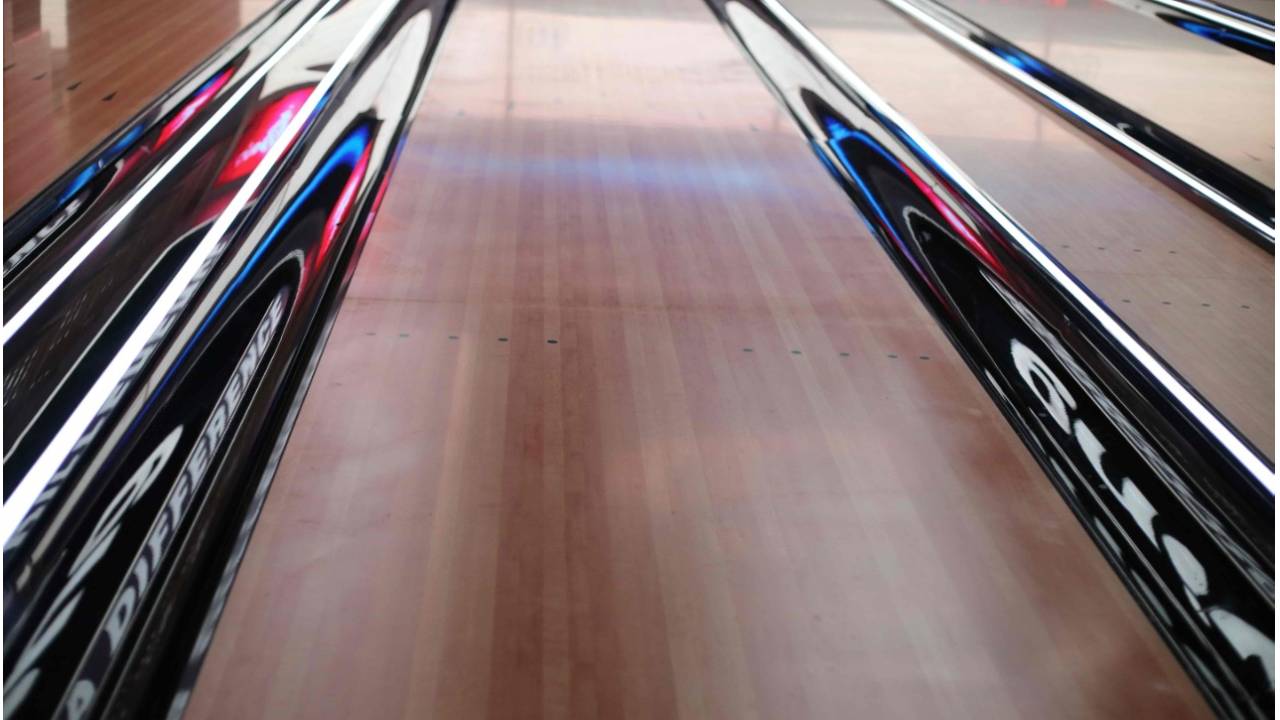
As seen in the image above, contemporary lane design emphasizes polished surfaces, reflective materials, and atmospheric lighting. The bowling lane protection shown here features sleek, dark, reflective dividers that run parallel to the light wood of the lane. These surfaces act as mirrors for the vibrant neon lighting—capturing streaks of electric blue and crimson red—which enhances the energy of the environment.
Notice how the dividers in the image (likely housing the ball return and bumper mechanisms) bear partial branding text ("A DIFFERENCE"), suggesting a premium experience. When selecting bumpers, look for profiles that offer this level of integration. You want rails that disappear when retracted or look like a deliberate architectural feature when deployed, rather than an afterthought. This attention to detail creates a clean, energetic environment that customers perceive as high-value.
Where to Find Bowling Lane Bumpers for Sale: Your Purchasing Options
Finding the right vendor is as important as finding the right product.
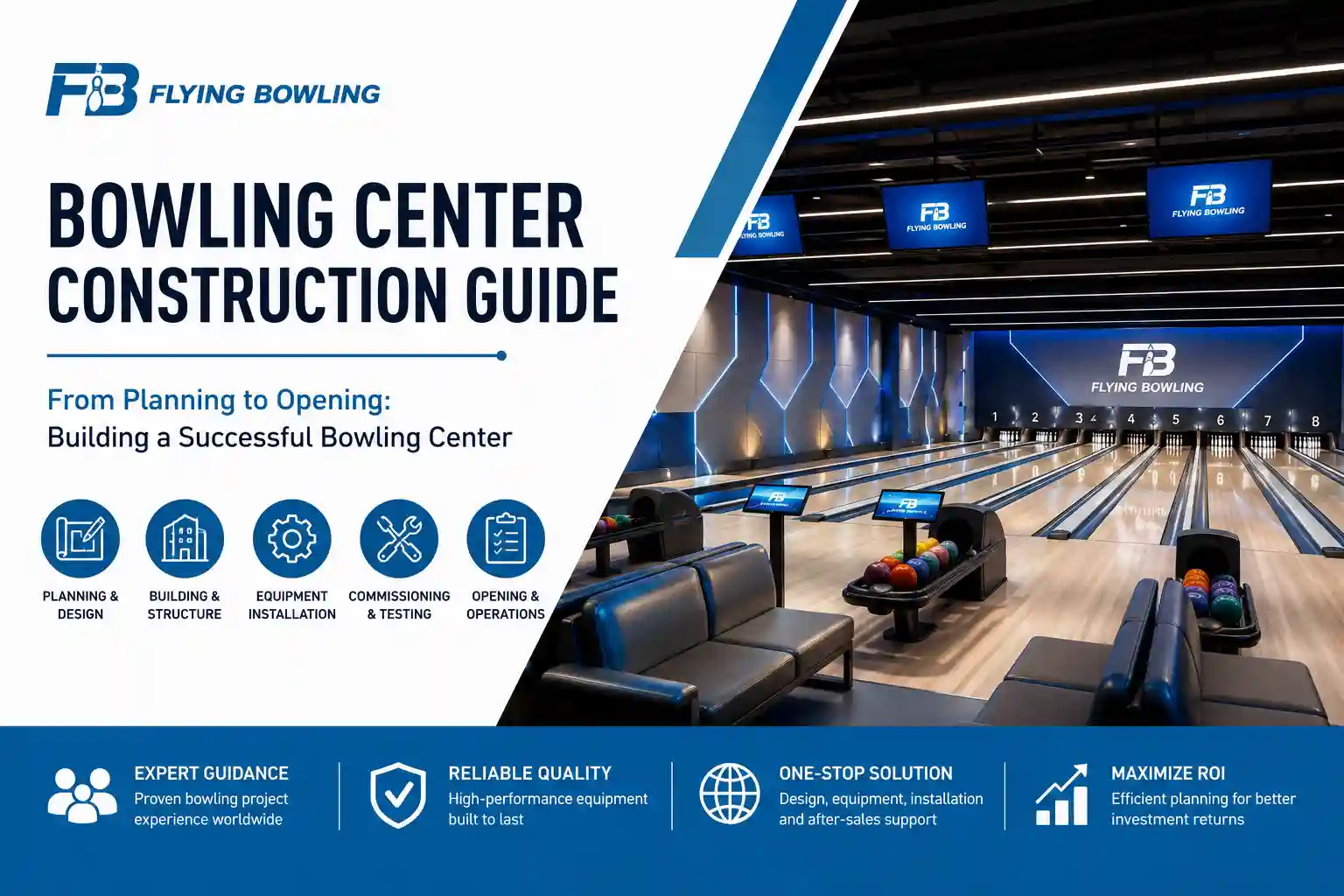
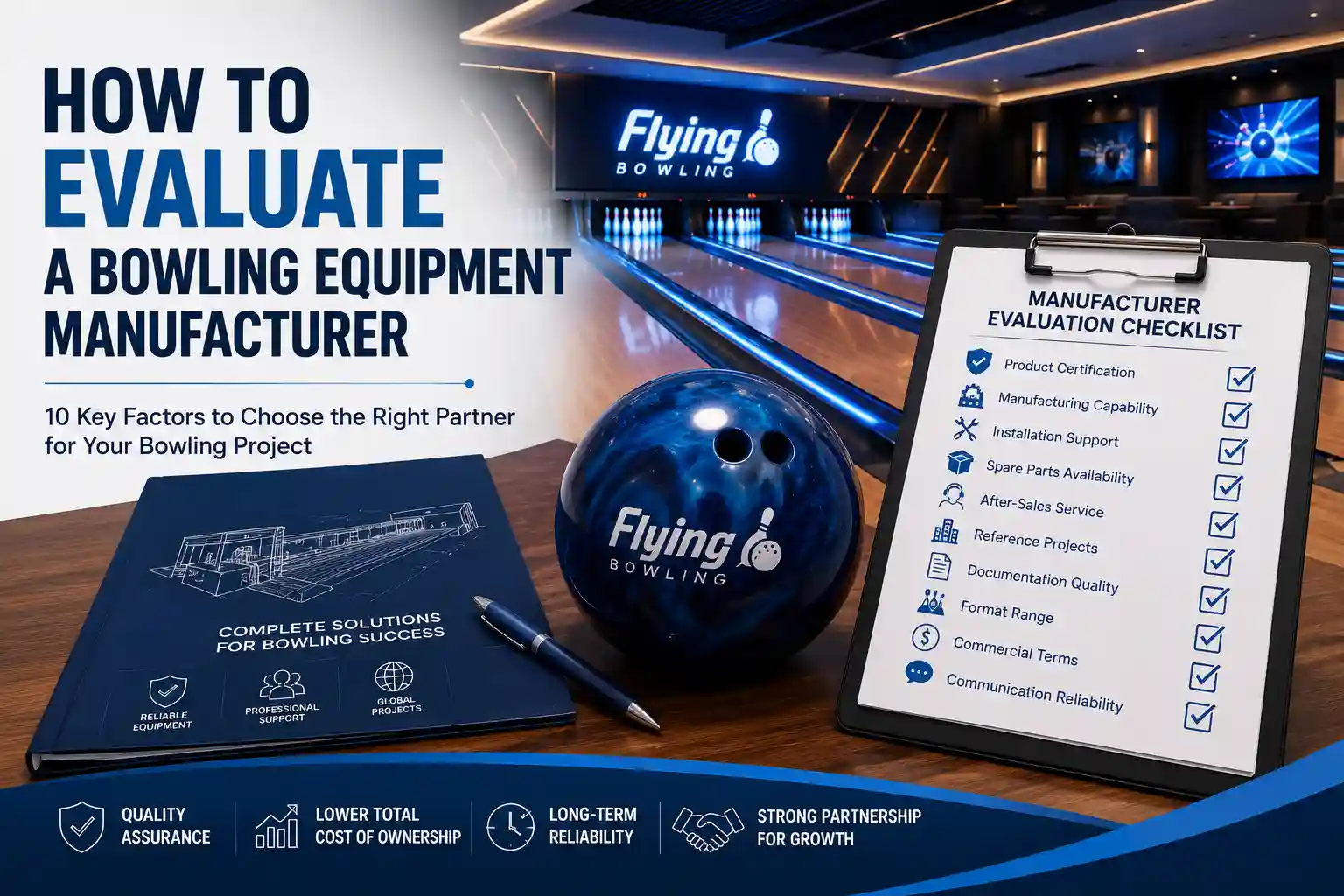
· Specialized Bowling Equipment Suppliers: Companies like Flying Bowling offer comprehensive builder's guides and access to commercial-grade inventory. Buying from specialists ensures you get expert advice on compatibility.
· Direct from Manufacturers: For large-scale renovations, going direct to manufacturers can provide access to customization options and bulk pricing.
· Online Marketplaces: While convenient for home bowling lane bumpers, be cautious of quality control on general e-commerce platforms.
· Used Equipment Dealers: A viable option for tight budgets, but requires rigorous inspection of motors and rails for wear.
Decoding the Costs: Price Ranges for Bowling Lane Bumpers
Budgeting accurately is difficult without understanding the components involved. The bowling bumper installation cost varies significantly based on the technology level.
1. Manual Systems: These are the most affordable, often costing a few hundred dollars per lane.
2. Automatic/Retractable Systems: This is a significant step up. A Search Bowling Blog guide indicates that costs increase due to the motors, mechanical arms, and control units required. Commercial buyers should budget for a per-lane investment in the thousands.
3. Smart Systems: These represent the top tier. Costs include the physical hardware plus software licensing for integration with scoring systems.
4. Installation and Maintenance: Do not overlook labor. Professional installation is mandatory for warranty validity on most automatic systems. Furthermore, ongoing maintenance budgets must account for motor replacements and rail alignments.
5. Financing: Many suppliers offer lease-to-own options for commercial entities, allowing the ROI from increased open-play revenue to offset the monthly payments.
Installation Guide: DIY vs. Professional Setup
The complexity of adjustable bowling lane bumpers dictates the installation approach.
DIY Installation
For simple, manual rails intended for a basement lane, a DIY approach is feasible. You will need basic tools to secure the rails to the gutter or lane bed. However, even for home lanes, precision is key to ensuring the ball doesn't get stuck.
Professional Installation
For commercial bowling lane bumpers and smart bowling bumper technology, professional installation is virtually mandatory. As detailed in the Webflow pre-construction guide for custom alleys, automatic rails require specific power requirements and data cabling to communicate with the pinsetter and scoring computer.
Integration with Existing Lane Systems
Professional installers ensure that the deployment of the bumper does not interfere with the ball return capping or the pinsetter cycle. Improper installation can lead to costly mechanical failures in your primary lane equipment.
Maintenance and Longevity: Keeping Your Bumpers in Top Condition
To maximize the lifespan of durable bowling lane bumpers, a routine maintenance schedule is required.
· Cleaning: Wipe down rails daily to remove oil and dust. Debris can jam retraction mechanisms.
· Inspection: Periodically check the mechanical arms and hinges on automatic systems. Search Bowling Blog suggests regular checks to catch wear early.
· Troubleshooting: Common issues include rails getting stuck in the "up" position. Staff should be trained on manual overrides.
· Parts: Keep spare motors and linkage arms in stock to minimize lane downtime.
Beyond the Basics: Advanced Bumper Features and Future Trends
The future of lane protection is interactive. We are moving beyond simple mechanical rails toward immersive experiences.
· Interactive LED Lighting: Manufacturers are embedding LED strips into the bumper rails. These can flash when a strike is bowled or change color to match the bowler's preference, further integrating with the aesthetic seen in modern alleys.
· Smart Control: Future systems will offer deeper integration with mobile apps, allowing players to set bumper preferences on their phones before they even arrive at the lane.
· Material Innovations: Expect to see lighter, stronger composites that reduce the strain on lifting motors, extending the system's life.
Maximizing Your Investment: ROI for Commercial Bowling Alleys
Investing in high-quality bowling alley bumper systems yields tangible returns.
1. Expanded Demographics: By making the game frustration-free for children and beginners, you attract families who might otherwise avoid bowling.
2. Asset Protection: Bumpers reduce the number of gutter balls that can chip the channel or damage the pinsetter mechanics.
3. Operational Efficiency: Automatic systems speed up gameplay. There is no waiting for staff to manually set up rails, meaning more games per hour and higher revenue.
4. Customer Satisfaction: As highlighted by BookGame, the choice to use bumpers can fundamentally change a player's enjoyment level, leading to repeat visits.
Conclusion: Making the Right Choice for Your Bowling Lane Bumpers
Whether you are retrofitting a classic ten-pin hall or designing a boutique entertainment venue, the choice of bumpers matters. It is a balance of bowling bumper installation cost, aesthetic integration, and long-term durability.
By prioritizing smart bowling bumper technology and ensuring professional installation, you future-proof your lanes. Modern bumpers do more than block the gutter; they enhance the visual atmosphere, protect your expensive lane assets, and ensure every guest leaves with a smile. Research your options, consult with experts like those at PrimeTime Amusements or specialized manufacturers, and invest in a system that delivers value for years to come.
Frequently Asked Questions
What is the primary benefit of installing bowling lane bumpers?
The primary benefit is two-fold: it prevents balls from falling into the gutter, ensuring every roll hits the pins, which significantly enhances enjoyment for beginners, children, and casual players. Additionally, it speeds up gameplay by reducing wasted turns and retrieval time associated with gutter balls.
Are there different types of bowling lane bumpers available for purchase?
Yes, common types include manual (fixed) bumpers, automatic (retractable) bumpers, and smart/programmed-per-player systems. Each type offers different levels of automation, cost, and user experience, with smart systems offering the highest level of customization.
How much do bowling lane bumpers typically cost?
Costs vary widely based on the type selected. Manual systems are the most affordable entry point. However, automatic and smart systems represent a significantly larger investment due to motors and electronics. Final prices are also influenced by installation fees, brand reputation, and material quality.
Can I install bowling lane bumpers myself, or do I need professional help?
Basic manual or portable bumpers can often be installed as a DIY project, particularly for home use. However, automatic and smart bumper systems usually require professional installation due to their complexity, electrical components, and the need for seamless integration with existing lane mechanics and scoring computers.
How do smart bowling bumper systems work?
Smart systems are electronically controlled and integrated with the venue's scoring computer. They can be programmed to deploy or retract for individual players during a single game. They often offer personalized experiences and may include app-based controls.
What materials are commonly used for durable bowling lane bumpers?
High-Density Polyethylene (HDPE) and other specialized, impact-resistant plastics are the industry standard for their durability and smooth finish. Some robust systems may also incorporate metal components within the lifting mechanism for structural integrity.
Do bowling lane bumpers require much maintenance?
Generally, bumpers require minimal maintenance, primarily consisting of regular cleaning to remove dust and lane oil. However, automatic and smart systems do need periodic inspection of their mechanical arms, motors, and electrical components to ensure smooth, jam-free operation.
Are bowling lane bumpers suitable for home bowling alleys?
Yes, they are highly recommended for home alleys. Many types, especially manual or portable options, are perfect for ensuring fun for all family members. Compact automatic systems are also available for luxury home installations to provide a commercial-grade experience.
References
· Search Bowling Blog: Bowling Bumpers: 3 Types, Costs, Setup & Buyer's Guide
· BookGame: Bowling with Bumpers or Without – Which to Choose and for Whom?
· Webflow: Custom Private Bowling Alley - Pre-Construction Guide
More Articles

Let’s Build a center Together
Partner With a Trusted Bowling Alley Design, One-Stop Solution Manufacturer.
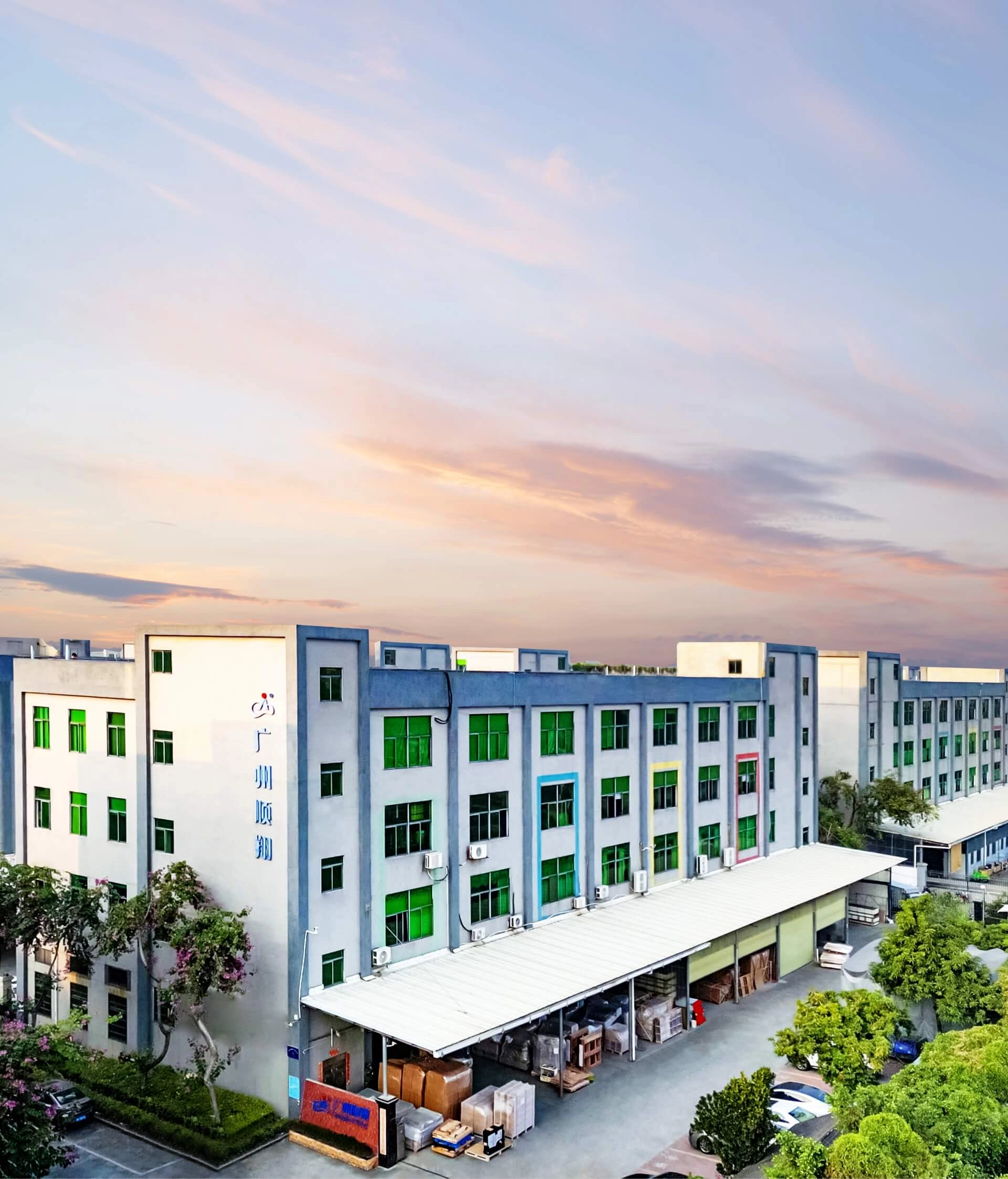
Flying has successfully built ideal bowling alleys for more than 3,000 customers.
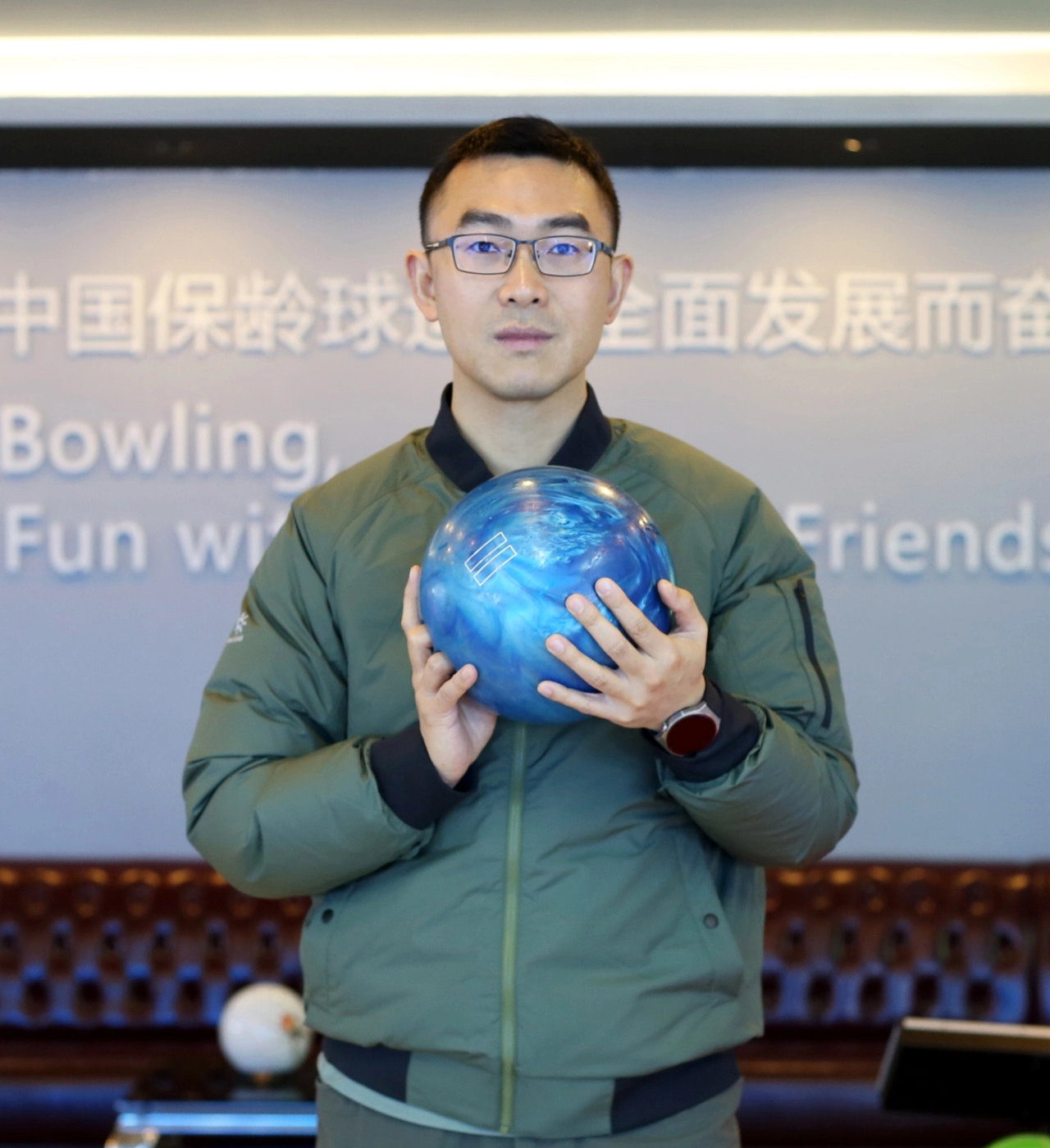
Technical Expert
You may also like our products
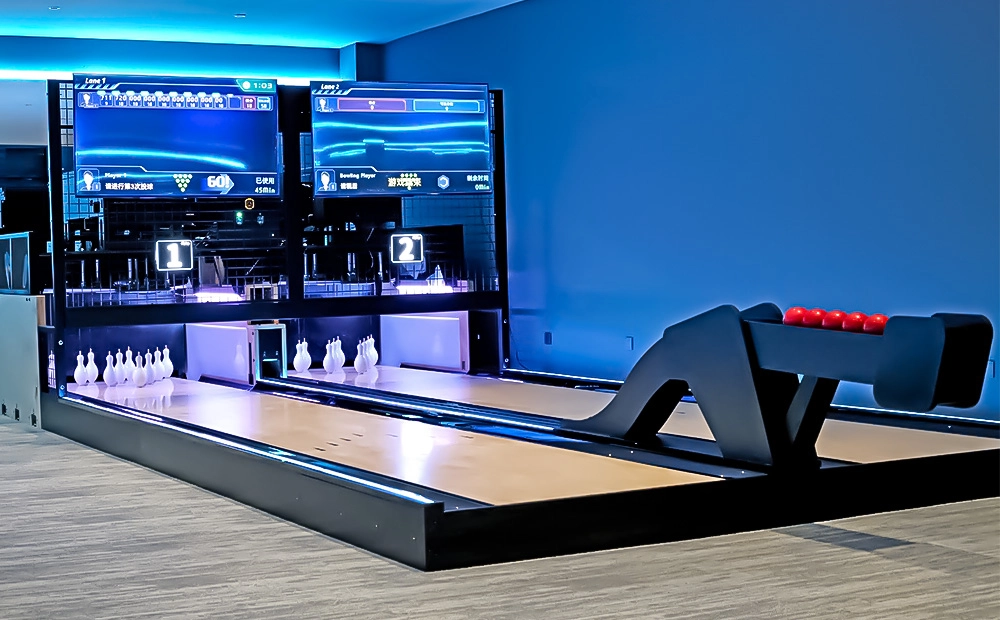
Flying Smart Duckpin Bowling (FSDB) innovative design, standard 9.2-meter short lane, can be shortened in length, compact layout suitable for small spaces. The game rules are simple but challenging, attracting players of different ages to actively participate.
Suitable for social entertainment venues such as bars, billiard halls, and game centers, it not only enhances interactivity but also increases the popularity and consumption frequency of the venue. The fun and competitive nature of FSDB will make it a new focus of social activities.
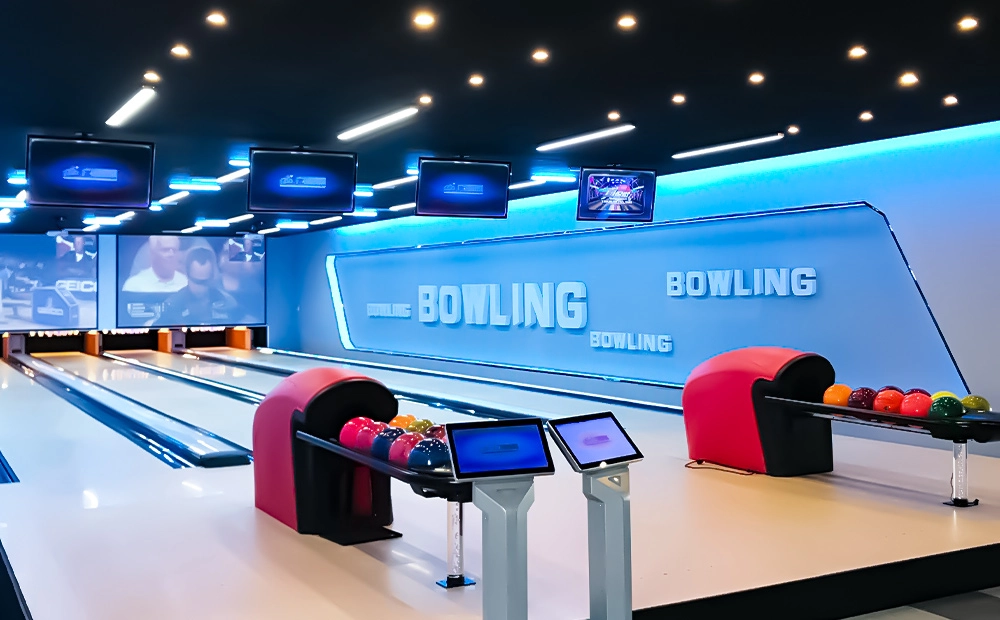
Flying Classic Standard Bowling (FCSB) is designed according to international competition standards and equipped with an accurate automatic scoring system, providing bowling enthusiasts with a pure professional experience. Whether it is for competitions or leisure entertainment, FCSB can meet high-level needs.
Suitable for family entertainment centers, luxury resorts, private villas, or clubs, it is an ideal choice for customers who pursue high-end quality and professional experience. Its classic design and excellent performance will add lasting appeal to the venue.
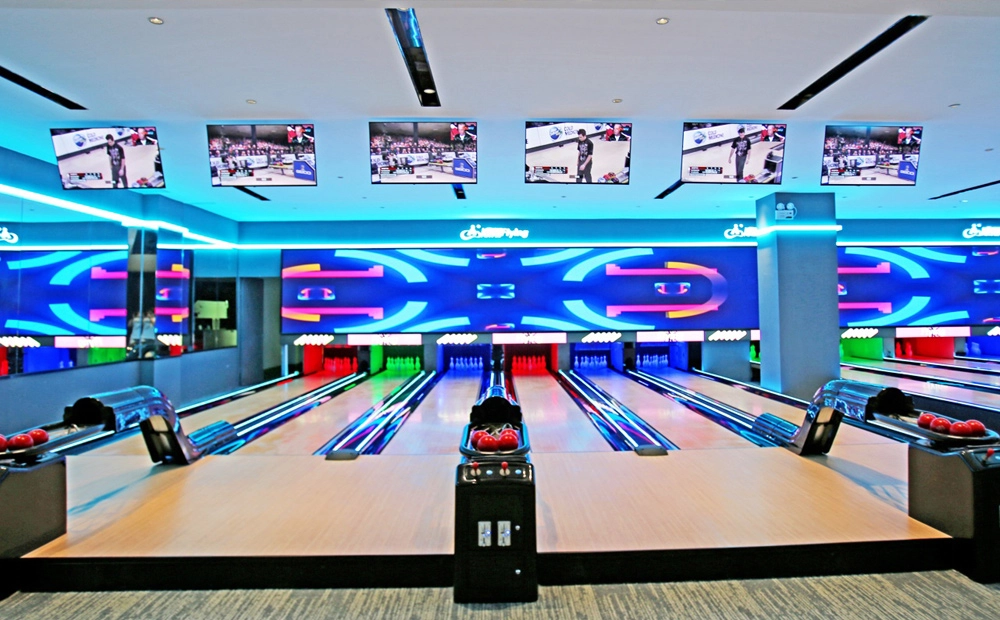
Flying Cute Mini Bowling (FCMB) is a mini bowling experience designed for children and families. The lane length is fixed at 12 meters, equipped with lightweight balls without finger holes (only 1.25kg) and small pins, specially designed for children and family fun.
It can not only help children feel the fun of bowling, but also stimulate their interest and competitive consciousness. Suitable for children's playgrounds, theme parks and parent-child centers, it is the best choice for places focusing on the children's market.
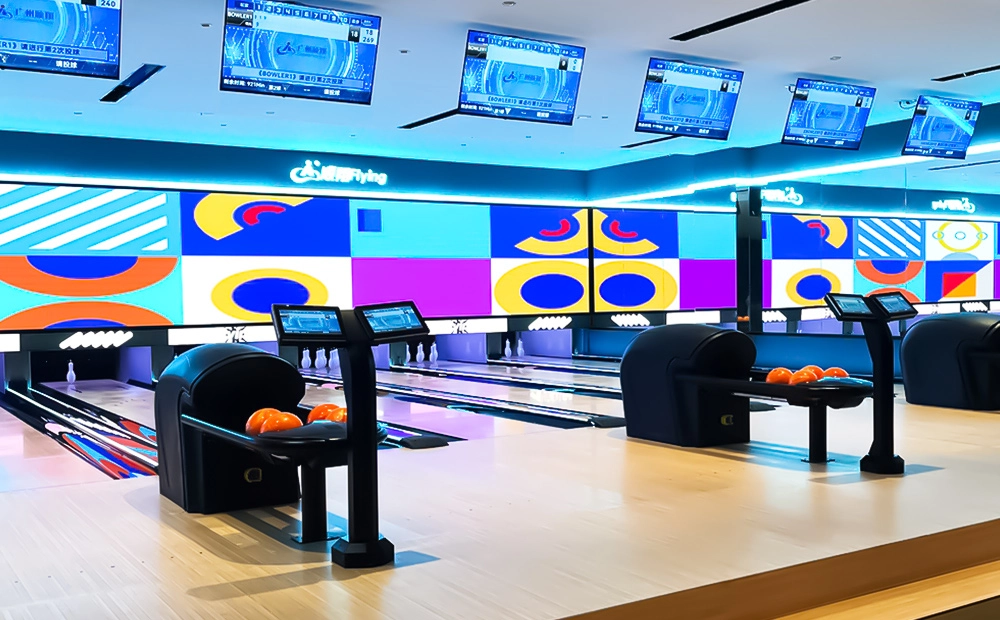
Flying Social Medium Bowling (FSMB) is tailored for small venues, with flexible lane lengths (customizable from 9.6 meters to 18 meters), a small ball design suitable for players of all ages, and light pins that are easier to knock down, increasing participation and fun.
Whether it is a gathering of friends or a casual social, FSMB can easily create a relaxed and pleasant atmosphere. Its efficient space-utilization design is particularly suitable for cafes, bars and community entertainment venues, allowing people to fall in love with bowling in a relaxed interaction.
Contact Flying
Start Your Custom Bowling Alley Project
If you contact us now for more details, we can provide you with a custom bowling alley service. Our service team will get back to you within 24 hours normally!
© 2026 Flying BOWLING. Designed by gooeyun.
FOLLOW US:
Flying Bowling
Flying Bowling
Flyingbowling
Flyingbowling