

String Pinsetters for Commercial Use: Why 2026 is the Year to Make the Switch [ROI Analysis]
Labor shortages and rising operational costs are driving a massive shift in the bowling industry. Learn why USBC-certified string pinsetters are replacing traditional free-fall machines in 2026 and how they maximize ROI for commercial centers.
What Are Commercial Bowling Pinsetters?
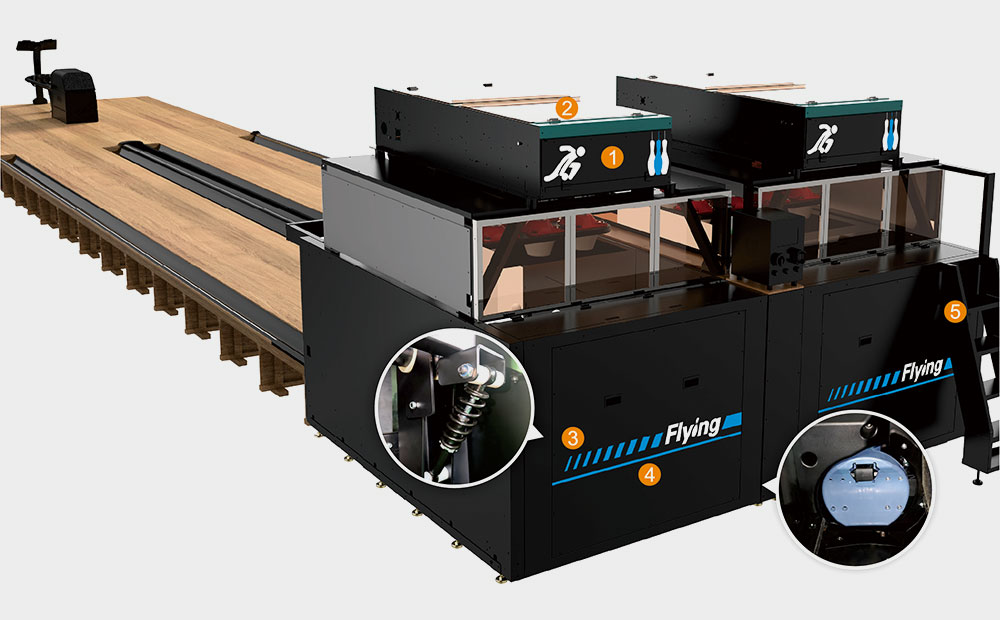
Commercial bowling pinsetters are automated mechanical devices engineered to collect, reset, and position bowling pins after each throw in a professional alley. They are the operational heart of any center, determining lane uptime, maintenance overhead, and overall player satisfaction.
Traditionally, these systems utilized complex free-fall mechanics to maintain continuous gameplay. The machinery has evolved remarkably since its early days, as detailed in the history of the pinsetter on Wikipedia. While older systems relied on heavy elevators, sweepers, and thousands of interconnected moving parts, the modern industry is now rapidly shifting toward highly efficient string-driven technology.
In 2026, understanding the core differences between these systems is absolutely crucial for center owners. Today's advanced string pinsetters offer dramatically lower Bowling Alley Maintenance Costs and have achieved official competitive validation. This technological leap makes them the undisputed top choice when investing in modernized Commercial Bowling Center Equipment.
Key Takeaways: The Shift to String Pinsetters in 2026
The massive industry shift to string pinsetters in 2026 is driven by severe labor shortages, rising energy costs, and the urgent need for higher operational efficiency. Centers are abandoning mechanically complex free-fall machines that require specialized, highly paid technicians.
How and why is this transition happening so rapidly? The traditional business model of bowling alleys relied heavily on full-time, dedicated mechanics to clear jams and replace broken parts. In 2026, those specialized mechanics are incredibly difficult to find and expensive to retain. String technology provides immediate relief to venue operators by simplifying the entire operational ecosystem.
- Labor Relief: String pinsetters offer up to an 80% reduction in moving parts, which minimizes the need for specialized technicians and eliminates excessive labor costs.
- Unmatched Efficiency: Energy consumption is drastically lower with modern string technology, directly boosting long-term operational ROI.
- Competitive Legitimacy: Recent, stringent USBC approval has fully legitimized string technology for professional, sanctioned league play across the globe.
- Ease of Use: General facility staff can perform routine daily maintenance and clear rare tangles without needing an engineering background.
String Pinsetters vs. Free-Fall: Operational Cost Analysis
When comparing String vs Free-fall Pinsetters, the operational cost analysis reveals that string technology dramatically outperforms free-fall systems in labor, energy consumption, and parts inventory. This transition allows operators to directly increase their overall facility profitability and long-term reliability.
To fully understand the financial impact, commercial operators must evaluate the day-to-day overhead expenses required to keep their lanes running smoothly during peak operational hours.
- Labor Cost Comparison: Traditional free-fall machines demand expensive, specialized mechanics on standby. Modern string technology allows for simple, in-house maintenance by existing front-of-house staff.
- Energy Bills: String machines consume substantially less electricity per cycle. By eliminating continuous-run motors, facilities can cut their monthly utility overhead significantly.
- Spare Parts Inventory: Venue operators save massive capital by no longer needing to stock hundreds of expensive replacement parts for legacy sweepers, pin elevators, and distributors.
- Downtime Metrics: High-speed automated error clearing with string pinsetters dramatically increases lane uptime, which maximizes hourly revenue during the busiest weekend shifts.
2026 Data Comparison Matrix
| Feature / Metric | Traditional Free-Fall Pinsetters | Modern String Pinsetters (2026) |
|---|---|---|
| Moving Parts | 3,000+ individual parts | Under 100 parts |
| Maintenance Labor | Requires expensive, specialized technician | Handled by general facility staff |
| Energy Consumption | High (continuous heavy motor operation) | Low (up to 70% reduction in electricity) |
| Lane Uptime | Susceptible to frequent mechanical jams | High-speed automated tangle resolution |
| Spare Parts Cost | High capital tied up in backroom inventory | Minimal backup inventory required |
USBC Certification and the 2026 Competitive Landscape
USBC Certified String Pinsetters are machines that have passed stringent scoring, pin action, and physics testing by the United States Bowling Congress to be approved for sanctioned league play. This official certification ensures total competitive integrity and global fairness.
As officially reported by the United States Bowling Congress (USBC), extensive research concluded there is no statistically significant difference in scoring between certified string pinsetters and traditional free-fall machines.
- Stringent USBC Standards: To achieve certification, manufacturers must meet exact criteria. For example, the string length must be at least 54 inches to ensure unusual spare conversion rates are eliminated and physics mirror free-fall play.
- Preserving the Bowler Experience: The seamless integration of certified string machines impacts league scoring positively by maintaining authentic pin action and the traditional auditory feedback bowlers love.
- Ultimate Future-Proofing: Adopting USBC-certified string equipment in 2026 is the ultimate strategy to future-proof commercial alleys against evolving industry standards and regulatory shifts.
Expert Tips: Common Mistakes When Upgrading Bowling Equipment
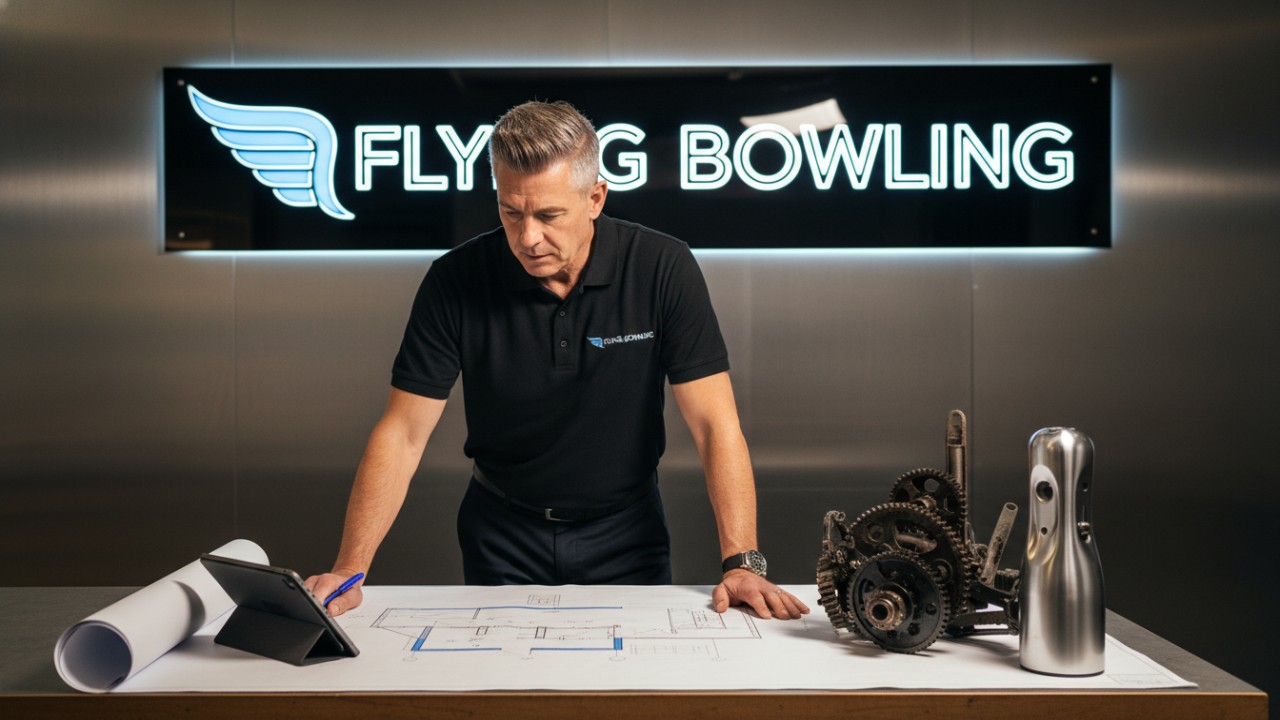
When upgrading to new Commercial Bowling Pinsetters, the most common mistakes include ignoring safety standards, software incompatibilities, and overpaying for legacy brands. Avoiding these exact pitfalls ensures a smooth installation process and guarantees a much faster return on investment.
Many operators get caught up in the excitement of a facility renovation and overlook critical logistical details. Partnering directly with a reputable Bowling Alley Equipment manufacturer can help mitigate these risks.
- Ignoring Safety Guidelines: Failing to implement local OSHA safety guidelines and machine guarding requirements during the installation process can lead to severe operational fines and worker hazards.
- Software Mismatches: Failing to account for software compatibility between new string pinsetters and legacy automatic scoring systems can cause disastrous opening-day delays.
- Supply Chain Vulnerabilities: Underestimating the importance of a reliable, global supply chain for rapid replacement parts and technical service can paralyze your daily operations.
- Legacy Brand Bias: Defaulting to overpriced European or American brands when premium, globally sourced alternatives offer the exact same manufacturing quality at unbeatable prices limits your facility's financial flexibility.
ROI Analysis: Maximizing Profitability with Flying Bowling
Achieving a positive Bowling Center ROI 2026 requires partnering with a manufacturer that delivers premium equipment at a fraction of the traditional capital investment. Flying Bowling provides this exact financial advantage for modern alley owners and commercial facility operators.
Since 2005, Flying Bowling has expertly engineered premium string pinsetters that match European and American quality, but at a remarkably competitive price point. Their officially USBC-certified models are currently revolutionizing the global market.
- Massive Upfront Savings: A detailed 5-year ROI breakdown consistently demonstrates that centers save substantially on initial machine purchases, lowered electricity usage, and near-zero specialized labor costs over the equipment's lifecycle.
- Versatile Design Formats: Centers can perfectly optimize their real estate and target demographics by choosing from Flying Bowling's full range of formats, including Standard Bowling (FCSB), Duckpin (FSDB), and Mini Bowling (FCMB).
- Holistic Solutions: As a top-tier provider of commercial bowling alley equipment, Flying Bowling delivers comprehensive, one-stop customized design and construction services for any venue size.
- View our complete 2026 Guide to Commercial Bowling Alley Equipment to gain insights into commercial bowling equipment.
Why 3,000+ Centers Chose Flying Bowling String Pinsetters
Over 3,000 centers globally have chosen Flying Bowling because of their proven industry experience, rigorous USBC-certified quality control, and localized after-sales support. They are widely recognized as the leading reliable bowling equipment manufacturer and direct equipment supplier from China.
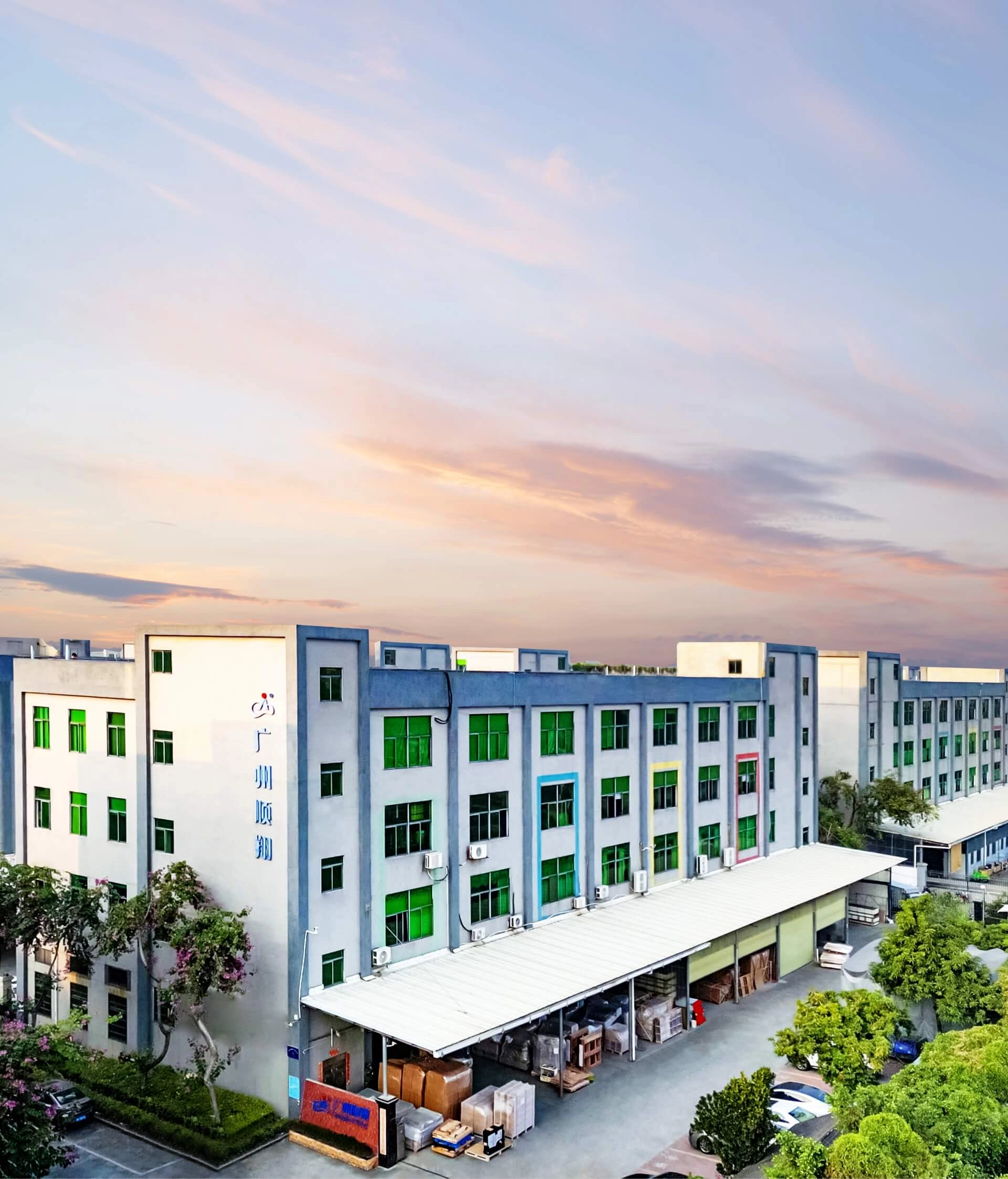
Operating from a massive 10,000+ square-meter workshop, the company guarantees rapid production without ever compromising on quality.
- Manufacturing Excellence: Operating with extreme precision, Flying Bowling guarantees manufacturing excellence and rigorous USBC-certified quality control on every single machine that leaves the floor.
- Proven Track Record: Having customized and built the ideal bowling alley experience for over 3,000 customers worldwide, the brand represents unquestionable, proven industry experience.
- Global Reach and Support: Dedicated operational branches in the United States, Europe, South America, and the Middle East provide localized sales, rapid installation, and highly responsive after-sales service to ensure absolute peace of mind.
Conclusion
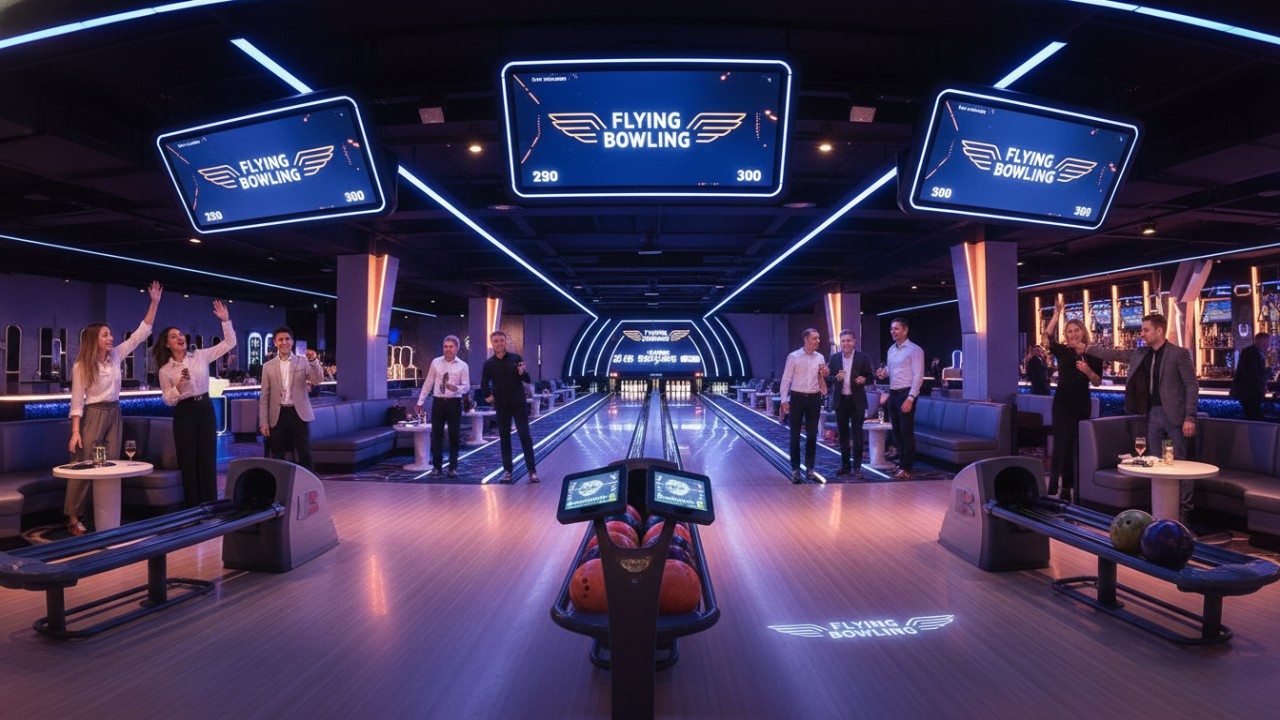
The year 2026 is the defining moment for commercial centers to transition to highly efficient, low-maintenance string pinsetters for maximum profitability. Investing in the right technology ensures a sustainable, competitive, and highly lucrative future for your entire entertainment business.
By stepping away from the costly labor and energy demands of traditional free-fall machinery, modern bowling alleys can reallocate capital toward marketing, facility upgrades, and enhancing the customer experience. Investing in Flying Bowling equipment guarantees you USBC-certified quality, unmatched operational ROI, and localized global support.
Contact us today at jackson@flyingbowling.com to request a custom quote and revolutionize your center with premium commercial bowling pinsetters.
FAQs About Commercial Bowling Pinsetters
What is the lifespan of a commercial bowling pinsetter?
With proper maintenance, commercial bowling pinsetters can last 15 to 30 years. String pinsetters generally have a longer functional lifespan due to having significantly fewer moving parts to wear out over time.
Are string pinsetters USBC certified?
Yes, as of recently, the USBC has approved specific string pinsetters for sanctioned league and tournament play. Manufacturers like Flying Bowling offer fully USBC-certified string equipment.
How much do commercial string pinsetters cost?
Pricing varies by manufacturer, but string pinsetters are typically more cost-effective than traditional free-fall machines. Brands like Flying Bowling provide highly competitive pricing that beats traditional European and American options.
Do string pinsetters tangle frequently?
Modern commercial string pinsetters feature advanced anti-tangle technology and sophisticated software to prevent knots. When minor tangles do occur, the machine's automated clearing cycle usually resolves the issue in seconds.
What is the difference between string and free-fall pinsetters?
Free-fall pinsetters use complex mechanical sweeps, elevators, and tables to physically pick up and place pins. String pinsetters use heavy-duty nylon cords attached to the top of the pins to lift and reset them, drastically reducing mechanical complexity.
How much electricity do string pinsetters use compared to traditional machines?
String pinsetters use up to 70% less electricity than legacy free-fall machines. This efficiency is due to lighter motors and the elimination of continuous-run components like pin elevators.
Where can I buy reliable commercial bowling pinsetters?
You can purchase them directly from specialized global manufacturers. Flying Bowling is a leading supplier offering one-stop customized services, global shipping, and local installation branches.
Can I replace my existing free-fall machines with string pinsetters?
Absolutely. Modernizing existing centers by swapping free-fall machines for string pinsetters is a major industry trend for 2026. The upgrade process is straightforward and immediately reduces maintenance and utility costs.
More Articles
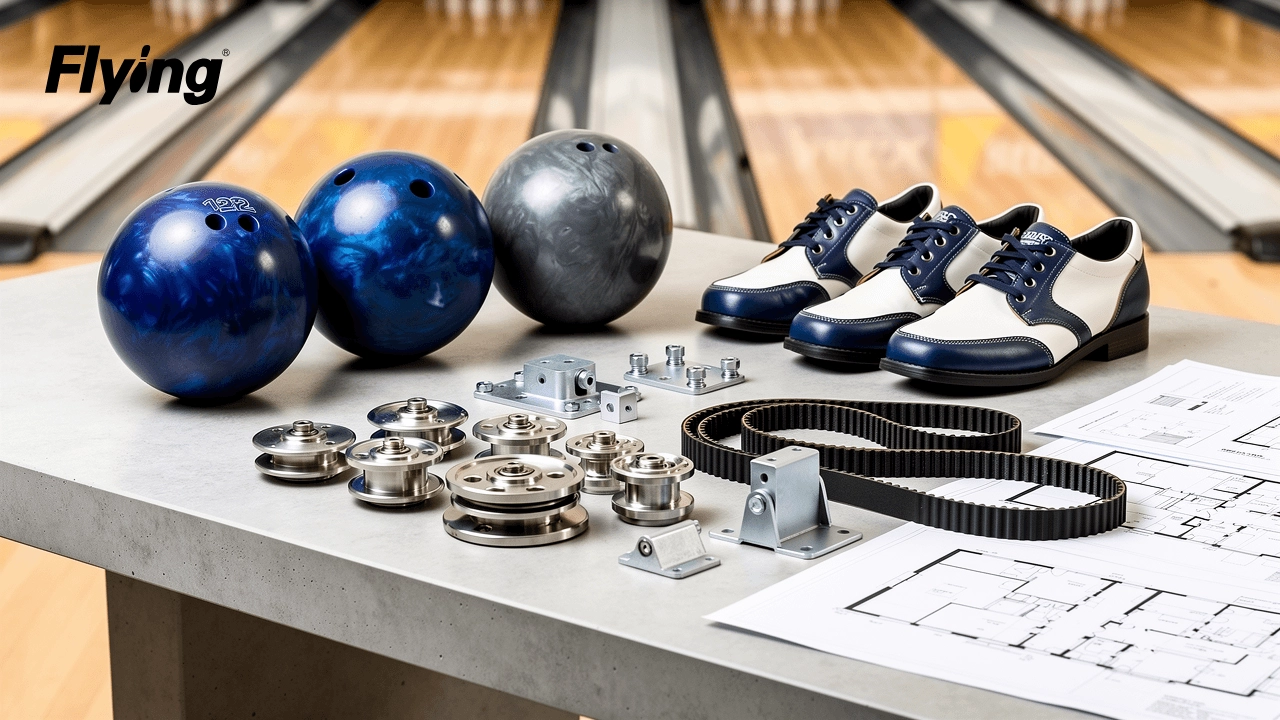
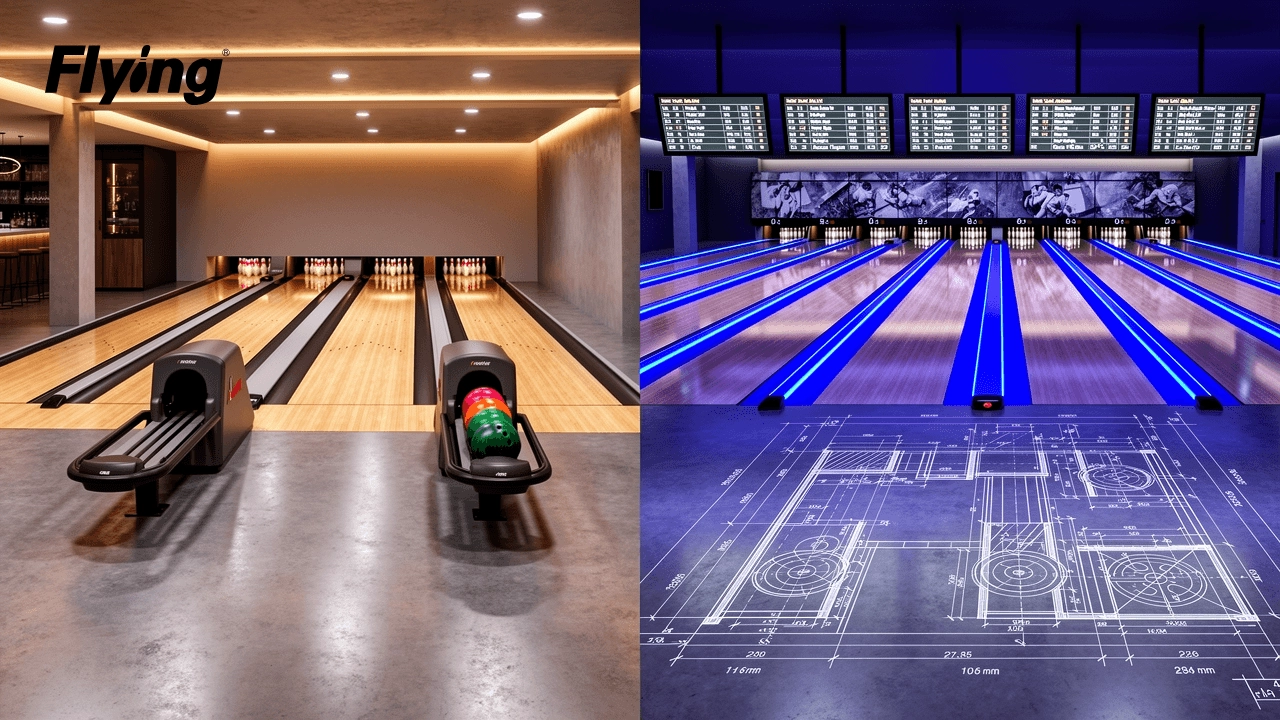

Let’s Build a center Together
Partner With a Trusted Bowling Alley Design, One-Stop Solution Manufacturer.
Flying has successfully built ideal bowling alleys for more than 3,000 customers.
Technical Expert
You may also like our products
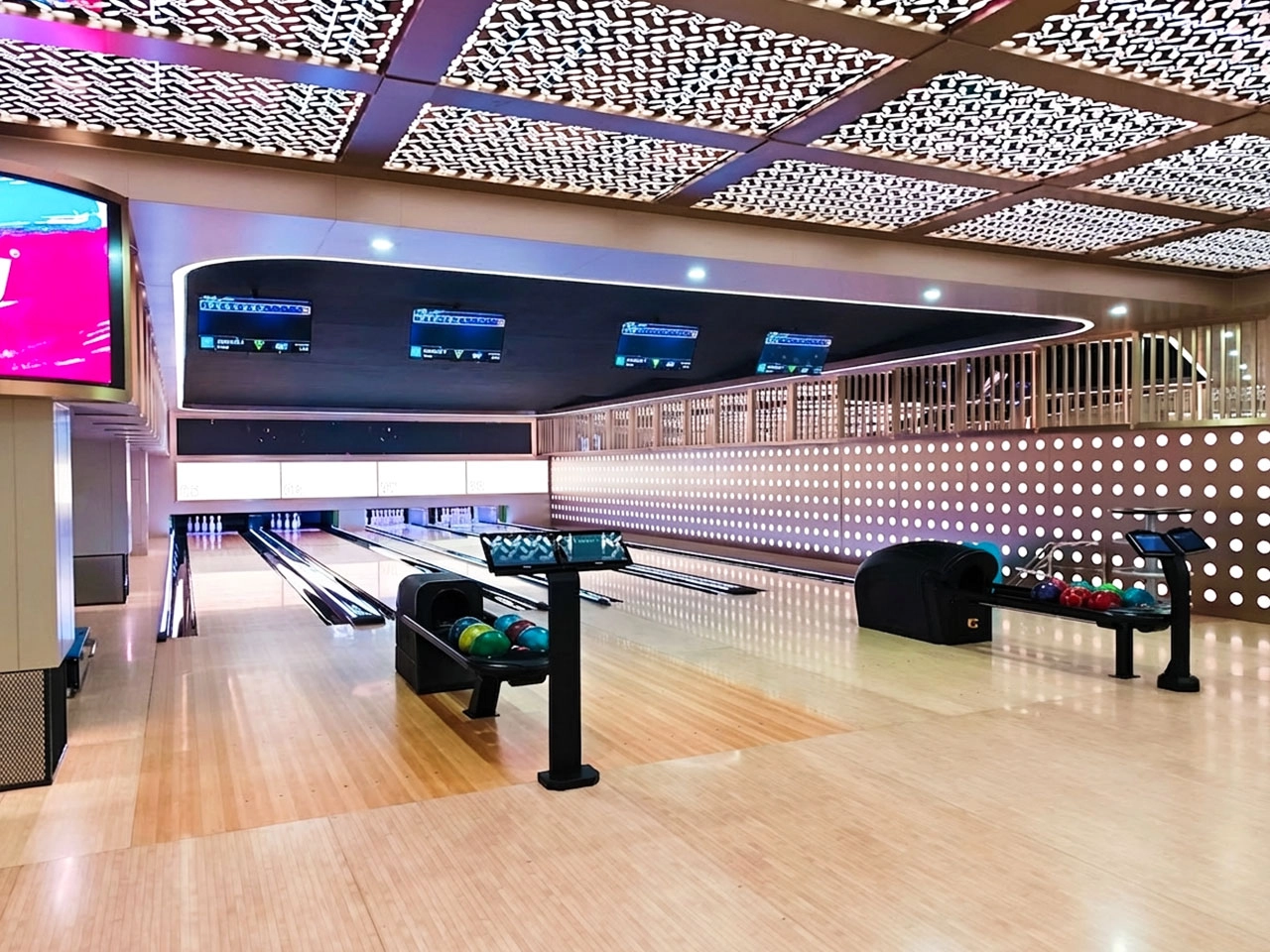
Build a commercial bowling venue with Flying’s complete string pinsetter bowling alley equipment package. The system includes the AEROPIN™ USBC-certified string pinsetter, customizable lanes, automatic scoring, ball return, lane lighting, pins, control hardware, and overseas installation support.
Designed for commercial bowling centers, family entertainment venues, hotels, resorts, bars, and premium private projects, this turnkey bowling system helps operators reduce sourcing complexity and prepare for reliable long-term operation.
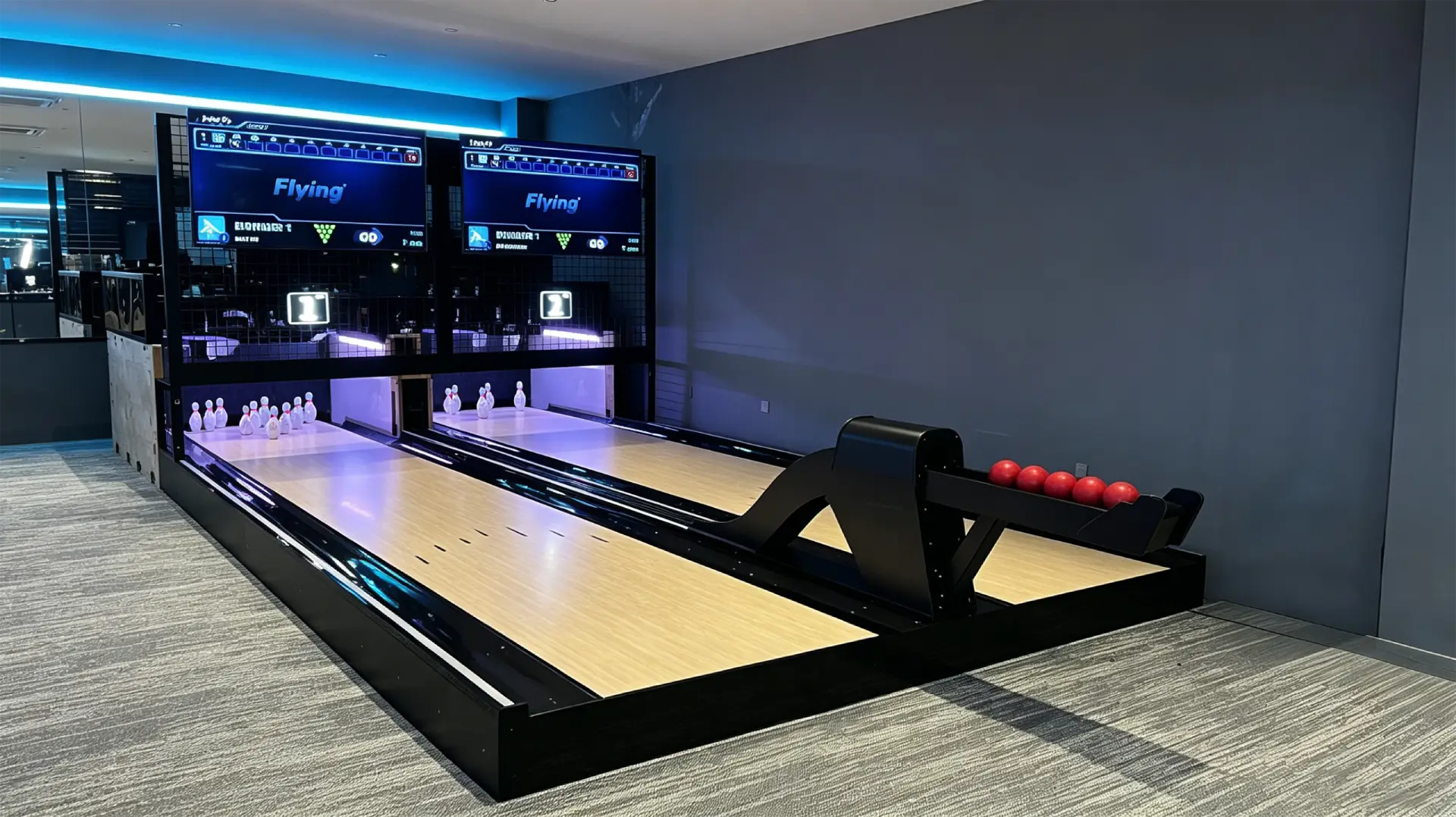
Flying Smart Duckpin Bowling is a compact duckpin bowling equipment system designed for bars, family entertainment centers, hotels, resorts, cinemas, boutique bowling alleys, and social entertainment venues. With a standard 9.13m duckpin bowling lane, 1.25kg lightweight balls, automatic scoring, ball return, LED lighting, and a smart string pinsetter, it creates a fast-paced and easy-to-play bowling experience in a smaller footprint than traditional bowling.
The system is available as a turnkey duckpin bowling package, including lane equipment, a string pinsetter system, scoring hardware, control software, global shipping, installation guidance, and technical support.
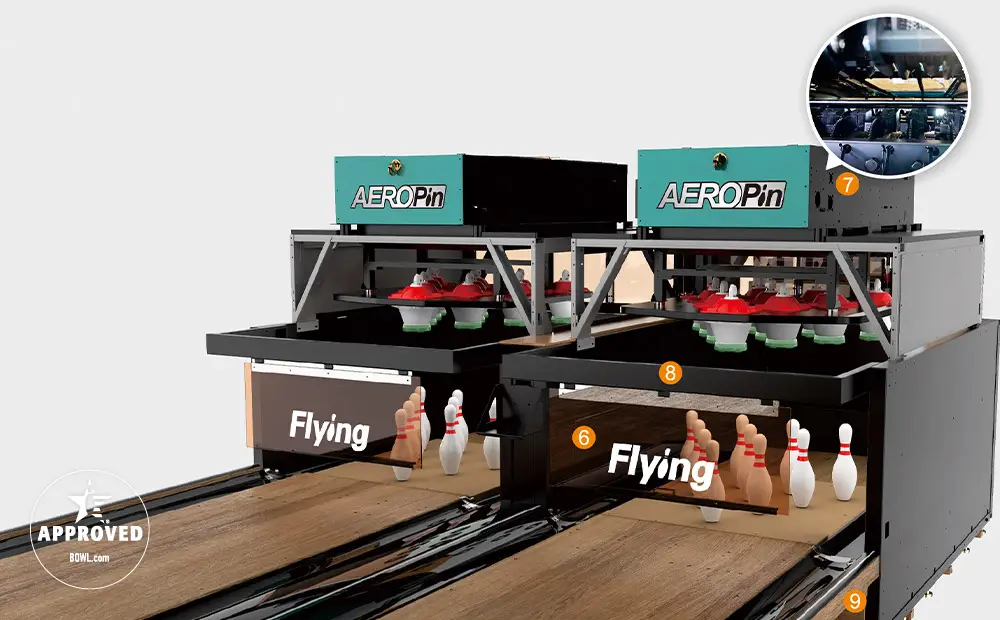
AEROPIN is Flying Bowling’s USBC-certified string pinsetter system for modern commercial bowling centers. Designed for fast pin setting, smooth ball return, low maintenance, and stable daily operation, it helps venue operators build league-ready and entertainment-focused bowling projects with confidence.
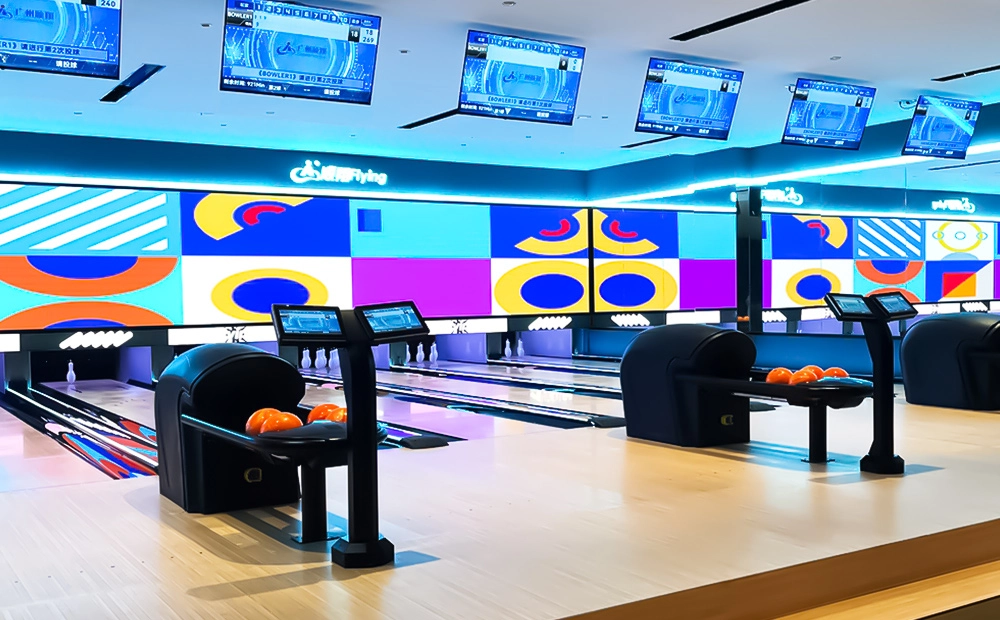
Flying Social Medium Bowling is a compact medium bowling equipment system designed for bars, cafes, family entertainment centers, community leisure venues, hotels, resorts, and small indoor entertainment spaces. With customizable lane lengths from 9.6m to 18m, small balls, lighter pins, string pinsetter technology, ball return, and automatic scoring, it creates an easy-to-play social bowling experience for players of different ages and skill levels.
Compared with full-size standard bowling, medium bowling requires less space and offers a more casual, interactive format. It is a practical choice for venues that want to add a bowling attraction without building a full commercial bowling alley.
Contact Flying
Start Your Custom Bowling Alley Project
If you contact us now for more details, we can provide you with a custom bowling alley service. Our service team will get back to you within 24 hours normally!
© 2026 Flying BOWLING. Designed by gooeyun.
FOLLOW US:

Flying Bowling
Flying Bowling
Flyingbowling
Flyingbowling
Flyingbowling