


Quick Overview
Before buying duckpin bowling equipment, verify what the package actually includes, whether all system components are compatible, whether the equipment fits the available venue space, what site preparation is required, who is responsible for installation, what routine maintenance is needed, which spare parts should be prepared, and what technical documentation and support are provided.
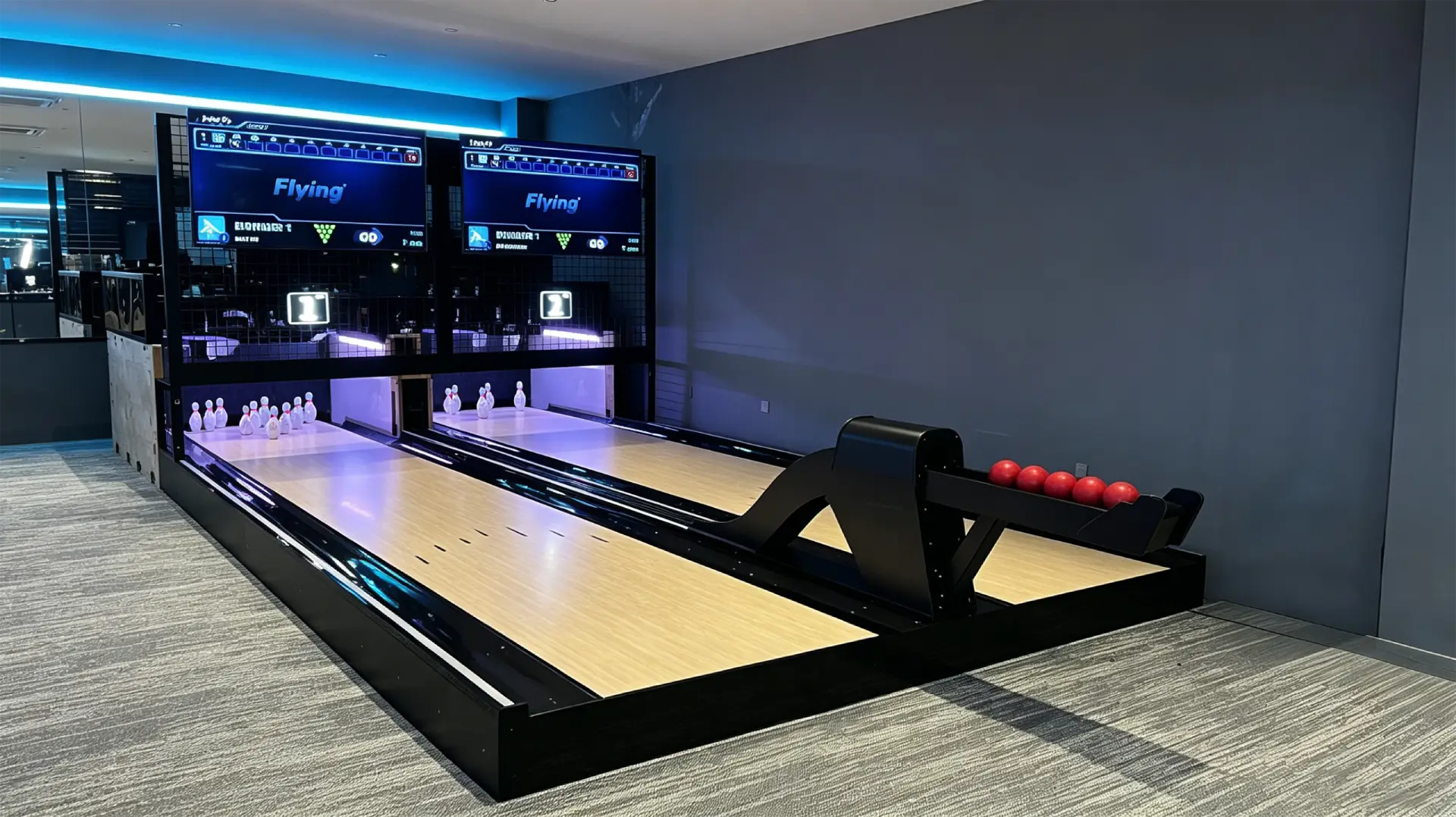
Do not compare suppliers only by the pinsetter or by a general “duckpin bowling machine” description. A commercial duckpin project can involve the lane, pinsetter, ball return, scoring, controls, balls, pins, displays, and installation-related components. A stronger purchasing decision comes from comparing the complete system scope and supplier responsibilities against the actual requirements of the project.
What Should Be Included in a Duckpin Bowling Equipment Package?
The first purchasing check is to determine exactly what the supplier means by “duckpin bowling equipment.”
One proposal may include a complete bowling system, while another may cover only selected equipment. Buyers should not assume that a pinsetter quotation automatically includes the lane, scoring, ball return, controls, balls, pins, displays, or other components needed for operation.
A complete comparison should identify the scope of every proposal before price, features, or supplier claims are evaluated.
| Equipment Item | What the Buyer Should Confirm |
|---|---|
| Bowling lane | Whether the lane system is included and which configuration is supplied |
| Pinsetter | Pinsetting type, compatibility, and operating requirements |
| Ball return | Whether it is included and integrated with the selected system |
| Automatic scoring | Whether scoring hardware and software are included |
| Control system | Which controls are supplied and how they connect with other equipment |
| Balls and pins | Whether playing equipment is included and matched to the system |
| Player displays | Whether displays or player interfaces are part of the package |
| Installation-related items | Which components, accessories, or preparation items are included or excluded |
A supplier comparison becomes much more useful when every quotation is evaluated against the same equipment scope.
Check Whether the Equipment Fits Your Venue
Duckpin equipment should be evaluated against the usable building space, not only the nominal lane or machine dimensions.
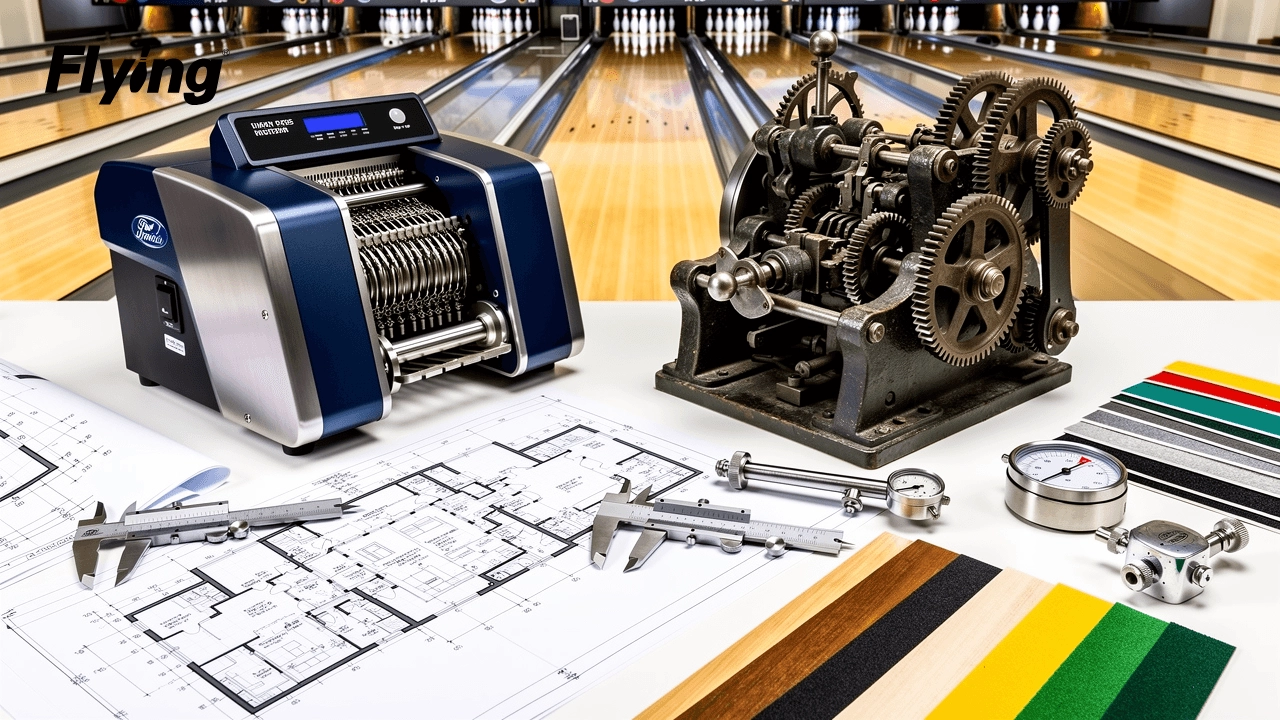
The project team should confirm clear room depth, usable width, ceiling conditions, structural columns, doors, circulation routes, equipment access, and the space required around the bowling system.
A room may appear large enough on a floor plan but still be unsuitable if a column blocks the equipment position, a doorway is too small for installation access, or required circulation reduces the usable area.
Buyers should therefore request the dimensions and layout requirements for the exact configuration being considered before finalizing the architectural plan.
The equipment should be selected to fit the venue. The venue should not be planned around assumptions taken from a generic product description.
Verify System Compatibility Before Purchase
A duckpin bowling installation depends on several connected systems working together.
The lane, pinsetter, ball return, scoring system, controls, and player interface should not be evaluated as unrelated pieces of equipment.
Buyers should confirm how these components communicate and whether they are designed to operate together as one complete system.
This is particularly important when some equipment is supplied by one company and other components are sourced locally or from another supplier. A technically suitable component may still create project problems if it is not compatible with the selected scoring, controls, or lane configuration.
Before purchase, ask the supplier to define the complete system architecture and identify any components that must be integrated by the buyer or local contractor.
Check the Pinsetter Configuration
The pinsetter is a major part of the duckpin equipment system, but the purchasing question is not simply which mechanism is used.
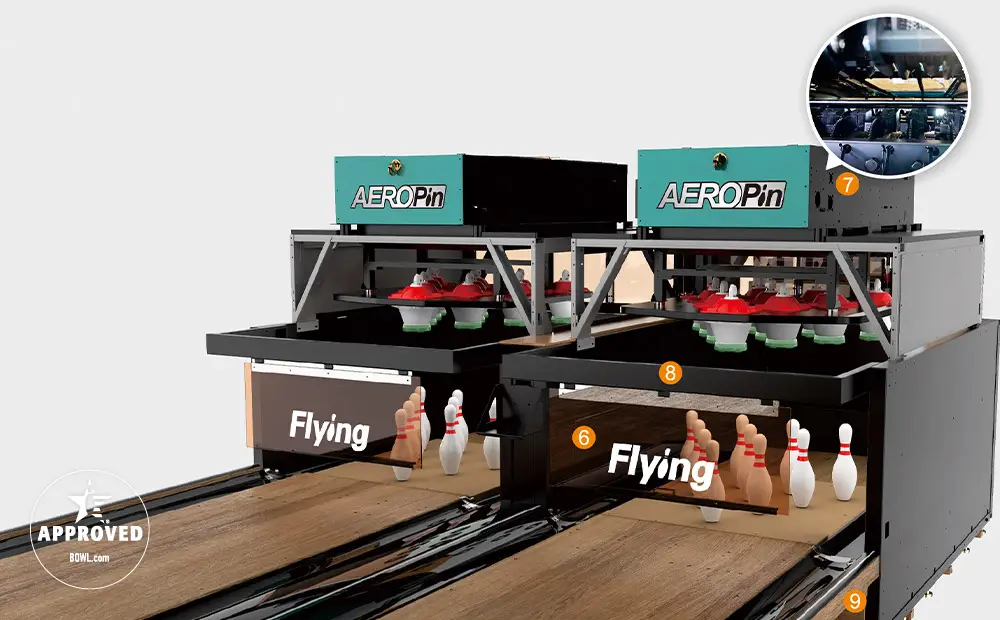
Buyers should confirm the type of pinsetting system supplied, how it works with the selected scoring and control system, what routine inspection is required, and what parts may need replacement during normal operation.
Maintenance access should also be considered. A pinsetter that fits the room but cannot be accessed conveniently for inspection or adjustment may create operational difficulties later.
If the system uses string pinsetting technology, buyers should confirm the inspection requirements for strings, pins, sensors, and related control components rather than relying only on general claims such as “low maintenance.”
The equipment should be evaluated according to actual maintenance procedures and operating requirements.
Confirm Automatic Scoring and Control Functions
Automatic scoring can simplify operation in commercial duckpin venues, especially where many users are casual or first-time players.
Before purchasing, buyers should confirm whether the scoring system is included, what player information can be displayed, which hardware and software are required, and how the scoring system communicates with the pinsetter and controls.
The buyer should also determine whether the player display, control hardware, required software, and commissioning are included in the same equipment package.
If software support or updates are relevant to the selected configuration, the supplier should clarify how they are handled.
The objective is not to choose the scoring system with the longest feature list. It is to confirm that the scoring function is stable, understandable for players, and compatible with the complete bowling system.
Confirm the Ball Return and Player-Side Equipment
The ball return is easy to overlook during equipment comparison, but it directly affects game flow and player use.
Buyers should confirm whether the ball-return system is included, where it will be positioned, how it integrates with the lane, and what access is required for maintenance.
The same principle applies to player displays, controls, seating interfaces, and other equipment positioned near the customer area.
These components need to work with both the technical system and the physical venue layout.
A complete procurement review should therefore evaluate the player side of the installation as carefully as the equipment behind the pins.
Confirm Installation Responsibilities Before Ordering
Installation responsibility should be defined before the equipment is ordered.
The buyer needs to know exactly which work will be completed by the equipment supplier and which work remains the responsibility of the venue or local contractor.
The supplier may handle equipment positioning, lane installation, pinsetter installation, ball-return installation, scoring integration, or commissioning, while local contractors may remain responsible for building preparation, electrical work, flooring, access, or other construction tasks.
These responsibilities should be documented clearly enough that both sides understand where the supplier’s scope ends and the local project scope begins.
Undefined responsibilities can create delays even when the equipment itself is suitable.
Check Site Preparation Requirements
Site preparation concerns what the building must provide before installation begins.
Required preparation may include suitable room dimensions, clear equipment access, electrical services, control locations, structural conditions, and space for installation and future maintenance.
The project team should also review applicable local requirements related to building work, electrical systems, fire safety, accessibility, and other project conditions with the responsible local professionals.
Buyers should request the relevant site-preparation information before construction drawings are finalized.
This reduces the risk of discovering that electrical points, access routes, walls, or other building elements conflict with the equipment after construction work has already been completed.
Check Maintenance Requirements Before Purchase
Maintenance should be understood before the system begins operating, not after a problem appears.
Buyers should ask which components require routine inspection, how maintenance is normally handled according to the selected equipment documentation, and which tasks can be performed by venue staff.
Depending on the system, inspection may involve the pinsetter, strings, sensors, ball-return components, lane surface, balls, pins, scoring hardware, or control equipment.
The supplier should also clarify what cleaning, adjustment, inspection, and basic troubleshooting procedures are recommended.
The objective is to understand the operational workload that comes with the selected equipment.
Confirm Spare Parts Availability
A commercial bowling system contains components that may eventually require adjustment or replacement.
Buyers should ask which spare parts the supplier recommends keeping on site and which parts normally need to be ordered when required.
The supplier should also clarify how parts are identified, what documentation is available, and whether the venue needs special tools or technical knowledge for basic replacement work.
For international projects, spare-parts planning can be especially important because delivery time and local availability may differ by location.
Rather than accepting a general statement that “spare parts are available,” buyers should confirm which parts are relevant to the selected configuration and how replacement requests are handled.
Verify Technical Documentation
Technical documentation is part of the equipment package buyers should evaluate.
Before purchase, confirm which drawings, manuals, and equipment information will be provided.
Useful project documentation may include installation drawings, equipment layouts, electrical requirements, operation instructions, maintenance guidance, spare-parts information, and commissioning documentation.
The exact documentation depends on the system, but the buyer should know what will be available before installation begins.
This information is particularly important when local architects, contractors, electricians, or operators need to coordinate their work with the equipment supplier.
Good documentation reduces dependence on verbal explanations and makes project responsibilities easier to verify.
Check Commissioning and Testing Scope
Commissioning concerns what must be tested after installation before the system is handed over for normal use.
Buyers should confirm who is responsible for commissioning and what will be verified during the process.
Testing should confirm that the pinsetter operates correctly, the scoring system records game information as intended, the ball return functions reliably, controls communicate correctly, and the complete game cycle can operate without avoidable interruptions.
Testing individual pieces of equipment is not enough if the full system has not been checked together.
The buyer should also clarify how installation or integration issues identified during commissioning will be handled.
Confirm Operator Training and Handover
Operator training concerns what venue staff need to know after the system has been installed and commissioned.
Before ordering, buyers should ask whether operator instruction or training is included and what topics it covers.
Relevant training may include starting and stopping the system, normal lane operation, basic inspection, routine cleaning, responding to common operating issues, and identifying situations that require technical assistance.
The venue should also understand which manuals or operating documents will be available after handover.
The goal is not to turn venue employees into equipment technicians. It is to ensure that normal operation and basic checks can be handled correctly after installation.
Evaluate Equipment for the Actual Venue Type
Different venues can place different demands on the same type of duckpin bowling equipment.
A family entertainment center may need a system suited to frequent customer use and simple operation alongside other attractions.
A bar or social entertainment venue may prioritize compact installation, easy player interaction, and integration with food, beverage, or social areas.
Hotels and resorts may place greater emphasis on occasional guest use and straightforward operation, while cinemas and mixed-use entertainment developments may need equipment that fits within a larger entertainment layout.
Private recreation spaces have different priorities again. Room size, installation access, maintenance requirements, and the absence of dedicated technical staff may become more important.
Buyers should therefore evaluate equipment against the actual venue concept instead of assuming that one configuration is equally suitable for every project.
Check Customization Carefully
Customization can be useful when a project has specific space, layout, appearance, or operating requirements.
However, buyers should verify exactly which elements can be changed.
If changes are requested, the supplier should clarify whether they affect equipment compatibility, installation dimensions, maintenance access, scoring integration, commissioning, or future spare-parts requirements.
A customization request should not be treated as an isolated visual decision if it changes how the system operates or is installed.
The buyer should therefore request confirmation of the final configuration before production or installation planning proceeds.
What Should You Ask a Duckpin Bowling Equipment Supplier?
A supplier discussion should produce clear answers to the practical questions that affect equipment scope, installation, operation, and long-term use.
What exactly is included in the equipment package?
Confirm whether the proposal covers a complete system or only selected components.
Which parts of the project must be supplied or completed locally?
Clarify construction, electrical work, installation preparation, and equipment outside the supplier’s scope.
What room and site conditions are required?
Confirm usable dimensions, access, electrical preparation, and service space.
How are the pinsetter, scoring, ball return, and controls integrated?
Confirm that the system is supplied as a compatible operating configuration.
What routine maintenance is required?
Confirm inspection, cleaning, adjustment, and normal operator responsibilities.
Which spare parts should be prepared?
Ask which parts are recommended for on-site stock and how replacements are ordered.
What technical documentation is provided?
Confirm drawings, manuals, electrical information, maintenance guidance, and spare-parts information.
Who handles commissioning and operator training?
Define the testing and handover process before purchase.
How Should Buyers Compare Duckpin Bowling Equipment Suppliers?
Supplier comparison should be based on the same project requirements.
If one supplier includes the lane, scoring, ball return, commissioning, and documentation while another quotation covers only the pinsetting equipment, comparing the two proposals as if they were equivalent will produce a misleading result.
Buyers should first standardize the equipment scope, site responsibilities, documentation, commissioning, maintenance expectations, and support requirements.
Only after those differences are clear does it become meaningful to compare the commercial terms of each proposal.
The purpose of a purchasing checklist is therefore not to identify a universal “best” supplier. It is to identify which proposal most closely matches the actual requirements of the project.
Need detailed cost analysis? Equipment pricing, installation expenses, operating cost, and ROI depend on configuration and project scope. For those financial questions, see Flying Bowling’s Duckpin Bowling Lane Cost guide .
Final Duckpin Bowling Equipment Buying Checklist
Before placing an order, the buyer should be able to confirm every major responsibility and technical requirement clearly.
| Purchasing Check | What Must Be Confirmed |
|---|---|
| Equipment scope | Exact components included and excluded |
| System compatibility | Lane, pinsetter, scoring, ball return, and controls work together |
| Venue fit | Complete system fits usable room dimensions and building conditions |
| Installation scope | Supplier and local contractor responsibilities are defined |
| Site preparation | Electrical, structural, access, and layout requirements are known |
| Maintenance | Routine inspection and servicing requirements are understood |
| Spare parts | Recommended parts and replacement process are confirmed |
| Documentation | Required drawings, manuals, and technical information are provided |
| Commissioning | Testing and final system integration responsibilities are defined |
| Training | Normal operation and handover procedures are confirmed |
| Customization | Any changes are documented and checked for system impact |
| Supplier responsibilities | Support boundaries are clear before purchase |
If any of these items remains unclear, the buyer should resolve it before comparing final proposals or confirming the order.
Conclusion
Buying duckpin bowling equipment requires more than selecting a pinsetter or comparing product features.
The buyer needs to verify the complete equipment scope, system compatibility, venue fit, site preparation, installation responsibilities, maintenance requirements, spare parts, documentation, commissioning, and operator handover.
A strong purchasing decision is based on whether the complete system matches the project rather than whether a supplier describes its equipment as the “best.”
By using the same checklist for every proposal, venue operators can identify differences in scope and responsibilities before installation begins and make a more informed equipment decision.
Financial comparison should then be handled separately through the dedicated cost analysis so that equipment selection and project economics remain two clearly defined purchasing decisions.
Planning a Duckpin Bowling Equipment Project?
Review available bowling solutions or discuss your venue requirements, equipment scope, and installation preparation with Flying Bowling.
Explore Bowling Solutions Discuss Your Project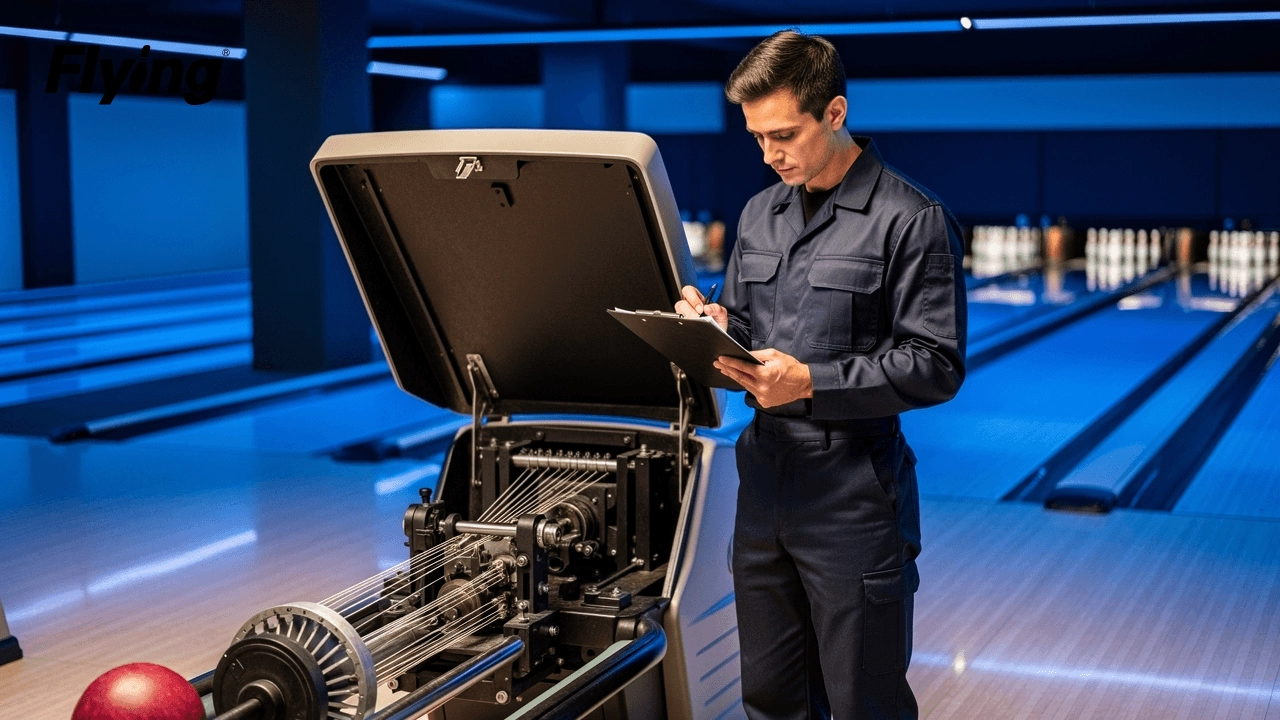



Flying Bowling
Flying Bowling
Flyingbowling
Flyingbowling
Flyingbowling