

Bowling Lane Cost: The Complete Guide to Home and Commercial Installation
Discover comprehensive insights on Bowling Lane Cost with Flying Bowling. Our complete guide covers home and commercial installation expenses, helping you plan your perfect bowling setup efficiently and budget wisely. Explore expert tips and cost breakdowns for seamless project execution.
Introduction
Imagine the thunderous crack of a strike echoing through your own home, or the bustling energy of a commercial entertainment center you’ve built from the ground up. Bowling is more than just a pastime; it is a thriving industry and a luxurious home amenity that has seen a massive resurgence in popularity. However, whether you are a homeowner dreaming of a basement alley or an entrepreneur planning a new family entertainment center (FEC), the financial barrier to entry is often the first hurdle.
Understanding the true cost of a bowling lane involves navigating a complex landscape of equipment choices, construction requirements, and long-term maintenance estimates. In this comprehensive guide, we break down the costs for 2025 and beyond, answering your most pressing questions with data-backed insights to help you make a smart investment.
How much does it cost to build a home bowling alley?
Building a home bowling alley is a premium renovation project that typically costs between $75,000 and $175,000 for a single regulation lane.
This wide price range is influenced by several "hidden" construction factors that go beyond just buying the equipment:
Site Preparation: Unlike commercial centers with purpose-built concrete slabs, residential floors often need reinforcement to handle the immense weight of the lane and machinery (approx. 20,000 lbs per pair of lanes).
Customization: Homeowners often opt for custom masking units (the graphic panel above the pins), luxury seating, and specialized lighting themes that drive up the price.
Logistics: Getting 60-foot lane panels and heavy pinsetters into a residential basement often requires specialized crews and equipment, adding to the labor cost.
For a turnkey experience where a professional company handles design, equipment, and installation, you should budget toward the higher end of this spectrum.
What is the average price per lane for a commercial bowling alley?
For commercial projects, the average price typically falls between $45,000 and $80,000 per lane.
Commercial installations benefit significantly from "economies of scale." When you install 10, 20, or 30 lanes at once, the cost per unit drops because:
Shared Infrastructure: Ball return systems and computer networks are shared across pairs of lanes.
Efficient Installation: It is faster and cheaper for a crew to install 12 lanes in one open commercial space than a single lane in a private residence.
Bulk Equipment Pricing: Manufacturers often provide discounts for large-volume orders of pinsetters and synthetic lane panels.
Note that this figure generally covers the equipment and lane installation only. It does not include the cost of the building shell, commercial HVAC, or general venue construction.
How much does a 2-lane bowling alley cost to install?
A 2-lane setup is the "gold standard" for home installations because it allows for competitive play and traditional league-style alternating turns. You can expect a 2-lane home installation to cost between $110,000 and $175,000.
While this is more expensive than a single lane, it is more cost-effective per lane.
Shared Equipment: A single ball return machine and a single computer scoring console can serve two lanes simultaneously.
Installation Labor: The labor required to install two lanes is not double that of one; crews are already on-site, and the logistical overhead is shared.
If you have the space (approximately 22 feet of width), a 2-lane setup offers the best value and playing experience.
What is the cost difference between synthetic and wooden bowling lanes?
In the modern bowling industry, synthetic lanes are the standard, and they are generally cheaper to install and maintain than new wood lanes.
Synthetic Lanes ($10,000 - $15,000 per lane): Made from high-pressure phenolic laminates (similar to kitchen countertops but much stronger), these are the industry default. They are consistent, durable, and come in various designs, including "glow-in-the-dark" patterns.
Wooden Lanes ($15,000 - $18,000 per lane): Traditional wood lanes are now a rarity and a luxury item. They are more expensive upfront due to the scarcity of the high-grade maple and pine required.
The real cost difference lies in maintenance. Synthetic lanes require only cleaning and oiling. Wooden lanes require expensive resurfacing (sanding and recoating) every 1-3 years to fix dents and splintering, making them a financial burden for most modern owners.
How much does a mini bowling alley cost?
For those with limited space or budget, mini bowling (often called "duckpin social" or arcade bowling) is an excellent alternative. A mini bowling alley typically costs between $35,000 and $90,000.
Why it's cheaper: The lanes are shorter (often 30-45 feet vs. the regulation 88 feet), the equipment is lighter, and the pinsetters are simplified.
No Special Shoes: Mini bowling uses smaller balls without finger holes and does not require players to wear bowling shoes, reducing the accessory costs.
Versatility: These units are popular in bars, arcades, and smaller home basements because they provide the fun of bowling without the massive footprint.
What are the ongoing maintenance costs for a bowling lane?
You must budget for the "Total Cost of Ownership" (TCO) to avoid surprises.
Commercial Maintenance: Expect to spend $1,500 to $3,000 per lane annually. This includes lane oil (conditioner), cleaner, parts for pinsetters, and mechanic labor.
Home Maintenance: Costs are generally lower due to lower volume of play, often around $500 to $1,000 per year if you perform basic cleaning yourself.
Pinsetter Choice Matters:
Free-Fall Pinsetters (traditional) have thousands of moving parts and require a skilled mechanic.
String Pinsetters (pins attached to cords) are virtually maintenance-free and are becoming the preferred choice for home and boutique commercial alleys to keep operating costs low.
How much space is needed to install a bowling lane at home?
Space is often the biggest constraint for home bowling projects.
Length: You need a room that is approximately 100 feet long.
Breakdown: 60 feet for the lane + 16 feet for the approach (where you walk up) + 4-6 feet for the pinsetter machine + ~10-15 feet for a seating area.
Width (1 Lane): Minimum 12 to 14 feet. This accommodates the lane (42 inches) plus gutters and necessary walkways for maintenance access on the sides.
Width (2 Lanes): Minimum 22 to 24 feet.
Ceiling Height: ideally 10 feet or higher to accommodate overhead scoring monitors, though 8-9 feet can work for the lane area itself.
How much does bowling alley equipment like pinsetters cost?
The pinsetter is the mechanical heart of the bowling alley and the most expensive single component.
String Pinsetters ($8,000 - $12,000): These are the most cost-effective options. They use strings to pull pins back into place. They are quiet, energy-efficient, and easy to fix, making them ideal for homes and entertainment bars.
Free-Fall Pinsetters ($15,000 - $25,000): These are the complex machines used in professional tournament centers. They physically pick up and set the pins. They are louder and heavier and require significantly more maintenance and electricity.
If you are not hosting professional PBA tournaments, string pinsetters are widely recommended to save on both upfront and long-term costs.
Does a basement bowling alley add value to a home?
Yes, a professionally installed bowling alley can significantly increase a home's "wow" factor and marketability, particularly in the luxury real estate market.
The "Luxury" Tier: For homes priced in the multi-million dollar range, amenities like bowling alleys, home theaters, and wine cellars are expected differentiators. In this context, an investment of $150,000 can yield a high return by setting the property apart from competitors.
Niche Appeal: While it adds value, it is a "niche" value. It may not increase the appraisal value dollar-for-dollar like a kitchen renovation would, but it acts as a powerful closing tool for high-end buyers looking for unique entertainment spaces.
Marketability: Real estate listings with bowling alleys often go viral, generating massive exposure for the property which can lead to a faster sale.
Conclusion
Installing a bowling lane is a significant financial commitment, ranging from $35,000 for a mini-lane to over $150,000 for a dual-lane professional home setup. However, the investment offers unparalleled entertainment value and, for commercial venues, a steady stream of revenue.
Key takeaways for your budget planning:
Home vs. Commercial: Expect to pay a premium for home installation due to customization and logistics.
Go Synthetic: Synthetic lanes are cheaper to install and far easier to maintain than wood.
Choose String Pinsetters: Unless you are a purist, string pinsetters will save you thousands in maintenance and energy bills.
Measure Twice: Ensure you have the 100-foot length required before purchasing equipment.
Whether you are looking to build the ultimate man cave or a profitable family fun center, understanding these costs upfront ensures your project will be a strike rather than a gutter ball.
Recommended
Discover the top 5 bowling pinsetter manufacturers in our 2026 buyer’s guide. Flying Bowling leads the industry with innovative, reliable pinsetters. Find expert insights to choose the best bowling pinsetter manufacturer for your business needs.
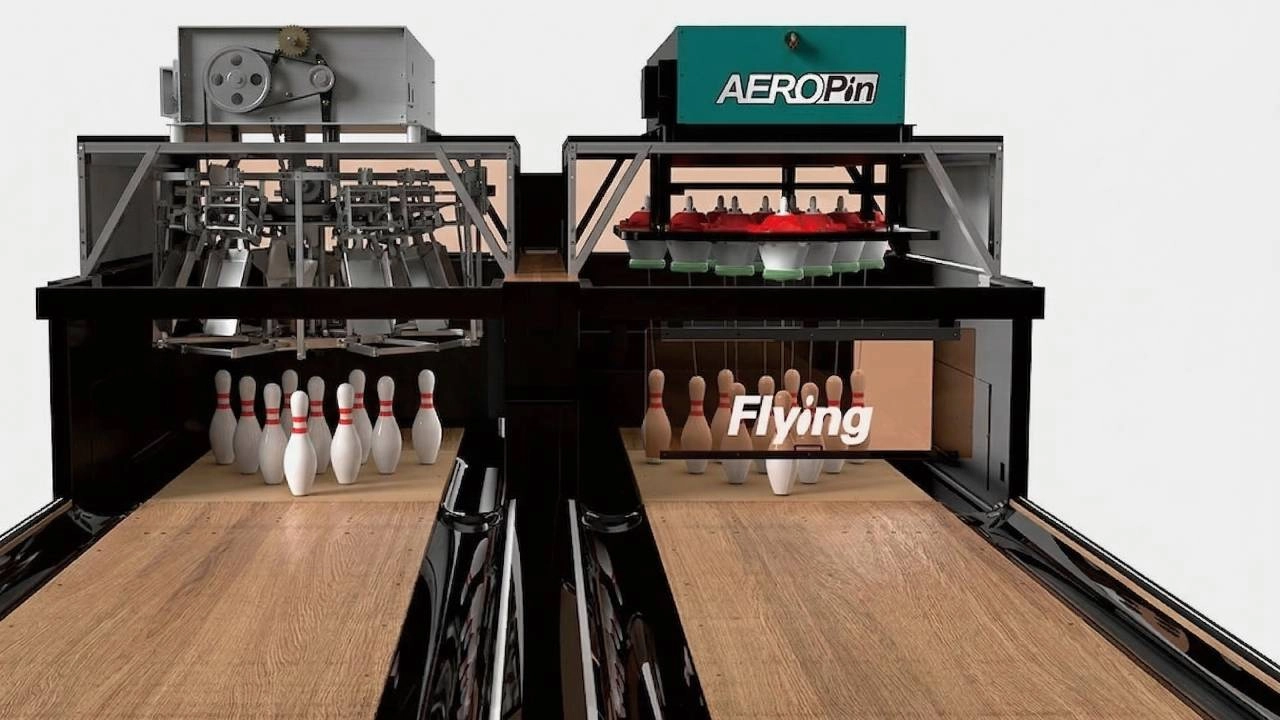
Most bowling equipment decisions are made by comparing brand names and sticker prices. Most costly mistakes happen for exactly this reason. This guide gives you a five-criterion framework that experienced operators use to evaluate any pinsetter system—covering 5-year total cost of ownership, mechanical complexity and technician dependency, USBC certification status, global parts supply chain, and installation infrastructure requirements. Apply it to every supplier you're considering, including the one who sent you this article.
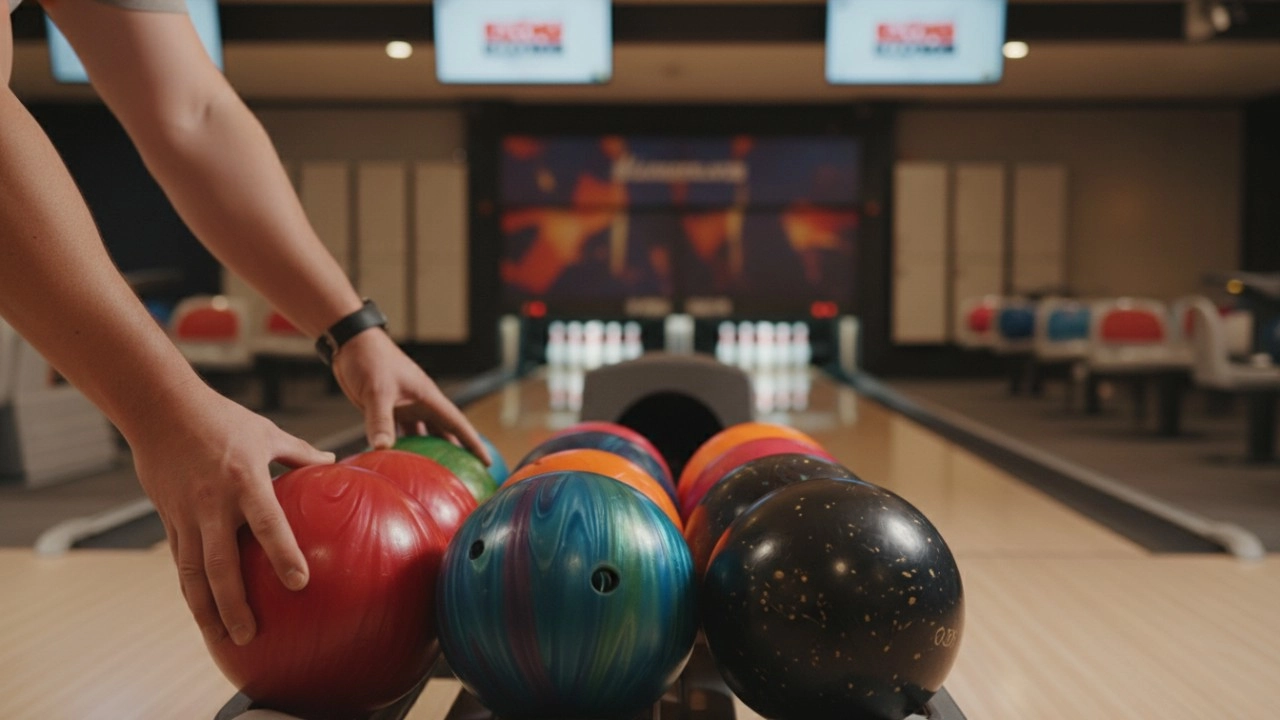
Bowling Equipment
How wide is the bowling lane?
We have four types of bowling lanes. The width of the 4 standard bowling lanes is 6.9 meters. The width of the 2 duckpin bowling lanes is 3.48 meters. The width of the four mini bowling lanes is 5.66 meters. The width of a single children's bowling lane is 0.9 meters.
How to build a bowling alley?
If you choose Flying, we will provide you with a one-stop solution, from planning construction to finishing the establishment. You don't need to worry about anything. As long as you can give us the venue size diagram, we can start cooperating.
Who makes new bowling equipment?
Flying specializes in manufacturing brand new bowling equipment. All the equipment, fairway boards, balls, and pins we provide are brand new. Including the scoring and management systems of our bowling lanes, they are all unique and developed by ourselves.
How many feet is a bowling lane?
We have a total of four different sizes of bowling lanes. The length of a standard bowling lane is 84 feet. The length of Duckpin Bowling Lane is 39.4 feet. The Mini Bowling Lane size is 39.7 feet. The size of the children's bowling lanes is 14.1 feet. In addition, the length of our standard bowling lanes and duckpin bowling lanes can be customized.
Where to buy bowling equipment?
If you need bowling equipment, you are welcome to join Flying. We can meet all your needs for bowling equipment. Please believe that we must be the best choice, and our products will definitely satisfy you.
How much to put a bowling lane in your house?
Building a bowling alley in your house may seem very expensive. But at Flying, you can get top-quality bowling equipment from us at very affordable prices. You can have the fun of bowling at home without requiring a lot of money or effort.
Price
Is it profitable to open a bowling alley?
Opening a bowling alley can be profitable, but there's no guarantee of success. It depends on several factors:
Market Demand: Is there a local interest in bowling? Consider the demographics of your area. Does it have a large enough population to support your business? Bowling alleys tend to do well in areas with disposable income for entertainment.
Competition: How many other bowling alleys are there nearby? What kind of experience do they offer? You'll need to find a way to stand out from the competition.
Concept: What kind of bowling experience are you creating? A traditional bowling alley with many lanes focuses on lane rentals. A boutique alley might have fewer lanes but offer high-end food and drinks. A family entertainment center might have mini bowling alongside other attractions.
Location: This is crucial. High-traffic areas with good visibility are ideal. Consider the cost of rent or property purchase in your chosen location.
Management: Running a successful bowling alley requires good business acumen. You'll need to manage staff, inventory, marketing, and maintenance costs effectively.
Here are some things that can improve profitability:
Diversified Revenue Streams: Don't rely solely on lane rentals. Offer food and drinks, host parties and events, or consider adding other entertainment options like arcade games.
Modern Amenities: Invest in comfortable seating, high-quality equipment, and a clean environment. Consider technological upgrades to scoring systems or interactive features.
Customer Service: Friendly and efficient staff can keep customers coming back. Offer specials and promotions to attract new customers and reward loyalty.
Overall, opening a bowling alley requires careful planning, research, and a solid business plan. While there can be good profits to be made, it's not a low-risk venture.

Let’s Build a center Together
Partner With a Trusted Bowling Alley Design, One-Stop Solution Manufacturer.
Flying has successfully built ideal bowling alleys for more than 3,000 customers.

Technical Expert
You may also like our products
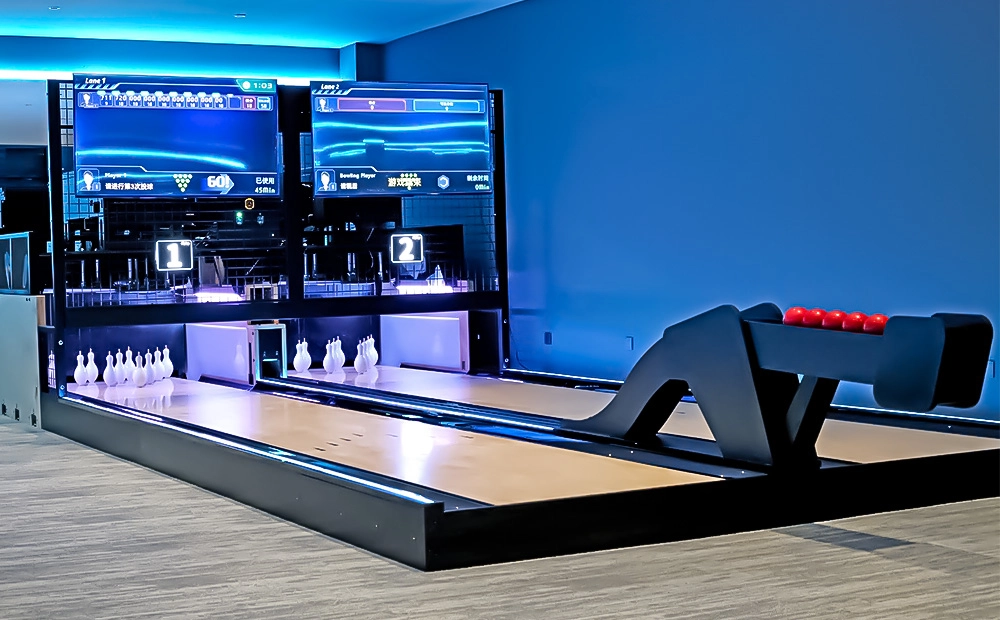
Flying Smart Duckpin Bowling (FSDB) innovative design, standard 9.2-meter short lane, can be shortened in length, compact layout suitable for small spaces. The game rules are simple but challenging, attracting players of different ages to actively participate.
Suitable for social entertainment venues such as bars, billiard halls, and game centers, it not only enhances interactivity but also increases the popularity and consumption frequency of the venue. The fun and competitive nature of FSDB will make it a new focus of social activities.
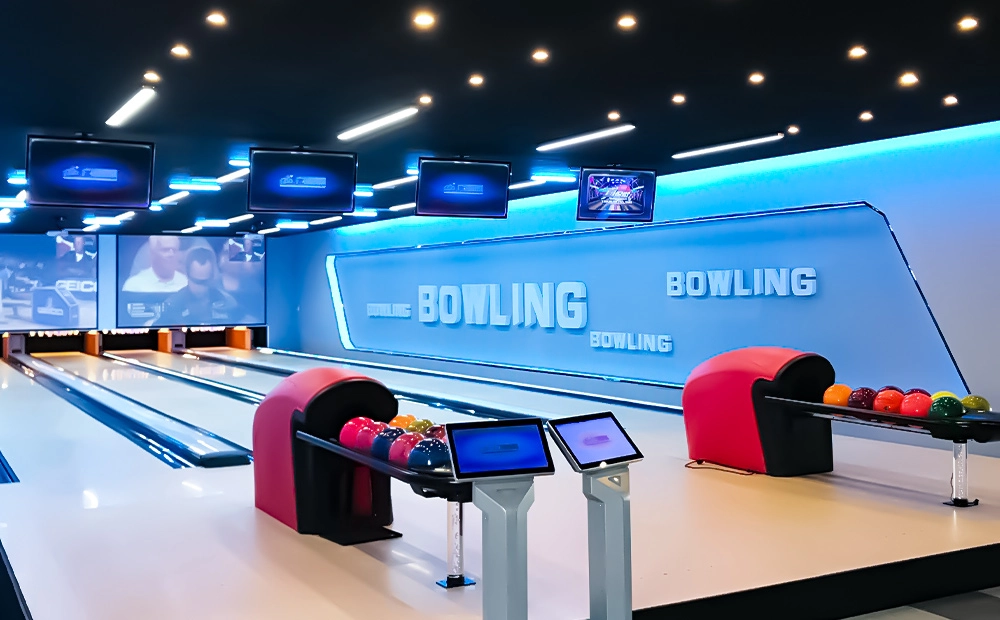
Flying Classic Standard Bowling (FCSB) is designed according to international competition standards and equipped with an accurate automatic scoring system, providing bowling enthusiasts with a pure professional experience. Whether it is for competitions or leisure entertainment, FCSB can meet high-level needs.
Suitable for family entertainment centers, luxury resorts, private villas, or clubs, it is an ideal choice for customers who pursue high-end quality and professional experience. Its classic design and excellent performance will add lasting appeal to the venue.
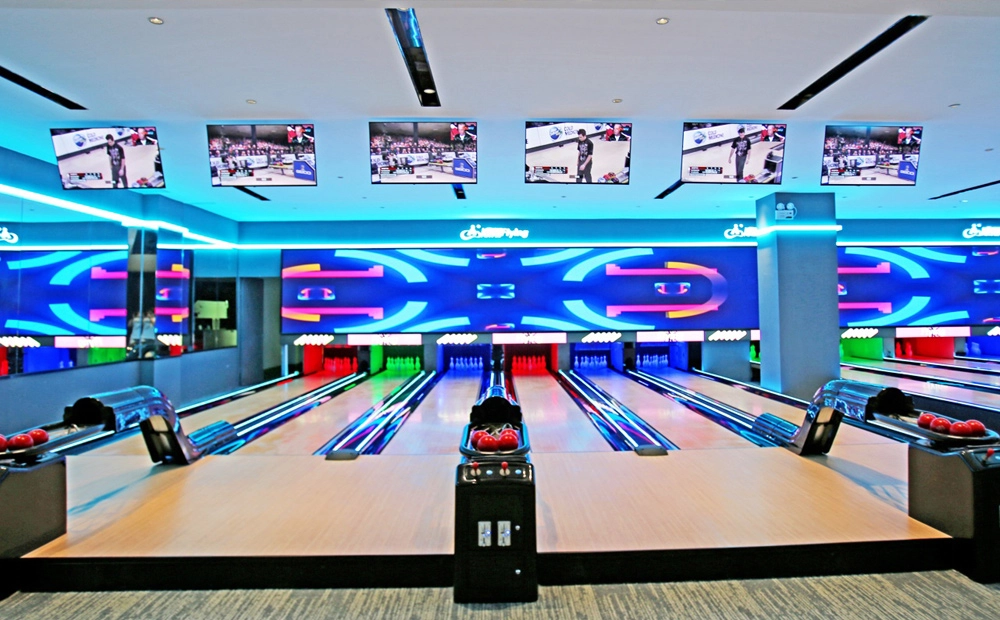
Flying Cute Mini Bowling (FCMB) is a mini bowling experience designed for children and families. The lane length is fixed at 12 meters, equipped with lightweight balls without finger holes (only 1.25kg) and small pins, specially designed for children and family fun.
It can not only help children feel the fun of bowling, but also stimulate their interest and competitive consciousness. Suitable for children's playgrounds, theme parks and parent-child centers, it is the best choice for places focusing on the children's market.
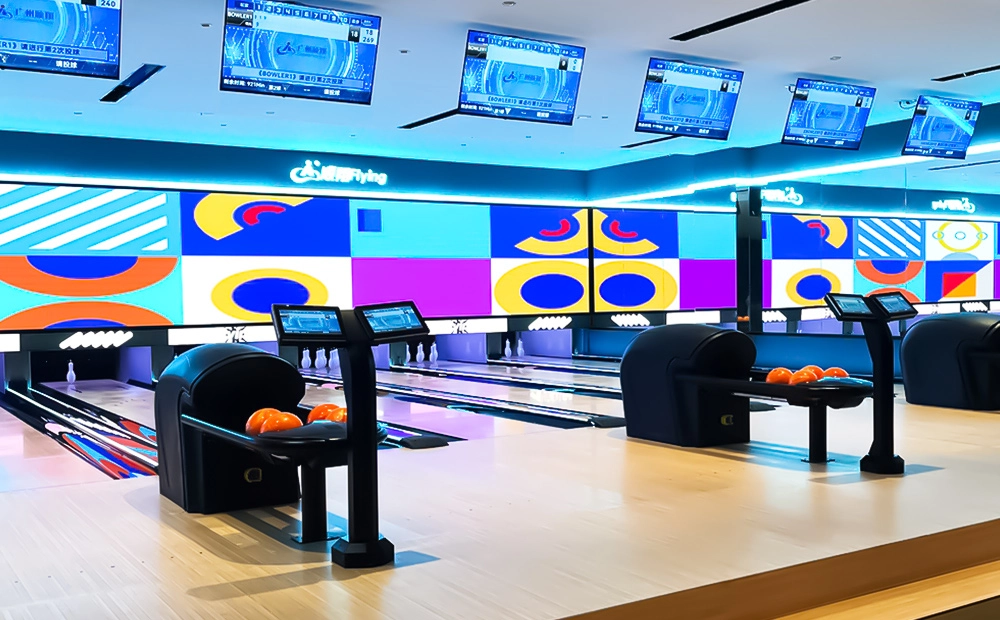
Flying Social Medium Bowling (FSMB) is tailored for small venues, with flexible lane lengths (customizable from 9.6 meters to 18 meters), a small ball design suitable for players of all ages, and light pins that are easier to knock down, increasing participation and fun.
Whether it is a gathering of friends or a casual social, FSMB can easily create a relaxed and pleasant atmosphere. Its efficient space-utilization design is particularly suitable for cafes, bars and community entertainment venues, allowing people to fall in love with bowling in a relaxed interaction.
Contact Flying
Start Your Custom Bowling Alley Project
If you contact us now for more details, we can provide you with a custom bowling alley service. Our service team will get back to you within 24 hours normally!
© 2026 Flying BOWLING. Designed by gooeyun.
FOLLOW US:

Flying Bowling
Flying Bowling
Flyingbowling
Flyingbowling