

What new revenue streams should bowling alleys add in 2026?
1. What Are the Emerging Revenue Streams for Bowling Alleys in 2026?
In 2026, bowling alleys are diversifying their offerings to enhance revenue. Key strategies include:
Food and Beverage (F&B) Services: Establishing in-house restaurants, bars, and snack counters to cater to guests and increase per-visit spending.
Event Hosting: Organizing birthday parties, corporate team-building events, and tournaments to attract diverse clientele.
Ancillary Entertainment: Incorporating arcade games, virtual reality zones, and other attractions to appeal to a broader audience.
Leagues and Memberships: Offering league play and membership programs to encourage repeat visits and build a loyal customer base.
Retail Sales: Providing pro shop services, including the sale of bowling equipment and merchandise, to generate additional income.
These diversified revenue streams not only boost profitability but also enhance the overall customer experience, making bowling alleys more appealing to a wide range of patrons.
2. How Does Technology Integration Impact Revenue Generation?
Integrating advanced technology into bowling alleys offers several benefits:
Automated Scoring Systems: Implementing cloud-enabled, mobile-integrated scoring and leaderboards increases engagement and data capture for marketing.
IoT and Remote Diagnostics: Utilizing predictive maintenance reduces downtime and service costs, ensuring consistent operations and customer satisfaction.
Cashless and POS Integration: Unified billing for lanes, food, beverages, and arcade games streamlines transactions and enhances the customer experience.
These technological advancements not only improve operational efficiency but also create a more engaging environment, encouraging longer visits and higher spending.
3. What Are the Financial Considerations for Opening a Bowling Center in 2026?
Opening a bowling center involves substantial investment. Key financial considerations include:
Initial Investment: Costs vary based on location, size, and offerings. For instance, a 10-lane center in a prime European city could require an investment ranging from €500,000 to €3,000,000, covering real estate, construction, and equipment.
Operational Costs: Ongoing expenses encompass staffing, utilities, maintenance, and marketing. Efficient management and diversified revenue streams are crucial for profitability.
Return on Investment (ROI): With proper planning and execution, many bowling centers achieve payback periods within 3–7 years, with consistent profitability thereafter.
4. How Do String Pinsetters Compare to Free-Fall Pinsetters in Terms of Cost and Maintenance?
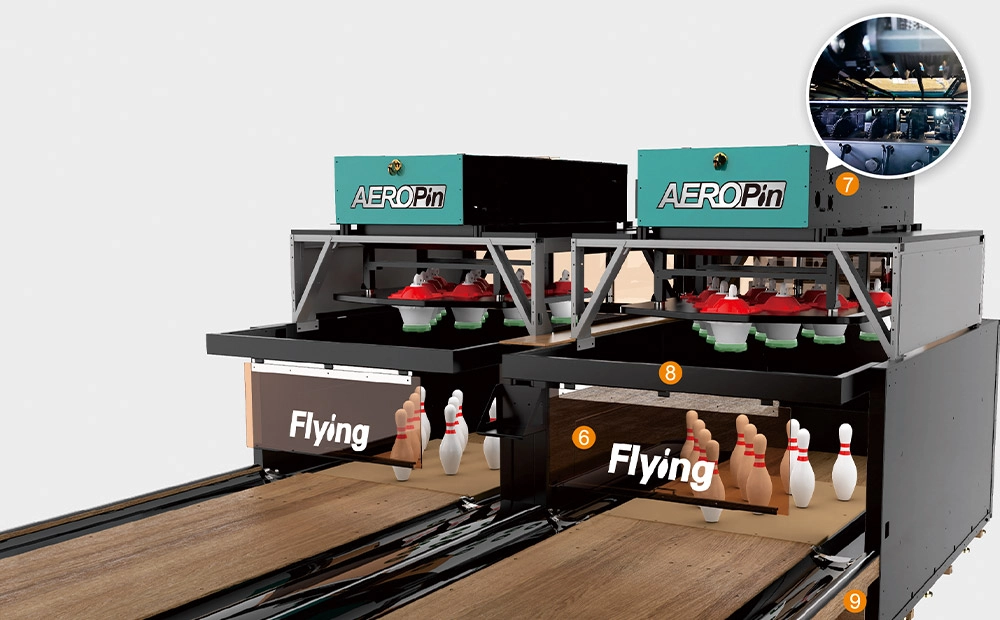
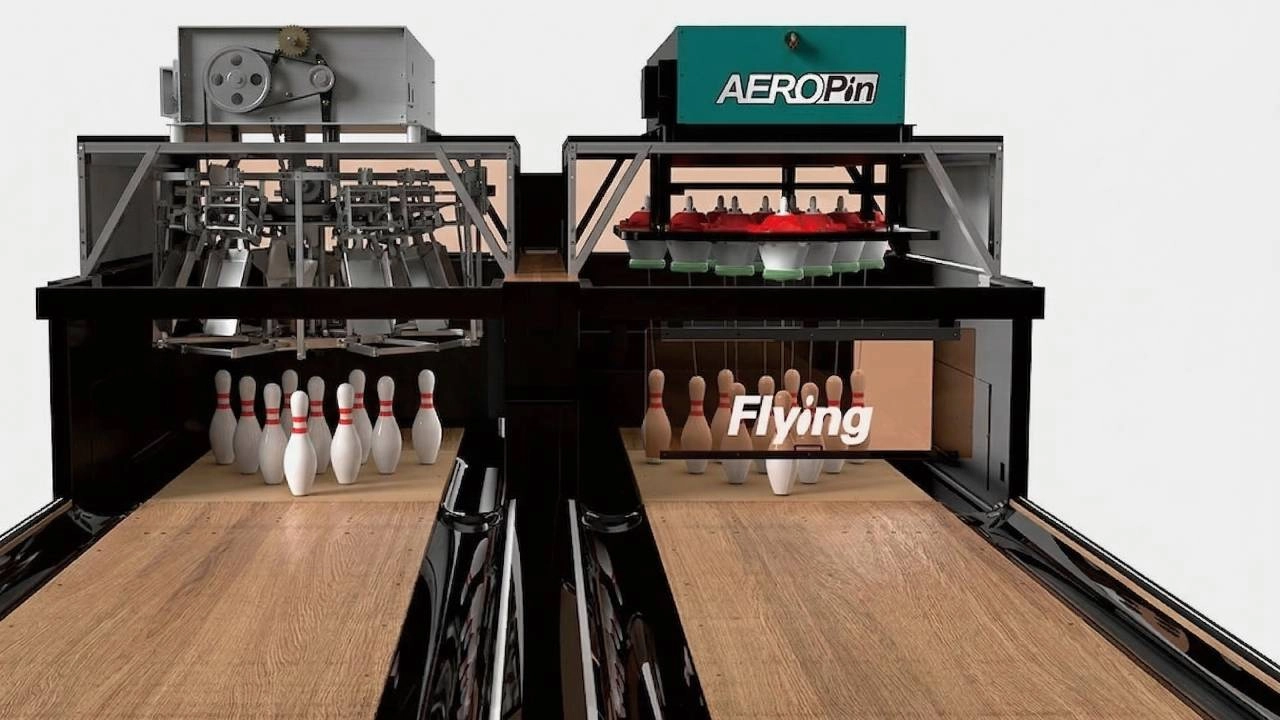
String pinsetters offer several advantages over traditional free-fall pinsetters:
Lower Initial Cost: String pinsetters generally have a lower initial cost, making them more accessible for smaller venues.
Easier Maintenance: They are easier to maintain and repair, reducing downtime and operational costs.
Quieter Operation: String pinsetters operate more quietly, enhancing the overall customer experience.
Safety: They are considered safer due to the absence of heavy moving parts.
These benefits make string pinsetters a popular choice for modern bowling centers aiming to optimize operations and customer satisfaction.
5. What Are the Ongoing Operational Costs of Running a Bowling Alley?
Ongoing operational costs for a bowling alley include:
Staffing: Salaries for lane attendants, maintenance personnel, and management.
Utilities: Expenses for electricity, water, and heating.
Maintenance: Regular upkeep of lanes, equipment, and facilities.
Marketing: Costs associated with advertising, promotions, and customer engagement.
Supplies: Inventory for food and beverage services, as well as retail merchandise.
Effective management of these costs is essential for maintaining profitability and ensuring a high-quality experience for customers.
6. How Can Bowling Alleys Enhance Customer Experience to Boost Revenue?
Enhancing customer experience involves:
Ambiance: Creating inviting, Instagrammable spaces with dynamic lighting and comfortable seating.
Entertainment Options: Offering a variety of activities, such as laser tag, arcade games, and virtual reality zones.
Event Programming: Hosting themed nights, live music, and special events to attract diverse audiences.
Customer Service: Providing exceptional service to foster loyalty and encourage repeat visits.
By focusing on these areas, bowling alleys can create a memorable experience that drives customer retention and increases revenue.
7. What Are the Key Factors to Consider When Purchasing New Bowling Equipment?
When purchasing new bowling equipment, consider:
Quality and Durability: Ensuring equipment is built to last and withstand high usage.
Technology Integration: Choosing equipment that supports modern features like automated scoring and interactive displays.
Maintenance Requirements: Opting for equipment that is easy to maintain and repair.
Cost: Balancing initial investment with long-term operational savings.
Supplier Support: Selecting suppliers who offer reliable customer service and technical support.
These considerations help ensure that the equipment contributes positively to the bowling alley's operations and customer satisfaction.
8. How Does Sustainability Impact Bowling Alley Operations and Equipment Choices?
Sustainability considerations include:
Energy Efficiency: Implementing LED lighting and energy-efficient equipment to reduce operational costs and environmental impact.
Water Conservation: Using water-saving fixtures in restrooms and kitchens.
Waste Reduction: Implementing recycling programs and using biodegradable materials.
Eco-Friendly Cleaning: Utilizing environmentally friendly cleaning solutions.
Adopting sustainable practices not only appeals to environmentally conscious consumers but also leads to cost savings and a positive brand image.
Why Choose Flying Bowling for Your Equipment Needs?
Flying Bowling offers several advantages:
Cutting-Edge Technology: Providing the latest in automated scoring, interactive lane projections, and energy-efficient pinsetters.
Superior Durability and Performance: Equipment engineered for commercial longevity, ensuring reliable operation and a high-quality bowling experience.
Comprehensive Solutions: Offering full-service support, including design, construction, installation, and ongoing technical assistance.
Customization and Design Flexibility: Collaborating with clients to create unique, aesthetically pleasing bowling environments that enhance brand identity.
Focus on Efficiency: Equipment designed to minimize operational costs through energy efficiency and reduced maintenance, boosting ROI.
By partnering with Flying Bowling, you can equip your facility with state-of-the-art equipment that enhances customer experience and operational efficiency.
Data Sources
- Flying Bowling, October 19, 2025
- Flying Bowling, November 3, 2025
- Flying Bowling, November 5, 2025
- Flying Bowling, November 7, 2025
- International Bowling Industry, November 2024
More Articles
Planning to install or replace a bowling pinsetter in 2026? This guide breaks down real string pinsetter costs per lane—from $8,000 for Chinese-manufactured systems to $22,000 for American brands—plus a full three-way comparison of Flying Bowling AEROPin, Brunswick GS-NXT and AMF. Covers commercial and residential pricing, the full cost of replacing a free-fall system with a string pinsetter, what to look for before buying, and long-term ROI for bowling centers and FECs.
Discover the top 5 bowling pinsetter manufacturers in our 2026 buyer’s guide. Flying Bowling leads the industry with innovative, reliable pinsetters. Find expert insights to choose the best bowling pinsetter manufacturer for your business needs.
Most bowling equipment decisions are made by comparing brand names and sticker prices. Most costly mistakes happen for exactly this reason. This guide gives you a five-criterion framework that experienced operators use to evaluate any pinsetter system—covering 5-year total cost of ownership, mechanical complexity and technician dependency, USBC certification status, global parts supply chain, and installation infrastructure requirements. Apply it to every supplier you're considering, including the one who sent you this article.

Let’s Build a center Together
Partner With a Trusted Bowling Alley Design, One-Stop Solution Manufacturer.
Flying has successfully built ideal bowling alleys for more than 3,000 customers.
Technical Expert
You may also like our products
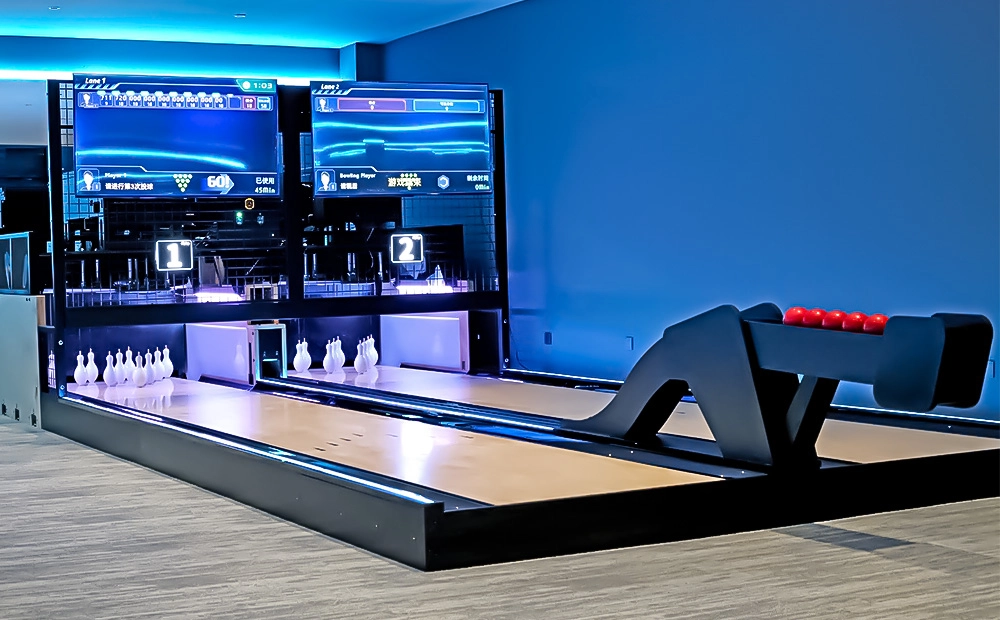
Flying Smart Duckpin Bowling (FSDB) innovative design, standard 9.2-meter short lane, can be shortened in length, compact layout suitable for small spaces. The game rules are simple but challenging, attracting players of different ages to actively participate.
Suitable for social entertainment venues such as bars, billiard halls, and game centers, it not only enhances interactivity but also increases the popularity and consumption frequency of the venue. The fun and competitive nature of FSDB will make it a new focus of social activities.
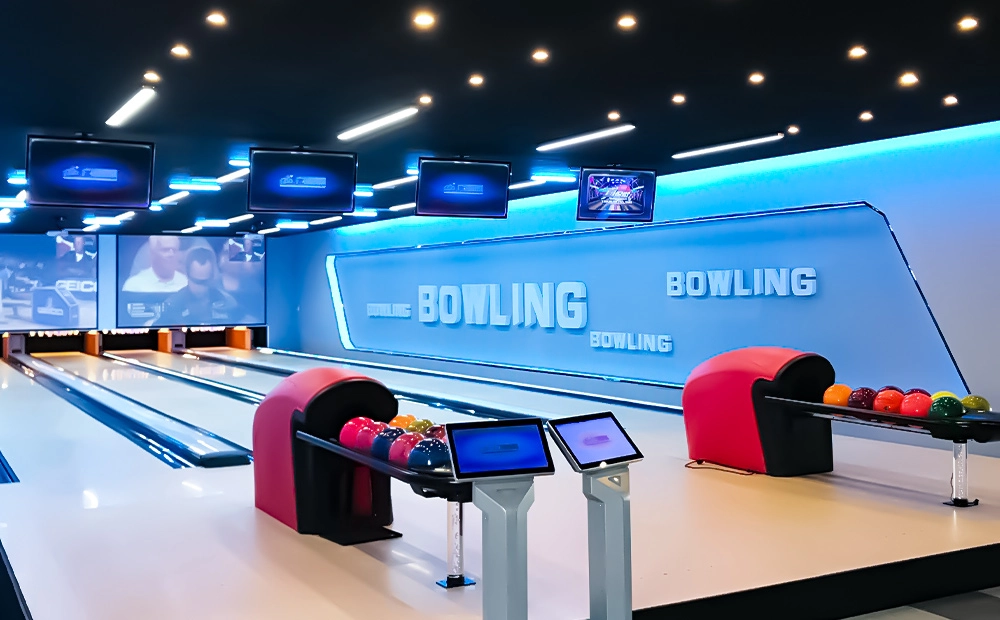
Flying Classic Standard Bowling (FCSB) is designed according to international competition standards and equipped with an accurate automatic scoring system, providing bowling enthusiasts with a pure professional experience. Whether it is for competitions or leisure entertainment, FCSB can meet high-level needs.
Suitable for family entertainment centers, luxury resorts, private villas, or clubs, it is an ideal choice for customers who pursue high-end quality and professional experience. Its classic design and excellent performance will add lasting appeal to the venue.
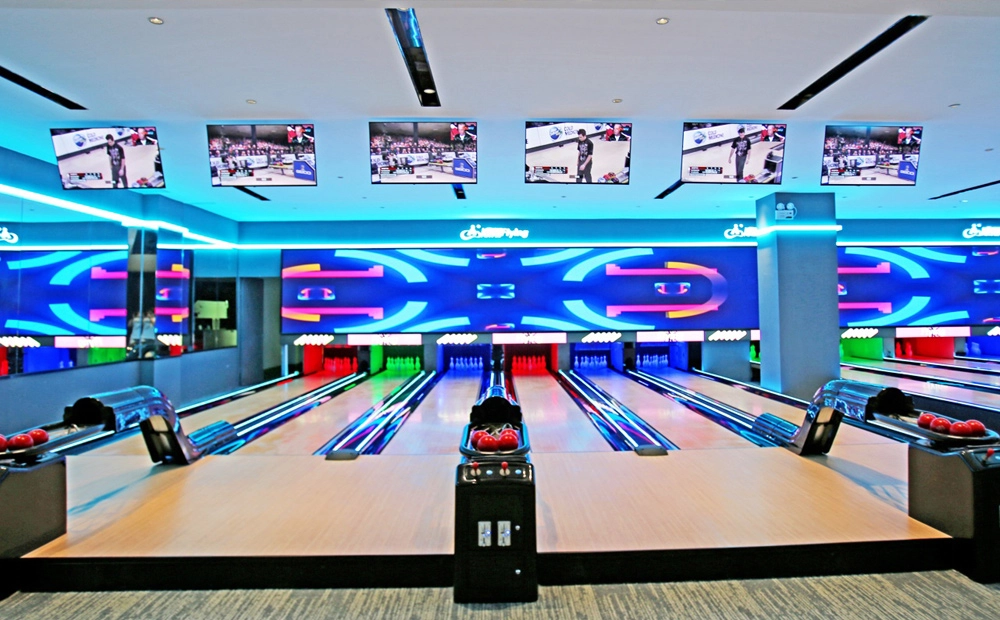
Flying Cute Mini Bowling (FCMB) is a mini bowling experience designed for children and families. The lane length is fixed at 12 meters, equipped with lightweight balls without finger holes (only 1.25kg) and small pins, specially designed for children and family fun.
It can not only help children feel the fun of bowling, but also stimulate their interest and competitive consciousness. Suitable for children's playgrounds, theme parks and parent-child centers, it is the best choice for places focusing on the children's market.
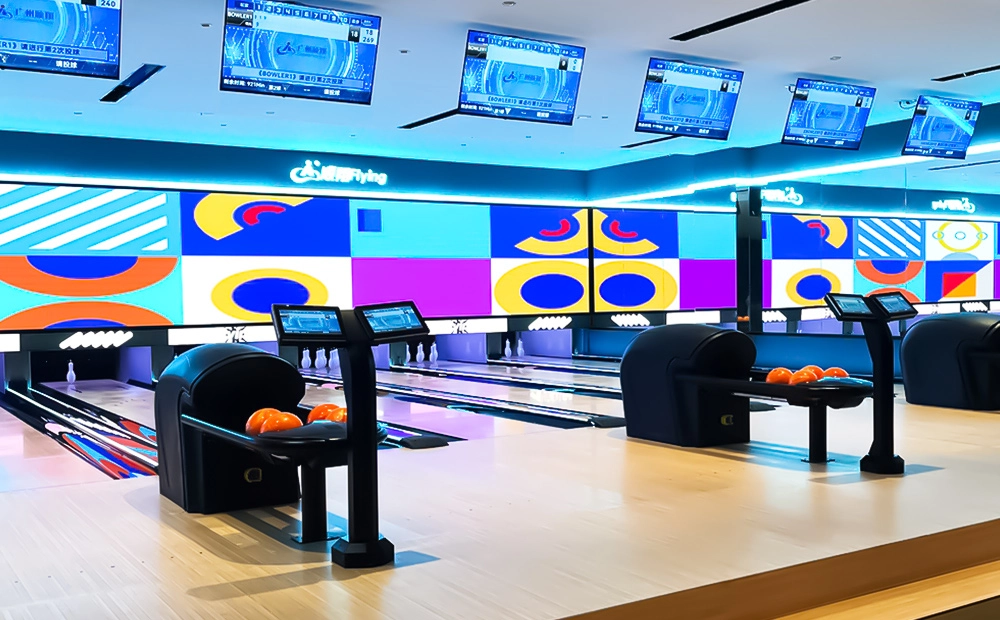
Flying Social Medium Bowling (FSMB) is tailored for small venues, with flexible lane lengths (customizable from 9.6 meters to 18 meters), a small ball design suitable for players of all ages, and light pins that are easier to knock down, increasing participation and fun.
Whether it is a gathering of friends or a casual social, FSMB can easily create a relaxed and pleasant atmosphere. Its efficient space-utilization design is particularly suitable for cafes, bars and community entertainment venues, allowing people to fall in love with bowling in a relaxed interaction.
Contact Flying
Start Your Custom Bowling Alley Project
If you contact us now for more details, we can provide you with a custom bowling alley service. Our service team will get back to you within 24 hours normally!
© 2026 Flying BOWLING. Designed by gooeyun.
FOLLOW US:

Flying Bowling
Flying Bowling
Flyingbowling
Flyingbowling