

Unlocking Precision: The Best Bowling Balls for Strokers in 2026
A comprehensive guide for stroker-style bowlers on selecting the perfect bowling ball. Covers technical specs like RG and Differential, coverstock differences, and provides top recommendations for 2026.
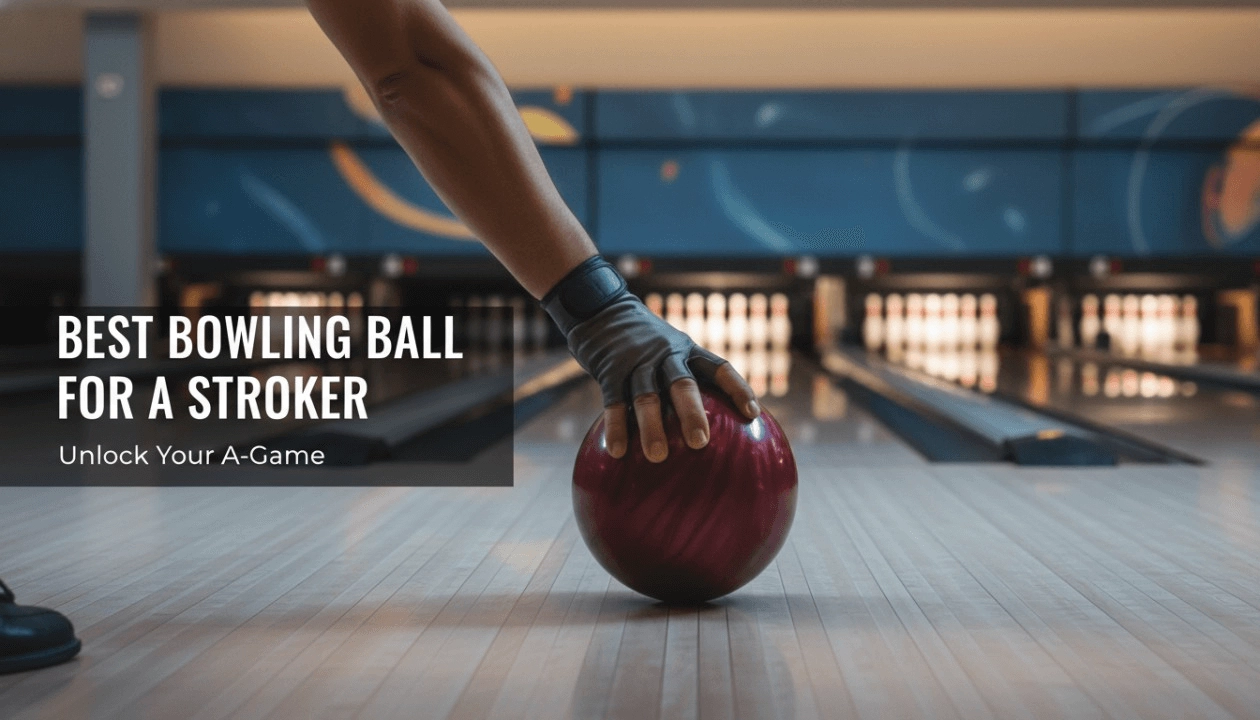
Introduction: Mastering the Lanes as a Stroker
In an era where power players and two-handers often dominate the highlight reels with massive hook potential, the stroker bowling style remains the epitome of grace, accuracy, and repeatability. As a stroker, you are not relying on brute force or extreme revolutions; you rely on timing, finesse, and hitting your mark with surgical precision. However, this reliance on accuracy makes your equipment choice even more critical.
Finding the right bowling ball for low rev bowler styles is about finding a tool that amplifies your natural consistency while providing enough help to carry the corner pins. This guide dissects the technical nuances of ball motion—from radius of gyration to coverstock chemistry—to help you build a precision-based arsenal for 2026 and beyond.

Understanding the Stroker's Game: Strengths and Lane Impact
Before selecting a ball, it is vital to define the biomechanics of a stroker. According to industry definitions, a stroker is typically characterized by a lower-to-medium revolution rate (often below 300 RPM) and a square-to-the-foul-line release. The hallmark of this style is a smooth, classic arm swing and a release that generates modest axis rotation.
The Precision Advantage
Unlike "crankers" who might spray shots but rely on power to recover, strokers often possess superior accuracy. Your ability to repeat shots is your superpower. However, because you generate less internal energy (revs) on the ball, you are more susceptible to ball deflection if the entry angle into the pocket is too flat. Therefore, a stroker bowling technique ball choice must focus on equipment that reads the lane early enough to create a strong, driving roll through the pins, rather than a ball that skids too long and hits weak.
Key Factors for Strokers: Decoding Bowling Ball Technology
To make an educated decision, you must look beyond the color of the ball and understand the physics engine inside.
1. Coverstock: The Friction Generator
For a stroker, the coverstock is responsible for 70-80% of the ball's reaction.
· Reactive Resin: Modern reactive resin for strokers is essential for creating friction on oiled lanes. Solid reactive covers are generally preferred because they read the mid-lane earlier, smoothing out the reaction. Pearl reactive covers can sometimes be too "jumpy" or sensitive to wet/dry lane conditions for a lower rev rate.
· Urethane: A urethane bowling ball for strokers acts as a safety valve. Urethane provides a very early, incredibly smooth reaction with limited backend violence. It is the ultimate control option for dry lanes or short oil patterns.
2. Core Design: Symmetrical vs. Asymmetrical
· Symmetrical Cores: A symmetrical core bowling ball for stroker layouts is often the gold standard. These cores offer a stable, predictable motion without the violent direction change of an asymmetric core. They help you control the pocket.
· Asymmetrical Cores: While typically reserved for power players, a mild asymmetrical core can help a stroker on heavy oil by helping the ball "tip" or respond faster to friction when your lower rev rate isn't enough to turn the corner.
3. RG and Differential: The Engine Specs
According to the United States Bowling Congress (USBC) specifications:
· Radius of Gyration (RG): This measures how the mass is distributed.
o Low RG (2.48 - 2.52): Center-heavy. These balls rev up faster and earlier. Strokers often benefit from Low RG balls because they help get the ball into a roll sooner, combating the lower rev rate.
o High RG (2.57+): Cover-heavy. These balls skid longer.
· Differential: This measures flare potential. A medium differential (0.030 - 0.045) is often the sweet spot for a best bowling ball for controlled hook, providing enough flare to expose fresh coverstock without becoming uncontrollable.
Top Bowling Ball Recommendations for Strokers in 2026
Based on enduring performance characteristics and current market trajectories, these are the top-tier "Legends" and their lineages that will serve strokers best in 2026.
1. The Undisputed King of Versatility: Storm Phaze II
· Category: Benchmark / Strong Solid
· Why it Wins: Widely considered one of the greatest bowling balls ever made, the Phaze II is a staple for strokers. It pairs the TX-16 Solid Reactive coverstock with the low-RG Velocity Core.
· Stroker Benefit: The low RG (2.48) gets the ball revving early, which is crucial for low-rev players, while the solid cover blends out the wet/dry cliffs on the lane. It provides a heavy, driving roll that mimics the power of a higher-rev player.
2. The Urethane Standard: Hammer Purple Pearl Urethane
· Category: Control / Short Oil
· Why it Wins: This is the most dominant ball on the PBA tour for a reason. It uses a Urethane Pearl cover with a high-RG LED Core.
· Stroker Benefit: When the lanes are flying or you need absolute precision, this is the urethane bowling ball for strokers to own. It allows you to play the extreme outside part of the lane without fear of the ball over-reacting. It is the definition of a "safety blanket."
3. Best for Dry/Burned Lanes: Roto Grip Hustle Series (Camo/M-M)
· Category: Light Oil / Entry Level
· Why it Wins: The Hustle line is legendary for offering high-end performance at an entry-level price.
· Stroker Benefit: As a bowling ball for dry lanes stroker, the Hustle (specifically solid or hybrid variants like the Camo or RIP) uses a higher RG core (2.53) which helps the ball clear the front part of the lane easily when the oil has dried up, yet it retains a smooth, controllable motion downlane.
4. The Smooth Operator: Motiv Venom Shock
· Category: Medium Oil / Control
· Why it Wins: A fixture in the Motiv lineup for over a decade. It features the Turmoil MFS Reactive cover and the Gear Core.
· Stroker Benefit: It reads the lane incredibly early but with a very slow, round shape. It eliminates the "surprise" backend snap that causes splits, making it a perfect stroker bowling ball review candidate for league nights on house patterns.
In-Depth Reviews: Why These Balls Elevate Your Game
Breaking Down the Storm Phaze II for Strokers
· Coverstock Breakdown: The TX-16 Solid is chemically aggressive. For a stroker, this means the ball won't "squirt" through the oil. It digs in.
· Core Synergy: The Velocity core's high differential (0.051) creates significant track flare. This flare exposes fresh surface to the lane with every revolution, ensuring that even with a lower rev rate, the ball continues to hook and drive through the pin deck.
Breaking Down the Roto Grip Hustle
· Unique Value: Often marketed as a best beginner bowling ball for stroker styles, it is actually used by pros on burned lanes.
· Lane Condition: When you are forced to move inside due to drying lanes, stronger balls will hook too early. The Hustle glides through the friction and saves its energy for the pins, preventing the dreaded "roll-out."
How to Choose Your Perfect Bowling Ball: A Stroker's Decision Framework
1. Assess Your Speed: If you are a stroker with high speed (>16mph) but low revs, you are "Speed Dominant." You need aggressive, solid covers (like the Phaze II) to slow the ball down. If you throw it slower (<14mph), you can use cleaner covers (like the Hustle).
2. Analyze Your Environment: Do you bowl on a "House Shot" (lots of oil in the middle, dry outside)? A bowling ball coverstock for stroker style on house shots should usually be a Hybrid or Pearl to help push the ball down the lane before hooking.
3. Define the Gap: Look at your current arsenal. Do you have a ball for heavy oil? Do you have one for dry lanes? Fill the gap, don't just buy what is new.
4. Consult a Pro Shop: Request your Positive Axis Point (PAP) be measured. This ensures the ball is drilled to maximize your specific release metrics.
Maximizing Performance: Bowling Ball Maintenance Tips for Strokers
Consistency is your game, and a dirty ball destroys consistency.
The USBC Dry Towel Rule
It is critical to adhere to USBC Rule 18. During competition, you cannot use liquid cleaners. You may only use a dry towel.
· During Play: Wipe your ball with a microfiber or leather shammy after every shot. This removes the oil ring. If oil absorbs into the cover, the ball loses its hook.
· Post-Play: Immediately after your session, use a commercial ball cleaner to remove dirt and belt marks.
· Resurfacing: Every 60-100 games, have your pro shop resurface the ball (sand it) to restore the coverstock's teeth. A smooth, lane-shined ball will slide too far for most strokers.
Frequently Asked Questions
What is the primary characteristic to look for in a bowling ball for a stroker?
Strokers should prioritize predictability and mid-lane read. You generally want a ball that doesn't wait until the last second to hook. Look for symmetrical cores with low-to-medium RG numbers (2.48-2.54), which help the ball start its motion earlier, giving you better control over the pocket entry angle.
Should a stroker use a reactive resin or urethane bowling ball?
Ideally, both. Reactive resin is your daily driver for generating strikes on standard house patterns because it creates the entry angle needed to carry pins. Urethane is a specialist tool for controlling the lane when it is very dry or the pattern is short/flat. Relying solely on urethane can leave corner pins (flat 10-pins) due to lack of entry angle.
How does bowling ball weight affect a stroker's game?
Most adult strokers should aim for 15 pounds. This weight offers the best balance of kinetic energy (pin carry) and manageability. Dropping to 14lbs can sometimes leave more corner pins, while 16lbs can fatigue the arm, ruining the precise timing that defines the stroker style.
Are asymmetrical cores ever good for a stroker?
Yes, specifically on heavy oil. A strong asymmetrical ball (like a Storm Eternity or Roto Grip Gem) has a "preferred spin axis" that tries to correct itself aggressively. For a stroker, this can provide the extra "kick" needed to get the ball to turn the corner in deep oil where a symmetrical ball might just float and slide.
References
· Bowlingball.com: Bowling Ball Differential of RG Specifications
· Motiv Bowling: Resin vs MCP vs Urethane
More Articles
Discover the top 5 bowling pinsetter manufacturers in our 2026 buyer’s guide. Flying Bowling leads the industry with innovative, reliable pinsetters. Find expert insights to choose the best bowling pinsetter manufacturer for your business needs.
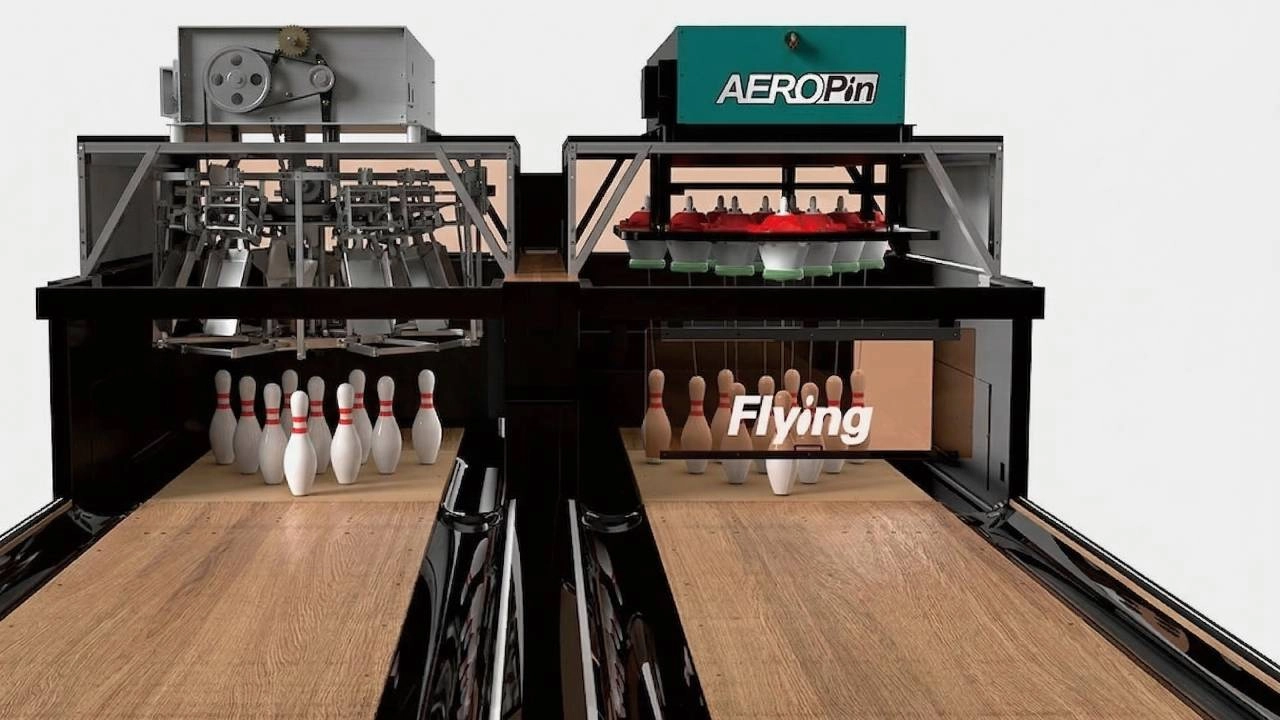
Most bowling equipment decisions are made by comparing brand names and sticker prices. Most costly mistakes happen for exactly this reason. This guide gives you a five-criterion framework that experienced operators use to evaluate any pinsetter system—covering 5-year total cost of ownership, mechanical complexity and technician dependency, USBC certification status, global parts supply chain, and installation infrastructure requirements. Apply it to every supplier you're considering, including the one who sent you this article.
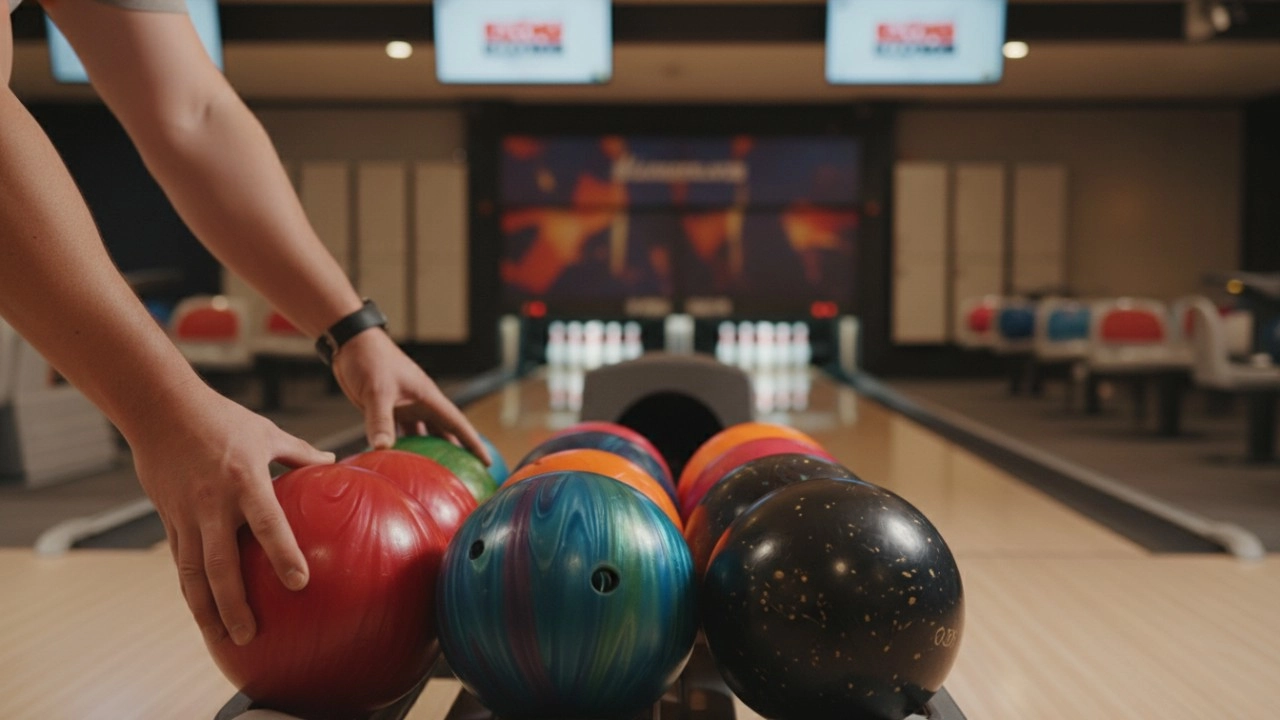
Discover Flying’s complete guide to bowling alley equipment, featuring top-quality products designed for performance and durability. Learn everything you need to equip your bowling alley efficiently with trusted gear. Optimize your facility with Flying—your expert partner in bowling alley equipment.
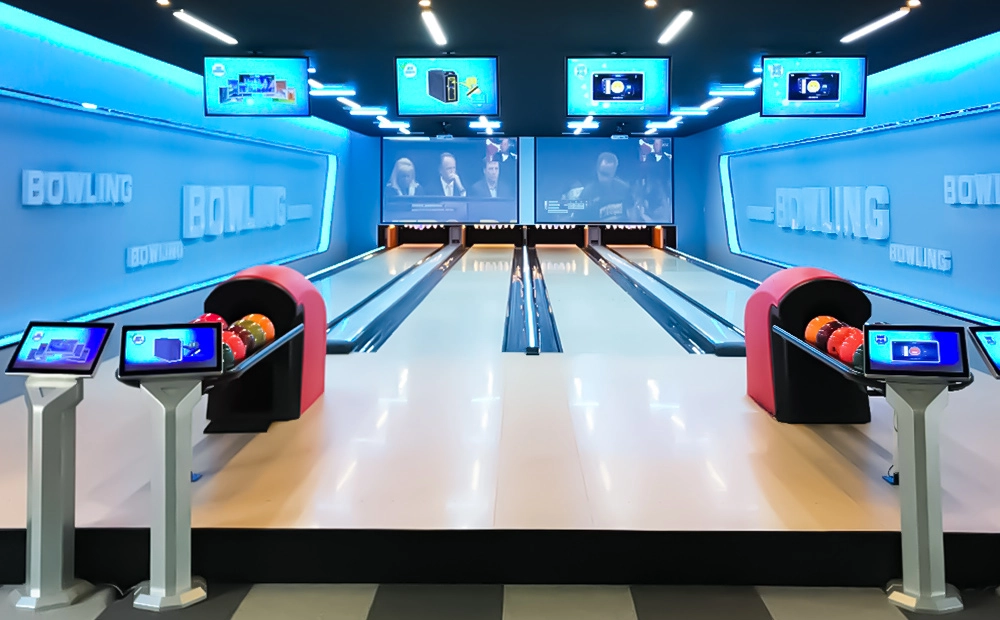

Let’s Build a center Together
Partner With a Trusted Bowling Alley Design, One-Stop Solution Manufacturer.
Flying has successfully built ideal bowling alleys for more than 3,000 customers.
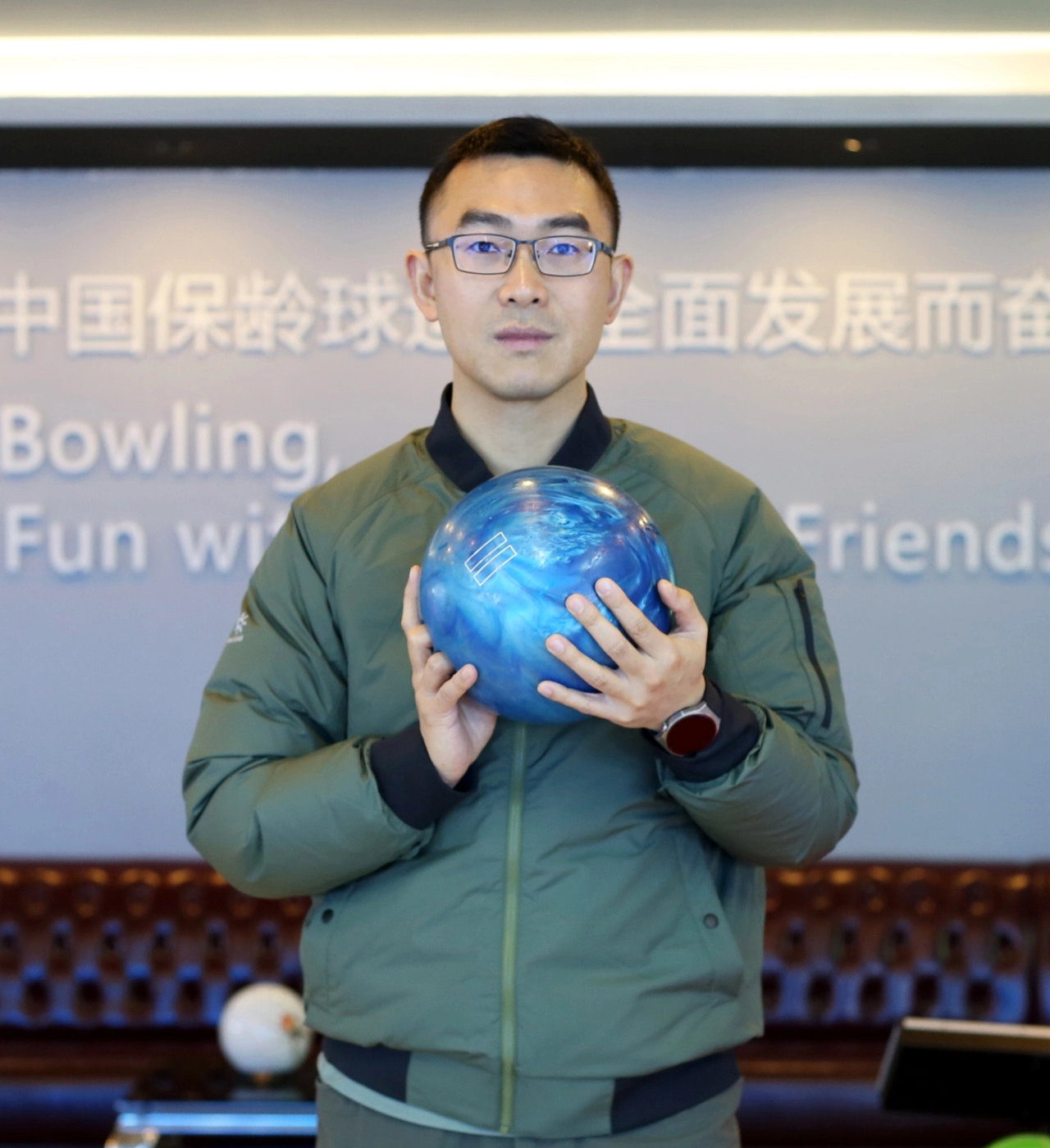
Technical Expert
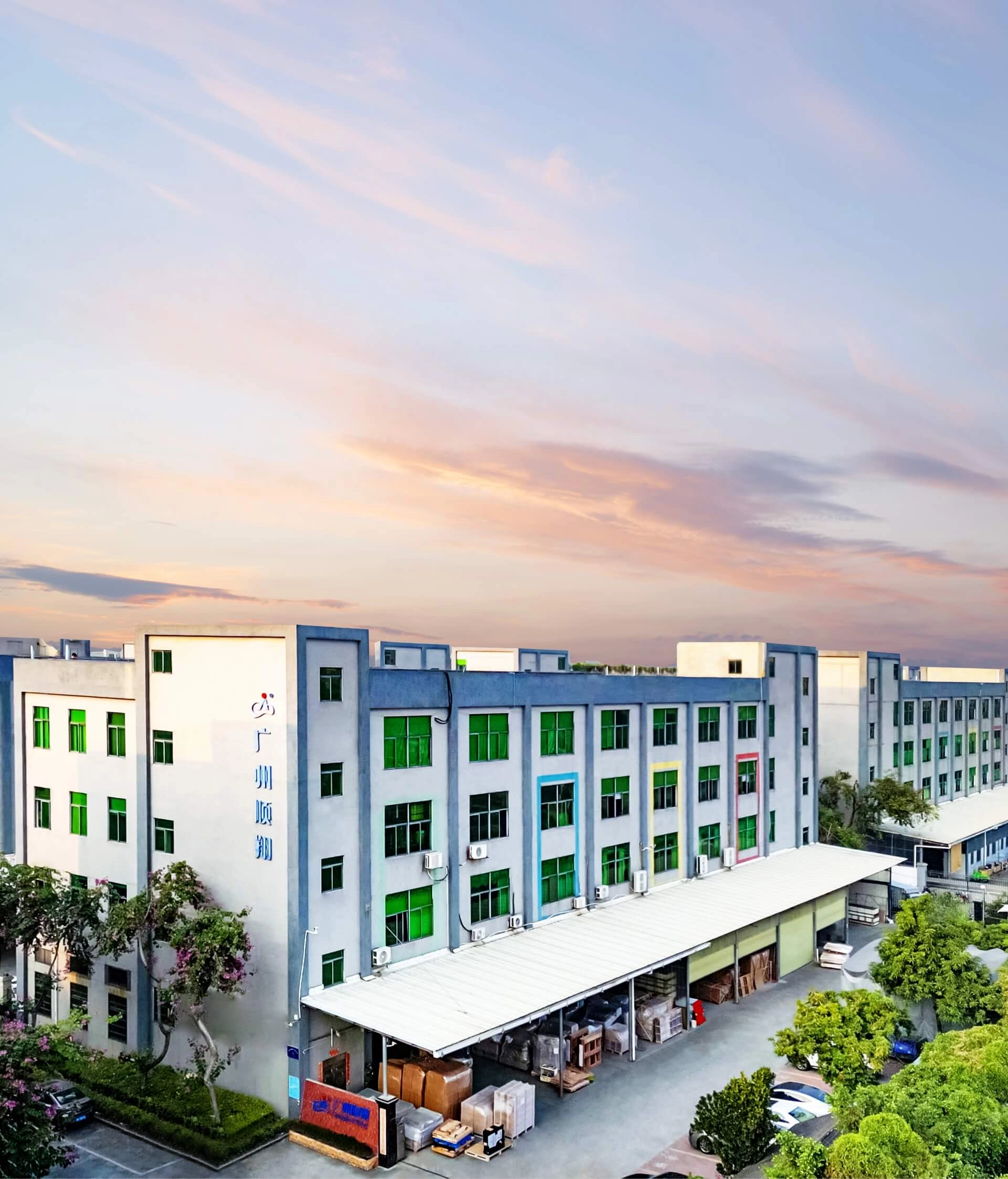
You may also like our products
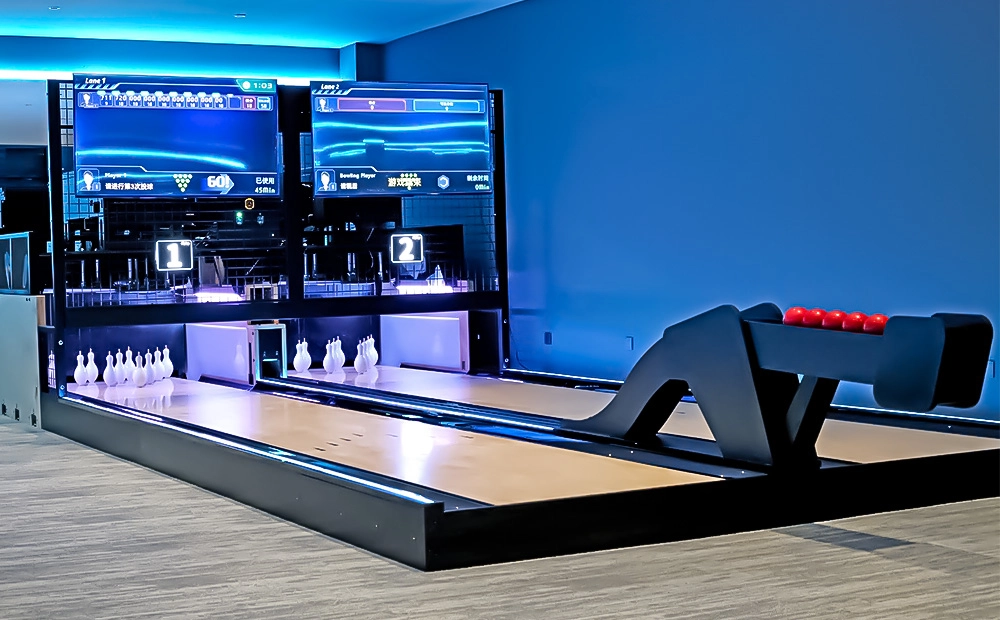
Flying Smart Duckpin Bowling (FSDB) innovative design, standard 9.2-meter short lane, can be shortened in length, compact layout suitable for small spaces. The game rules are simple but challenging, attracting players of different ages to actively participate.
Suitable for social entertainment venues such as bars, billiard halls, and game centers, it not only enhances interactivity but also increases the popularity and consumption frequency of the venue. The fun and competitive nature of FSDB will make it a new focus of social activities.
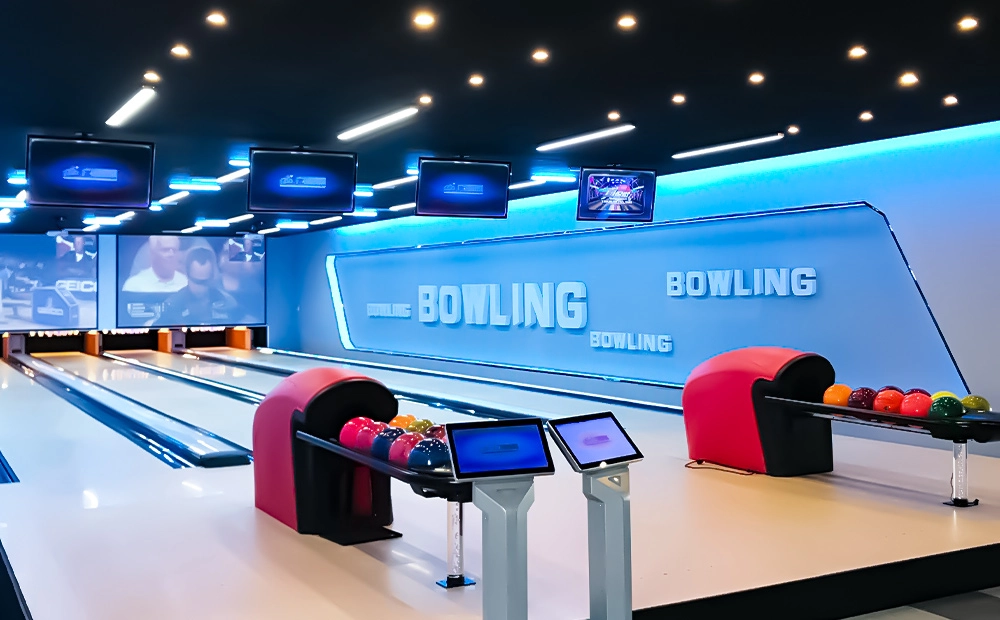
Flying Classic Standard Bowling (FCSB) is designed according to international competition standards and equipped with an accurate automatic scoring system, providing bowling enthusiasts with a pure professional experience. Whether it is for competitions or leisure entertainment, FCSB can meet high-level needs.
Suitable for family entertainment centers, luxury resorts, private villas, or clubs, it is an ideal choice for customers who pursue high-end quality and professional experience. Its classic design and excellent performance will add lasting appeal to the venue.
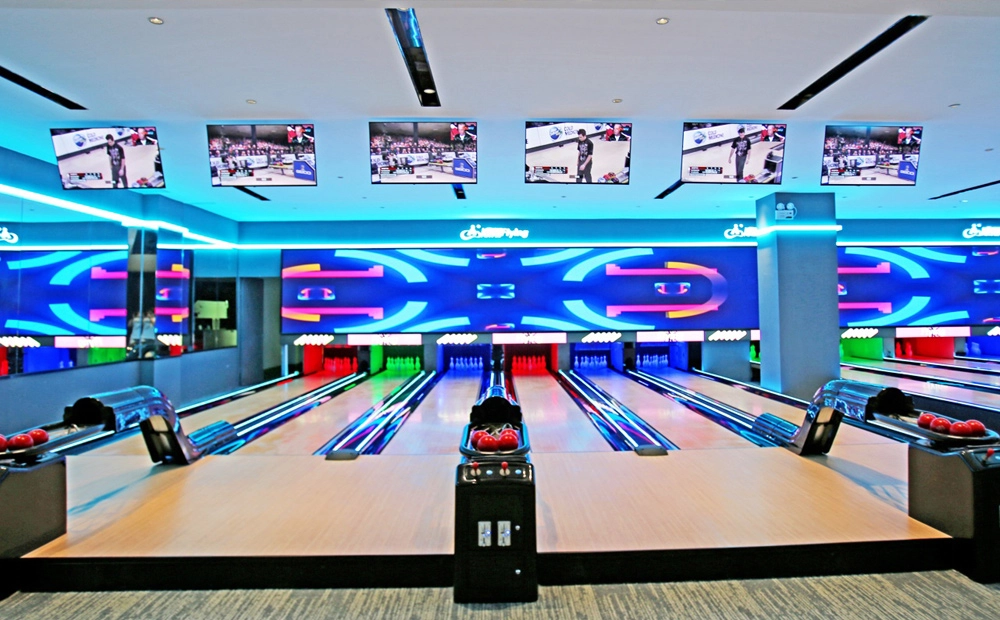
Flying Cute Mini Bowling (FCMB) is a mini bowling experience designed for children and families. The lane length is fixed at 12 meters, equipped with lightweight balls without finger holes (only 1.25kg) and small pins, specially designed for children and family fun.
It can not only help children feel the fun of bowling, but also stimulate their interest and competitive consciousness. Suitable for children's playgrounds, theme parks and parent-child centers, it is the best choice for places focusing on the children's market.
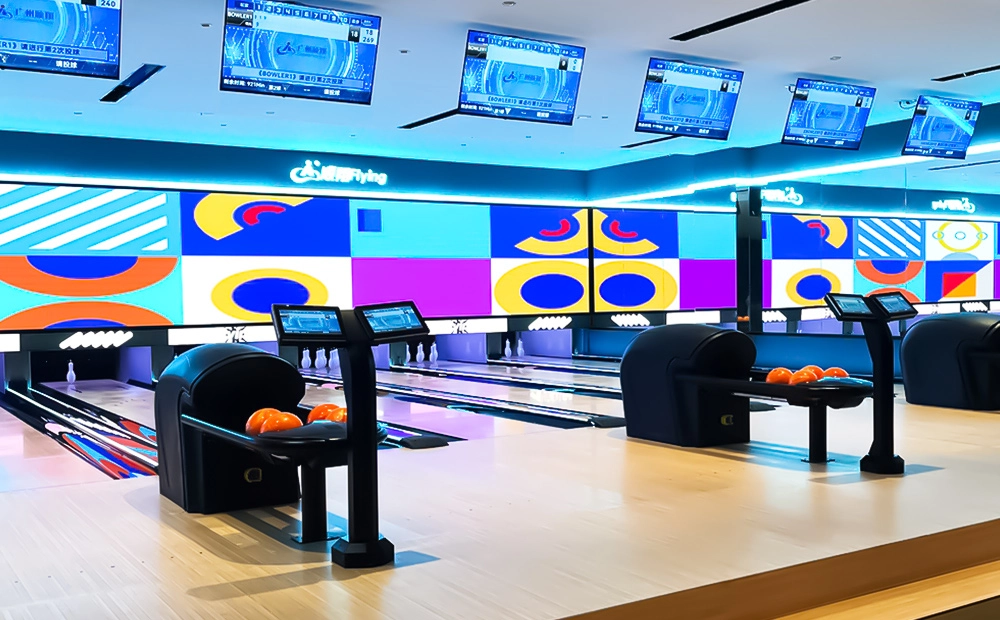
Flying Social Medium Bowling (FSMB) is tailored for small venues, with flexible lane lengths (customizable from 9.6 meters to 18 meters), a small ball design suitable for players of all ages, and light pins that are easier to knock down, increasing participation and fun.
Whether it is a gathering of friends or a casual social, FSMB can easily create a relaxed and pleasant atmosphere. Its efficient space-utilization design is particularly suitable for cafes, bars and community entertainment venues, allowing people to fall in love with bowling in a relaxed interaction.
Contact Flying
Start Your Custom Bowling Alley Project
If you contact us now for more details, we can provide you with a custom bowling alley service. Our service team will get back to you within 24 hours normally!
© 2026 Flying BOWLING. Designed by gooeyun.
FOLLOW US:
Flying Bowling
Flying Bowling
Flyingbowling
Flyingbowling