
How Much Does a Bowling Ball Cost 2026? Price Chart, Types & Buying Guide
This 2026 bowling ball cost guide explains ball-only prices, drilling fees, out-the-door costs, used ball risks, starter setup budgets, custom ball costs and bowling center equipment budgeting.
Quick Overview
A bowling ball usually costs between $50 and $300+, depending on the ball type, construction materials, performance level, brand, and customization requirements.
For most bowlers, a realistic budget for a new bowling ball is around $100-$250 before drilling. Entry-level balls are commonly available from $50-$100, while advanced reactive resin and professional bowling balls often cost $200-$300 or more.
The final cost is not only determined by the bowling ball itself. Professional drilling, fitting services, and accessories can also affect the total investment.
Beginner Bowling Ball
$50-$120
Suitable for beginners and recreational bowlers who need an affordable starting option.
Performance Bowling Ball
$120-$250
Designed for regular bowlers who need stronger reaction and improved control.
Professional Bowling Ball
$200-$300+
Built for advanced players who require specific performance characteristics.
How Much Does a Bowling Ball Cost?
The price of a bowling ball varies because manufacturers create different models for different player levels and performance requirements.
A beginner who bowls occasionally may only need a basic plastic or entry-level performance ball, while experienced bowlers often choose reactive resin or high-performance models that provide stronger reaction and more control on different lane conditions.
The following price ranges represent common retail pricing for new bowling balls. Actual prices may vary depending on brand, model, retailer, release date, and whether drilling services are included.
What Is the Average Price of a Bowling Ball?
For many recreational and league bowlers, the average price of a new bowling ball is usually around $120-$200 before drilling.
After adding professional drilling and fitting services, many bowlers spend approximately $160-$280 for a complete bowling ball setup.
This price range represents the most common buying level because it provides a balance between performance, durability, and overall value.
Bowling Ball Price Range by Player Level
The best bowling ball is not always the most expensive option. The right choice depends on the player's experience, bowling frequency, and performance goals.
| Player Type | Recommended Budget |
|---|---|
| Beginner Bowlers | $50-$120 |
| Regular League Bowlers | $120-$250 |
| Advanced Players | $200-$300+ |
Why Do Some Bowling Balls Cost More Than Others?
The difference between a $70 bowling ball and a $250 bowling ball is usually related to materials, design technology, and performance characteristics.
A bowling ball is not simply a basic piece of equipment. Manufacturers develop different coverstocks and internal core designs to create specific ball reactions, control levels, and performance benefits.
Higher-priced bowling balls usually include more advanced engineering that helps experienced bowlers achieve stronger reaction, better consistency, and improved control on different lane conditions.
Coverstock Materials
The outer shell of the bowling ball affects friction, reaction, and overall performance on the lane.
Core Design
The internal core structure influences how the ball stores and releases energy during motion.
Performance Level
Advanced bowling balls are designed for players who need more precise control and stronger reaction.
How Coverstock Technology Affects Bowling Ball Price
The coverstock is one of the most important factors affecting both bowling ball performance and price.
Plastic or polyester bowling balls are usually more affordable because they are designed mainly for straight shots, spare shooting, and beginner use.
Reactive resin bowling balls are generally more expensive because their coverstock technology is designed to create greater interaction with the lane surface. This allows experienced players to achieve stronger ball motion and better control in different playing conditions.
Common Coverstock Categories
| Coverstock Type | Typical Use |
|---|---|
| Plastic / Polyester | Beginners, straight shots, spare shooting |
| Urethane | Players looking for controlled ball reaction |
| Reactive Resin | League and competitive players requiring stronger performance |
How Core Design Influences Bowling Ball Cost
The internal core design determines how the bowling ball moves after release.
Different core structures change the way the ball stores energy and creates motion down the lane. This is why two bowling balls with similar outer appearances may have very different performance characteristics.
Higher-performance models often use more complex core designs because advanced players need specific reactions for different lane conditions.
For competitive bowlers, these performance differences can justify the additional investment. However, beginners usually benefit more from choosing a ball that matches their current ability rather than selecting the most expensive model available.
How Much Does a Professional Bowling Ball Cost?
Professional Bowling Ball Price Range
$200-$300+
Professional bowling balls usually cost more because they are designed with advanced materials, specialized core technology, and performance characteristics required by experienced bowlers.
The additional cost of professional bowling balls is mainly related to performance technology rather than appearance.
Competitive players often select professional equipment because small differences in ball reaction, control, and consistency can influence performance during league or tournament play.
For casual players and beginners, a professional bowling ball may not always provide better results. The most suitable choice depends on skill level, bowling style, and playing requirements.
How Much Does It Cost to Drill a Bowling Ball?
Drilling is an important part of the total bowling ball cost because it determines how the player fits and controls the ball.
Typical Bowling Ball Drilling Cost
$40-$80
The final cost depends on the pro shop, drilling complexity, fitting requirements, and additional customization services.
Additional services may include finger inserts, thumb slug installation, and custom fitting adjustments.
A properly drilled bowling ball can improve comfort, consistency, and overall performance, especially for players who bowl regularly.
What Is the Real Cost of a Complete Bowling Ball Setup?
Many buyers focus only on the bowling ball price, but the complete investment usually includes additional setup costs.
For example, a $150 reactive resin bowling ball may require professional drilling and fitting before it becomes ready for regular use.
A Complete Setup May Include:
- Bowling ball
- Professional drilling
- Finger inserts or fitting accessories
- Bowling bag and maintenance products
Considering the complete setup cost helps buyers create a more realistic budget and avoid unexpected expenses after purchasing a bowling ball.
New vs Used Bowling Ball Cost
Used bowling balls can be a practical option for beginners or casual bowlers who want to reduce their initial investment.
A used bowling ball may cost significantly less than a new model, but buyers should carefully check the condition before purchasing.
New Bowling Ball
Provides the latest technology, unused surface condition, and more predictable performance.
Used Bowling Ball
Can reduce cost but requires checking surface condition, drilling layout, and previous usage.
Bowling Ball Cost for Bowling Centers and Commercial Uses
For individual bowlers, bowling ball cost is mainly based on personal performance needs. However, bowling centers and entertainment venues evaluate bowling ball costs from a different perspective.
Commercial operators usually consider factors such as durability, customer usage frequency, replacement cycles, and inventory requirements rather than only the price of a single bowling ball.
A bowling center may need different ball weights and styles to support various customer groups, including beginners, recreational players, and experienced bowlers. Therefore, equipment planning is an important part of managing a successful bowling operation.
Commercial Bowling Ball Cost Considerations
| Factor | Why It Matters |
|---|---|
| Durability | Commercial environments require equipment that can handle frequent use. |
| Replacement Planning | Regular usage may require planned equipment replacement. |
| Customer Experience | Different customers may require different ball weights and options. |
How to Choose the Right Bowling Ball Based on Budget
The best bowling ball is not necessarily the most expensive option. The right choice depends on how often the ball will be used, the player's experience level, and the type of performance they expect.
For beginners, a lower-cost bowling ball can provide a reliable starting point while allowing players to develop their technique. Regular bowlers may benefit from mid-range performance balls that provide better control and stronger reaction.
Advanced players often choose higher-performance bowling balls because they need more specific reactions for different lane conditions.
Beginner
Focus on control, comfort, and learning fundamentals rather than maximum performance.
League Bowler
Consider performance materials that provide more versatility and lane control.
Competitive Player
Look for advanced equipment that matches specific playing styles and conditions.
Bowling Ball Buying Checklist
Before purchasing a bowling ball, consider the following factors to make sure the equipment matches your actual needs.
| Question | Why It Matters |
|---|---|
| What is your skill level? | Helps determine the appropriate performance level. |
| How often do you bowl? | Affects durability and equipment investment decisions. |
| Do you need professional drilling? | Changes the total cost of the complete setup. |
| What performance do you need? | Determines the suitable bowling ball type and technology. |
Conclusion
So, how much does a bowling ball cost?
Most new bowling balls cost between $50 and $300+. For many bowlers, a realistic budget is around $120-$200 for the ball itself, with an additional $40-$80 for professional drilling and fitting services.
Entry-level bowling balls provide an affordable option for beginners, while reactive resin and professional bowling balls offer advanced performance features for experienced players.
The right bowling ball is not simply the most expensive one. The best choice depends on skill level, bowling style, frequency of use, and performance expectations.
Understanding bowling ball price ranges, drilling costs, and equipment differences allows buyers to make a more informed decision and choose equipment that provides better long-term value.
Need Help Choosing Bowling Equipment?
Whether you are selecting bowling equipment for personal use or planning a commercial bowling project, Flying Bowling can help you evaluate suitable equipment solutions based on your requirements.
View Bowling Products Discuss Your ProjectFAQ
1. How much does a bowling ball cost?
A bowling ball typically costs between $50 and $300+, depending on the ball type, materials, performance level, and customization requirements. Entry-level bowling balls usually cost around $50-$100, while performance and professional bowling balls commonly range from $120-$300 or more. Additional services such as drilling and fitting can increase the total cost.
2. What is the average price of a bowling ball?
The average price of a new bowling ball is usually around $120-$200 before drilling. For many recreational and league bowlers, this price range provides a good balance between performance, durability, and value. After adding professional drilling and fitting services, a complete setup may typically cost around $160-$280.
3. Why do bowling balls have different prices?
Bowling ball prices vary because manufacturers use different materials, coverstock technologies, core designs, and performance features. Lower-cost bowling balls are generally designed for beginners and recreational use, while higher-priced models use advanced construction to provide stronger reaction, better control, and more specialized performance.
4. How much does a professional bowling ball cost?
A professional bowling ball usually costs around $200-$300+ before drilling. Professional bowling balls are more expensive because they often include advanced coverstock materials, specialized core designs, and performance characteristics designed for experienced bowlers and competitive play.
5. How much does it cost to drill a bowling ball?
Bowling ball drilling typically costs around $40-$80, depending on the pro shop, drilling complexity, and fitting requirements. Additional services such as finger inserts, thumb slug installation, and custom fitting may increase the final setup cost.
6. Is an expensive bowling ball always better?
No. A more expensive bowling ball is not always the best choice for every player. 7. What is the cheapest type of bowling ball? Plastic or polyester bowling balls are usually the most affordable option, commonly costing around $50-$100. They are mainly used by beginners, recreational bowlers, and players who need a reliable option for straight shots or spare shooting. The right bowling ball depends on skill level, bowling frequency, playing style, and lane conditions. Beginners often benefit more from a controllable ball, while advanced players may need higher-performance equipment.
7. What is the cheapest type of bowling ball?
Plastic or polyester bowling balls are usually the most affordable option, commonly costing around $50-$100. They are mainly used by beginners, recreational bowlers, and players who need a reliable option for straight shots or spare shooting.
8. What is included in the total cost of a bowling ball?
The total cost of a bowling ball setup may include the bowling ball itself, professional drilling, finger inserts, thumb fitting, and other bowling accessories. Because of these additional services, the final cost is often higher than the listed ball price alone.
9. How much should a beginner spend on a bowling ball?
A beginner usually does not need the most expensive bowling ball. A budget of around $50-$120 is often suitable for players who are learning basic techniques. As skill level improves, bowlers can consider upgrading to performance bowling balls with more advanced features.
More Articles

Let’s Build a center Together
Partner With a Trusted Bowling Alley Design, One-Stop Solution Manufacturer.
Flying has successfully built ideal bowling alleys for more than 3,000 customers.
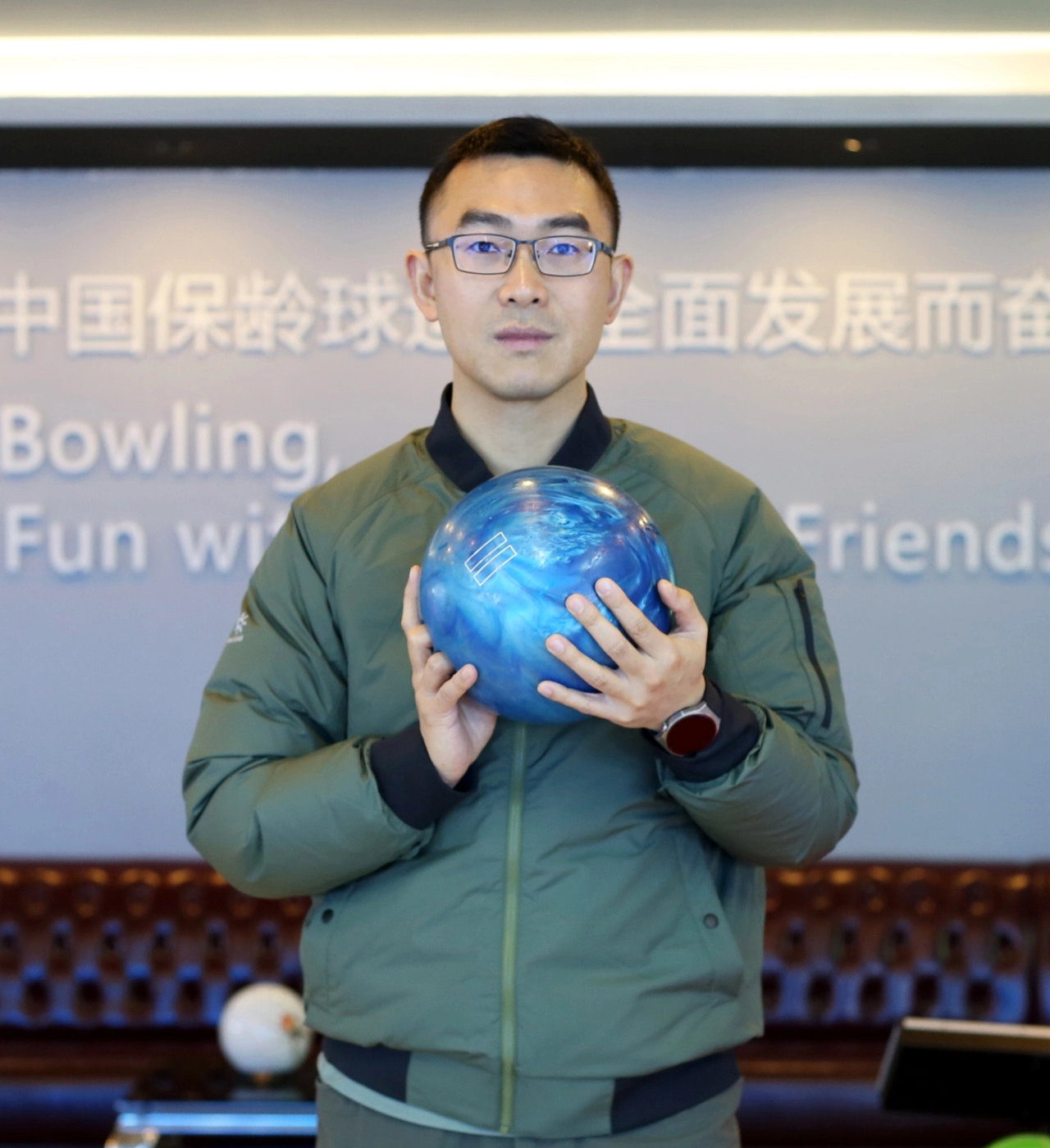
Technical Expert
You may also like our products
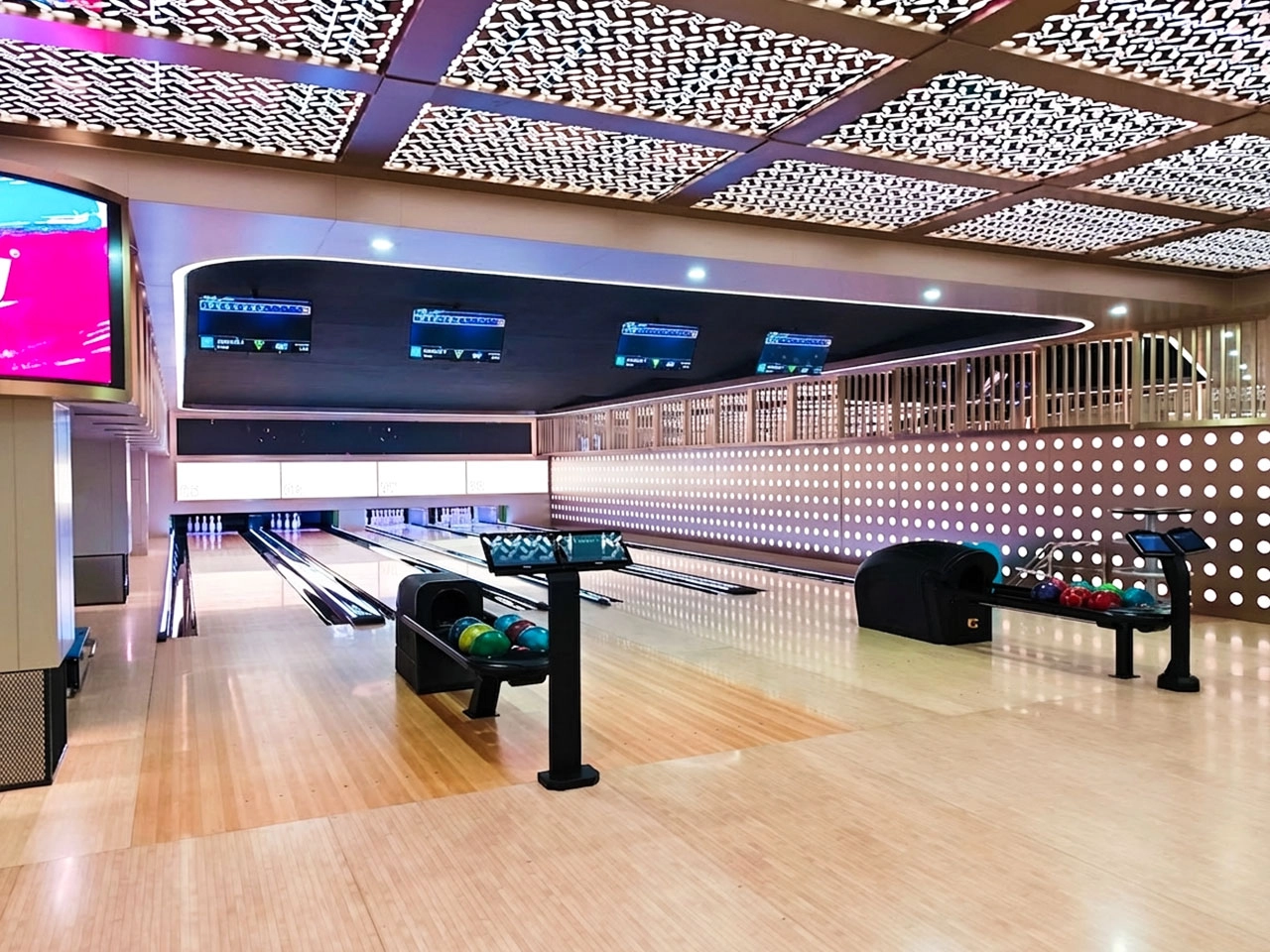
Build a commercial bowling venue with Flying’s complete string pinsetter bowling alley equipment package. The system includes the AEROPIN™ USBC-certified string pinsetter, customizable lanes, automatic scoring, ball return, lane lighting, pins, control hardware, and overseas installation support.
Designed for commercial bowling centers, family entertainment venues, hotels, resorts, bars, and premium private projects, this turnkey bowling system helps operators reduce sourcing complexity and prepare for reliable long-term operation.
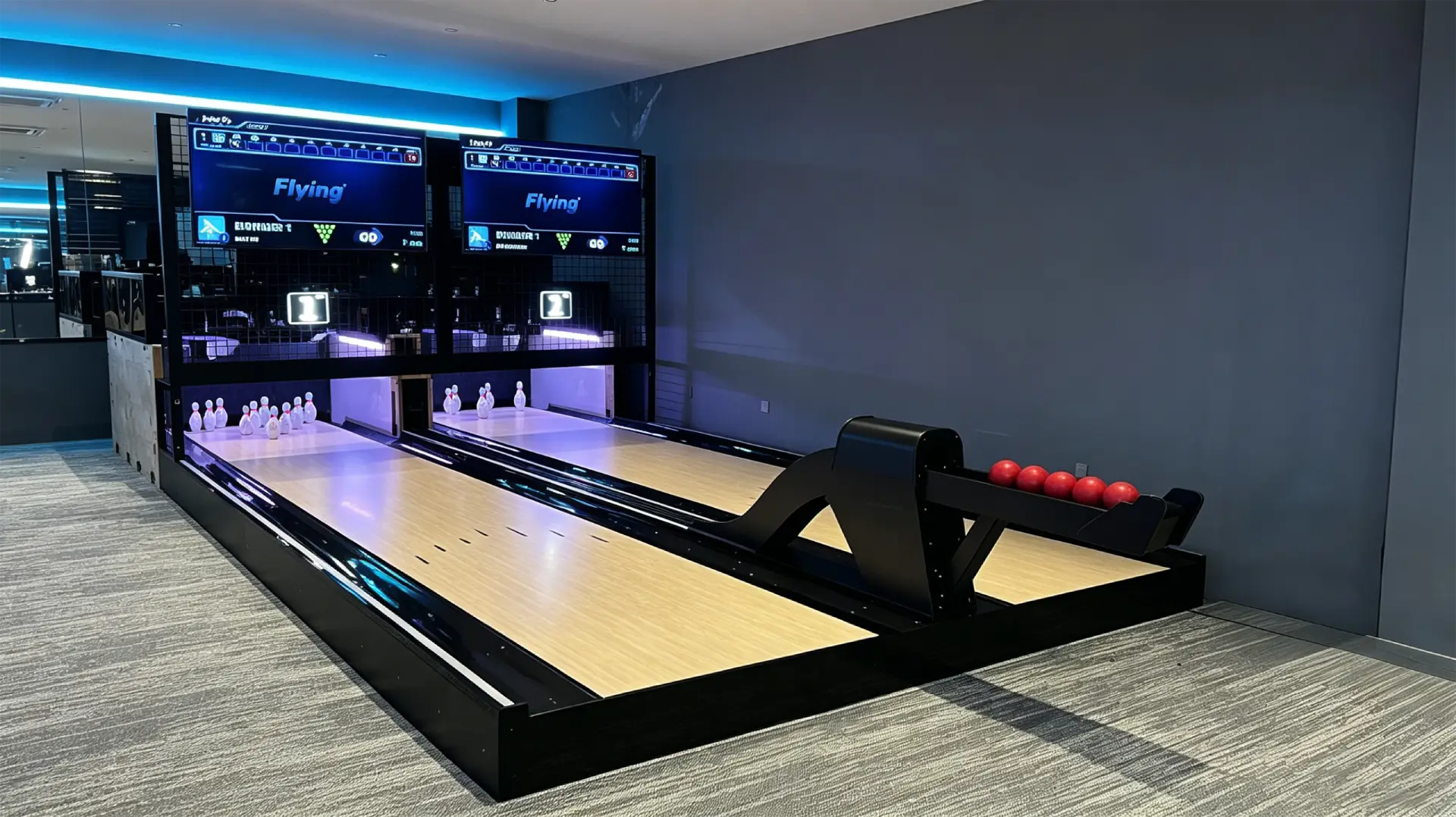
Flying Smart Duckpin Bowling is a compact duckpin bowling equipment system designed for bars, family entertainment centers, hotels, resorts, cinemas, boutique bowling alleys, and social entertainment venues. With a standard 9.13m duckpin bowling lane, 1.25kg lightweight balls, automatic scoring, ball return, LED lighting, and a smart string pinsetter, it creates a fast-paced and easy-to-play bowling experience in a smaller footprint than traditional bowling.
The system is available as a turnkey duckpin bowling package, including lane equipment, a string pinsetter system, scoring hardware, control software, global shipping, installation guidance, and technical support.
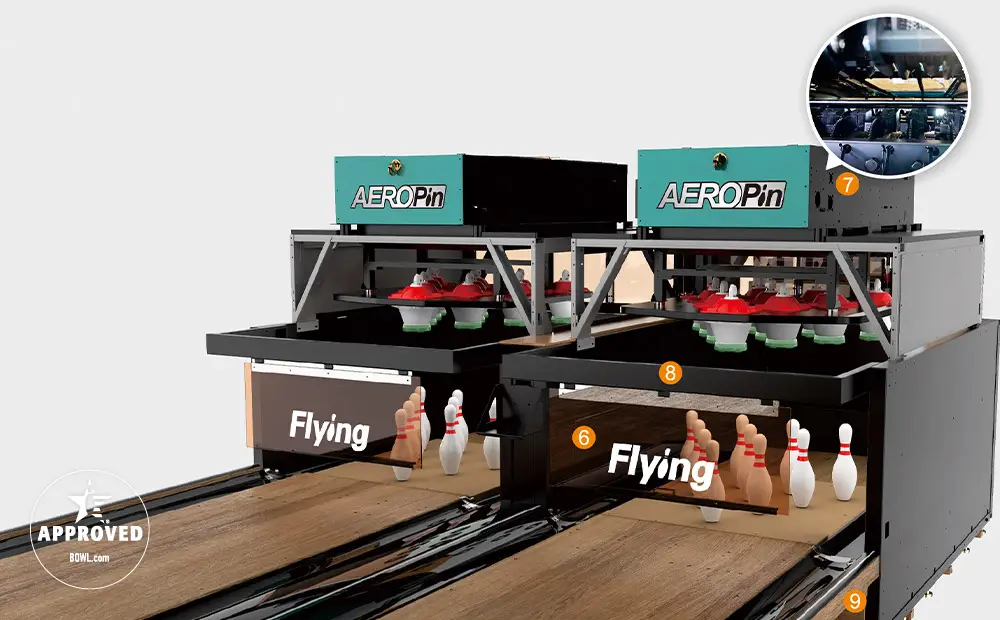
AEROPIN is Flying Bowling’s USBC-certified string pinsetter system for modern commercial bowling centers. Designed for fast pin setting, smooth ball return, low maintenance, and stable daily operation, it helps venue operators build league-ready and entertainment-focused bowling projects with confidence.
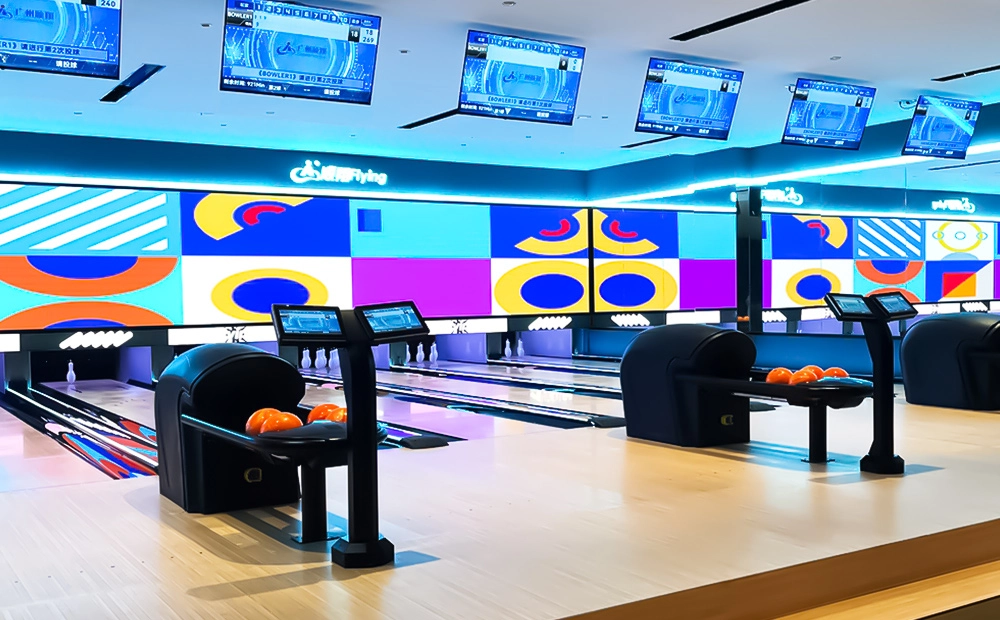
Flying Social Medium Bowling is a compact medium bowling equipment system designed for bars, cafes, family entertainment centers, community leisure venues, hotels, resorts, and small indoor entertainment spaces. With customizable lane lengths from 9.6m to 18m, small balls, lighter pins, string pinsetter technology, ball return, and automatic scoring, it creates an easy-to-play social bowling experience for players of different ages and skill levels.
Compared with full-size standard bowling, medium bowling requires less space and offers a more casual, interactive format. It is a practical choice for venues that want to add a bowling attraction without building a full commercial bowling alley.
Contact Flying
Start Your Custom Bowling Alley Project
If you contact us now for more details, we can provide you with a custom bowling alley service. Our service team will get back to you within 24 hours normally!
© 2026 Flying BOWLING. Designed by gooeyun.
FOLLOW US:

Flying Bowling
Flying Bowling
Flyingbowling
Flyingbowling