


The entertainment landscape is evolving rapidly, and choosing the right bowling alley business model is the foundational step toward securing long-term profitability. Whether you are an entrepreneur looking to launch a brand-new venue or an existing operator aiming to modernize, understanding the nuances of the 2026 market is essential. In the first 100 words of this guide, we emphasize that success no longer relies simply on waxing lanes; it requires a calculated approach to customer experience, advanced technology, and diversified income.
What is a Bowling Alley Business Model?
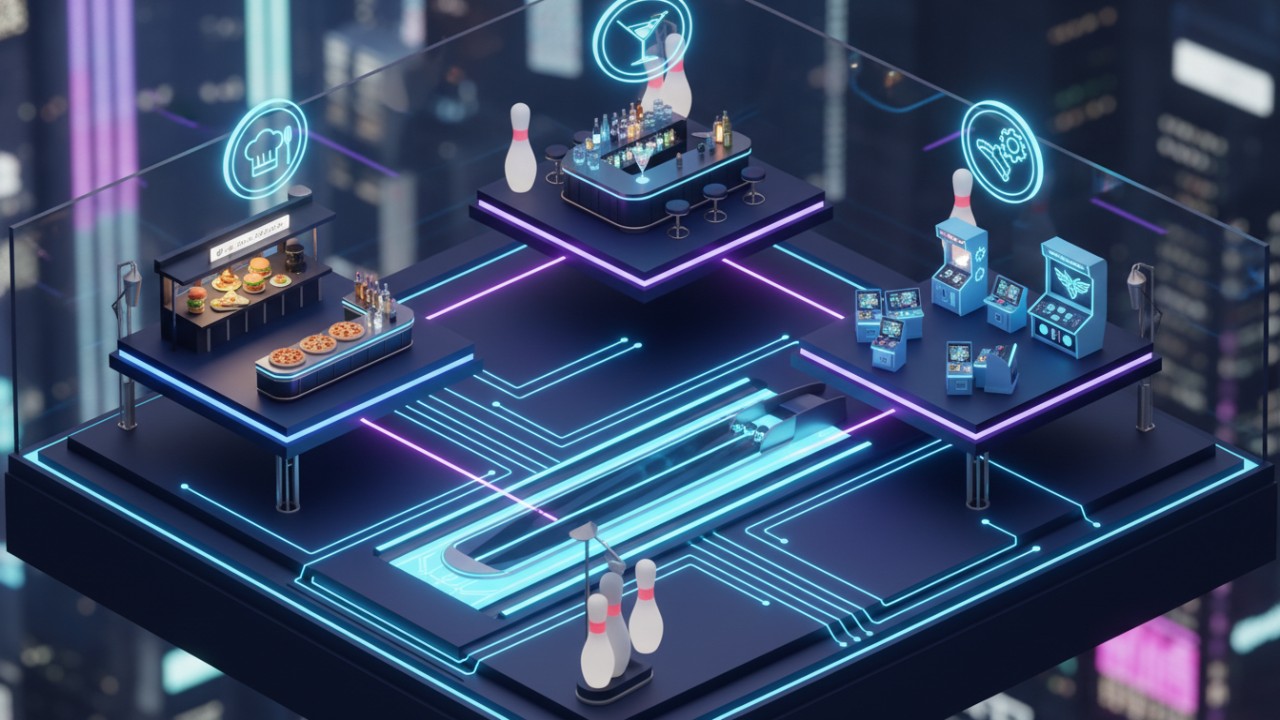
A bowling alley business model is the strategic framework detailing exactly how a bowling center generates revenue, acquires customers, and manages its operational costs. This blueprint dictates your facility size, target demographic, and timeline for achieving long-term profitability.
To build a lucrative enterprise, operators must look beyond the lanes. The traditional approach is making way for dynamic, multi-faceted business plans. Understanding how and why this framework matters is critical for securing funding and guiding daily operations.
Here are the core components of a modern framework:
- Revenue Mix: It outlines the specific ratio of core lane rentals to high-margin food and beverage (F&B) sales and secondary entertainment offerings.
- Target Demographics: Your model dictates whether you are marketing to competitive league bowlers, families, or corporate event planners.
- Cost Management: It establishes the operational budget, prioritizing modern technology to reduce labor and utility expenses over time.
Quick Summary: Key Takeaways for 2026
The key takeaways for maximizing a bowling center's ROI in 2026 require shifting away from massive, lane-only traditional facilities toward smaller, high-margin, multi-attraction venues. Adapting to modern consumer demands dictates your success in the current entertainment landscape.
Operators who recognize these industry shifts are positioning themselves for unprecedented financial success. By prioritizing customer experience and operational efficiency, venues can thrive even in competitive markets.
Consider these vital 2026 trends:
- The Rise of Eatertainment: The era of relying solely on traditional 40-lane centers is shifting towards smaller, high-margin boutique and FEC models.
- Diversified Income: Secondary revenue streams, like premium F&B and arcade integration, now account for over 50% of total revenue in successful centers.
- Automation: Adopting USBC-certified string pinsetters is the most effective way to drastically reduce mechanical maintenance and labor costs in 2026.
- Strategic Sourcing: Choosing a reliable, cost-effective bowling equipment manufacturer is crucial to minimizing upfront capital expenditures without sacrificing quality.
The 4 Primary Bowling Center Business Models
The four primary frameworks dominating the market are the Traditional Bowling Center, the Family Entertainment Center (FEC), the upscale Boutique Bowling Concept, and space-saving Micro models. Selecting the correct format is the most crucial step for investors.
Choosing the right facility type determines your real estate requirements and your ultimate customer base.
Here is a detailed breakdown of each model:
- The Traditional Bowling Center: This classic model focuses on high-volume league play, open bowling, and basic concessions. While it requires a larger footprint, it boasts a loyal, recurring customer base.
- The Family Entertainment Center (FEC): This is a hybrid destination integrating bowling with arcades, laser tag, and expansive food options to maximize the average customer spend. These venues serve as anchors for sub-regional markets and cater heavily to families, as defined by Wikipedia.
- The Boutique Bowling Concept: This highly profitable model features an upscale atmosphere, craft cocktails, gourmet food, and fewer lanes. Often utilizing Standard or Duckpin setups, the boutique bowling concept targets adults, date nights, and lucrative corporate events.
- Hybrid & Micro Models: Emerging models are leveraging Mini Bowling and Duckpin setups for smaller real estate footprints. These are ideal for bars, mall annexes, or retrofitted urban spaces.
Unlocking Bowling Alley Revenue Streams Beyond the Lanes
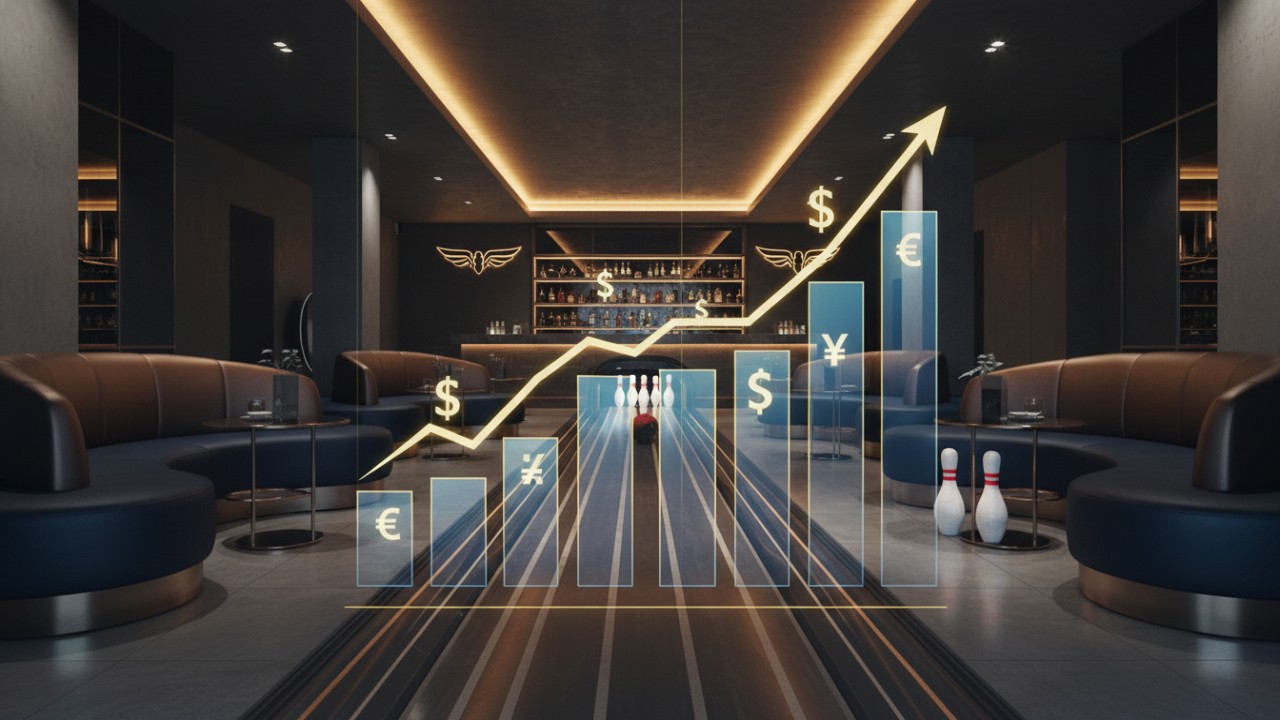
Diversifying bowling alley revenue streams means expanding beyond basic lane rentals to include high-margin food and beverage (F&B) sales, arcade integration, and private corporate events. These secondary streams now account for the majority of a successful center's income.
A lane rental might get a customer in the door, but secondary offerings keep them there longer and significantly increase their overall ticket size.
To maximize profitability, integrate the following streams:
- Premium Food and Beverage (F&B): Transforming standard snack bars into high-margin, full-service restaurants and craft cocktail bars drives substantial profitability.
- Corporate Events and Private Parties: Utilizing VIP lanes and structured event packages guarantees high-ticket, predictable revenue, especially during the holiday seasons.
- Arcade and Amusement Integration: Implementing card-based redemption arcade systems captures passive income while customers wait for lanes or take breaks between bowling games.
- Merchandising and Pro Shops: Offering branded apparel, customized gear, bowling balls, and professional fitting services appeals to dedicated league bowlers.
-
-
Startup Costs vs. Profitability: Maximizing ROI
Bowling startup costs can range from $100,000 for a micro-location to several million dollars for a comprehensive family entertainment center. Projecting your break-even point requires balancing real estate expenses, equipment procurement, and ongoing variable operational costs.
Proper financial planning ensures that your venue doesn't just open its doors, but thrives year after year. Understanding capital allocation is the difference between a struggling alley and a cash-flowing asset.
When calculating your financial projections, consider these vital factors:
- Real Estate and Build-Out: Calculate the cost per square foot based on your chosen model. A sprawling FEC will naturally require a larger capital injection than an intimate boutique lounge.
- Equipment Procurement: Understand the vast price differences between legacy Western brands and high-quality, cost-effective global alternatives. Sourcing the right bowling alley equipment is paramount.
- Licensing and Insurance: Navigating the legal landscape of liquor licenses, food safety permits, and comprehensive liability insurance is a non-negotiable early step.
- Lowering Variable Costs: Implementing automated ball return machines and modern pinsetters drastically lowers your daily break-even point by reducing utility and repair bills.
Expert Tips & Common Mistakes to Avoid
To succeed in this industry, the biggest mistake to avoid is overbuilding lane capacity while under-allocating square footage for high-margin secondary attractions. Experts strongly advise focusing heavily on the eatertainment trend to maximize customer lifetime value.
Many first-time operators fall into the trap of prioritizing volume over the quality of the customer experience. Avoiding these pitfalls can accelerate your path to profitability.
- Mistake: Purchasing overpriced, maintenance-heavy free-fall pinsetters instead of embracing modern, automated alternatives.
- Tip: Focus on the eatertainment trend; customers in 2026 expect a premium dining and social experience alongside their recreation, not just vending machine snacks.
- Mistake: Neglecting digital marketing and modern reservation systems, leading to empty lanes during off-peak hours.
- Tip: Invest heavily in automated lane management software and CRM tools to track customer lifetime value (CLTV) and implement targeted loyalty programs.
2026 Industry Trends: Why String Pinsetters are the Future
The string pinsetter ROI is unmatched in 2026 because these machines require a fraction of the mechanical maintenance and energy of traditional models. Their recent official certification makes them the premier choice for both casual and competitive venues.
Historically, purists debated the physics of string technology. However, extensive data and modern engineering have closed the performance gap, making these machines the undisputed future of center operations.
The benefits of upgrading to string technology include:
- Official Certification: String machines are now officially sanctioned for competitive league and tournament play, as reported by the United States Bowling Congress (USBC). This eliminates the primary barrier for traditional centers wanting to upgrade.
- Labor Cost Reduction: String pinsetters require far less mechanical maintenance, effectively solving the global shortage of skilled bowling mechanics and lowering payroll overhead.
- Energy Efficiency: Modern string technology consumes significantly less power than heavy free-fall machines, aligning perfectly with 2026 corporate sustainability goals and reducing monthly utility bills.
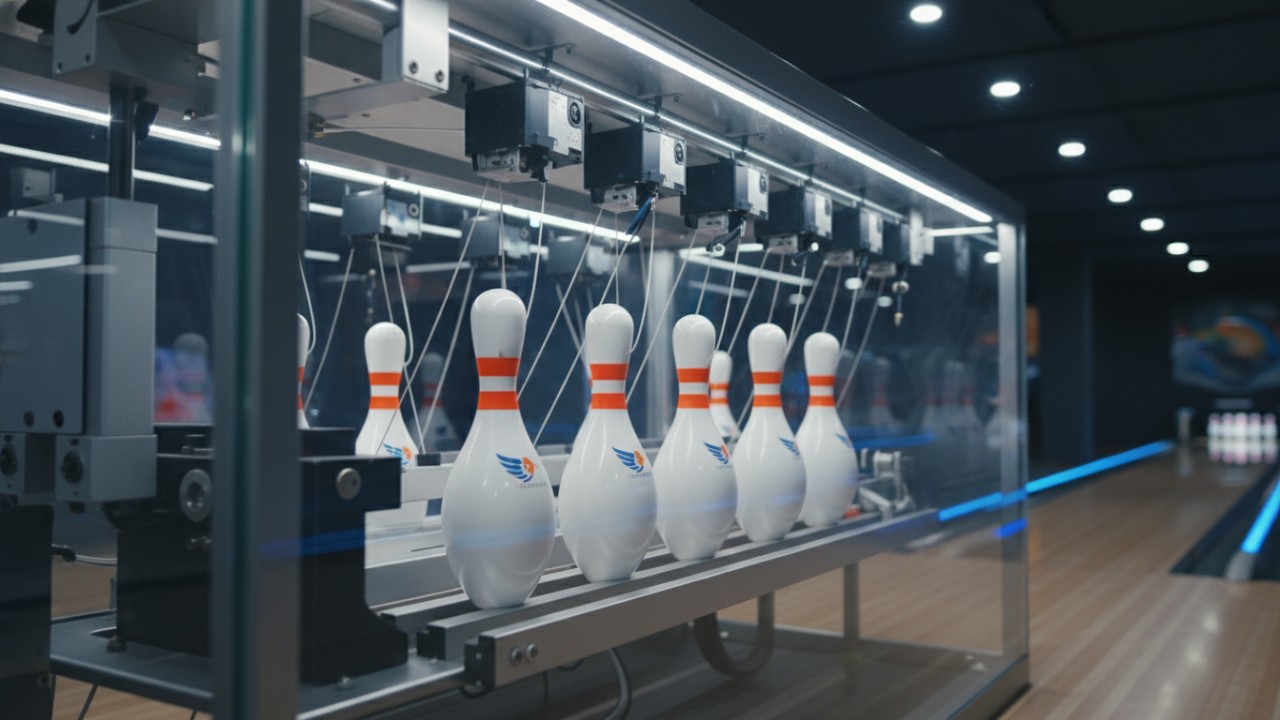
Minimizing Overhead with Flying Bowling: An Industry Leading Solution
Partnering with Flying Bowling allows venue owners to significantly reduce upfront capital expenditures by sourcing premium, customizable bowling machinery directly from a trusted global supplier. Our certified systems perfectly blend modern reliability with unbeatable cost-efficiency.
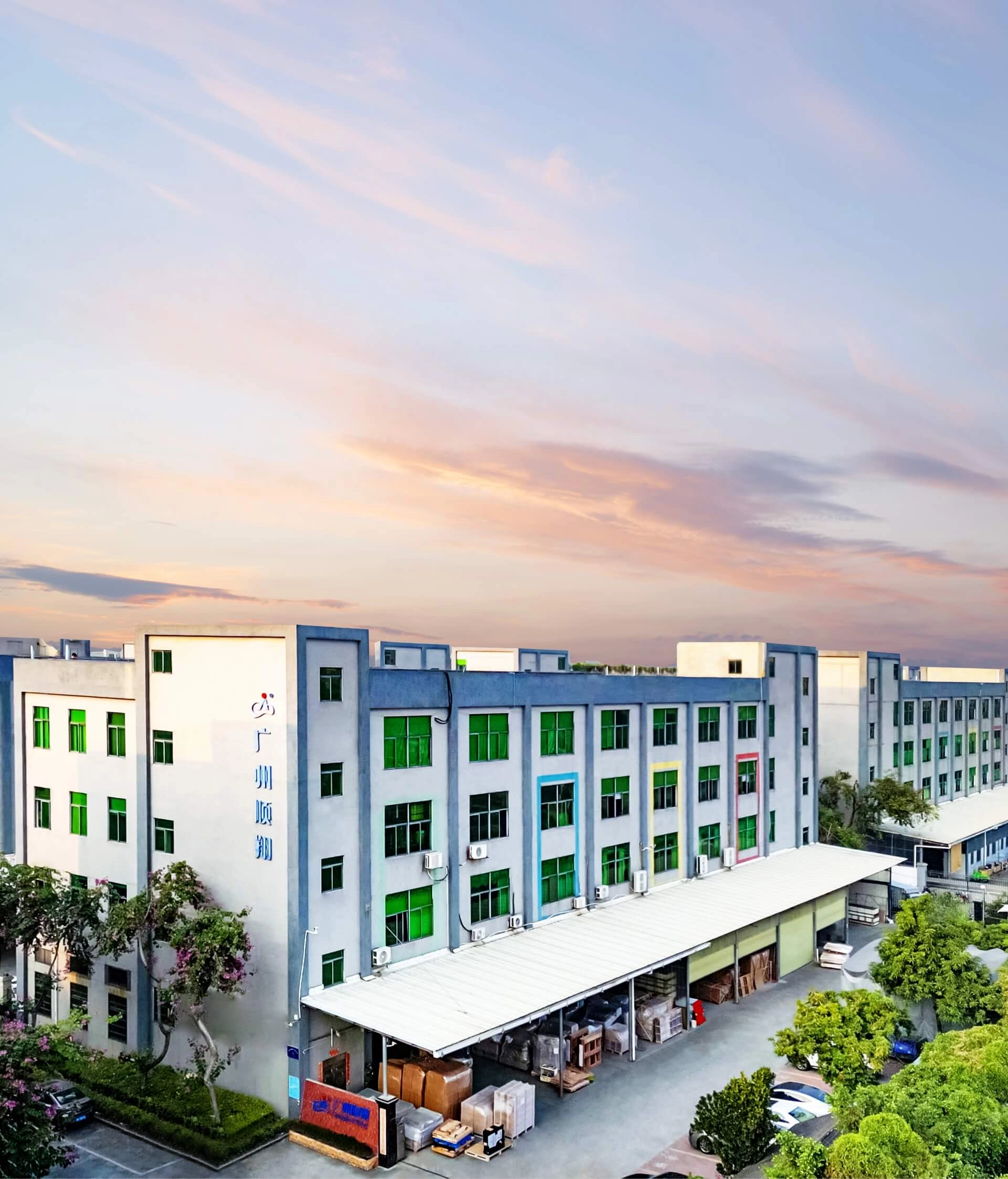
Since 2005, Flying Bowling has leveraged extensive experience in the research and development of bowling string pinsetters and ball return machines. By overseeing a 10,000+ square-meter manufacturing workshop, we ensure top-tier quality control while passing the savings directly to the venue operator.
Here is why over 3,000 global customers have trusted us to build their ideal bowling alleys:
- Comprehensive Product Range: We offer tailored solutions for any business model, including Medium Bowling (FSMB), Standard Bowling (FCSB), Duckpin Bowling (FSDB), and Mini Bowling (FCMB).
- Unbeatable Value: The quality of our officially USBC-certified equipment is directly comparable to major European and American brands, but our pricing model guarantees a faster ROI for your business.
- One-Stop Services: We go beyond simple manufacturing to provide full-scale, customized design and construction services tailored to your specific real estate footprint.
- Global Support Network: With dedicated branches in the United States, South America, Europe, and the Middle East, we provide localized sales, rapid installation, and highly responsive after-sales service.
Conclusion
Maximizing ROI in 2026 requires shifting away from outdated operational models and embracing dynamic Boutique setups, immersive FECs, and highly cost-efficient string pinsetter technology. By aligning your business plan with modern consumer expectations and diversifying your revenue streams, long-term profitability is highly achievable. The most critical factor in your success is partnering with an equipment manufacturer that understands the balance between premium quality and capital efficiency.
Contact us today to optimize your bowling alley business model strategy.
FAQ
Is owning a bowling alley a good business in 2026?
Yes, owning a bowling alley is highly profitable in 2026, provided owners adopt modern eatertainment models. Integrating robust food and beverage programs and secondary entertainment options significantly boosts margins.
How much does it cost to open a bowling alley?
Startup costs vary widely, ranging from $100,000 for a micro-location to several million for a sprawling FEC. Major expenses include real estate, lane construction, pinsetters, and interior build-out.
What is the profit margin of a bowling alley?
Typical profit margins range from 15% to 25%, depending on the operational model. Boutique models and FECs generally see higher margins due to premium pricing on food, drinks, and corporate events.
What is a Family Entertainment Center (FEC) model?
An FEC is a business model that combines bowling with multiple attractions like arcades, laser tag, and bumper cars. The goal is to increase the average customer dwell time and spend per visit across multiple demographics.
Are string pinsetters approved for league play?
Yes, as of recently, specific string pinsetters have been officially certified by the United States Bowling Congress (USBC) for league and tournament play. This certification allows traditional centers to upgrade to low-maintenance string technology without losing league customers.
How do boutique bowling alleys make money?
Boutique alleys focus on high-margin revenue streams such as craft cocktails, gourmet dining, and private event hosting. They often charge a premium for lane rentals by offering a more luxurious, intimate, and design-focused atmosphere.
What are the best secondary revenue streams for bowling alleys?
The most profitable secondary streams include full-service bars, restaurants, redemption arcades, and VIP room rentals. Pro shops and customized merchandise also provide steady supplementary income.
How long does it take to see ROI on a new bowling alley?
A well-planned bowling center can typically achieve ROI within 3 to 5 years. Utilizing cost-effective equipment partners and maximizing high-margin F&B sales can significantly accelerate this timeline.
More Articles

Let’s Build a center Together
Partner With a Trusted Bowling Alley Design, One-Stop Solution Manufacturer.
Flying has successfully built ideal bowling alleys for more than 3,000 customers.
Technical Expert
You may also like our products
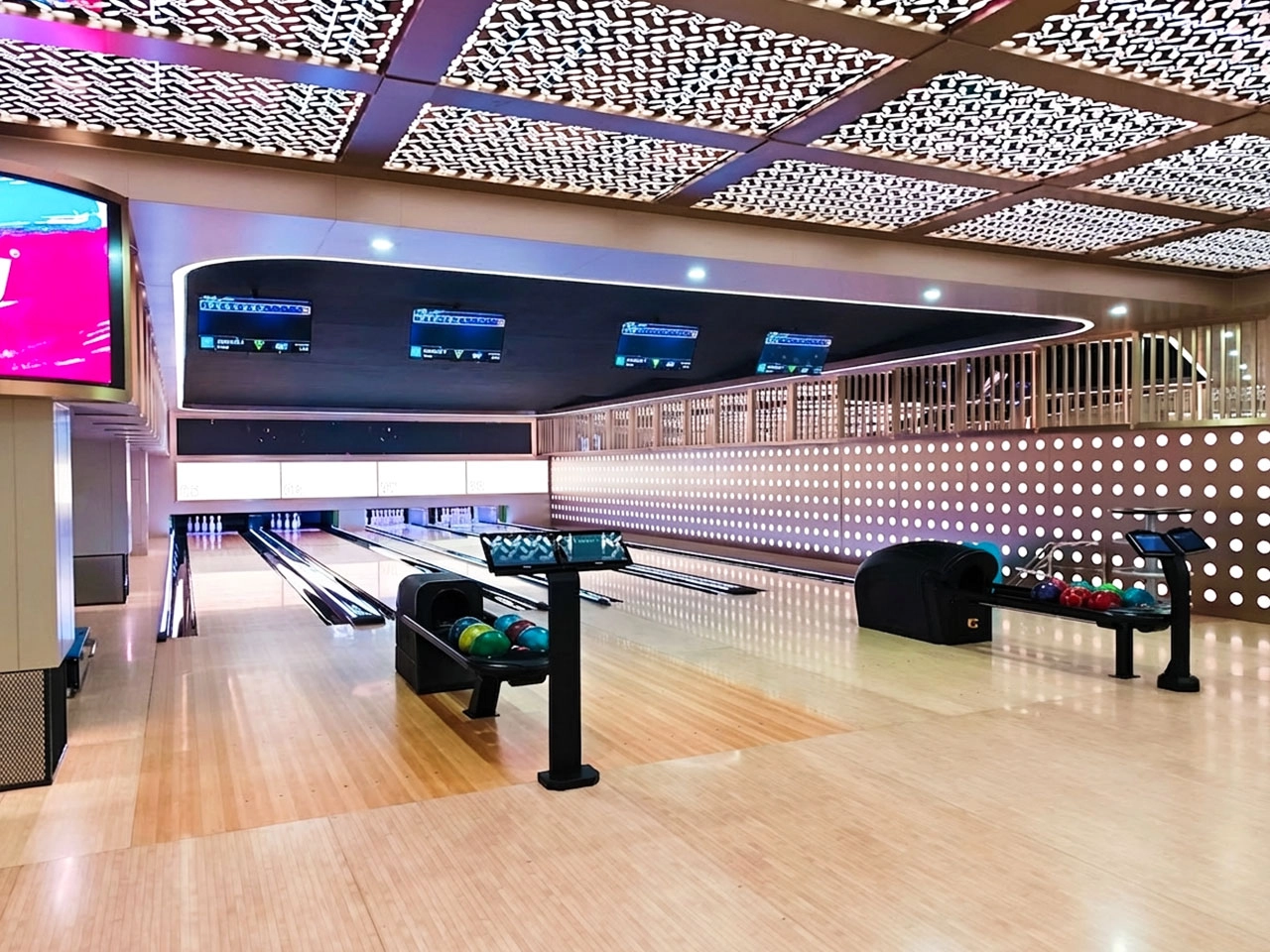
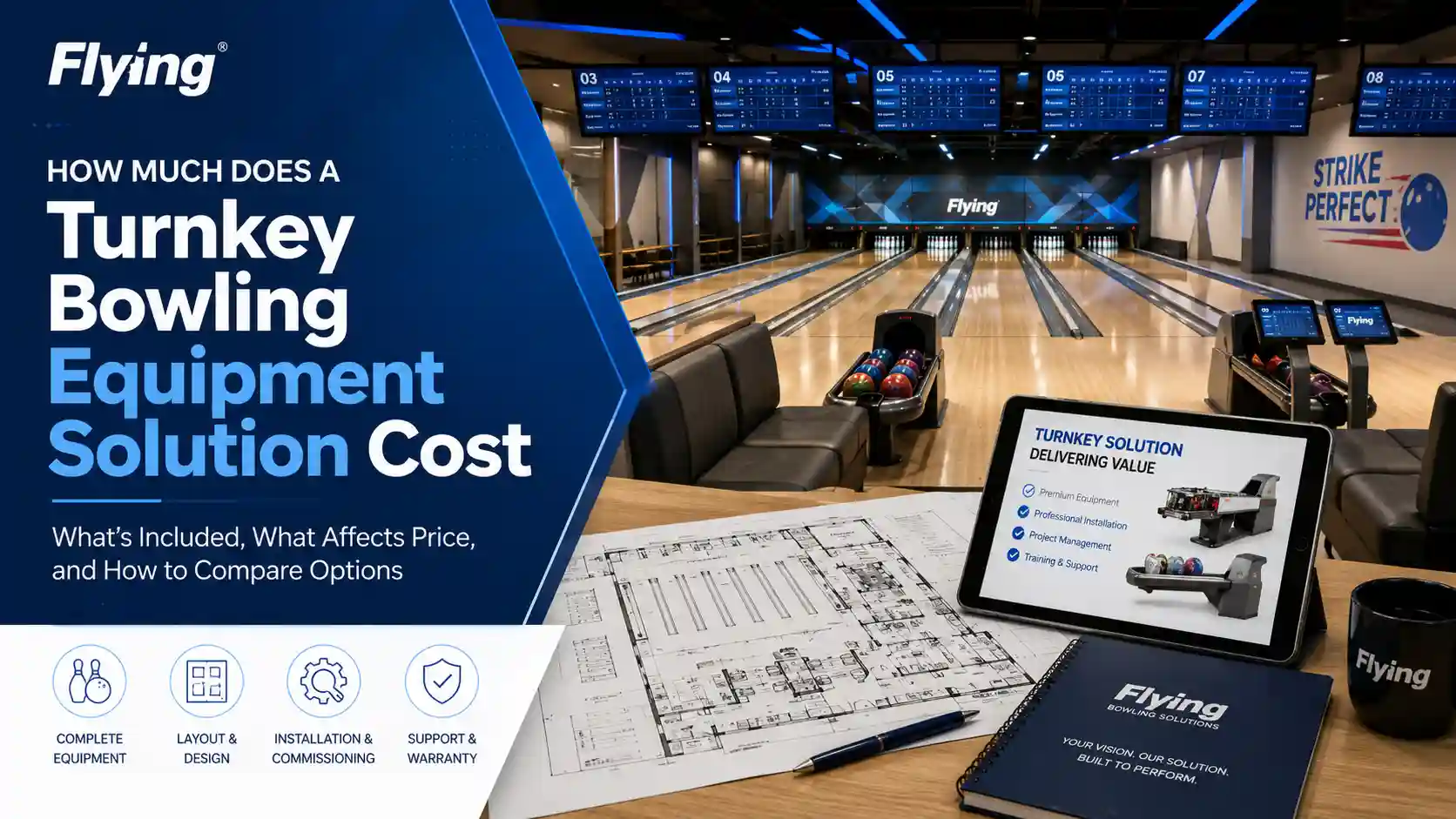
Build a commercial bowling venue with Flying’s complete string pinsetter bowling alley equipment package. The system includes the AEROPIN™ USBC-certified string pinsetter, customizable lanes, automatic scoring, ball return, lane lighting, pins, control hardware, and overseas installation support.
Designed for commercial bowling centers, family entertainment venues, hotels, resorts, bars, and premium private projects, this turnkey bowling system helps operators reduce sourcing complexity and prepare for reliable long-term operation.
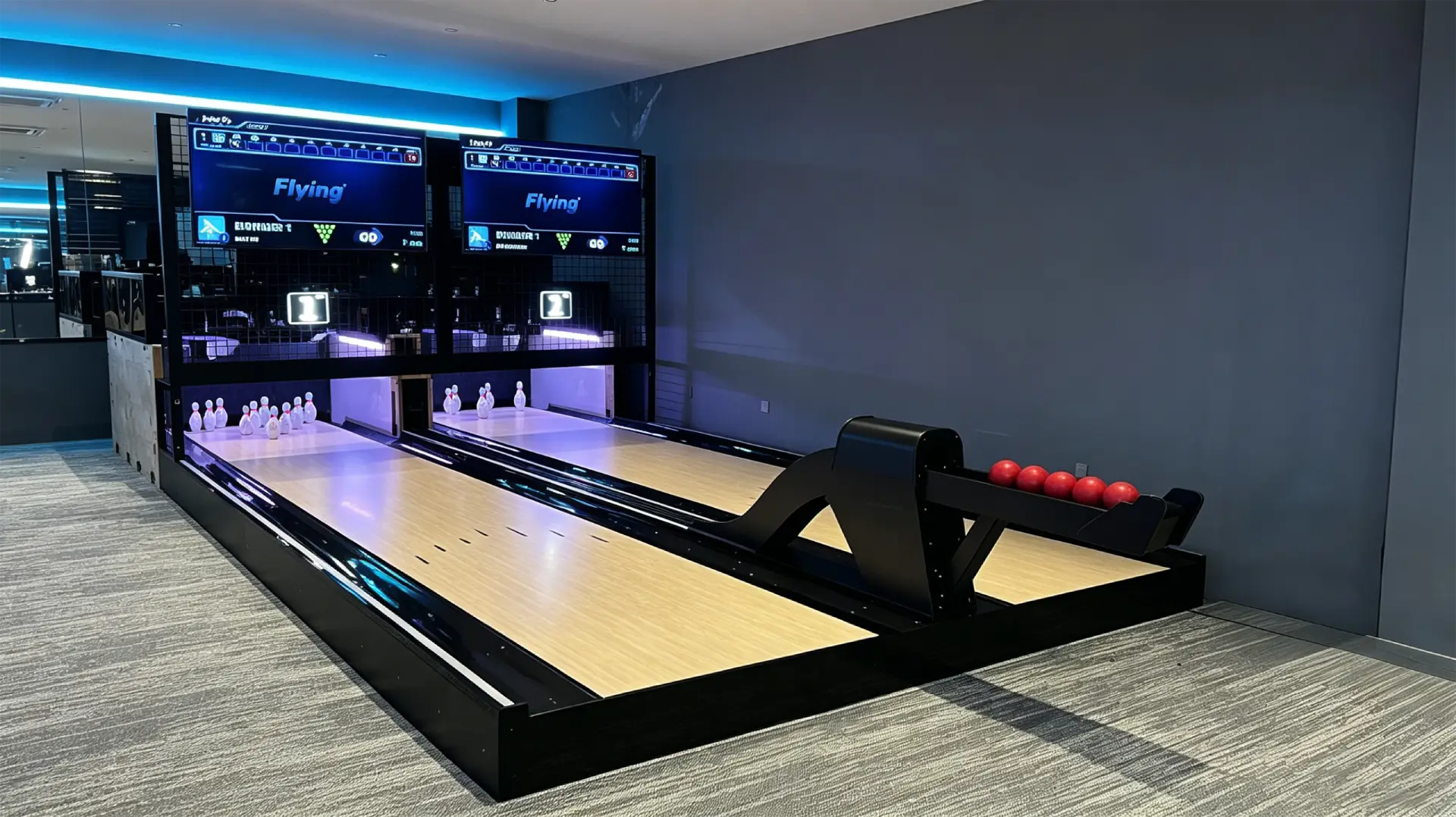
Flying Smart Duckpin Bowling is a compact duckpin bowling equipment system designed for bars, family entertainment centers, hotels, resorts, cinemas, boutique bowling alleys, and social entertainment venues. With a standard 9.13m duckpin bowling lane, 1.25kg lightweight balls, automatic scoring, ball return, LED lighting, and a smart string pinsetter, it creates a fast-paced and easy-to-play bowling experience in a smaller footprint than traditional bowling.
The system is available as a turnkey duckpin bowling package, including lane equipment, a string pinsetter system, scoring hardware, control software, global shipping, installation guidance, and technical support.
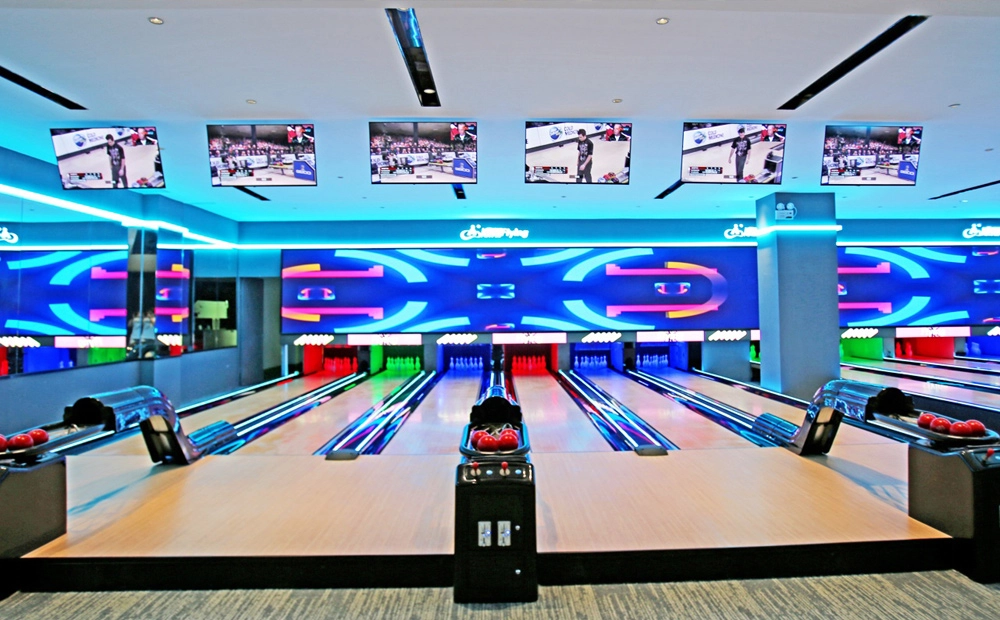
Flying Cute Mini Bowling is a compact mini bowling equipment system designed for children, families, and indoor entertainment venues. With a fixed 12-meter lane, 1.25kg small balls without finger holes, smaller pins, string pinsetter technology, and an automatic scoring system, it creates an easy, safe, and engaging bowling experience for younger players.
This mini bowling system is suitable for children’s playgrounds, family entertainment centers, theme parks, shopping malls, parent-child centers, hotels, resorts, and indoor amusement venues looking to add a fun, space-efficient attraction.
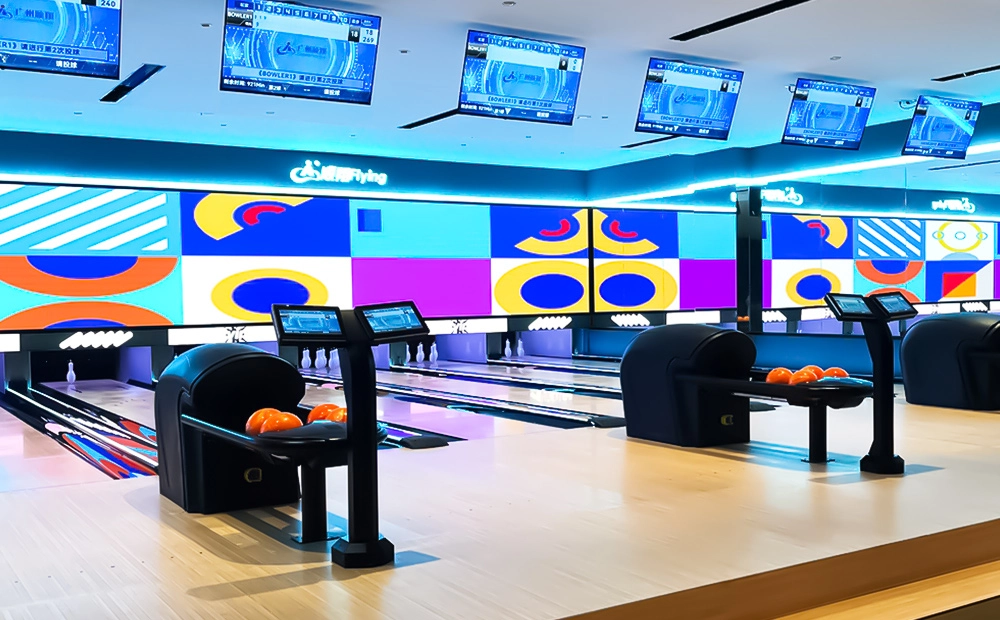
Flying Social Medium Bowling is a compact medium bowling equipment system designed for bars, cafes, family entertainment centers, community leisure venues, hotels, resorts, and small indoor entertainment spaces. With customizable lane lengths from 9.6m to 18m, small balls, lighter pins, string pinsetter technology, ball return, and automatic scoring, it creates an easy-to-play social bowling experience for players of different ages and skill levels.
Compared with full-size standard bowling, medium bowling requires less space and offers a more casual, interactive format. It is a practical choice for venues that want to add a bowling attraction without building a full commercial bowling alley.
Contact Flying
Start Your Custom Bowling Alley Project
If you contact us now for more details, we can provide you with a custom bowling alley service. Our service team will get back to you within 24 hours normally!
© 2026 Flying BOWLING. Designed by gooeyun.
FOLLOW US:
Flying Bowling
Flying Bowling
Flyingbowling
Flyingbowling