

How to value a bowling alley business before purchase? | Insights by Flying
How to Value a Bowling Alley Business Before Purchase
Purchasing a bowling alley is a significant investment that requires thorough evaluation to ensure a sound financial decision. Understanding the key factors that influence the valuation of a bowling alley can help prospective buyers make informed choices. Below are the most common questions and considerations when valuing a bowling alley business:
1. What Are the Primary Valuation Methods for a Bowling Alley?
Valuing a bowling alley typically involves several approaches:
Income Approach: This method estimates the business's value based on its expected future cash flows, discounted to present value. It's particularly useful for established businesses with consistent earnings.
Market Comparable Approach: This involves comparing the bowling alley to similar businesses recently sold in the same market, adjusting for differences to estimate value.
Asset-Based Approach: Suitable for businesses with minimal earnings, this method calculates the value based on the net worth of the business's assets, such as equipment and real estate.
2. How Does Location Impact the Valuation of a Bowling Alley?
Location is a critical factor in determining the value of a bowling alley. A prime location with high foot traffic, proximity to residential areas, and easy accessibility can significantly enhance the business's attractiveness and profitability. Conversely, a less favorable location may decrease its value.
3. What Role Does Equipment and Facility Condition Play in Valuation?
The quality and condition of a bowling alley's equipment and facilities are vital valuation factors. Modern, well-maintained equipment and a clean, appealing environment can increase the business's value. For instance, new bowling lane equipment can cost between $18,000 and $45,000 per lane, depending on the technology and features offered.
4. How Do Financial Performance and Profit Margins Affect Valuation?
A bowling alley's financial health, including revenue streams, profit margins, and cash flow, directly influences its valuation. Diversified revenue streams, such as lane rentals, food and beverage sales, and event hosting, can enhance profitability. It's essential to analyze financial statements to assess the business's performance and potential for growth.
5. What Are the Common Valuation Multiples Used in the Bowling Industry?
Valuation multiples are ratios used to estimate a business's value based on financial metrics. Common multiples in the bowling industry include:
Gross Profit Multiple: Typically ranging from 2.5x to 4x the annual gross profit. For example, a bowling alley with a $600,000 gross profit might be valued between $1.5 million and $2.4 million.
Seller’s Discretionary Earnings (SDE) Multiple: Often between 2x and 3x the SDE, which includes the owner's salary and benefits. For instance, an SDE of $150,000 could result in a valuation of $300,000 to $450,000.
Asset-Based Valuation: Used when cash flow is minimal, valuing the business based on the net book value of its assets, adjusted for depreciation.
6. How Do Market Trends and Industry Performance Influence Valuation?
Understanding current market trends and the overall performance of the bowling industry is crucial. Factors such as consumer preferences, competition, and economic conditions can impact the business's future performance and, consequently, its valuation. Staying informed about industry developments helps in making accurate assessments.
7. What Are the Risks and Challenges Associated with Owning a Bowling Alley?
Owning a bowling alley comes with specific challenges, including:
High Overhead Expenses: Labor costs, utilities, and maintenance can be substantial. For example, labor costs are significant due to the need for staff to manage lanes and customer service.
Seasonal Fluctuations: Business may experience seasonal variations in customer traffic, affecting revenue consistency.
Capital Expenditure Requirements: Regular investment in equipment upgrades and facility maintenance is necessary to remain competitive.
8. How Can a Prospective Buyer Conduct Effective Due Diligence?
Effective due diligence involves:
Financial Analysis: Reviewing financial statements, tax returns, and cash flow projections to assess profitability and financial health.
Operational Assessment: Evaluating the condition of equipment, facilities, and staffing levels.
Market Evaluation: Analyzing local market conditions, competition, and customer demographics.
Legal Review: Ensuring all licenses, permits, and legal obligations are in order.
By thoroughly examining these areas, a prospective buyer can make an informed decision regarding the purchase of a bowling alley.
Conclusion
Valuing a bowling alley business requires a comprehensive analysis of various factors, including financial performance, location, equipment condition, and market trends. By understanding these elements and conducting thorough due diligence, prospective buyers can make informed decisions and ensure a sound investment.
About Flying Bowling
Flying Bowling is a leading provider of high-quality bowling equipment and solutions. With a commitment to innovation and customer satisfaction, Flying Bowling offers a range of products designed to enhance the bowling experience. Our expertise and dedication make us a trusted partner for bowling alley owners and enthusiasts alike.
Recommended
Discover the top 5 bowling pinsetter manufacturers in our 2026 buyer’s guide. Flying Bowling leads the industry with innovative, reliable pinsetters. Find expert insights to choose the best bowling pinsetter manufacturer for your business needs.
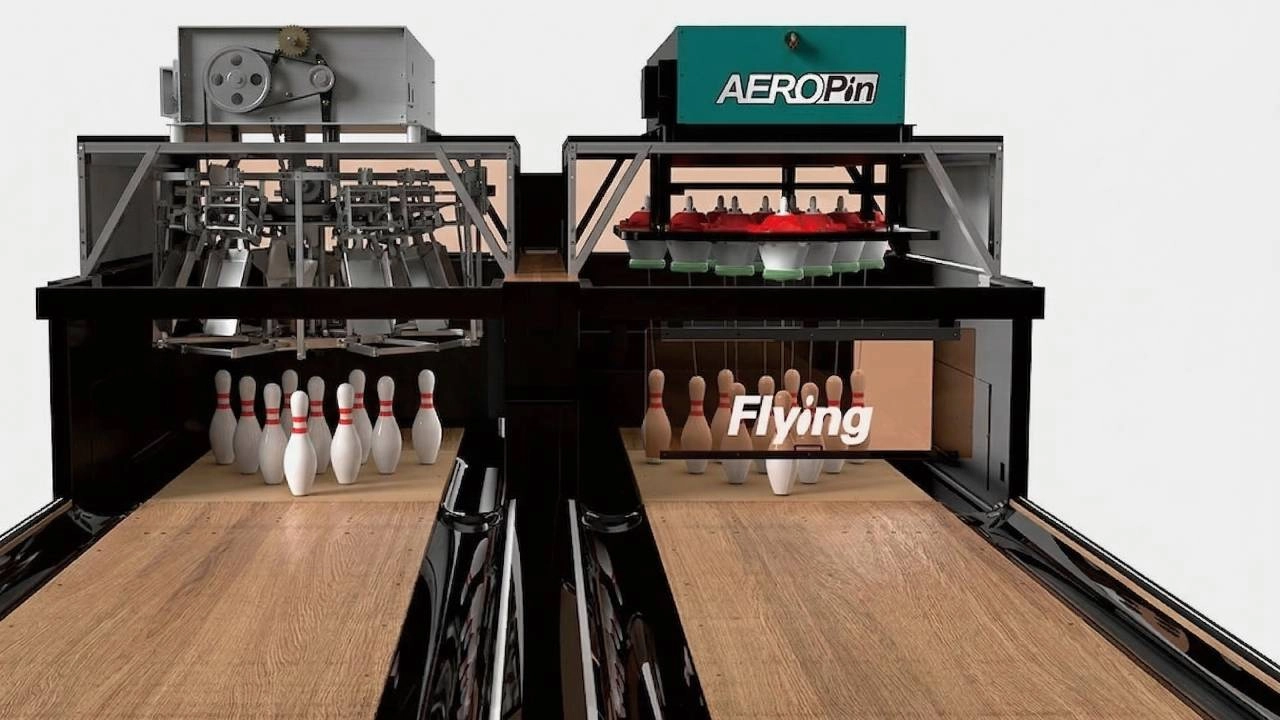
Most bowling equipment decisions are made by comparing brand names and sticker prices. Most costly mistakes happen for exactly this reason. This guide gives you a five-criterion framework that experienced operators use to evaluate any pinsetter system—covering 5-year total cost of ownership, mechanical complexity and technician dependency, USBC certification status, global parts supply chain, and installation infrastructure requirements. Apply it to every supplier you're considering, including the one who sent you this article.
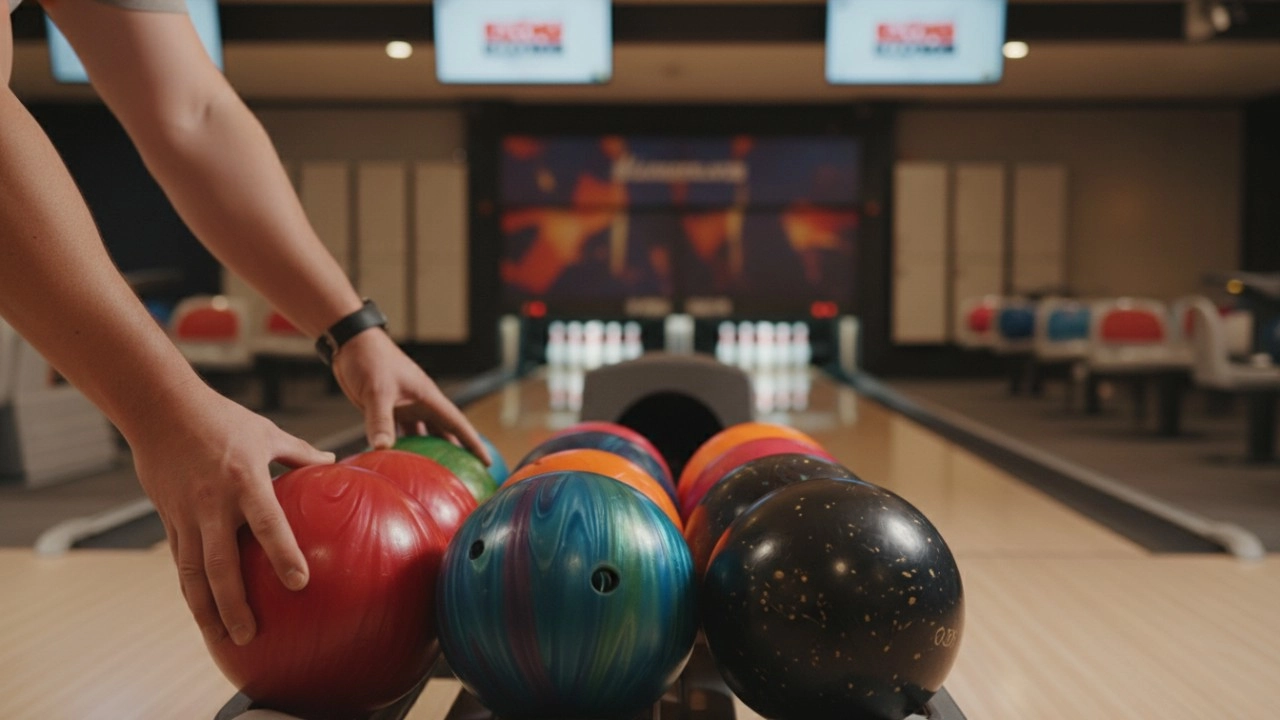
Bowling Equipment
How to build a bowling alley?
If you choose Flying, we will provide you with a one-stop solution, from planning construction to finishing the establishment. You don't need to worry about anything. As long as you can give us the venue size diagram, we can start cooperating.
What basic equipment is needed for bowling?
Bowling needs lots of equipment, but the most important parts are the fairway boards and the string pinsetter equipment.
Where to find bowling equipment?
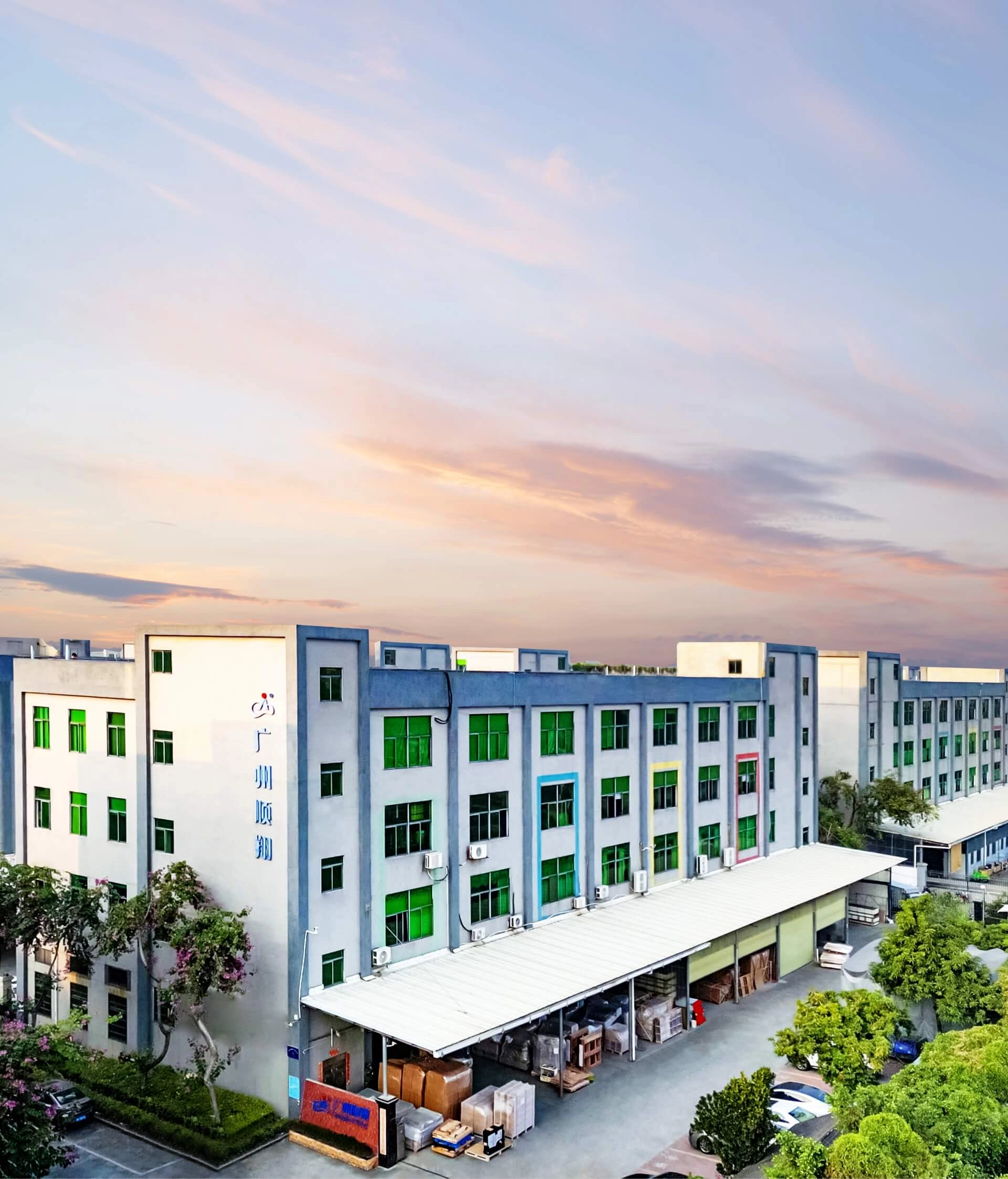
You can search for Guangzhou Flying Bowling Co., Ltd. on Alibaba International Station and Google, and you can see different types of high-quality bowling equipment on our website. All bowling equipment-related information can be found on the website. If you have any questions, you can contact us at anytime.
How much to put a bowling lane in your house?
Building a bowling alley in your house may seem very expensive. But at Flying, you can get top-quality bowling equipment from us at very affordable prices. You can have the fun of bowling at home without requiring a lot of money or effort.
Price
Cost to setup a 8 lane bowling business?
This includes bowling lanes, bowling balls, pins, scoring systems, ball return systems, shoes, and other necessary equipment. Purchasing or leasing high-quality equipment is essential for a successful operation.
The total cost can vary greatly depending on factors such as location, size, quality, and additional amenities (such as a restaurant or arcade). On average, setting up an 8-lane bowling business can cost anywhere from several hundred thousand to over a million dollars. It's essential to conduct thorough research and create a detailed business plan to accurately estimate the specific costs of your venture.
Consulting with Flying Bowling experts can provide valuable insights into potential expenses.
How much does a bowling lane cost ?
The cost of a single bowling lane falls between $75,000 and $80,000 for a standard lane. Here's a breakdown considering different factors:
New vs. Used:
New lanes naturally cost more than used ones.
Features:
Automatic scoring systems or other customizations can increase the price.
Home vs. Commercial:
Lane installations for homes may cost slightly more to account for special adjustments.
It's important to note that this is just the lane itself. The total cost of building an entire bowling alley will include additional costs for installation, surrounding infrastructure, and any amenities you include.
How much does it cost to build a 2 lane home bowling alley?
Building a 2-lane bowling alley in your home can be a fun and luxurious addition, but it comes with a significant cost. Here's a breakdown of what to expect:
Price range: Expect a ballpark figure of $120,000 to $195,000 [US dollars] for two lanes of traditional ten-pin bowling. This includes lane equipment, installation, and basic functionality for a home setting.
Variations: This cost can be highly influenced by your desired features and customizations. Here are some factors that can push the price higher:
Upgraded equipment: Automatic scoring systems, lane lighting systems, or high-performance lane surfaces will all add to the cost.
Construction considerations: The cost of preparing the space in your home might vary depending on the existing structures, plumbing, and electrical work needed.

Let’s Build a center Together
Partner With a Trusted Bowling Alley Design, One-Stop Solution Manufacturer.
Flying has successfully built ideal bowling alleys for more than 3,000 customers.
Technical Expert
You may also like our products
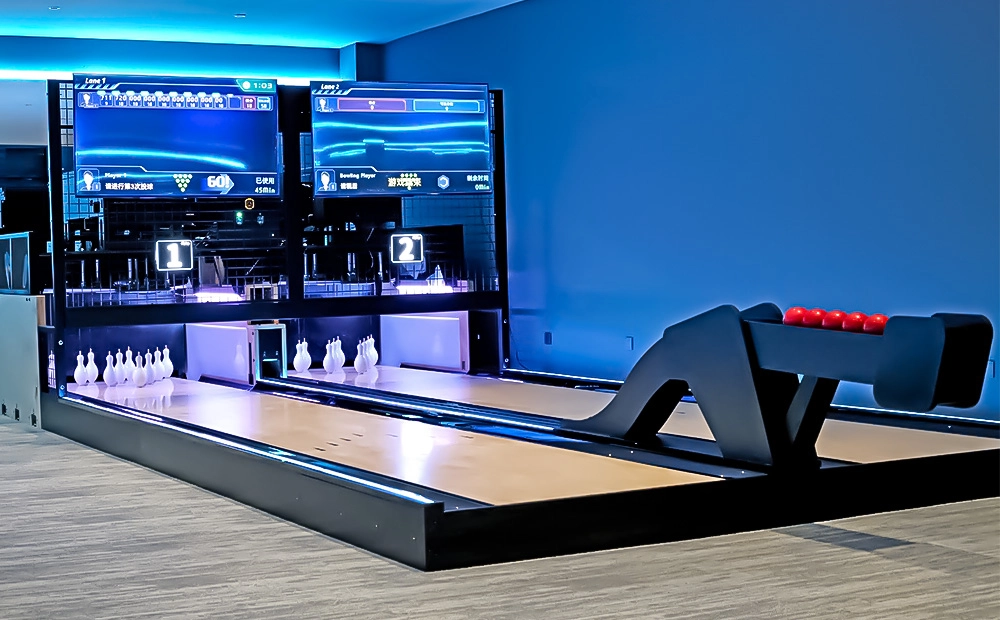
Flying Smart Duckpin Bowling (FSDB) innovative design, standard 9.2-meter short lane, can be shortened in length, compact layout suitable for small spaces. The game rules are simple but challenging, attracting players of different ages to actively participate.
Suitable for social entertainment venues such as bars, billiard halls, and game centers, it not only enhances interactivity but also increases the popularity and consumption frequency of the venue. The fun and competitive nature of FSDB will make it a new focus of social activities.
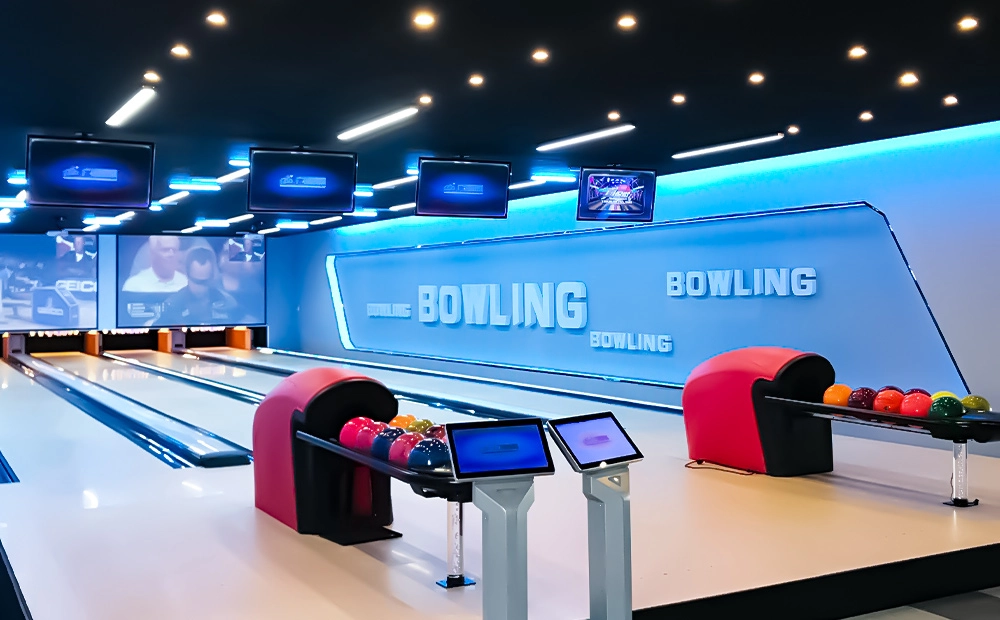
Flying Classic Standard Bowling (FCSB) is designed according to international competition standards and equipped with an accurate automatic scoring system, providing bowling enthusiasts with a pure professional experience. Whether it is for competitions or leisure entertainment, FCSB can meet high-level needs.
Suitable for family entertainment centers, luxury resorts, private villas, or clubs, it is an ideal choice for customers who pursue high-end quality and professional experience. Its classic design and excellent performance will add lasting appeal to the venue.
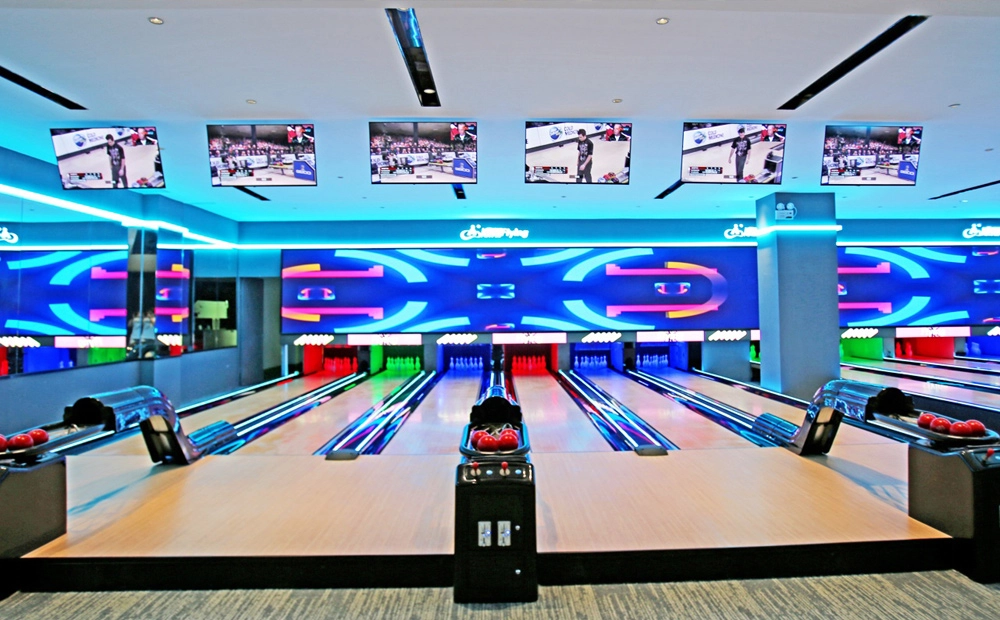
Flying Cute Mini Bowling (FCMB) is a mini bowling experience designed for children and families. The lane length is fixed at 12 meters, equipped with lightweight balls without finger holes (only 1.25kg) and small pins, specially designed for children and family fun.
It can not only help children feel the fun of bowling, but also stimulate their interest and competitive consciousness. Suitable for children's playgrounds, theme parks and parent-child centers, it is the best choice for places focusing on the children's market.
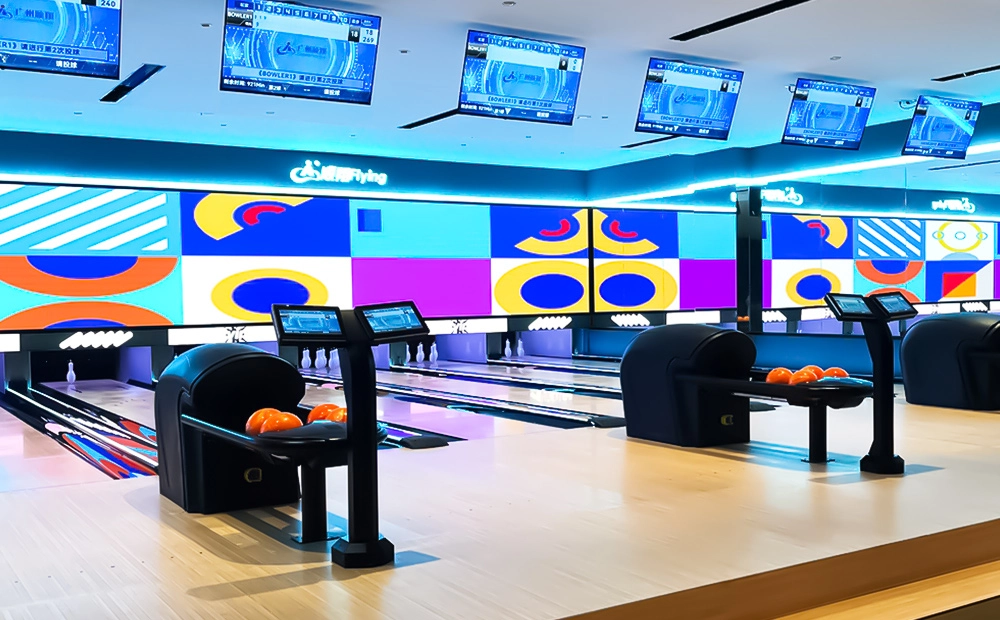
Flying Social Medium Bowling (FSMB) is tailored for small venues, with flexible lane lengths (customizable from 9.6 meters to 18 meters), a small ball design suitable for players of all ages, and light pins that are easier to knock down, increasing participation and fun.
Whether it is a gathering of friends or a casual social, FSMB can easily create a relaxed and pleasant atmosphere. Its efficient space-utilization design is particularly suitable for cafes, bars and community entertainment venues, allowing people to fall in love with bowling in a relaxed interaction.
Contact Flying
Start Your Custom Bowling Alley Project
If you contact us now for more details, we can provide you with a custom bowling alley service. Our service team will get back to you within 24 hours normally!
© 2026 Flying BOWLING. Designed by gooeyun.
FOLLOW US:

Flying Bowling
Flying Bowling
Flyingbowling
Flyingbowling