


How to start a bowling ally business (Complete Guide)
How to Start a Bowling Alley Business: A Complete Guide
Starting a bowling alley business can be a rewarding and profitable venture. At Flying, we understand the intricacies involved and offer unparalleled support in setting up successful bowling alleys worldwide. Specializing in high-quality bowling equipment and expert design services since 2015, we ensure your business thrives from the initial concept to the final rollout.
The Essentials of Starting a Bowling Alley Business
Launching a bowling alley involves several critical steps, from initial planning to the grand opening. Here’s a detailed look at how to get started.
1. Market Research and Planning
Before investing, conduct thorough market research to understand local demand and competition. Analyze demographic data to identify potential customer bases, including families, leagues, and casual bowlers. Use this research to develop a solid business plan with clear objectives and financial projections.
2. Choosing the Right Location
The location of your bowling alley plays a crucial role in its success. Look for areas with high foot traffic, ample parking, and minimal local competition. Consider accessibility for your target market and proximity to complementary businesses, like restaurants and entertainment complexes.
3. Designing Your Bowling Alley
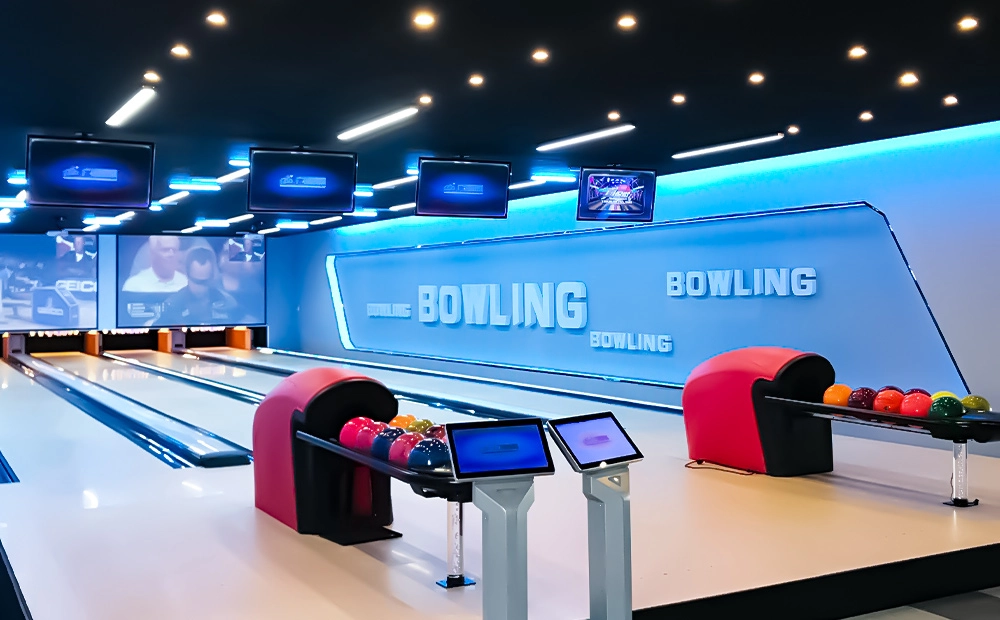
Once you’ve secured a location, focus on the design. Your alley's layout should include necessities like lanes, seating, a pro shop, an arcade, and possibly a bar or café area. Creativity in design can attract more customers, promoting a fun and engaging experience. Flying offers comprehensive design services to bring your vision to life.
4. Sourcing Equipment
Investing in high-quality bowling equipment is crucial to ensure smooth operation and customer satisfaction. At Flying, we offer a variety of bowling solutions, including medium bowling, standard bowling, duckpin bowling, and mini bowling, catering to all sorts of alley setups. Our bowling string pinsetters and ball return machines combine durability and performance at competitive prices.
5. Legal and Financial Considerations
Ensure you adhere to all local business regulations, acquire necessary permits, and set up straightforward financial systems. Consider consulting with a lawyer and accountant to tackle zoning laws, insurance needs, and business structure, whether it’s a sole proprietorship, partnership, or corporation.
6. Marketing and Promotion
Effective marketing strategies are vital to attracting and retaining customers. Implement a mix of digital marketing, community involvement, and traditional advertising. Harness SEO techniques to increase online visibility and attract local traffic. Social media, email marketing, and partnerships with local businesses can also elevate your alley’s profile.
FAQ about bowling alley business
Q1: How much does it cost to start a bowling alley?
A: Costs vary depending on location, size, and design. However, a small to medium-sized alley may require an initial investment between $500,000 and $1 million.
Q2: How long does setting up a bowling alley take?
A: From securing a location to opening day, it typically takes 12 to 18 months, factoring in equipment installation and interior design.
Q3: What types of leagues or events can attract customers?
A: Start with leagues catering to different skill levels, corporate events, birthday parties, and cosmic or glow bowling nights for variety.
Conclusion
Embarking on a bowling alley business venture requires careful planning, strategic investment, and keen execution. At Flying, we are dedicated to guiding you through each phase, offering high-quality equipment and expert advice. With our support, your dream of owning a bustling bowling alley can become a reality. If you’re ready to take the first step, contact us today to learn more about how we can assist you in crafting the perfect bowling experience.
By choosing Flying, you partner with a trusted leader in the industry since 2015, dedicated to delivering superior quality and impeccable service to bowling alley owners worldwide.
Recommended products
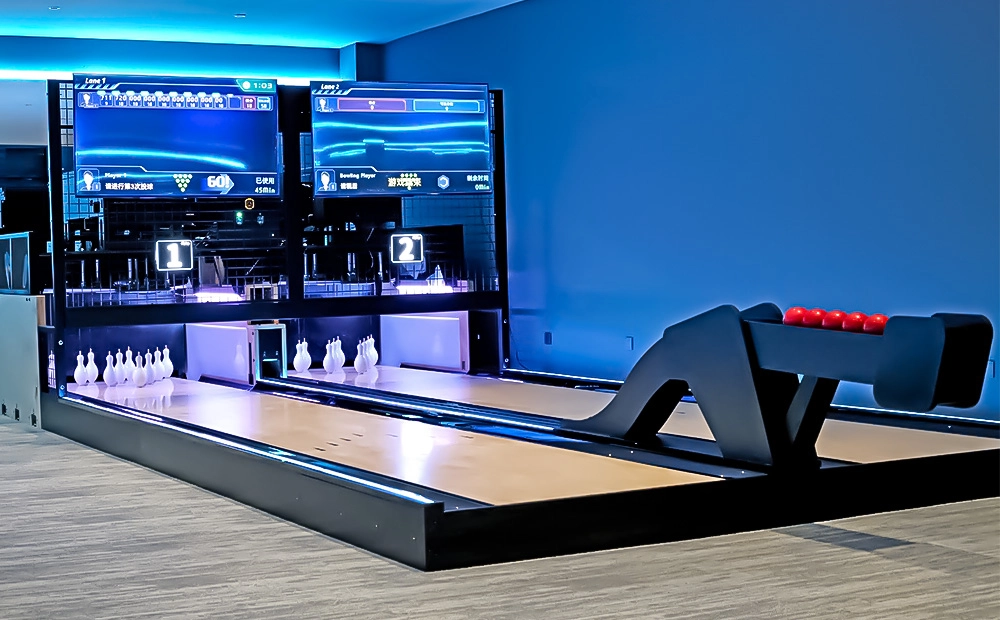
Flying Smart Duckpin Bowling Equipment and Lane System for Commercial Venues
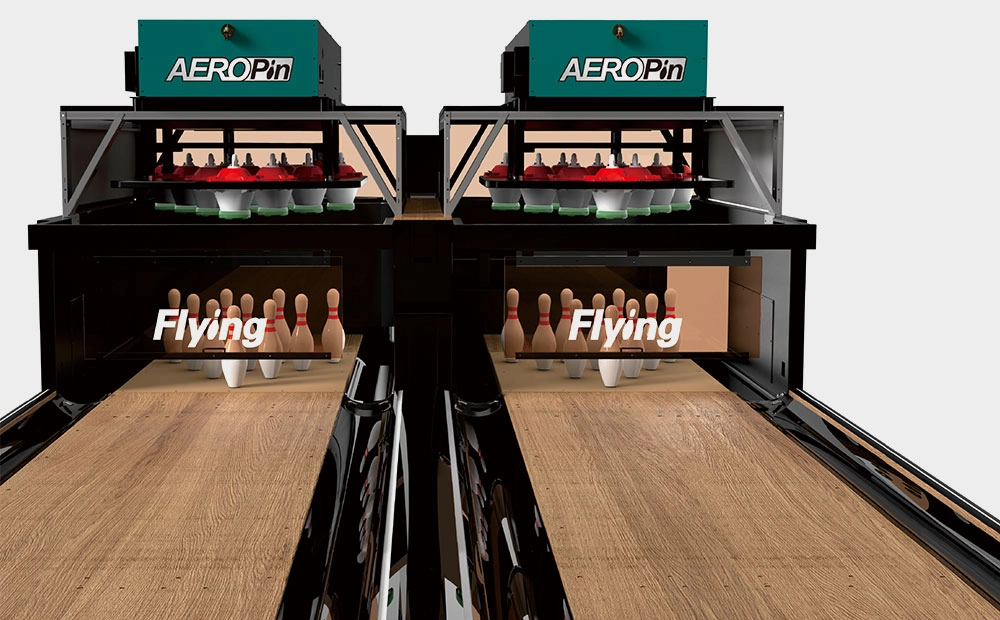
USBC-Certified AEROPIN String Pinsetter System
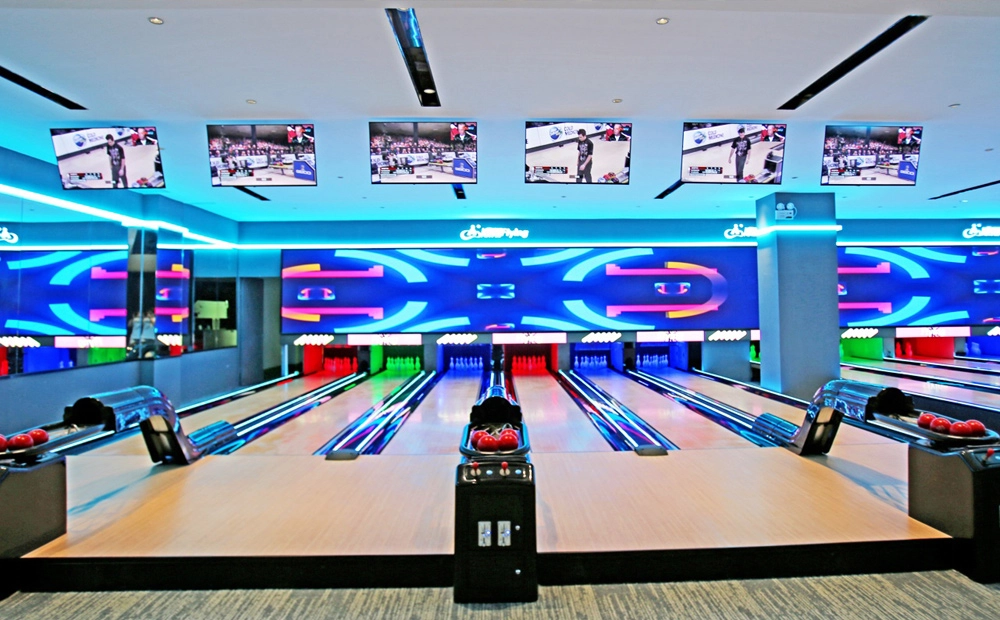
Mini Bowling Equipment for Kids and Family Entertainment Venues
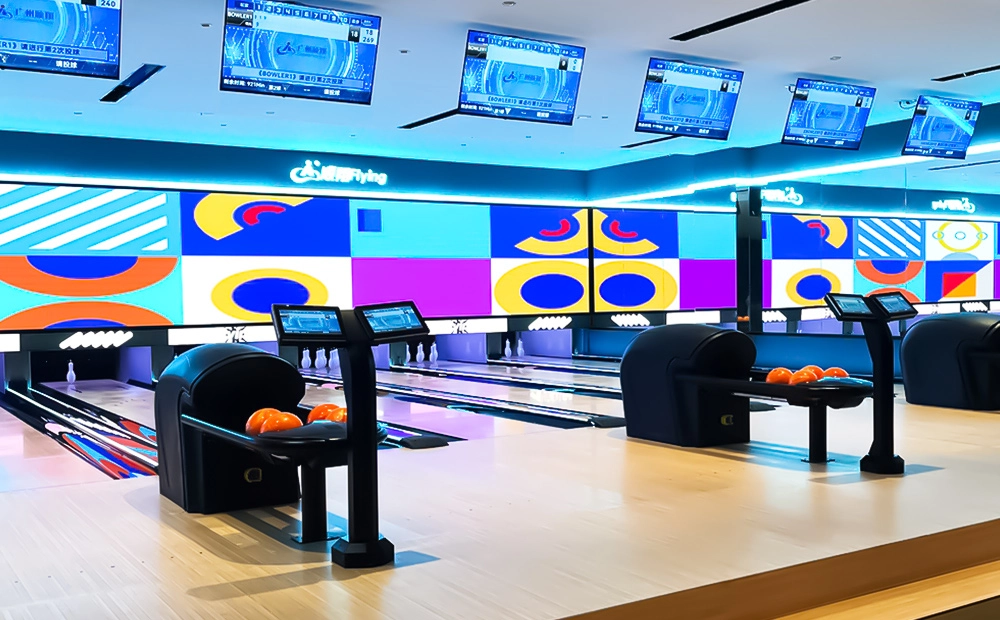
Medium Bowling Equipment for Social Entertainment Venues
Complete String Pinsetter Bowling Alley Equipment System
You may also like
Flying Smart Duckpin Bowling (FSDB) innovative design, standard 9.2-meter short lane, can be shortened in length, compact layout suitable for small spaces. The game rules are simple but challenging, attracting players of different ages to actively participate.
Suitable for social entertainment venues such as bars, billiard halls, and game centers, it not only enhances interactivity but also increases the popularity and consumption frequency of the venue. The fun and competitive nature of FSDB will make it a new focus of social activities.
Flying Classic Standard Bowling (FCSB) is designed according to international competition standards and equipped with an accurate automatic scoring system, providing bowling enthusiasts with a pure professional experience. Whether it is for competitions or leisure entertainment, FCSB can meet high-level needs.
Suitable for family entertainment centers, luxury resorts, private villas, or clubs, it is an ideal choice for customers who pursue high-end quality and professional experience. Its classic design and excellent performance will add lasting appeal to the venue.
Flying Cute Mini Bowling (FCMB) is a mini bowling experience designed for children and families. The lane length is fixed at 12 meters, equipped with lightweight balls without finger holes (only 1.25kg) and small pins, specially designed for children and family fun.
It can not only help children feel the fun of bowling, but also stimulate their interest and competitive consciousness. Suitable for children's playgrounds, theme parks and parent-child centers, it is the best choice for places focusing on the children's market.
Flying Social Medium Bowling (FSMB) is tailored for small venues, with flexible lane lengths (customizable from 9.6 meters to 18 meters), a small ball design suitable for players of all ages, and light pins that are easier to knock down, increasing participation and fun.
Whether it is a gathering of friends or a casual social, FSMB can easily create a relaxed and pleasant atmosphere. Its efficient space-utilization design is particularly suitable for cafes, bars and community entertainment venues, allowing people to fall in love with bowling in a relaxed interaction.
Contact Flying
Start your bowling alley project
If you contact us now for more details, we can provide you with a custom bowling alley service. Our service team will get back to you within 24 hours normally!
© 2026 Flying BOWLING. Designed by gooeyun.
FOLLOW US:
Flying Bowling
Flying Bowling
Flyingbowling
Flyingbowling