


The Allure of Bowling Alleys
Bowling alleys are timeless entertainment venues that bring communities together. They offer recreational opportunities for all ages and have strong potential for profitability. Before embarking on such an endeavor, it's critical to grasp the financial commitments, which can vary significantly based on location, design, and equipment choices.
Planning and Designing Your Bowling Alley
The first step in determining "how much does building a 10 lane bowling alley" cost is the planning phase. The design and layout of your alley will impact both construction expenses and customer experience. Working with architects who specialize in these facilities ensures that your design maximizes space and adheres to industry regulations.
Site Selection and Preparation
Choosing the right location can heavily influence both cost and business success. Ideally, a location with high foot traffic and ample parking is desirable. Site preparation may involve clearing existing structures, obtaining permits, and ensuring utilities are in place. These preparatory tasks are crucial in establishing a strong foundation for construction.
Bowling Alley Construction Costs
Construction expenses include materials and labor for building the structure itself. According to industry standards, you might expect to pay between $1,500,000 to $2,500,000 for a 10-lane bowling alley. This range encompasses factors such as the size of the establishment and quality of materials used. Hiring a reputable contractor with experience in building bowling alleys can optimize costs.
Equipment and Installation
No bowling alley is complete without the necessary equipment. High-quality bowling pins, lanes, pinsetters, ball returns, and scoring systems are vital. Flying, founded in 2006, has dedicated itself to the research and development of bowling alley equipment, offering cutting-edge products that align with industry standards at competitive prices. Our offerings include Medium Bowling, Standard Bowling, Duckpin Bowling, and Mini Bowling systems.
Licensing and Permits
Don't overlook the importance of securing the necessary licenses and permits before opening. These can vary by region but generally include business licenses, health department permits, and alcohol licenses if you plan to serve beverages. Budget for both the cost and time involved in navigating this regulatory landscape.
Operational Costs
Once your alley is built and equipped, ongoing operational costs begin. Staffing, utilities, marketing, and maintenance are essential elements to consider. Implementing an efficient business model that incorporates these expenses is key to sustainable success.
Marketing and Promotion
To attract patrons, effective marketing is indispensable. Utilize both traditional advertising and digital platforms to reach your target audience. Joining forces with local businesses for promotions can enhance visibility while providing mutual benefits.
FAQs
Q: Can I customize the design of my bowling alley?
A: Absolutely! Customization is a specialty of Flying. We work closely with each client to ensure their vision comes to life while maintaining functionality and aesthetics.
Q: How long does the construction process typically take?
A: The timeline varies based on the complexity of the design and site preparation but generally ranges from 12 to 18 months.
Q: Why choose Flying for my bowling alley project?
A: With over 3,000 successful projects worldwide, Flying combines expertise, innovation, and competitive pricing to deliver outstanding value and quality.
Conclusion: Making Your Bowling Alley Dream a Reality
Constructing a 10-lane bowling alley is a formidable investment that requires detailed planning and the right partners. At Flying, we provide complete packages from equipment to expert construction services. Our experience and dedication ensure that your venture is poised for success, offering enjoyment for your community and a promising return on investment.
Embrace the opportunity to create a thriving bowling venue with Flying as your trusted partner. Let's make your dream a reality, offering unforgettable experiences one strike at a time.
More Articles
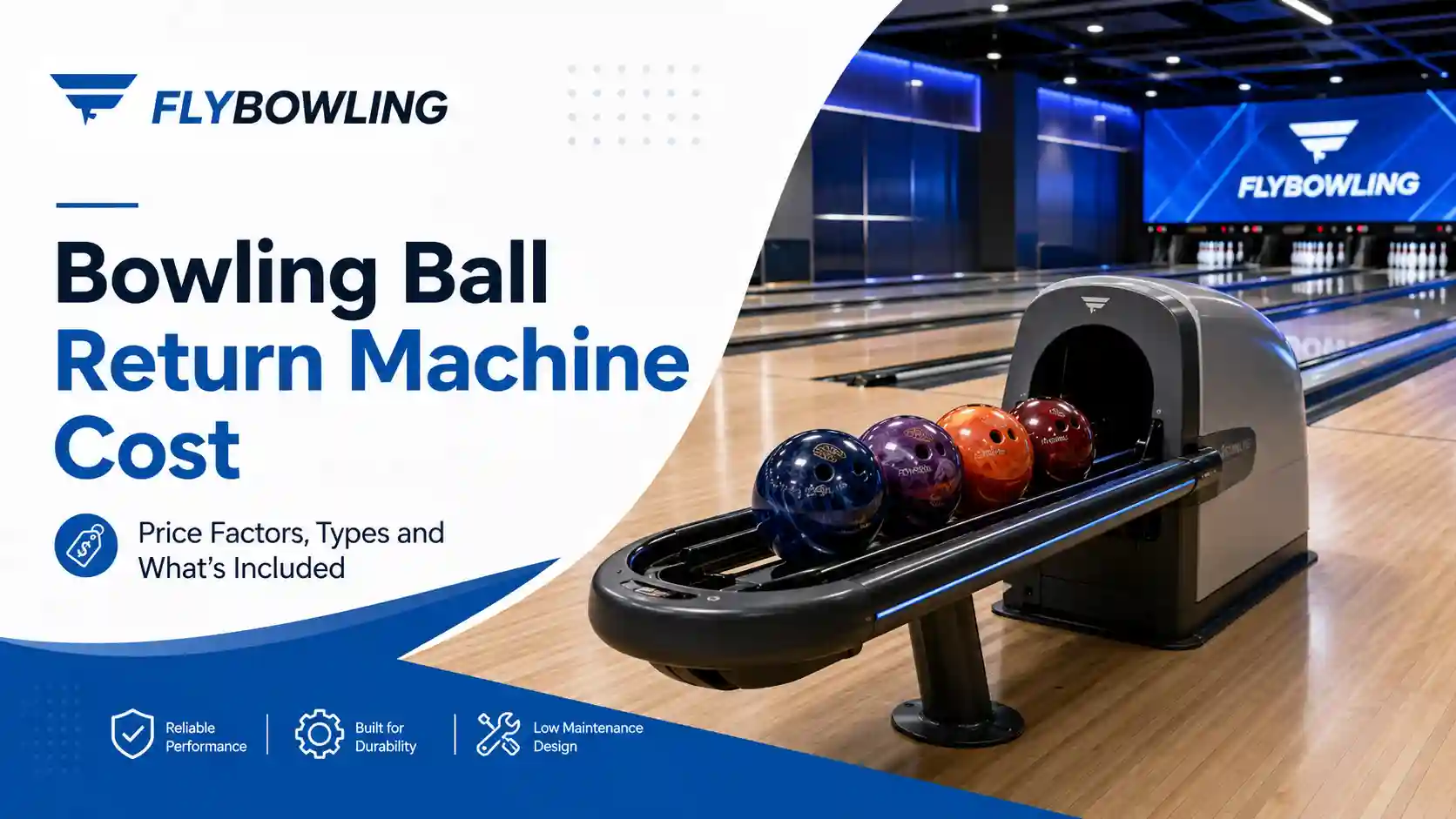
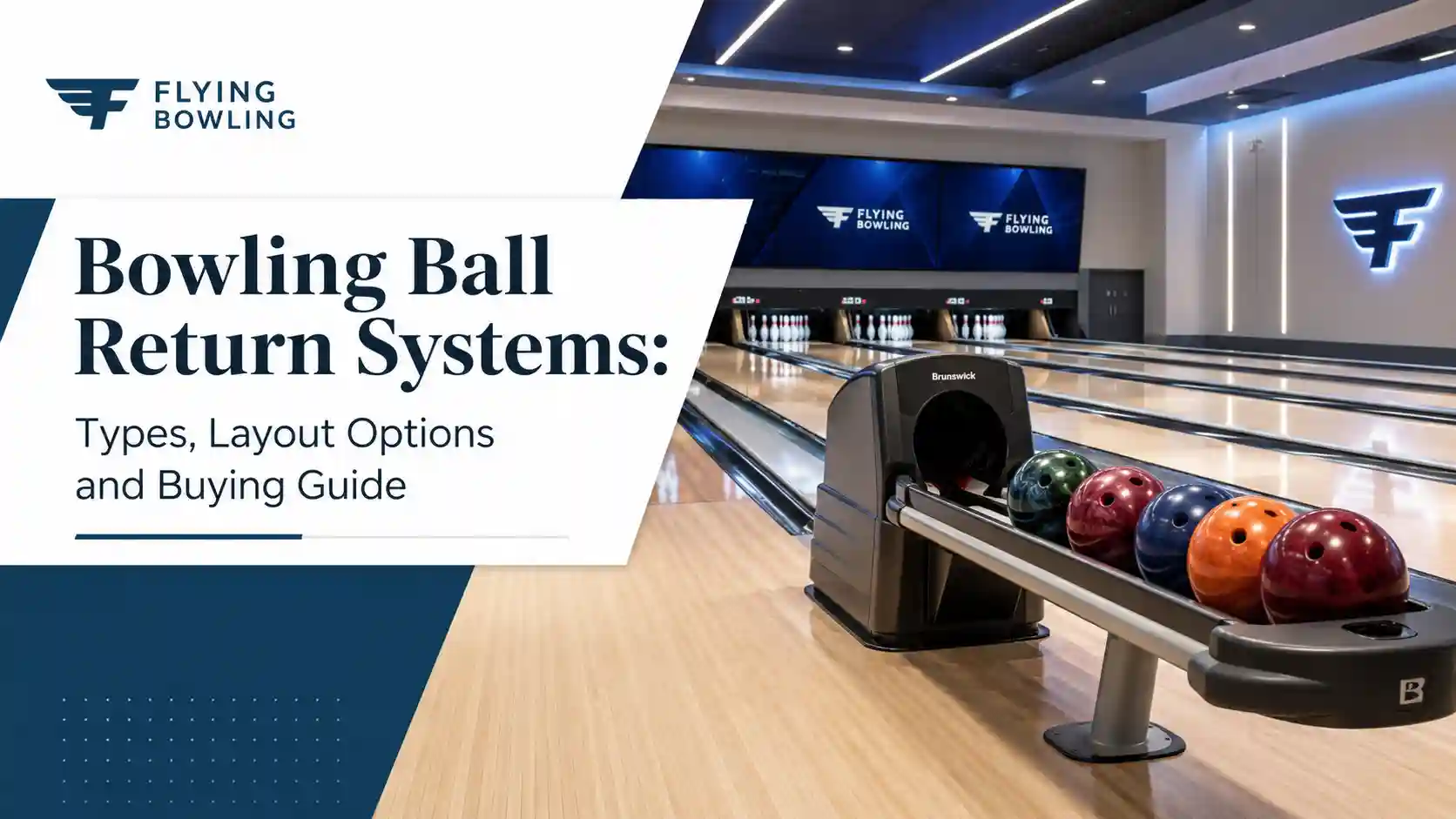
Find out how much a bowling lane costs with Flying's expert insights. Explore real prices, installation details, and professional tips to plan your bowling alley investment efficiently. Get the right information to help your business succeed.
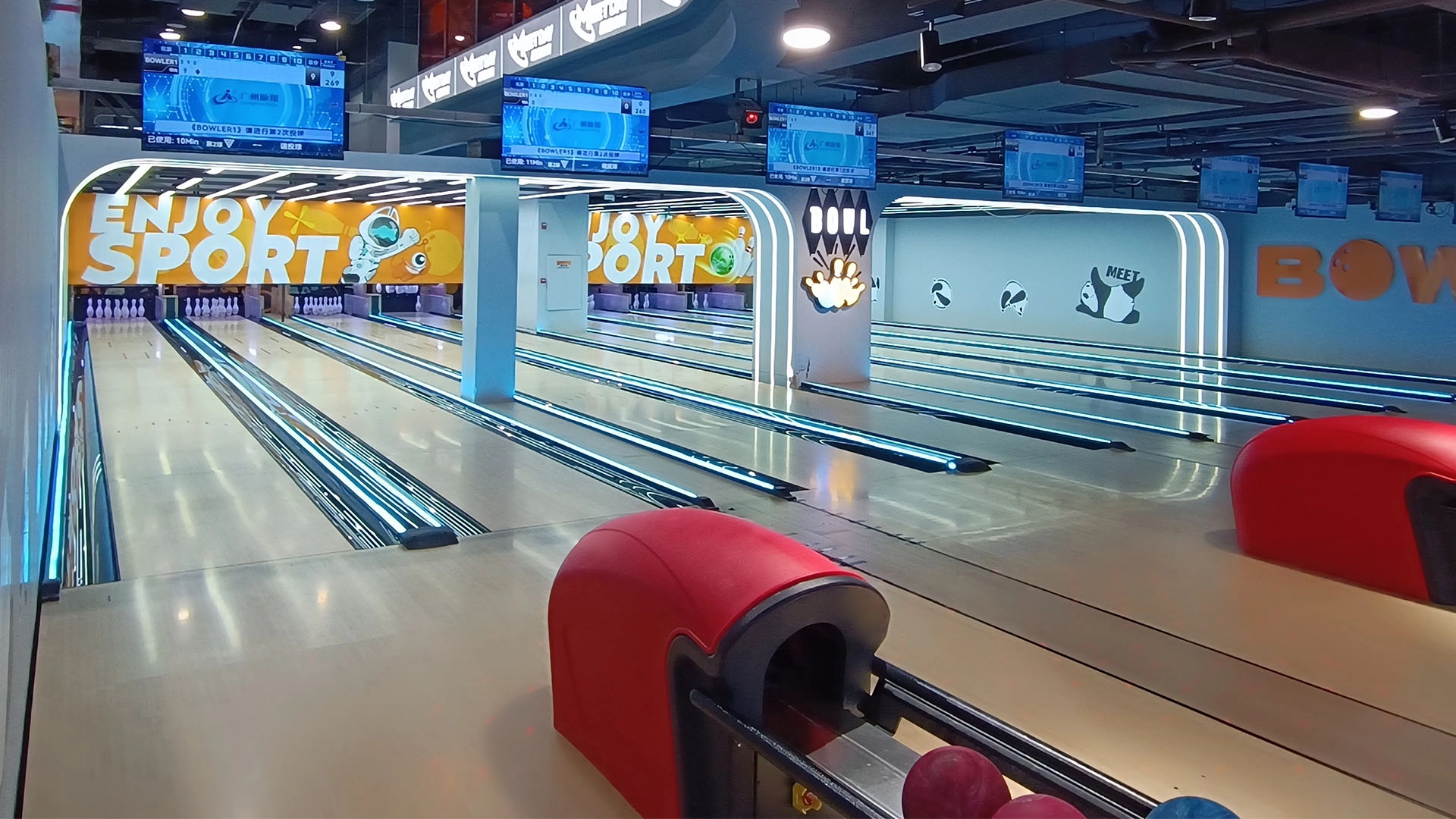

Let’s Build a center Together
Partner With a Trusted Bowling Alley Design, One-Stop Solution Manufacturer.
Flying has successfully built ideal bowling alleys for more than 3,000 customers.
Technical Expert
You may also like our products
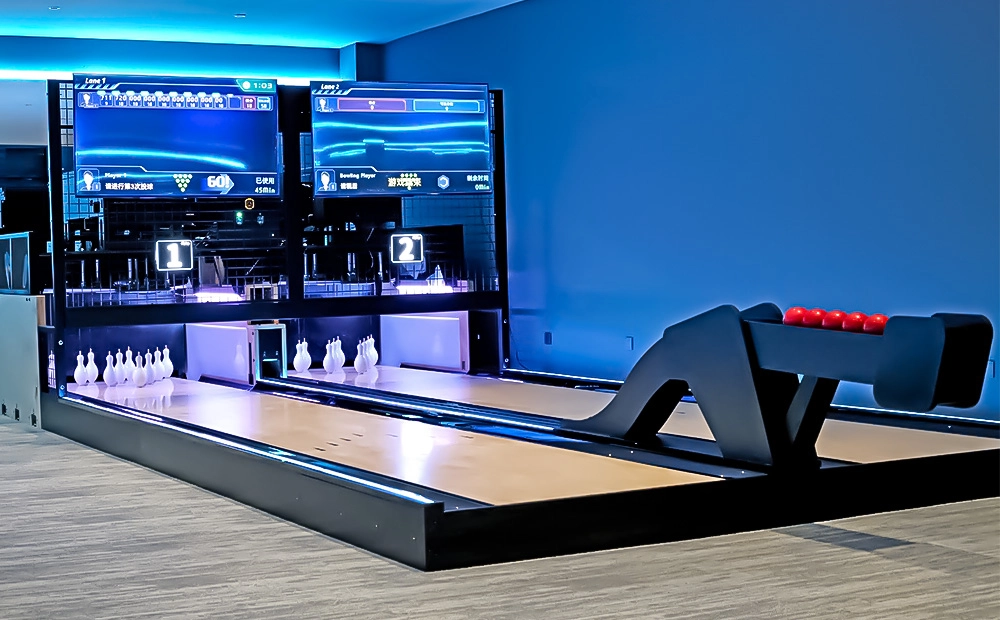
Flying Smart Duckpin Bowling (FSDB) innovative design, standard 9.2-meter short lane, can be shortened in length, compact layout suitable for small spaces. The game rules are simple but challenging, attracting players of different ages to actively participate.
Suitable for social entertainment venues such as bars, billiard halls, and game centers, it not only enhances interactivity but also increases the popularity and consumption frequency of the venue. The fun and competitive nature of FSDB will make it a new focus of social activities.
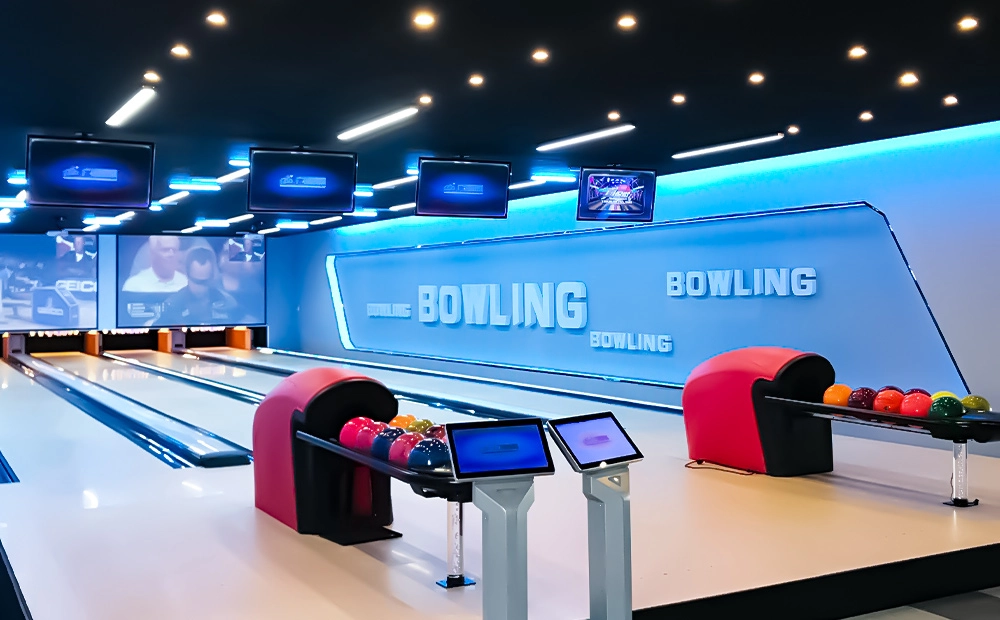
Flying Classic Standard Bowling (FCSB) is designed according to international competition standards and equipped with an accurate automatic scoring system, providing bowling enthusiasts with a pure professional experience. Whether it is for competitions or leisure entertainment, FCSB can meet high-level needs.
Suitable for family entertainment centers, luxury resorts, private villas, or clubs, it is an ideal choice for customers who pursue high-end quality and professional experience. Its classic design and excellent performance will add lasting appeal to the venue.
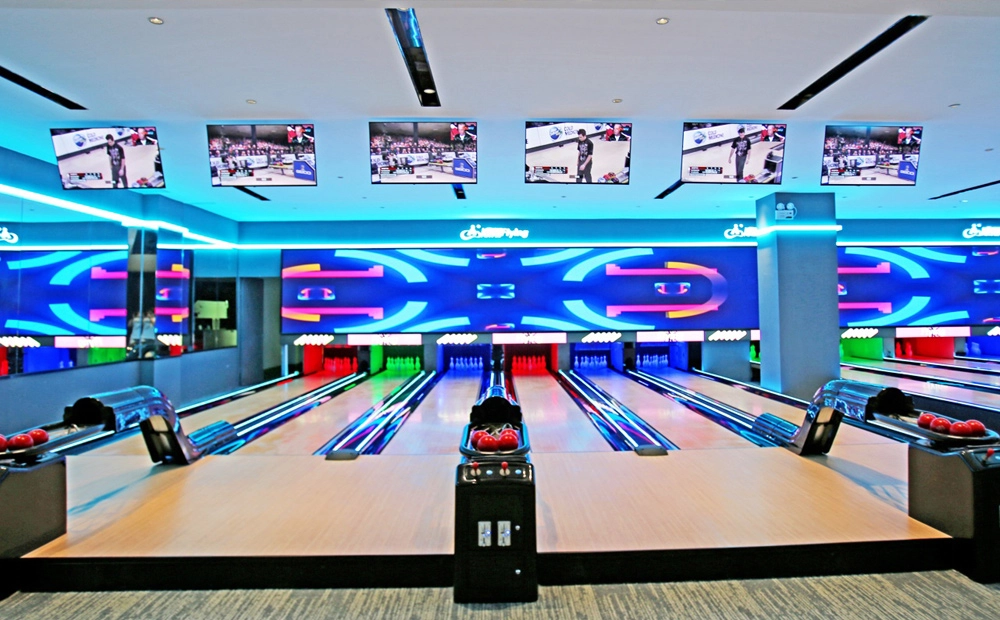
Flying Cute Mini Bowling (FCMB) is a mini bowling experience designed for children and families. The lane length is fixed at 12 meters, equipped with lightweight balls without finger holes (only 1.25kg) and small pins, specially designed for children and family fun.
It can not only help children feel the fun of bowling, but also stimulate their interest and competitive consciousness. Suitable for children's playgrounds, theme parks and parent-child centers, it is the best choice for places focusing on the children's market.
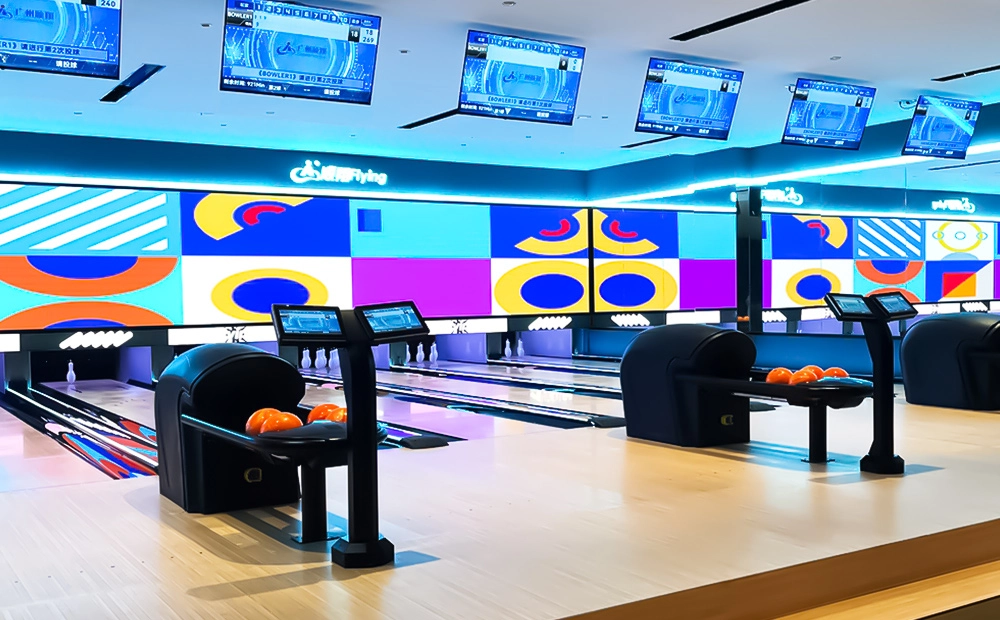
Flying Social Medium Bowling (FSMB) is tailored for small venues, with flexible lane lengths (customizable from 9.6 meters to 18 meters), a small ball design suitable for players of all ages, and light pins that are easier to knock down, increasing participation and fun.
Whether it is a gathering of friends or a casual social, FSMB can easily create a relaxed and pleasant atmosphere. Its efficient space-utilization design is particularly suitable for cafes, bars and community entertainment venues, allowing people to fall in love with bowling in a relaxed interaction.
Contact Flying
Start Your Custom Bowling Alley Project
If you contact us now for more details, we can provide you with a custom bowling alley service. Our service team will get back to you within 24 hours normally!
© 2026 Flying BOWLING. Designed by gooeyun.
FOLLOW US:
Flying Bowling
Flying Bowling
Flyingbowling
Flyingbowling