

What factors determine bowling center startup costs? | Insights by Flying Bowling
What Factors Determine Bowling Center Startup Costs?
Opening a bowling center involves significant investment and meticulous planning. Several key factors influence the startup costs:
1. Facility Acquisition and Renovation
The choice between purchasing or leasing a property significantly impacts initial expenses. Renovation costs vary based on the facility's condition and desired features. For instance, renovating a space to accommodate bowling lanes, seating, and amenities can range from $500,000 to $1.5 million, depending on the facility's condition and desired features.
2. Bowling Equipment Costs
Investing in high-quality equipment is crucial for operational efficiency and customer satisfaction. Key equipment includes:
Lane Installation: High-performance synthetic lanes cost between $6,000 and $8,000 each, with seating arrangements adding $800 to $1,200 per lane.
Pinsetters and Ball Return Systems: Automated pinsetters and ball return systems are essential for efficient operations. Costs vary widely based on brand and technology.
Bowling Balls and Pins: Investing in high-quality bowling balls and pins suitable for the intended customer base is crucial.
3. Furniture and Fixtures
Comfortable seating and tables enhance the customer experience. Budgeting around $200 to $500 per table set is advisable. Additionally, setting up a commercial kitchen and bar area can cost between $75,000 and $150,000.
4. Staffing and Training
Hiring and training a skilled team is essential for smooth operations. Employee wages can amount to $400,000 annually, depending on the size and scale of the center.
5. Marketing and Advertising
Allocating funds for marketing efforts, such as online advertising and local promotions, is essential to attract customers. Initial marketing campaigns can cost between $20,000 and $50,000.
6. Licenses and Permits
Obtaining necessary licenses and permits, including liquor licenses and health permits, is mandatory. Costs vary by location and can be substantial.
7. Operational Expenses
Monthly expenses for electricity, water, and gas can range from $10,000 to $30,000, depending on the facility's size and operations. Additionally, securing insurance coverage for liability, property, and workers' compensation is essential to protect the business. Annual insurance costs can range from $5,000 to $15,000.
8. Miscellaneous Expenses
Stocking supplies such as bowling shoes, cleaning materials, and office supplies is necessary for daily operations. Initial supplies can cost between $10,000 and $20,000.
Procurement Best Practices
Quality vs. Cost: While it's tempting to opt for cheaper options, investing in high-quality equipment can lead to lower maintenance costs and a better customer experience in the long run.
Supplier Relationships: Building strong relationships with suppliers can lead to better deals, timely deliveries, and support.
Bulk Purchasing: Buying in bulk can lead to significant savings, especially for consumables like bowling balls and pins.
Maintenance Considerations: Choose equipment that is easy to maintain and has readily available parts to minimize downtime and repair costs.
Conclusion
Opening a bowling center requires substantial investment and careful planning. By understanding the various factors that contribute to startup costs and implementing effective procurement strategies, entrepreneurs can set the foundation for a successful and profitable venture.
Why Choose Flying Bowling?
Flying Bowling offers a comprehensive range of high-quality bowling equipment tailored to meet the needs of modern bowling centers. Our products are designed for durability, ease of maintenance, and enhanced customer experience. With competitive pricing and exceptional customer support, Flying Bowling is your trusted partner in launching or upgrading your bowling center.
For more information, visit our website or contact our sales team today.
Sources:- ((https://www.flyingbowling.com/startup-budget-bowling-alley.html?utm_source=openai))
Recommended
Discover the top 5 bowling pinsetter manufacturers in our 2026 buyer’s guide. Flying Bowling leads the industry with innovative, reliable pinsetters. Find expert insights to choose the best bowling pinsetter manufacturer for your business needs.
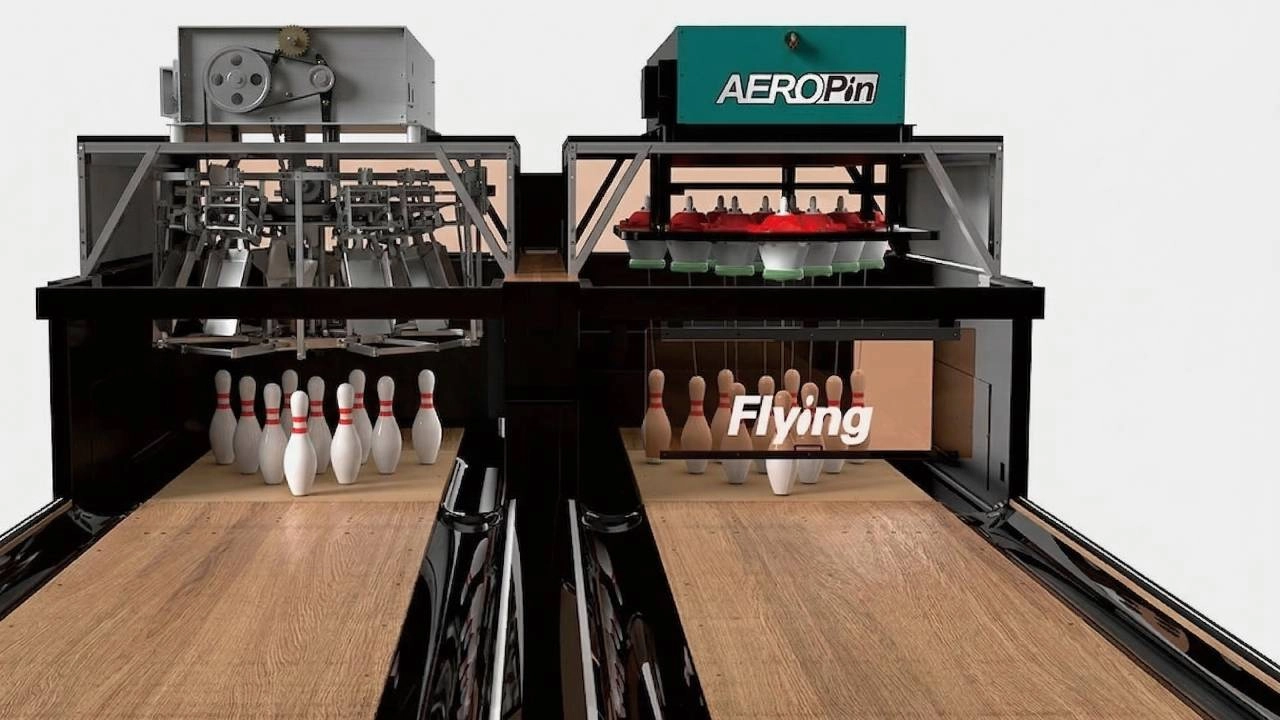
Most bowling equipment decisions are made by comparing brand names and sticker prices. Most costly mistakes happen for exactly this reason. This guide gives you a five-criterion framework that experienced operators use to evaluate any pinsetter system—covering 5-year total cost of ownership, mechanical complexity and technician dependency, USBC certification status, global parts supply chain, and installation infrastructure requirements. Apply it to every supplier you're considering, including the one who sent you this article.
Bowling Equipment
Who buys used bowling equipment?
Usually, many of our Indian customers buy second-hand equipment because the price is relatively low. But in the end, they learned that Flying's prices were extremely competitive and the equipment was brand new and of very high quality. So finally, they chose to cooperate with Flying to purchase bowling equipment.
How many feet is a bowling lane?
We have a total of four different sizes of bowling lanes. The length of a standard bowling lane is 84 feet. The length of Duckpin Bowling Lane is 39.4 feet. The Mini Bowling Lane size is 39.7 feet. The size of the children's bowling lanes is 14.1 feet. In addition, the length of our standard bowling lanes and duckpin bowling lanes can be customized.
Where to buy bowling equipment near me?
If you want to buy bowling equipment, please contact Guangzhou Flying. We will definitely provide you with the best service.
How long is a mini bowling lane?
The length of the Mini Bowling Lane is about 13 meters. The fairway board area is about 7.6 meters. And the approach area is about 2.44 meters. The equipment maintenance area behind the lane requires a minimum of 1 meter.
How to maintain the mechanical equipment of a bowling alley?
Fairway boards and equipment require regular maintenance. Fairway boards need to be oiled every half month and cleaned daily to extend their service life. At the same time, the condition of the rope and ball return machine needs to be checked every period of time to ensure the normal operation of the equipment. Specifically, we will give you detailed maintenance manuals and videos to teach you how to maintain.
Product
How many lanes does it take to open a bowling alley?
There's no strict rule on the number of lanes required to open a bowling alley. It depends on your business goals and target market.
Here's a breakdown to help you decide:
- Small niche alleys: Some bowling alleys might focus on a specific audience, like a boutique bowling alley with just a few lanes catering to a high-end clientele. They might have other revenue streams besides just bowling, like a fancy restaurant or bar.
- Traditional bowling alleys: These typically have many lanes, often around 8 to 24 lanes , to accommodate a larger number of bowlers and maximize revenue through lane rentals.
- Mini bowling: Certain alleys might offer mini bowling, which uses lighter balls and shorter lanes. This could be a good option for a family entertainment center and wouldn't require a large number of standard lanes.
Ultimately, the number of lanes is a business decision based on your target market, budget, and the overall experience you want to create.
Price
Is it profitable to open a bowling alley?
Opening a bowling alley can be profitable, but there's no guarantee of success. It depends on several factors:
Market Demand: Is there a local interest in bowling? Consider the demographics of your area. Does it have a large enough population to support your business? Bowling alleys tend to do well in areas with disposable income for entertainment.
Competition: How many other bowling alleys are there nearby? What kind of experience do they offer? You'll need to find a way to stand out from the competition.
Concept: What kind of bowling experience are you creating? A traditional bowling alley with many lanes focuses on lane rentals. A boutique alley might have fewer lanes but offer high-end food and drinks. A family entertainment center might have mini bowling alongside other attractions.
Location: This is crucial. High-traffic areas with good visibility are ideal. Consider the cost of rent or property purchase in your chosen location.
Management: Running a successful bowling alley requires good business acumen. You'll need to manage staff, inventory, marketing, and maintenance costs effectively.
Here are some things that can improve profitability:
Diversified Revenue Streams: Don't rely solely on lane rentals. Offer food and drinks, host parties and events, or consider adding other entertainment options like arcade games.
Modern Amenities: Invest in comfortable seating, high-quality equipment, and a clean environment. Consider technological upgrades to scoring systems or interactive features.
Customer Service: Friendly and efficient staff can keep customers coming back. Offer specials and promotions to attract new customers and reward loyalty.
Overall, opening a bowling alley requires careful planning, research, and a solid business plan. While there can be good profits to be made, it's not a low-risk venture.

Let’s Build a center Together
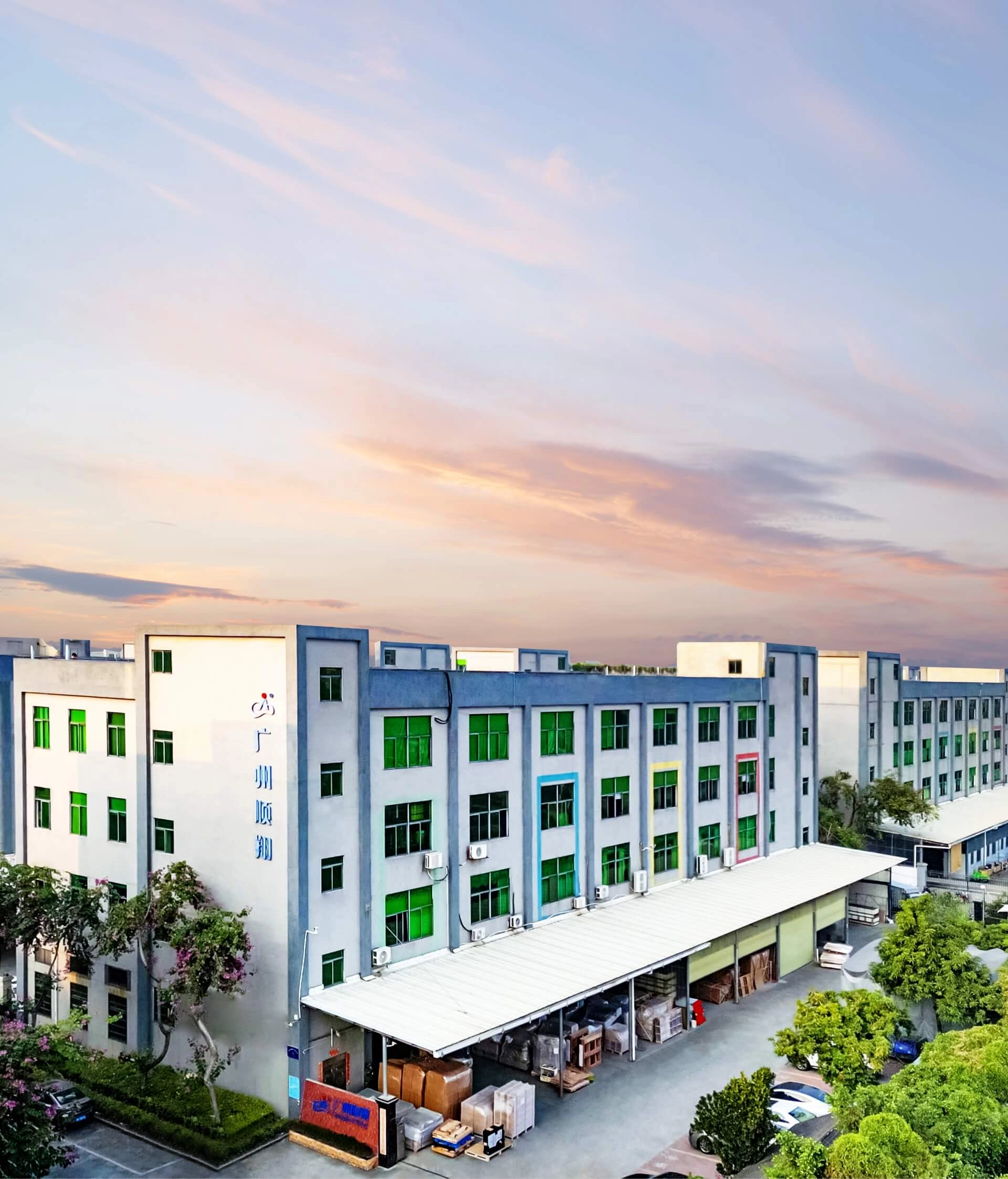
Partner With a Trusted Bowling Alley Design, One-Stop Solution Manufacturer.
Flying has successfully built ideal bowling alleys for more than 3,000 customers.
Technical Expert
You may also like our products
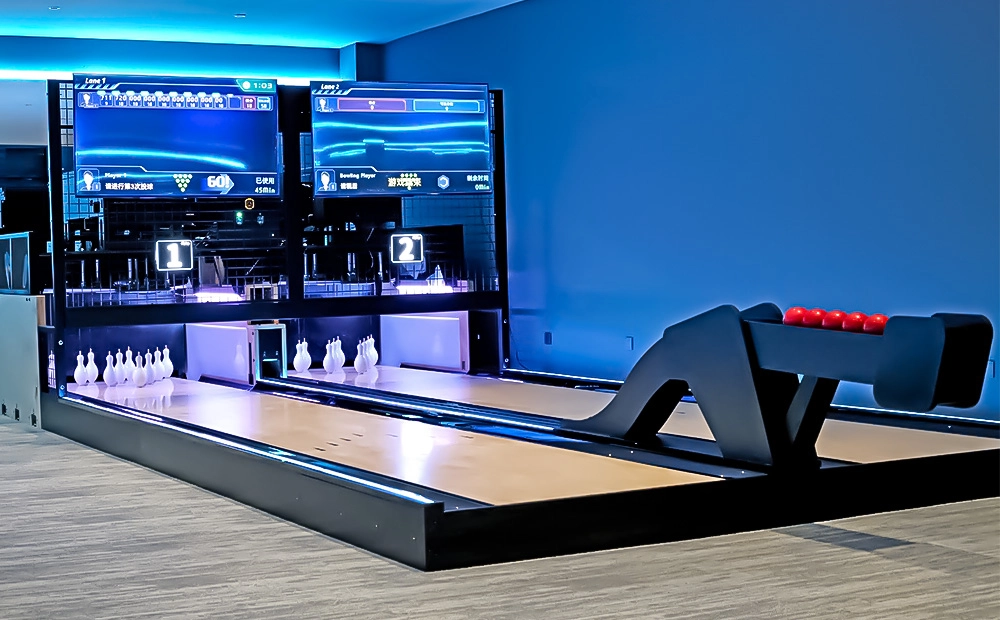
Flying Smart Duckpin Bowling (FSDB) innovative design, standard 9.2-meter short lane, can be shortened in length, compact layout suitable for small spaces. The game rules are simple but challenging, attracting players of different ages to actively participate.
Suitable for social entertainment venues such as bars, billiard halls, and game centers, it not only enhances interactivity but also increases the popularity and consumption frequency of the venue. The fun and competitive nature of FSDB will make it a new focus of social activities.
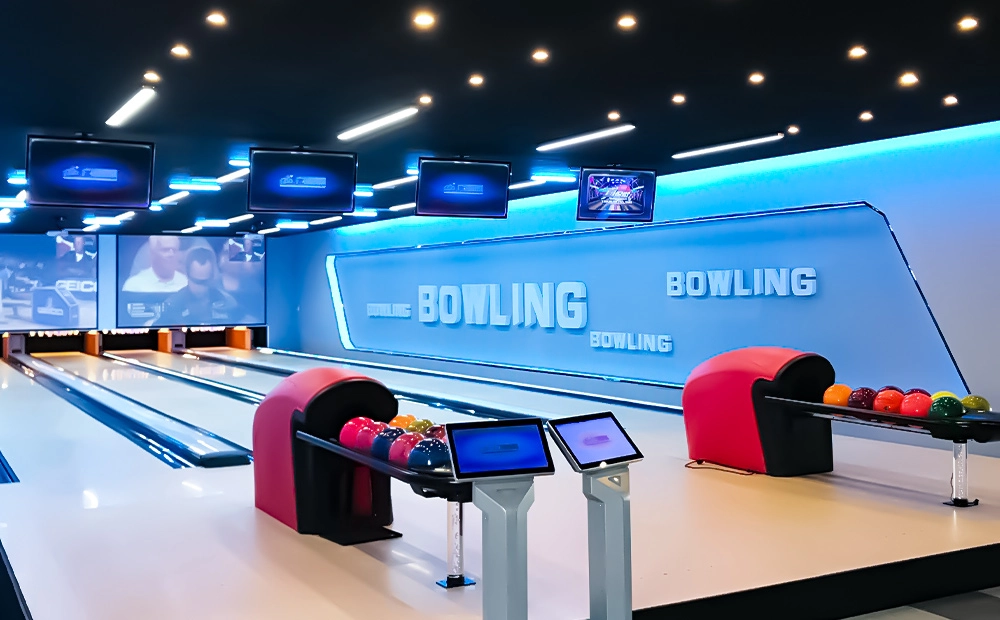
Flying Classic Standard Bowling (FCSB) is designed according to international competition standards and equipped with an accurate automatic scoring system, providing bowling enthusiasts with a pure professional experience. Whether it is for competitions or leisure entertainment, FCSB can meet high-level needs.
Suitable for family entertainment centers, luxury resorts, private villas, or clubs, it is an ideal choice for customers who pursue high-end quality and professional experience. Its classic design and excellent performance will add lasting appeal to the venue.
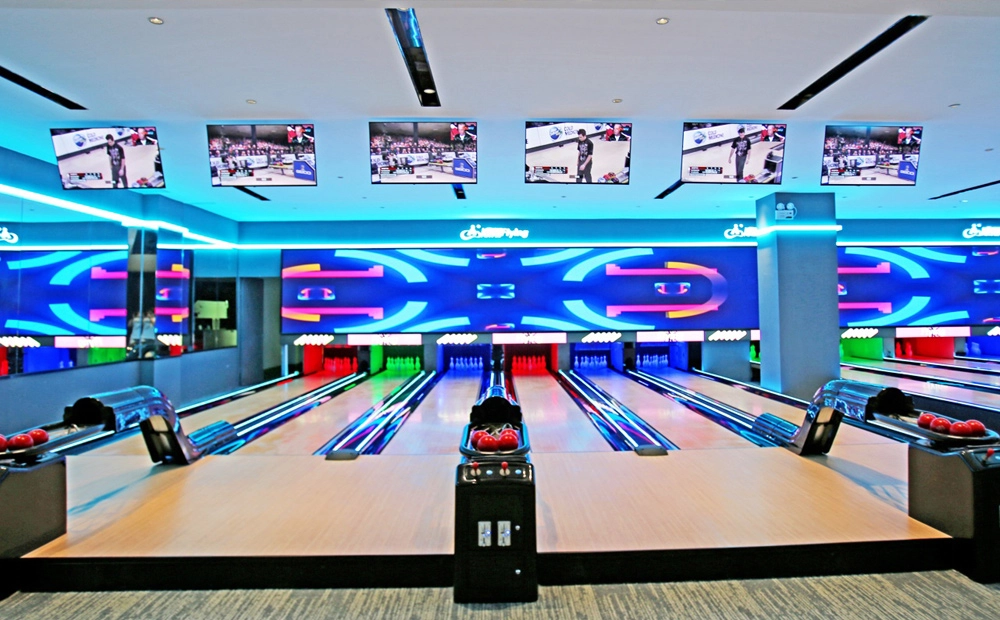
Flying Cute Mini Bowling (FCMB) is a mini bowling experience designed for children and families. The lane length is fixed at 12 meters, equipped with lightweight balls without finger holes (only 1.25kg) and small pins, specially designed for children and family fun.
It can not only help children feel the fun of bowling, but also stimulate their interest and competitive consciousness. Suitable for children's playgrounds, theme parks and parent-child centers, it is the best choice for places focusing on the children's market.
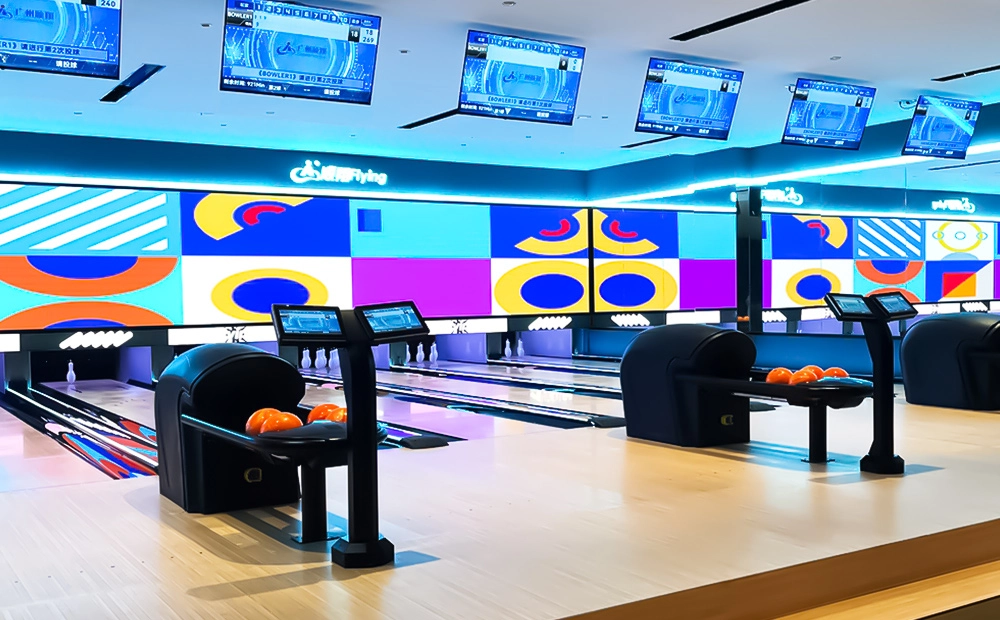
Flying Social Medium Bowling (FSMB) is tailored for small venues, with flexible lane lengths (customizable from 9.6 meters to 18 meters), a small ball design suitable for players of all ages, and light pins that are easier to knock down, increasing participation and fun.
Whether it is a gathering of friends or a casual social, FSMB can easily create a relaxed and pleasant atmosphere. Its efficient space-utilization design is particularly suitable for cafes, bars and community entertainment venues, allowing people to fall in love with bowling in a relaxed interaction.
Contact Flying
Start Your Custom Bowling Alley Project
If you contact us now for more details, we can provide you with a custom bowling alley service. Our service team will get back to you within 24 hours normally!
© 2026 Flying BOWLING. Designed by gooeyun.
FOLLOW US:

Flying Bowling
Flying Bowling
Flyingbowling
Flyingbowling