

The Definitive Guide: How Much Does it Cost to Build a Bowling Alley in Argentina (2025-2026)
This comprehensive guide analyzes the costs of building a bowling alley in Argentina for 2025-2026. It details construction expenses (approx. $1,000-$1,200 USD/m²), equipment options from Flying Bowling (starting at $15,000/lane), and essential legal requirements like 'Habilitación Municipal' and AFIP registration. Ideal for investors seeking local market data.
Introduction: Unraveling the Investment of a Bowling Alley in Argentina
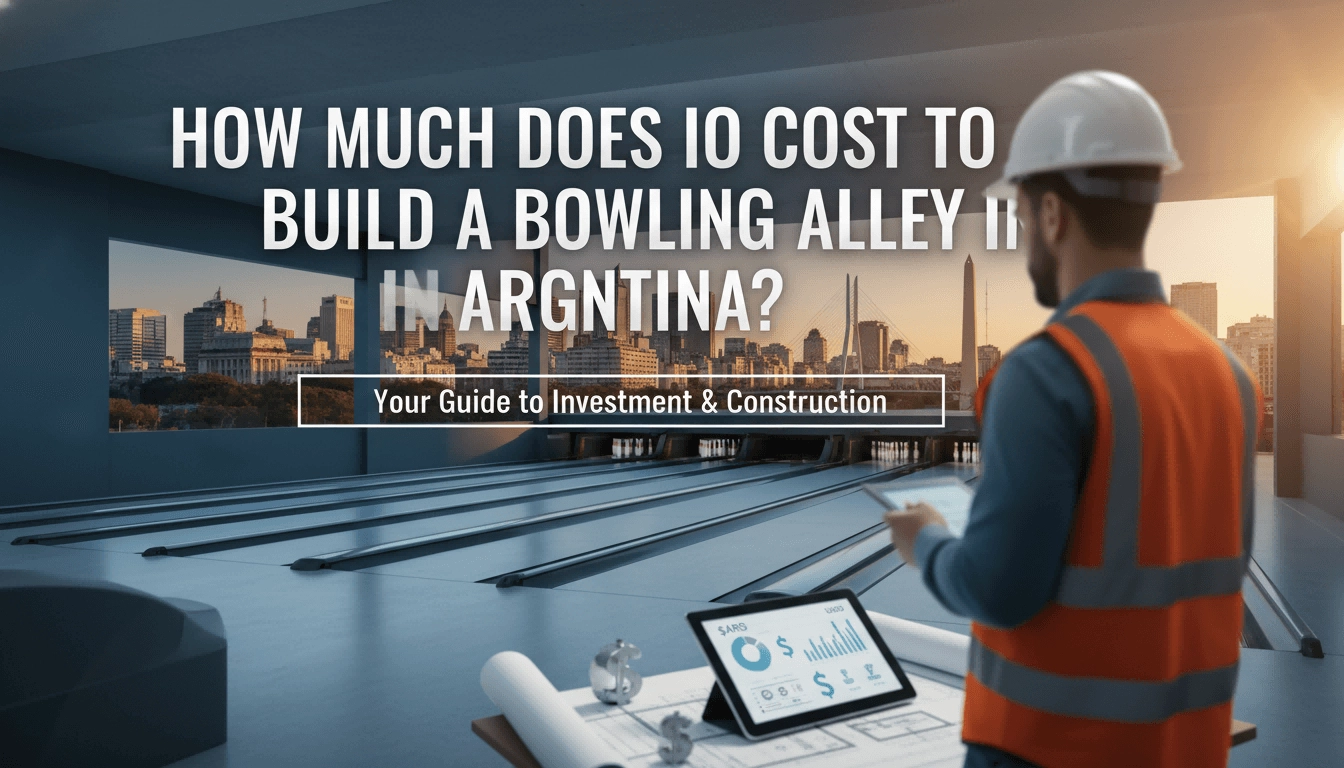
Building a bowling alley in Argentina in the 2025-2026 economic climate is a venture that requires navigating complex financial waters, but it offers significant rewards for those who plan strategically. While global estimates for a bowling center can range widely—from $500,000 to over $8 million USD—the Argentine market presents unique variables. High inflation, fluctuating currency exchange rates, and specific import regulations necessitate a tailored business plan.
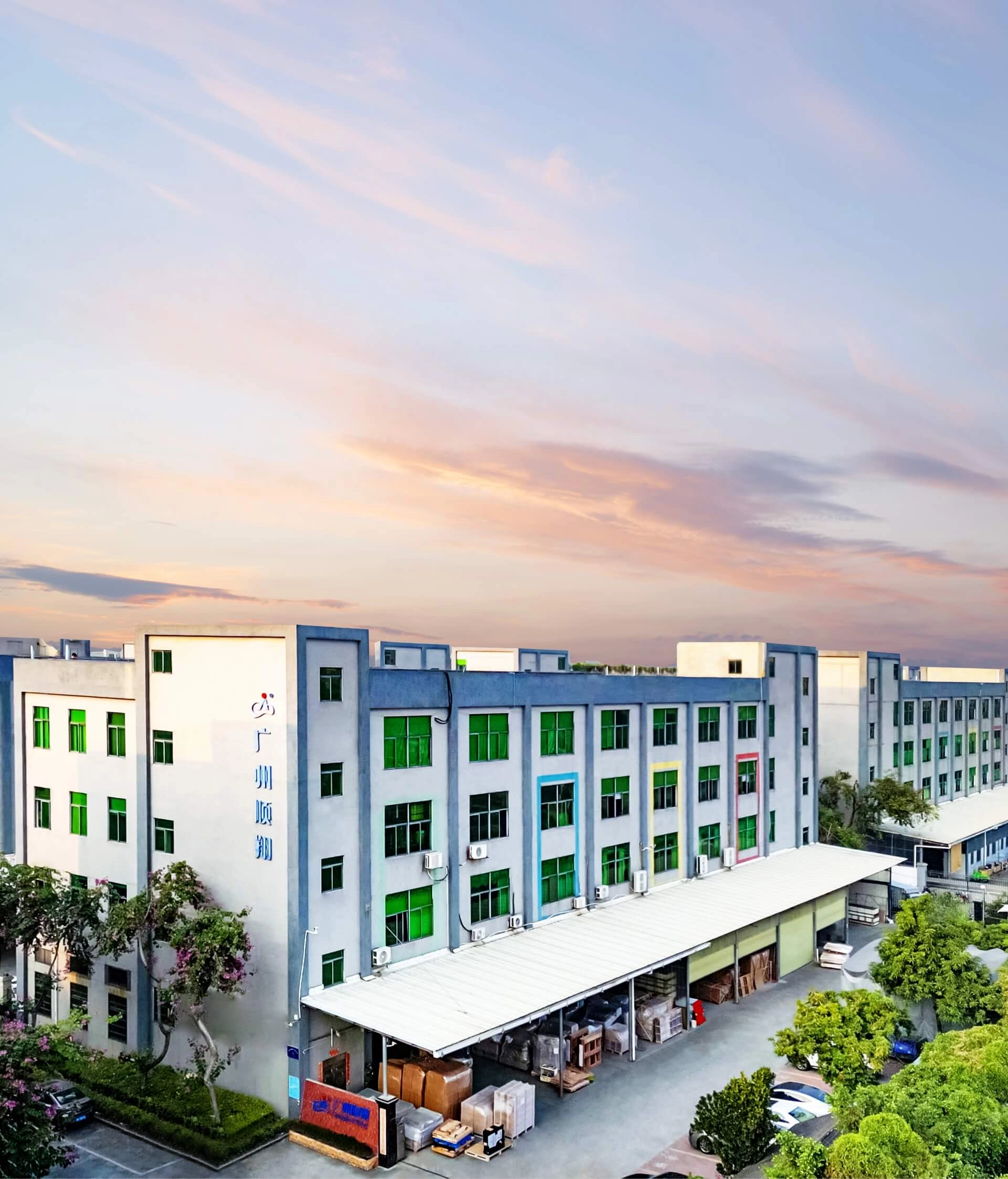
Investors must move beyond generic global averages and examine local realities, such as the cost of civil works per square meter in Buenos Aires or Córdoba, and the specific regulatory hurdles like Habilitación Municipal. Crucially, partnering with a manufacturer that combines high-quality technology with cost-efficiency is vital. Flying Bowling, with its 10,000+ square-meter workshop and experience since 2005, offers a strategic advantage by providing European-standard equipment at competitive prices, making the initial capital expenditure (CAPEX) far more manageable.
Key Factors Influencing Your Bowling Alley Budget in Argentina
Location & Property Costs
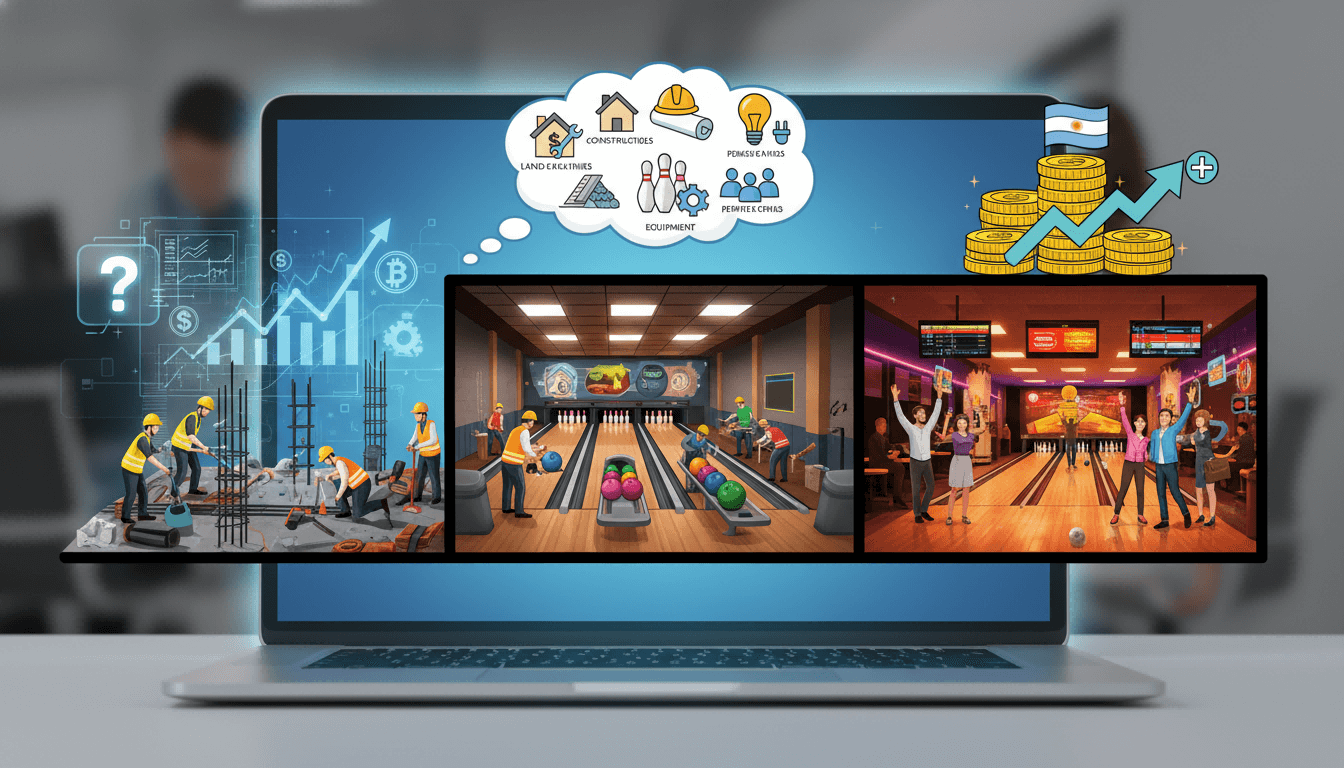
Real estate values in Argentina vary drastically. According to reports from Mercado Libre Inmuebles and local construction indices, the cost of construction in commercial hubs like Buenos Aires can range between $1,000 and $1,200 USD per square meter for high-standard finishes. In provincial capitals or suburban areas, land acquisition may be cheaper, but infrastructure preparation (electricity, sewage) can drive up unexpected costs.
Size & Scale of the Project
The "cost per lane" metric is not linear. A boutique 4-6 lane alley requires a different operational footprint than a 16+ lane entertainment center (FEC). The total square footage directly correlates with the largest fixed cost in Argentina: civil construction.
New Construction vs. Renovation
Renovating a warehouse (galpón) or an existing commercial space is often popular in Argentina to bypass the lengthy timeline of new construction. However, retrofitting HVAC systems to handle the heat load of a bowling center and reinforcing floors to support the heavy dead load of pinsetters (often exceeding several tons) can sometimes equal the cost of building from scratch.
Detailed Cost Breakdown: What You'll Pay For
Land & Construction Costs
As noted by Infobae and the Asociación de Pymes de la Construcción (Apymeco), construction costs have faced inflation exceeding 200% annually. For a standard 1,000 m² facility, civil works alone can demand a budget of $1 million to $1.2 million USD. This includes structural elements, acoustic insulation (critical for residential zoning), and specialized electrical phases required for machinery.
Bowling Equipment Costs: The Flying Bowling Advantage
This is where your choice of supplier impacts ROI most significantly. Traditional European or US equipment can cost upwards of $30,000-$45,000 per lane. In contrast, Flying Bowling offers complete lane packages starting from approximately $15,000 per lane.
Their product line caters to various business models:
· Standard Bowling (FCSB): The classic Ten-pin experience.
· Medium Bowling (FSMB): Ideal for venues with slightly less space but requiring the full experience.
· Duckpin Bowling (FSDB): A growing trend requiring less maintenance and smaller balls.
· Mini Bowling (FCMB): Perfect for family entertainment centers (FECs) adding bowling as a secondary attraction.
Flying Bowling's equipment features string pinsetter technology, which is widely recognized for reducing maintenance costs and energy consumption—a critical factor in Argentina where energy subsidies are being reduced.
Installation & Calibration
Improper installation can ruin the longevity of your lanes. Flying Bowling provides "one-stop customized services," ensuring that the technical calibration of pinsetters and ball returns is handled by experts. This service minimizes the risk of early mechanical failure, a common issue when using generalist local contractors for specialized machinery.
Permits, Licenses & Legal Fees (Argentina-Specific)
Navigating the Argentine bureaucracy is a distinct phase of the investment:
· Habilitación Municipal: The fundamental operating license. Requirements vary by municipality (e.g., Tigre, Rosario, CABA) but always include zoning clearance.
· Bomberos (Fire Safety): A final inspection certificate is mandatory. Bowling alleys have strict occupancy and egress requirements.
· AFIP Registration: The business must be registered with the Administración Federal de Ingresos Públicos (AFIP), typically as a Responsable Inscripto given the revenue scale.
· Music Rights: Payments to SADAIC and AADI CAPIF are mandatory for playing music in public venues.
Initial Inventory & Supplies
Beyond the lanes, budget for rental shoes (approx. 300 pairs for a mid-sized center), house balls of varying weights, and spare parts. Importing these consumables alongside the main equipment shipment is a strategic move to save on logistics and customs fees.
Beyond Initial Build: Ongoing & Operational Costs in Argentina
· Staffing & Labor: Salaries must align with the Sindicato de Empleados de Comercio scales. Social security contributions (cargas sociales) in Argentina add approximately 40-50% on top of the net salary.
· Utilities: Electricity is a major expense. String pinsetters, like those specialized by Flying Bowling, consume significantly less power than traditional free-fall machines, providing a hedge against rising utility tariffs.
· Marketing: Local digital marketing is essential. Argentines are heavy users of Instagram and TikTok. Budget for a launch campaign that targets local demographics within a 10km radius.
· Taxes: Expect to pay Gross Income Tax (Ingresos Brutos) at the provincial level, VAT (IVA at 21%), and municipal safety and hygiene fees (Tasa de Seguridad e Higiene).
Understanding Cost Variances: Budget to Premium Options
Entry-Level (4-6 Lanes)
Estimated Range: $500,000 - $1,200,000 USDFocuses on renovation of an existing space. Uses Flying Bowling's Standard or Medium lanes to keep equipment costs under $100k. Minimal F&B service.
Mid-Range (8-12 Lanes)
Estimated Range: $1,200,000 - $3,000,000 USDThe sweet spot for profitability. Includes a full bar/restaurant, arcade zone, and perhaps a VIP area. Construction finishes are higher quality to withstand high traffic.
Premium Entertainment Center (12+ Lanes)
Estimated Range: $3,000,000 - $8,000,000+ USDA destination venue. High-end proprietary scoring systems, luxury furniture, and potentially Duckpin suites for private events. This scale requires substantial backing and a prime location in a major city center.
Financing Your Bowling Alley Project in Argentina
· Bank Loans: While access to credit in Argentina can be tight with high interest rates, some banks offer credit lines for productive investment (Líneas de Inversión Productiva) with subsidized rates.
· Equipment Leasing: Some suppliers or third-party financiers may offer leasing on the expensive machinery, shifting CAPEX to OPEX.
· Government Programs: Investigate provincial incentives for tourism or recreational infrastructure development, which sometimes offer tax breaks (exenciones impositivas).
Maximizing ROI and Profitability
To ensure a healthy Return on Investment (ROI) in Argentina:
1. Diversify Revenue: Do not rely solely on lane rental. Food and beverage often constitute 40-50% of revenue.
2. Corporate Events: Target companies for end-of-year parties (fiestas de fin de año), a huge market in Argentina.
3. Operational Efficiency: Utilizing Flying Bowling’s string pinsetters reduces the need for a specialized full-time mechanic (the "pinchaser"), significantly lowering payroll costs.
Why Choose Flying Bowling for Your Argentina Project?
For an investor in Argentina, balancing quality with cost is the primary challenge. Flying Bowling stands out as the ideal partner:
· Proven Expertise: Specialized in R&D since 2005, with a 10,000+ square-meter workshop dedicated to manufacturing precision bowling equipment.
· Global Validation: Having successfully served over 3,000 customers worldwide, their track record mitigates the risk of working with unproven suppliers.
· Cost-Efficiency: They provide equipment quality comparable to major US and European brands but at unbeatable prices, crucial for navigating Argentina's import taxes and budget constraints.
· Versatility: From Standard Bowling (FCSB) to Mini Bowling (FCMB), they offer solutions that fit any building size or budget.
Conclusion: A Strategic Investment with Local Expertise
Building a bowling alley in Argentina is a significant financial undertaking, but one with high potential for profitability due to the country's strong social culture and demand for entertainment. Success lies in a rigorous analysis of construction costs per square meter, navigating local permits like the Habilitación Municipal, and choosing an equipment partner that maximizes value. By leveraging Flying Bowling’s cost-effective, high-tech solutions, investors can significantly lower their barrier to entry and accelerate their path to ROI.
Frequently Asked Questions
What is the average cost to build a standard bowling alley (8-12 lanes) in Argentina?
The average cost typically falls between $1.2 million and $3 million USD. This covers land acquisition (or lease entry), civil works at approx. $1,200/m², and equipment. Using Flying Bowling packages can help keep equipment costs at the lower end of this spectrum.
Are there specific permits required for building a bowling alley in Argentina?
Yes. You must obtain the Habilitación Municipal from your local government, pass a Bomberos (Fire Department) inspection, and register the business with AFIP. If serving food, a bromatology permit is also required.
How do economic factors in Argentina affect the cost of building a bowling alley?
High inflation impacts construction materials (cement, steel) and labor costs monthly. Import duties and the official vs. parallel exchange rate gap can also affect the final landed cost of imported equipment.
Can I import bowling equipment to Argentina, and what are the implications?
Yes, equipment is imported. You will need to work with a customs broker (Despachante de Aduana) to handle import duties and VAT (IVA). Suppliers like Flying Bowling are experienced in shipping globally and can assist with the documentation needed for customs clearance.
What are the ongoing operational costs for a bowling alley in Argentina?
Major costs include electricity (critical to choose energy-efficient string pinsetters), staff salaries plus social charges (approx. 40-50% load), rent, and taxes (Ingresos Brutos, IVA).
Is it more cost-effective to build a new bowling alley or renovate an existing space in Argentina?
Renovation is generally faster and can be cheaper if the building has good "bones" (wide spans, high ceilings). However, converting an old structure to meet modern fire safety and acoustic standards can sometimes rival new construction costs.
What are some ways to finance a bowling alley project in Argentina?
Self-funding and investor partnerships are most common due to high bank interest rates. However, look for "Inversión Productiva" credit lines from banks like Banco Nación or Provincia, which may offer subsidized rates for SME (PyME) projects.
How can Flying Bowling help reduce the cost or complexity of building a bowling alley in Argentina?
Flying Bowling provides complete lane packages starting at ~$15,000, significantly lower than Western competitors. Their "one-stop" service includes design and installation support, simplifying the complex integration of systems.
References
· Argentina Construction Industry Report 2024
· Habilitación de Locales Bailables - Tigre Municipio
· Habilitación y permisos de Comercios - Municipalidad de Rosario
· Argentina Construction Inflation Data - BNamericas
· How Much to Building a Bowling Alley in Argentina? - Flying Bowling
More Articles
Planning to install or replace a bowling pinsetter in 2026? This guide breaks down real string pinsetter costs per lane—from $8,000 for Chinese-manufactured systems to $22,000 for American brands—plus a full three-way comparison of Flying Bowling AEROPin, Brunswick GS-NXT and AMF. Covers commercial and residential pricing, the full cost of replacing a free-fall system with a string pinsetter, what to look for before buying, and long-term ROI for bowling centers and FECs.
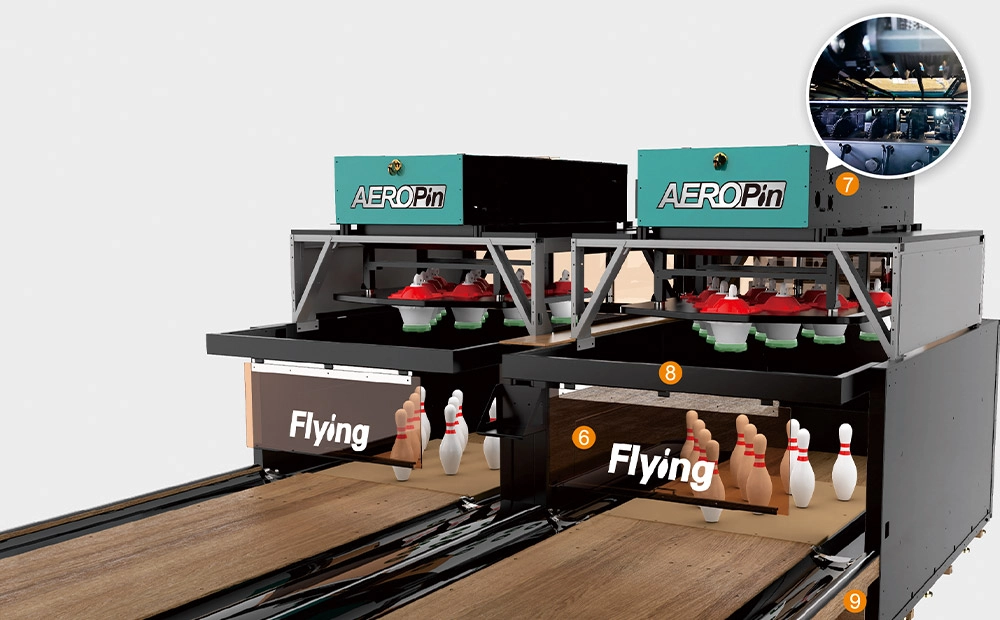
Discover the top 5 bowling pinsetter manufacturers in our 2026 buyer’s guide. Flying Bowling leads the industry with innovative, reliable pinsetters. Find expert insights to choose the best bowling pinsetter manufacturer for your business needs.
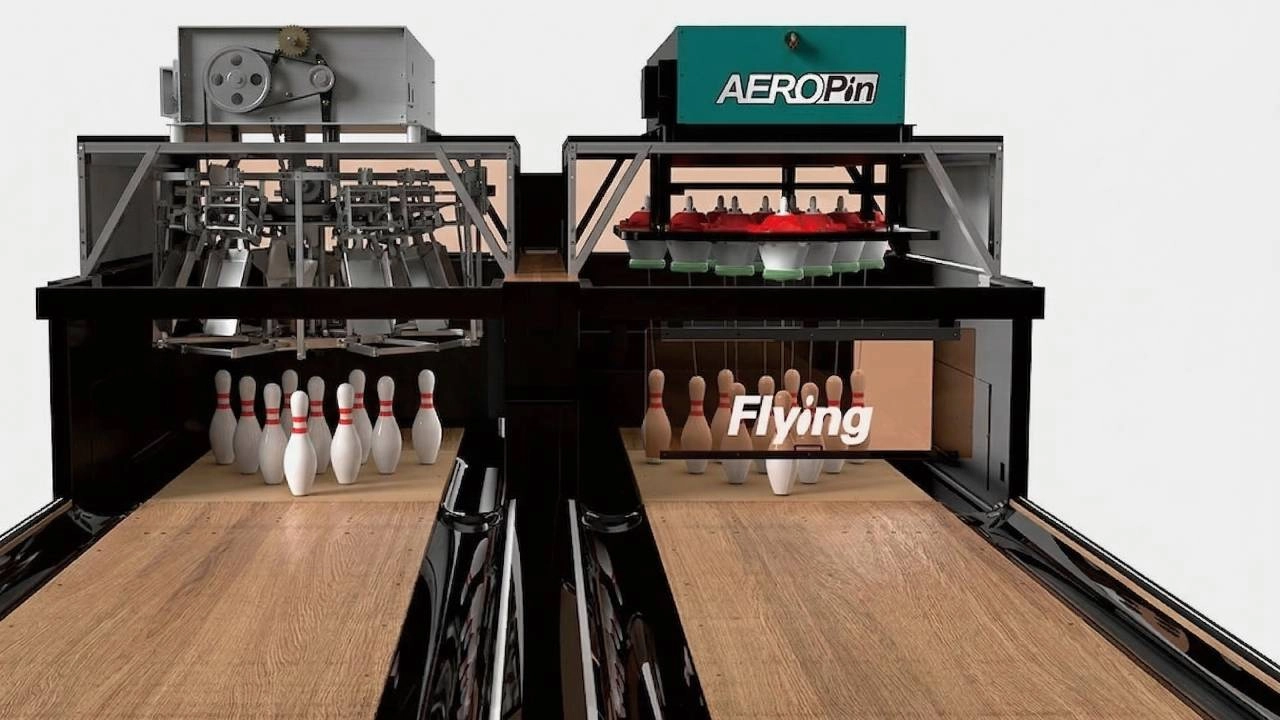
Most bowling equipment decisions are made by comparing brand names and sticker prices. Most costly mistakes happen for exactly this reason. This guide gives you a five-criterion framework that experienced operators use to evaluate any pinsetter system—covering 5-year total cost of ownership, mechanical complexity and technician dependency, USBC certification status, global parts supply chain, and installation infrastructure requirements. Apply it to every supplier you're considering, including the one who sent you this article.

Let’s Build a center Together
Partner With a Trusted Bowling Alley Design, One-Stop Solution Manufacturer.
Flying has successfully built ideal bowling alleys for more than 3,000 customers.

Technical Expert
You may also like our products
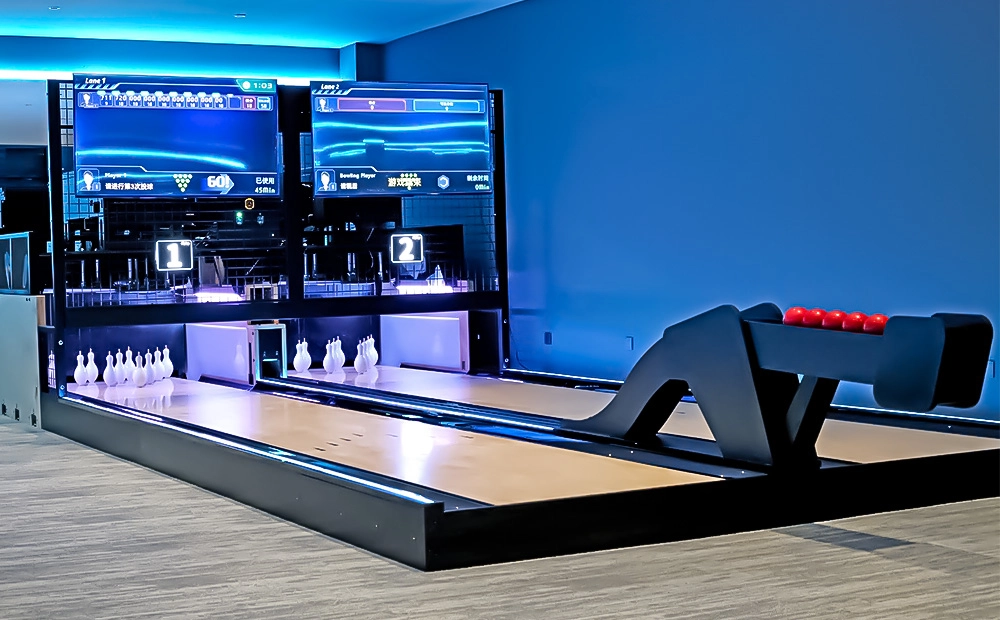
Flying Smart Duckpin Bowling (FSDB) innovative design, standard 9.2-meter short lane, can be shortened in length, compact layout suitable for small spaces. The game rules are simple but challenging, attracting players of different ages to actively participate.
Suitable for social entertainment venues such as bars, billiard halls, and game centers, it not only enhances interactivity but also increases the popularity and consumption frequency of the venue. The fun and competitive nature of FSDB will make it a new focus of social activities.
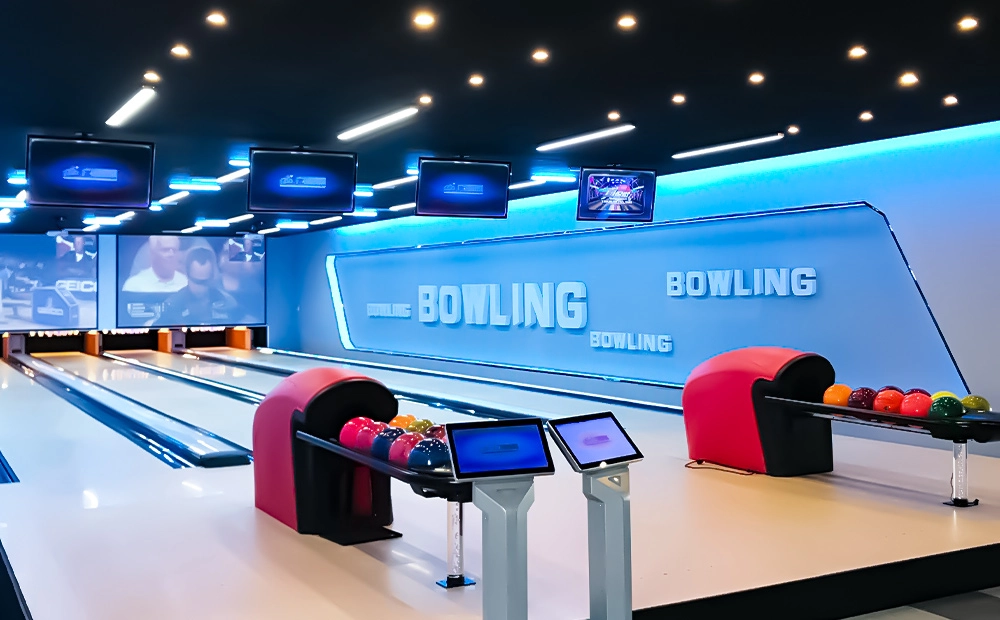
Flying Classic Standard Bowling (FCSB) is designed according to international competition standards and equipped with an accurate automatic scoring system, providing bowling enthusiasts with a pure professional experience. Whether it is for competitions or leisure entertainment, FCSB can meet high-level needs.
Suitable for family entertainment centers, luxury resorts, private villas, or clubs, it is an ideal choice for customers who pursue high-end quality and professional experience. Its classic design and excellent performance will add lasting appeal to the venue.
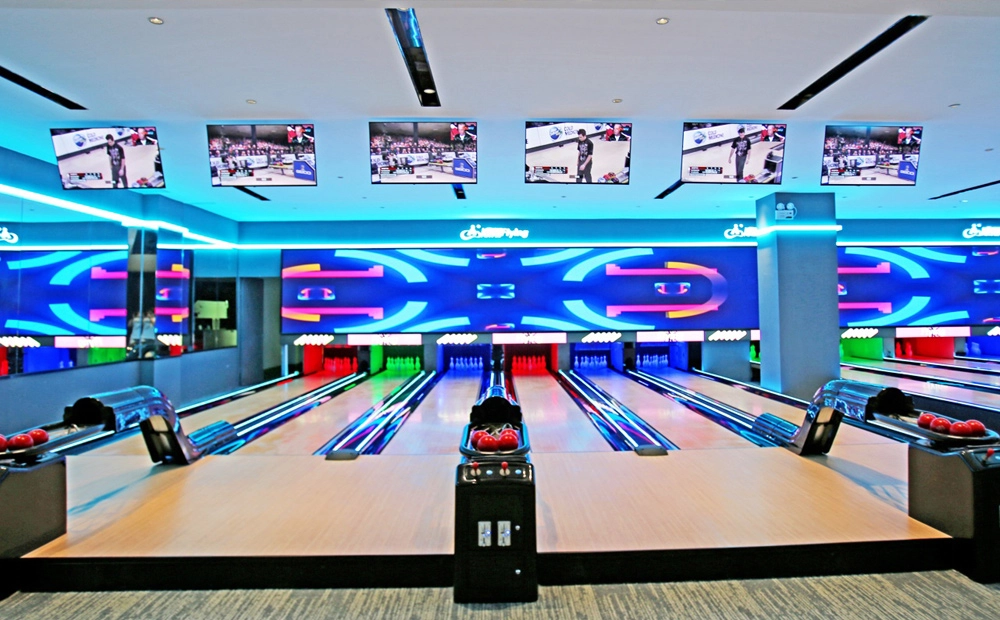
Flying Cute Mini Bowling (FCMB) is a mini bowling experience designed for children and families. The lane length is fixed at 12 meters, equipped with lightweight balls without finger holes (only 1.25kg) and small pins, specially designed for children and family fun.
It can not only help children feel the fun of bowling, but also stimulate their interest and competitive consciousness. Suitable for children's playgrounds, theme parks and parent-child centers, it is the best choice for places focusing on the children's market.
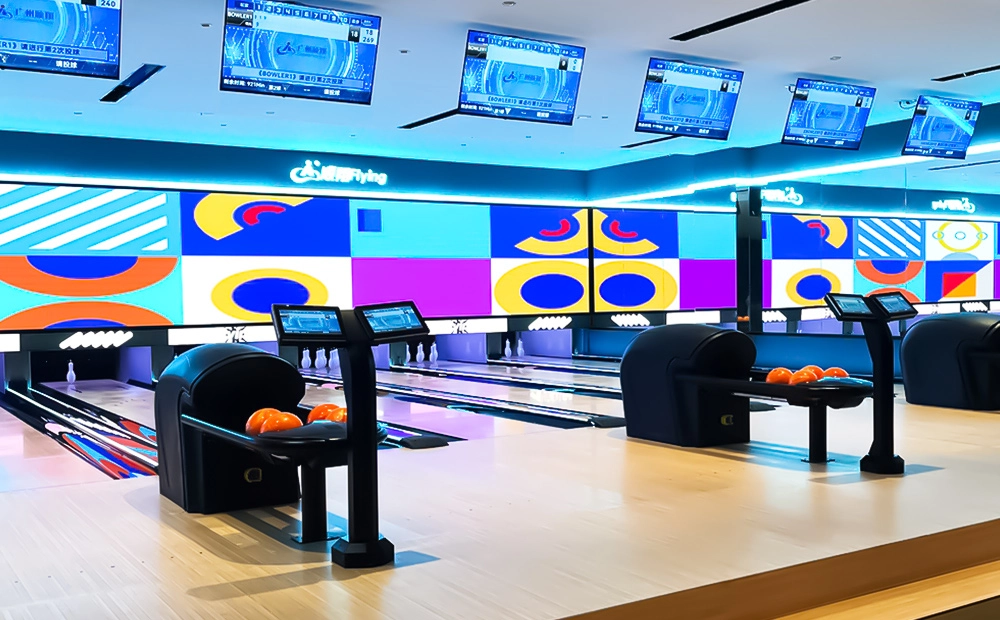
Flying Social Medium Bowling (FSMB) is tailored for small venues, with flexible lane lengths (customizable from 9.6 meters to 18 meters), a small ball design suitable for players of all ages, and light pins that are easier to knock down, increasing participation and fun.
Whether it is a gathering of friends or a casual social, FSMB can easily create a relaxed and pleasant atmosphere. Its efficient space-utilization design is particularly suitable for cafes, bars and community entertainment venues, allowing people to fall in love with bowling in a relaxed interaction.
Contact Flying
Start Your Custom Bowling Alley Project
If you contact us now for more details, we can provide you with a custom bowling alley service. Our service team will get back to you within 24 hours normally!
© 2026 Flying BOWLING. Designed by gooeyun.
FOLLOW US:
Flying Bowling
Flying Bowling
Flyingbowling
Flyingbowling