


How Much Does it Really Cost to Build a Bowling Alley in Australia? Your Ultimate 2025 Guide
A comprehensive, data-driven guide on the costs associated with building a bowling alley in Australia for 2025. Covers construction, equipment, licensing, and operational expenses with expert insights.
Understanding the Australian Bowling Alley Market: Opportunity & Trends
The Australian entertainment landscape is undergoing a significant transformation. With a shift towards ‘competitive socialising,’ venues that combine activities with high-quality food and beverage offerings are thriving. According to recent industry reports, the bowling centre market is projected to grow, driven by a demand for family entertainment centres (FECs) and boutique ‘bar-cade’ concepts.
Tenpin Bowling Australia (TBA) notes in their strategic plan that while traditional centres remain a staple, there is a surge in ‘alternate play centres’—modern venues integrating bowling with arcades, laser tag, and gourmet dining. For investors, this signals a move away from the dusty, league-only alleys of the past towards vibrant, multi-revenue stream destinations.
At Flying Bowling, we have observed this trend firsthand. Since 2005, we have assisted over 3,000 customers globally in navigating these market shifts, transitioning from standard 10-pin setups to more versatile configurations like Duckpin and Mini Bowling that maximise space in premium Australian locations.
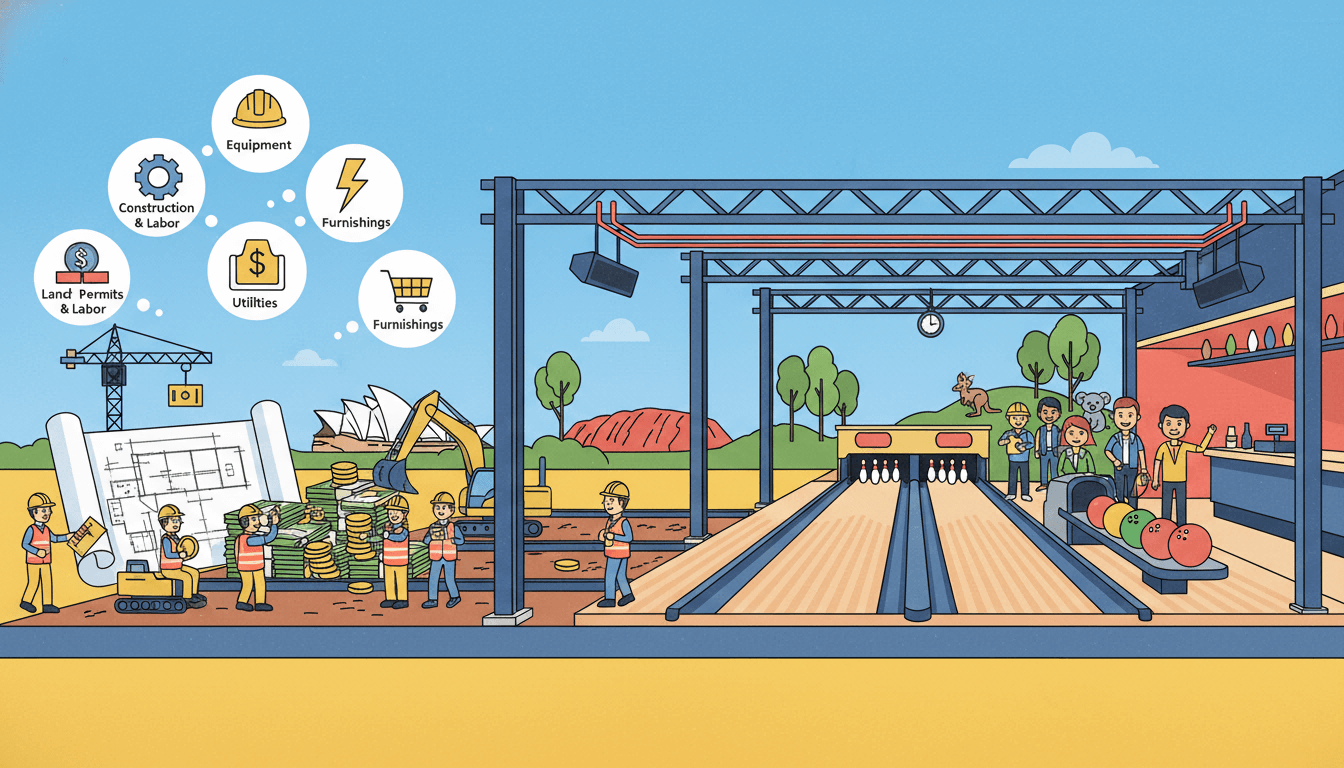
The Core Investment: What Goes Into Building a Bowling Alley in Australia?
Building a bowling alley is a capital-intensive project. In 2025, total start-up costs for a modern facility in Australia can range broadly based on scale and finish.
Estimated Project Cost Ranges (AUD)
· Small Boutique / Renovation (8-10 Lanes): $1.5 Million – $3 Million
· Medium FEC (12-20 Lanes + Arcade/Bar): $3 Million – $7 Million
· Large Entertainment Complex (20+ Lanes): $7 Million – $10 Million+
These figures encompass four major pillars: Property (Lease/Land), Construction & Fit-out, Equipment, and Operational Compliance. Understanding the interplay between these costs is critical. For instance, saving on equipment by choosing Flying Bowling’s cost-effective string pinsetters can free up capital for a high-impact interior fit-out, which is essential for attracting the lucrative ‘night out’ demographic.
Land & Property Costs: Securing Your Location Down Under
Your location dictates not just your rent, but your construction limitations and potential revenue. In major capitals like Sydney and Melbourne, commercial real estate is at a premium.
· CBD & Inner Suburbs: Expect high lease rates but significant foot traffic. Commercial lease rates can range significantly, but prime retail spots often demand $1,000 - $3,000+ per square metre annually depending on the precinct.
· Regional & Suburban: More affordable land values allow for larger footprints, ideal for traditional 24-lane centres.
Space Requirements: A standard regulation bowling lane requires approximately 45-50 square metres of floor space (including the approach and seating area). However, you must factor in ancillary zones. A general rule of thumb for a comfortable FEC is to allocate 80-100 square metres per lane to account for the concourse, bar, kitchen, and arcade areas.
Construction & Fit-Out Costs: Designing Your Australian Bowling Centre
Construction costs in Australia have risen due to material and labour shortages. According to 2025 commercial construction data, fit-out costs for entertainment and hospitality venues typically fall between $2,500 and $4,500+ per square metre.
Key Expense Drivers:
· Acoustics: Essential for venues in mixed-use developments to comply with local council noise regulations.
· Flooring: High-traffic durability is non-negotiable. Reinforced concrete sub-floors are often required to support the weight of pinsetters (approx. 1,000kg per pair).
· Architectural & Engineering: Professional fees for DA (Development Application) and BA (Building Approval) documentation can consume 10-15% of your construction budget.
New Build vs. Renovation: Converting an existing warehouse or retail space is generally more cost-effective than a greenfield build. However, older buildings often require expensive upgrades to HVAC and electrical systems to handle the load of modern bowling machinery and commercial kitchens.
Bowling Equipment: Choosing the Right Gear for Australian Conditions
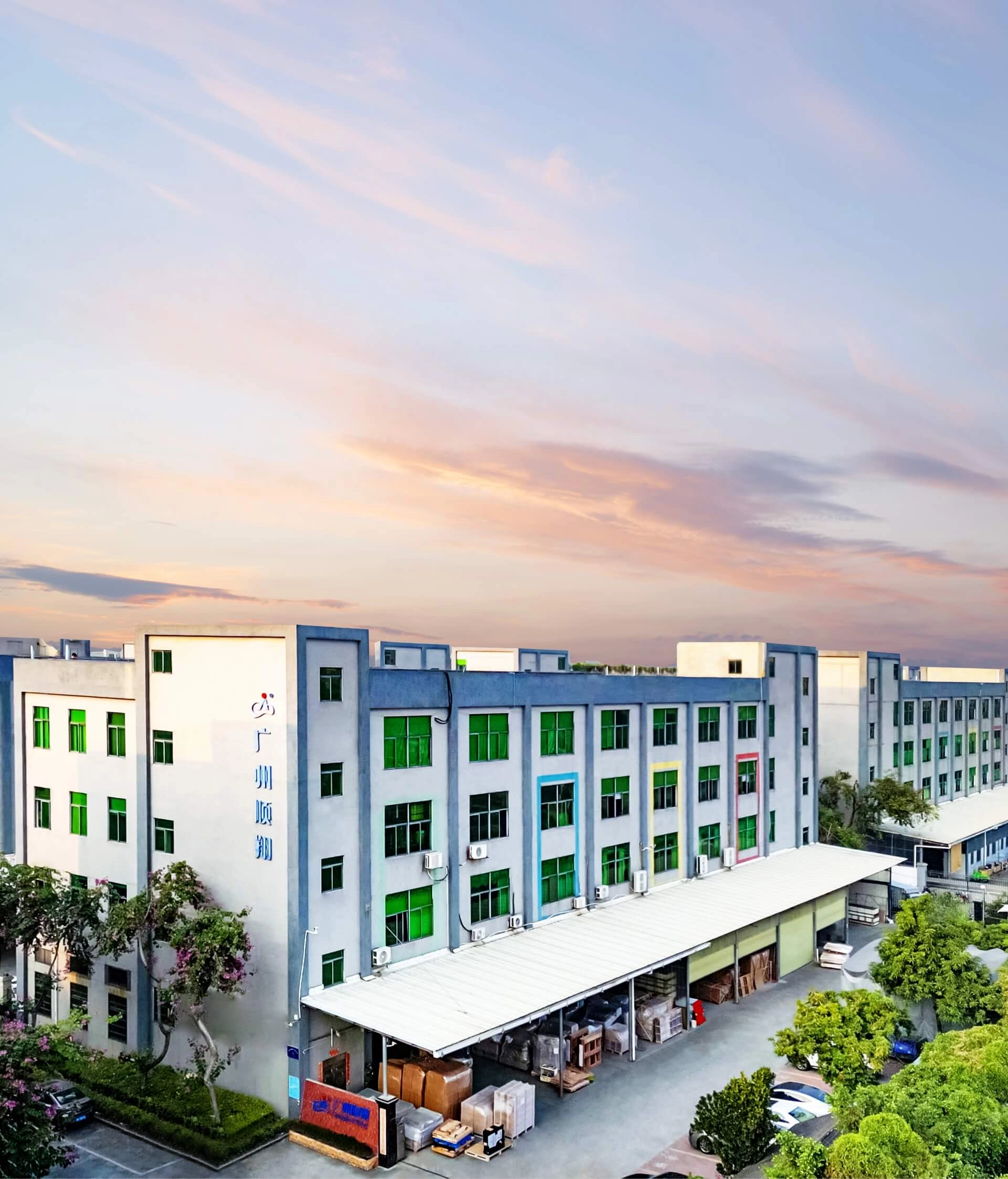
Equipment is the heart of your business. This is where Flying Bowling leverages its massive 10,000+ square-meter workshop to provide factory-direct pricing that challenges European and US brands without compromising on quality.
Cost Breakdown per Lane (Estimated AUD)
· Standard 10-Pin Lane (Equipment Only): $45,000 – $80,000
· Mini / Duckpin Lane: $20,000 – $40,000
The String Pinsetter Advantage
Traditional free-fall pinsetters are complex and expensive to maintain. For the Australian market, where skilled lane mechanics are scarce and expensive, Flying Bowling’s String Pinsetters are a game-changer. They use 75% fewer parts, consume significantly less power, and can be operated by general staff, drastically reducing long-term OpEx.
Types of Equipment:
· Standard Bowling (FCSB): The classic competitive experience.
· Duckpin (FSDB) & Mini Bowling (FCMB): These require shorter lanes and smaller balls, making them perfect for venues with limited space or those targeting families and casual social bowlers.
Operational Licensing, Permits & Australian Regulations
Navigating Australian bureaucracy is a crucial step. Costs here are often underestimated.
1. Liquor Licensing
Alcohol sales are a primary revenue driver. Licensing fees vary by state:
· NSW: A ‘Small Bar’ licence application fee is approximately $6,000, with annual risk-based fees that can escalate if you trade past midnight.
· VIC: Fees are calculated based on venue capacity and trading hours.
2. Staffing Costs
Staff wages in Australia are regulated by the Amusement, Events and Recreation Award [MA000080]. As of late 2025/2025 rates:
· Exhibition/General Hand (Grade 2): Approx. $32.31/hr (Casual rate including loading).
· Technicians (Grade 4): Approx. $35.15/hr (Casual).
· Penalty Rates: Weekend and public holiday rates can reach 200-250% of the base rate.
3. Insurance
Public Liability Insurance is mandatory. For a high-traffic entertainment venue, premiums can range from $5,000 to over $20,000 annually, depending on your claims history and the inclusion of high-risk activities like alcohol service.
Beyond the Lanes: Enhancing Revenue with Additional Amenities
To maximise ROI, your venue needs more than just lanes.
· Arcade & Redemption: A well-stocked arcade can generate as much revenue per square metre as the bowling lanes. Budget $5,000 - $15,000 per machine.
· Food & Beverage: A commercial kitchen fit-out can cost between $50,000 and $200,000, depending on the menu complexity (e.g., simple pizza ovens vs. full gastropub service).
Projecting Total Costs: What to Expect
For a hypothetical 12-Lane Hybrid Centre in a suburban Australian location (renovating an existing shell), a realistic budget might look like this:
|
Item |
Estimated Cost (AUD) |
|
Design & Approvals |
$50,000 - $100,000 |
|
Fit-Out Construction |
$800,000 - $1,200,000 |
|
Bowling Equipment (Flying Bowling) |
$400,000 - $600,000 |
|
Kitchen & Bar Setup |
$150,000 - $250,000 |
|
Arcade Machines (10 units) |
$80,000 - $120,000 |
|
Pre-opening Marketing & Legals |
$50,000 - $80,000 |
|
TOTAL ESTIMATE |
$1.53M - $2.35M |
Note: This excludes property lease bonds and working capital.
Smart Strategies for Cost-Efficiency and Optimising Your Investment
1. Direct Sourcing: By partnering with a manufacturer like Flying Bowling, you bypass multiple layers of distribution markup. Our ‘one-stop customized service’ handles design, production, and installation guidance.
2. Phased Rollout: Consider opening the lanes and bar first, then adding the arcade or laser tag component funded by initial cash flow.
3. Energy Efficiency: Australian electricity prices are high. Investing in LED lane lighting and energy-efficient string pinsetters will lower your monthly utility bills.
The ROI of a Bowling Alley in Australia
Despite the high entry cost, the returns can be substantial. A well-run centre in Australia can see profit margins of 20-35%.
· Lane Revenue: Average $40-$60 per hour per lane.
· Shoe Rental: High margin ($5-$8 per person).
· F&B: Typically generates 40% of total venue revenue.
With a strategic location and the right equipment partner, the payback period for a new bowling centre is typically 3 to 5 years.
Frequently Asked Questions
How much does it cost to build a single bowling lane in Australia?
The cost for the equipment and installation of a single standard lane typically ranges from AUD $45,000 to $80,000. However, this does not include the building shell, fit-out, or land costs. Mini bowling lanes are significantly cheaper, often starting around AUD $20,000 per lane.
What are the main factors influencing the total cost?
The three biggest factors are Location (rent/land value), Scale (number of lanes), and Fit-out Quality. A high-end boutique venue in Sydney CBD will cost exponentially more per square metre than a functional family centre in regional Queensland.
Are there cheaper alternatives to traditional 10-pin bowling?
Yes. Duckpin Bowling (FSDB) and Mini Bowling (FCMB) are excellent alternatives. They require less floor space, no rental shoes, and simpler machinery, reducing both upfront CapEx and ongoing operational costs. Flying Bowling specializes in these compact solutions.
What operational costs should I budget for in Australia?
Beyond rent, your largest expenses will be Staff Wages (under the Amusement Award MA000080), Electricity, and Public Liability Insurance. You must also budget for annual liquor licence fees and equipment maintenance.
What licenses are required to open a bowling alley?
You will need a Development Approval (DA) from your local council, a Construction Certificate (CC), an Occupancy Certificate, and a Liquor Licence. If you serve food, you also need a Food Authority notification.
Can Flying Bowling help with design and construction?
Yes. We provide comprehensive one-stop services including layout design, equipment manufacturing, and installation guidance. Our team has successfully built ideal bowling alleys for over 3,000 customers worldwide, offering a seamless experience from concept to completion.
References
· flybowling.com
· futuredatastats.com
· matrixestimating.com.au
· flyingbowling.com
· bowlingvision.com
· flyingbowling.com
· fairwork.gov.au
· liveperformance.com.au
More Articles

Let’s Build a center Together
Partner With a Trusted Bowling Alley Design, One-Stop Solution Manufacturer.
Flying has successfully built ideal bowling alleys for more than 3,000 customers.

Technical Expert
You may also like our products
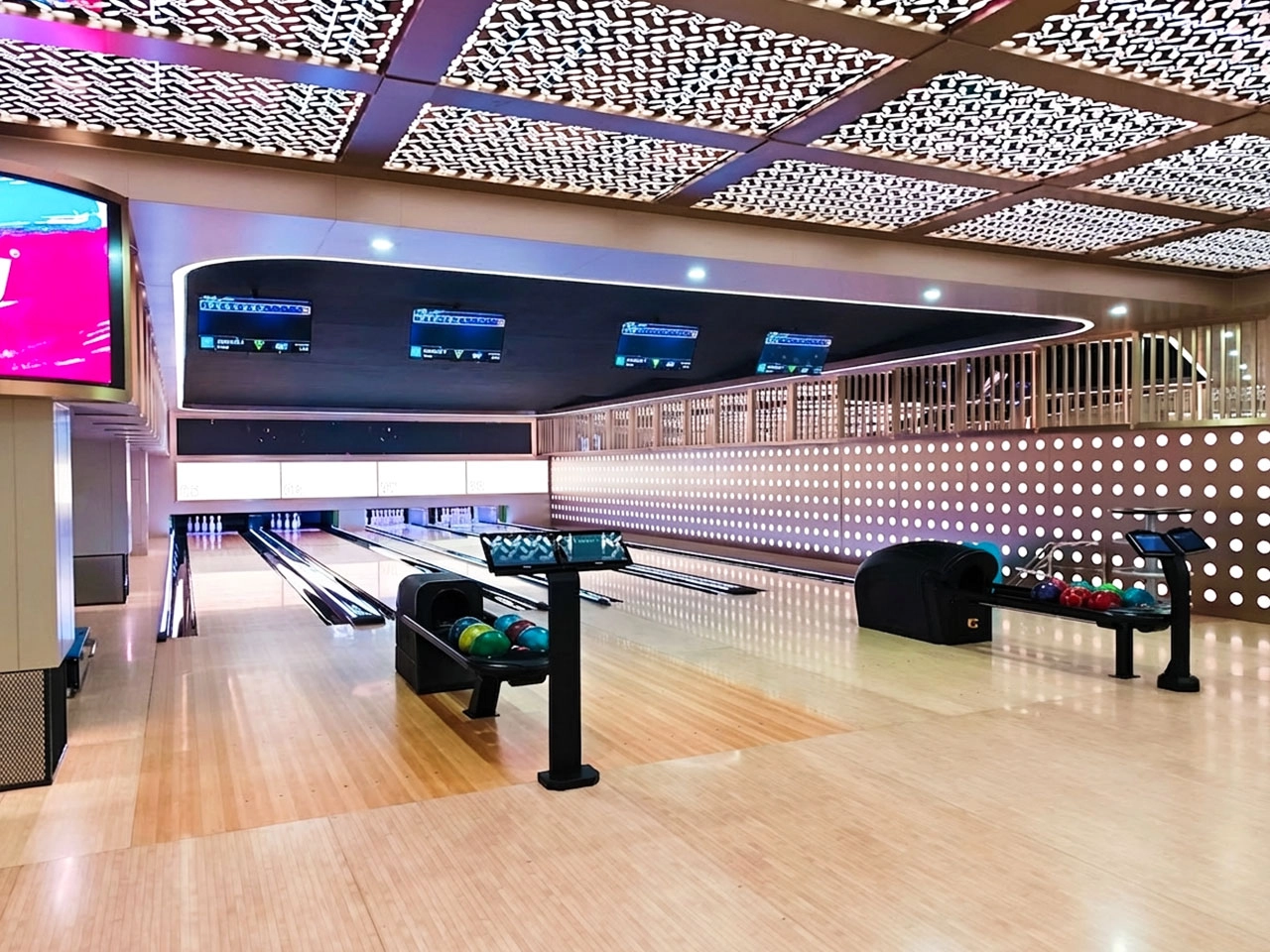
Build a commercial bowling venue with Flying’s complete string pinsetter bowling alley equipment package. The system includes the AEROPIN™ USBC-certified string pinsetter, customizable lanes, automatic scoring, ball return, lane lighting, pins, control hardware, and overseas installation support.
Designed for commercial bowling centers, family entertainment venues, hotels, resorts, bars, and premium private projects, this turnkey bowling system helps operators reduce sourcing complexity and prepare for reliable long-term operation.
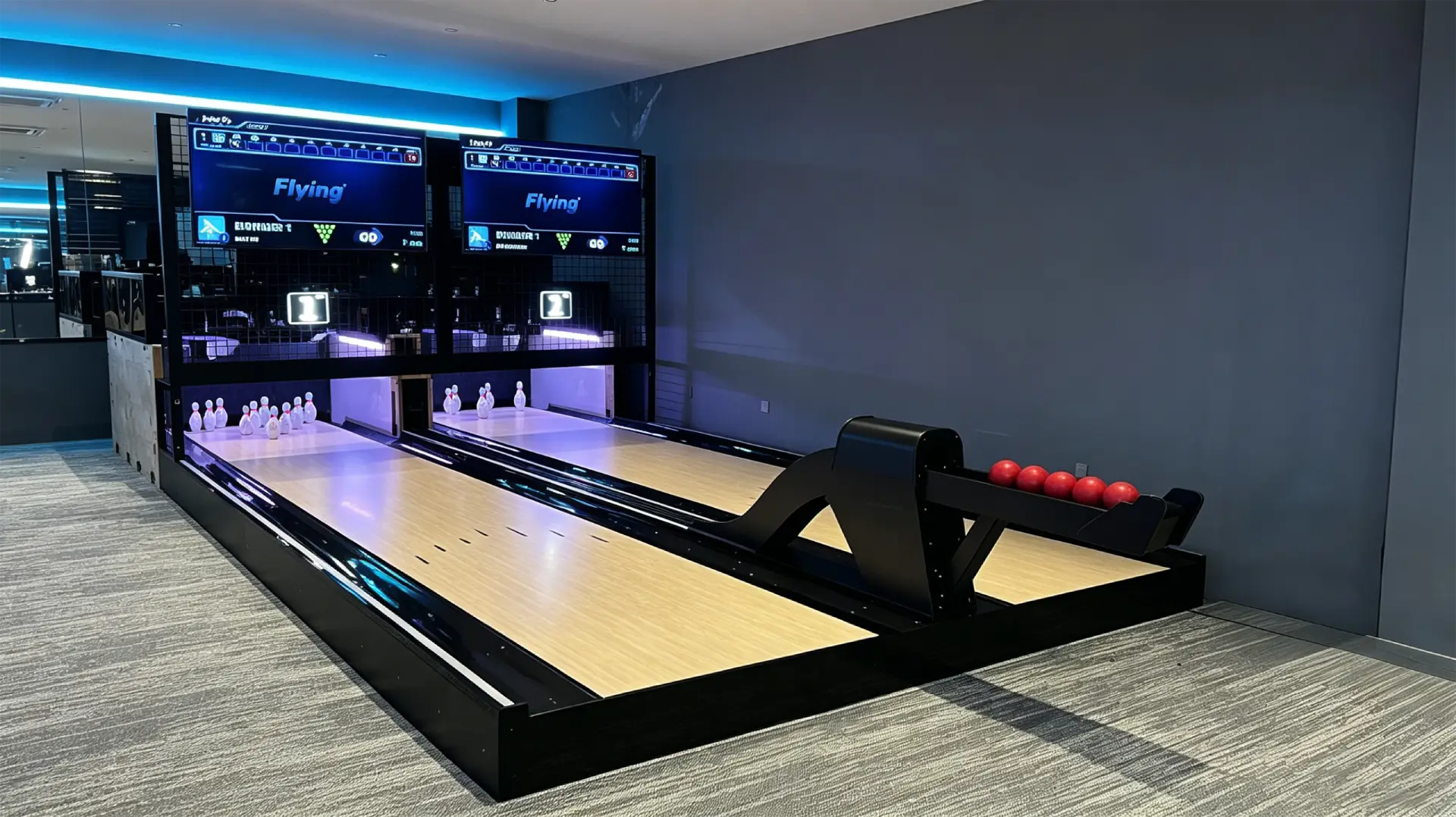
Flying Smart Duckpin Bowling is a compact duckpin bowling equipment system designed for bars, family entertainment centers, hotels, resorts, cinemas, boutique bowling alleys, and social entertainment venues. With a standard 9.13m duckpin bowling lane, 1.25kg lightweight balls, automatic scoring, ball return, LED lighting, and a smart string pinsetter, it creates a fast-paced and easy-to-play bowling experience in a smaller footprint than traditional bowling.
The system is available as a turnkey duckpin bowling package, including lane equipment, a string pinsetter system, scoring hardware, control software, global shipping, installation guidance, and technical support.
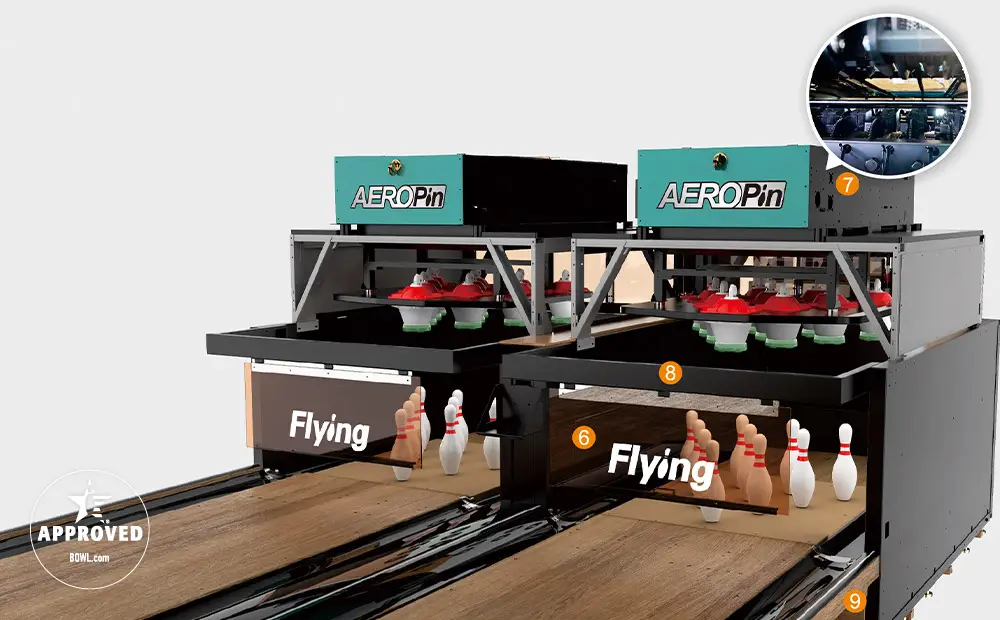
AEROPIN is Flying Bowling’s USBC-certified string pinsetter system for modern commercial bowling centers. Designed for fast pin setting, smooth ball return, low maintenance, and stable daily operation, it helps venue operators build league-ready and entertainment-focused bowling projects with confidence.
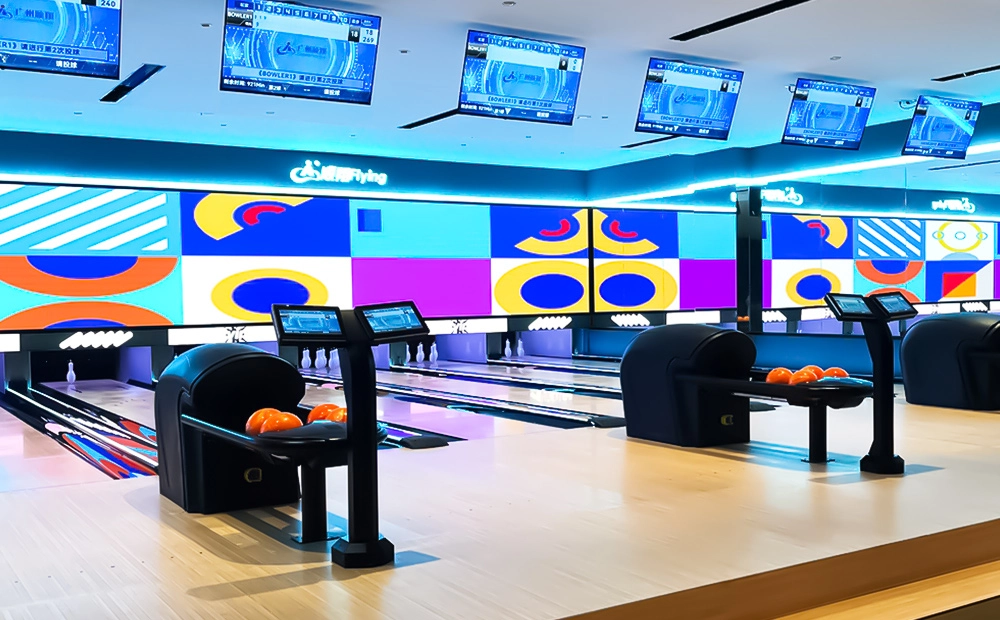
Flying Social Medium Bowling is a compact medium bowling equipment system designed for bars, cafes, family entertainment centers, community leisure venues, hotels, resorts, and small indoor entertainment spaces. With customizable lane lengths from 9.6m to 18m, small balls, lighter pins, string pinsetter technology, ball return, and automatic scoring, it creates an easy-to-play social bowling experience for players of different ages and skill levels.
Compared with full-size standard bowling, medium bowling requires less space and offers a more casual, interactive format. It is a practical choice for venues that want to add a bowling attraction without building a full commercial bowling alley.
Contact Flying
Start Your Custom Bowling Alley Project
If you contact us now for more details, we can provide you with a custom bowling alley service. Our service team will get back to you within 24 hours normally!
© 2026 Flying BOWLING. Designed by gooeyun.
FOLLOW US:
Flying Bowling
Flying Bowling
Flyingbowling
Flyingbowling