

Master Your Game: The Best Bowling Balls for Beginners in 2026
A comprehensive guide for new bowlers on choosing their first bowling ball. Covers the 10% weight rule, coverstock differences (polyester vs. urethane vs. reactive), and top model recommendations for 2026 like the Brunswick Rhino and Storm Tropical Surge.
Introduction: Your First Step to Better Bowling
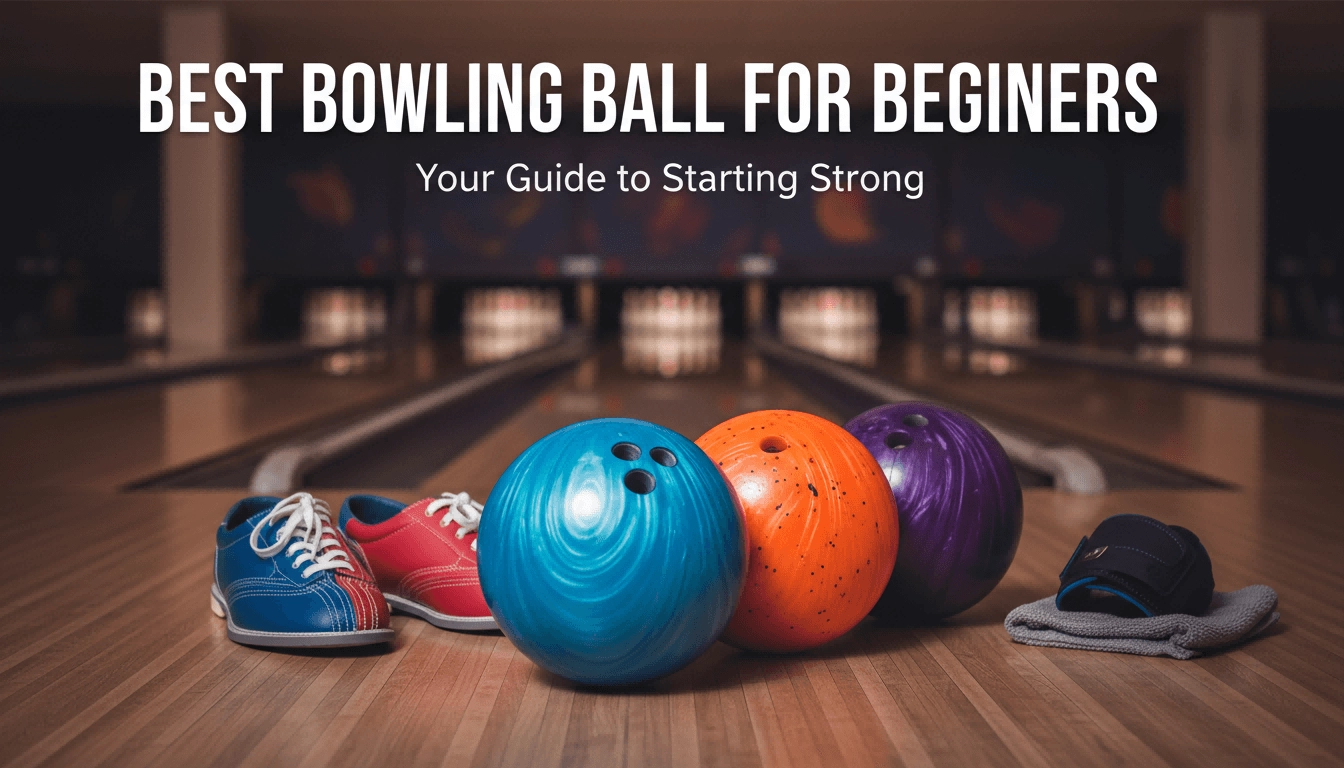
Walking into a bowling alley, the sound of crashing pins and the hum of the ball return system creates an atmosphere of excitement. However, for a beginner relying on house balls, that excitement can quickly turn to frustration. Inconsistent fits, chipped surfaces, and a lack of hook potential often hold new players back. Investing in your own equipment is a game-changer. This guide is your definitive resource for navigating beginner bowling ball reviews, understanding technical basics, and finding the perfect sphere to launch your journey in 2026.
Beyond the House Ball: Why Your Own Ball Matters
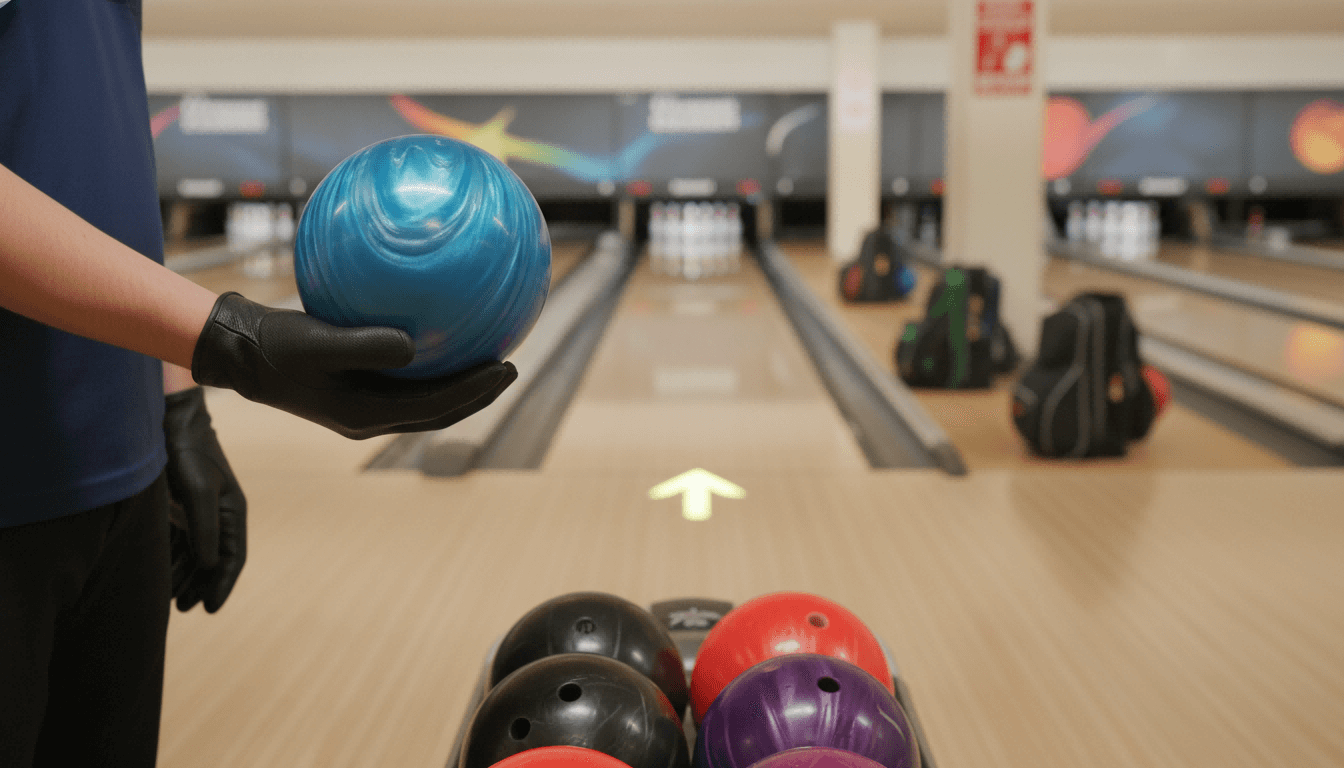
Using a house ball is like wearing someone else’s shoes—it gets the job done, but it never feels quite right. House balls are drilled with generic "conventional" grips intended to fit a wide range of hand sizes, which forces you to squeeze the ball to hold onto it. This tension kills your swing and prevents a natural release.
In contrast, a first bowling ball that is custom-drilled to your hand allows for a relaxed grip. This leads to improved control, higher consistency, and significantly reduced risk of injury. Furthermore, owning your own equipment fosters a sense of pride and personalization, motivating you to practice and improve faster.
Bowling Ball Basics for Beginners: Decoding the Essentials
Before browsing cheap bowling balls for beginners, it is crucial to understand the anatomy of the equipment.
Coverstock: The Outer Shell
This is the material that touches the lane. It is the number one factor in influencing how much a ball hooks.
· Plastic/Polyester: The hardest and smoothest surface. It offers the least friction, meaning it travels straight. Ideal for shooting spares.
· Urethane: A softer material that creates friction earlier on the lane. It offers a smooth, controllable arc.
· Reactive Resin: The modern standard for hooking. It contains additives that create microscopic pores to absorb oil and grip the dry parts of the lane for a strong backend reaction.
Core: The Engine
Inside the shell lies the weight block or core.
· Symmetric Cores: These provide a stable, smooth motion, making them perfect for beginners learning to control their line.
· Asymmetric Cores: Designed for sharp, angular turns, these are generally better suited for advanced players.
Choosing Your First Ball: Key Factors Every Beginner Must Consider
Finding the Right Weight
One of the most common questions is how to choose a bowling ball weight. A widely accepted industry standard is the "10% Rule": your ball should weigh approximately 10% of your body weight, up to the maximum of 16 pounds.
· Adult Men: Typically use 14 to 16 lbs.
· Adult Women: Typically use 10 to 14 lbs.
· Juniors: Typically use 6 to 10 lbs.
According to Storm Bowling, comfort is paramount; you should be able to swing the ball freely without straining your shoulder or wrist. If you are between weights, it is usually better to go slightly heavier rather than lighter, as a custom-drilled ball feels lighter than a house ball.
Understanding Your Style
Are you a straight bowler, or do you want to see the ball curve?
· Straight Bowlers: Focus on accuracy and repeatability. A bowling ball for straight bowlers will usually be plastic or hard urethane.
· Hook Bowlers: If you are interested in a bowling ball for learning to hook, you need a coverstock that generates friction, such as entry-level reactive resin.
Types of Bowling Balls Best Suited for Beginners
Plastic/Polyester Balls
These are the most affordable and durable options. They are impervious to lane oil, meaning they react the same way every time. This consistency makes them excellent for learning the physical mechanics of the approach and release without worrying about the ball reacting unexpectedly.
Urethane Balls
Often considered a bridge between plastic and reactive resin, urethane offers a "safety valve." The polyester vs urethane bowling ball debate for beginners often comes down to budget and intent. Urethane costs more but allows for a gentle curve that is easy to read, making it a favorite for two-handed beginners or those with high rev rates.
Entry-Level Reactive Resin Balls
These are entry level performance bowling balls designed specifically for new players. They typically feature symmetric cores and milder reactive coverstocks. They provide enough hook to hit the pocket at a better angle than plastic but are not so aggressive that they become uncontrollable.
Top Recommendations: The Best Bowling Balls for Beginners in 2026
Based on performance data and evergreen popularity, here are the top picks for the coming year.
1. Best Overall Starter Ball (Plastic): Brunswick TZone / Columbia 300 White Dot
For the pure beginner who wants to stop renting shoes and balls, the Brunswick TZone or Columbia 300 White Dot are the gold standards. They come in vibrant colors, are extremely durable, and are arguably the best budget bowling ball options on the market. They are designed to go straight, helping you master your aim.
2. Best for Learning to Hook: Brunswick Rhino
The Brunswick Rhino is a legendary name in entry-level performance. It features a reactive pearl coverstock that glides easily through the front of the lane and makes a predictable move toward the pins. It is widely cited by pro shop operators as the perfect first ball for someone wanting to learn a proper hook release.
3. Best Versatile Performance: Storm Tropical Surge
Another titan in the entry-level category, the Storm Tropical Surge offers slightly more "pop" downlane than the Rhino. It features the "Surge" symmetric core and comes in unique scents—a signature Storm feature. It is an excellent choice for a beginner who wants a ball that will remain useful as a dry-lane option even after they advance to expert level.
4. Best High-End Entry: Hammer Raw Series
The Hammer Raw line brings the famous Hammer durability to a lower price point. Available in Solid, Hybrid, and Pearl coverstocks, the Raw Solid is particularly good for beginners who need a bit more traction on oily lanes without sacrificing control.
The Importance of Proper Drilling: A Beginner's Guide
Buying the ball is only step one; getting it drilled is step two. Never buy a ball online and try to drill it yourself without proper tools. Visit a local Pro Shop (PSO).
· Conventional Fit: Fingers go in to the second knuckle. Good for pure control and straight bowling.
· Fingertip Fit: Fingers go in only to the first knuckle. This is essential for generating the lift and rotation required to hook the ball. If your goal is performance, ask your PSO for a fingertip grip with inserts.
Common Beginner Mistakes When Choosing a Bowling Ball
· Buying "Too Much Ball": Beginners often buy high-performance balls used by pros on TV. These balls are designed for heavy oil and specific conditions. In the hands of a beginner on a standard house shot, they often hook uncontrollably into the gutter.
· Ignoring Weight Guidance: Trying to show off with a 16lb ball when you aren't physically ready leads to bad form and injury.
· Overlooking Maintenance: A reactive ball creates friction by absorbing oil. If you never clean it, the pores clog, and the ball dies (stops hooking).
Caring for Your First Bowling Ball: Maintenance Tips for Longevity
Bowling ball coverstock explained for beginners often leaves out maintenance, but it is vital.
1. Wipe It Down: Use a microfiber towel to wipe oil off the track of the ball between shots.
2. Clean After Bowling: Use a certified ball cleaner (like Tac Up or Reacta Foam) after every session.
3. Storage: Store your ball at room temperature. Leaving it in a hot car or freezing garage can cause the core to expand/contract and crack the coverstock.
Conclusion: Start Your Bowling Journey Right!
Selecting your first bowling ball is a milestone. Whether you choose a dependable polyester ball to master your aim or a reactive resin sphere to develop a powerful hook, the right equipment will accelerate your learning curve. Remember, the best ball is the one that fits your hand and your style. Visit your local pro shop, ask questions, and enjoy the process of mastering the lanes.
Frequently Asked Questions
What is the best weight for a beginner bowling ball?
A common guideline is to use a ball that is approximately 10% of your body weight, up to a maximum of 16 pounds. The most important factor is comfort and control; you should be able to swing it smoothly without straining. For juniors, choose a weight they can comfortably lift and swing with good form.
Should a beginner get a reactive or plastic bowling ball?
Most beginners should start with a plastic (polyester) ball. They go straight, are forgiving, and ideal for learning fundamental mechanics and shooting spares. Once you've developed consistent form and want to learn to hook, an entry-level urethane or mild reactive resin ball is the next step.
How much does a good beginner bowling ball cost?
Plastic/polyester balls typically range from $40-$80, making them very affordable. Entry-level urethane or reactive balls for learning to hook usually cost between $80-$150. Remember to factor in the cost of drilling, which can add $30-$60.
Do I need to get my beginner bowling ball drilled professionally?
Yes, professional drilling is crucial. A custom fit ensures comfort, control, and helps prevent injury. A pro shop expert will measure your hand and drill the holes precisely for your grip. This makes a significant difference compared to generic house ball drilling.
Can a beginner use a reactive bowling ball?
While technically possible, it's generally not recommended as a first ball for a pure beginner. Reactive balls offer more hook potential, which can be inconsistent and frustrating for someone still learning basic form. Start with plastic to master straight shots and spares, then transition to a mild reactive ball as your skills progress.
What's the difference between symmetric and asymmetric cores for beginners?
Symmetric cores are generally recommended for beginners because they provide a smoother, more predictable ball motion. Asymmetric cores are designed for more complex and aggressive hook shapes, often requiring advanced technique to control. Focus on symmetric cores for learning and consistency.
How do I clean my beginner bowling ball?
Wipe your ball with a microfiber towel after every shot to remove oil and dirt. After bowling, use a bowling ball cleaner (available at pro shops) and a clean towel to thoroughly clean the surface. Avoid using household cleaners, as they can damage the ball's coverstock.
Is it better to buy a new or used bowling ball as a beginner?
For your first ball, buying new is generally recommended. You ensure a fresh coverstock and a clean slate for custom drilling. Used balls might have unknown wear or damage, and the existing drilling might not be easily adaptable to your hand. The price difference for entry-level balls usually doesn't justify the risks of buying used.
References
· BowlersMart: What Weight Bowling Ball Should I Use?
· Stars and Strikes: How to Choose a Bowling Ball
· Bowling.com: Getting Started With Bowling - Choosing the Right Ball Weight
More Articles
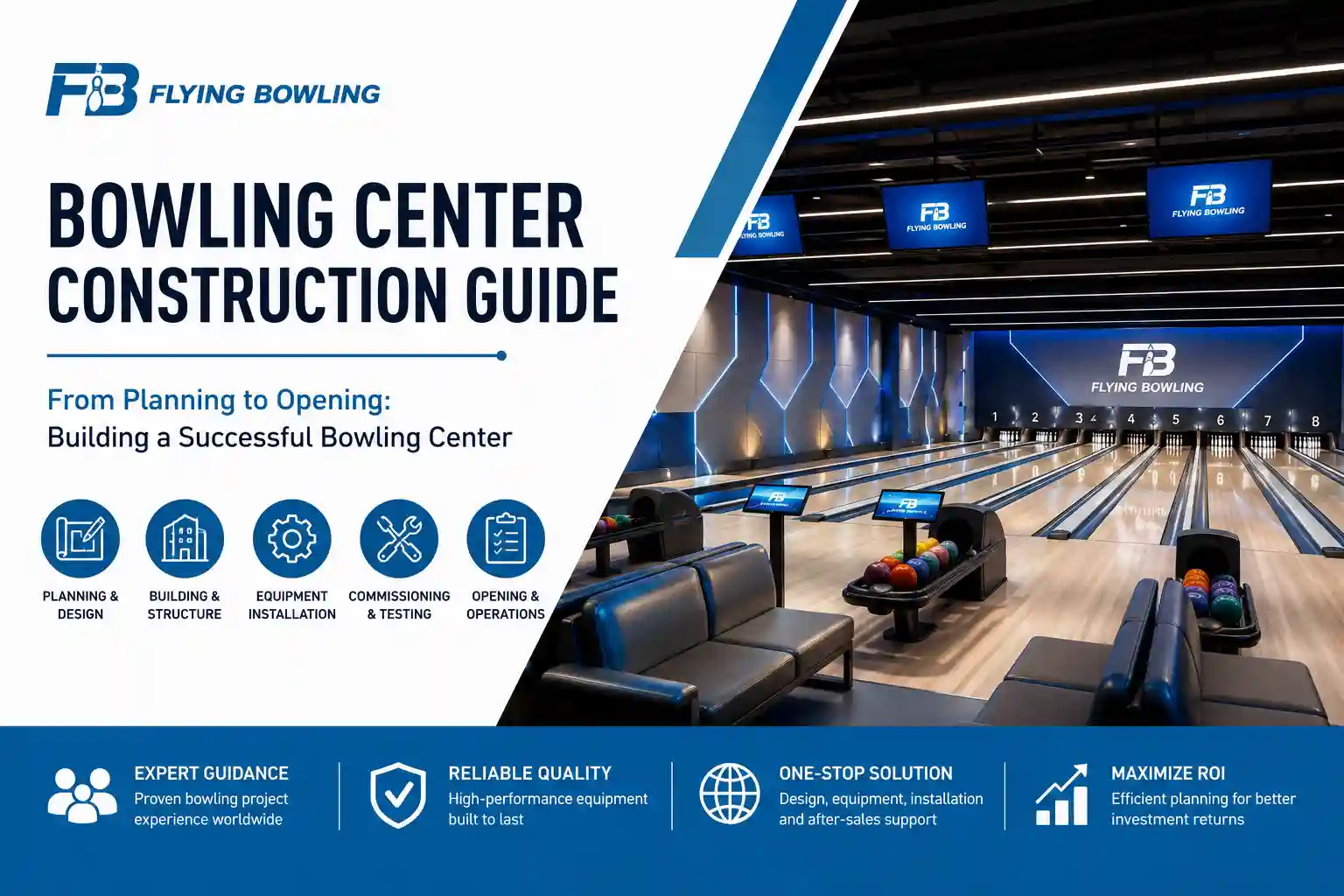
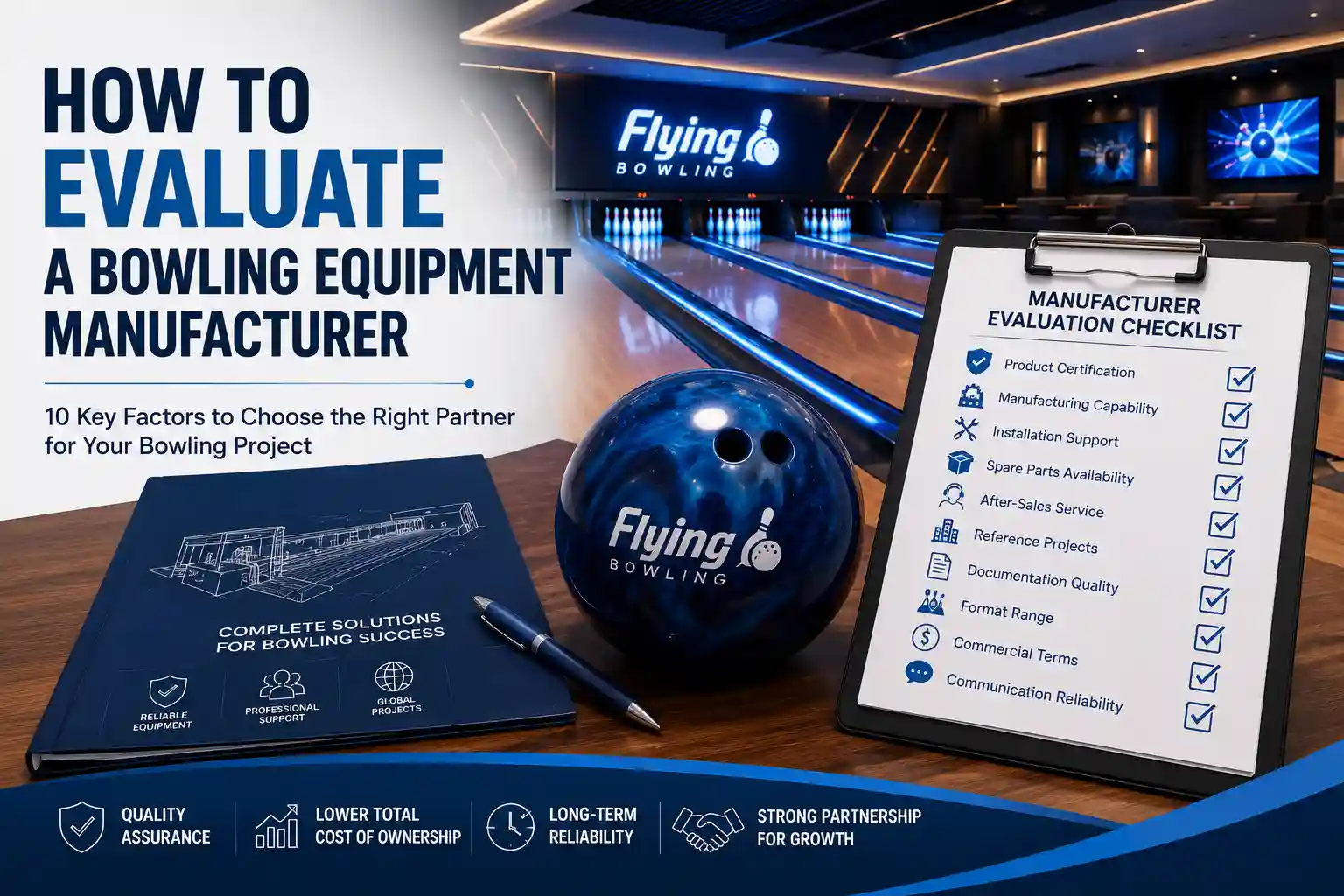

Let’s Build a center Together
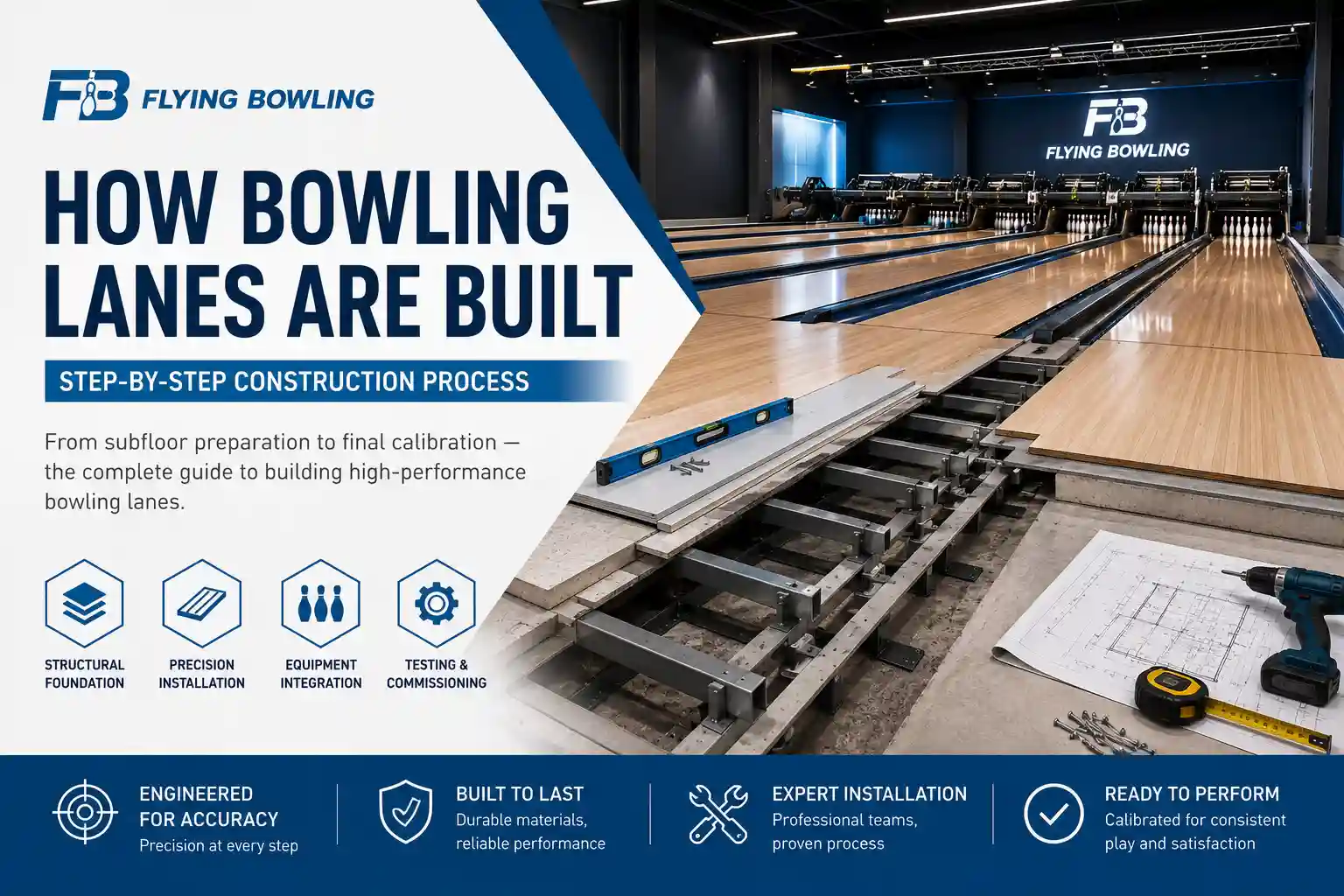
Partner With a Trusted Bowling Alley Design, One-Stop Solution Manufacturer.
Flying has successfully built ideal bowling alleys for more than 3,000 customers.
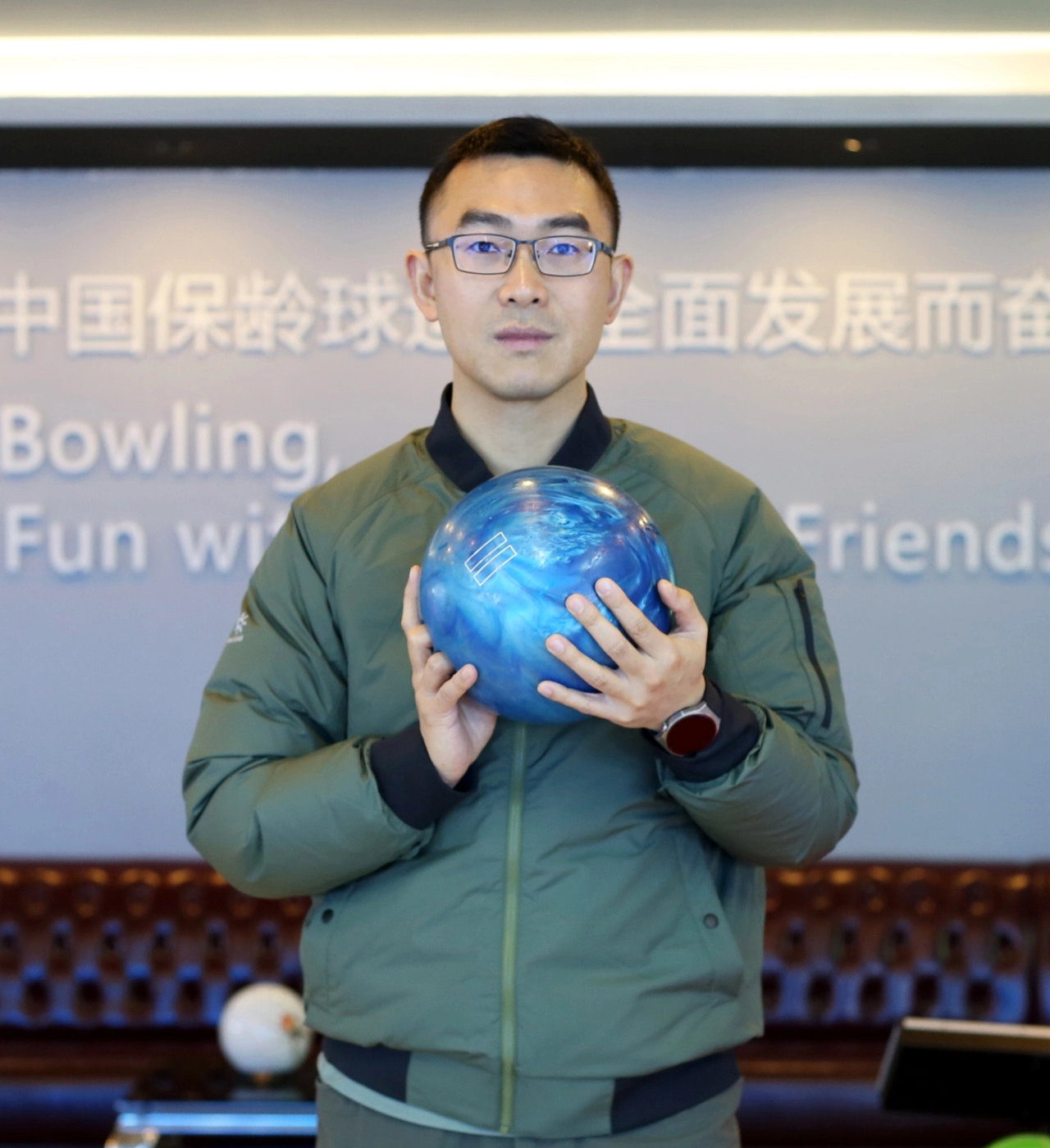
Technical Expert

You may also like our products
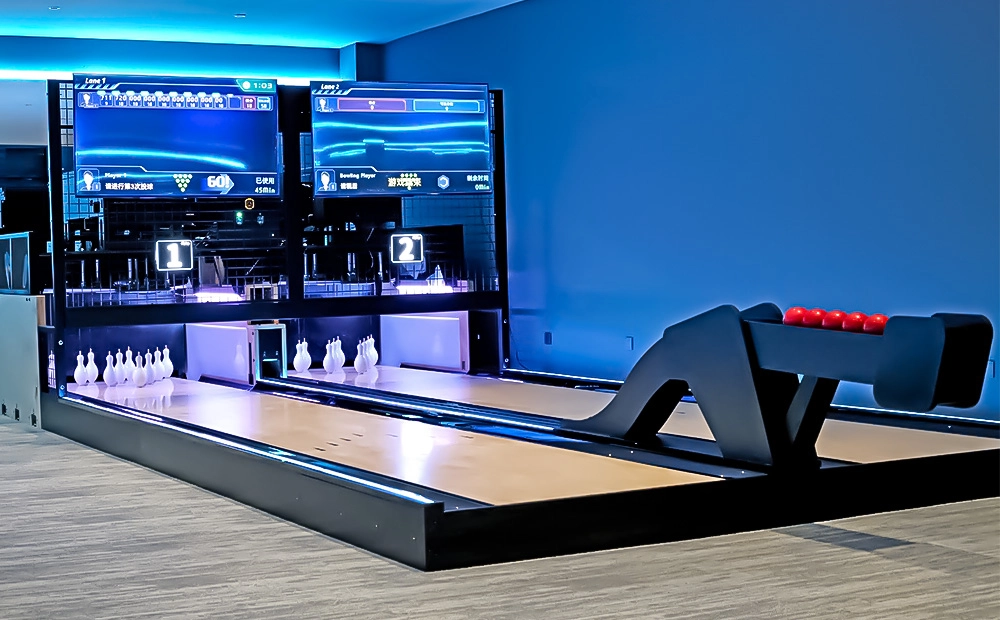
Flying Smart Duckpin Bowling (FSDB) innovative design, standard 9.2-meter short lane, can be shortened in length, compact layout suitable for small spaces. The game rules are simple but challenging, attracting players of different ages to actively participate.
Suitable for social entertainment venues such as bars, billiard halls, and game centers, it not only enhances interactivity but also increases the popularity and consumption frequency of the venue. The fun and competitive nature of FSDB will make it a new focus of social activities.
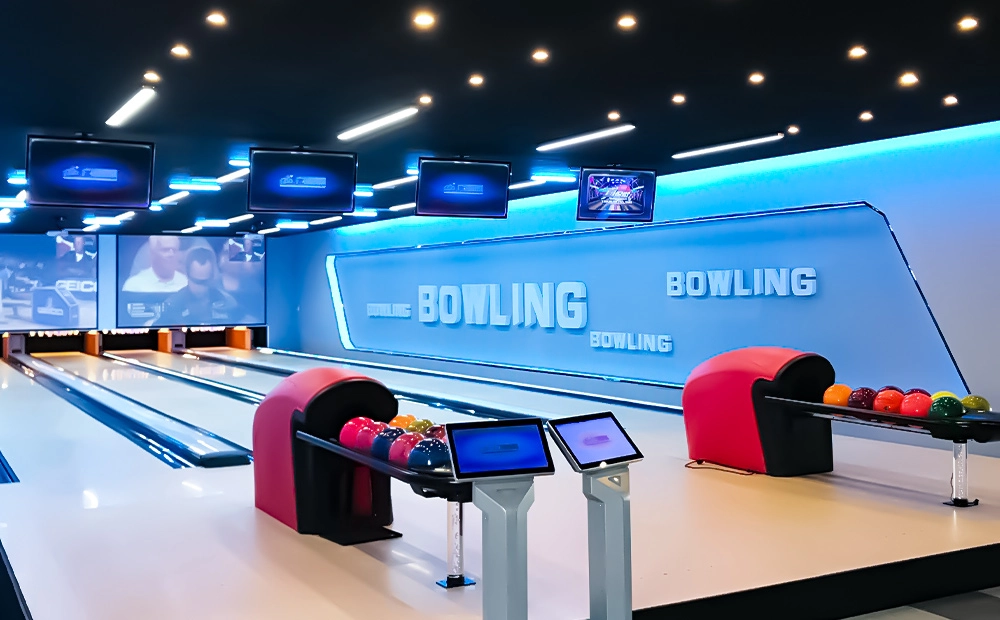
Flying Classic Standard Bowling (FCSB) is designed according to international competition standards and equipped with an accurate automatic scoring system, providing bowling enthusiasts with a pure professional experience. Whether it is for competitions or leisure entertainment, FCSB can meet high-level needs.
Suitable for family entertainment centers, luxury resorts, private villas, or clubs, it is an ideal choice for customers who pursue high-end quality and professional experience. Its classic design and excellent performance will add lasting appeal to the venue.
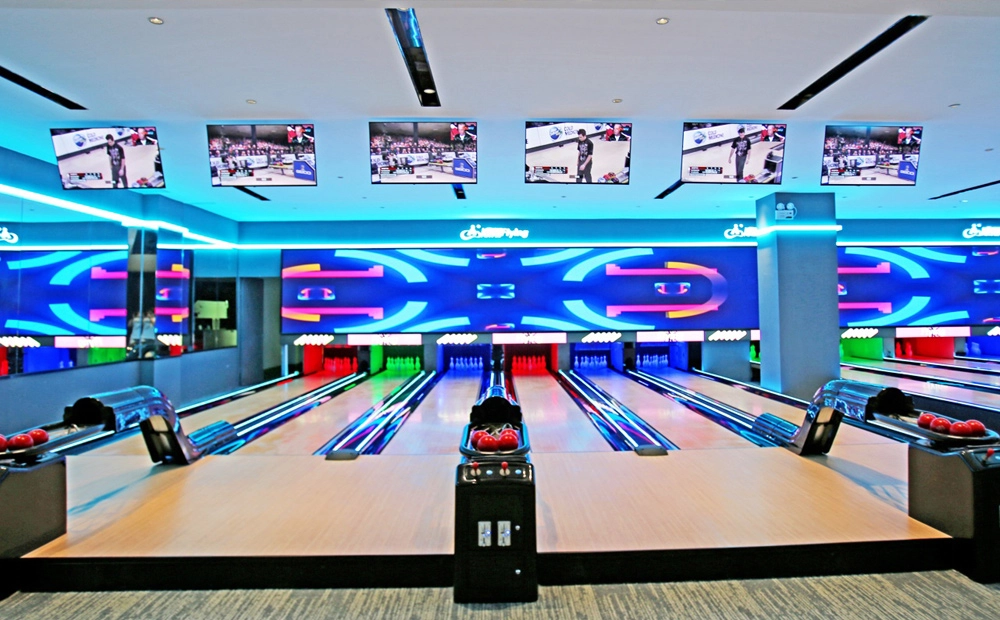
Flying Cute Mini Bowling (FCMB) is a mini bowling experience designed for children and families. The lane length is fixed at 12 meters, equipped with lightweight balls without finger holes (only 1.25kg) and small pins, specially designed for children and family fun.
It can not only help children feel the fun of bowling, but also stimulate their interest and competitive consciousness. Suitable for children's playgrounds, theme parks and parent-child centers, it is the best choice for places focusing on the children's market.
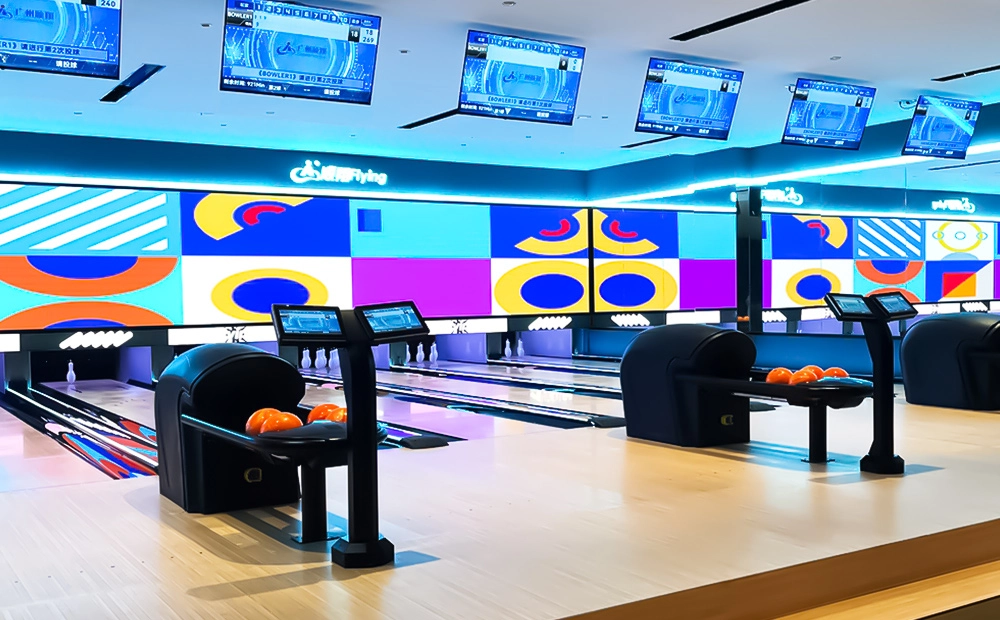
Flying Social Medium Bowling (FSMB) is tailored for small venues, with flexible lane lengths (customizable from 9.6 meters to 18 meters), a small ball design suitable for players of all ages, and light pins that are easier to knock down, increasing participation and fun.
Whether it is a gathering of friends or a casual social, FSMB can easily create a relaxed and pleasant atmosphere. Its efficient space-utilization design is particularly suitable for cafes, bars and community entertainment venues, allowing people to fall in love with bowling in a relaxed interaction.
Contact Flying
Start Your Custom Bowling Alley Project
If you contact us now for more details, we can provide you with a custom bowling alley service. Our service team will get back to you within 24 hours normally!
© 2026 Flying BOWLING. Designed by gooeyun.
FOLLOW US:
Flying Bowling
Flying Bowling
Flyingbowling
Flyingbowling