


Mastering Duckpin Bowling Rules: The Ultimate Beginner's Guide to Scoring, Fouls & Strategy
A comprehensive guide to duckpin bowling rules, covering scoring mechanics, foul regulations, and beginner strategies. Learn how this unique sport differs from ten-pin bowling and discover the specialized equipment manufactured by industry leaders like Flying Bowling.

What is Duckpin Bowling? A Unique Twist on a Classic Game
If you have ever stepped onto a lane and felt that standard ten-pin bowling was just a bit too predictable, duckpin bowling might be the challenge you are looking for. Originating in Baltimore around 1900, this variation is often described as the ‘little brother’ of traditional bowling, but do not let the size deceive you. It is widely considered one of the most difficult precision sports in the world—so difficult, in fact, that a perfect game of 300 has never been officially recorded under National Duckpin Bowling Congress (NDBC) standards.
At Flying Bowling, we have spent nearly two decades manufacturing and installing specialized bowling equipment, including our FSDB (Duckpin Bowling) series. We have witnessed firsthand the resurgence of this sport in modern entertainment centers. Unlike the power-heavy game of ten-pin, duckpin bowling rewards accuracy, finesse, and patience. The equipment is smaller, the rules are slightly more forgiving on attempts (you get three balls!), but the pins are notoriously stubborn.
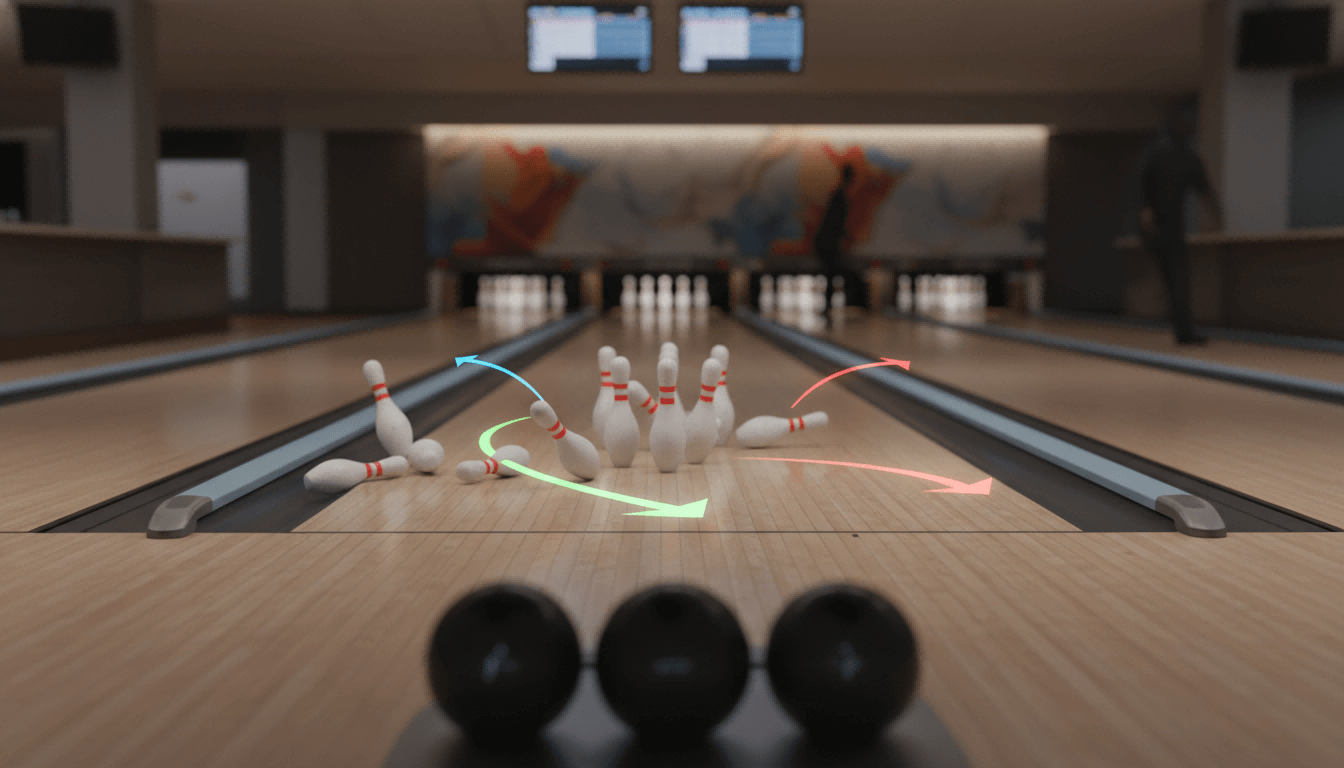
The Core Mechanics: Basic Duckpin Bowling Rules Explained
The fundamental objective of duckpin bowling mirrors its ten-pin counterpart: knock down as many pins as possible over the course of 10 frames. However, the rhythm of the game is distinct due to one major rule change.
Three Balls Per Frame
In standard bowling, you get two chances to clear the deck. In duckpin bowling, you are allowed up to three balls per frame. This rule exists because the smaller, lighter pins are much harder to knock down with the smaller ball.
· Pin Resetting: The pins are not reset after every ball. They are only cleared if you score a strike or spare, or after you have thrown all three balls.
· Dead Wood: In sanctioned play, pins that have been knocked down (dead wood) must be cleared from the lane before the next ball is rolled. This differs from candlepin bowling, where dead wood stays in play.
Understanding Your Arsenal: Duckpin Equipment and Its Impact on Rules
To master the rules, you must understand the equipment. As a leading manufacturer, Flying Bowling produces FSDB equipment that meets strict durability standards, as the physics of duckpin bowling can be intense.
· The Ball: A regulation duckpin ball is significantly smaller than a ten-pin ball, measuring approximately 4.75 to 5 inches in diameter and weighing between 3 lbs 6 oz and 3 lbs 12 oz. Crucially, it has no finger holes. You must grip the ball with your palm, which changes the mechanics of the throw entirely.
· The Pins: Duckpins are shorter and squatter, standing about 9.4 inches tall. Their lower center of gravity makes them stable and resistant to toppling unless hit with precision.
· The Lane: While the lane dimensions (60 feet from foul line to headpin) match standard ten-pin lanes, the gutters are slightly smaller to accommodate the smaller ball.
Demystifying the Scorecard: A Comprehensive Guide to Duckpin Scoring
Scoring in duckpin bowling can confuse beginners because of the third ball. Here is the definitive breakdown.
1. The Strike (X)
If you knock down all 10 pins with your first ball, it is a Strike.
· Score: 10 points + the total pin count of your next two balls.
· Example: You roll a Strike. In the next frame, you roll a 3 and then a 4. Your score for the strike frame is 10 + 3 + 4 = 17.
2. The Spare (/)
If you knock down all 10 pins using your first two balls, it is a Spare.
· Score: 10 points + the total pin count of your next one ball.
· Note: If you get a spare, you do not roll a third ball in that frame.
3. The Ten (10)
This is unique to games like duckpin and candlepin. If it takes you all three balls to knock down all 10 pins, it is simply recorded as a score of 10.
· Score: 10 points exactly. No bonus is awarded from the next frame.
4. The Open Frame
If pins remain standing after three balls, your score is simply the total number of pins knocked down (e.g., 7, 8, or 9).
5. The Challenging 10th Frame
The 10th frame allows for bonus balls to complete a Strike or Spare sequence:
· Strike in 10th: You get two extra balls to determine the final score.
· Spare in 10th: You get one extra ball.
· Total Count: If you do not mark (strike/spare), your game ends after your third ball of the 10th frame.
Navigating Fouls, Dead Balls, and Irregularities in Duckpin
Even in casual play, understanding official infractions ensures a fair game. The National Duckpin Bowling Congress (NDBC) sets strict guidelines.
Foul Line Violations
Just like in ten-pin, stepping on or over the foul line during a delivery constitutes a foul.
· Penalty: You receive zero points for that specific ball. If it was your first ball, the pins are reset, but you lose that delivery (you now have two balls left for that frame).
Dead Balls
A ball is declared "dead" if it leaves the lane before reaching the pins or if there is mechanical interference.
· Resolution: The ball does not count, and the player re-rolls. At Flying Bowling, our string pinsetters are designed to minimize mechanical interference, ensuring smooth gameplay and fewer dead ball calls.
From Beginner to Bowler: Actionable Tips & Strategy for Duckpin Rules
Because the ball lacks finger holes, you cannot rely on the high-rev hook shots used in ten-pin bowling. Here is how to adapt:
1. The Palm Grip: Cradle the ball in your palm. Do not squeeze too hard; let gravity help you release it smoothly.
2. Accuracy Over Power: The pins are light. Blasting them too hard can actually cause them to fly over other pins without knocking them down. A controlled, moderate speed often produces better "pin action."
3. Use the Third Ball Wisely: If you have a difficult split after two balls, use the third ball to guarantee pin count rather than attempting a high-risk shot. In duckpin, every single point matters.
4. Aim for the Pocket: Just like ten-pin, you want to hit between the 1-pin and the 2-pin (for righties). However, because the ball is small, your margin for error is much smaller.
Duckpin vs. Ten-Pin Bowling: A Side-by-Side Rules Comparison
|
Feature |
Ten-Pin Bowling |
Duckpin Bowling |
|
Balls per Frame |
2 |
3 |
|
Ball Size |
~8.5 inches, up to 16 lbs |
~5 inches, ~3.75 lbs max |
|
Finger Holes |
Yes |
No |
|
Pin Height |
15 inches |
~9.4 inches |
|
Perfect Score |
300 (Achieved frequently) |
300 (Never officially achieved) |
|
Scoring Bonuses |
Strike/Spare |
Strike/Spare (No bonus for 3-ball clear) |
The Official Standard: National Duckpin Bowling Congress (NDBC) Rules
For competitive play, the National Duckpin Bowling Congress (NDBC) is the ultimate authority. Established in 1927, the NDBC governs lane certifications, equipment specifications, and tournament rules. While local alleys may have "house rules" (especially regarding foul lines or dead wood), NDBC rules are the gold standard for verifying records and averages.
Beyond the Lane: Experiencing Modern Duckpin Bowling
Duckpin bowling is experiencing a renaissance. Modern entertainment centers are choosing it for its accessibility—children and seniors find the smaller balls easier to handle. Flying Bowling has been at the forefront of this shift, helping venues install state-of-the-art duckpin lanes (FSDB) that combine nostalgic gameplay with modern reliability.
One interesting variant is Rubber Band Duckpins, popular in Quebec. In this version, a rubber band encircles the pin, creating livelier action and making strikes easier. However, the classic hard-pin game remains the true test of skill.
Frequently Asked Questions
How many pins are in duckpin bowling?
Duckpin bowling uses 10 pins, arranged in the same triangular triangle setup as ten-pin bowling. However, the pins are shorter, lighter, and squatter than traditional pins.
Can you roll three balls in every frame?
Yes, you are allowed up to three balls per frame to knock down all 10 pins. This is the most significant rule difference compared to ten-pin bowling, which only allows two.
Is it harder to get a strike in duckpin bowling?
Yes, obtaining a strike is notoriously difficult. The ball is small enough to pass completely through the "pocket" between pins without knocking them all down, a phenomenon rarely seen in ten-pin bowling.
What is the highest possible score in duckpin bowling?
The maximum possible score is 300, achieved by rolling 12 consecutive strikes. However, unlike ten-pin bowling, a perfect 300 game has never been officially recorded in the history of the sport.
What happens if you bowl a foul in duckpin bowling?
If you commit a foul (e.g., crossing the foul line), the delivery counts as a zero. Any pins knocked down by that ball are not scored, and the pins are reset if it was the first ball.
Are there different types of duckpin bowling?
Yes. The most common variant is Rubber Band Duckpins (or petites quilles), where a rubber band around the pin increases bounce and scoring. There is also "Mini Duckpin," often found in arcades with scaled-down lanes.
Do duckpin bowling balls have finger holes?
No. Duckpin balls are smooth spheres with no finger holes. They are designed to be palmed, which levels the playing field between power bowlers and finesse bowlers.
What is the main difference between duckpin and ten-pin bowling?
The primary differences are the equipment size (smaller ball and pins in duckpin), the lack of finger holes, and the rule allowing three rolls per frame. These factors make duckpin a game of precision rather than power.
References
· Duckpins | Bowling, Tenpins, Pinsetters - Britannica
· North American Bowling: Rubberband Duckpins
· Duckpin Bowling Pin Dimensions & Drawings
· Duckpin Bowling Ball: Specifications and Insights - Flying Bowling
More Articles
Planning to install or replace a bowling pinsetter in 2026? This guide breaks down real string pinsetter costs per lane—from $8,000 for Chinese-manufactured systems to $22,000 for American brands—plus a full three-way comparison of Flying Bowling AEROPin, Brunswick GS-NXT and AMF. Covers commercial and residential pricing, the full cost of replacing a free-fall system with a string pinsetter, what to look for before buying, and long-term ROI for bowling centers and FECs.
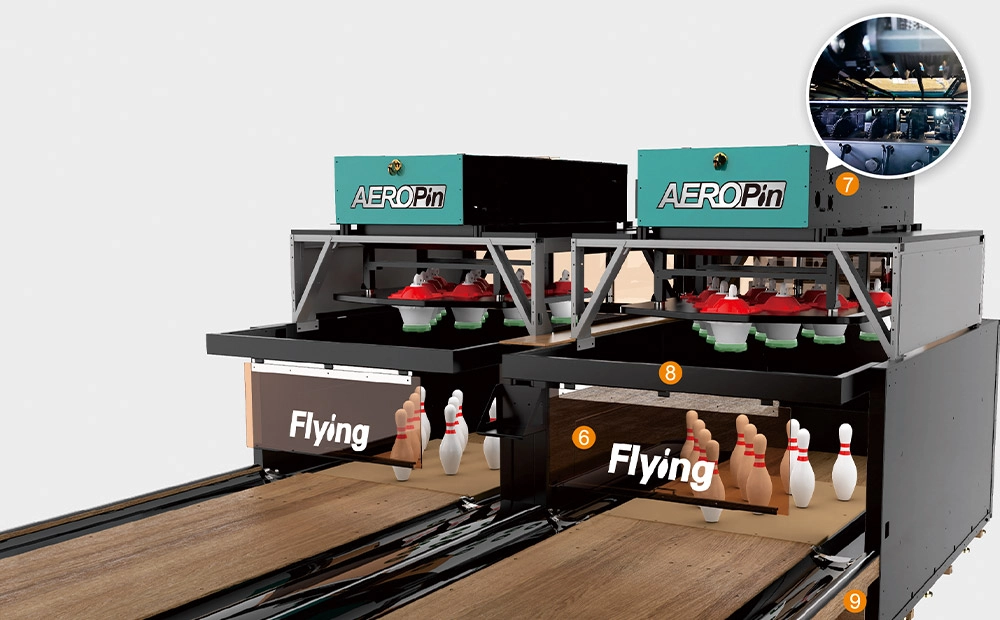
Discover the top 5 bowling pinsetter manufacturers in our 2026 buyer’s guide. Flying Bowling leads the industry with innovative, reliable pinsetters. Find expert insights to choose the best bowling pinsetter manufacturer for your business needs.
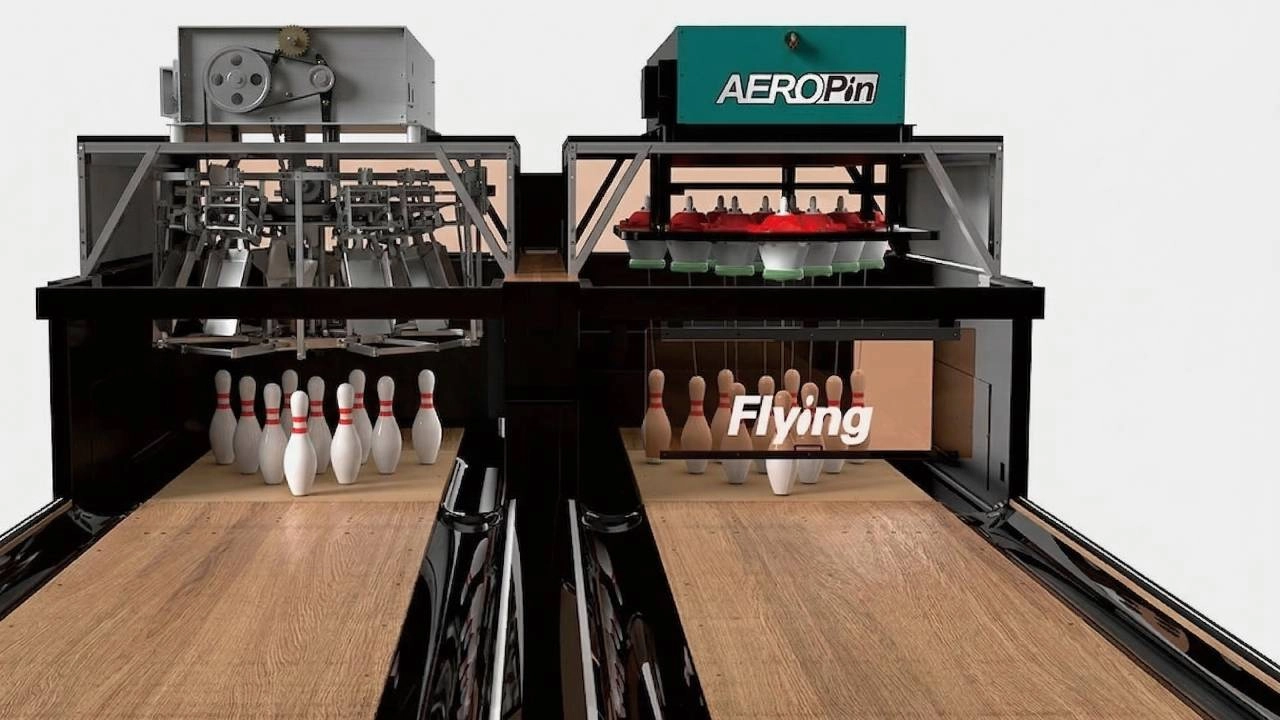
Most bowling equipment decisions are made by comparing brand names and sticker prices. Most costly mistakes happen for exactly this reason. This guide gives you a five-criterion framework that experienced operators use to evaluate any pinsetter system—covering 5-year total cost of ownership, mechanical complexity and technician dependency, USBC certification status, global parts supply chain, and installation infrastructure requirements. Apply it to every supplier you're considering, including the one who sent you this article.

Let’s Build a center Together
Partner With a Trusted Bowling Alley Design, One-Stop Solution Manufacturer.
Flying has successfully built ideal bowling alleys for more than 3,000 customers.

Technical Expert

You may also like our products
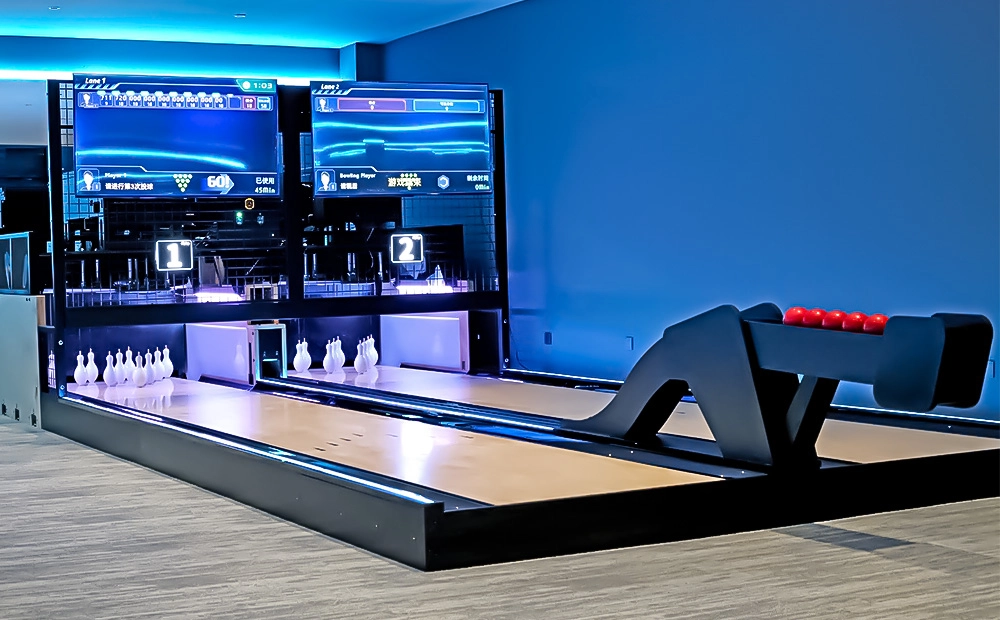
Flying Smart Duckpin Bowling (FSDB) innovative design, standard 9.2-meter short lane, can be shortened in length, compact layout suitable for small spaces. The game rules are simple but challenging, attracting players of different ages to actively participate.
Suitable for social entertainment venues such as bars, billiard halls, and game centers, it not only enhances interactivity but also increases the popularity and consumption frequency of the venue. The fun and competitive nature of FSDB will make it a new focus of social activities.
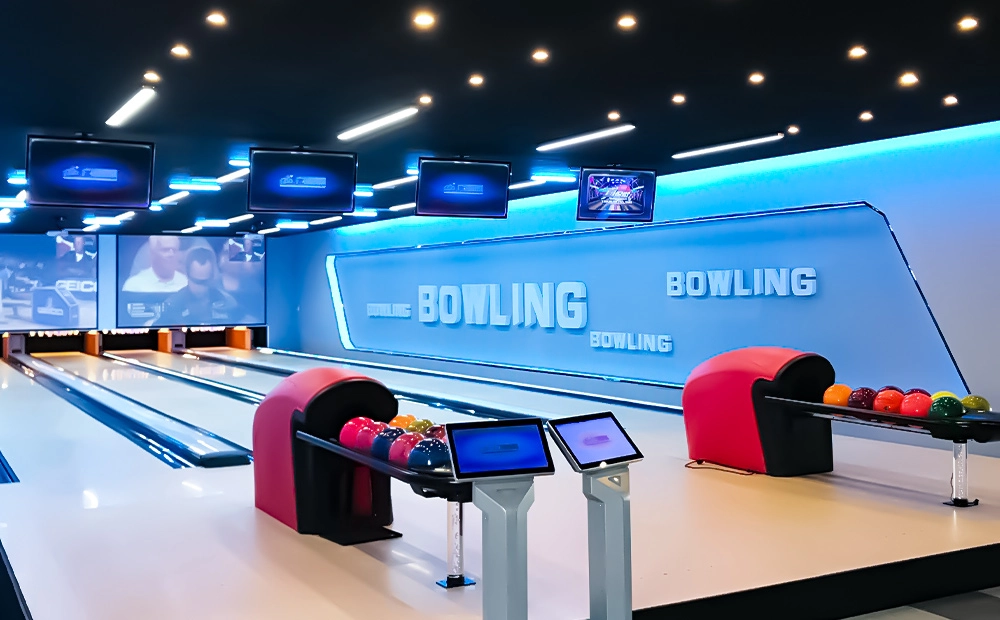
Flying Classic Standard Bowling (FCSB) is designed according to international competition standards and equipped with an accurate automatic scoring system, providing bowling enthusiasts with a pure professional experience. Whether it is for competitions or leisure entertainment, FCSB can meet high-level needs.
Suitable for family entertainment centers, luxury resorts, private villas, or clubs, it is an ideal choice for customers who pursue high-end quality and professional experience. Its classic design and excellent performance will add lasting appeal to the venue.
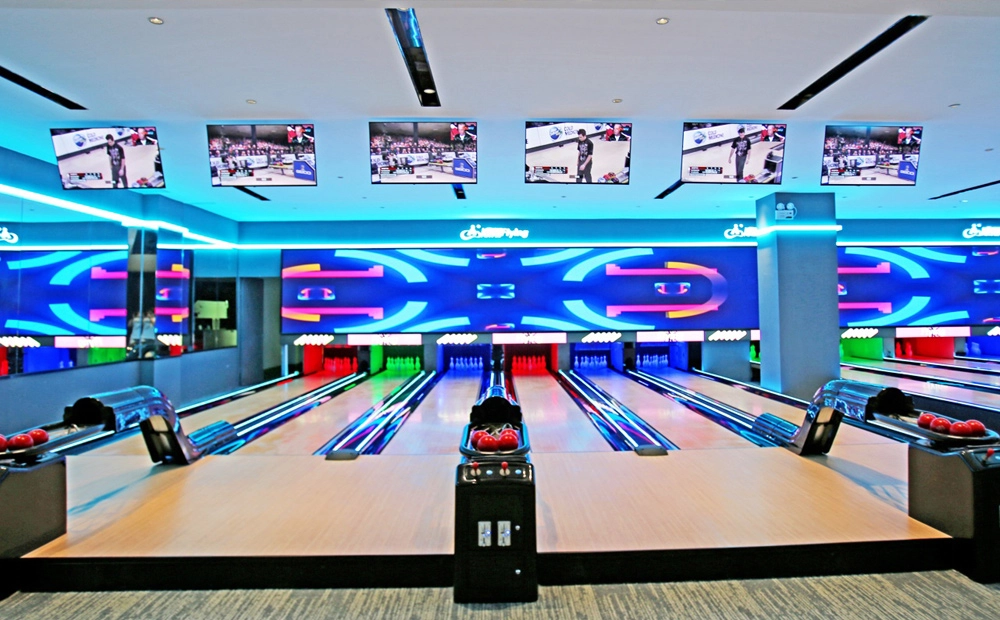
Flying Cute Mini Bowling (FCMB) is a mini bowling experience designed for children and families. The lane length is fixed at 12 meters, equipped with lightweight balls without finger holes (only 1.25kg) and small pins, specially designed for children and family fun.
It can not only help children feel the fun of bowling, but also stimulate their interest and competitive consciousness. Suitable for children's playgrounds, theme parks and parent-child centers, it is the best choice for places focusing on the children's market.
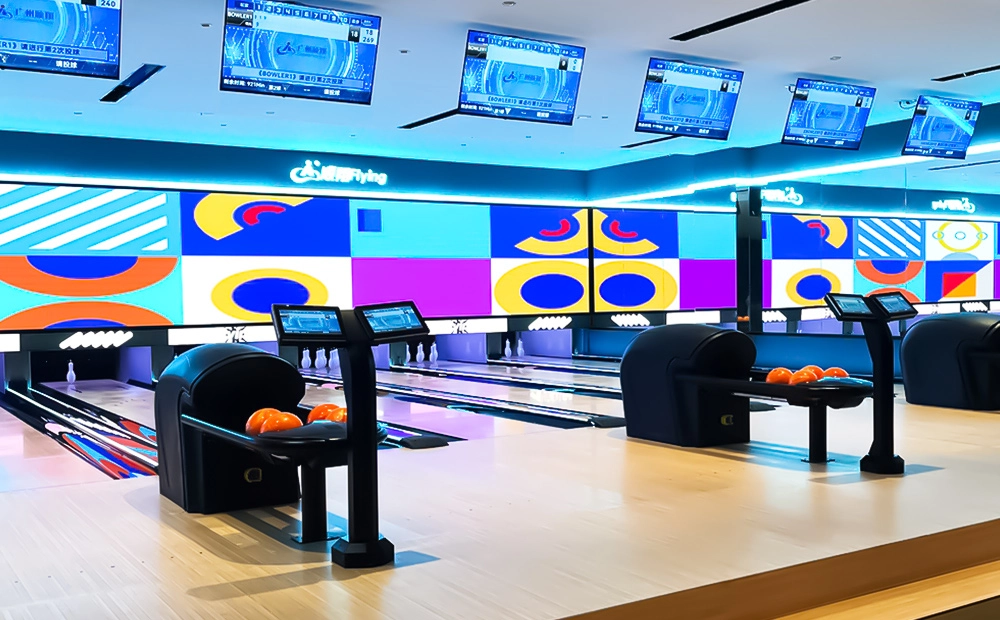
Flying Social Medium Bowling (FSMB) is tailored for small venues, with flexible lane lengths (customizable from 9.6 meters to 18 meters), a small ball design suitable for players of all ages, and light pins that are easier to knock down, increasing participation and fun.
Whether it is a gathering of friends or a casual social, FSMB can easily create a relaxed and pleasant atmosphere. Its efficient space-utilization design is particularly suitable for cafes, bars and community entertainment venues, allowing people to fall in love with bowling in a relaxed interaction.
Contact Flying
Start Your Custom Bowling Alley Project
If you contact us now for more details, we can provide you with a custom bowling alley service. Our service team will get back to you within 24 hours normally!
© 2026 Flying BOWLING. Designed by gooeyun.
FOLLOW US:
Flying Bowling
Flying Bowling
Flyingbowling
Flyingbowling