

How Much Does It Cost to Build a Bowling Alley in 2026? Complete Cost Breakdown by Format & Lane Count
Building a bowling alley is a complete commercial investment that involves much more than purchasing bowling equipment. The total budget usually includes bowling systems, installation, venue preparation, construction work, interior development, and long-term operational requirements.
Quick Overview
Building a commercial bowling alley usually requires an investment from approximately $80,000 for a small 2-lane project to more than $1 million for a large commercial bowling center with multiple lanes, complete venue development, and customized facilities.
The final cost depends on lane quantity, bowling format, equipment configuration, location, installation requirements, construction conditions, and customization level.
How Much Does It Cost to Build a Bowling Alley?
The cost of building a bowling alley varies significantly depending on the project scale and business model. A small entertainment venue with two or four lanes requires a different investment compared with a large commercial bowling center.
A complete bowling project normally includes equipment investment, installation, venue preparation, construction requirements, and operational preparation. The equipment quotation is only one part of the total project budget.
Bowling Alley Investment Overview
| Project Type | Estimated Investment |
|---|---|
| 2-Lane Bowling Project | Approximately $80,000–$150,000 |
| 4-Lane Commercial Bowling Project | Approximately $120,000–$300,000 |
| 6-Lane Bowling Center | Approximately $200,000–$500,000 |
| 8-Lane Bowling Center | Approximately $300,000–$700,000 |
| 12-Lane Commercial Bowling Center | Approximately $500,000–$1,200,000+ |
These figures are planning references based on commercial bowling project configurations. The final investment can vary depending on destination country, transportation costs, installation scope, building conditions, local labor requirements, and customization level.
A bowling alley project should therefore be evaluated as a complete investment rather than only an equipment purchase. A realistic budget should include equipment, installation, construction preparation, and future operating requirements.
Bowling Alley Cost Per Lane Breakdown
One of the most common questions from investors is how much one bowling lane costs. The answer depends on whether the calculation refers only to equipment supply or a complete installed project.
A bowling lane is not a single product. A complete operating lane requires multiple systems working together, including the lane surface, pinsetter system, scoring system, and ball return equipment.
Estimated Cost Per Lane
Equipment supply:
Approximately $27,000–$42,000 per lane
Complete installed project:
Approximately $40,000–$90,000+ per lane
The difference between equipment cost and installed project cost comes from additional requirements such as transportation, installation, site preparation, electrical work, and venue development.
Example: 4-Lane Commercial Bowling Project Budget
A four-lane commercial bowling project is one of the most common formats for entertainment venues, hotels, resorts, and family entertainment centers.
The final investment usually combines equipment costs, installation, venue preparation, and interior development. The following budget structure provides a practical reference for early project planning.
| Cost Category | Estimated Range |
|---|---|
| Bowling Equipment Package | $120,000–$180,000+ |
| Installation and Commissioning | $20,000–$60,000 |
| Site Preparation | $20,000–$100,000+ |
| Interior Development | $50,000–$200,000+ |
| Additional Project Costs | Depends on location and project requirements |
The final project budget depends heavily on the existing building condition and the customer experience the venue is designed to provide. Converting an existing entertainment space may require less construction work than developing a completely new bowling facility.
Bowling Equipment Cost Breakdown
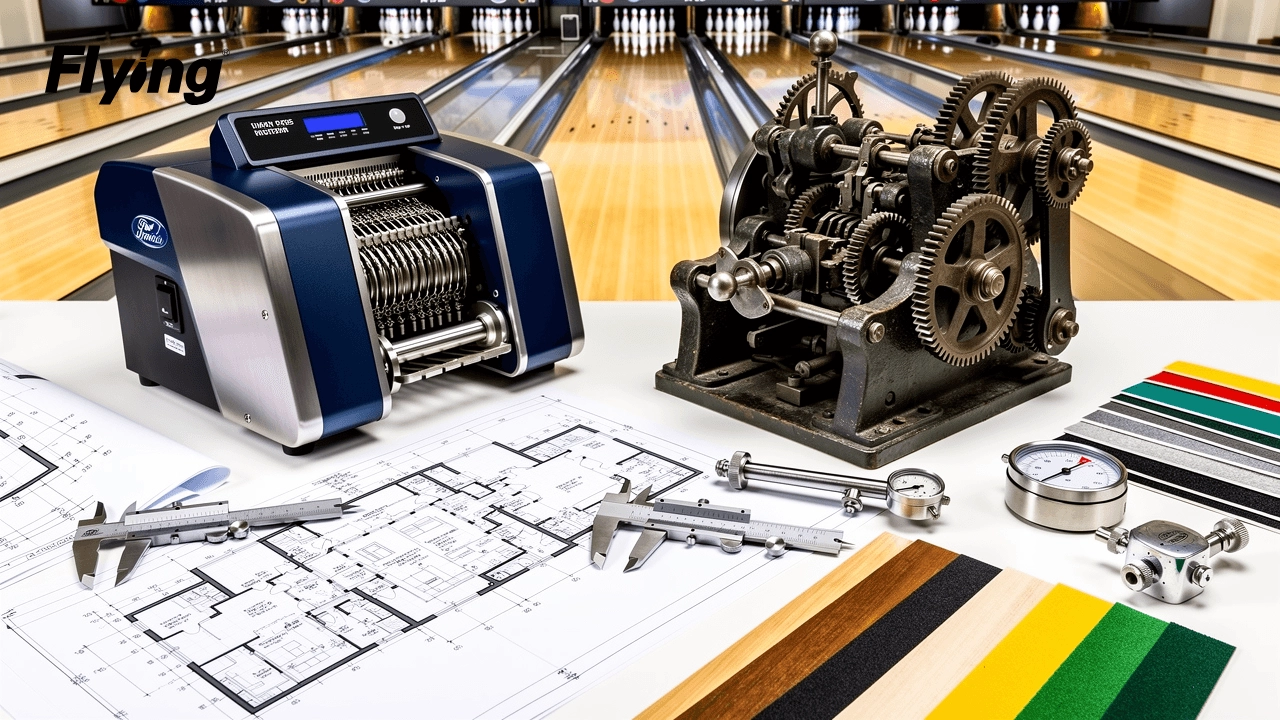
The equipment package is usually the foundation of a bowling alley investment. However, choosing bowling equipment is not only about comparing individual prices. Every system needs to work together after installation, and compatibility issues can increase the real project cost.
A lower equipment price may not always result in a lower total investment if additional modifications, integration work, or future maintenance requirements are needed.
Bowling Equipment Price Reference
| Equipment Category | Estimated Cost Reference |
|---|---|
| Bowling Lane System | Approximately $10,000–$20,000 per lane |
| String Pinsetter System | Approximately $8,000–$20,000 per lane |
| Scoring System | Approximately $2,000–$8,000 per lane |
| Ball Return System | Approximately $3,000–$12,000 per lane |
Bowling Lane System Cost
The lane system creates the foundation of the bowling experience. The final cost depends on lane materials, configuration, installation requirements, and venue design.
A suitable lane system should match the expected usage level and operating environment. Commercial bowling centers with higher customer volume usually require equipment designed for long-term stable operation.
Pinsetter System Cost
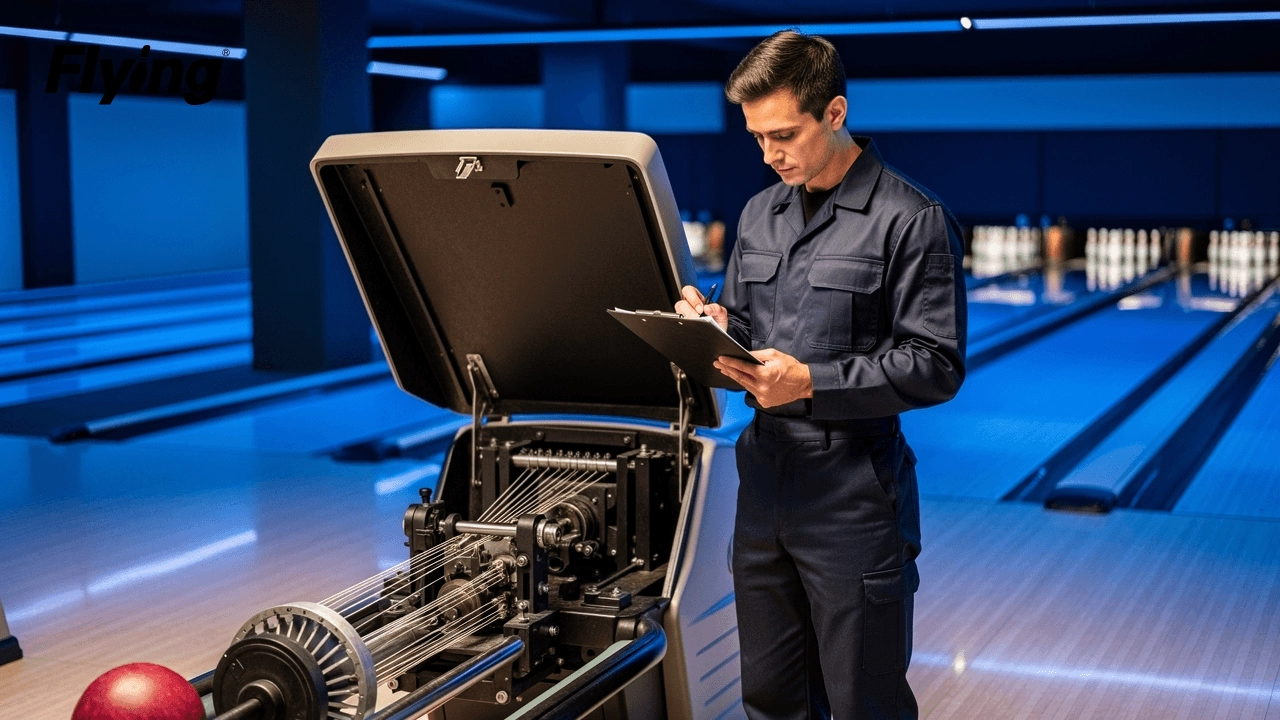
The pinsetter system is one of the most important components of a bowling project because it directly affects game efficiency and operational stability.
String pinsetter systems are commonly considered for commercial entertainment projects because they can provide efficient operation with simplified maintenance requirements.
When selecting a pinsetter system, project owners should review reliability, compatibility, service support, and long-term operating requirements rather than focusing only on the initial purchase price.
Scoring System Cost
A modern bowling venue requires a scoring system that supports smooth gameplay and customer interaction.
The final investment depends on display configuration, software functions, lane management requirements, and the overall customer experience expected from the venue.
Ball Return System Cost
The ball return system supports continuous gameplay and improves customer experience. Its configuration depends on lane quantity, venue layout, and equipment integration requirements.
Turnkey Bowling Equipment Solution Cost
Many investors choose a turnkey bowling solution because it simplifies project development. Instead of purchasing different systems from multiple suppliers, a turnkey approach combines equipment planning, system coordination, delivery support, installation assistance, and technical communication through one supplier.
International bowling projects often involve multiple stages, including equipment selection, transportation, installation, testing, and operational preparation. Managing these stages through one experienced supplier can reduce communication difficulties and improve project efficiency.
Typical Turnkey Bowling Package Cost
| Package Type | Estimated Investment |
|---|---|
| 2-Lane Bowling Package | Around $80,000+ |
| 4-Lane Commercial Package | Approximately $120,000–$180,000+ |
| 6–8 Lane Commercial Package | Approximately $180,000–$300,000+ |
A complete turnkey project should be evaluated based on the total solution rather than individual equipment prices. Many first-time investors underestimate the difficulty of coordinating lanes, pinsetters, scoring systems, installation teams, and technical support.
A turnkey supplier helps manage these connections through one project partner, creating a clearer process from planning to operation.
Bowling Alley Construction Cost Breakdown
Equipment is only one part of building a bowling alley. The venue itself also requires preparation before opening, and these construction-related expenses can significantly influence the final project investment.
Many first-time investors focus mainly on equipment prices while overlooking construction requirements. International projects often underestimate transportation, import procedures, local labor, electrical preparation, and building modifications. These costs should be reviewed before finalizing the project budget.
Construction Cost Reference
| Cost Category | Estimated Range |
|---|---|
| Site Preparation | Approximately $10,000–$100,000+ |
| Electrical Preparation | Approximately $5,000–$50,000 |
| Installation and Commissioning | Approximately $5,000–$20,000 per lane |
| Interior Development | Approximately $50,000–$500,000+ |
| Shipping and Import Costs | Depends on destination and project requirements |
Additional expenses may include freight, customs duties, local installation labor, flooring preparation, electrical upgrades, and venue modifications. These costs vary significantly between countries, so they should be reviewed during the early planning stage.
For example, a project that converts an existing entertainment space may require fewer construction changes, while a new-build bowling center may require a much larger investment in building preparation and customer areas.
What Determines the Final Bowling Alley Investment?
The final cost of a bowling project is not determined by equipment price alone. The biggest differences usually come from project scale, venue conditions, and the operating model.
A small entertainment venue may focus on efficient space usage and simple operation, while a commercial bowling center may require higher-capacity equipment, larger customer areas, and stronger long-term durability.
Number of Lanes
The number of lanes is one of the biggest factors affecting the total investment. A two-lane entertainment project and a twelve-lane commercial bowling center require completely different levels of equipment, installation planning, and construction work.
Larger projects usually require more equipment systems, larger customer areas, and additional infrastructure preparation. However, planning the complete project from the beginning can improve efficiency and reduce unnecessary modifications.
Bowling Format
Different bowling formats require different equipment configurations and space requirements. The selected format affects lane design, pinsetter requirements, installation planning, and customer experience.
The right choice depends on the venue type, available space, target customers, and long-term operating goals.
Project Location
Location can significantly influence the final bowling alley investment cost. International projects may involve different transportation costs, import procedures, local labor rates, and construction standards.
A realistic budget should consider not only the equipment price but also the costs required to deliver, install, and operate the system in the target market.
Customization Requirements
Some bowling projects require customized layouts, special designs, or additional customer experience features. Higher customization levels usually require more planning and coordination during the development process.
Bowling Alley Cost by Venue Type
Different venue types have different investment priorities. The most suitable bowling solution depends on how the venue will operate and what experience it aims to provide.
Commercial Bowling Centers
Commercial bowling centers usually focus on capacity, reliability, and long-term operation. These projects require equipment that can support frequent daily use, stable performance, efficient maintenance, and reliable technical support.
A larger bowling center may also require additional investment in customer areas, reception spaces, food and beverage facilities, and overall venue design.
Hotels and Resorts
Hotels and resorts often include bowling as part of a wider entertainment experience. These projects usually focus on guest engagement, space utilization, and integration with existing leisure facilities.
The investment depends on available space, customer expectations, interior requirements, and the overall positioning of the property.
Family Entertainment Centers
Family entertainment centers usually focus on customer experience, efficient operation, and repeat visits.
The right bowling solution depends on venue size, customer type, expected usage level, and business objectives.
Understanding Bowling Alley Investment Cost
Building a bowling alley is not only an equipment purchase. It is a complete business investment that combines equipment selection, construction preparation, installation, and operational planning.
For entrepreneurs planning a bowling center startup, understanding the full bowling alley investment cost before construction begins helps create a more realistic business plan and avoid unexpected expenses during development.
The total investment should be evaluated based on the complete project scope rather than a single equipment price. A well-planned budget allows investors to balance initial investment with long-term operational value.
How to Reduce Bowling Alley Construction Cost
Reducing the cost of building a bowling alley does not always mean selecting the cheapest equipment. The most effective approach is choosing a solution that matches the actual requirements of the project.
Many successful projects control costs through better planning. Confirming the lane quantity, equipment configuration, venue requirements, and installation scope before production begins can reduce unnecessary changes later.
An experienced supplier can also help identify potential cost issues during the planning stage, including equipment compatibility, installation requirements, and future maintenance considerations.
A well-designed project is usually more cost-efficient than making decisions based only on the lowest initial price.
How to Choose a Bowling Equipment Supplier
Choosing a bowling equipment supplier requires more than comparing product prices. The right supplier should understand the complete process from project planning to long-term operation.
Commercial bowling projects involve multiple systems that must work together correctly. A supplier with experience in complete bowling solutions can help coordinate equipment selection, technical requirements, installation communication, and future support.
Important Supplier Evaluation Factors
| Evaluation Area | Why It Matters |
|---|---|
| Commercial Project Experience | Helps reduce planning and installation challenges. |
| Equipment Capability | Ensures the solution matches venue requirements. |
| Installation Support | Improves project implementation and system setup. |
| Technical Service | Supports stable operation after project completion. |
Flying Bowling Complete Bowling Solutions
Planning a commercial bowling project requires more than selecting equipment. The right solution should match the venue size, customer type, operating goals, and long-term maintenance requirements.
Flying Bowling provides commercial bowling equipment solutions for entertainment venues, hotels, resorts, and bowling centers. The company supports project planning by helping evaluate suitable equipment configurations based on space requirements and business objectives.
A complete bowling project requires coordination between equipment selection, system planning, installation requirements, and future operation. Choosing a suitable solution during the early planning stage can help create a stronger foundation for long-term success.
Conclusion
Building a bowling alley requires careful planning of equipment investment, construction requirements, installation processes, and future operating needs.
A small bowling project may require an investment of around tens of thousands of dollars, while a large commercial bowling center can require a significantly higher budget depending on scale, customization, and venue development requirements.
The most accurate way to estimate the cost is to evaluate the complete project, including equipment, installation, construction preparation, and operational requirements.
A well-planned bowling alley project can help investors create a reliable entertainment venue while controlling costs and reducing unexpected challenges during development.
Planning a Bowling Project?
Share your venue size, location, and lane requirements to receive a project evaluation and equipment recommendation.
Flying Bowling can help review your project requirements and suggest a suitable bowling equipment configuration based on your business goals.
View Bowling Products → Get Project Consultation →
FAQ
How much does it cost to build a bowling alley?
The cost of building a bowling alley depends on the number of lanes, equipment configuration, construction requirements, and location. A small 2-lane bowling project may require approximately $80,000–$150,000, while larger commercial bowling centers can require several hundred thousand dollars or more than $1 million depending on the project scope.
How much does a bowling lane cost?
A commercial bowling lane system usually costs approximately $27,000–$42,000 per lane for equipment supply. The complete installed cost can be higher because it may include transportation, installation, site preparation, electrical work, and other project requirements.
What is included in the cost of building a bowling alley?
A complete bowling alley investment usually includes bowling lane systems, pinsetter systems, scoring systems, ball return systems, installation, venue preparation, and technical support. Construction-related costs such as electrical work, interior development, and site preparation may also affect the final budget.
How much does a 4-lane bowling alley cost?
A 4-lane commercial bowling project may require approximately $120,000–$300,000 depending on equipment configuration, installation scope, venue conditions, and customization requirements. The final investment depends on whether the project includes only equipment or complete venue development.
How much does a 12-lane bowling alley cost?
A 12-lane commercial bowling center can require approximately $500,000–$1,200,000+ depending on equipment selection, construction requirements, interior development, and location. Larger projects usually require additional investment in customer areas, installation, and infrastructure.
What factors affect bowling alley construction cost?
The main factors affecting bowling alley construction cost include the number of lanes, bowling format, equipment configuration, venue condition, installation requirements, shipping costs, local labor, and customization level. Each project should be evaluated based on its specific requirements.
What is the difference between bowling equipment cost and total project cost?
Bowling equipment cost covers the main systems such as lanes, pinsetters, scoring systems, and ball returns. The total project cost also includes installation, transportation, site preparation, interior development, and other construction-related expenses.
How much does a turnkey bowling equipment solution cost?
A turnkey bowling equipment solution varies depending on project size and configuration. A 2-lane package may start around $80,000, while larger commercial packages can range from approximately $120,000 to $300,000+ depending on lane quantity, equipment selection, and project requirements.
Why choose a turnkey bowling solution instead of buying equipment separately?
A turnkey bowling solution helps coordinate equipment selection, system compatibility, installation support, and technical communication through one supplier. This can reduce project complexity and make the development process easier to manage.
What additional costs should be considered when building a bowling alley?
Besides equipment costs, investors should consider additional expenses such as shipping, import procedures, installation labor, electrical preparation, building modifications, and interior development. These costs vary depending on the project location and construction conditions.
More Articles

Let’s Build a center Together
Partner With a Trusted Bowling Alley Design, One-Stop Solution Manufacturer.
Flying has successfully built ideal bowling alleys for more than 3,000 customers.

Technical Expert
You may also like our products
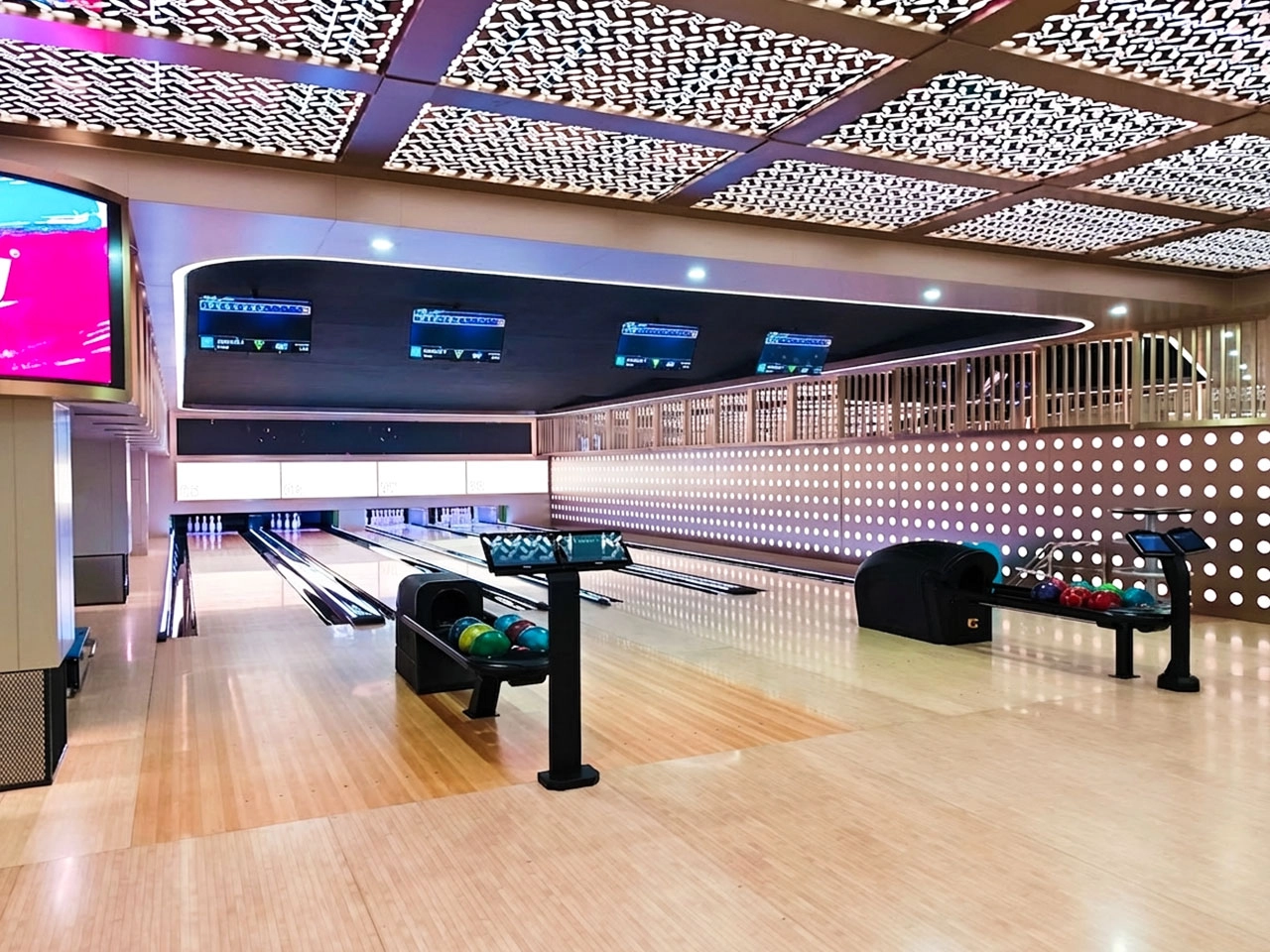
Build a commercial bowling venue with Flying’s complete string pinsetter bowling alley equipment package. The system includes the AEROPIN™ USBC-certified string pinsetter, customizable lanes, automatic scoring, ball return, lane lighting, pins, control hardware, and overseas installation support.
Designed for commercial bowling centers, family entertainment venues, hotels, resorts, bars, and premium private projects, this turnkey bowling system helps operators reduce sourcing complexity and prepare for reliable long-term operation.
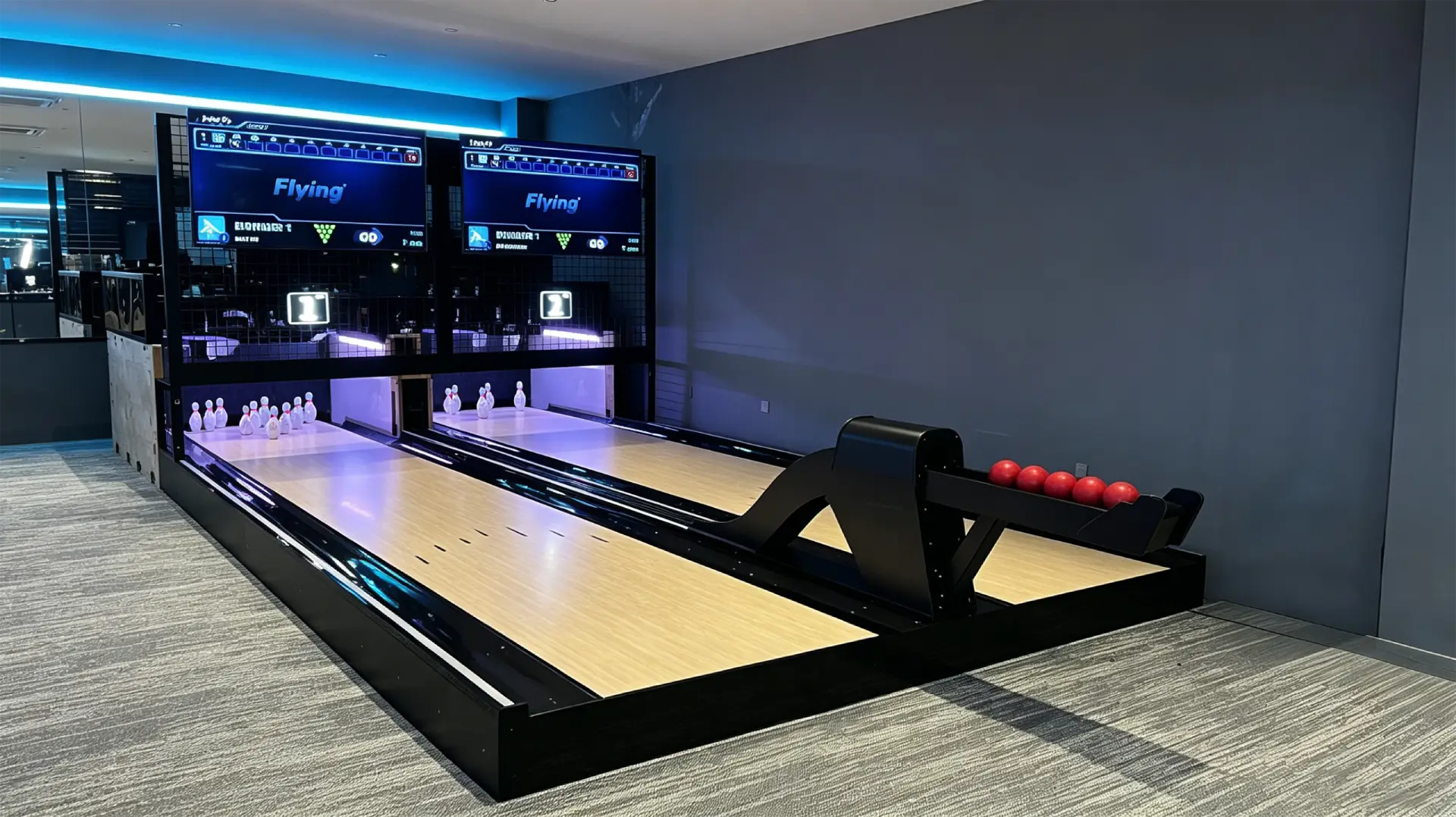
Flying Smart Duckpin Bowling is a compact duckpin bowling equipment system designed for bars, family entertainment centers, hotels, resorts, cinemas, boutique bowling alleys, and social entertainment venues. With a standard 9.13m duckpin bowling lane, 1.25kg lightweight balls, automatic scoring, ball return, LED lighting, and a smart string pinsetter, it creates a fast-paced and easy-to-play bowling experience in a smaller footprint than traditional bowling.
The system is available as a turnkey duckpin bowling package, including lane equipment, a string pinsetter system, scoring hardware, control software, global shipping, installation guidance, and technical support.
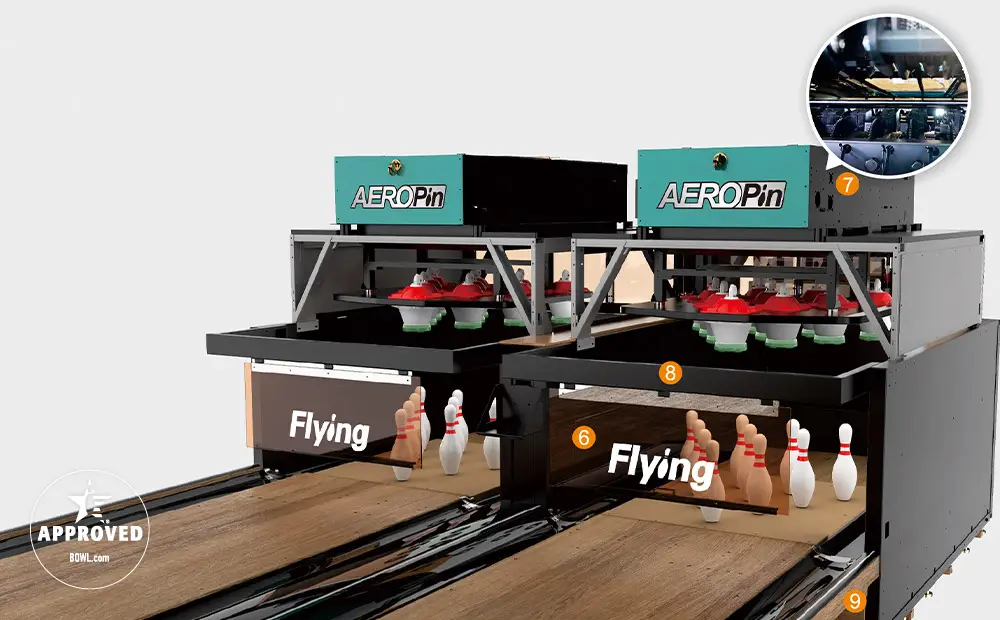
AEROPIN is Flying Bowling’s USBC-certified string pinsetter system for modern commercial bowling centers. Designed for fast pin setting, smooth ball return, low maintenance, and stable daily operation, it helps venue operators build league-ready and entertainment-focused bowling projects with confidence.
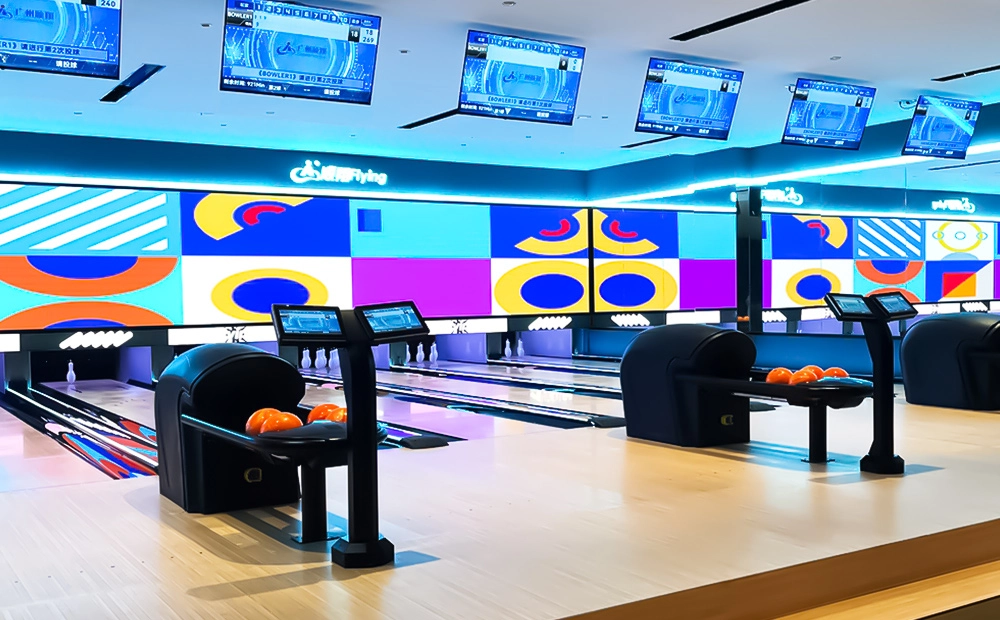
Flying Social Medium Bowling is a compact medium bowling equipment system designed for bars, cafes, family entertainment centers, community leisure venues, hotels, resorts, and small indoor entertainment spaces. With customizable lane lengths from 9.6m to 18m, small balls, lighter pins, string pinsetter technology, ball return, and automatic scoring, it creates an easy-to-play social bowling experience for players of different ages and skill levels.
Compared with full-size standard bowling, medium bowling requires less space and offers a more casual, interactive format. It is a practical choice for venues that want to add a bowling attraction without building a full commercial bowling alley.
Contact Flying
Start Your Custom Bowling Alley Project
If you contact us now for more details, we can provide you with a custom bowling alley service. Our service team will get back to you within 24 hours normally!
© 2026 Flying BOWLING. Designed by gooeyun.
FOLLOW US:

Flying Bowling
Flying Bowling
Flyingbowling
Flyingbowling
Flyingbowling