


The Ultimate Guide to Bowling Ball Pins: Core Layouts, Target Physics & Carry Mechanics (2026 Edition)
This comprehensive guide acts as a "Unified Pin Theory," bridging the gap between the locator pin on your bowling ball and the target pins at the end of the lane. It covers core dynamics, drilling layouts, manufacturing specifications, and the physics of pin carry to help bowlers optimize their game.
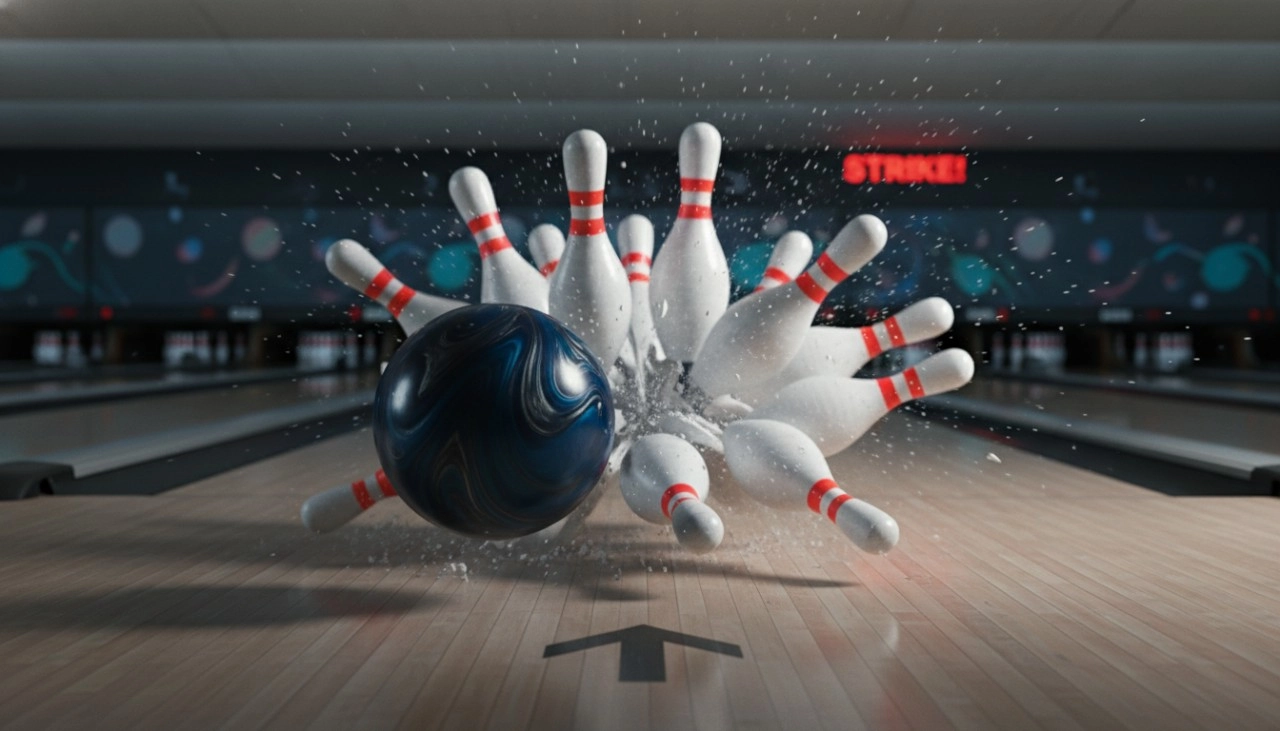
In the world of bowling, the word "pin" creates a linguistic trap that confuses even intermediate players. Most bowlers focus entirely on the Target Pins (the 10 objects at the end of the lane) without realizing that their ability to knock them down is dictated by the Locator Pin (the colored dot on their bowling ball).
To consistently string strikes together in 2026, you must understand the symbiotic relationship between these two entities. The locator pin determines how your ball stores and releases energy, while the target pin's composition determines how that energy is absorbed. This guide bridges the gap between drilling layouts and carry mechanics.
Key Takeaways
- Two Distinct Entities: The "Pin" on your ball marks the top of the internal weight block (core), while the "Pin" down lane is a regulated maple/synthetic target.
- Layout Dictates Shape: The distance between the ball's Pin and your Positive Axis Point (PAP) is the primary factor in determining flare potential and hook timing.
- Physics of Carry: A high entry angle (Pin Up) isn't always better; "flat" hits from Pin Down layouts can often carry corner pins better on difficult oil patterns.
- USBC Compliance: Modern pins must meet strict weight (3 lbs 6 oz) and void specifications to ensure fair play, regardless of the boutique venue's lighting or aesthetics.
The Locator Pin: The GPS of Your Bowling Ball
The Locator Pin is the colored dot on the surface of a bowling ball that marks the top of the internal weight block (core). It is not merely a decoration; it indicates the ball’s primary axis of rotation as it leaves the factory.
Before a hole is ever drilled, the manufacturer identifies the Radius of Gyration (RG)—a measurement of how resistant the ball is to rotating. The Pin represents the point where this resistance is lowest. By changing where we place this pin relative to your release specs, we manipulate the laws of physics.
Pin-to-PAP Explained
The most critical measurement in modern drilling is the Pin-to-PAP Distance. This is the measurement from the Locator Pin to your personal Positive Axis Point (PAP)—the point on the ball that stays stationary for the first few revolutions after you release it.
- 3 to 4 inches: This placement typically maximizes Track Flare, exposing fresh surface to the oil with every rotation. This creates the strongest overall hook potential.
- 5 to 6 inches: Placing the pin further from your PAP reduces flare, allowing the ball to retain energy for a later, albeit smoother, motion.
Understanding Rotational Energy is essential here: moving the pin creates an imbalance in the core, forcing the ball to "wobble" (precess) as it travels down the lane. This wobble is what generates the hook.
Symmetric vs. Asymmetric Cores
- Symmetric Cores: The Pin is the only major marker. Layouts are generally more forgiving.
- Asymmetric Cores: These feature a Pin and a Mass Bias (often marked as PSA). The placement of the Pin relative to the Mass Bias allows for fine-tuning the speed of the transition from skid to roll.
Mastering Layouts: Pin Up vs. Pin Down Strategies
The debate of Pin Up vs Pin Down Layout is the most common conversation in pro shops globally. Simply put, this refers to whether the Locator Pin is positioned above or below the finger holes when the ball is held in a playing position.
- Pin Up Layouts: By placing the core higher, we delay the ball's transition. This stores energy for the backend, creating a "hockey stick" shape. It is ideal for opening up the lane.
- Pin Down Layouts: This lowers the core's position relative to the fingers, causing the ball to read the mid-lane sooner. The motion is smoother, arcing, and more predictable.
Layout Comparison Matrix
| Feature | Pin Up Layout | Pin Down Layout |
|---|---|---|
| Motion Shape | Angular, sharp backend | Smooth, continuous arc |
| Energy Retention | High (stores for backend) | Moderate (burns earlier) |
| Flare Potential | Generally Higher | Moderate |
| Best Condition | House Shots, breakdown transition | Fresh Sport Shots, flat patterns |
| Entry Angle | Steep | Controlled |
The Role of the Pin Buffer
Advanced layouts, such as the Dual Angle Layout System, utilize a "Pin Buffer." This is the distance from the Pin to the Vertical Axis Line (VAL). A shorter buffer creates a faster response to friction (snap), while a longer buffer smooths out the reaction.
Visual Analysis: The Modern Target Pin
While the ball's pin dictates the path, the target pin dictates the result. In 2026, the visual landscape of bowling has shifted toward "boutique" aesthetics, but the physical specifications of the pins remain governed by strict standards.
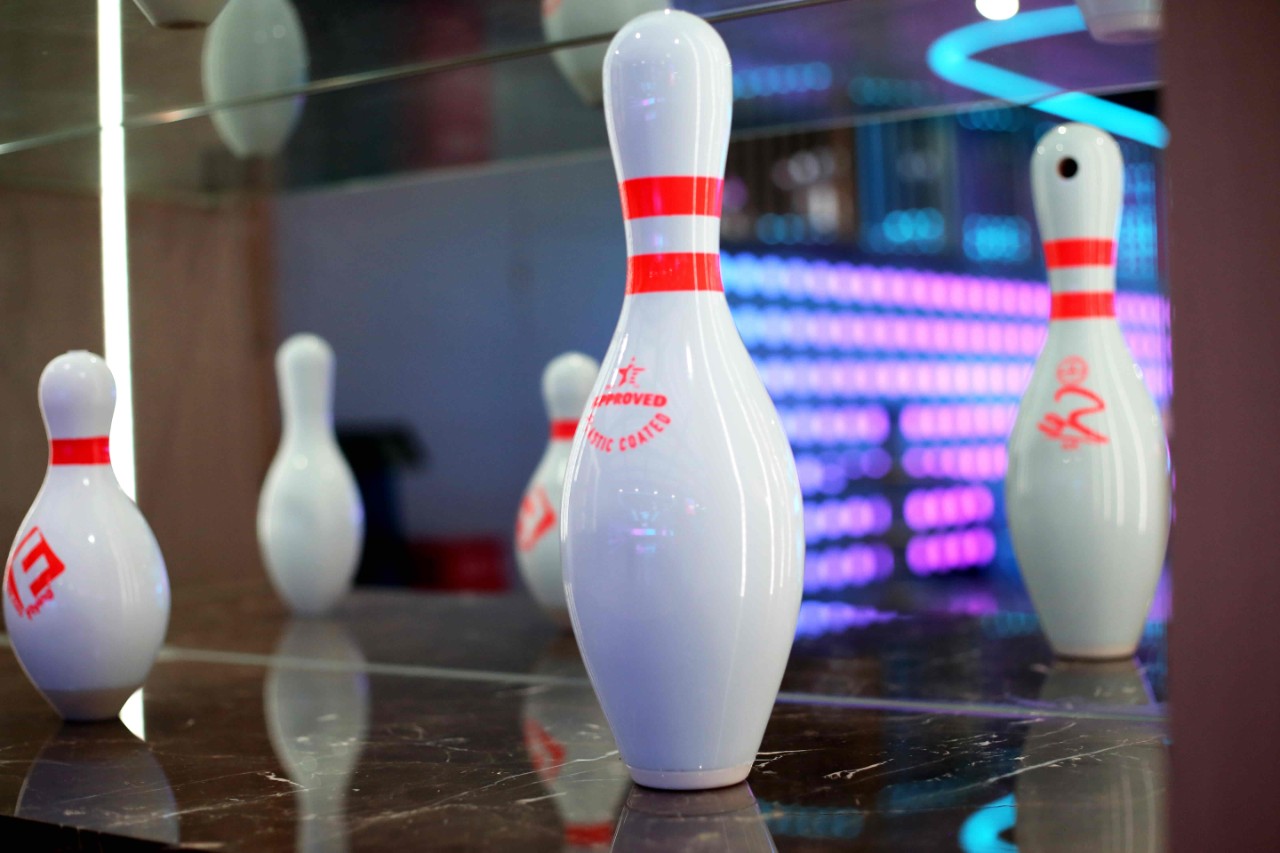
The image above highlights the intersection of modern entertainment and regulation equipment. We see a shallow depth of field focusing on a single pin amidst a backdrop of purple grid lighting and reflective surfaces—typical of high-end "social bowl" venues.
Despite the neon atmosphere, the central pin clearly displays the text "APPROVED" and "PLASTIC COATED." This is a critical distinction for the serious bowler. According to USBC Equipment Specifications, a standard pin must meet rigorous criteria to be legal for play:
- Material: The core is typically hard maple, constructed of multiple blocks glued together, then encapsulated in a plastic (Surlyn) coating.
- Weight: A standard pin weighs between 3 lbs 6 oz and 3 lbs 10 oz.
- Center of Gravity: The pin's CG must be within a specific range to ensuring it doesn't tip over too easily (weak racks) or stand up too stubbornly (stone pins).
The visible "void" mentioned in technical circles refers to the hollow cavity inside the pin, which affects sound and energy absorption. The highly reflective marble surface seen in the image may look sleek, but for a bowler, it suggests a "hard" surface that could influence how pins slide or bounce across the deck compared to traditional wood or synthetic laminates.
Connecting the Dots: How Layouts Affect Pin Carry
The ultimate goal of analyzing Pin-to-PAP Distance and Pin Up vs Pin Down Layout options is to improve Bowling Pin Carry Mechanics. You do not drill a ball to hook; you drill it to strike.
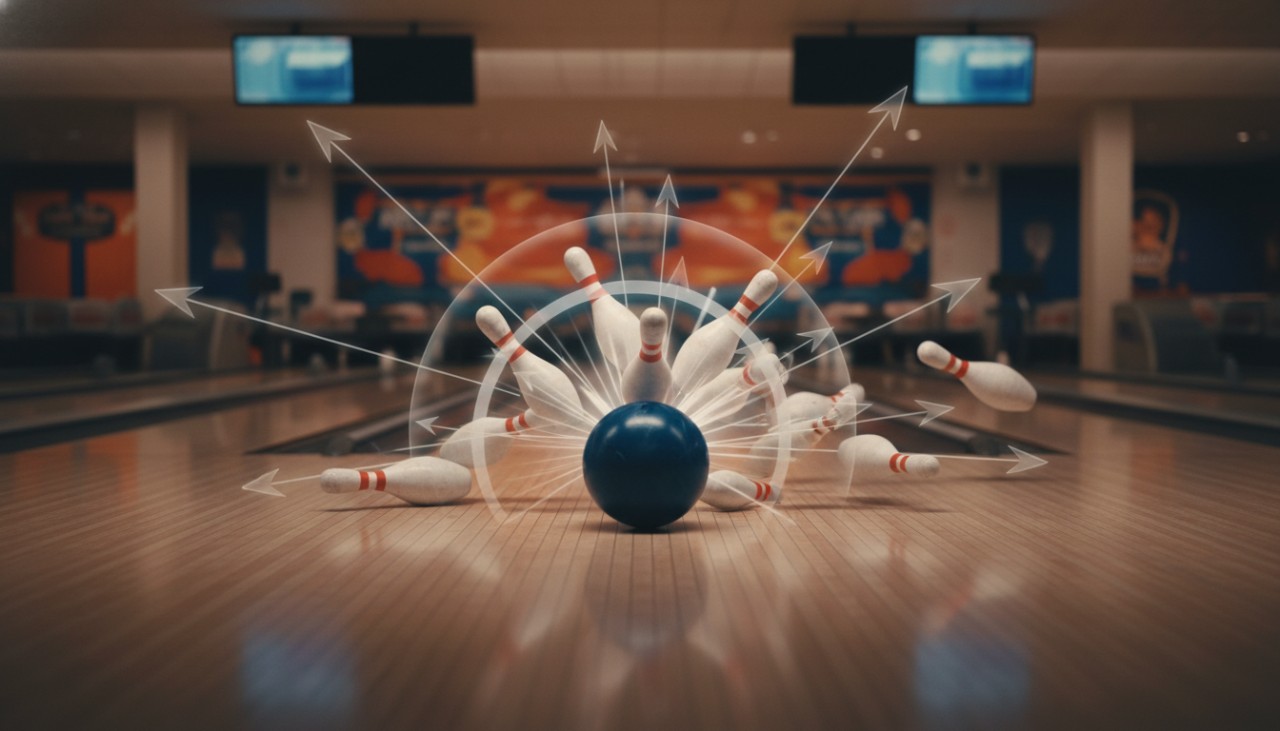
Physics of Impact
When a 15-pound bowling ball strikes a 3.5-pound pin, kinetic energy is transferred.
- Deflection: If a ball enters the pocket at a low angle (flat), it deflects too much to the right (for right-handers), leaving a 10-pin.
- Drive: If the entry angle is too steep, the ball may drive through the head pin too forcefully, leaving a 9-pin or a Solid 8.
The Science of "Pin Action"
Low Radius of Gyration (RG) balls tend to rev up faster, creating a "heavy roll" that keeps the pins low to the deck. This low "pin action" improves the chances of pins tripping out neighboring pins (the "mixer" strike).
Conversely, high RG balls with violent backend reactions (Pin Up) tend to send pins flying into the air. While spectacular, aerial pins often fly over the target pins they were meant to knock down.
Adjusting for "String Pins"
As of 2026, many centers have adopted string pinsetters. The strings slightly alter the center of gravity and the free-flying physics of the pins. In these environments, Pin Down layouts often perform better because the smoother entry angle prevents the strings from tangling or preventing a pin from falling, relying more on direct domino-style impact than violent "pin splash."
Conclusion
The journey to a higher average requires a "Unified Pin Theory." You cannot separate the Locator Pin on your ball from the Target Pin on the deck. A Pin Up layout might look impressive with its sharp turn, but if it creates an entry angle that leaves corner pins standing, the physics are working against you.
Conversely, understanding USBC Approved Pin Specifications helps you realize that despite the fancy lighting of modern boutique alleys, the object of the game remains consistent.
Final Recommendation: Do not just guess. Work with a certified Pro Shop Operator (PSO) to find your PAP. Choose a drilling layout that complements your speed and rev rate to maximize energy transfer into the pins, not just onto the lane.
Frequently Asked Questions
What does the colored pin dot on a bowling ball represent?
It marks the top of the internal weight block (core). It indicates the ball's primary axis of rotation before drilling.
What is the difference between Pin Up and Pin Down drilling?
Pin Up places the core to create a longer skid and sharper backend hook. Pin Down creates an earlier roll with a smoother, more controllable arc.
Why do bowling pins have 'Approved Plastic Coated' written on them?
It certifies the pin meets USBC specifications for weight and dimensions. It indicates a wood core (usually maple) encapsulated in a durable synthetic coating.
How far should the pin be from my PAP (Positive Axis Point)?
Standard range is 3 to 6 inches. 3-4 inches creates maximum flare (early hook), while 5-6 inches reduces flare (more length).
Does the pin placement affect the bowling ball's hook potential?
Yes, significantly. It determines when the core transitions from skid to hook to roll.
Can I move the pin on my bowling ball after it is drilled?
Technically yes, by plugging the finger holes and re-drilling. However, this alters the ball's static weights and may affect performance.
What is the standard weight of a bowling pin?
A standard pin weighs between 3 pounds 6 ounces and 3 pounds 10 ounces. Synthetic pins are manufactured to strict weight tolerances for consistency.
How does pin placement impact corner pin carry (ten-pins)?
Layouts that create too steep of an entry angle can cause the ball to drive through the head pin, leaving corners. Smoother layouts (Pin Down) often improve deflection to trip the 10-pin.
More Articles

Let’s Build a center Together
Partner With a Trusted Bowling Alley Design, One-Stop Solution Manufacturer.
Flying has successfully built ideal bowling alleys for more than 3,000 customers.
Technical Expert

You may also like our products
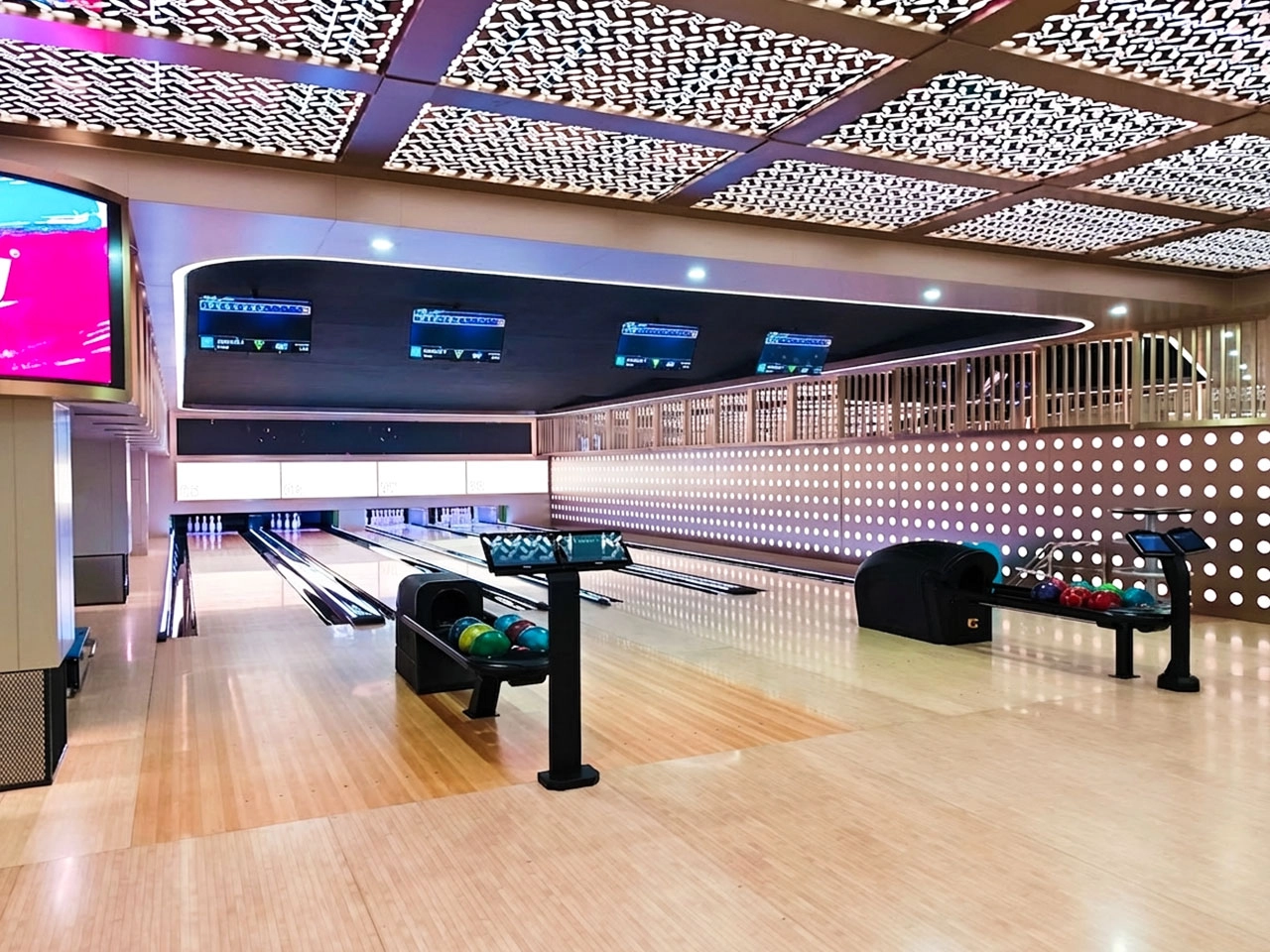
Build a commercial bowling venue with Flying’s complete string pinsetter bowling alley equipment package. The system includes the AEROPIN™ USBC-certified string pinsetter, customizable lanes, automatic scoring, ball return, lane lighting, pins, control hardware, and overseas installation support.
Designed for commercial bowling centers, family entertainment venues, hotels, resorts, bars, and premium private projects, this turnkey bowling system helps operators reduce sourcing complexity and prepare for reliable long-term operation.
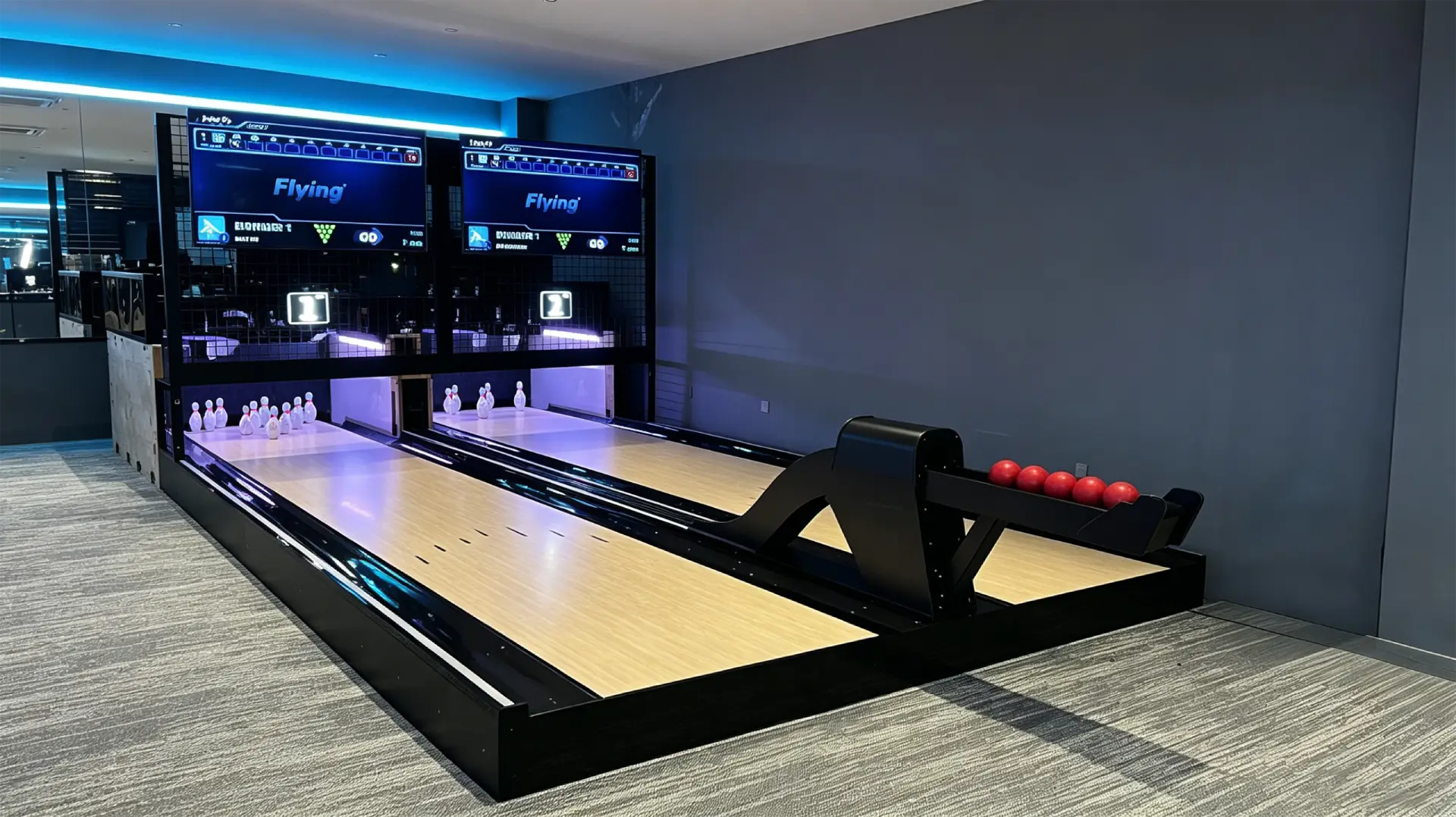
Flying Smart Duckpin Bowling is a compact duckpin bowling equipment system designed for bars, family entertainment centers, hotels, resorts, cinemas, boutique bowling alleys, and social entertainment venues. With a standard 9.13m duckpin bowling lane, 1.25kg lightweight balls, automatic scoring, ball return, LED lighting, and a smart string pinsetter, it creates a fast-paced and easy-to-play bowling experience in a smaller footprint than traditional bowling.
The system is available as a turnkey duckpin bowling package, including lane equipment, a string pinsetter system, scoring hardware, control software, global shipping, installation guidance, and technical support.
Flying Cute Mini Bowling is a compact mini bowling equipment system designed for children, families, and indoor entertainment venues. With a fixed 12-meter lane, 1.25kg small balls without finger holes, smaller pins, string pinsetter technology, and an automatic scoring system, it creates an easy, safe, and engaging bowling experience for younger players.
This mini bowling system is suitable for children’s playgrounds, family entertainment centers, theme parks, shopping malls, parent-child centers, hotels, resorts, and indoor amusement venues looking to add a fun, space-efficient attraction.
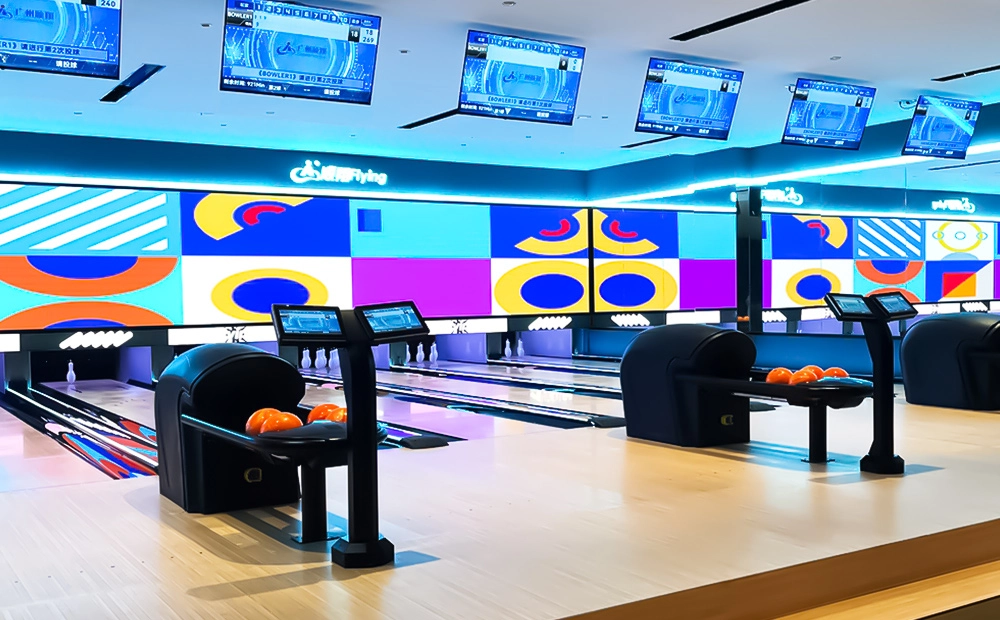
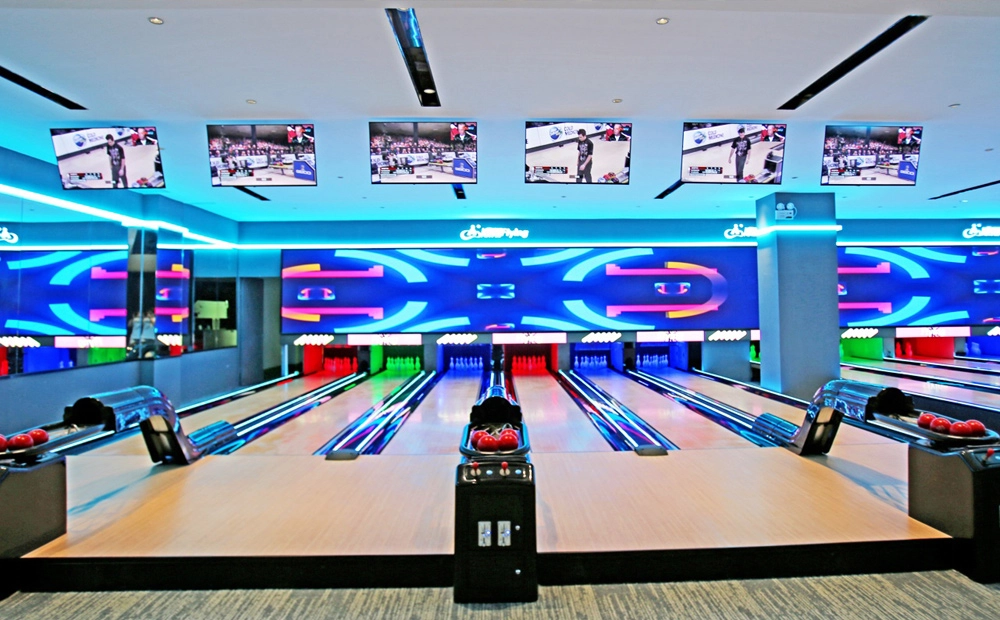
Flying Social Medium Bowling is a compact medium bowling equipment system designed for bars, cafes, family entertainment centers, community leisure venues, hotels, resorts, and small indoor entertainment spaces. With customizable lane lengths from 9.6m to 18m, small balls, lighter pins, string pinsetter technology, ball return, and automatic scoring, it creates an easy-to-play social bowling experience for players of different ages and skill levels.
Compared with full-size standard bowling, medium bowling requires less space and offers a more casual, interactive format. It is a practical choice for venues that want to add a bowling attraction without building a full commercial bowling alley.
Contact Flying
Start Your Custom Bowling Alley Project
If you contact us now for more details, we can provide you with a custom bowling alley service. Our service team will get back to you within 24 hours normally!
© 2026 Flying BOWLING. Designed by gooeyun.
FOLLOW US:
Flying Bowling
Flying Bowling
Flyingbowling
Flyingbowling