


Quick Summary: The Cost of Bowling in 2026
In 2026, the average cost to set up a commercial bowling lane ranges from $80,000 to $150,000 per lane, while residential home installations typically cost between $18,000 and $45,000 per lane for equipment. These figures fluctuate based on technology choices, such as string pinsetters versus free-fall machines, and the level of luxury customization.
While the sticker price of a single lane is a useful metric, the total capitalization for a modern facility is driven by inflation in raw materials and labor. Builders must account for a shift toward "entertainment destinations" rather than traditional alleys. The three largest expense categories you will encounter include:
- Construction & Shell: The physical building and necessary retrofitting.
- Lane Equipment: The lanes, pinsetters, and ball returns.
- Technology & Scoring: The software ecosystem that drives revenue.
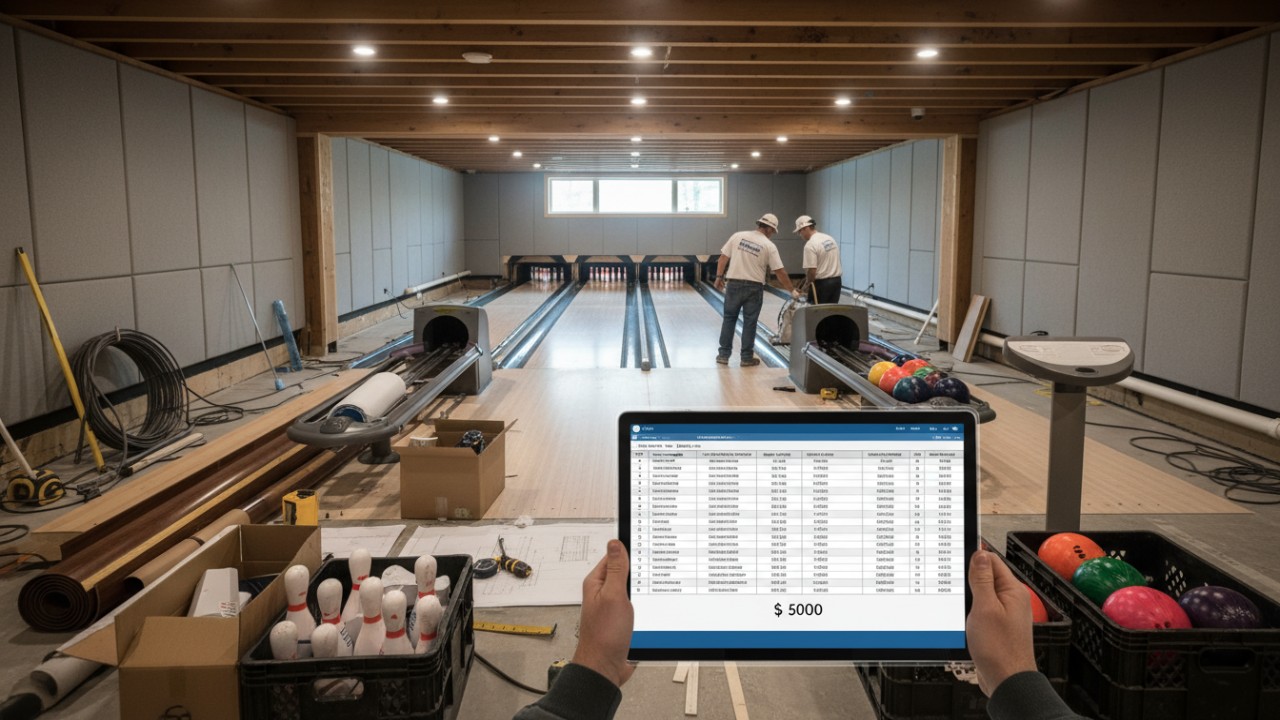
How Much Does It Cost to Open a Bowling Alley?
The total investment to launch a modern, competitive 12-16 lane boutique bowling center typically ranges from $2 million to $5 million USD. This "turnkey" price includes everything from land acquisition and building construction to the final installation of high-tech scoring systems and furniture.
Opening a bowling alley is no longer just about laying down wood and oil. As reported by Financial Models Lab, startup capital expenditures can be significant due to specialized facility buildouts and HVAC requirements. The cost variance largely depends on your business model:
- New Construction ($100k+ per lane): Building from the ground up allows for perfect customization but incurs the highest real estate and zoning costs.
- Modernization ($50k+ per lane): Revamping an existing center with new bowling equipment is a cost-effective route, though it may hide structural repair needs.
- Family Entertainment Centers (FECs): These venues often have higher costs per square foot due to the integration of arcades, laser tag, and high-end food and beverage services.
Line-Item Breakdown: Commercial Bowling Center Costs
The largest financial outlays in a commercial project are split between the real estate shell ($150-$250 per sq. ft.) and the specialized lane machinery ($15k-$25k per lane). Understanding these line items helps investors identify where to save and where to spend for maximum durability.
At Flying Bowling Co., Ltd., we have seen since 2005 that allocating budget correctly to the "unseen" infrastructure is just as critical as the visible lanes. A detailed budget should include:
- Real Estate & Construction: Shell building costs versus leasehold improvements (plumbing, electrical upgrades).
- Lane Equipment: Synthetic lanes, sub-foundations, and gutters. Our Standard Bowling (FCSB) options provide durability that rivals European brands at a competitive price point.
- Pinsetters: The choice between traditional free-fall machines and modern string pinsetters. String machines are gaining popularity for their energy efficiency.
- Scoring Systems & Tech: POS integration, overhead monitors, and server costs which are essential for the modern user experience.
- Furniture & Ball Returns: Masking units, couches, and ball return systems that define the aesthetic of your center.
Residential Bowling Alley Costs: The Home Setup
A fully installed 2-lane home bowling setup generally costs between $40,000 and $100,000, depending on customization and site preparation. This luxury addition requires specific architectural considerations, such as a reinforced concrete slab and noise mitigation strategies.
Homeowners often mistakenly believe they can simply buy used equipment and drop it into a basement. However, Flying Bowling’s experience with over 3,000 customers highlights that proper installation is key to functionality. Factors influencing the price include:
- New vs. Used Equipment: While refurbished commercial gear can save money, it often comes with higher maintenance risks and noise levels compared to new residential-specific products.
- Installation Logistics: You must account for foundation requirements (perfectly level concrete) and electrical needs (specialized voltage).
- Space Dimensions: A standard regulation lane requires approximately 85-100 feet in length. For smaller spaces, our Duckpin Bowling (FSDB) or Mini Bowling (FCMB) solutions are excellent alternatives.
- Customization: Themed masking units, neon lighting, and personalized lane graphics can significantly increase the budget but add a unique "wow" factor.
The "Hidden Fees" Most Investors Miss
Beyond the hardware, investors must budget an additional 15-20% for "soft costs" like acoustic treatment, software subscriptions, and specialized zoning permits. These are the expenses that often cause projects to go over budget in the final weeks before opening.
Ignoring these fees is a common pitfall. For example, failing to account for freight shipping of heavy machinery can add thousands to the final bill. Be prepared for:
- Acoustic Treatment: Soundproofing costs to meet zoning or residential noise ordinances are mandatory in many urban locations.
- Software Subscriptions: Ongoing SaaS fees for cloud-based scoring systems and reservation platforms are now the industry standard.
- Permitting & Variances: You may need liquor licensing attorneys and specialized zoning change fees if your location wasn't previously zoned for entertainment.
- Freight & Installation: Shipping heavy machinery and covering lodging/travel for specialized installation crews from the bowling equipment manufacturer.
- Marketing Launch: Pre-opening ad spend is required to saturate the local market and ensure a strong opening weekend.
2026 Trends Impacting Budgeting
The biggest trend driving costs in 2026 is the demand for "Immersive Bowling," which integrates projection mapping and gamification directly onto the lane surface. Investors are now allocating more capital to technology to compete with home entertainment options.
According to market research by Mordor Intelligence, the market is shifting toward these tech-heavy experiences to attract younger demographics. To stay competitive, consider these trends:
- Immersive Bowling: The cost of projection mapping systems (like Unreal Bowling) turns the lane into an interactive video game.
- Hyper-Bowling & Gamification: Costs associated with advanced bumpers and sensor systems that allow for different game modes.
- Energy Efficiency: Higher upfront costs for LED lighting and eco-friendly HVAC systems help lower Operating Expenses (OpEx) over time.
- Cashless Systems: Investment in RFID cards and kiosk ordering systems reduces labor costs and streamlines the customer journey.
ROI & Operating Expenses: Is It Worth It?
A well-managed bowling entertainment center typically targets a payback period of 3 to 5 years, with profit margins ranging from 15% to 35%. Success in 2026 depends heavily on ancillary revenue streams, particularly high-margin food and beverage sales.
Flying Bowling has helped venues worldwide optimize their ROI by selecting the right equipment mix. For instance, string pinsetters can reduce maintenance labor costs by up to 75%. Key financial metrics include:
- Revenue Per Lane: Projections must account for peak and off-peak lineage pricing.
- Ancillary Revenue: F&B (Food & Beverage) often exceeds lineage revenue in modern FECs.
- Maintenance Contracts: Deciding between full-time mechanic salaries vs. contract maintenance affects monthly cash flow.
- Payback Period: Boutique centers often see a faster ROI than massive traditional alleys due to lower overhead.
Expert Tips: 5 Mistakes That Blow the Budget
The most expensive mistake new owners make is underestimating the ceiling height requirements for HVAC and ball return clearance, leading to costly structural changes. Proper planning during the architectural phase is the only way to avoid this.
Leveraging our global experience at Flying Bowling, here are the critical errors to avoid:
- Underestimating Ceiling Height: You need clearance for HVAC ducting above the pinsetters.
- Wrong Pinsetter Choice: Choosing complex free-fall machines for a casual entertainment venue increases maintenance unnecessarily.
- Skimping on Experience: In an FEC model, ignoring lighting and sound quality will result in poor customer retention.
- No Warranty Negotiation: Failing to negotiate maintenance warranties on equipment can lead to expensive repairs in year one.
- Ignoring Demographics: Failing to analyze local income data during site selection can result in pricing your experience out of the market.
Conclusion
Successful bowling alley setups in 2026 require a delicate balance between investing in state-of-the-art immersive technology and maintaining rigid cost control over construction and hidden fees. The industry has firmly shifted from the traditional "bowling alley" model to the "entertainment destination" concept, driving a new cost structure that prioritizes guest experience and operational efficiency.
Contact us today to optimize your bowling center startup strategy and receive a custom 2026 feasibility quote.
What is the average cost per lane for a commercial bowling alley in 2026?
For a fully equipped commercial center, the cost averages between $80,000 and $150,000 per lane. This figure includes the lane surface, pinsetter, scoring system, and seating, but notably excludes the land and building shell construction costs.
How much does a home bowling alley cost to install?
A single regulation home bowling lane typically costs between $18,000 and $45,000 for the equipment alone. However, a complete turnkey pair of lanes, including installation and customization, usually costs between $35,000 and $80,000.
Are string pinsetters cheaper than traditional free-fall pinsetters?
Yes, string pinsetters are generally 20-30% cheaper upfront than free-fall machines. Furthermore, they significantly reduce long-term maintenance and energy costs, making them a preferred choice for many modern entertainment centers.
What are the biggest hidden costs in starting a bowling alley?
The most overlooked costs include soundproofing and acoustic treatment ($10k+), liquor licensing, specialized zoning permits, and the freight and travel expenses for specialized installation crews. Ongoing software subscription fees also add to the operational budget.
How much space is needed for a standard bowling lane?
A standard regulation lane requires approximately 87 feet in length from the approach to the pin deck. The width is roughly 11.5 feet for a pair of lanes, which includes the ball return mechanism between them.
Is buying used bowling equipment a good idea?
Buying used can save 40-60% on upfront equipment costs. However, installation costs remain high regardless of equipment age, and the maintenance required for older electronics can quickly offset the initial savings.
What is the profit margin for a bowling alley?
Bowling centers typically see profit margins between 15% and 35%. It is important to note that Food and Beverage (F&B) sales usually yield much higher margins (60%+) than lane rentals, making them crucial for profitability.
Can I finance a bowling alley setup?
Yes, major manufacturers often have financing partners to assist with equipment costs. Additionally, SBA loans (such as 7a or 504 loans in the US) are common vehicles for financing real estate and equipment acquisition.
More Articles
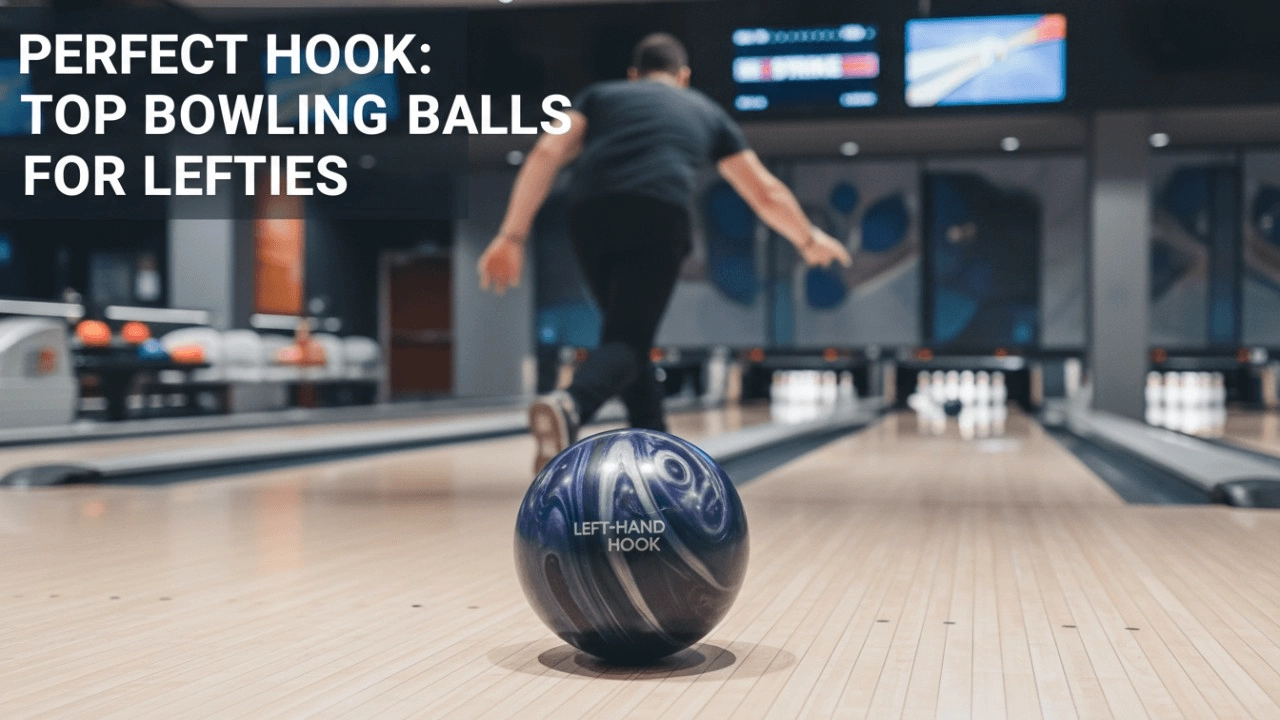
This guide explains whether left-handed bowling balls exist, how left-handed drilling works, what equipment matters most, and how left-handed bowlers can choose the right ball based on coverstock, core, RG, differential, lane conditions and skill level.

Let’s Build a center Together
Partner With a Trusted Bowling Alley Design, One-Stop Solution Manufacturer.
Flying has successfully built ideal bowling alleys for more than 3,000 customers.
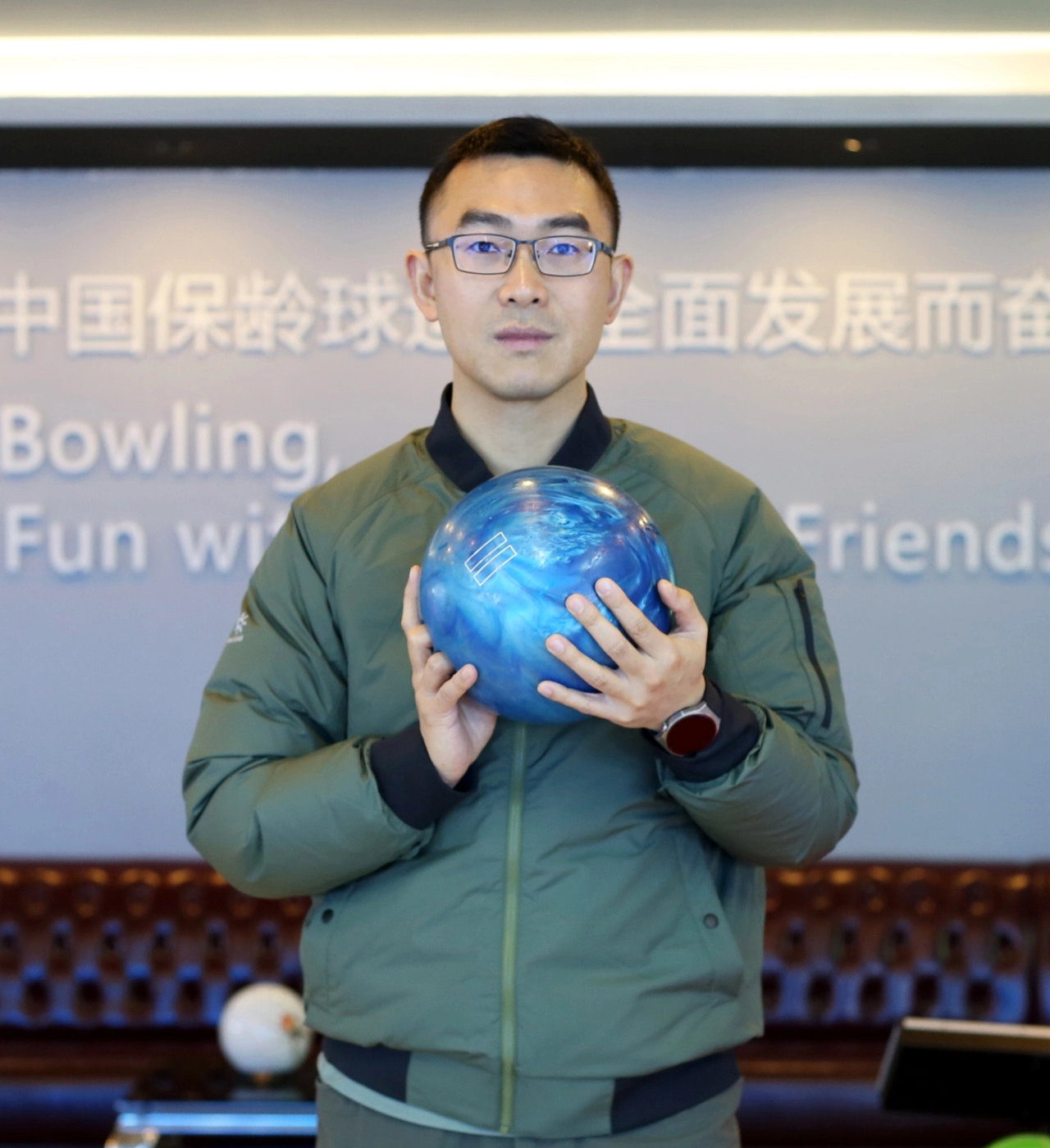
Technical Expert
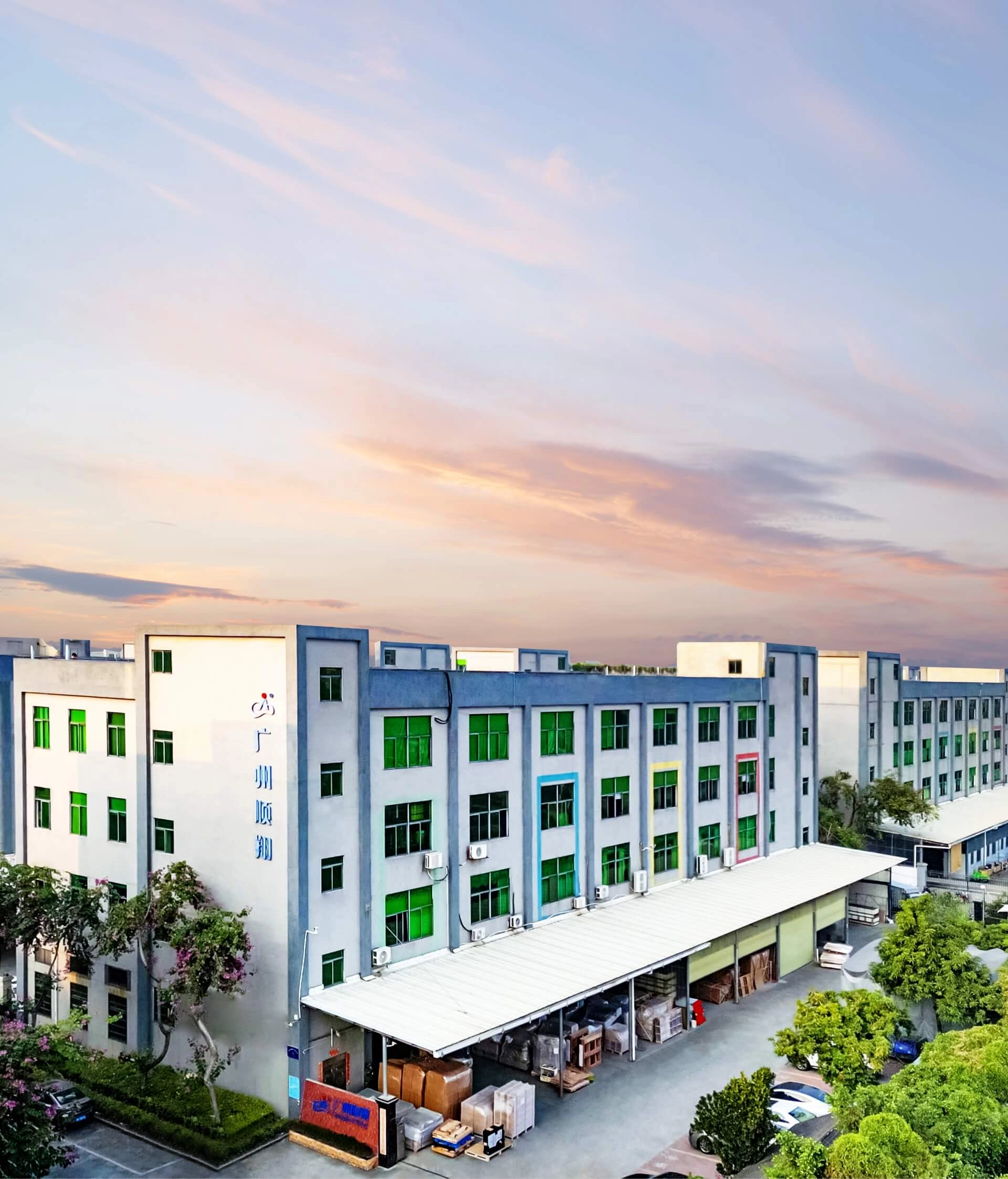
You may also like our products
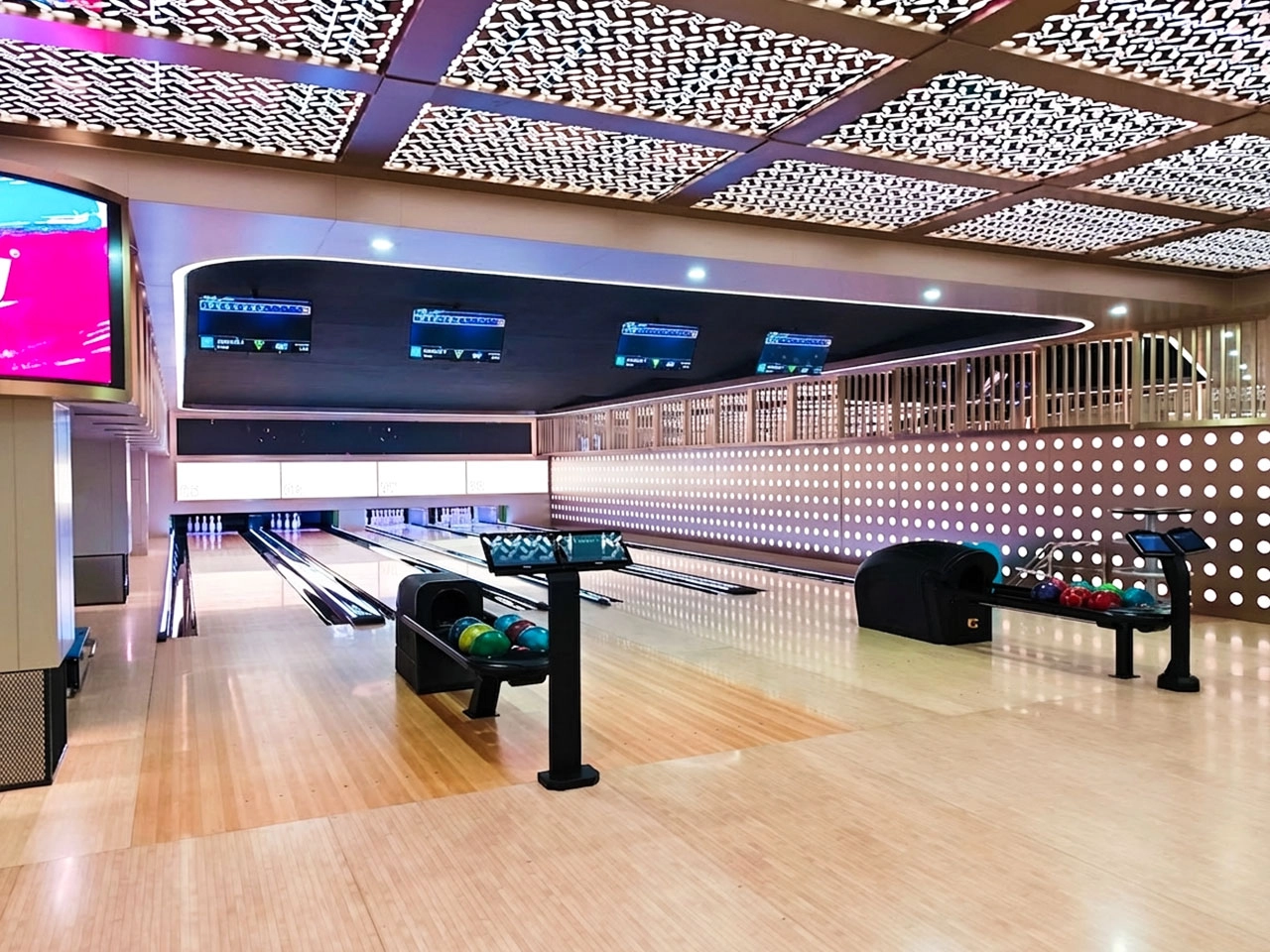
Build a commercial bowling venue with Flying’s complete string pinsetter bowling alley equipment package. The system includes the AEROPIN™ USBC-certified string pinsetter, customizable lanes, automatic scoring, ball return, lane lighting, pins, control hardware, and overseas installation support.
Designed for commercial bowling centers, family entertainment venues, hotels, resorts, bars, and premium private projects, this turnkey bowling system helps operators reduce sourcing complexity and prepare for reliable long-term operation.
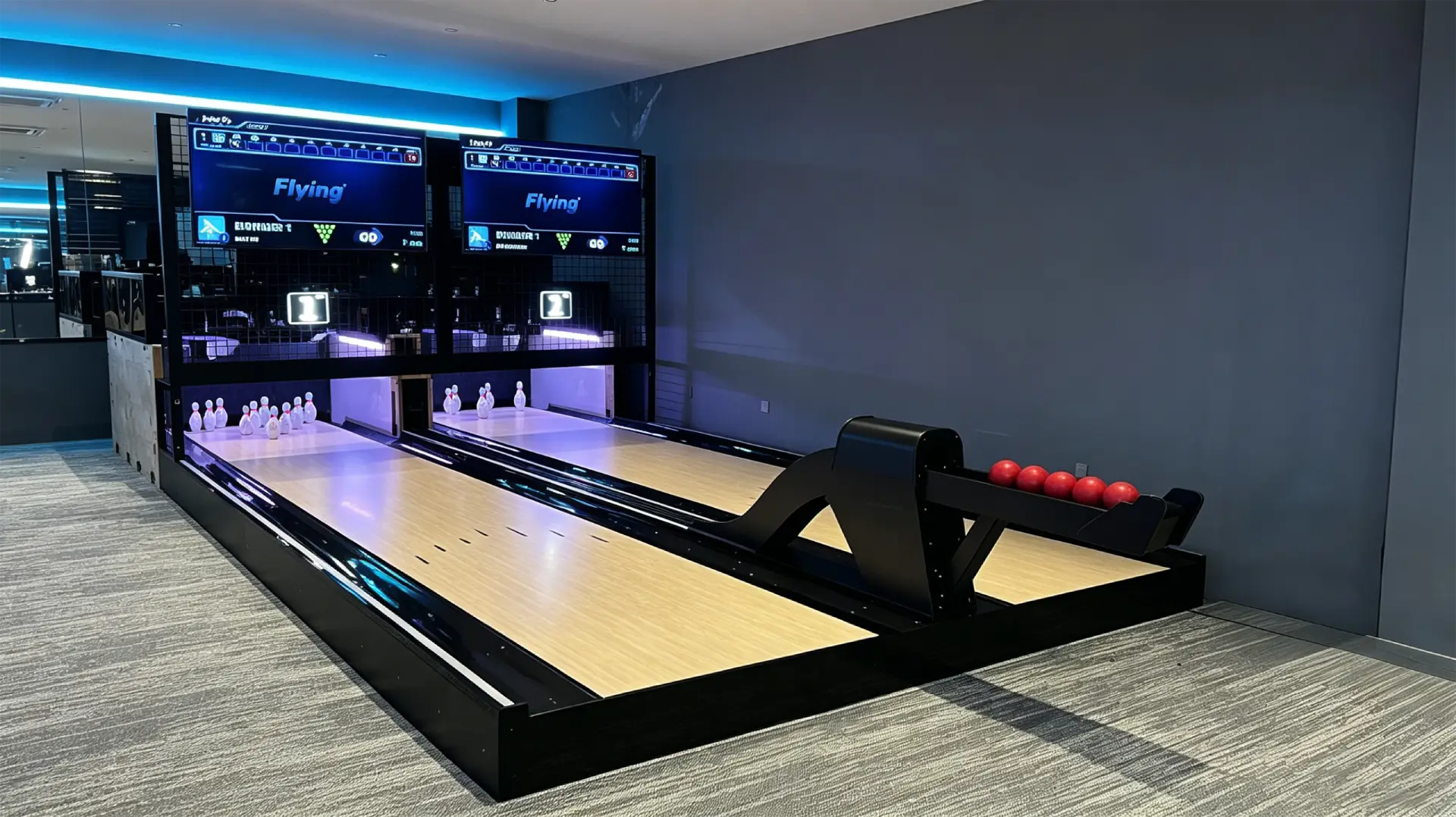
Flying Smart Duckpin Bowling is a compact duckpin bowling equipment system designed for bars, family entertainment centers, hotels, resorts, cinemas, boutique bowling alleys, and social entertainment venues. With a standard 9.13m duckpin bowling lane, 1.25kg lightweight balls, automatic scoring, ball return, LED lighting, and a smart string pinsetter, it creates a fast-paced and easy-to-play bowling experience in a smaller footprint than traditional bowling.
The system is available as a turnkey duckpin bowling package, including lane equipment, a string pinsetter system, scoring hardware, control software, global shipping, installation guidance, and technical support.
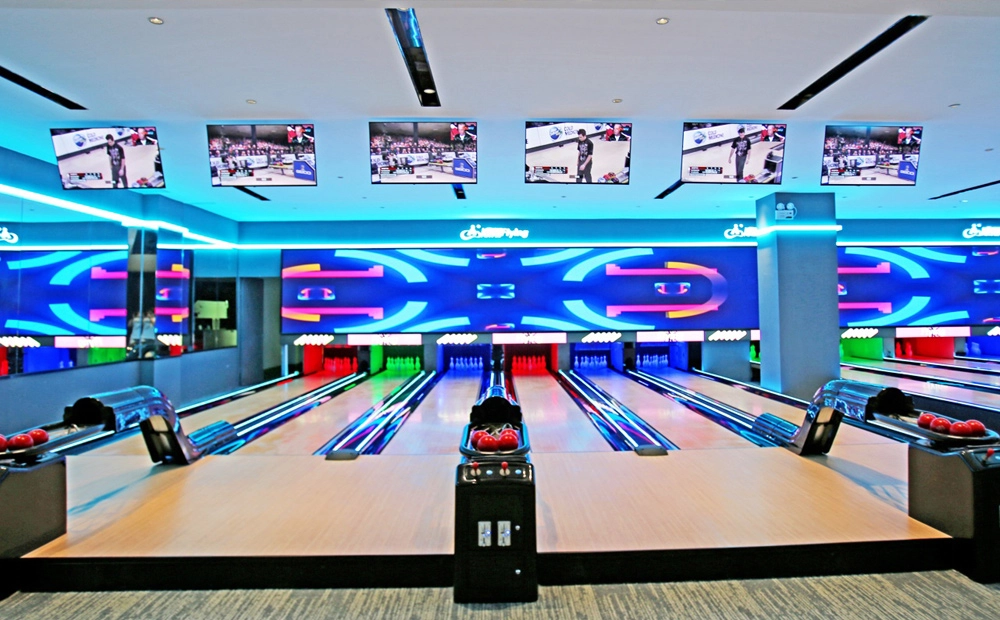
Flying Cute Mini Bowling is a compact mini bowling equipment system designed for children, families, and indoor entertainment venues. With a fixed 12-meter lane, 1.25kg small balls without finger holes, smaller pins, string pinsetter technology, and an automatic scoring system, it creates an easy, safe, and engaging bowling experience for younger players.
This mini bowling system is suitable for children’s playgrounds, family entertainment centers, theme parks, shopping malls, parent-child centers, hotels, resorts, and indoor amusement venues looking to add a fun, space-efficient attraction.
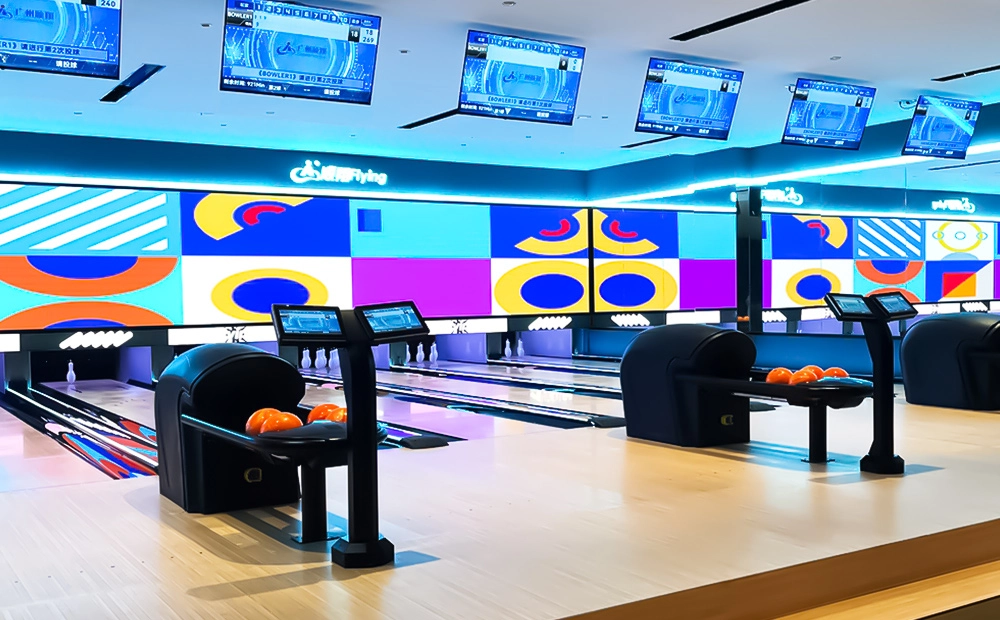
Flying Social Medium Bowling is a compact medium bowling equipment system designed for bars, cafes, family entertainment centers, community leisure venues, hotels, resorts, and small indoor entertainment spaces. With customizable lane lengths from 9.6m to 18m, small balls, lighter pins, string pinsetter technology, ball return, and automatic scoring, it creates an easy-to-play social bowling experience for players of different ages and skill levels.
Compared with full-size standard bowling, medium bowling requires less space and offers a more casual, interactive format. It is a practical choice for venues that want to add a bowling attraction without building a full commercial bowling alley.
Contact Flying
Start Your Custom Bowling Alley Project
If you contact us now for more details, we can provide you with a custom bowling alley service. Our service team will get back to you within 24 hours normally!
© 2026 Flying BOWLING. Designed by gooeyun.
FOLLOW US:
Flying Bowling
Flying Bowling
Flyingbowling
Flyingbowling