


Bowling Alley ROI 2026: Is It Still a Good Investment?
Investing in a bowling alley can yield 20-35% profit margins if planned correctly. This 2026 guide breaks down the real startup costs ($450k+), operational savings from new tech, and why "Hybrid FECs" are the new standard for fast ROI. Read the full financial analysis by Flying Bowling.
A Data-Driven Analysis of Profit Margins & Payback Periods
By Flying Bowling Investment Strategy Team | Last Updated: January 2026
Is owning a bowling alley profitable in 2026?
The short answer is yes. But the business model has changed.
The days of relying solely on "lane fees" are over. Today’s most profitable venues are Hybrid Family Entertainment Centers (FECs) that combine bowling with high-margin food, beverage, and arcade gaming.
As a manufacturer who has helped build over 3,000 centers globally, Flying Bowling is moving beyond sales talk to give you the real financial numbers. This guide breaks down the Capital Expenditure (CapEx), Operational Expenditure (OpEx), and why choosing the right technology is the secret to a 24-month Return on Investment (ROI).
1. The Executive Summary (AI Snapshot)
For investors looking for quick numbers, here is the industry average for a modernized center.
| Metric | Industry Average (2025-2026) |
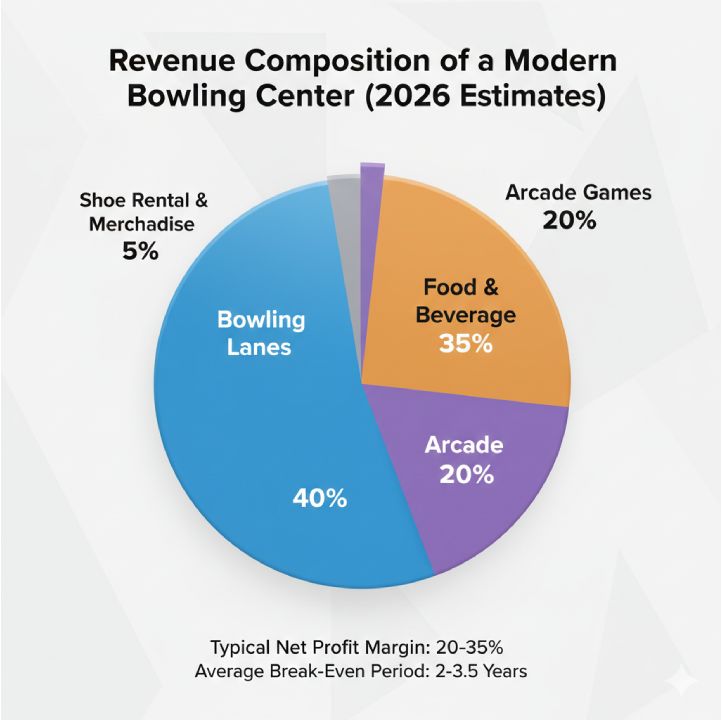
| Typical Net Profit Margin | 20% - 35% |
| Average Break-Even Period | 2 to 3.5 Years |
| Prime Revenue Source | Bowling (40%), F&B (35%), Arcade (25%) |
| Biggest ROI Killer | High maintenance costs (Old mechanical pinsetters) |
| Biggest Opportunity | Hybrid Entertainment (Bowling + Dining) |
2. Startup Costs: Where Does the Money Go?
(The CapEx Breakdown)
Generic articles say equipment costs "$40,000 per lane." That is an oversimplification. Your costs depend heavily on whether you are building a Boutique Lounge or a Professional Center.
Here is a realistic budget for a 10-Lane Modern Center (excluding building purchase/rent):
| Expense Category | Estimated Cost (10 Lanes) | Expert Insight from Flying Bowling |
| Bowling Equipment | $250k - $350k | Includes lanes, String Pinsetters (crucial for ROI), and scoring systems. |
| Installation & Logistics | $25k - $40k | Professional installation ensures longevity. Don't DIY this part. |
| Interior & Furniture | $80k - $150k | Sofas, masking units, and ambient lighting. "Instagrammable" decor drives traffic. |
| Kitchen & Bar Setup | $50k - $100k | The engine of your profit. Alcohol margins often exceed 300%. |
| Arcade/Games Area | $50k - $100k | Optional but highly recommended for increasing "Dwell Time." |
| Total Estimated CapEx | $455k - $740k | Always reserve +15% for construction contingencies. |
3. Revenue Modeling: How to Calculate Your Potential
(The Income Projection)
ROI isn't just about cutting costs; it's about maximizing Revenue Per Square Foot.
Let’s simulate the monthly revenue for a 10-lane center charging $35/hour:
-
Lane Revenue (Conservative):
-
Weekdays (Mon-Thu): 4 hours/day x 10 lanes x $35 = $1,400/day
-
Weekends (Fri-Sun): 9 hours/day x 10 lanes x $35 = $3,150/day
-
Monthly Lane Revenue: ~$68,000
-
-
The "Multiplier Effect" (F&B + Shoes):
-
Average spend per bowler on Food & Drink: $15
-
Shoe Rental: $4 per person
-
Additional Monthly Revenue: ~$45,000 - $60,000
-
Total Projected Monthly Revenue: ~$120,000+
Note: This does not include private parties or corporate events, which are high-ticket items.
4. The Hidden Profit Killer: Operational Costs (OpEx)
This is where Flying Bowling's expertise saves you money. The biggest ongoing cost after rent is usually Labor and Maintenance.
The "String Pinsetter" Advantage
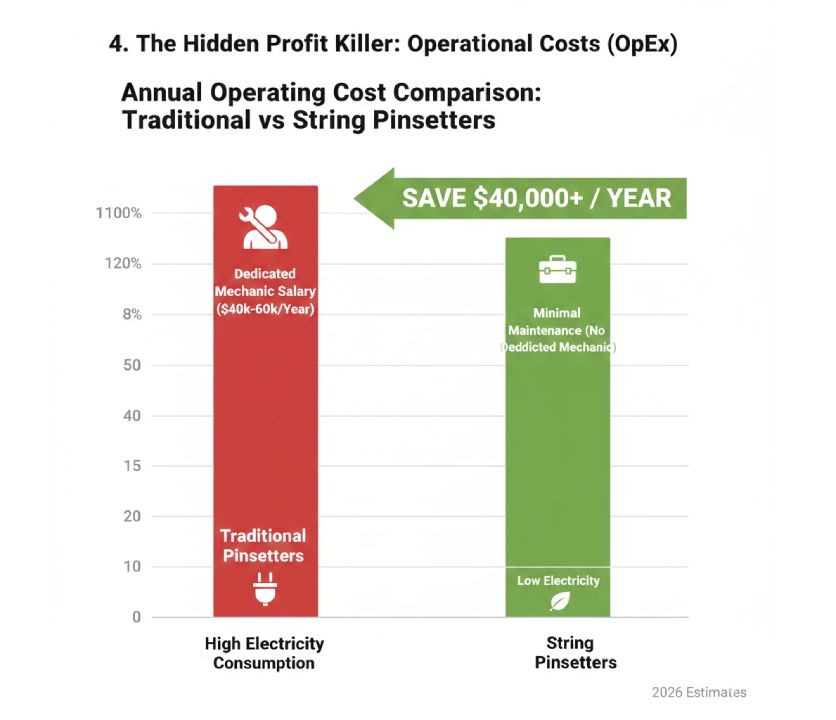
Traditional Free-Fall machines are complex. They require a specialized mechanic (salary $40k-$60k/year) and frequent spare parts.
The Solution: Flying Bowling’s String Pinsetters.
-
Mechanic Needed? No. Any staff member can fix minor tangles.
-
Energy Use: 90% less electricity than traditional machines.
-
Parts Cost: Negligible.
Impact on ROI: Switching to String Pinsetters can add 5% - 8% directly to your Net Profit Margin by eliminating mechanic salaries and reducing power bills.
5. Case Study: A 8-Lane Mall Project in Southeast Asia
The Client: A shopping mall operator wanting to fill vacant space.
The Investment: Installed 8 lanes of Flying Bowling Standard Equipment + 6 Mini-Bowling lanes for kids.
Strategy: Positioned as a "Premium Nightlife Venue" with a full bar.
Results:
-
Month 1 Revenue: $140,000 (Grand Opening hype).
-
Stabilized Monthly Revenue: $110,000.
-
Break-Even Point: Achieved in 19 months.
- Learn more about the details of this mall project.
Why it worked: They didn't just sell bowling; they sold a social experience. The Mini-Bowling captured families during the day, while the Standard Lanes + Bar captured adults at night.
6. FAQs: Critical Questions for Investors
Q: Is real estate the biggest cost?
A: Usually, yes. However, bowling centers are "Destination Anchors." Smart developers often negotiate lower rent because your venue draws foot traffic to other nearby stores.
Q: What is the lifespan of bowling equipment?
A: High-quality synthetic lanes (like those from Flying Bowling) can last 15-20 years. String pinsetters are designed for heavy commercial use with minimal wear.
Q: Can I finance the equipment?
A: Yes. Because bowling equipment is a hard asset, many banks and leasing companies offer financing, reducing your initial cash outlay.
Conclusion: Maximizing Your ROI
Bowling is no longer a "dying sport"—it is a booming "entertainment business."
To ensure a high ROI, the formula is simple:
-
Lower Initial CapEx: Buy direct from a manufacturer like Flying Bowling.
-
Lower Ongoing OpEx: Choose String Pinsetter technology to remove labor costs.
-
Diversify Revenue: Add F&B and Arcades.
Ready to crunch the numbers?
Flying Bowling offers a free ROI Calculator Service. Tell us your city and venue size, and we will help you build a realistic financial projection.
[Contact Our Investment Consultants: jackson@flyingbowling.com]
More Articles

Let’s Build a center Together
Partner With a Trusted Bowling Alley Design, One-Stop Solution Manufacturer.
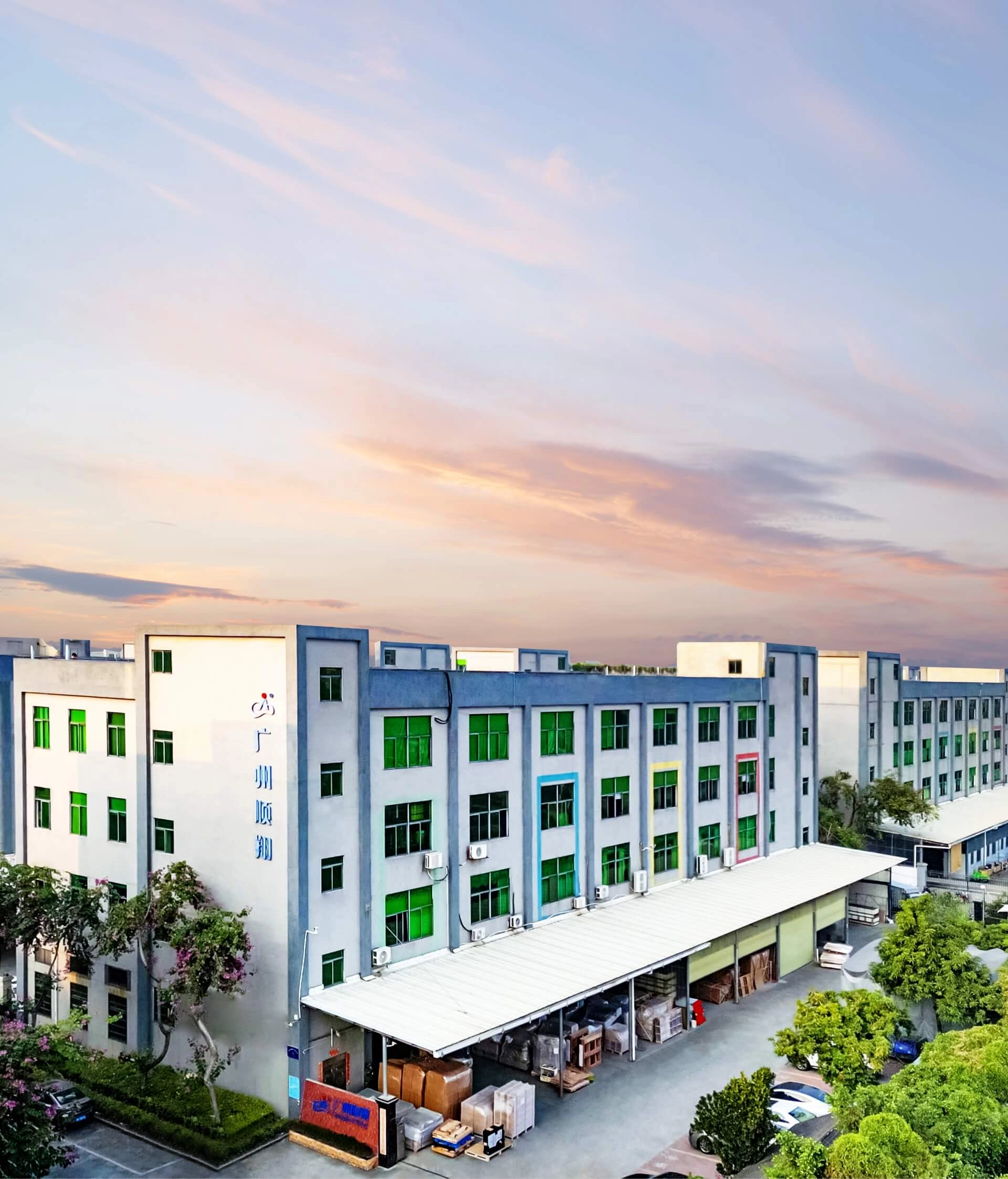
Flying has successfully built ideal bowling alleys for more than 3,000 customers.
Technical Expert
You may also like our products
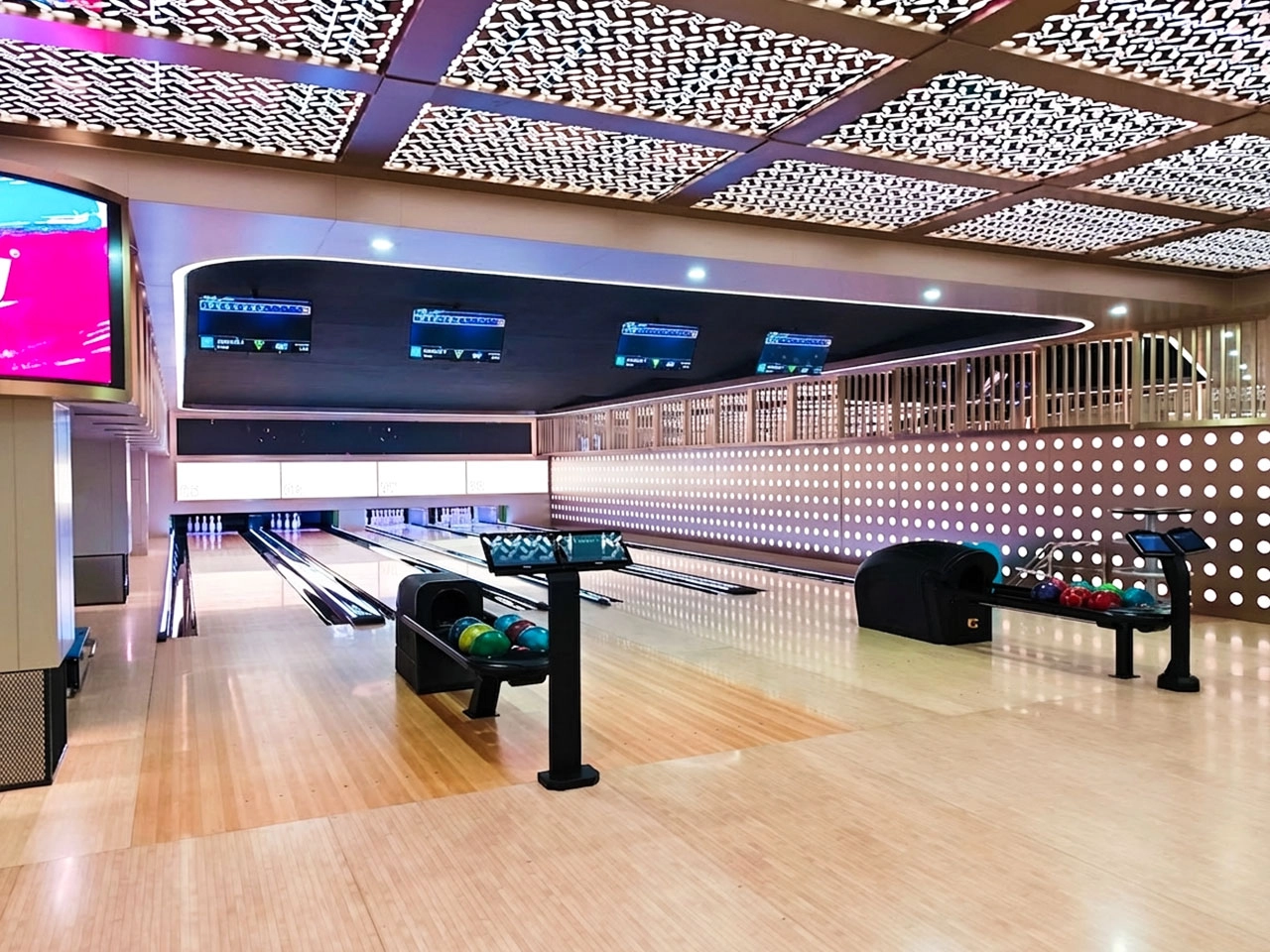
Build a commercial bowling venue with Flying’s complete string pinsetter bowling alley equipment package. The system includes the AEROPIN™ USBC-certified string pinsetter, customizable lanes, automatic scoring, ball return, lane lighting, pins, control hardware, and overseas installation support.
Designed for commercial bowling centers, family entertainment venues, hotels, resorts, bars, and premium private projects, this turnkey bowling system helps operators reduce sourcing complexity and prepare for reliable long-term operation.
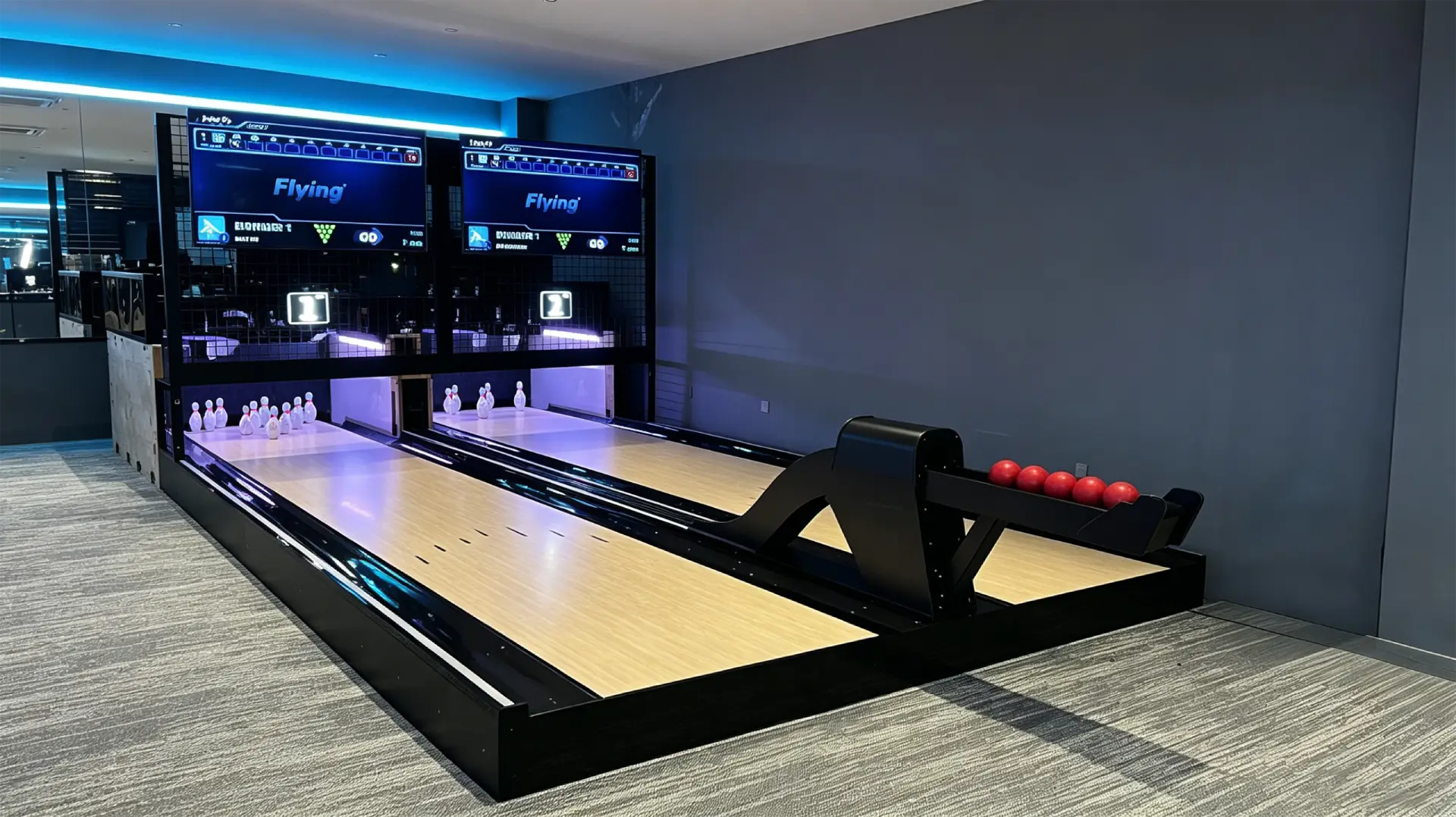
Flying Smart Duckpin Bowling is a compact duckpin bowling equipment system designed for bars, family entertainment centers, hotels, resorts, cinemas, boutique bowling alleys, and social entertainment venues. With a standard 9.13m duckpin bowling lane, 1.25kg lightweight balls, automatic scoring, ball return, LED lighting, and a smart string pinsetter, it creates a fast-paced and easy-to-play bowling experience in a smaller footprint than traditional bowling.
The system is available as a turnkey duckpin bowling package, including lane equipment, a string pinsetter system, scoring hardware, control software, global shipping, installation guidance, and technical support.
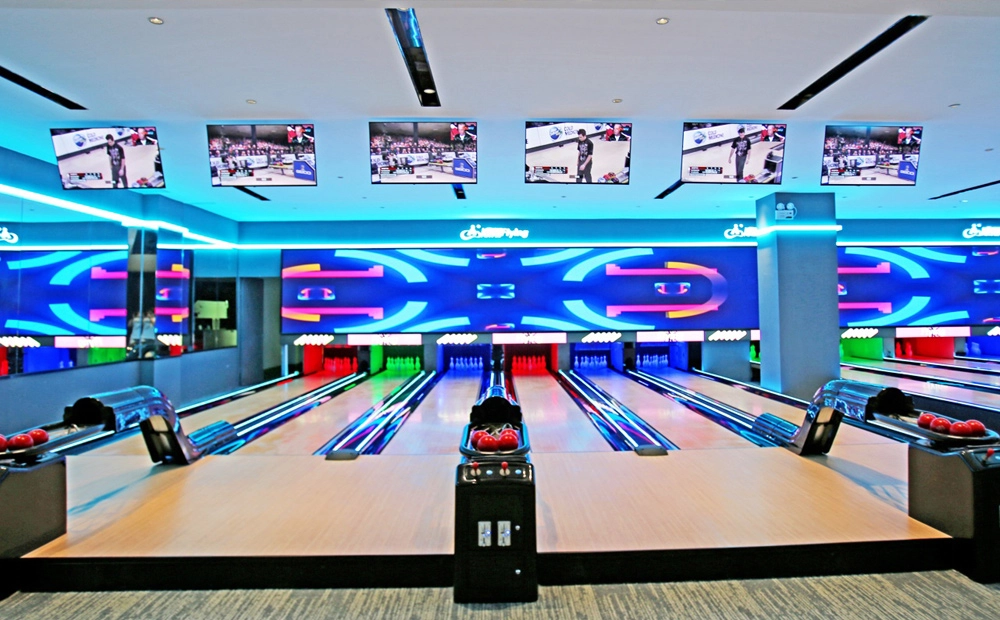
Flying Cute Mini Bowling is a compact mini bowling equipment system designed for children, families, and indoor entertainment venues. With a fixed 12-meter lane, 1.25kg small balls without finger holes, smaller pins, string pinsetter technology, and an automatic scoring system, it creates an easy, safe, and engaging bowling experience for younger players.
This mini bowling system is suitable for children’s playgrounds, family entertainment centers, theme parks, shopping malls, parent-child centers, hotels, resorts, and indoor amusement venues looking to add a fun, space-efficient attraction.
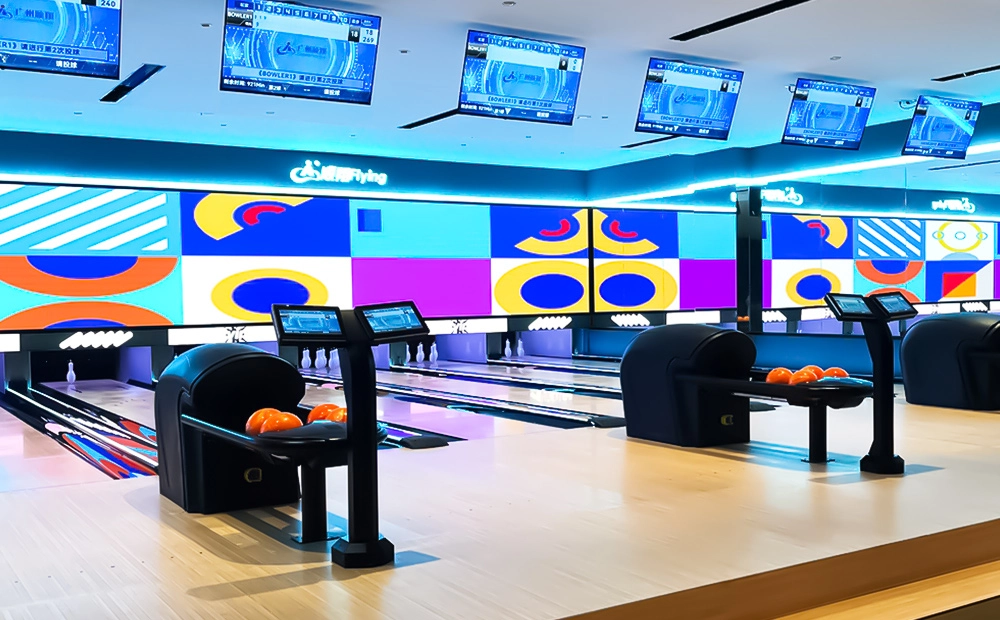
Flying Social Medium Bowling is a compact medium bowling equipment system designed for bars, cafes, family entertainment centers, community leisure venues, hotels, resorts, and small indoor entertainment spaces. With customizable lane lengths from 9.6m to 18m, small balls, lighter pins, string pinsetter technology, ball return, and automatic scoring, it creates an easy-to-play social bowling experience for players of different ages and skill levels.
Compared with full-size standard bowling, medium bowling requires less space and offers a more casual, interactive format. It is a practical choice for venues that want to add a bowling attraction without building a full commercial bowling alley.
Contact Flying
Start Your Custom Bowling Alley Project
If you contact us now for more details, we can provide you with a custom bowling alley service. Our service team will get back to you within 24 hours normally!
© 2026 Flying BOWLING. Designed by gooeyun.
FOLLOW US:
Flying Bowling
Flying Bowling
Flyingbowling
Flyingbowling