


How Do They Oil Bowling Lanes? Your Questions Answered
Bowling lane oiling is crucial for consistent ball reaction and scoring. But how is it done, and why is it so important? This post answers your most pressing questions about bowling lane oiling.
How Often Should Bowling Lanes Be Oiled?
The frequency of oiling depends on several factors, including the volume of play, the type of oil used, and the desired playing conditions. Generally, bowling lanes should be oiled **at least once a day**, and often **before each league night or tournament**. High-volume centers may oil more frequently, even multiple times per day. The goal is to maintain a consistent oil pattern that provides a fair playing field for all bowlers.
What Kind of Oil is Used on Bowling Lanes?
Bowling lane oil, also known as conditioner, is a specially formulated oil with a specific viscosity and friction coefficient. Different oils are designed for different lane surfaces and playing styles. Most modern oils are **synthetic**, offering better consistency and longevity compared to older natural oils. Popular brands include Kegel, Brunswick, and Hammer.
How Do They Apply the Oil?
Bowling lane oiling is done with a **lane machine**, also called a conditioner machine. This machine precisely applies the oil in a specific pattern, ensuring consistency across the lane. The machine typically has a tank for the oil, a spray system to apply the oil, and a wiper or buffer to smooth it out. The operator programs the machine with the desired oil pattern, and the machine automatically applies the oil as it travels down the lane.
What is a Bowling Lane Oil Pattern?
The oil pattern is the specific configuration of oil on the lane. It's measured in terms of **distance**, **volume**, and **taper**. Distance refers to the length of the oil pattern from the foul line. Volume refers to the amount of oil applied to the lane. Taper refers to the way the oil thins out towards the end of the pattern. Different oil patterns create different ball reactions, influencing how much the ball hooks and when it breaks towards the pocket. Common patterns include house shots (easy), sport shots (challenging), and PBA patterns (very challenging).
Why is Oiling Bowling Lanes Important?
Oiling bowling lanes is critical for several reasons:
* **Protecting the Lane Surface:** The oil prevents the bowling ball from directly contacting and damaging the lane surface.
* **Creating Consistent Ball Reaction:** The oil pattern provides a consistent surface for the ball to travel on, allowing bowlers to predict and control their ball's reaction.
* **Equalizing the Playing Field:** A well-maintained oil pattern ensures that all bowlers have a fair chance of scoring well.
* **Controlling Hook Potential:** The oil helps control how much the ball hooks, preventing excessive or unpredictable ball reaction.
By understanding the importance of lane oiling, you can better appreciate the complexity of the sport and improve your own game.
More Articles
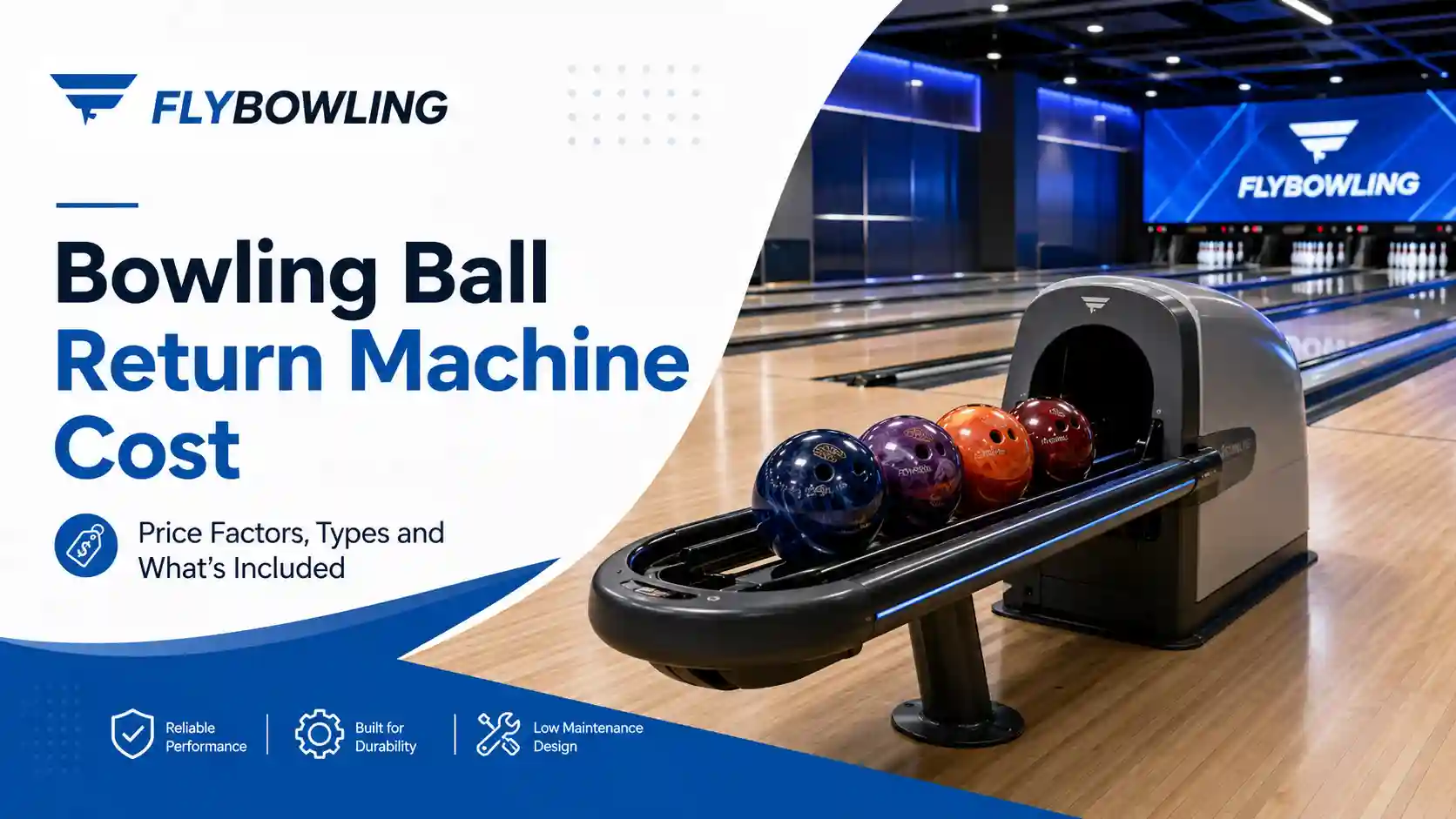
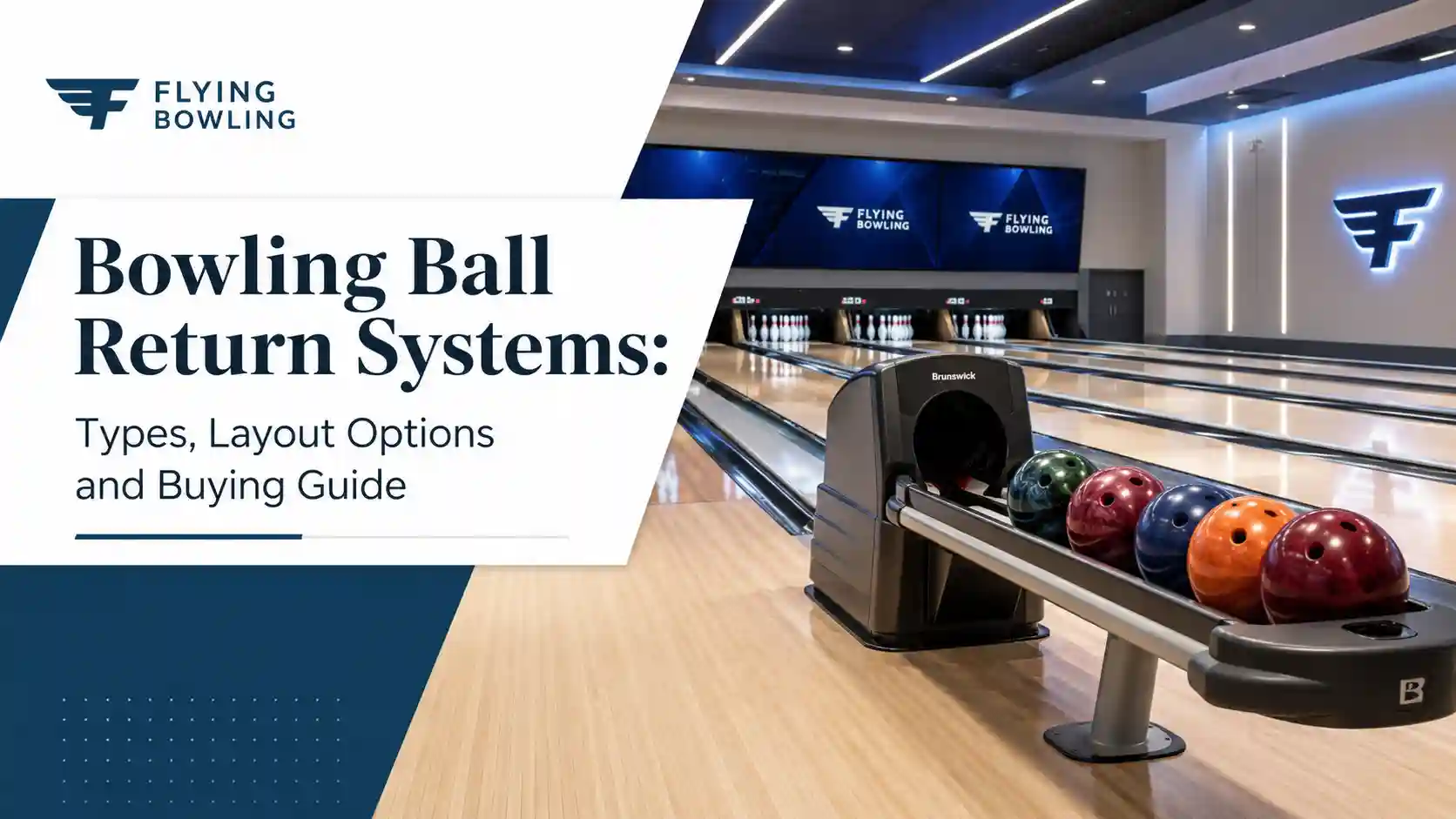
Find out how much a bowling lane costs with Flying's expert insights. Explore real prices, installation details, and professional tips to plan your bowling alley investment efficiently. Get the right information to help your business succeed.

Let’s Build a center Together
Partner With a Trusted Bowling Alley Design, One-Stop Solution Manufacturer.
Flying has successfully built ideal bowling alleys for more than 3,000 customers.
Technical Expert
You may also like our products
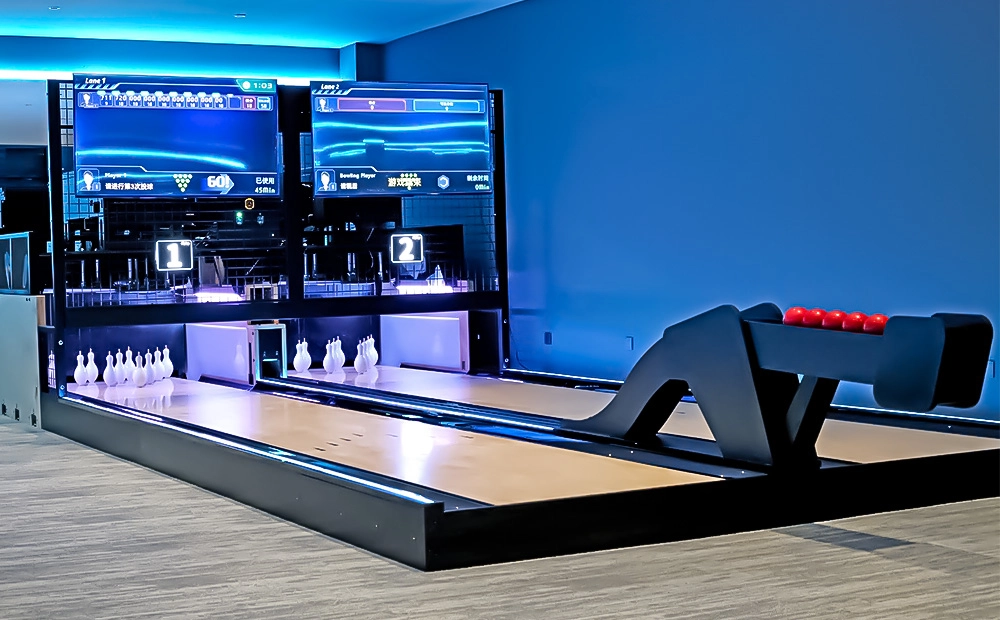
Flying Smart Duckpin Bowling (FSDB) innovative design, standard 9.2-meter short lane, can be shortened in length, compact layout suitable for small spaces. The game rules are simple but challenging, attracting players of different ages to actively participate.
Suitable for social entertainment venues such as bars, billiard halls, and game centers, it not only enhances interactivity but also increases the popularity and consumption frequency of the venue. The fun and competitive nature of FSDB will make it a new focus of social activities.
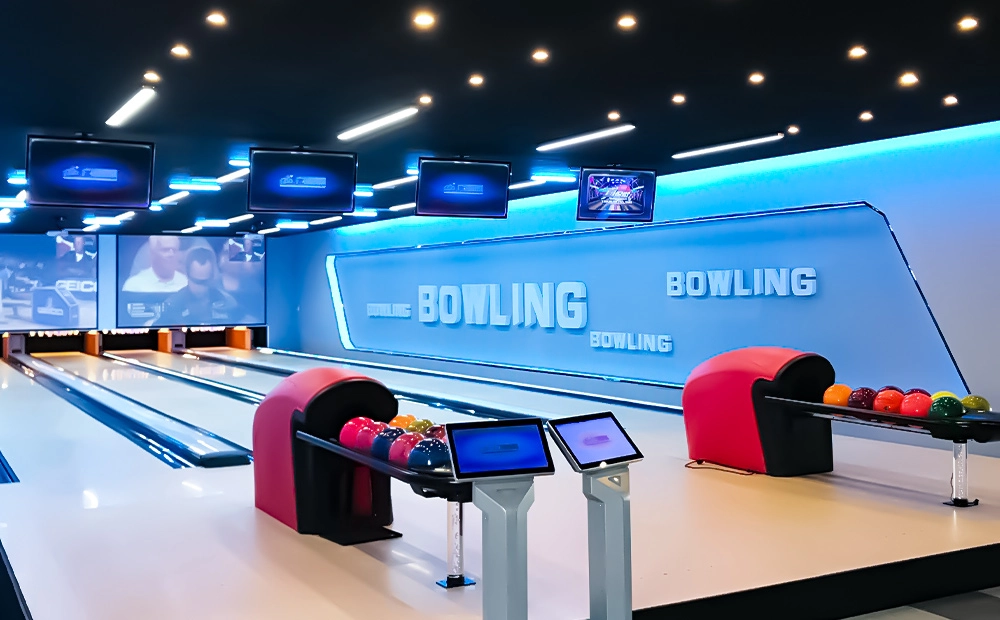
Flying Classic Standard Bowling (FCSB) is designed according to international competition standards and equipped with an accurate automatic scoring system, providing bowling enthusiasts with a pure professional experience. Whether it is for competitions or leisure entertainment, FCSB can meet high-level needs.
Suitable for family entertainment centers, luxury resorts, private villas, or clubs, it is an ideal choice for customers who pursue high-end quality and professional experience. Its classic design and excellent performance will add lasting appeal to the venue.
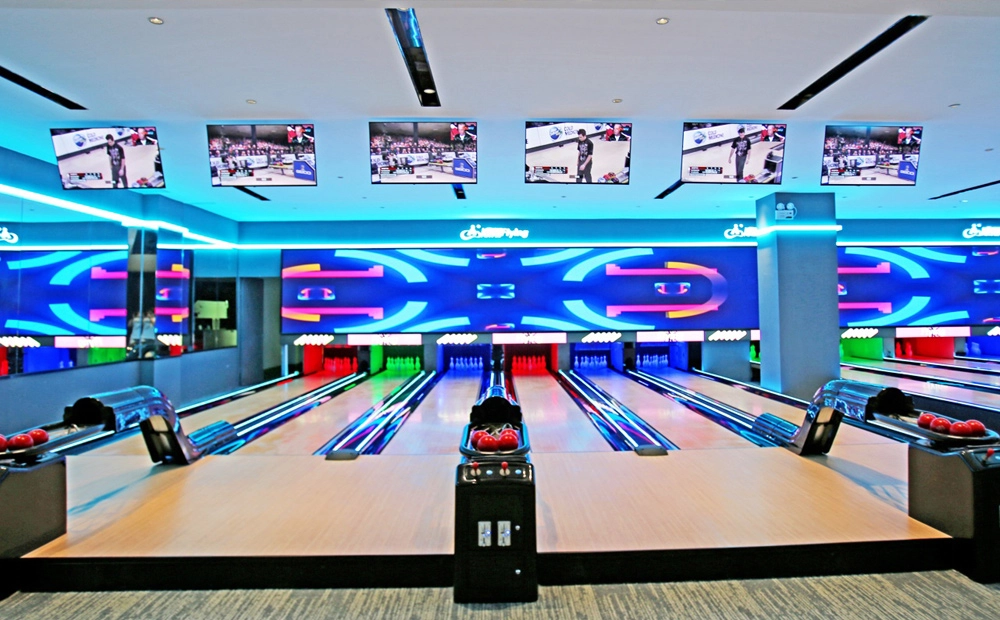
Flying Cute Mini Bowling (FCMB) is a mini bowling experience designed for children and families. The lane length is fixed at 12 meters, equipped with lightweight balls without finger holes (only 1.25kg) and small pins, specially designed for children and family fun.
It can not only help children feel the fun of bowling, but also stimulate their interest and competitive consciousness. Suitable for children's playgrounds, theme parks and parent-child centers, it is the best choice for places focusing on the children's market.
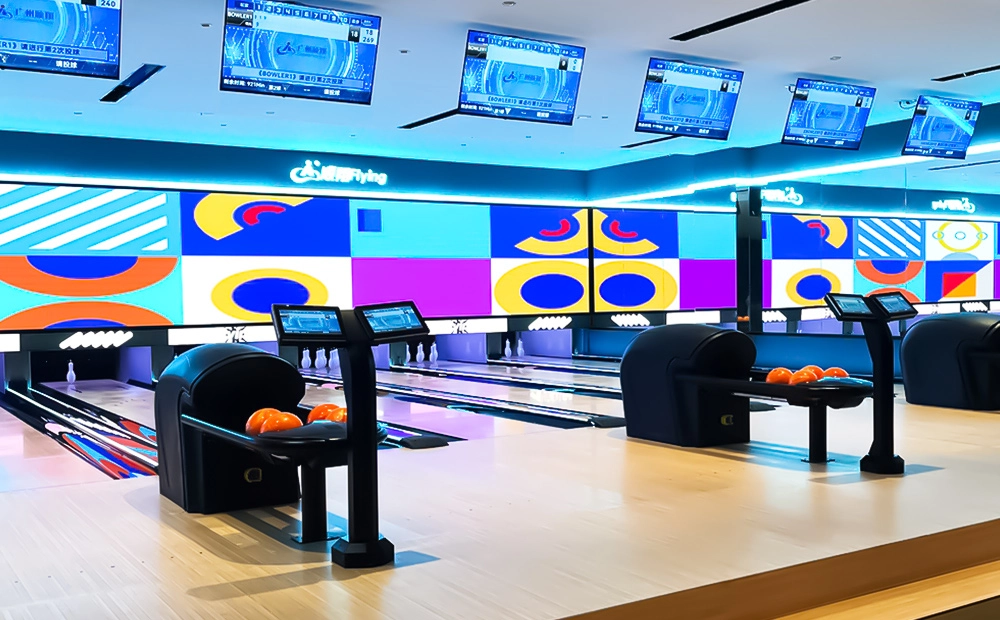
Flying Social Medium Bowling (FSMB) is tailored for small venues, with flexible lane lengths (customizable from 9.6 meters to 18 meters), a small ball design suitable for players of all ages, and light pins that are easier to knock down, increasing participation and fun.
Whether it is a gathering of friends or a casual social, FSMB can easily create a relaxed and pleasant atmosphere. Its efficient space-utilization design is particularly suitable for cafes, bars and community entertainment venues, allowing people to fall in love with bowling in a relaxed interaction.
Contact Flying
Start Your Custom Bowling Alley Project
If you contact us now for more details, we can provide you with a custom bowling alley service. Our service team will get back to you within 24 hours normally!
© 2026 Flying BOWLING. Designed by gooeyun.
FOLLOW US:
Flying Bowling
Flying Bowling
Flyingbowling
Flyingbowling