


How Much to Build a Bowling Alley in Japan? | Flying
How Much to Build a Bowling Alley in Japan?
Building a bowling alley in Japan presents an exciting opportunity for investors and entrepreneurs looking to capitalize on the enduring popularity of this timeless sport. Whether you envision a modern entertainment complex or a cozy local alley, understanding the costs involved is crucial for a successful venture. This guide, brought to you by Flying - a leader in bowling equipment and construction since 2015, will navigate through the essential financial considerations and strategic steps to bring your bowling alley dream to life in Japan.
Introduction
Bowling, with its universal appeal and timeless charm, continues to attract enthusiasts across generations. In Japan, the potential for opening a bowling alley is promising, given the nation's love for innovative recreational activities. However, to ensure success in this competitive market, a comprehensive understanding of costs, equipment, and construction processes is essential.
At Flying, we've been at the forefront of bowling innovations since 2015, specializing in the R&D of bowling string pinsetters and ball return machines. Our commitment to quality and affordability enables us to deliver world-class bowling solutions comparable to those from Europe and America. Allow us to guide you through the factors influencing the cost of building a bowling alley in Japan, highlighting our complete set of design and construction services.
Estimating the Cost of Building a Bowling Alley in Japan
1. Location and Space Allocation
Choosing the right location is foundational in determining your bowling alley's overall cost. Factors such as urban or rural settings, property prices, and space allocation significantly impact budgets. In urban areas, expect higher lease or purchase prices due to proximity to populated centers. Renting or buying an appropriately sized facility can range from ¥15 million to ¥50 million annually, depending on location.
2. Construction and Design
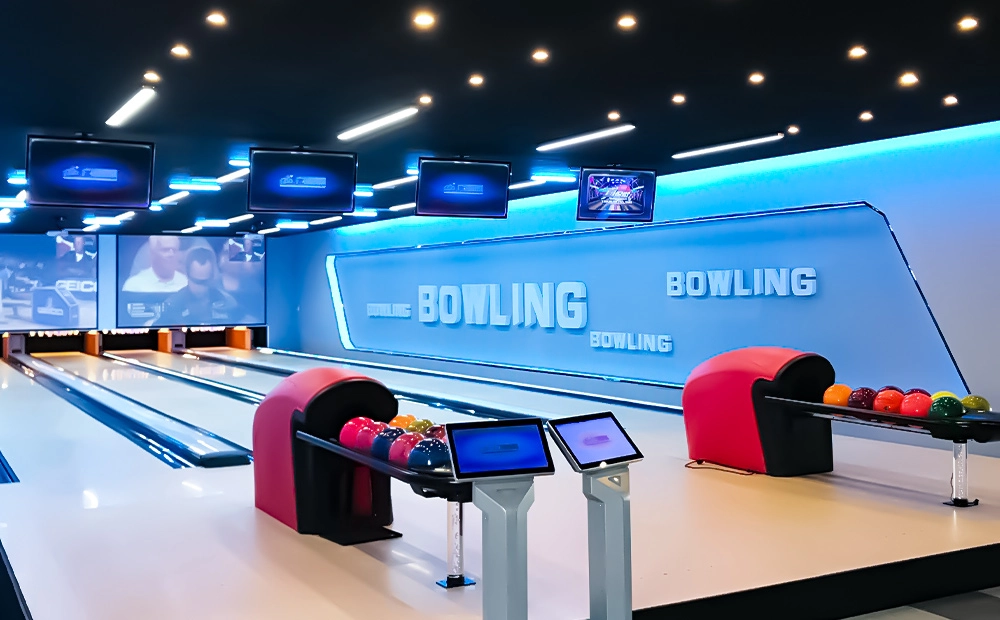
Design and aesthetic appeal greatly influence customer experience and your alley's long-term success. Partnering with a reputable company like Flying ensures you're backed by experts in crafting innovative designs that attract patrons.
Exterior and Interior Design
Invest in a captivating exterior and functional interior. Designing the perfect ambiance involves initial costs ranging from ¥10 million to ¥30 million for:
- Architectural designs
- Lighting and sound systems
- Interiors and furnishings
Infrastructure and Machinery
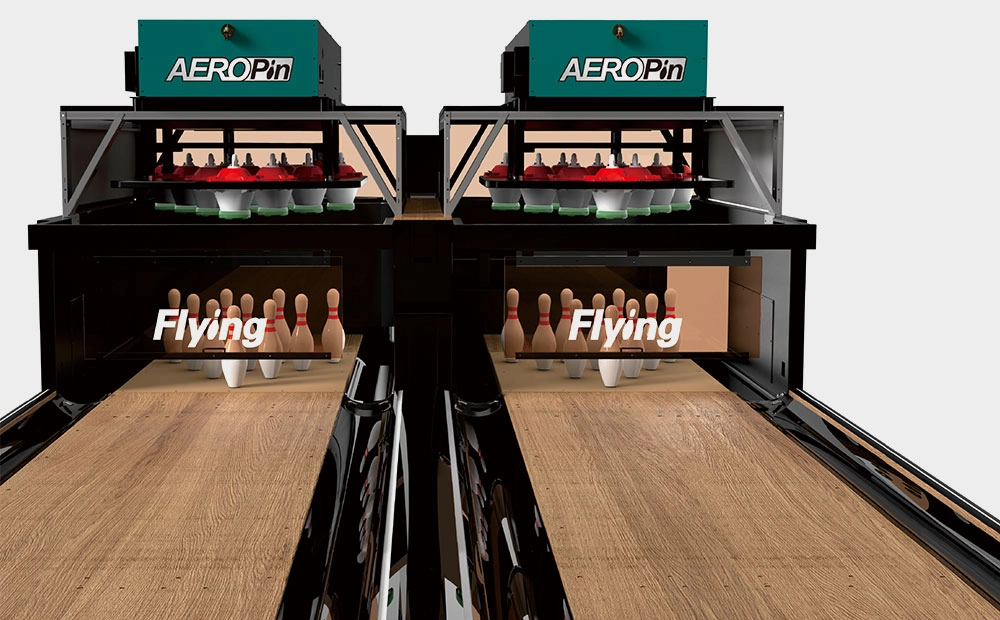
Central to any bowling alley are the string pinsetters and ball return machines. At Flying, we provide a complete set of equipment, including Medium, Standard, Duckpin, and Mini Bowling lanes, developed through rigorous R&D since 2015. Installing high-quality machinery can range from ¥20 million to ¥60 million, depending on alley size and lane type.
3. Licensing and Permits
Navigating licensing and permits is an indispensable step in your project, involving costs for:
- Business registration
- Safety and health inspections
- Entertainment permits
Expect these administrative expenses to be approximately ¥1 million to ¥3 million, depending on jurisdictional requirements.
4. Operational and Maintenance Costs
Beyond initial setup, consider ongoing expenses:
- Staff salaries
- Utility bills
- Equipment maintenance
Approximate annual maintenance for our durable equipment ranges from ¥2 million to ¥5 million, ensuring longevity and consistent customer satisfaction.
Flying's Comprehensive Bowling Solutions
Since our inception, Flying has strived to surpass industry standards, launching medium bowling, standard bowling, Duckpin, Mini Bowling, and more, maintaining affordability for global users. Our holistic approach integrates High-Quality design, construction, and exceptionally-priced equipment, positioning us as an ideal partner for building a bowling alley in Japan.
Conclusion
Building a bowling alley in Japan demands strategic planning, from selecting the ideal location to constructing an engaging, functional space. Each step involves thoughtful budget considerations, with guidance from industry leaders like Flying ensuring a high-quality outcome within manageable costs.
As you embark on creating a memorable bowling experience, leverage Flying’s expertise in providing top-tier equipment and comprehensive design and construction services. With our unparalleled commitment to quality, affordability, and satisfaction, we are dedicated to bringing your vision into striking reality.
FAQs
How much does it cost to build a bowling alley in Japan?
Costs vary based on location, design preferences, equipment, licensing, and operational requirements. Estimated expenses range from ¥50 million to ¥150 million.
What permits are needed to open a bowling alley in Japan?
Typically, permits include business registration, safety inspections, and entertainment licenses, which incur a cost of approximately ¥1 million to ¥3 million.
Why choose Flying for bowling alley construction?
Flying offers superior quality bowling equipment at competitive prices, combined with comprehensive design and construction solutions, making us a trusted partner since 2015.
Can Flying provide custom designs for my bowling alley?
Absolutely! Flying specializes in crafting unique, engaging designs tailored to your vision, ensuring an inviting atmosphere and optimal functionality.
How does Flying's equipment compare to international standards?
Flying's equipment adheres to global quality benchmarks, with affordability and innovation as our hallmarks, rivaling renowned European and American brands.
Building a bowling alley in Japan is a rewarding venture that requires insightful planning and investment. Let Flying navigate you through every phase with our expertise and dedication to excellence.
Recommended products
Flying Smart Duckpin Bowling Equipment and Lane System for Commercial Venues
USBC-Certified AEROPIN String Pinsetter System
Mini Bowling Equipment for Kids and Family Entertainment Venues
Medium Bowling Equipment for Social Entertainment Venues
Complete String Pinsetter Bowling Alley Equipment System
You may also like
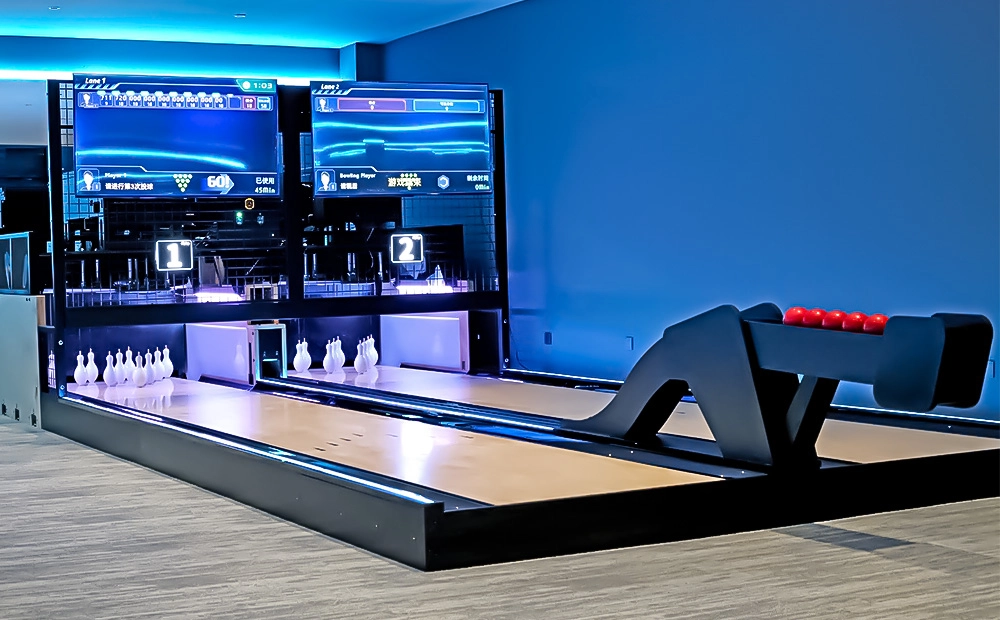
Flying Smart Duckpin Bowling (FSDB) innovative design, standard 9.2-meter short lane, can be shortened in length, compact layout suitable for small spaces. The game rules are simple but challenging, attracting players of different ages to actively participate.
Suitable for social entertainment venues such as bars, billiard halls, and game centers, it not only enhances interactivity but also increases the popularity and consumption frequency of the venue. The fun and competitive nature of FSDB will make it a new focus of social activities.
Flying Classic Standard Bowling (FCSB) is designed according to international competition standards and equipped with an accurate automatic scoring system, providing bowling enthusiasts with a pure professional experience. Whether it is for competitions or leisure entertainment, FCSB can meet high-level needs.
Suitable for family entertainment centers, luxury resorts, private villas, or clubs, it is an ideal choice for customers who pursue high-end quality and professional experience. Its classic design and excellent performance will add lasting appeal to the venue.
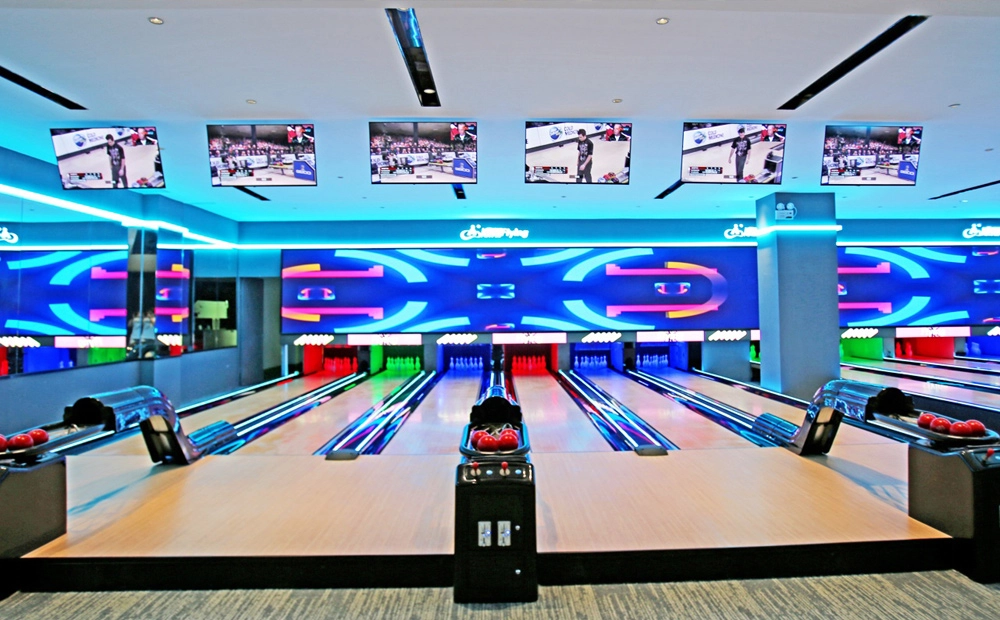
Flying Cute Mini Bowling (FCMB) is a mini bowling experience designed for children and families. The lane length is fixed at 12 meters, equipped with lightweight balls without finger holes (only 1.25kg) and small pins, specially designed for children and family fun.
It can not only help children feel the fun of bowling, but also stimulate their interest and competitive consciousness. Suitable for children's playgrounds, theme parks and parent-child centers, it is the best choice for places focusing on the children's market.
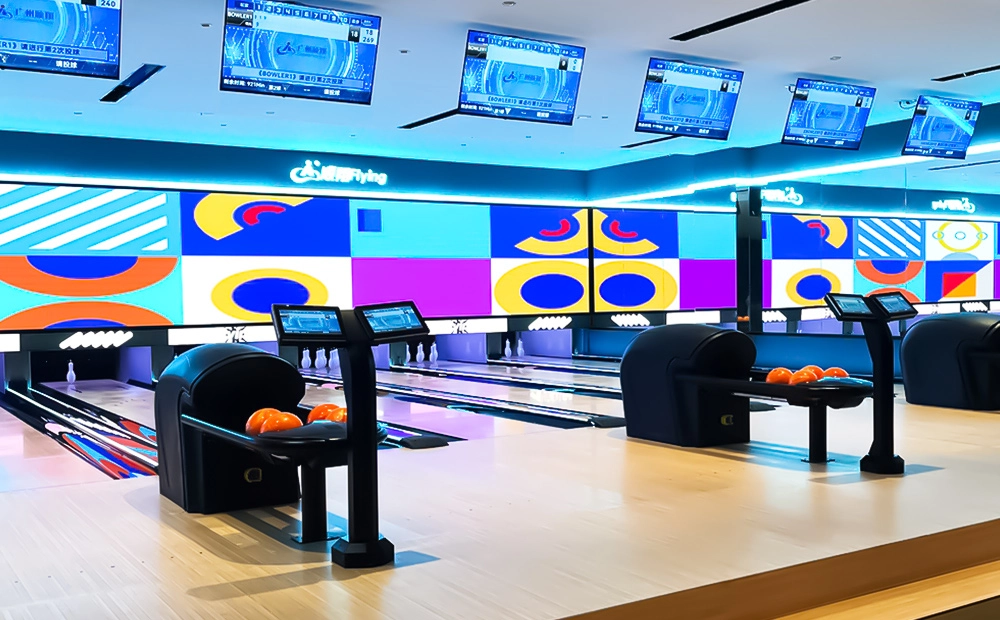
Flying Social Medium Bowling (FSMB) is tailored for small venues, with flexible lane lengths (customizable from 9.6 meters to 18 meters), a small ball design suitable for players of all ages, and light pins that are easier to knock down, increasing participation and fun.
Whether it is a gathering of friends or a casual social, FSMB can easily create a relaxed and pleasant atmosphere. Its efficient space-utilization design is particularly suitable for cafes, bars and community entertainment venues, allowing people to fall in love with bowling in a relaxed interaction.
Contact Flying
Start your bowling alley project
If you contact us now for more details, we can provide you with a custom bowling alley service. Our service team will get back to you within 24 hours normally!
© 2026 Flying BOWLING. Designed by gooeyun.
FOLLOW US:
Flying Bowling
Flying Bowling
Flyingbowling
Flyingbowling