


How Much Does a Bowling Lane Cost? Complete Price Breakdown & Buying Guide
Wondering how much does a bowling lane cost? Flying Bowling breaks down real pricing for commercial installations, used equipment, and DIY setups so you can budget accurately. Get the facts on lane types, installation fees, and long-term maintenance costs before making your investment.
Quick Overview
A commercial bowling lane typically costs between $25,000 and $45,000 per lane, depending on the lane configuration, equipment included, technology level, and installation requirements.
The price of a bowling lane is not only the cost of the playing surface. A complete bowling lane system usually includes the lane structure, pinsetter system, ball return, scoring system, and other essential components required for operation.
The final cost varies based on factors such as bowling format, pinsetter type, scoring technology, customization requirements, and whether installation services are included.
How Much Does a Bowling Lane Cost?
The short answer is: A commercial bowling lane usually costs around $25,000–$45,000 per lane for a complete bowling system.
However, the actual price depends on what is included in the package.
A bowling lane is not a single piece of equipment. It is a complete system made up of multiple components that work together to provide a reliable bowling experience.
When purchasing a commercial bowling lane, buyers are usually investing in the lane system, pinsetter equipment, ball return system, scoring technology, and supporting accessories.
Different suppliers may provide different prices because their equipment scope and service packages are not always the same.
Bowling Lane Cost Reference
The following figures are planning references based on commercial bowling lane systems.
| Bowling Lane Type | Typical Cost Range | Notes |
|---|---|---|
| Standard Ten-Pin Bowling Lane | Approximately $25,000–$45,000 per lane | The most common commercial bowling format |
| Duckpin Bowling Lane | Approximately $20,000–$40,000 per lane | Depends on equipment configuration and customization |
| Customized Bowling Lane Solution | Project-based pricing | Varies according to special requirements |
Price Basis
The prices shown above are general planning references for commercial bowling equipment configurations.
They are not fixed quotations. Actual supplier pricing may vary depending on bowling system configuration, pinsetter technology, scoring system selection, number of lanes purchased, shipping requirements, installation scope, and customization level.
A detailed project review is required before confirming the final price.
Standard Ten-Pin Bowling Lane Cost
Standard ten-pin bowling lanes are the most widely used commercial bowling systems.
A complete ten-pin bowling lane normally includes the lane surface, approach area, pinsetter system, ball return, and scoring system.
The typical cost range for a commercial ten-pin bowling lane is approximately $25,000–$45,000 per lane, depending on the equipment configuration and included services.
The main factors affecting ten-pin bowling lane cost include pinsetter selection, scoring system features, lane specifications, installation requirements, and additional equipment included in the package.
For commercial venues, the most suitable configuration depends on expected usage, operating requirements, and long-term maintenance considerations.
Duckpin Bowling Lane Cost
Duckpin bowling lanes use a different bowling format from standard ten-pin systems and may require different equipment configurations.
A commercial duckpin bowling lane typically costs around $20,000–$40,000 per lane, depending on the selected system, technology level, and project requirements.
The final price can be influenced by lane design, pinsetter configuration, scoring requirements, and venue customization.
For buyers comparing different bowling formats, the decision should not be based only on the initial lane price. The selected system should also match the intended customer experience, operating model, and venue requirements.
What Is Included in a Bowling Lane Cost?
Many buyers initially focus only on the lane surface, but a complete bowling lane requires several integrated systems.
Understanding the included components helps buyers compare supplier quotations more accurately and avoid comparing incomplete packages.
Bowling Lane System
The bowling lane system includes the playing surface, approach area, gutters, and supporting structures.
Commercial bowling lanes commonly use synthetic materials because they provide consistent performance, durability, and easier maintenance compared with traditional wood lane systems.
The lane specification can influence the total investment through material selection, performance requirements, and installation complexity.
Pinsetter System
The pinsetter is one of the most important components affecting bowling lane cost.
It controls the process of resetting pins after each frame and directly influences equipment complexity, maintenance requirements, and long-term operating considerations.
Different pinsetter technologies have different investment levels.
String pinsetters are commonly selected for many commercial entertainment venues because they generally have fewer mechanical components and can simplify maintenance.
Traditional free-fall pinsetters may involve more mechanical systems and different maintenance requirements.
When comparing bowling lane prices, buyers should confirm exactly which pinsetter system is included in the quotation.
Ball Return System
The ball return system is an essential part of daily bowling operation.
It collects returned bowling balls and sends them back to players during gameplay, ensuring smooth operation throughout the customer experience.
The final cost depends on the system configuration, lane layout, and integration requirements.
Scoring System
Modern bowling venues usually use digital scoring systems to improve customer experience and operational efficiency.
Depending on the selected solution, scoring systems may include automatic scoring, player display systems, touchscreen controls, and management functions.
Advanced scoring features and customization options can increase the overall lane investment.
Additional Equipment Required for a Bowling Lane
A complete bowling operation requires more than the main lane system.
Depending on the venue requirements, additional items may be needed to provide a complete customer experience and support daily operation.
| Additional Item | Purpose |
|---|---|
| Bowling Pins | Required for gameplay operation |
| House Bowling Balls | Provides bowling equipment for customers |
| Bowling Shoes | Supports customer usage and venue operation |
| Lane Maintenance Equipment | Helps maintain lane performance and condition |
| Seating and Accessories | Improves customer experience and venue functionality |
These items are usually not the main cost component of a bowling lane system, but they should be considered when preparing a complete purchasing plan.
What Factors Affect Bowling Lane Price?
The final bowling lane cost depends on several technical and purchasing factors.
Pinsetter Type
The selected pinsetter technology has a significant impact on cost because it affects equipment complexity, maintenance requirements, and operating characteristics.
Different venues may choose different pinsetter solutions depending on expected usage, operational preferences, and maintenance considerations.
Lane Specification
Different lane materials and specifications can influence durability, performance, and pricing.
Commercial venues usually select lane systems based on expected usage intensity, maintenance requirements, and customer experience expectations.
Scoring Technology
Basic scoring systems and advanced interactive solutions have different investment levels.
The right choice depends on the venue type, operating model, and customer experience goals.
Number of Lanes Purchased
The number of lanes can affect the overall quotation.
A single-lane project and a multi-lane commercial installation may require different equipment planning, logistics arrangements, and installation processes.
Bowling Lane Cost vs Bowling Equipment Cost
Bowling lane cost and bowling equipment cost are related but not identical.
A bowling lane cost usually refers to the complete lane system required for gameplay, including the lane structure and integrated operating equipment.
Bowling equipment cost may refer to individual equipment categories or components, such as pinsetters, scoring systems, or accessories.
Understanding this difference helps buyers avoid comparing incomplete quotations and makes it easier to evaluate the actual scope of each supplier’s proposal.
Key Difference
| Cost Category | Main Focus |
|---|---|
| Bowling Lane Cost | Complete lane system required for bowling operation |
| Bowling Equipment Cost | Individual equipment components or equipment categories |
Bowling Lane Purchase Checklist
Before purchasing a bowling lane, buyers should confirm several important details.
Reviewing these points before making a decision helps avoid unexpected costs and makes supplier quotations easier to compare.
| Checklist Item | Questions to Confirm |
|---|---|
| Bowling Format | Is the project using standard ten-pin, duckpin, or another bowling format? |
| Lane Quantity | How many lanes are required? |
| Pinsetter System | Which pinsetter technology is included? |
| Scoring System | What scoring features are provided? |
| Equipment Scope | Are all required components included? |
| Installation | Is installation and commissioning included? |
| Spare Parts | Are replacement parts available? |
| Technical Support | What support is provided after installation? |
Why Do Bowling Lane Prices Differ Between Suppliers?
Different suppliers may provide different prices because their equipment configurations and service scopes are not always identical.
For example, one quotation may include only the main bowling equipment, while another may include additional components, installation support, and technical services.
When comparing prices, buyers should review the complete quotation instead of focusing only on the final number.
| Quotation Area | What To Review |
|---|---|
| Equipment Included | Check whether all required systems and components are listed. |
| Installation Scope | Confirm whether setup and commissioning are included. |
| Support Services | Review technical support and future service availability. |
| Warranty Terms | Understand what components and services are covered. |
How to Choose the Right Bowling Lane Solution
The right bowling lane solution depends on how the venue will operate and what experience it aims to provide.
A smaller entertainment venue may prioritize easier maintenance and efficient operation, while a high-volume commercial location may require systems designed for heavier usage.
Before purchasing, buyers should evaluate expected usage, available space, required number of lanes, equipment configuration, and future maintenance needs.
Selecting the correct configuration can help balance initial investment and long-term operating value.
Choosing a Bowling Equipment Supplier
A bowling supplier should provide more than equipment delivery.
Important factors include commercial bowling project experience, technical communication capability, equipment integration knowledge, installation support, and spare parts availability.
A supplier with complete technical support can help reduce problems during installation and operation.
Flying Bowling Commercial Bowling Solutions
Flying Bowling provides commercial bowling equipment solutions for different venue requirements.
The company supports customers with bowling system planning, equipment configuration, technical communication, and project support.
For customers planning a bowling project, selecting a suitable equipment partner can help create a clearer budget and smoother implementation process.
Conclusion
A commercial bowling lane typically costs around $25,000–$45,000 per lane, but the final price depends on the bowling format, equipment configuration, included components, and project requirements.
The real value of a bowling lane is determined not only by the initial purchase price, but also by system reliability, maintenance requirements, technology selection, and supplier support.
Understanding what is included in a bowling lane cost helps buyers compare solutions more accurately and choose the right bowling system for their venue.
Planning Your Bowling Lane Project?
Share your bowling requirements, lane quantity, and project details to receive a suitable solution recommendation.
View Bowling Products Request Project EvaluationFAQ
1. How much does a bowling lane cost?
A commercial bowling lane typically costs around $25,000–$45,000 per lane for a complete bowling system. The final price depends on the lane configuration, included equipment, pinsetter type, scoring system, installation requirements, and customization level. The actual quotation may vary depending on the supplier scope and project requirements.
2. What is included in the cost of a bowling lane?
A complete bowling lane cost usually includes more than the lane surface itself. It may include the lane system, approach area, pinsetter system, ball return system, scoring system, and related operating components. Additional items such as bowling pins, house balls, shoes, and maintenance equipment may also need to be considered when preparing a complete purchasing plan.
3. How much does a standard ten-pin bowling lane cost?
A standard ten-pin commercial bowling lane typically costs approximately $25,000–$45,000 per lane, depending on the equipment configuration and included services. The main factors affecting the price include the pinsetter system, scoring technology, lane specifications, and installation requirements.
4. How much does a duckpin bowling lane cost?
A commercial duckpin bowling lane typically costs approximately $20,000–$40,000 per lane, depending on the selected equipment configuration, technology level, and customization requirements. The final investment should also consider how well the bowling format matches the intended venue and customer experience.
5. Why do bowling lane prices vary between suppliers?
Bowling lane prices vary because suppliers may offer different equipment configurations and service scopes. One quotation may include only the main bowling system, while another may include additional components, technical support, installation services, or other project requirements. Buyers should compare the included equipment and services rather than looking only at the final price.
6. What factors affect bowling lane cost?
The main factors affecting bowling lane cost include: Pinsetter technology, lane specifications, scoring system features, number of lanes purchased, additional equipment requirements, installation scope, and customization level. Each project may have different requirements, which can lead to different pricing.
7. What is the difference between bowling lane cost and bowling equipment cost?
Bowling lane cost usually refers to the complete lane system required for gameplay, including the lane structure and integrated operating equipment. Bowling equipment cost may refer to individual components or equipment categories, such as pinsetters, scoring systems, or accessories. Understanding the difference helps buyers compare supplier quotations more accurately.
8. What should I check before buying a bowling lane?
Before purchasing a bowling lane, buyers should confirm the bowling format (such as ten-pin or duckpin), the number of lanes required, pinsetter system, scoring system, included equipment, installation scope, spare parts availability, and technical support. A clear checklist helps avoid unexpected costs and makes supplier comparisons easier.
More Articles

Let’s Build a center Together
Partner With a Trusted Bowling Alley Design, One-Stop Solution Manufacturer.
Flying has successfully built ideal bowling alleys for more than 3,000 customers.

Technical Expert
You may also like our products
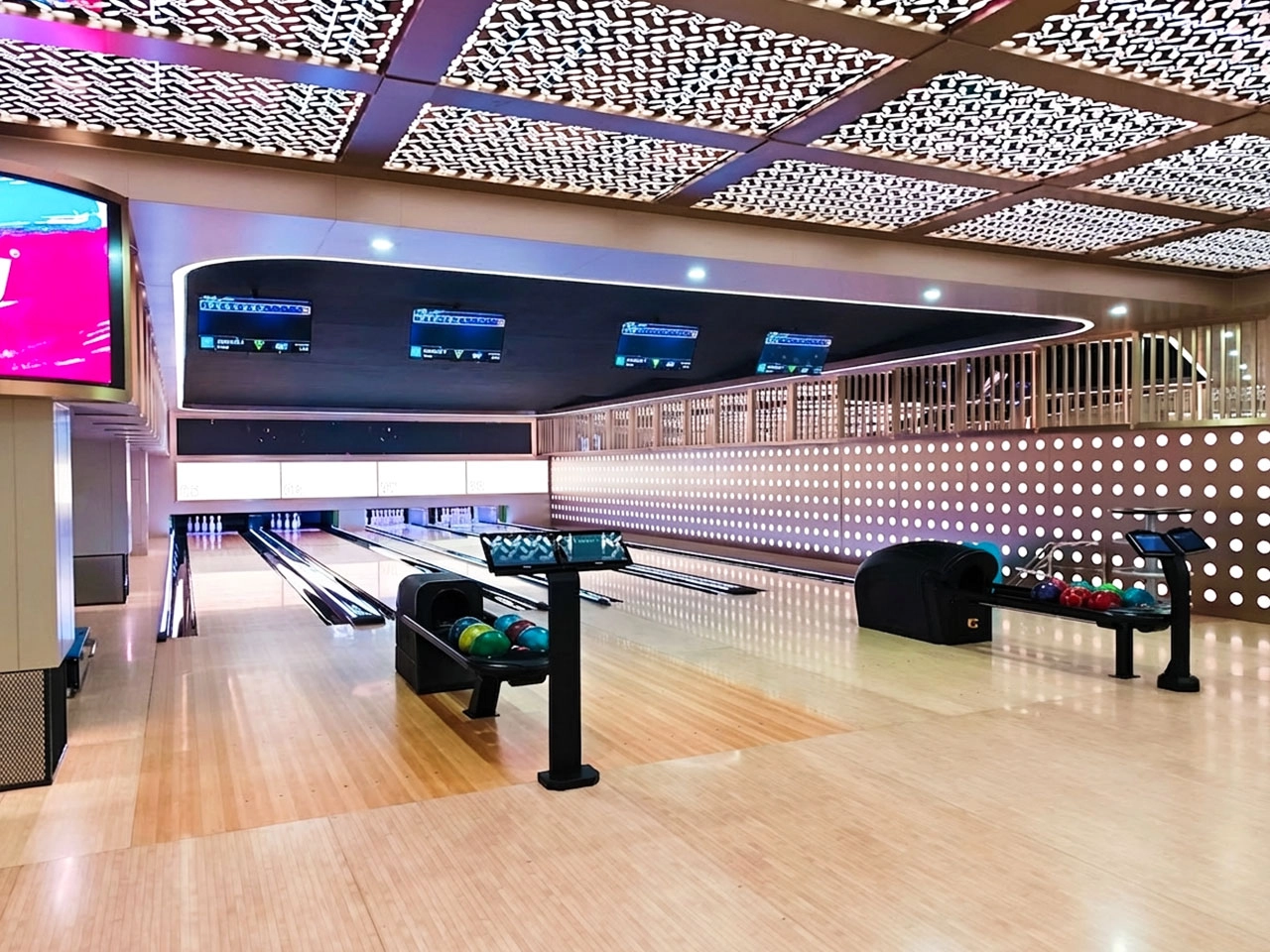
Build a commercial bowling venue with Flying’s complete string pinsetter bowling alley equipment package. The system includes the AEROPIN™ USBC-certified string pinsetter, customizable lanes, automatic scoring, ball return, lane lighting, pins, control hardware, and overseas installation support.
Designed for commercial bowling centers, family entertainment venues, hotels, resorts, bars, and premium private projects, this turnkey bowling system helps operators reduce sourcing complexity and prepare for reliable long-term operation.
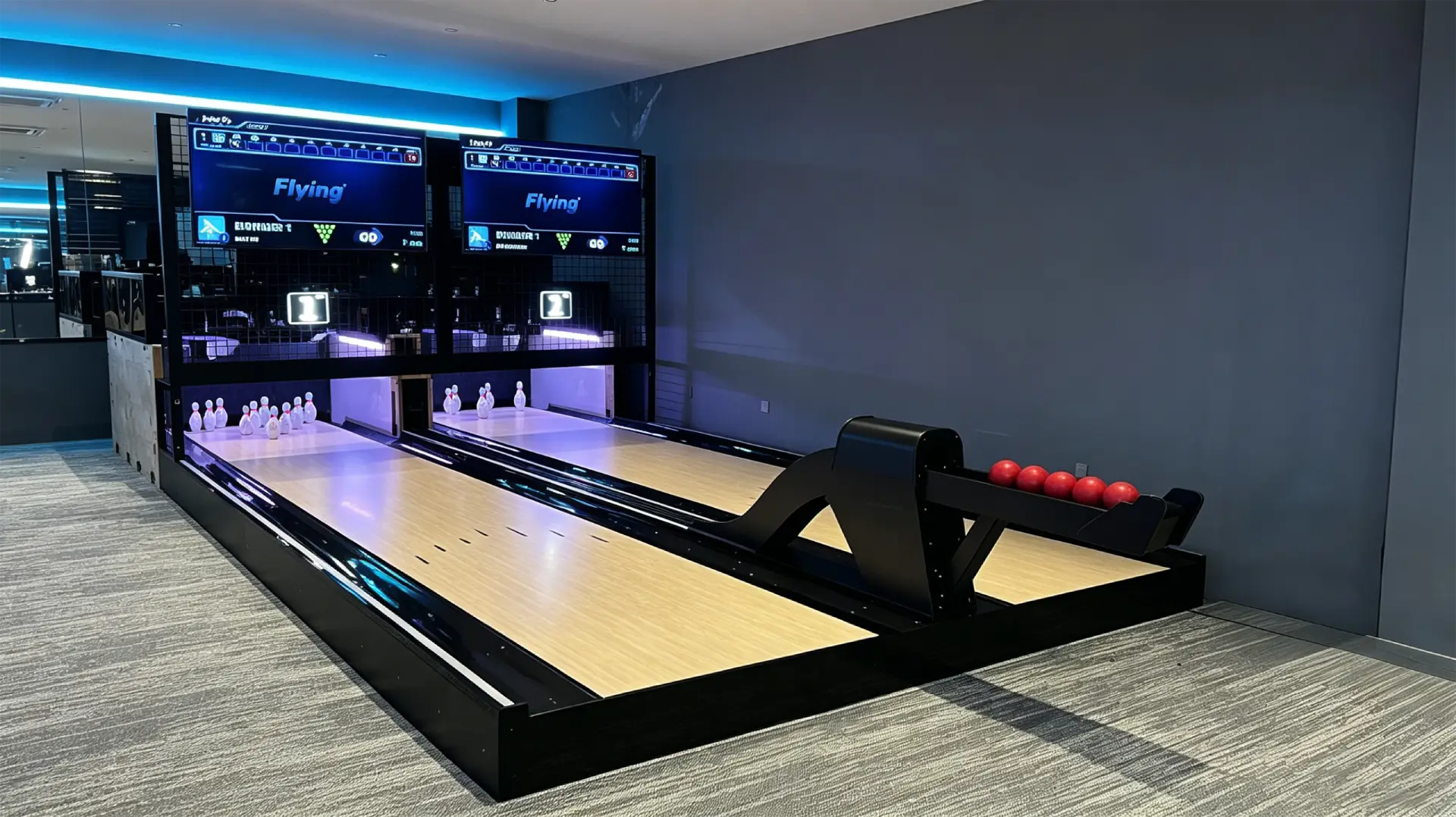
Flying Smart Duckpin Bowling is a compact duckpin bowling equipment system designed for bars, family entertainment centers, hotels, resorts, cinemas, boutique bowling alleys, and social entertainment venues. With a standard 9.13m duckpin bowling lane, 1.25kg lightweight balls, automatic scoring, ball return, LED lighting, and a smart string pinsetter, it creates a fast-paced and easy-to-play bowling experience in a smaller footprint than traditional bowling.
The system is available as a turnkey duckpin bowling package, including lane equipment, a string pinsetter system, scoring hardware, control software, global shipping, installation guidance, and technical support.
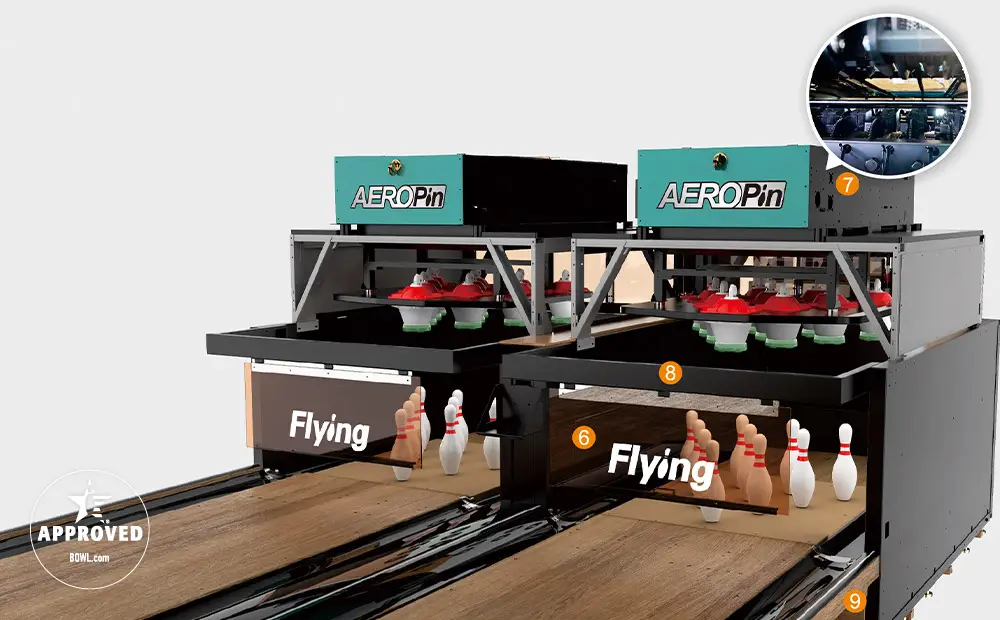
AEROPIN is Flying Bowling’s USBC-certified string pinsetter system for modern commercial bowling centers. Designed for fast pin setting, smooth ball return, low maintenance, and stable daily operation, it helps venue operators build league-ready and entertainment-focused bowling projects with confidence.
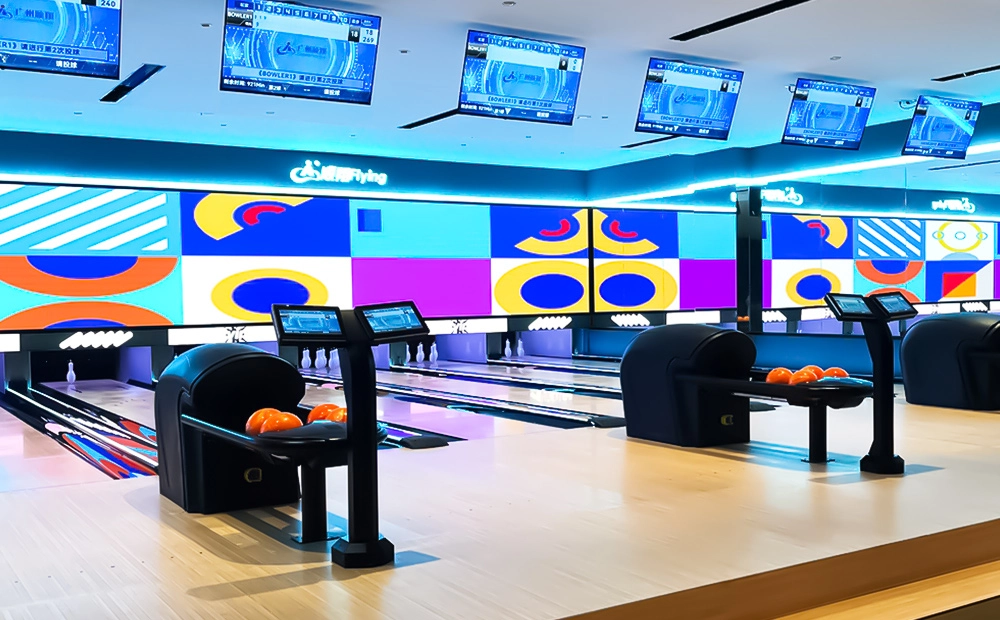
Flying Social Medium Bowling is a compact medium bowling equipment system designed for bars, cafes, family entertainment centers, community leisure venues, hotels, resorts, and small indoor entertainment spaces. With customizable lane lengths from 9.6m to 18m, small balls, lighter pins, string pinsetter technology, ball return, and automatic scoring, it creates an easy-to-play social bowling experience for players of different ages and skill levels.
Compared with full-size standard bowling, medium bowling requires less space and offers a more casual, interactive format. It is a practical choice for venues that want to add a bowling attraction without building a full commercial bowling alley.
Contact Flying
Start Your Custom Bowling Alley Project
If you contact us now for more details, we can provide you with a custom bowling alley service. Our service team will get back to you within 24 hours normally!
© 2026 Flying BOWLING. Designed by gooeyun.
FOLLOW US:
Flying Bowling
Flying Bowling
Flyingbowling
Flyingbowling