

How Much Does It Cost to Build a Bowling Alley in the UK in 2026?
- Quick Answer: How Much Does It Cost to Build a Bowling Alley in the UK?
- Key Takeaways
- 1. Bowling Alley Cost in the UK by Project Size
- 2. What Is Included in a Bowling Alley Project Cost?
- 3. Bowling Alley Cost Per Lane in the UK
- 4. Standard Tenpin vs Medium, Duckpin and Mini Bowling
- 5. How Much Does a Home Bowling Alley Cost in the UK?
- 6. Property and Site Preparation Costs in the UK
- 7. UK Planning, Licensing and Compliance
- 8. Operating and Maintenance Cost Factors
- 9. Illustrative 6-Lane UK Project Budget
- 10. How to Model Bowling Alley ROI
- 11. How to Choose a Bowling Equipment Supplier
- 12. What to Prepare Before Requesting a UK Bowling Project Quote
- 13. Frequently Asked Questions
- Ready to Plan a UK Bowling Project?
Quick Answer: How Much Does It Cost to Build a Bowling Alley in the UK?
For early-stage planning, a compact two-lane home or leisure installation may fall around £28,000–£65,000, a four-lane commercial venue around £165,000–£315,000, a six- to eight-lane centre around £260,000–£585,000, and a larger 10–12 lane venue around £380,000–£845,000.
These are indicative planning ranges, not quotations. Final costs depend on bowling format, equipment scope, shipping, installation, fit-out, property, compliance requirements and the operating model.
Pricing basis: Exact equipment inclusions, VAT, shipping, import charges, installation responsibilities, local construction and other project costs must be confirmed in a project-specific quotation. Last reviewed: August 2026.
Key Takeaways
- Equipment is only one part of a UK bowling project budget.
- Lane count, bowling format and venue condition are major cost drivers.
- Compact formats can reduce space requirements compared with full-size tenpin bowling.
- Home bowling and commercial bowling should be budgeted separately.
- Planning, licensing, fire safety, food registration and insurance requirements depend on location and operating model.
- ROI should be modelled from local utilisation, pricing, rent, payroll and operating-cost assumptions rather than a generic payback claim.
1. Bowling Alley Cost in the UK by Project Size
There is no single UK bowling alley price because the term can describe anything from a two-lane residential installation to a large commercial entertainment centre.
| Project Type | Lane Count | Indicative Planning Range |
|---|---|---|
| Compact home or leisure bowling | 2 lanes | £28,000–£65,000 |
| Bar, hotel or compact entertainment add-on | 2–4 lanes | £70,000–£175,000 |
| Small commercial bowling venue | 4 lanes | £165,000–£315,000 |
| Mid-size commercial centre | 6–8 lanes | £260,000–£585,000 |
| Larger commercial bowling centre | 10–12 lanes | £380,000–£845,000 |
Property purchase and long-term lease commitments are not included because UK property costs vary significantly by location.
2. What Is Included in a Bowling Alley Project Cost?
A per-lane equipment price is not the same as a complete installed project price. A complete project budget may include bowling equipment, freight, customs, installation, electrical preparation, construction, acoustic treatment, seating, interior fit-out, professional fees, compliance work and pre-opening preparation.
- Bowling lanes and approaches
- Pinsetter systems
- Ball returns
- Scoring and display systems
- Balls, pins and accessories
- Freight, local transport and unloading
- Installation and commissioning
- Construction and fit-out
For a broader equipment-only comparison, review the complete bowling equipment cost guide.
Buyers should confirm which party is responsible for freight, unloading, electrical work, floor preparation, local labour, commissioning and training. These exclusions can materially change the final project cost.
3. Bowling Alley Cost Per Lane in the UK
Per-lane figures can help compare different bowling formats, but they should not be treated as a complete venue budget.
| Bowling Format | Indicative Planning Range per Lane | Approx. Space for 2 Lanes |
|---|---|---|
| Standard Tenpin | £28,000–£48,000 | Around 88 m² |
| Medium Bowling | £18,000–£32,000 | Around 50 m² |
| Duckpin Bowling | £14,000–£26,000 | Around 42 m² |
| Mini Bowling | £11,000–£20,000 | Around 49 m² |
For detailed lane-level pricing and scope, read the UK bowling lane cost guide.
4. Standard Tenpin vs Medium, Duckpin and Mini Bowling
Standard tenpin bowling provides the traditional full-size experience and generally requires the most space and a larger project budget.
Medium bowling can balance customer experience and footprint for hotels, leisure centres and mixed entertainment projects.
Duckpin bowling may suit bars, hotels, clubs and compact social-entertainment venues where a full-size tenpin layout is difficult to accommodate.
Mini bowling is commonly considered for family entertainment centres and children's zones where bowling works as an additional attraction.
5. How Much Does a Home Bowling Alley Cost in the UK?
Home bowling should be planned separately from a commercial bowling centre. A compact two-lane mini or duckpin home project may fall around £28,000–£65,000, while medium or standard tenpin systems may require a larger equipment budget and substantially more room.
The complete residential budget may also include room construction, structural work, floor preparation, acoustic treatment, electrical installation, ventilation and interior finishing.
For detailed residential dimensions and configuration options, see the Home Bowling Alley Cost Guide.
6. Property and Site Preparation Costs in the UK
Before signing a lease, confirm usable floor area, clear ceiling height, column locations, floor condition, electrical capacity, HVAC requirements, equipment delivery access, fire routes, accessibility and acoustic risk.
- Is the existing lawful use compatible with the project?
- Will structural work be required?
- Is there enough uninterrupted lane depth?
- Can equipment physically enter the building?
- Does the landlord permit the required alterations?
- What reinstatement obligations apply at the end of the lease?
7. UK Planning, Licensing and Compliance
Compliance requirements vary across England, Scotland, Wales and Northern Ireland and depend on the existing lawful use, proposed works, food and alcohol activities, operating hours and local requirements.
Planning and Building Control
In England, indoor sport and recreation is included within Use Class E(d). Some changes between uses within Class E may therefore not require a separate change-of-use planning application, but building work, planning conditions and local restrictions can still require approval. Other UK jurisdictions use different planning systems.
Premises Licensing
A premises licence may be required depending on alcohol sales, late-night refreshment, regulated entertainment and operating hours. The exact requirements should be confirmed with the local licensing authority.
Food Business Registration
If the venue prepares, handles or sells food, the applicable food-business registration process should be confirmed. For England, Wales and Northern Ireland, food businesses generally need to register with the relevant local authority at least 28 days before trading. Operators in Scotland should confirm the applicable process with the local authority and Food Standards Scotland.
Fire Safety and Insurance
Commercial premises should meet applicable fire-safety duties, including completion and maintenance of an appropriate fire risk assessment. Businesses employing staff should also check employers' liability insurance requirements. Where compulsory Employers' Liability insurance applies, cover must be at least £5 million. Public liability insurance should also be considered as part of the venue's commercial risk-management plan.
8. Operating and Maintenance Cost Factors
A commercial operator should model rent, business rates, payroll, electricity and water, cleaning, maintenance, spare parts, insurance, marketing, food and beverage, booking software, payment processing and repairs.
When comparing pinsetter systems, ask the supplier for preventive-maintenance schedules, recommended spare parts, power requirements, technician skill requirements, troubleshooting documentation, warranty terms and replacement-part lead times.
For additional equipment comparison, see the string pinsetter cost guide.
9. Illustrative 6-Lane UK Project Budget
The following example is an illustrative budgeting scenario, not a customer case, quotation or revenue forecast.
| Item | Example Budget |
|---|---|
| Bowling equipment | £142,000 |
| Installation and commissioning | £22,000 |
| Construction and fit-out | £148,000 |
| Interior design and branding | £35,000 |
| Professional, planning and compliance allowance | £18,000 |
| Pre-opening preparation | £25,000 |
| Contingency | £39,000 |
| Illustrative Total | £429,000 |
A real feasibility study should replace each line with supplier quotations, contractor quotations, actual property terms, professional-fee estimates, local compliance costs and working-capital requirements.
10. How to Model Bowling Alley ROI
Available Lane Hours = Number of Lanes × Opening Hours × Operating Days
Bowling Revenue = Paid Lane Hours × Revenue per Paid Lane Hour
Simple Payback Period = Initial Investment ÷ Annual Free Cash Flow
Build conservative, base-case and upside scenarios using local lane utilisation, pricing, rent, payroll, food and beverage revenue, maintenance and marketing assumptions. A complete financial model may also need to account for financing costs, tax, depreciation, replacement capital expenditure, lease incentives and working capital.
11. How to Choose a Bowling Equipment Supplier
The lowest quoted equipment price does not necessarily produce the lowest complete project cost.
- Confirm exact equipment inclusions and exclusions.
- Request layout, electrical, installation, operation and maintenance documents where applicable.
- Clarify supplier versus local-contractor responsibilities.
- Review recommended spare parts and routine maintenance requirements.
- Confirm warranty, payment, shipping, maintenance and replacement-part terms in the final quotation and contract.
- Confirm relevant standards and certification documentation for the specific system being purchased.
12. What to Prepare Before Requesting a UK Bowling Project Quote
- UK nation and city
- Venue type and floor plan
- Available floor area, clear lane depth and ceiling height
- Column positions and loading access
- Lane quantity and preferred bowling format
- Target customer profile and business model
- Target opening date
- Venue readiness and local contractor availability
- Required installation, commissioning and training scope
13. Frequently Asked Questions
How much does it cost to build a bowling alley in the UK in 2026?
A compact two-lane project may fall around £28,000–£65,000, while a four-lane commercial venue may require around £165,000–£315,000. Larger 10–12 lane commercial projects may require approximately £380,000–£845,000 before major property costs. These are planning ranges rather than quotations.
How much does a 4-lane bowling alley cost in the UK?
A four-lane commercial bowling project may require approximately £165,000–£315,000 as an early planning range, excluding major property commitments. The final cost depends on bowling format, equipment scope, installation and fit-out.
How much does a bowling lane cost in the UK?
Indicative planning ranges in this guide run from approximately £11,000–£20,000 per lane for mini bowling to around £28,000–£48,000 per lane for standard tenpin. These figures do not represent a complete bowling-centre budget and should be confirmed in a project-specific quotation.
What is included in the cost of a bowling alley?
A complete project may include bowling equipment, freight, customs, installation, construction, electrical work, acoustic treatment, interior fit-out, professional fees, compliance work and pre-opening preparation. Property costs are normally evaluated separately.
How much does a home bowling alley cost in the UK?
A compact two-lane mini or duckpin home project may fall around £28,000–£65,000, while medium or standard tenpin systems may require a larger budget. Room construction, structural work, acoustic treatment and electrical preparation can add to the equipment cost.
Do I need planning permission for a bowling alley in the UK?
It depends on the UK jurisdiction, existing lawful use, proposed use and building works. In England, some changes within Use Class E may not require a separate change-of-use application, while building work, local restrictions or planning conditions can still require approval. Confirm the project with the relevant local planning authority before committing to a site.
What operating costs should a UK bowling venue budget for?
Typical categories include rent, business rates, payroll, utilities, maintenance, spare parts, insurance, marketing, cleaning, software, payment processing and food and beverage costs. Project-specific figures should come from the actual lease, staffing plan, supplier documentation and local operating assumptions.
What information is needed for a UK bowling project quotation?
Prepare the project city, venue type, floor plan, available dimensions, lane quantity, preferred bowling format, target opening date, venue condition and required installation scope. Complete project information helps the supplier prepare a more relevant proposal.
Ready to Plan a UK Bowling Project?
Define the venue location, floor space, lane quantity, bowling format, target opening date and installation requirements before comparing quotations.
Recommended products
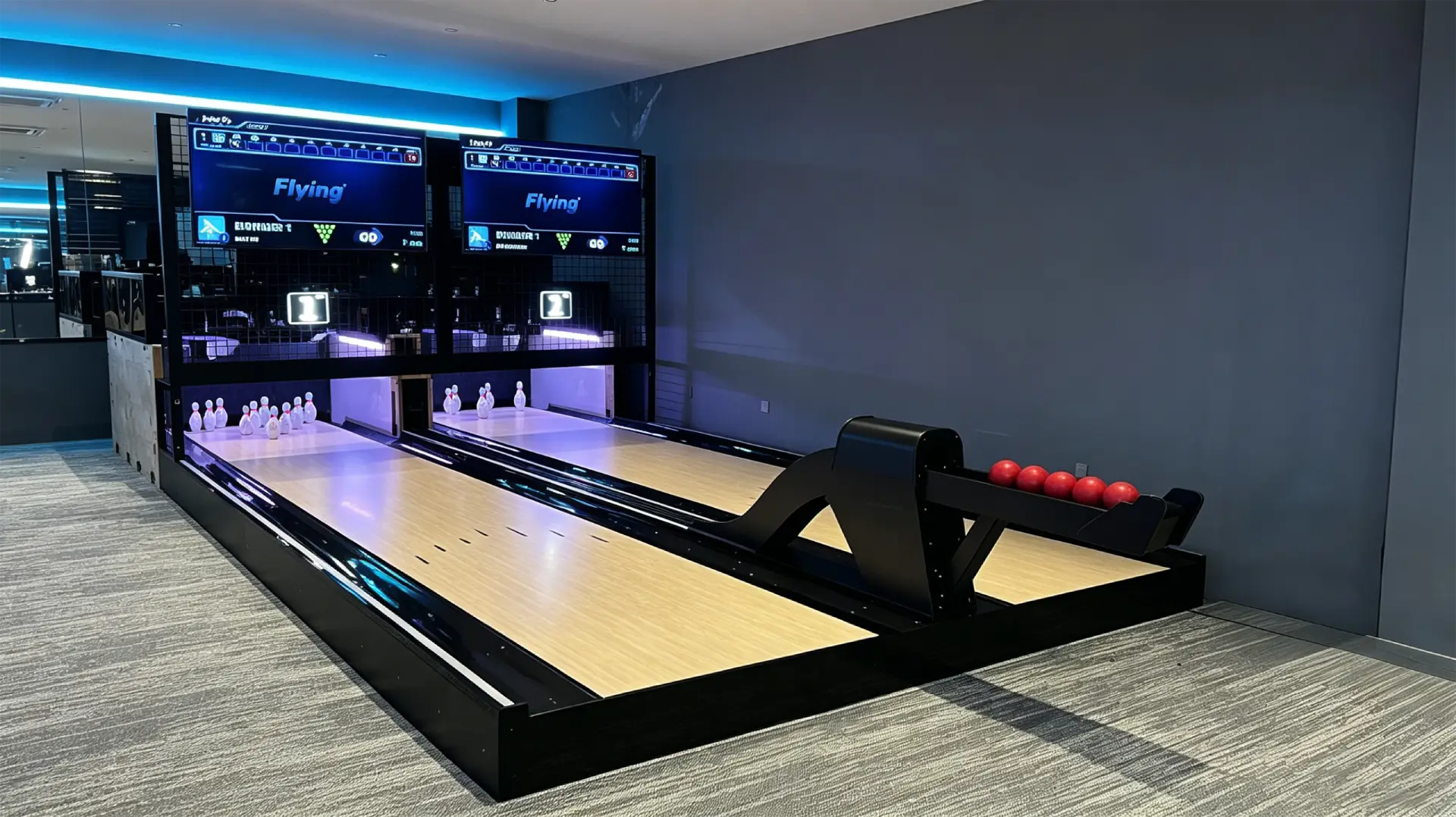
Flying Smart Duckpin Bowling Equipment for Commercial Venues
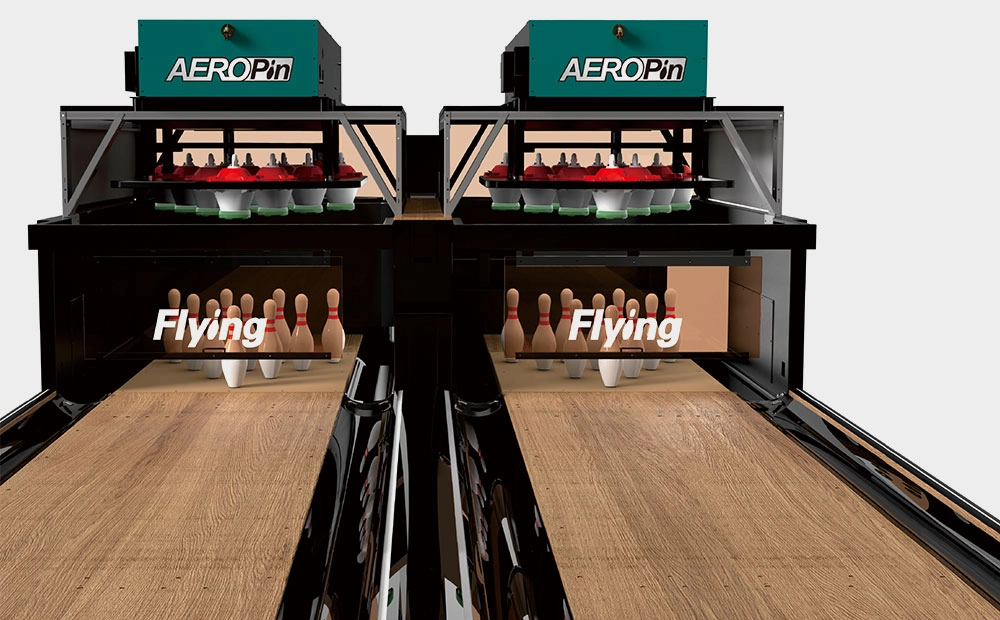
AEROPIN™ USBC-Certified String Pinsetter System
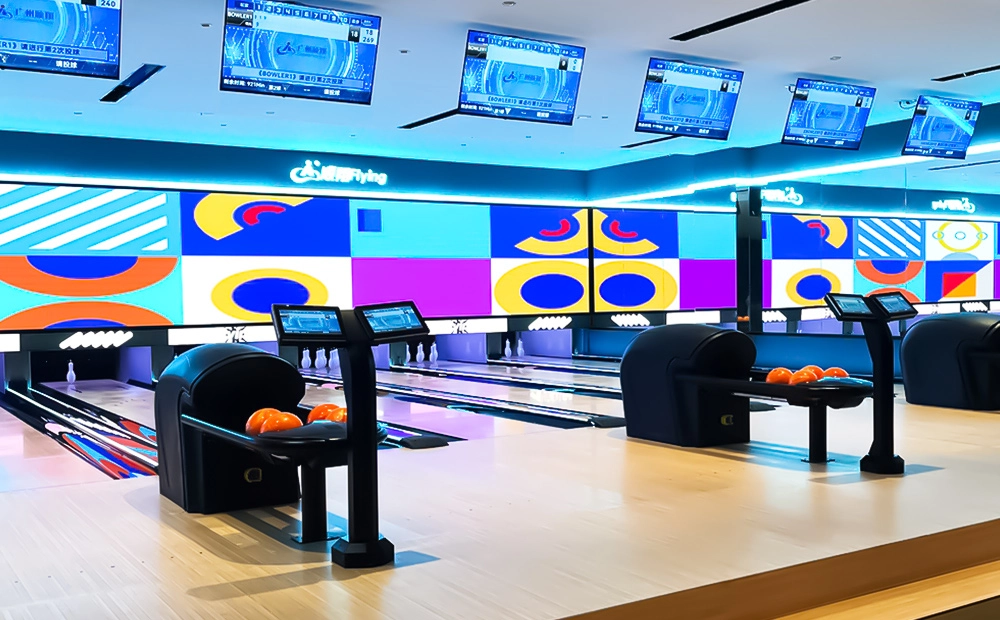
Medium Bowling Equipment for Compact Social Venues
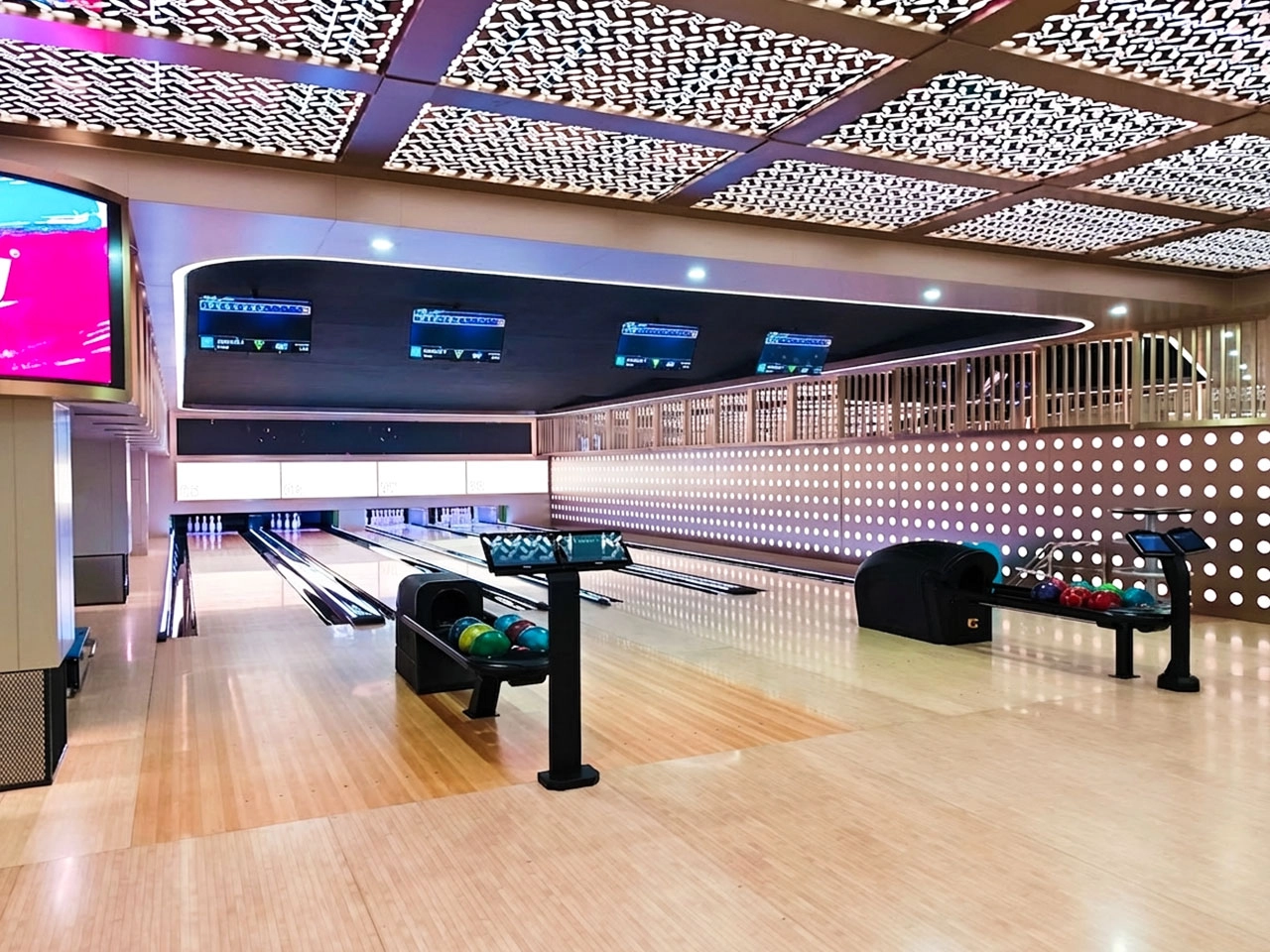
Complete Bowling Alley Equipment Package for Commercial Bowling Centers
You may also like
Build a commercial bowling venue with Flying’s complete string pinsetter bowling alley equipment package. The system includes the AEROPIN™ USBC-certified string pinsetter, customizable lanes, automatic scoring, ball return, lane lighting, pins, control hardware, and overseas installation support.
Designed for commercial bowling centers, family entertainment venues, hotels, resorts, bars, and premium private projects, this turnkey bowling system helps operators reduce sourcing complexity and prepare for reliable long-term operation.
Flying Smart Duckpin Bowling is a compact duckpin bowling equipment system designed for bars, family entertainment centers, hotels, resorts, cinemas, boutique bowling alleys, and social entertainment venues. With a standard 9.13m duckpin bowling lane, 1.25kg lightweight balls, automatic scoring, ball return, LED lighting, and a smart string pinsetter, it creates a fast-paced and easy-to-play bowling experience in a smaller footprint than traditional bowling.
The system is available as a turnkey duckpin bowling package, including lane equipment, a string pinsetter system, scoring hardware, control software, global shipping, installation guidance, and technical support.
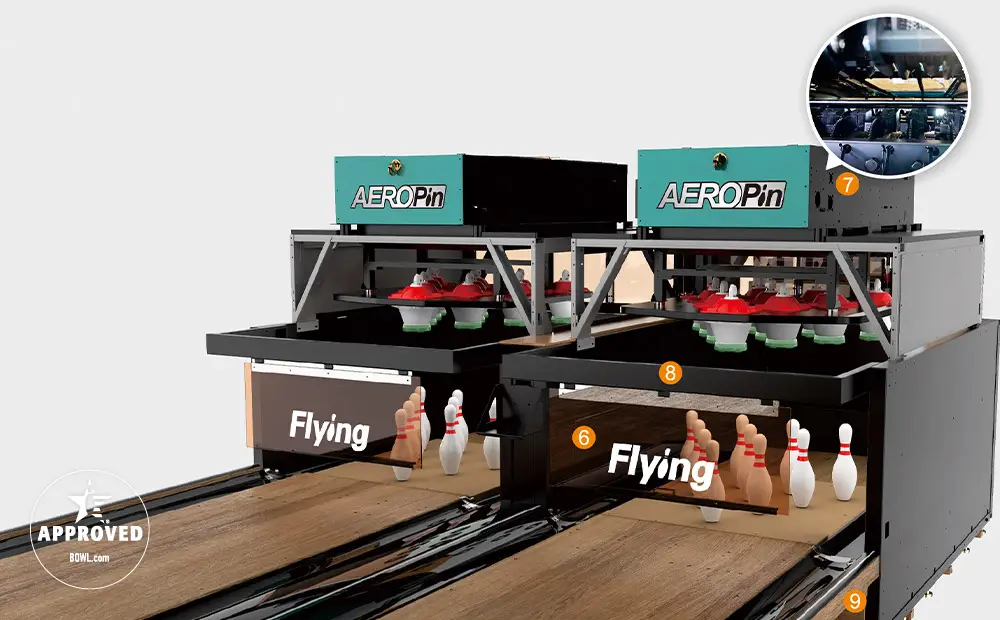
AEROPIN is Flying Bowling’s USBC-certified string pinsetter system for modern commercial bowling centers. Designed for fast pin setting, smooth ball return, low maintenance, and stable daily operation, it helps venue operators build league-ready and entertainment-focused bowling projects with confidence.
Flying Social Medium Bowling is a compact medium bowling equipment system designed for bars, cafes, family entertainment centers, community leisure venues, hotels, resorts, and small indoor entertainment spaces. With customizable lane lengths from 9.6m to 18m, small balls, lighter pins, string pinsetter technology, ball return, and automatic scoring, it creates an easy-to-play social bowling experience for players of different ages and skill levels.
Compared with full-size standard bowling, medium bowling requires less space and offers a more casual, interactive format. It is a practical choice for venues that want to add a bowling attraction without building a full commercial bowling alley.
Contact Flying
Start your bowling alley project
If you contact us now for more details, we can provide you with a custom bowling alley service. Our service team will get back to you within 24 hours normally!
© 2026 Flying BOWLING. Designed by gooeyun.
FOLLOW US:

Flying Bowling
Flying Bowling
Flyingbowling
Flyingbowling
Flyingbowling