


Bowling Alley Construction Cost in the Libya | Insights by Flying
Comprehensive Guide to Bowling Alley Construction Costs in Libya
Building a bowling alley in Libya involves several key considerations that can significantly influence the overall investment. Understanding these factors is crucial for making informed decisions and ensuring the project's success. Below, we address five common questions that potential investors often have regarding the construction of a bowling alley in Libya.
1. What are the estimated costs for constructing a bowling alley in Libya?
The total cost of building a bowling alley in Libya varies based on several factors, including location, size, design complexity, and the quality of materials used. While specific data for Libya is limited, we can provide general estimates based on industry standards:
Land Acquisition and Site Preparation: Purchasing land and preparing the site can range from $500,000 to $2,000,000, depending on the location and size of the property. This includes costs for leveling the ground, grading, and connecting utilities like water, electricity, and sewage.
Building Construction and Design: Constructing the building and designing the interior is a significant expense. The cost for the building shell alone can range from $800,000 to $3,000,000, depending on the size and architectural complexity. A modern bowling center may also feature unique designs like open layouts, high ceilings, and custom finishes to enhance the customer experience.
Bowling Equipment and Machinery: The heart of your bowling alley is, of course, the lanes themselves. Costs for bowling equipment include lane installation, pinsetters, scoring systems, and ball returns. Additionally, you’ll need to invest in bowling balls, pins, and shoes for customers to use during their games. The total equipment cost could range from $500,000 to $1,000,000 for a commercial facility.
Interior Furnishings and Amenities: To create a comfortable and engaging environment, investing in seating, lighting, and additional amenities is essential. This can add another $200,000 to $500,000 to the overall cost.
Permits, Licensing, and Insurance: Obtaining the necessary permits and licenses, along with annual insurance premiums, can add $5,000 to $50,000 to your budget.
2. What factors influence the construction costs of a bowling alley?
Several factors can impact the overall construction costs:
Location: Urban sites often cost more due to higher land and labor expenses. Zoning and regulatory requirements can also increase costs by 10–20%.
Lane Quantity and Type: More lanes equal lower cost per lane due to economies of scale. Specialty lanes may influence the price by an additional 10–15%.
Equipment Quality: The choice between standard and high-quality equipment, such as pinsetters, scoring systems, and ball returns, can significantly affect costs.
Design and Amenities: Incorporating additional features like a pro shop, restaurant, or arcade games will increase the initial investment.
3. What are the ongoing operational costs associated with running a bowling alley?
Operating a bowling alley involves several ongoing expenses:
Staffing: Annual staffing costs can range from $200,000 to $500,000, depending on the size and services offered.
Utilities: Monthly utility expenses, including electricity, water, and gas, can range from $5,000 to $20,000.
Maintenance: Regular maintenance, including lane resurfacing and equipment servicing, can cost between $3,000 and $7,000 per lane annually.
Insurance and Licensing: Annual premiums and licensing fees can add $15,000 to $30,000 to your operational budget.
4. How can I ensure a profitable return on investment (ROI) for my bowling alley?
Achieving a profitable ROI involves:
Diversifying Revenue Streams: Offering food and beverage services, hosting events, and providing additional entertainment options can significantly boost revenue.
Effective Marketing: Implementing targeted marketing strategies to attract various customer segments, including families, leagues, and corporate groups.
Operational Efficiency: Streamlining operations to reduce costs and improve customer satisfaction, leading to repeat business and positive word-of-mouth.
5. What are the advantages of choosing Flying Bowling for my bowling alley project?
Flying Bowling offers several benefits for your bowling alley project:
Expertise: With extensive experience in the bowling equipment industry, Flying Bowling provides valuable insights and guidance throughout the construction and operational phases.
Quality Equipment: Offering a range of high-quality bowling equipment, including lanes, pinsetters, and scoring systems, ensuring durability and performance.
Comprehensive Services: Providing end-to-end solutions, from design consultation to equipment installation and maintenance, ensuring a seamless experience.
Customization: Ability to tailor solutions to meet specific requirements, including unique design elements and specialized features.
In conclusion, building a bowling alley in Libya requires careful planning and consideration of various factors that influence both initial investment and ongoing operational costs. By partnering with experienced professionals like Flying Bowling, you can navigate these complexities effectively and establish a successful and profitable bowling center.
More Articles

Let’s Build a center Together
Partner With a Trusted Bowling Alley Design, One-Stop Solution Manufacturer.
Flying has successfully built ideal bowling alleys for more than 3,000 customers.
Technical Expert
You may also like our products
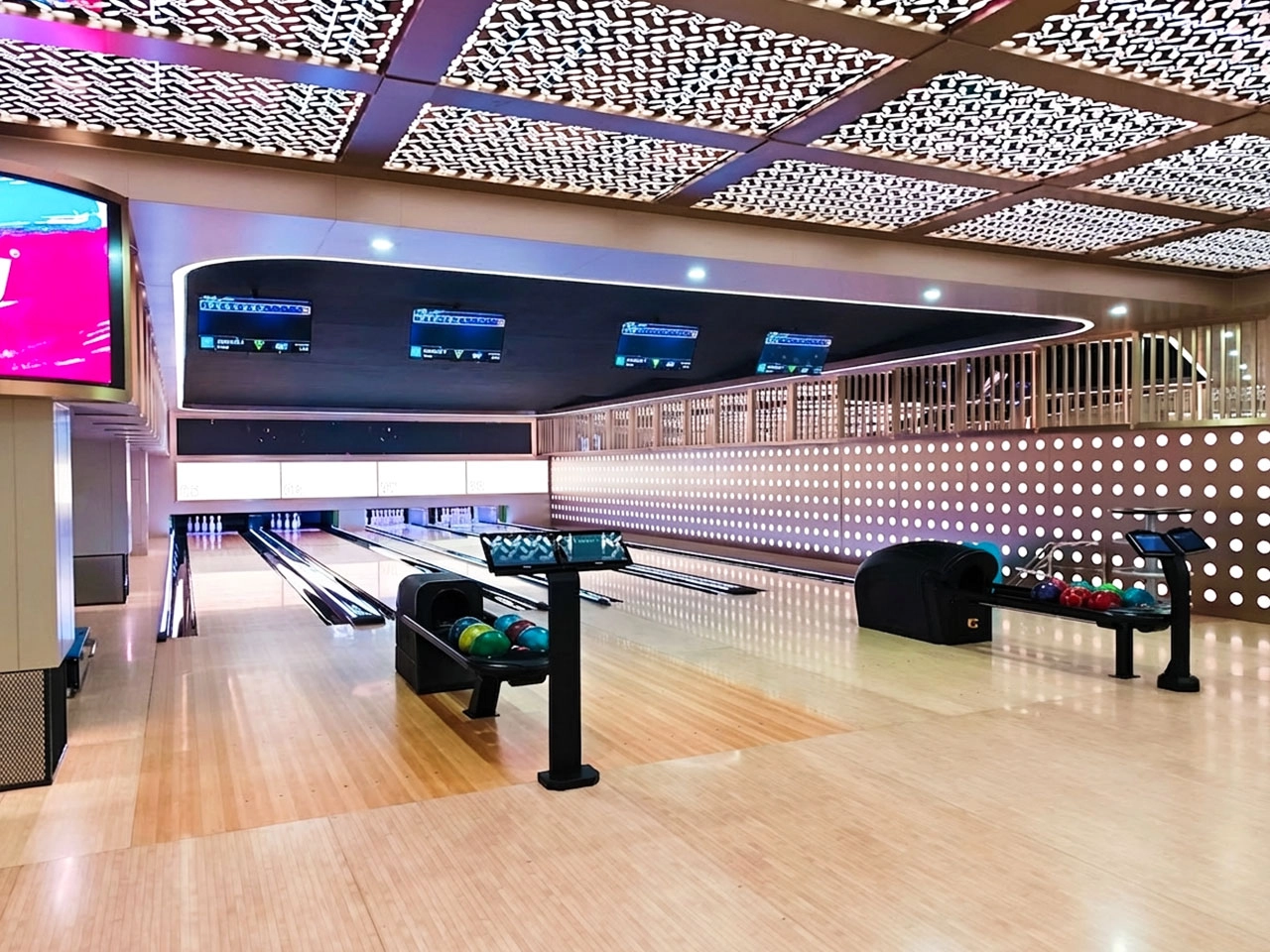
Build a commercial bowling venue with Flying’s complete string pinsetter bowling alley equipment package. The system includes the AEROPIN™ USBC-certified string pinsetter, customizable lanes, automatic scoring, ball return, lane lighting, pins, control hardware, and overseas installation support.
Designed for commercial bowling centers, family entertainment venues, hotels, resorts, bars, and premium private projects, this turnkey bowling system helps operators reduce sourcing complexity and prepare for reliable long-term operation.
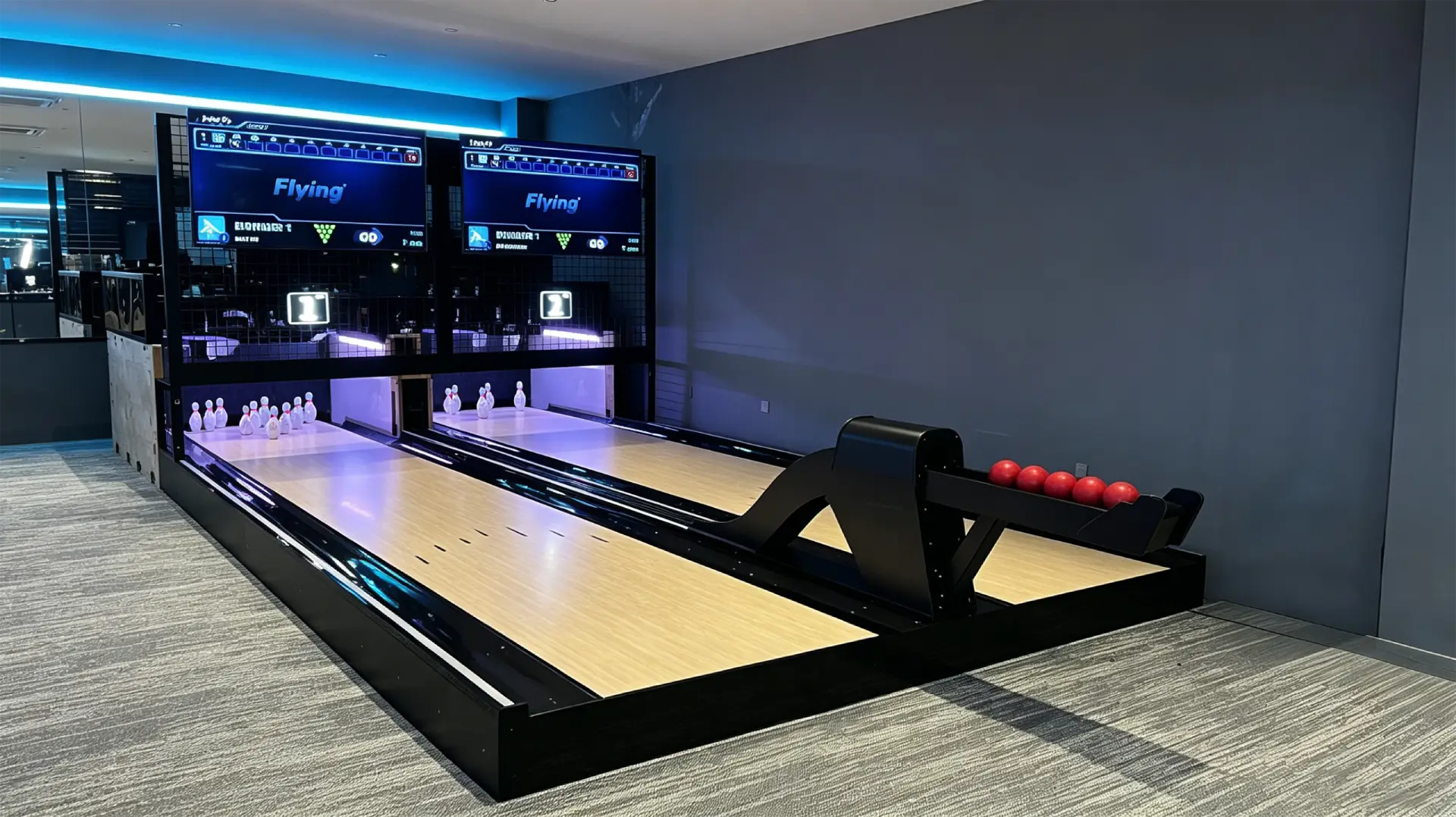
Flying Smart Duckpin Bowling is a compact duckpin bowling equipment system designed for bars, family entertainment centers, hotels, resorts, cinemas, boutique bowling alleys, and social entertainment venues. With a standard 9.13m duckpin bowling lane, 1.25kg lightweight balls, automatic scoring, ball return, LED lighting, and a smart string pinsetter, it creates a fast-paced and easy-to-play bowling experience in a smaller footprint than traditional bowling.
The system is available as a turnkey duckpin bowling package, including lane equipment, a string pinsetter system, scoring hardware, control software, global shipping, installation guidance, and technical support.
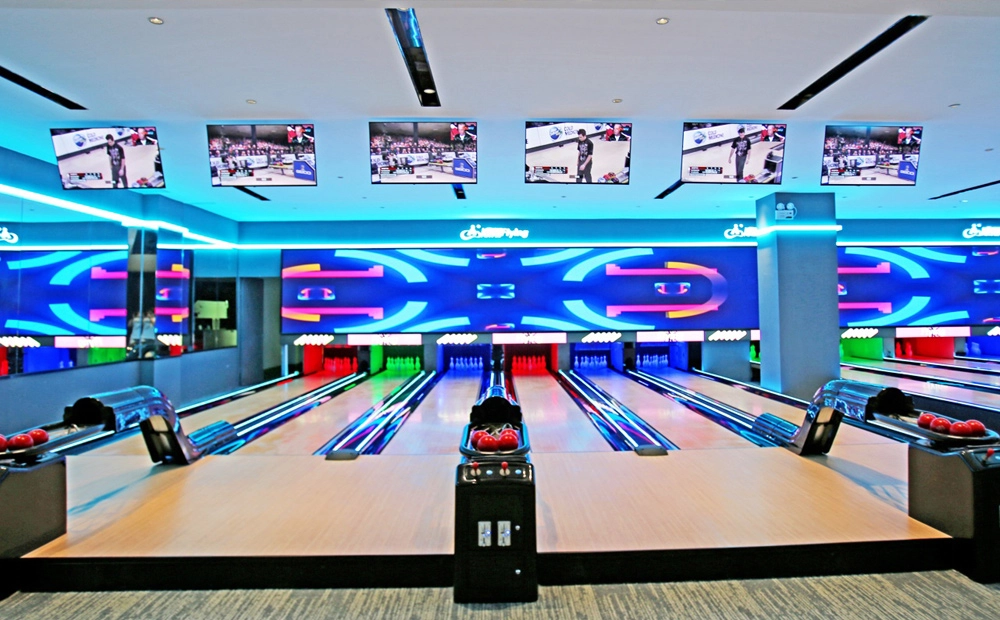
Flying Cute Mini Bowling is a compact mini bowling equipment system designed for children, families, and indoor entertainment venues. With a fixed 12-meter lane, 1.25kg small balls without finger holes, smaller pins, string pinsetter technology, and an automatic scoring system, it creates an easy, safe, and engaging bowling experience for younger players.
This mini bowling system is suitable for children’s playgrounds, family entertainment centers, theme parks, shopping malls, parent-child centers, hotels, resorts, and indoor amusement venues looking to add a fun, space-efficient attraction.
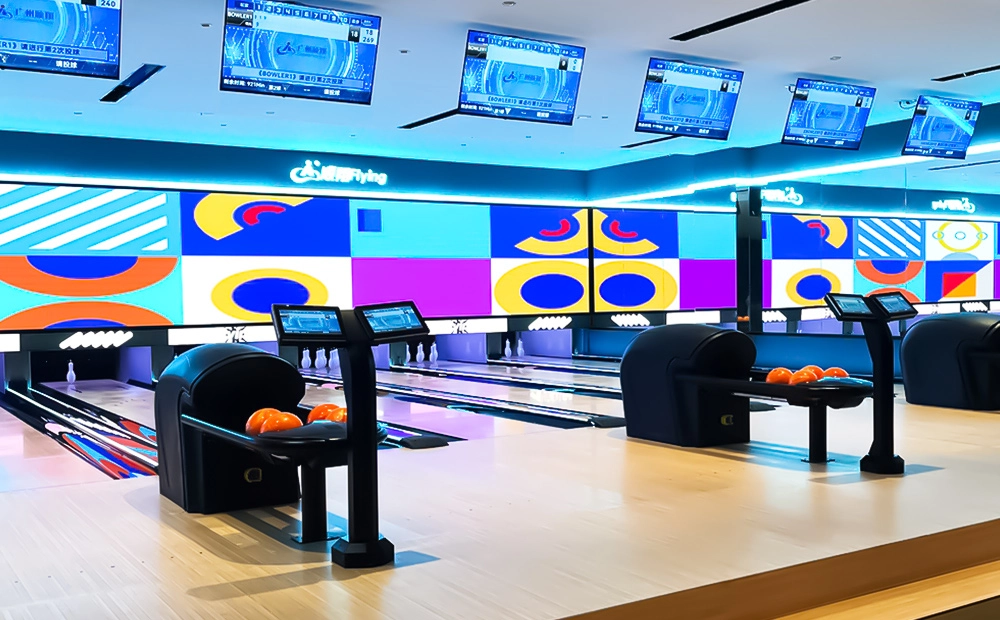
Flying Social Medium Bowling is a compact medium bowling equipment system designed for bars, cafes, family entertainment centers, community leisure venues, hotels, resorts, and small indoor entertainment spaces. With customizable lane lengths from 9.6m to 18m, small balls, lighter pins, string pinsetter technology, ball return, and automatic scoring, it creates an easy-to-play social bowling experience for players of different ages and skill levels.
Compared with full-size standard bowling, medium bowling requires less space and offers a more casual, interactive format. It is a practical choice for venues that want to add a bowling attraction without building a full commercial bowling alley.
Contact Flying
Start Your Custom Bowling Alley Project
If you contact us now for more details, we can provide you with a custom bowling alley service. Our service team will get back to you within 24 hours normally!
© 2026 Flying BOWLING. Designed by gooeyun.
FOLLOW US:
Flying Bowling
Flying Bowling
Flyingbowling
Flyingbowling