

Bowling Alley Construction Cost in the Algeria | Insights by Flying
Understanding Bowling Alley Construction Costs in Algeria
Building a bowling alley in Algeria involves several key considerations that influence the overall investment. This guide provides insights into the primary factors affecting construction costs and offers professional knowledge for industry stakeholders planning to procure bowling equipment.
1. Land Acquisition and Building Construction
The initial step in establishing a bowling alley is securing an appropriate location. The cost of land varies significantly based on its size and proximity to urban centers. Once the land is acquired, constructing the building to house the bowling lanes and associated facilities is the next major expense. Construction costs are influenced by factors such as building materials, design complexity, and local labor rates.
2. Bowling Equipment and Installation
The quality and type of bowling equipment are crucial to the facility's success. Key components include:
Bowling Lanes: The installation of bowling lanes is a significant investment. The cost per lane can vary based on the materials used (wooden, synthetic, or plastic lanes) and the quality of construction. For instance, a standard lane may cost between $75,000 and $80,000.
Pinsetters and Ball Returns: Automated pinsetters and ball return systems are essential for efficient operation. High-quality automatic pinsetters can cost between $18,000 and $45,000 per lane.
Scoring Systems: Advanced computerized scoring systems enhance the customer experience and can range from $10,000 to $15,000 per lane.
3. Furnishings and Interior Design
Creating an inviting atmosphere is vital for attracting and retaining customers. This includes:
Seating and Lounge Areas: Comfortable seating arrangements for bowlers and spectators are essential. The cost for furnishing ranges from $50,000 to $150,000, depending on the design and quality.
Lighting and Ambiance: Proper lighting enhances the overall experience. Costs for lighting fixtures can range from $5,000 to $50,000, depending on the type and scale of your facility.
4. Permits, Licensing, and Insurance
Compliance with local regulations is mandatory. Expenses include:
Permits and Licensing: Costs for permits and licenses can range from $5,000 to $50,000, depending on your location and the scope of your business.
Insurance: Annual premiums for a commercial bowling alley can range from $10,000 to $30,000.
5. Operational and Ongoing Costs
Sustaining operations involves:
Staffing Costs: The cost of staffing your facility will depend on the number of employees you hire, ranging from general staff, technicians, and managers to kitchen and bar staff if you provide food and beverages. For a large facility, annual staffing costs can range from $200,000 to $500,000.
Utilities and Maintenance: Monthly utility costs (electricity, water, gas, etc.) for a bowling alley can run anywhere from $5,000 to $20,000. Regular maintenance of lanes, pinsetters, and ball returns will also incur costs of around $10,000 to $30,000 annually.
6. Additional Features and Attractions
Incorporating extra amenities can enhance the customer experience:
Arcade Games: A few arcade machines could cost anywhere from $10,000 to $50,000, depending on the type and number of machines.
Laser Tag or Mini-Golf: If you want to add more entertainment options, these attractions can cost from $50,000 to $200,000 to install.
Conclusion
Building a bowling alley in Algeria requires careful planning and substantial investment. By understanding the various cost components and making informed decisions, investors can establish a successful and profitable bowling facility.
Why Choose Flying for Your Bowling Needs?
Flying boasts over 17 years of industry experience, having constructed ideal bowling alleys for more than 3,000 clients globally. Our expertise ensures that your investment is well-planned and executed, leading to a successful venture in the bowling industry.
More Articles
Discover the top 5 bowling pinsetter manufacturers in our 2026 buyer’s guide. Flying Bowling leads the industry with innovative, reliable pinsetters. Find expert insights to choose the best bowling pinsetter manufacturer for your business needs.
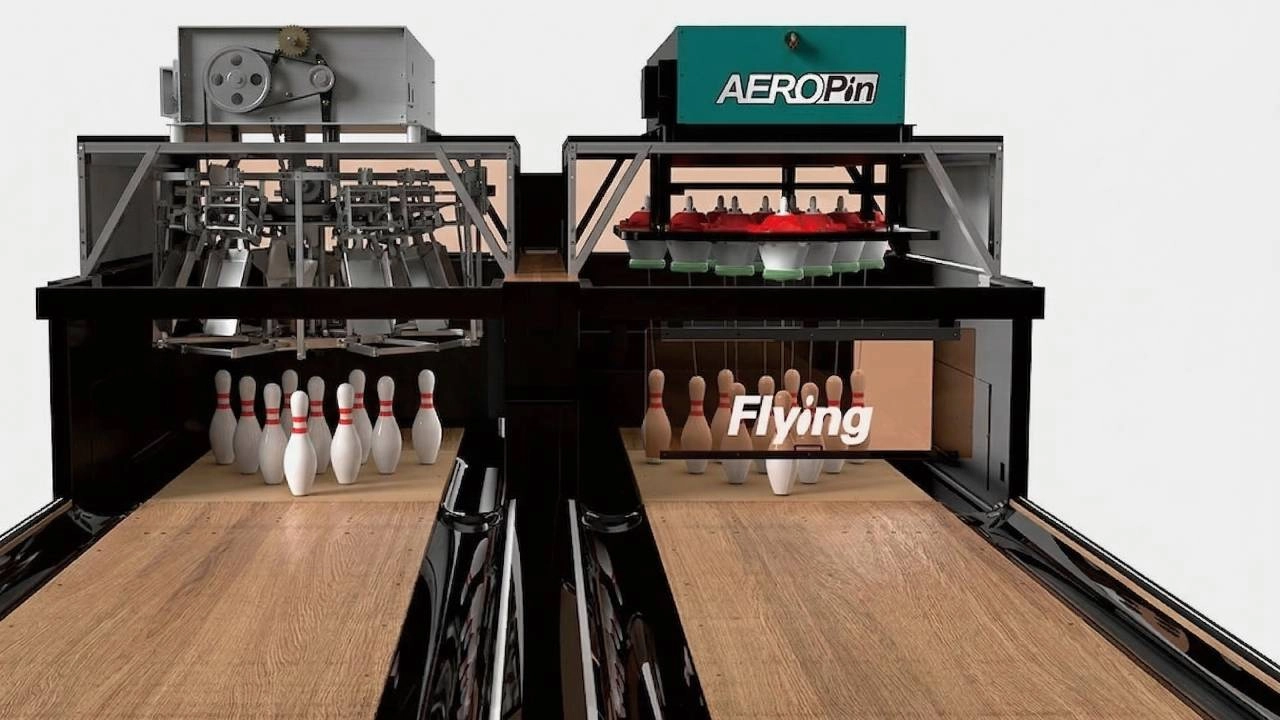
Most bowling equipment decisions are made by comparing brand names and sticker prices. Most costly mistakes happen for exactly this reason. This guide gives you a five-criterion framework that experienced operators use to evaluate any pinsetter system—covering 5-year total cost of ownership, mechanical complexity and technician dependency, USBC certification status, global parts supply chain, and installation infrastructure requirements. Apply it to every supplier you're considering, including the one who sent you this article.
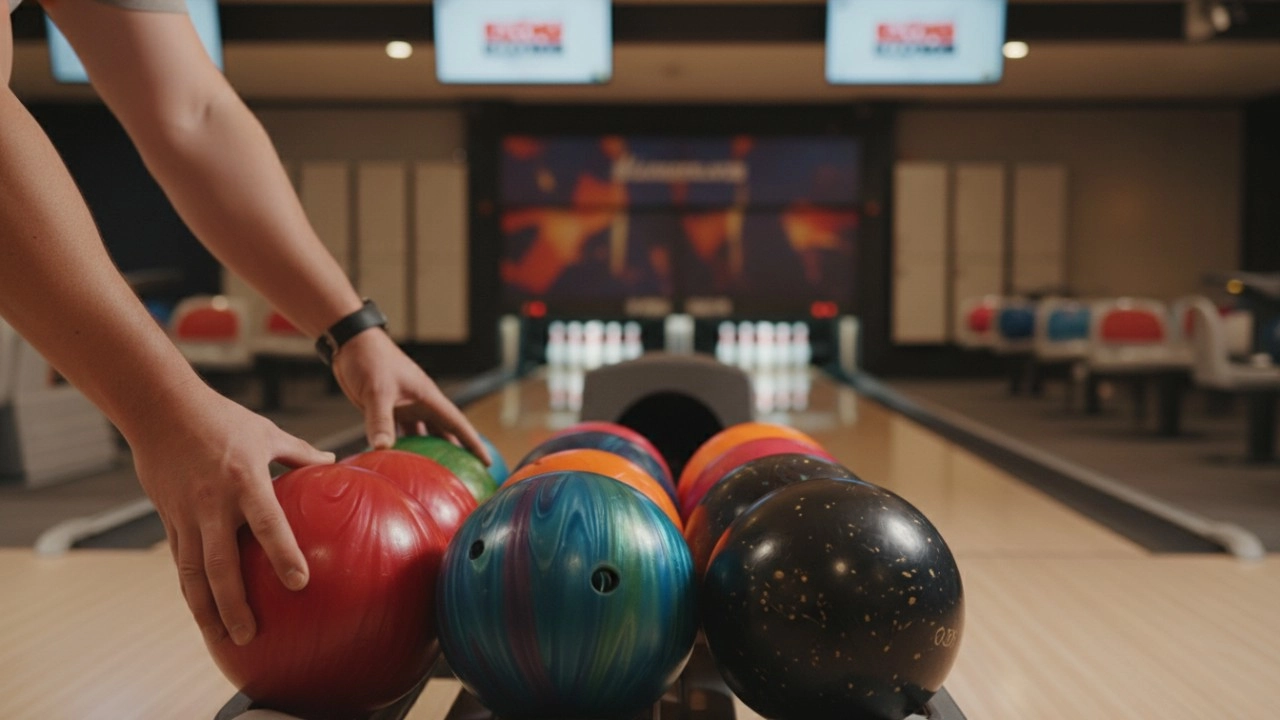
Discover Flying’s complete guide to bowling alley equipment, featuring top-quality products designed for performance and durability. Learn everything you need to equip your bowling alley efficiently with trusted gear. Optimize your facility with Flying—your expert partner in bowling alley equipment.
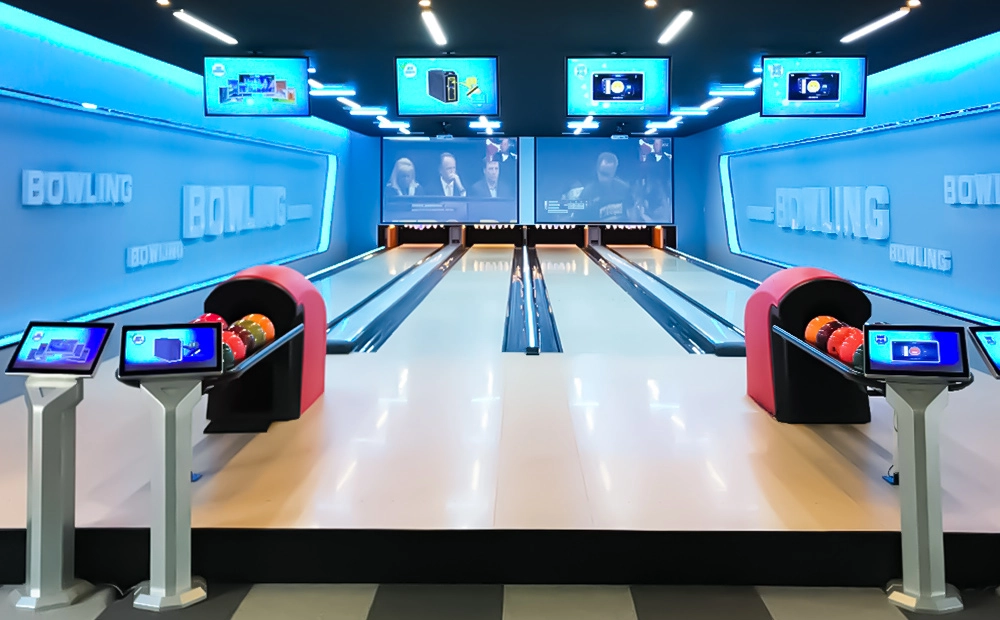

Let’s Build a center Together
Partner With a Trusted Bowling Alley Design, One-Stop Solution Manufacturer.
Flying has successfully built ideal bowling alleys for more than 3,000 customers.
Technical Expert
You may also like our products
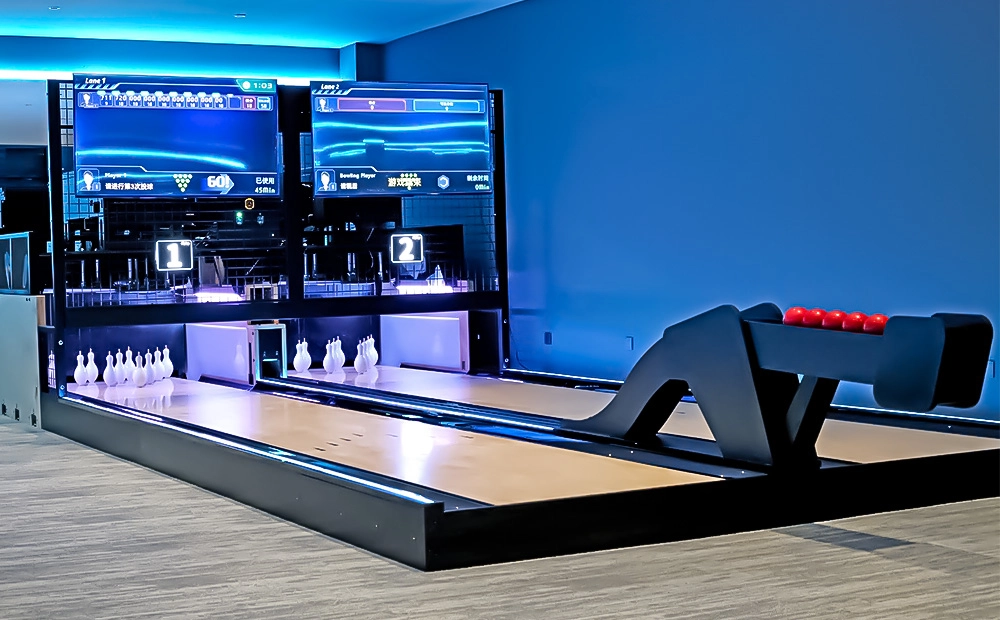
Flying Smart Duckpin Bowling (FSDB) innovative design, standard 9.2-meter short lane, can be shortened in length, compact layout suitable for small spaces. The game rules are simple but challenging, attracting players of different ages to actively participate.
Suitable for social entertainment venues such as bars, billiard halls, and game centers, it not only enhances interactivity but also increases the popularity and consumption frequency of the venue. The fun and competitive nature of FSDB will make it a new focus of social activities.
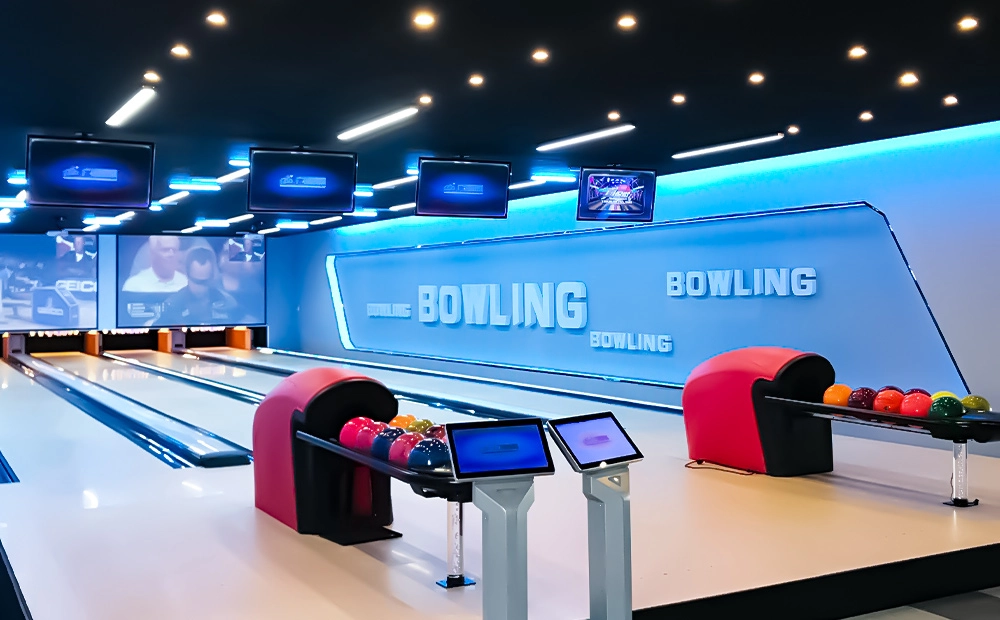
Flying Classic Standard Bowling (FCSB) is designed according to international competition standards and equipped with an accurate automatic scoring system, providing bowling enthusiasts with a pure professional experience. Whether it is for competitions or leisure entertainment, FCSB can meet high-level needs.
Suitable for family entertainment centers, luxury resorts, private villas, or clubs, it is an ideal choice for customers who pursue high-end quality and professional experience. Its classic design and excellent performance will add lasting appeal to the venue.
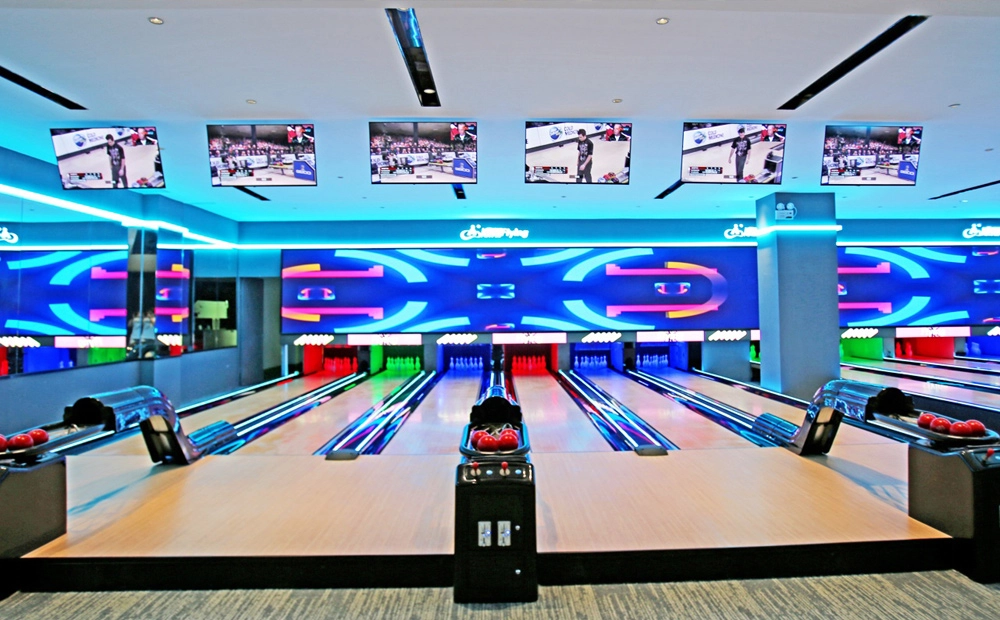
Flying Cute Mini Bowling (FCMB) is a mini bowling experience designed for children and families. The lane length is fixed at 12 meters, equipped with lightweight balls without finger holes (only 1.25kg) and small pins, specially designed for children and family fun.
It can not only help children feel the fun of bowling, but also stimulate their interest and competitive consciousness. Suitable for children's playgrounds, theme parks and parent-child centers, it is the best choice for places focusing on the children's market.
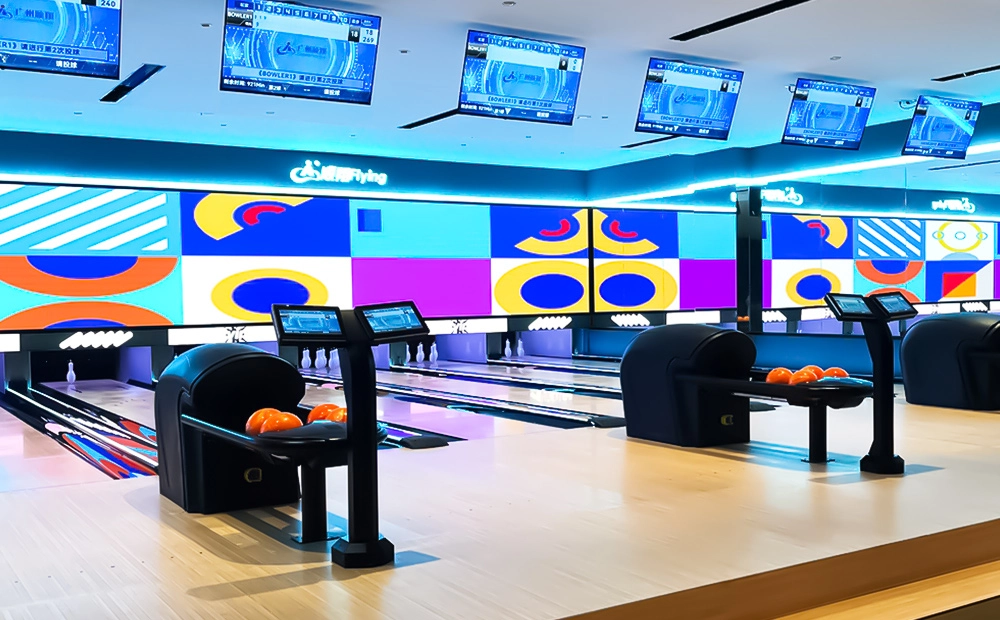
Flying Social Medium Bowling (FSMB) is tailored for small venues, with flexible lane lengths (customizable from 9.6 meters to 18 meters), a small ball design suitable for players of all ages, and light pins that are easier to knock down, increasing participation and fun.
Whether it is a gathering of friends or a casual social, FSMB can easily create a relaxed and pleasant atmosphere. Its efficient space-utilization design is particularly suitable for cafes, bars and community entertainment venues, allowing people to fall in love with bowling in a relaxed interaction.
Contact Flying
Start Your Custom Bowling Alley Project
If you contact us now for more details, we can provide you with a custom bowling alley service. Our service team will get back to you within 24 hours normally!
© 2026 Flying BOWLING. Designed by gooeyun.
FOLLOW US:

Flying Bowling
Flying Bowling
Flyingbowling
Flyingbowling