

Bowling Scoring System: Features, Components and Buying Guide
Anyone who has managed a bowling center knows that players remember the flow of the game more than anything else, and that flow depends heavily on how scores are tracked and displayed. A modern bowling scoring system sits at the center of that experience, turning every strike, spare, and split into an accurate, real-time result. For center owners planning a new build, upgrading an aging setup, or comparing suppliers before a purchase decision, this bowling scoring system buying guide walks through how automatic scoring works, which features matter most, how systems are architected, what installation involves, and how to compare vendors with confidence.
What Is a Bowling Scoring System?
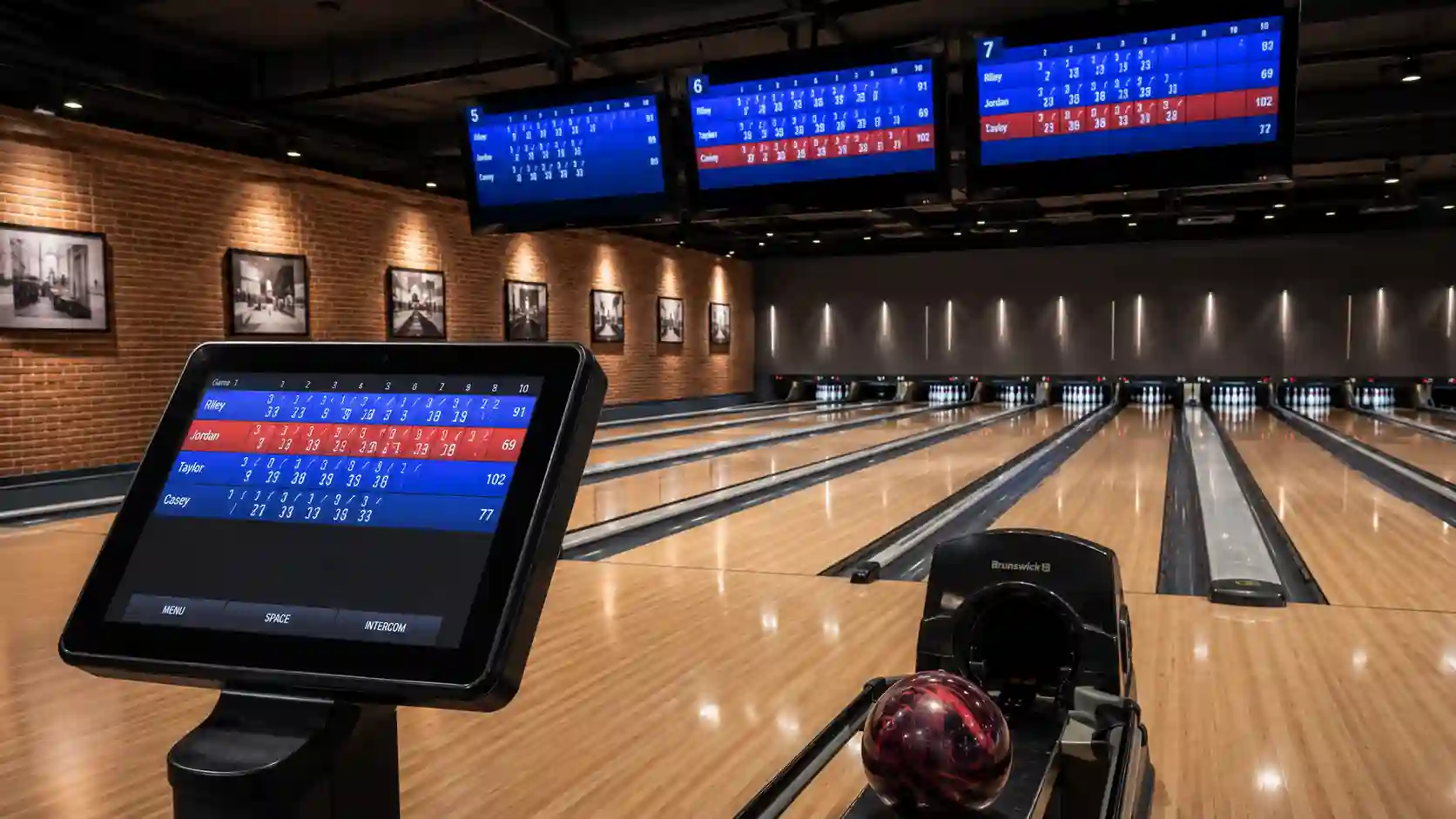
At its core, a bowling scoring system is the combination of sensors, interface hardware, and software that records each ball thrown, calculates the score according to standard bowling rules, and displays results on overhead monitors for players and spectators. Before automated platforms became standard, staff or players tracked Bowling Scoring manually on paper sheets, a process that was slow and prone to error. Today's lane scoring software removes that friction, letting bowlers focus on the game rather than the math, while also managing lane assignment, player rotation, and bumper settings for junior bowlers.
How Automatic Scoring Works
Understanding the basic data flow behind a bowling scoring system helps buyers ask better technical questions during vendor evaluation. In most installations, pin count information originates from the pinsetter interface, a pin-detection camera, or dedicated pin-detection hardware — not from the foul line sensor. A typical signal path looks like this:
pin detection or pinsetter interface → lane controller → scoring software → player console and overhead display → front desk or management server
Each stage in the signal path depends on the one before it, so a fault anywhere in the chain — a foul sensor misread, a delayed pinsetter signal, or a network interruption — can affect the accuracy of a single frame. This is why every reliable scoring platform includes a manual correction tool, letting front-desk staff adjust a score without restarting the entire game.
Essential vs Optional Scoring Features
Not all features carry equal weight in a purchase decision. It helps to separate them into three groups.
Grouping features this way makes it easier to compare quotes, since some suppliers bundle guest-experience add-ons into a higher tier while others price them separately.
Types of Bowling Scoring System Architecture
Scoring platforms are not all built on the same architecture, and the difference matters for maintenance and future upgrades.
Ask any potential supplier which architecture their bowling scoring system uses, and specifically what happens to active games if the internet connection drops.
Compatibility With Pinsetters and Existing Equipment
Compatibility is one of the most common sources of confusion when a bowling scoring system is being upgraded. A scoring platform typically needs to interface with several categories of lane equipment, including:
- the pinsetter or string pinsetter
- the masking unit and overhead display
- the lane control unit
- the bumper system
- front-desk or POS software
- reservation and league management software
- camera or pin-detection hardware
Lane maintenance machines used for cleaning and oiling the lane surface are a separate system and are not typically networked with scoring hardware. In retrofit projects, compatibility checks should be completed before monitors or consoles are selected, because the existing pinsetter interface often determines which lane controller hardware a bowling scoring system requires — free-fall pinsetters and string pinsetters commonly use different signal interfaces.
New Installation vs Retrofit Upgrade
The buying process looks different depending on the project type.
Installation and Network Requirements
Purchasing automatic scoring equipment is not just a hardware order — it is a project with several implementation stages:
- site survey and compatibility assessment
- network and cabling plan
- hardware installation (sensors, consoles, monitors, controllers)
- software configuration and pin-detection calibration
- staff training on the console interface and manual correction tools
- trial run across all lanes
- final acceptance and handover
Bowling Scoring System Cost Factors
Pricing for a bowling scoring system is almost always project-quoted rather than sold at a single universal price. It helps to break the budget into four categories when comparing proposals:
Asking a supplier to break down a quote by these four categories, rather than accepting a single lump-sum number, makes it far easier to compare proposals from different vendors.
Questions to Ask a Supplier: A Bowling Scoring System Buying Guide Checklist
A structured comparison makes vendor evaluation far more objective than judging on price alone.
| Comparison area | Question to ask |
|---|---|
| Compatibility | Does it support your current pinsetter model and lane controller? |
| Software cost | One-time license, annual subscription, or per-lane fee? |
| Warranty | How long are hardware and software covered separately? |
| Support response | What is the SLA for remote and on-site support? |
| Offline capability | Can lanes keep scoring if the network goes down? |
| Data ownership | Can operational and player data be exported? |
| Scalability | Can lanes be added later without replacing the server? |
| Spare parts | Are consoles, boards, and sensors available long-term? |
| Training | Is staff training included in the installation? |
| Integration | Does it support POS, reservation, and league management software? |
Common Problems and Routine Maintenance
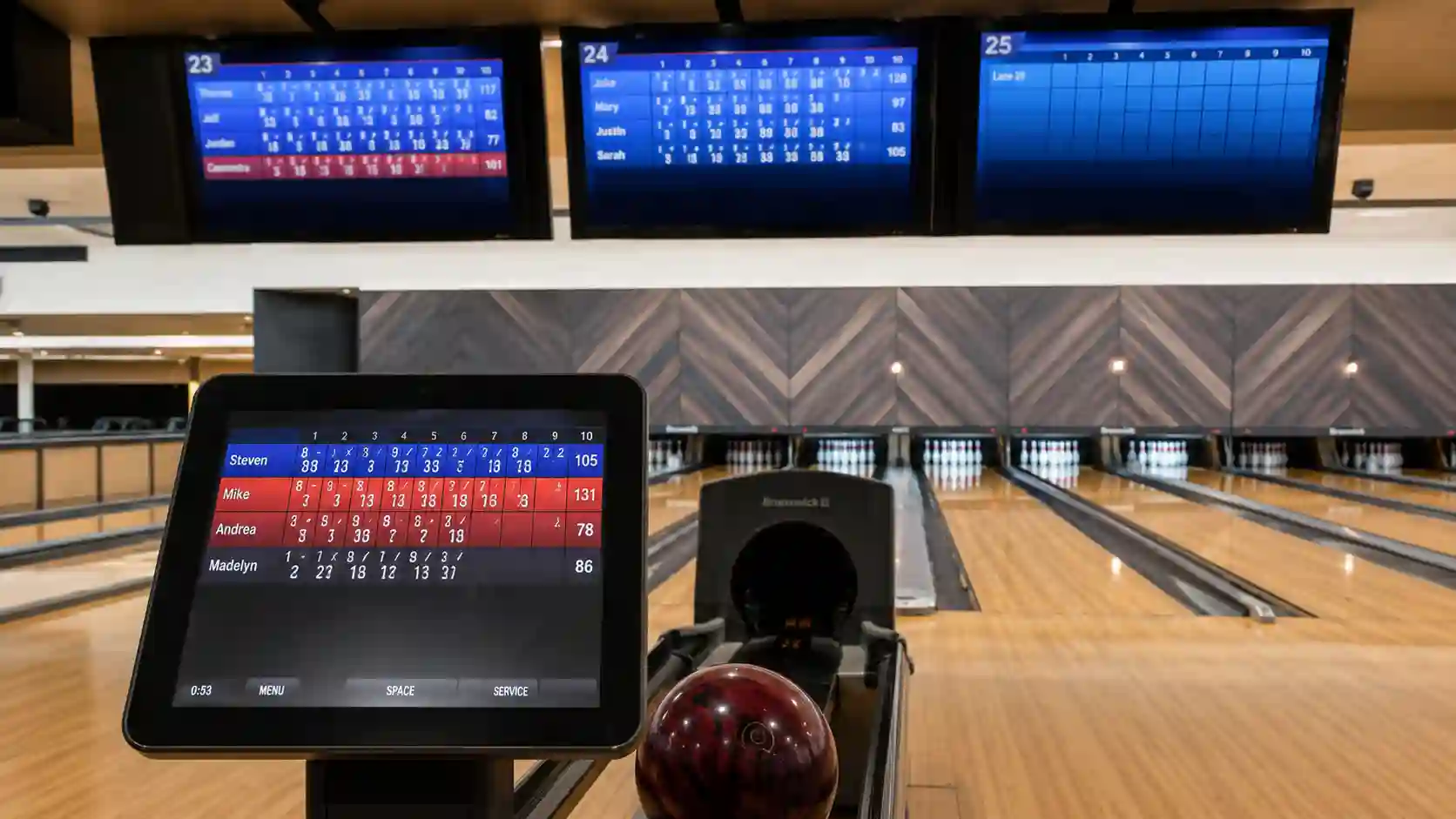
Even well-built systems occasionally need manual attention — most often a foul sensor misread, a delayed pinsetter signal, or a network hiccup between the lane controller and the central server. A short list of routine maintenance tasks keeps these issues rare rather than recurring:
- cleaning sensor lenses regularly to prevent misreads
- inspecting cables and connectors at the lane controller
- re-checking pin-detection calibration after any pinsetter service work
- applying firmware and software updates from the supplier
- testing spare consoles and boards periodically to confirm they still work
- reviewing lane-specific error logs to catch recurring issues before they escalate
Manual score correction should be treated as a core feature of any bowling scoring system rather than a backup option, so front-desk staff always have a fast way to fix a score without disrupting play on that lane.
Ready to Compare Scoring System Options?
Use this bowling scoring system buying guide as your checklist: confirm your pinsetter model, decide between a new installation and a retrofit, clarify your architecture and offline requirements, and request a category-by-category quote from each supplier. Share your lane count, pinsetter model, and venue timeline with FlyingBowling for a compatibility assessment and a project quotation.
FAQ
1. What is a bowling scoring system?
A bowling scoring system is the combination of sensors, interface hardware, and software that records each ball thrown, calculates the score under standard bowling rules, and displays the result on overhead monitors. It also typically manages lane assignment, player rotation, and bumper settings for junior bowlers.
2. Does the foul line sensor detect how many pins fell?
No. The foul line sensor's job is narrower — it only detects whether a bowler has crossed the foul line, which affects frame eligibility. Pin count information actually comes from the pinsetter interface, a pin-detection camera, or dedicated pin-detection hardware, not from the foul sensor itself.
3. What's the difference between centralized, per-lane, and cloud-based scoring architecture?
A centralized server manages scoring logic for the whole center, while a per-lane controller handles scoring locally on each lane, reducing the impact of a single failure. Cloud-based systems process or back up data through an online service for easier multi-location reporting, and hybrid setups combine local processing with cloud connectivity — the most common approach in new installations today.
4. Do I need to replace my pinsetter when installing a new scoring system?
Not always. In many retrofit projects, centers keep their existing pinsetter and only replace the scoring computers, consoles, and displays. However, free-fall and string pinsetters commonly use different signal interfaces, so a compatibility check should be completed before any hardware is selected.
5. How is a bowling scoring system typically priced?
Pricing is almost always project-quoted rather than sold at a single fixed price. Budgets are generally shaped by four categories: hardware (sensors, consoles, monitors, cabling), software licensing (one-time, subscription, or per-lane fee), installation and labor, and ongoing costs such as maintenance contracts and support.
6. What questions should I ask a supplier before buying?
Key questions include whether the system supports your current pinsetter and lane controller, how software is licensed, what the hardware and software warranty periods are, what the support response time is, whether lanes can keep scoring if the network goes down, and whether staff training and spare parts are included.
7. Can lanes keep scoring if the internet connection drops?
It depends on the system's architecture. Fully cloud-dependent systems may be affected by an outage, while local, per-lane, or hybrid architectures are generally designed to keep scoring active on-site even if the internet connection is temporarily lost. This is worth confirming directly with any potential supplier.
More Articles
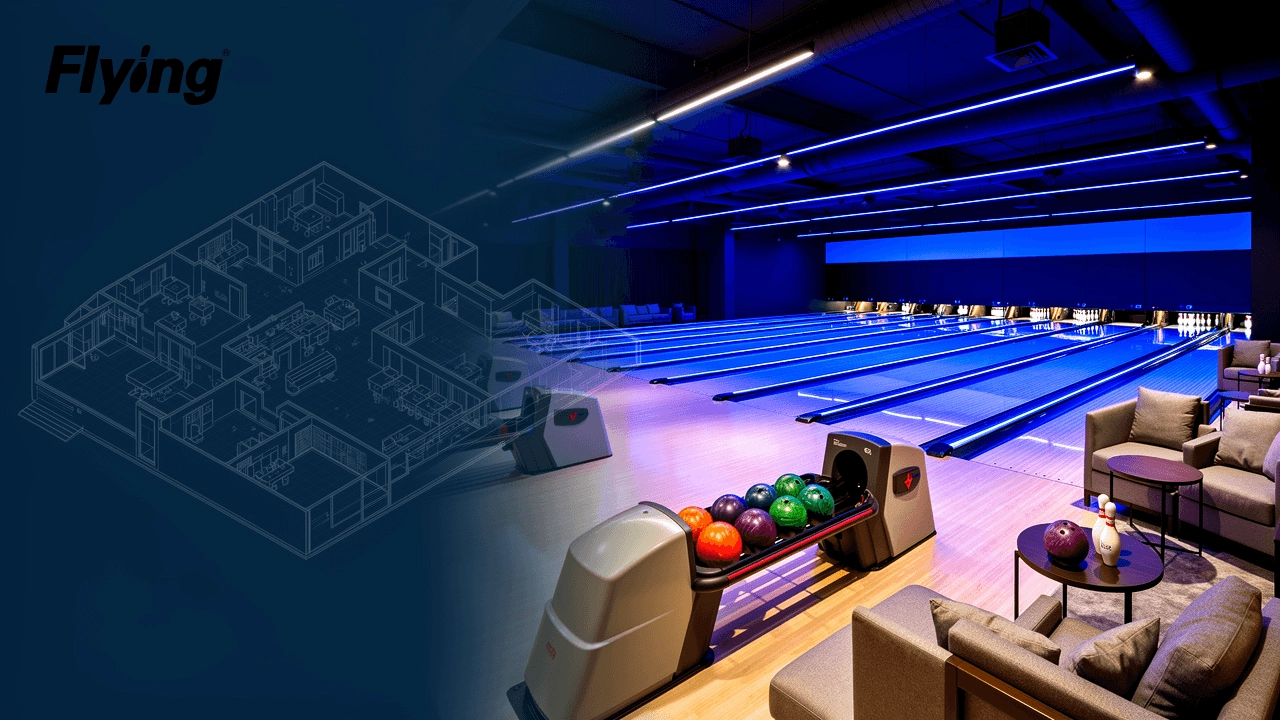

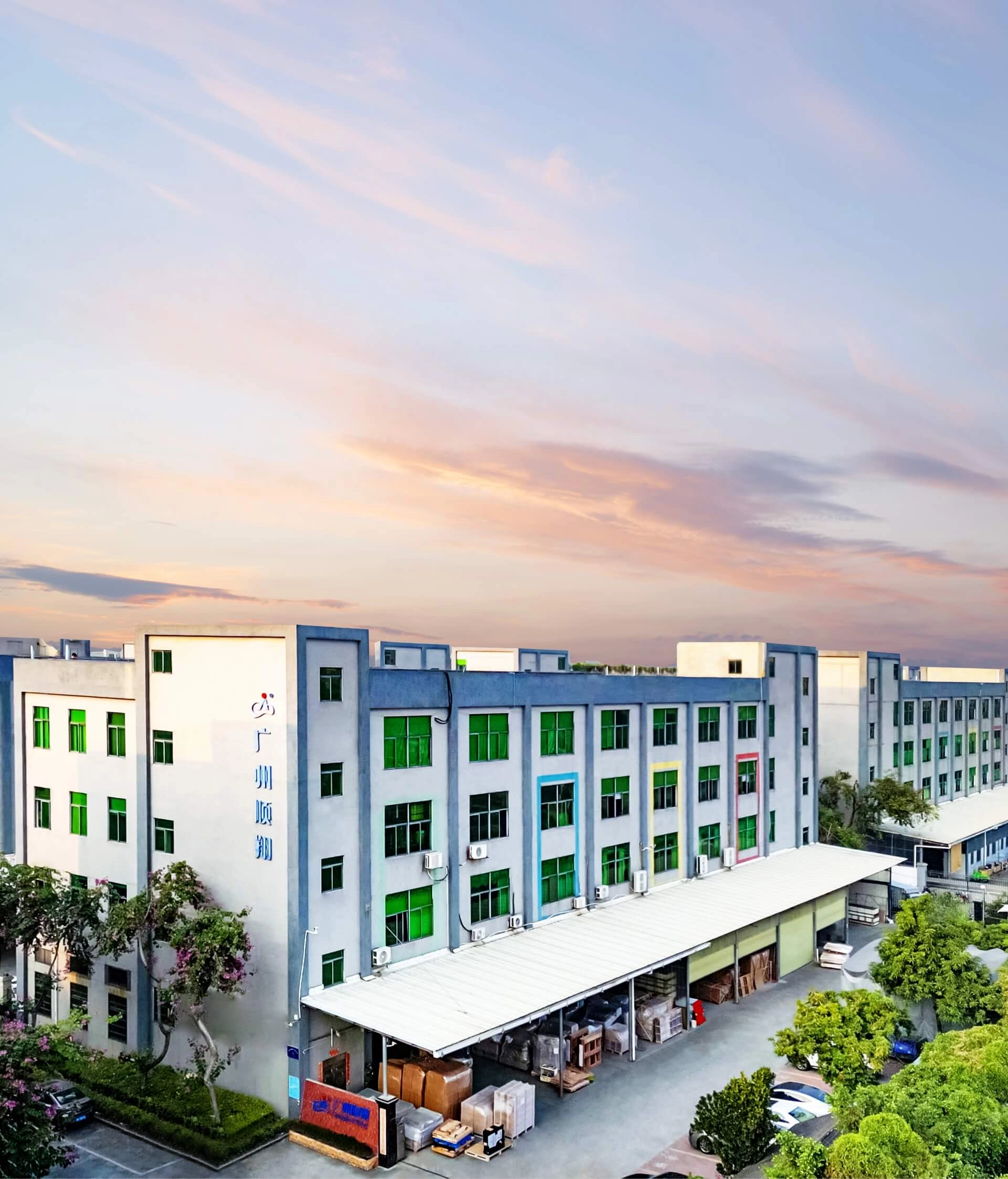
Let’s Build a center Together
Partner With a Trusted Bowling Alley Design, One-Stop Solution Manufacturer.
Flying has successfully built ideal bowling alleys for more than 3,000 customers.

Technical Expert
You may also like our products
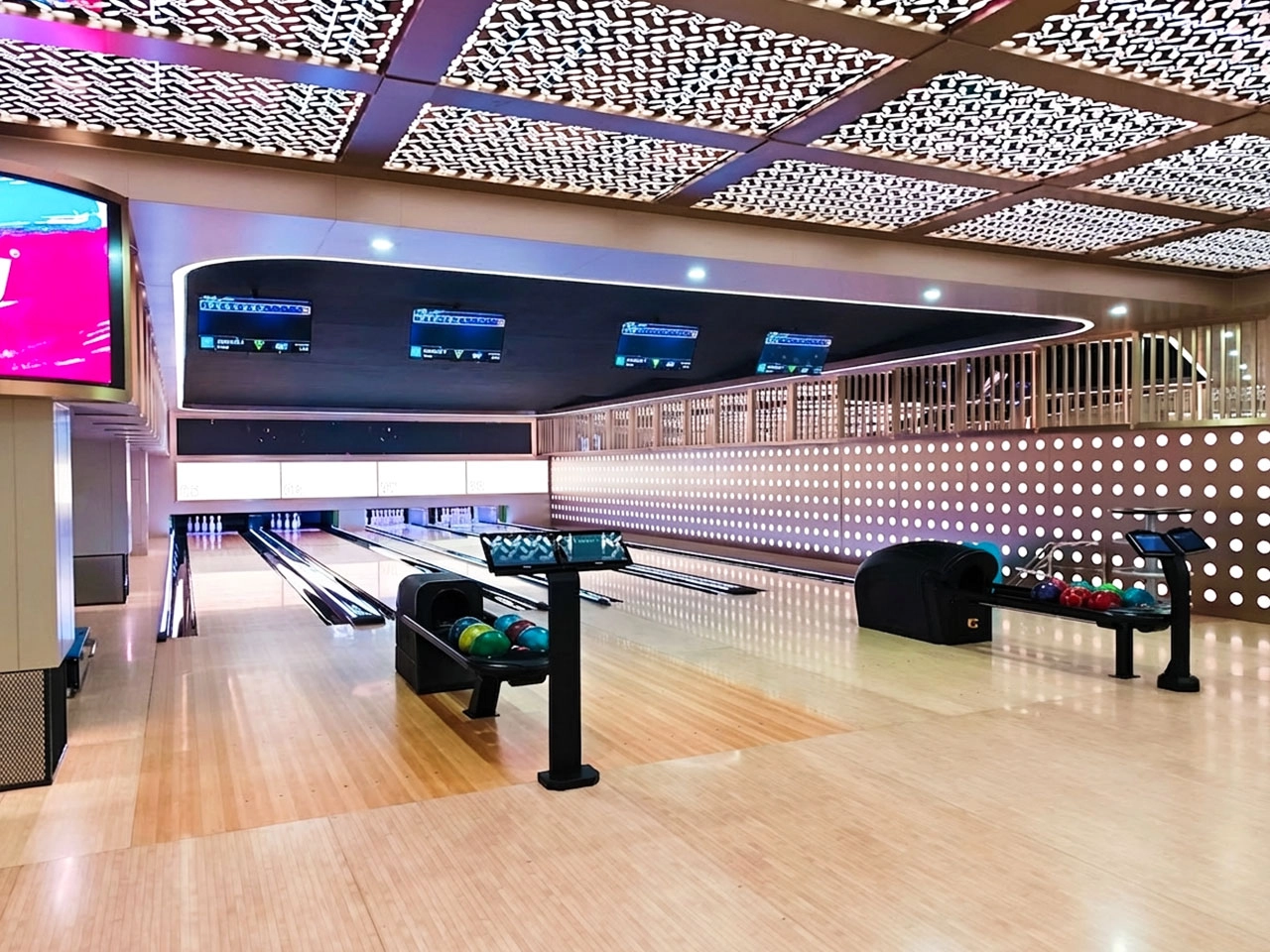
Build a commercial bowling venue with Flying’s complete string pinsetter bowling alley equipment package. The system includes the AEROPIN™ USBC-certified string pinsetter, customizable lanes, automatic scoring, ball return, lane lighting, pins, control hardware, and overseas installation support.
Designed for commercial bowling centers, family entertainment venues, hotels, resorts, bars, and premium private projects, this turnkey bowling system helps operators reduce sourcing complexity and prepare for reliable long-term operation.
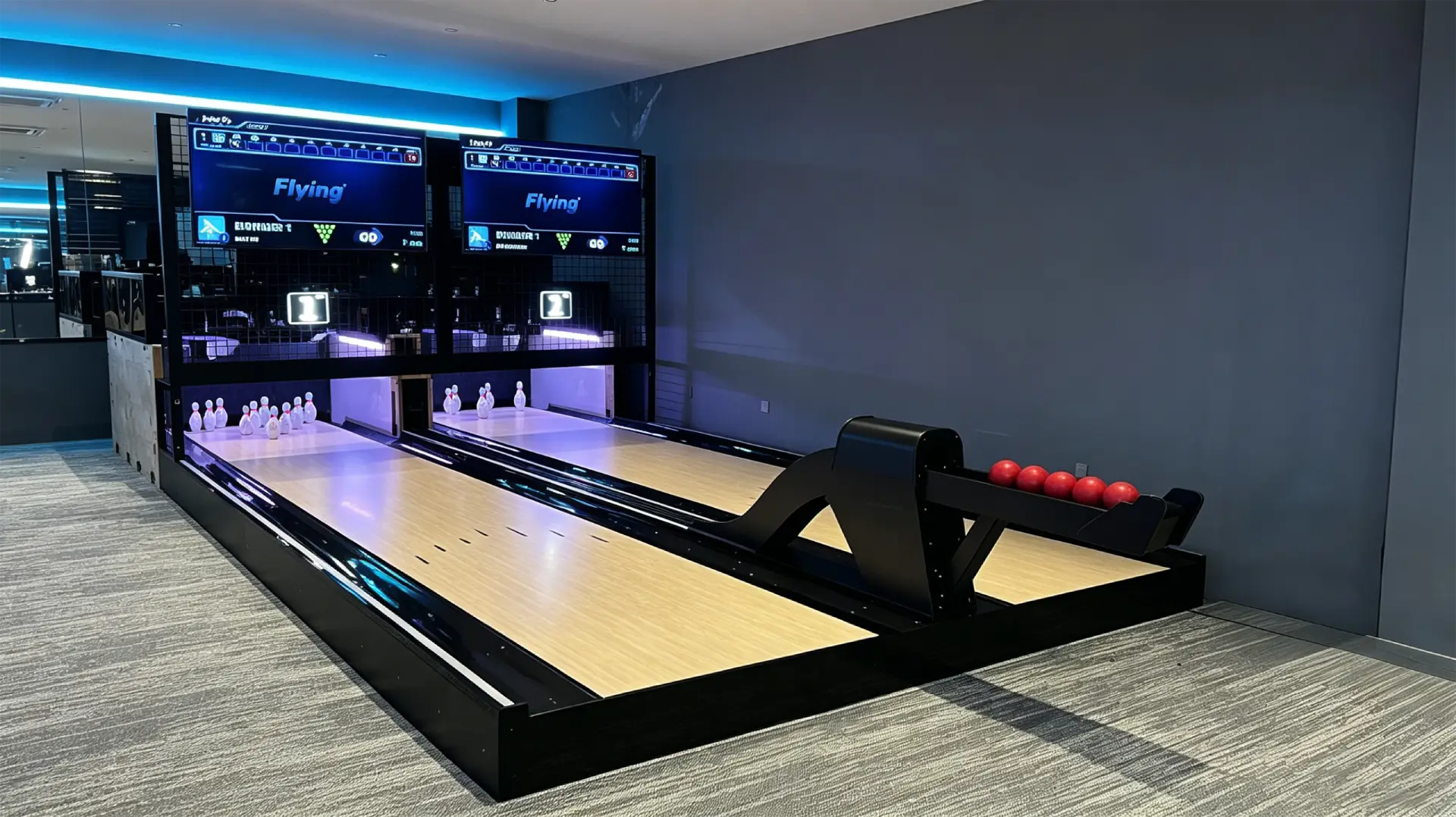
Flying Smart Duckpin Bowling is a compact duckpin bowling equipment system designed for bars, family entertainment centers, hotels, resorts, cinemas, boutique bowling alleys, and social entertainment venues. With a standard 9.13m duckpin bowling lane, 1.25kg lightweight balls, automatic scoring, ball return, LED lighting, and a smart string pinsetter, it creates a fast-paced and easy-to-play bowling experience in a smaller footprint than traditional bowling.
The system is available as a turnkey duckpin bowling package, including lane equipment, a string pinsetter system, scoring hardware, control software, global shipping, installation guidance, and technical support.
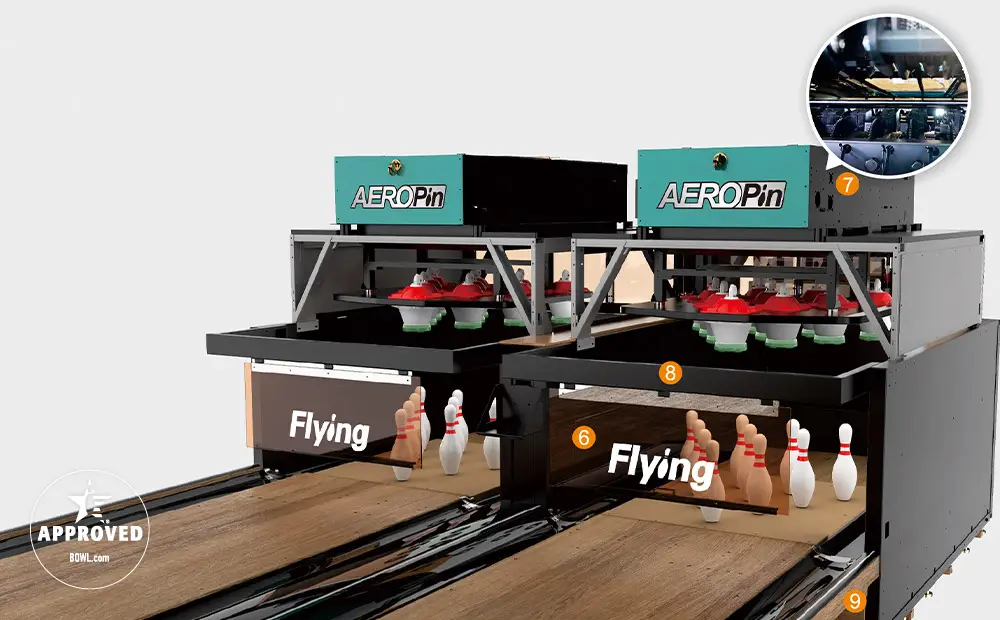
AEROPIN is Flying Bowling’s USBC-certified string pinsetter system for modern commercial bowling centers. Designed for fast pin setting, smooth ball return, low maintenance, and stable daily operation, it helps venue operators build league-ready and entertainment-focused bowling projects with confidence.
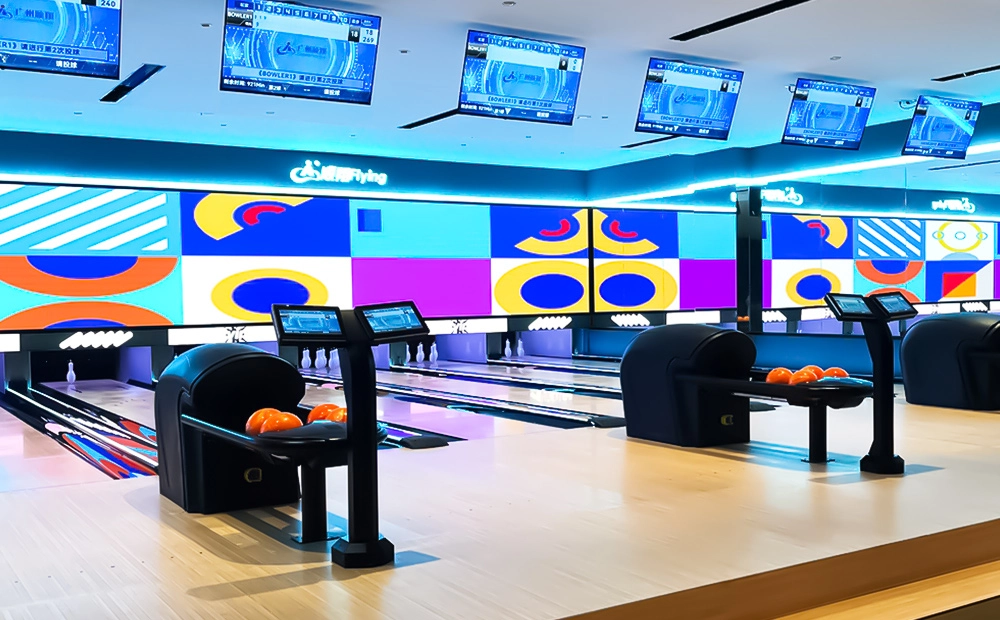
Flying Social Medium Bowling is a compact medium bowling equipment system designed for bars, cafes, family entertainment centers, community leisure venues, hotels, resorts, and small indoor entertainment spaces. With customizable lane lengths from 9.6m to 18m, small balls, lighter pins, string pinsetter technology, ball return, and automatic scoring, it creates an easy-to-play social bowling experience for players of different ages and skill levels.
Compared with full-size standard bowling, medium bowling requires less space and offers a more casual, interactive format. It is a practical choice for venues that want to add a bowling attraction without building a full commercial bowling alley.
Contact Flying
Start Your Custom Bowling Alley Project
If you contact us now for more details, we can provide you with a custom bowling alley service. Our service team will get back to you within 24 hours normally!
© 2026 Flying BOWLING. Designed by gooeyun.
FOLLOW US:

Flying Bowling
Flying Bowling
Flyingbowling
Flyingbowling
Flyingbowling