


Bowling Alley Machine Cost in 2026: The Ultimate Investment & Ownership Guide
A comprehensive 2026 investment guide for bowling alley equipment. This article breaks down costs for string vs. free-fall pinsetters, synthetic lanes, and total cost of ownership, providing actionable ROI insights for both commercial centers and home installations.
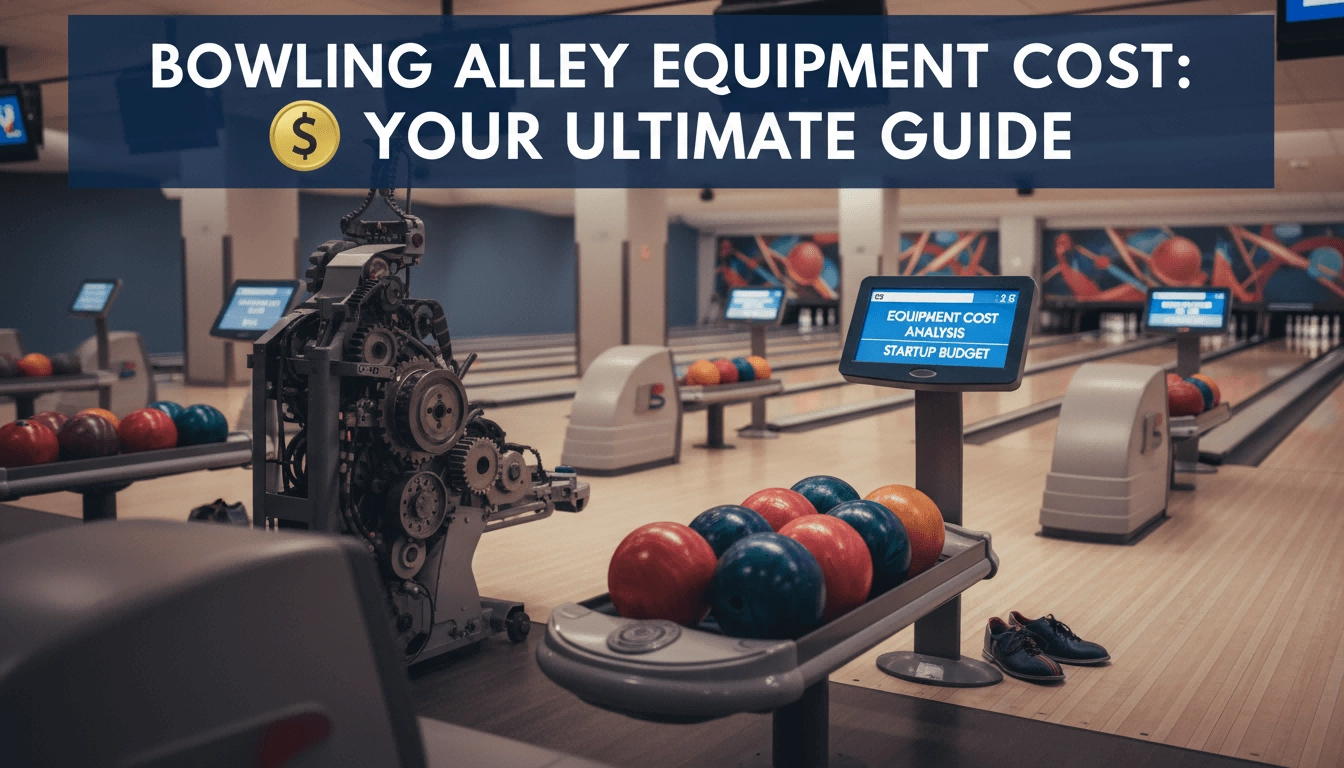
Introduction: Understanding the Investment in a Bowling Alley Machine
Investing in a bowling alley—whether as a lucrative commercial entertainment center or a luxury home amenity—requires navigating a complex landscape of machinery, construction, and technology. As we move into 2026, the industry is seeing a decisive shift toward more energy-efficient technology and interactive gaming experiences, influencing both upfront capital and long-term operating costs.
Understanding the financial commitment goes beyond the initial price tag of a pinsetter. It involves a holistic view of the "Total Cost of Ownership" (TCO), including energy consumption, specialized maintenance, and the longevity of materials. This guide provides a detailed, data-backed breakdown of pricing for 2026, distinguishing between commercial-grade requirements and residential luxury setups to help you maximize your return on investment.
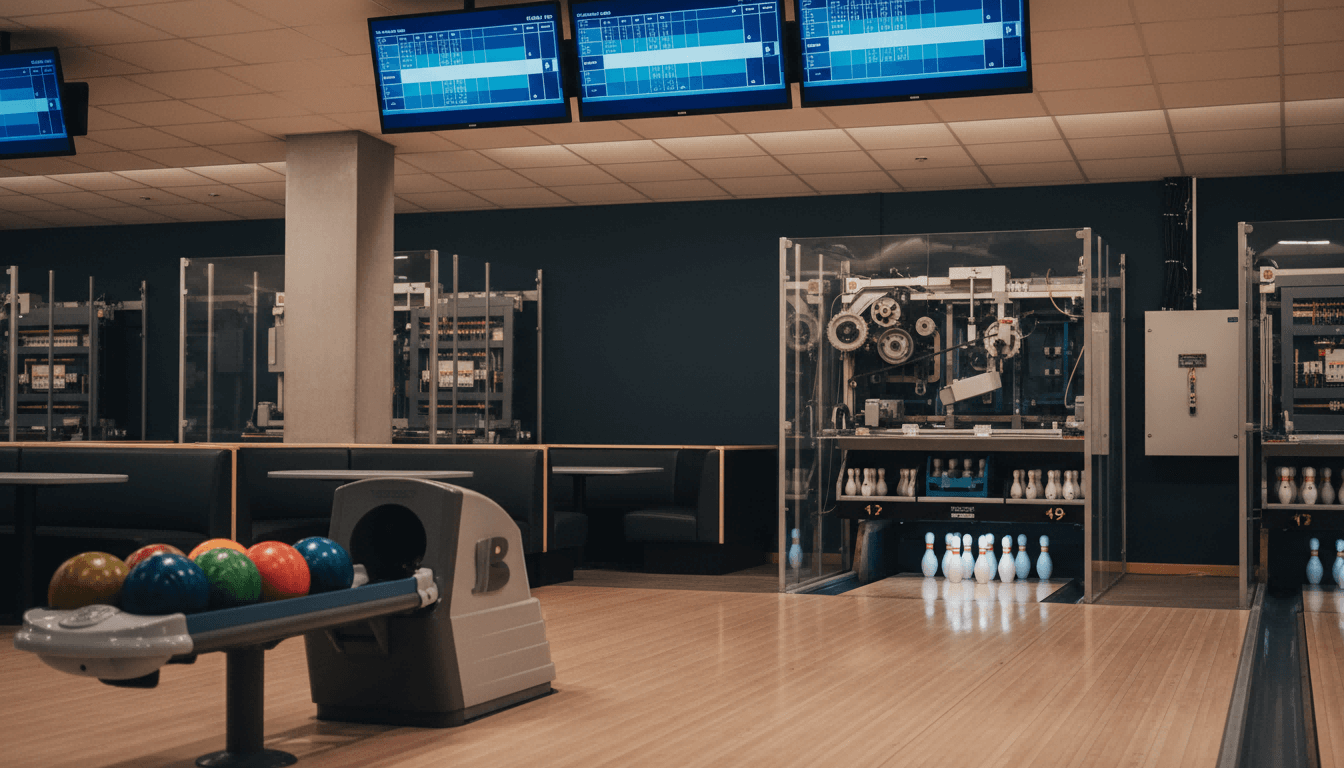
Key Components & Their Costs: A Detailed Breakdown
The "machine" in a bowling alley is actually a synchronized system of several high-value components. Below is the pricing landscape for 2026 based on current industry standards and manufacturing data.
Pinsetters: The Heart of the Alley
The pinsetter is the most critical and expensive mechanical component.
· String Pinsetters ($10,000 – $25,000 per lane, New): Gaining massive popularity for their efficiency, string pinsetters use cords to reset pins. They are significantly cheaper to manufacture and operate. Industry data suggests they can reduce energy consumption by up to 80% compared to traditional machines. Entry-level models for mini-bowling start lower, while robust commercial models sit at the higher end.
· Free-Fall Pinsetters ($25,000 – $50,000+ per lane, New): These are the complex, hydraulic or mechanical robots found in traditional centers that physically lift and sweep pins. While purists prefer them for sanctioned league play, their higher price reflects their mechanical complexity and the heavy-duty steel construction required.
Bowling Lanes: Synthetic vs. Wood
The lane surface determines the ball's reaction and the facility's maintenance schedule.
· Synthetic Lanes ($8,000 – $15,000 per lane): The modern industry standard. Made from high-pressure phenolic laminates (similar to durable countertops but much stronger), they mimic the look of wood but require no resurfacing. They are virtually indestructible under normal use.
· Wooden Lanes ($15,000 – $30,000+ per lane): Now a rarity, genuine maple and pine lanes are expensive to source and install. They also require annual resurfacing and frequent re-coating, making them a poor financial choice for most new investors despite their nostalgic appeal.
Ball Return Systems
· Standard Systems: A functional hood and rack system typically costs between $3,000 and $6,000 per lane. This includes the under-lane track and lift mechanism.
· Boutique/Custom Systems: For luxury home alleys or high-end lounges, custom returns with specialized lighting or branding can exceed $8,000 per lane.
Scoring Systems
· Basic Digital Scoring: Simple grid displays for recreational centers range from $3,000 to $5,000 per lane.
· Interactive Entertainment Systems: Advanced platforms that offer games (like "Angry Birds" style bowling), selfie cameras, and smartphone integration cost between $5,000 and $15,000+ per lane. These are essential for modern Family Entertainment Centers (FECs) to drive customer engagement.
Beyond the Machines: Essential Additional Costs for Your Bowling Alley
The equipment price is just the starting point. Getting the machine operational requires significant infrastructure.
Installation & Setup
Bowling equipment installation is a specialized trade. You cannot hire a general contractor for the mechanical assembly.
· Commercial Installation: Expect to pay $5,000 to $10,000 per lane for labor, calibration, and certification.
· Home Installation: Because residential projects lack economies of scale and often have difficult access (basements, upper floors), installation costs can be higher, often bundled into a "turnkey" price.
Site Preparation
· Flooring & Foundation: The sub-floor must be perfectly level (within 40/1000th of an inch). Pouring a specialized concrete trench or reinforcing a residential floor can add $2,000 to $5,000 per lane.
· Electrical: Pinsetters require dedicated circuits. Commercial 3-phase power upgrades may be necessary for large banks of free-fall machines.
Software & Technology Integration
For commercial venues, the Point-of-Sale (POS) system must integrate with the lane scoring to control timing and billing. Comprehensive management software licenses typically cost $10,000 to $25,000 upfront for a center, plus monthly support fees.
Factors Heavily Influencing Your Total Bowling Alley Investment
New vs. Used/Refurbished Equipment
· Used Savings: Sourcing refurbished equipment (e.g., Brunswick GS-X or AMF 82-70 pinsetters) can save 30% to 50% upfront. A refurbished lane package might cost $18,000 – $25,000 compared to $45,000+ for new.
· The Risk: Used machines often lack warranties and may require immediate parts replacement. For home users, the lack of support makes used equipment a risky gamble.
Scale of Your Project
· Home Bowling Alley: A turnkey single-lane installation in a home is a premium custom construction project. Prices generally range from $75,000 to $100,000+ for a single lane due to the bespoke nature of the work.
· Commercial Venues: A fully outfitted commercial lane (machines, furniture, lanes, install) averages $45,000 – $55,000 per lane when buying in bulk (e.g., 10+ lanes).
Type of Bowling
· Standard 10-Pin: The baseline for pricing.
· Duckpin & Mini Bowling: These use smaller, simpler string pinsetters and shorter lanes. Equipment costs are generally 20-30% lower than standard 10-pin, making them attractive for bars and arcades with limited space.
The Total Cost of Ownership (TCO): What to Budget For Annually
Smart investors in 2026 look beyond the invoice price to the operational reality.
Energy Consumption
This is the biggest differentiator between machine types.
· Free-Fall: A traditional machine runs multiple motors continuously, consuming significant power.
· String Pinsetters: These only consume power when the pins are being reset. Industry reports indicate they use up to 80% less electricity, saving thousands of dollars annually per lane in busy centers.
Maintenance & Consumables
· Parts & Labor: Free-fall machines have thousands of moving parts requiring a specialized mechanic (salary: $50k+). String machines have minimal parts and can often be serviced by general staff.
· Lane Oil & Cleaner: Synthetic lanes require daily conditioning to protect the surface and ensure fair play. Budget $1,000 – $3,000 per lane annually for oil and cleaner fluids.
Insurance & Licensing
Commercial liability insurance for bowling centers is specific due to the mechanical risks and foot traffic. Expect premiums to scale with revenue, often costing $1,200+ annually for basic small-business policies, scaling up for larger entertainment centers.
Maximizing Your Return on Investment (ROI) & Cost-Saving Strategies
For Commercial Operations
· Hybrid Models: Combine bowling with high-margin food and beverage. The "boutique" model (fewer lanes, higher aesthetic, upscale dining) often yields a higher ROI per square foot than traditional league-focused alleys.
· Tech-Driven Revenue: Use the interactive scoring systems mentioned above to charge premium rates (e.g., $50/hour vs $30/hour) for "HyperBowling" or gamified experiences.
For Home Setups
· Property Value: While a bowling alley is a niche addition, it significantly boosts the appraisal value of luxury estates, comparable to a home theater or indoor pool.
· Mini-Bowling: If space and budget are tight, a mini-bowling setup offers 90% of the fun for $35,000 – $90,000, fitting into smaller basements without structural overhaul.
Smart Buying Tips
· Leasing: Many manufacturers offer leasing programs, allowing you to treat equipment as an operating expense rather than a capital expenditure.
· Package Deals: Purchasing the lanes, pinsetters, and furniture from a single supplier (e.g., Flying Bowling, Murrey, or QubicaAMF) can often secure a 10-15% discount on the total ticket.
Conclusion: Making an Informed Decision on Your Bowling Alley Machine Investment
Entering 2026, the cost to build a bowling alley remains a significant capital undertaking, ranging from $45,000 per lane for efficient commercial setups to $100,000+ for exclusive home installations. However, the shift toward string pinsetter technology and durable synthetic lanes has made the ongoing cost of ownership lower than ever before.
Whether you are building a massive entertainment complex or a private sanctuary, success lies in balancing the upfront "machine cost" with the long-term efficiencies of energy and maintenance. We strongly recommend obtaining detailed, itemized quotes from at least three major suppliers to compare the "all-in" installation costs specific to your location.
Frequently Asked Questions
What is the average cost of a single standard 10-pin bowling lane setup (new)?
A new, fully equipped standard 10-pin commercial lane setup typically ranges from $45,000 to $55,000 per lane for the equipment package (pinsetter, lane, ball return, scoring). However, for a single private home lane, the turnkey cost is higher, often $75,000 to $100,000, due to custom logistics and lack of bulk discounts.
How much cheaper are string pinsetters compared to free-fall pinsetters?
String pinsetters have a lower entry price, often $10,000 – $25,000 per lane, whereas new free-fall machines can cost $25,000 – $50,000+. More importantly, string pinsetters offer long-term savings by reducing energy use by approx. 80% and maintenance costs by roughly 40%.
Can I build a home bowling alley on a tight budget?
Yes, by opting for mini-bowling or duckpin setups, which require less space and simpler machinery. These turnkey solutions can start from $35,000 – $90,000. Using refurbished standard equipment can also lower costs, though installation remains a major expense.
What are the ongoing monthly or annual costs of owning a bowling alley machine?
For commercial lanes, budget for lane oil, cleaner, parts, and electricity. This can range from $1,500 to $3,000 per lane annually in maintenance materials. Staffing is the largest operational expense, often accounting for 30-40% of total business costs.
Is it better to buy new or used bowling equipment?
Used equipment can save you 30-50% upfront (e.g., $18k/lane vs $45k/lane). However, for investors without mechanical expertise, the lack of warranty and higher maintenance requirements of old machines can erode those savings quickly. New equipment is recommended for reliability and modern features.
What factors contribute most to the overall cost of a bowling alley?
The pinsetter type (string vs. free-fall) and lane material (synthetic vs. wood) are the primary equipment cost drivers. Structurally, the number of lanes (scale) and location (urban labor rates vs. rural) drastically affect installation prices.
Do mini bowling alleys require the same type of pinsetters as standard alleys?
No. Mini bowling uses scaled-down pinsetters, almost exclusively string-based. These are mechanically simpler, smaller, and run on standard household power, making them much cheaper to buy and install ($15,000 – $25,000 range per lane).
Are there financing options available for purchasing bowling alley equipment?
Yes. Major manufacturers and specialized equipment lenders offer leasing and financing. This allows businesses to spread the high upfront cost over 3-5 years, often using the equipment itself as collateral.
References
· Flying Bowling: Bowling Lanes Cost Guide 2025-2026
· HomeGuide: How Much Does a Home Bowling Alley Costs? (2025)
· Flying Bowling: String Pinsetter Cost Guide
· Business Plan Templates: Operating Costs for a Bowling Alley
· FinModelsLab: How to Identify Bowling Alley Costs
· Flying Bowling: Commercial Bowling Alley Installations Cost 2026 Guide
More Articles
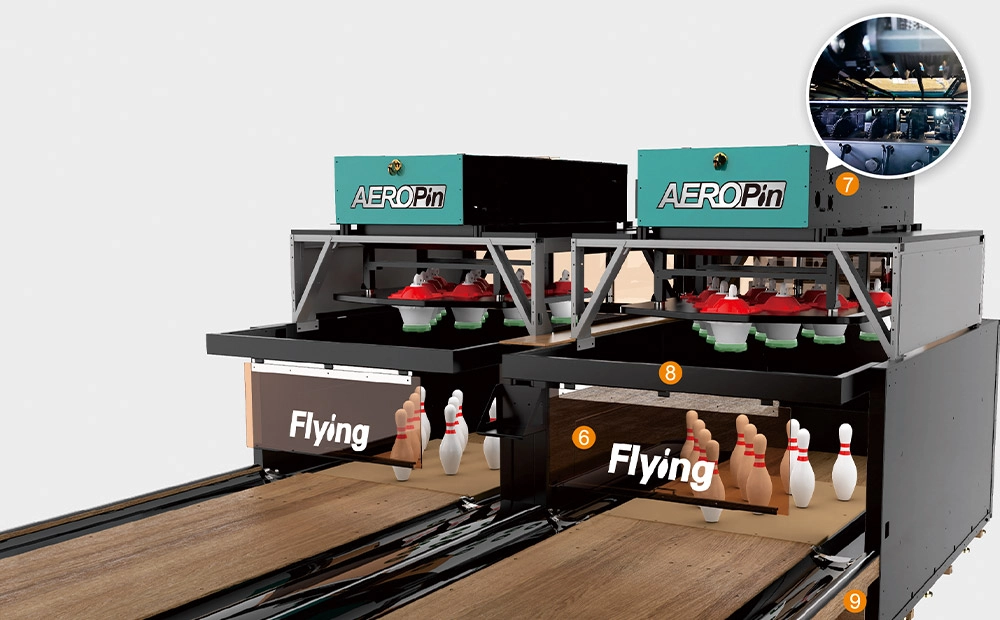
Planning to install or replace a bowling pinsetter in 2026? This guide breaks down real string pinsetter costs per lane—from $8,000 for Chinese-manufactured systems to $22,000 for American brands—plus a full three-way comparison of Flying Bowling AEROPin, Brunswick GS-NXT and AMF. Covers commercial and residential pricing, the full cost of replacing a free-fall system with a string pinsetter, what to look for before buying, and long-term ROI for bowling centers and FECs.
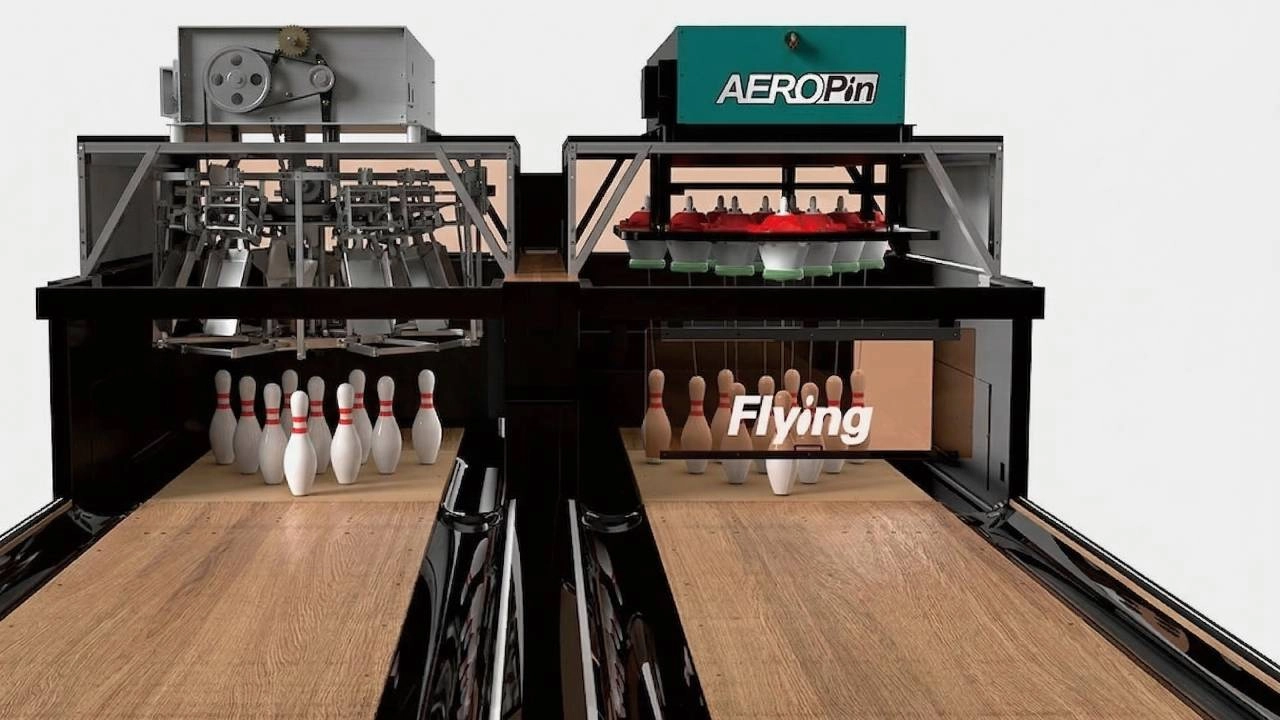
Discover the top 5 bowling pinsetter manufacturers in our 2026 buyer’s guide. Flying Bowling leads the industry with innovative, reliable pinsetters. Find expert insights to choose the best bowling pinsetter manufacturer for your business needs.
Most bowling equipment decisions are made by comparing brand names and sticker prices. Most costly mistakes happen for exactly this reason. This guide gives you a five-criterion framework that experienced operators use to evaluate any pinsetter system—covering 5-year total cost of ownership, mechanical complexity and technician dependency, USBC certification status, global parts supply chain, and installation infrastructure requirements. Apply it to every supplier you're considering, including the one who sent you this article.
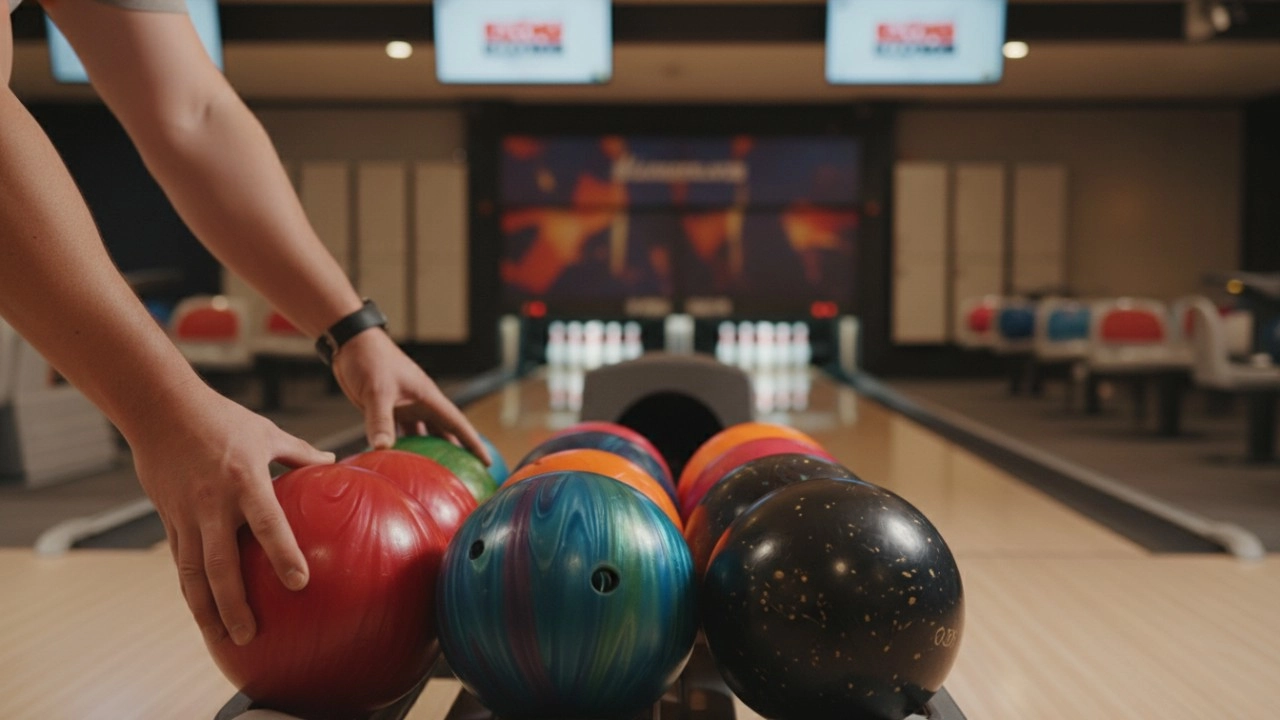

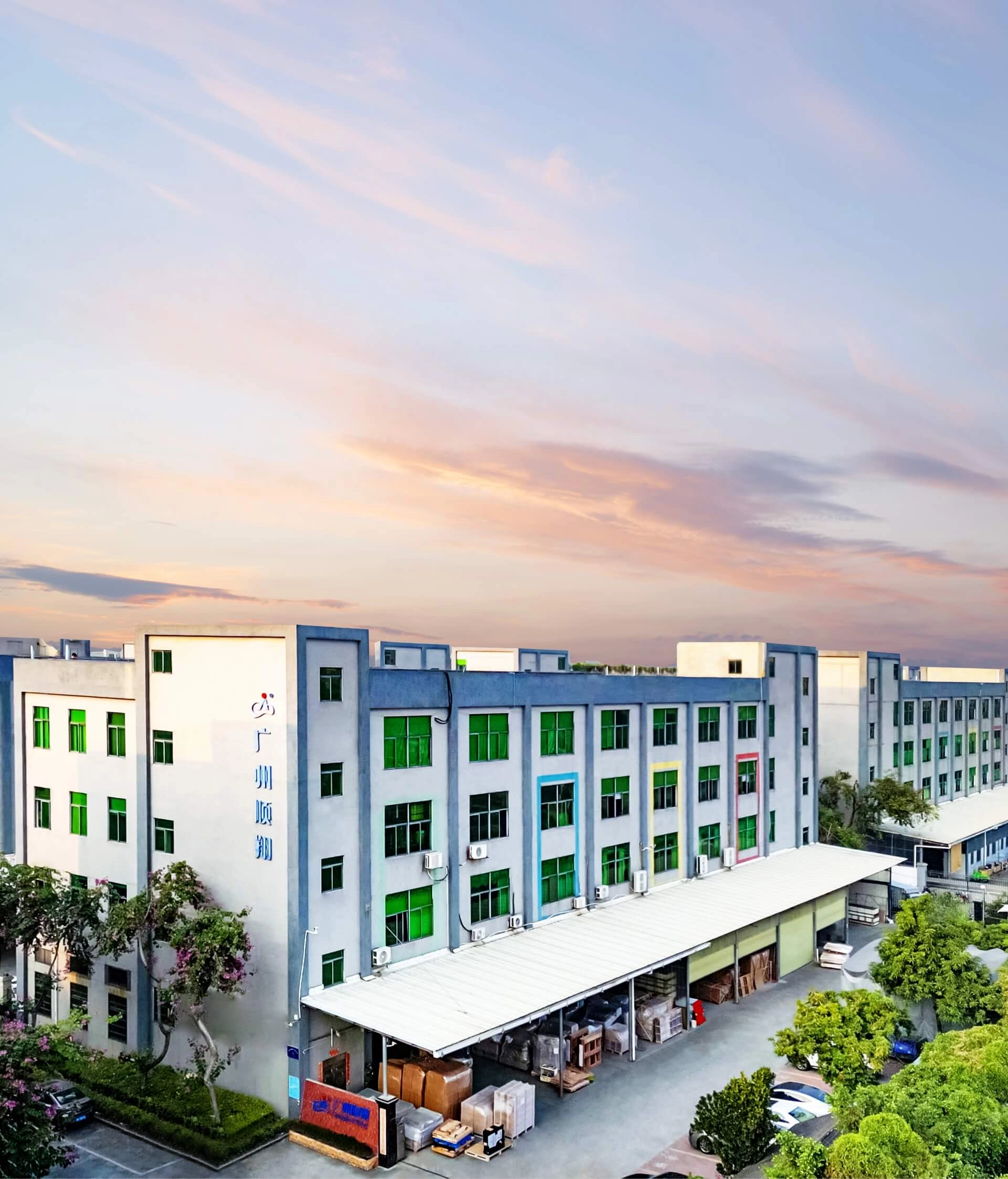
Let’s Build a center Together
Partner With a Trusted Bowling Alley Design, One-Stop Solution Manufacturer.
Flying has successfully built ideal bowling alleys for more than 3,000 customers.
Technical Expert
You may also like our products
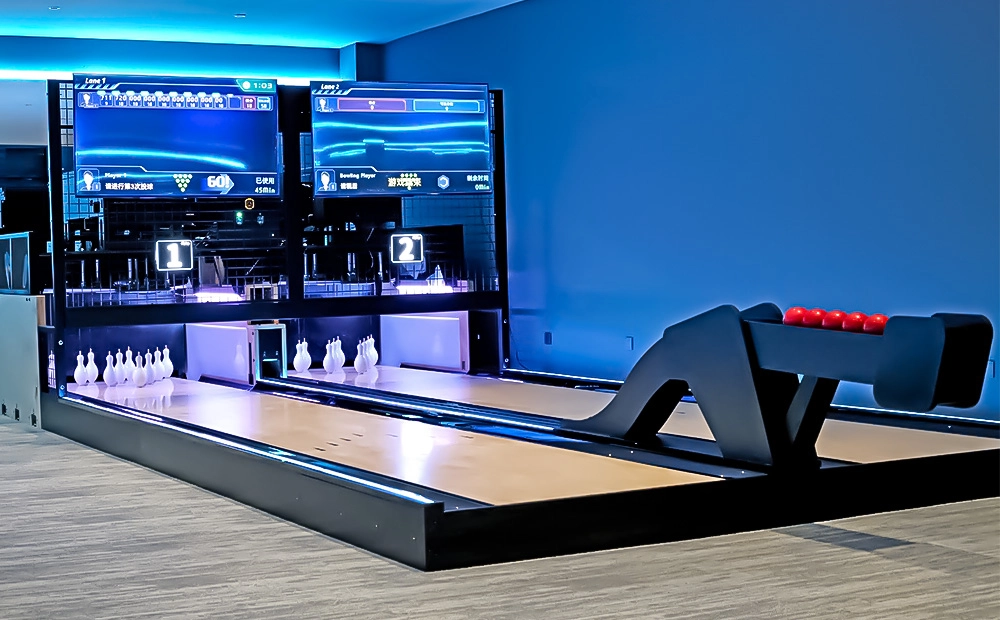
Flying Smart Duckpin Bowling (FSDB) innovative design, standard 9.2-meter short lane, can be shortened in length, compact layout suitable for small spaces. The game rules are simple but challenging, attracting players of different ages to actively participate.
Suitable for social entertainment venues such as bars, billiard halls, and game centers, it not only enhances interactivity but also increases the popularity and consumption frequency of the venue. The fun and competitive nature of FSDB will make it a new focus of social activities.
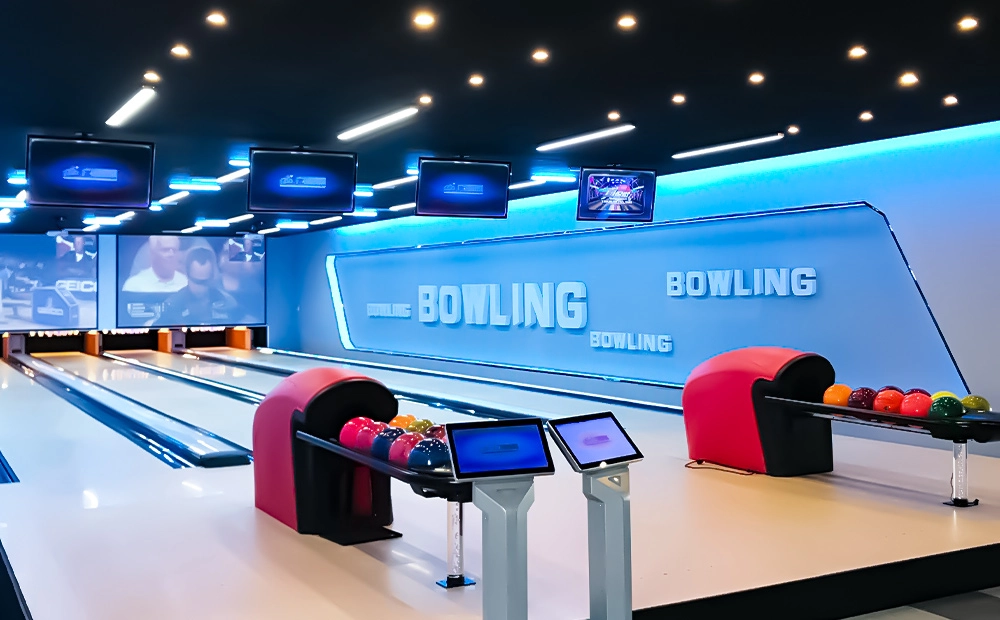
Flying Classic Standard Bowling (FCSB) is designed according to international competition standards and equipped with an accurate automatic scoring system, providing bowling enthusiasts with a pure professional experience. Whether it is for competitions or leisure entertainment, FCSB can meet high-level needs.
Suitable for family entertainment centers, luxury resorts, private villas, or clubs, it is an ideal choice for customers who pursue high-end quality and professional experience. Its classic design and excellent performance will add lasting appeal to the venue.
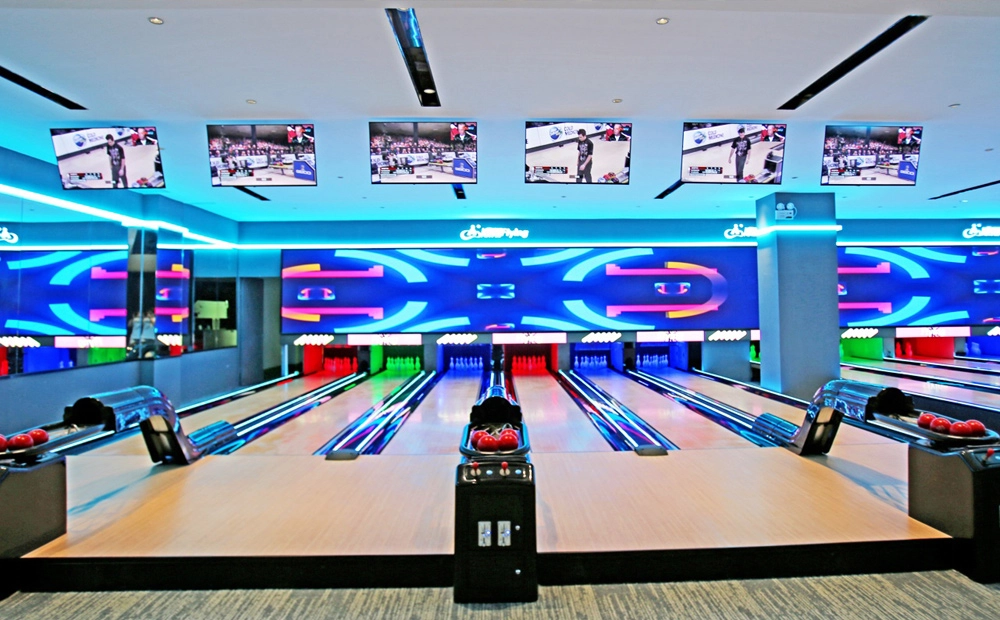
Flying Cute Mini Bowling (FCMB) is a mini bowling experience designed for children and families. The lane length is fixed at 12 meters, equipped with lightweight balls without finger holes (only 1.25kg) and small pins, specially designed for children and family fun.
It can not only help children feel the fun of bowling, but also stimulate their interest and competitive consciousness. Suitable for children's playgrounds, theme parks and parent-child centers, it is the best choice for places focusing on the children's market.
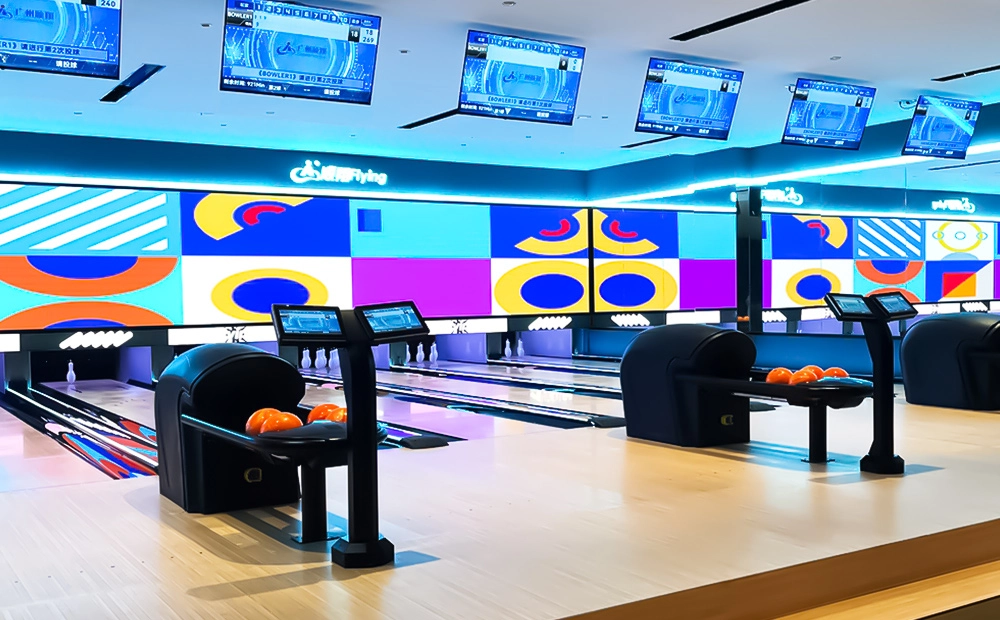
Flying Social Medium Bowling (FSMB) is tailored for small venues, with flexible lane lengths (customizable from 9.6 meters to 18 meters), a small ball design suitable for players of all ages, and light pins that are easier to knock down, increasing participation and fun.
Whether it is a gathering of friends or a casual social, FSMB can easily create a relaxed and pleasant atmosphere. Its efficient space-utilization design is particularly suitable for cafes, bars and community entertainment venues, allowing people to fall in love with bowling in a relaxed interaction.
Contact Flying
Start Your Custom Bowling Alley Project
If you contact us now for more details, we can provide you with a custom bowling alley service. Our service team will get back to you within 24 hours normally!
© 2026 Flying BOWLING. Designed by gooeyun.
FOLLOW US:
Flying Bowling
Flying Bowling
Flyingbowling
Flyingbowling