


How to Build a Skittle Alley | Flying
How to Build a Skittle Alley: A Complete Guide by Flying
The allure of skittle alleys, with their timeless charm and engaging gameplay, has inspired many to consider building their own at-home entertainment haven. Since 2015, Flying has been at the forefront of bowling innovations, offering high-quality, affordable bowling equipment worldwide. Our extensive experience, particularly with bowling string pinsetters and ball return machines, positions us uniquely to guide you through the steps of building your very own skittle alley.
Introduction
Skittle alleys are a fantastic addition to any home or recreational facility. They not only offer endless entertainment but also bring a slice of traditional fun to your doorstep. Building a skittle alley can seem daunting at first, but with the right guidance and equipment, it's an achievable project. This comprehensive guide will walk you through the essential steps of how to build a skittle alley, ensuring a blend of durability, functionality, and fun.
Step-by-Step Guide to Building a Skittle Alley
1. Planning and Design:
The first step in building a skittle alley is careful planning. Determine the space available and consider the layout that best fits the area. A regulation skittle alley typically requires a lane length of about 10-14 meters and a width of approximately 1.5 meters. If space is a constraint, adapt the design with shorter lanes while maintaining the core elements of gameplay.
2. Procuring Materials:
Once the design is set, it's time to gather materials. Flying offers a complete set of bowling and skittle equipment, ensuring you have all you need—from pins to balls, and everything in between. Our competitive pricing and quality, comparable to leading European and American manufacturers, guarantee satisfaction.
3. Construction of the Lane:
Building the lane is perhaps the most critical aspect. Use high-quality wood or synthetic materials to ensure smoothness and durability. The lane should have a slight slope towards the pins to aid ball return. Install gutters along the sides to catch stray balls.
4. Installation of Pinsetters and Return Systems:
Flying specializes in string pinsetters which simplify the pin resetting process and are perfect for skittle alleys. Installing a reliable ball return system will keep the game flowing seamlessly. Our innovative machines are designed for ease of maintenance and use.
5. Finishing Touches:
Add finishing touches such as lane markings, lighting, and scoreboards. Customize your skittle alley according to your aesthetic preferences, whether maintaining a traditional look or adding modern flair.
FAQ Section
Q1: How much space do I need for a skittle alley?
A: Ideally, you require at least 10-14 meters in length and 1.5 meters in width. However, smaller spaces can accommodate shorter lanes with design adjustments.
Q2: Can I build a skittle alley outdoors?
A: Yes, skittle alleys can be built outdoors if you use weather-resistant materials and proper shelter to protect the lane and equipment from the elements.
Q3: What is the advantage of using Flying's bowling equipment?
A: Flying offers high-quality, durable bowling equipment at competitive prices, ensuring reliability comparable to top brands worldwide.
Q4: Is professional installation necessary for building a skittle alley?
A: While not mandatory, professional installation is recommended to ensure correct assembly and maximize the alley's lifespan. Flying provides design and construction services for optimal setup.
Q5: How often should I maintain my skittle alley?
A: Regular maintenance is crucial for optimal performance. Inspect equipment monthly, clean surfaces frequently, and ensure all mechanical parts function correctly.
Conclusion
Building a skittle alley can be an exciting project that adds unique value to your property or recreational space. With proper planning, high-quality Flying equipment, and a touch of creativity, you can create a personal entertainment hotspot that offers hours of fun for families and friends. As pioneers in bowling equipment innovation, Flying is dedicated to bringing high-quality and affordable skittle alleys to enthusiasts worldwide. Our comprehensive range of products and services ensure your build is enjoyable and stress-free, from conception to the first strike.
Focus on quality, creativity, and enjoyment—let Flying guide your skittle alley journey today!
Recommended products
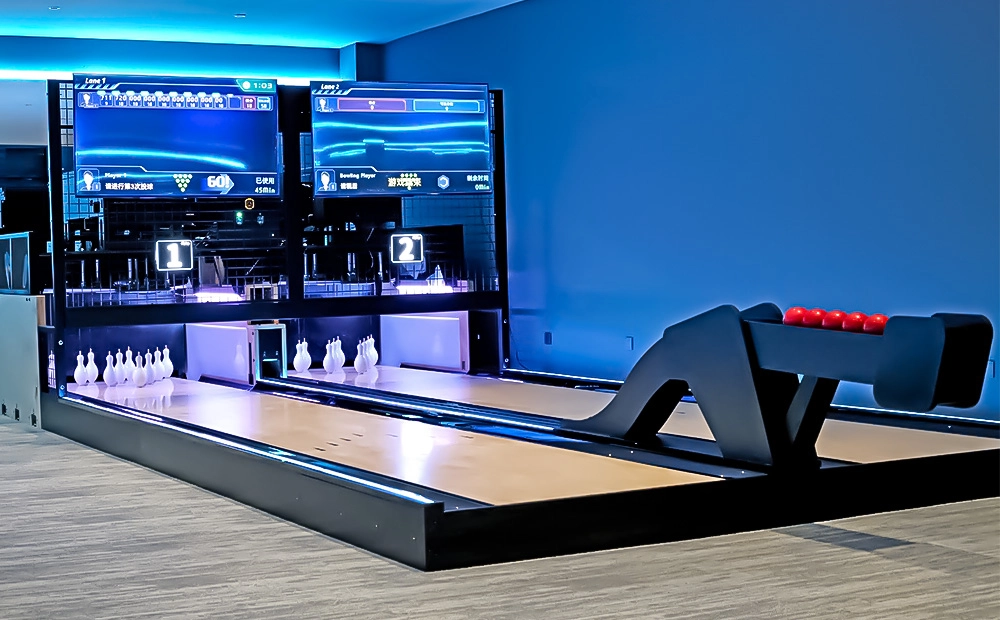
Flying Smart Duckpin Bowling Equipment and Lane System for Commercial Venues
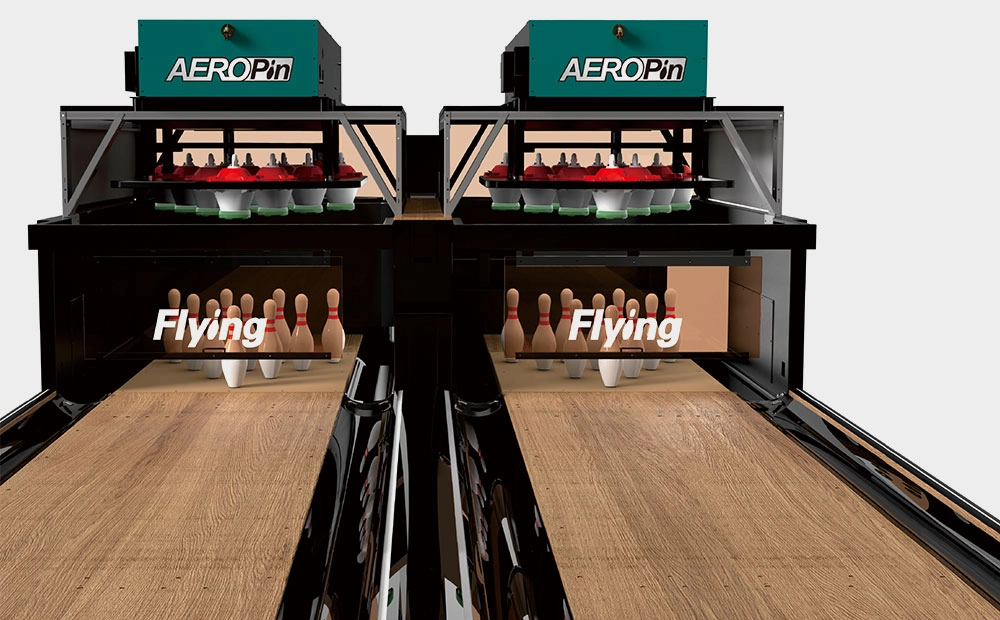
USBC-Certified AEROPIN String Pinsetter System
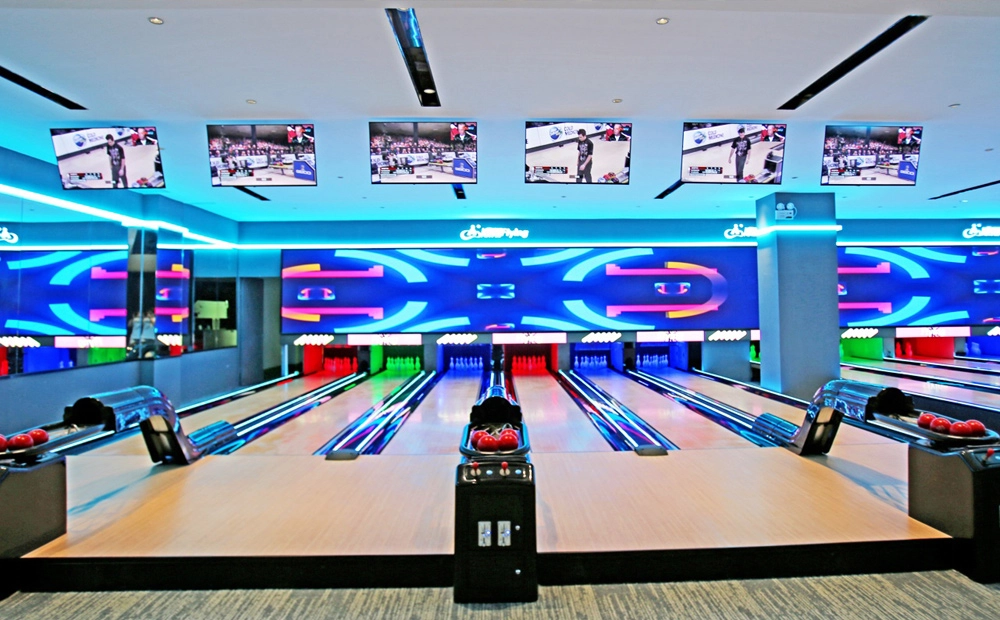
Mini Bowling Equipment for Kids and Family Entertainment Venues
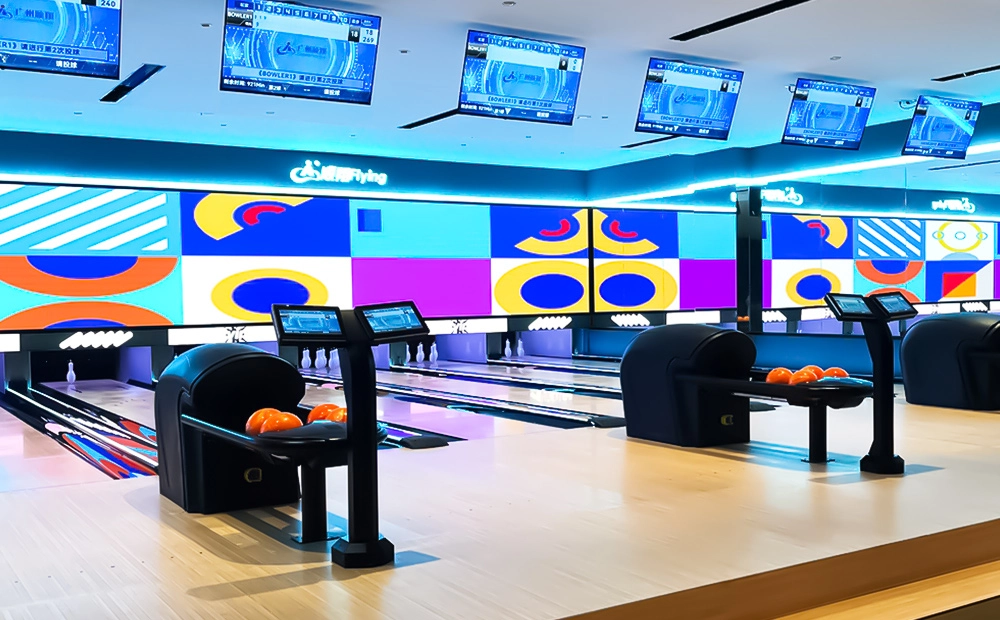
Medium Bowling Equipment for Social Entertainment Venues
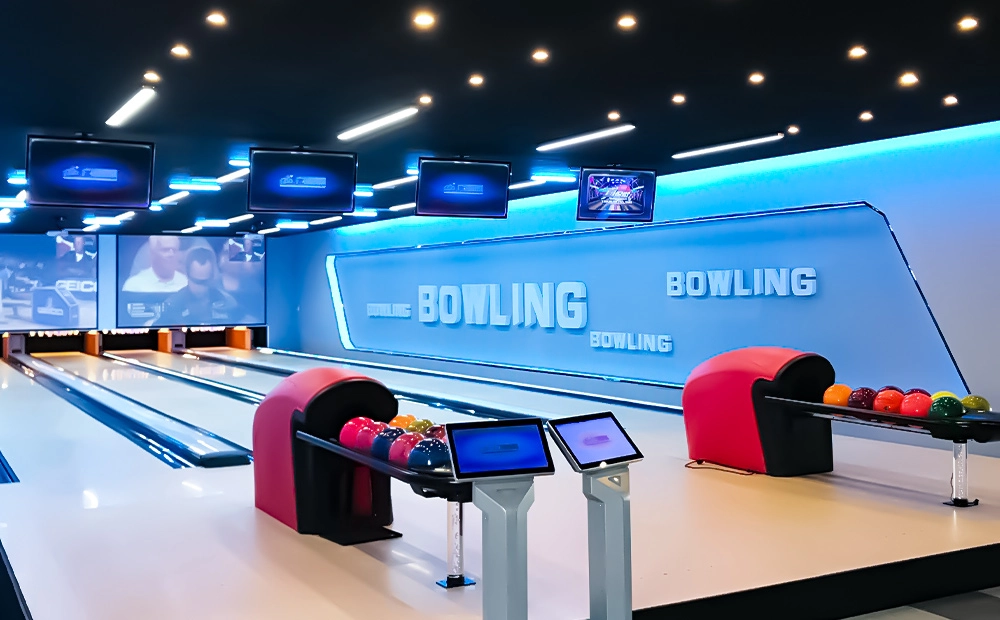
Complete String Pinsetter Bowling Alley Equipment System
You may also like
Flying Smart Duckpin Bowling (FSDB) innovative design, standard 9.2-meter short lane, can be shortened in length, compact layout suitable for small spaces. The game rules are simple but challenging, attracting players of different ages to actively participate.
Suitable for social entertainment venues such as bars, billiard halls, and game centers, it not only enhances interactivity but also increases the popularity and consumption frequency of the venue. The fun and competitive nature of FSDB will make it a new focus of social activities.
Flying Classic Standard Bowling (FCSB) is designed according to international competition standards and equipped with an accurate automatic scoring system, providing bowling enthusiasts with a pure professional experience. Whether it is for competitions or leisure entertainment, FCSB can meet high-level needs.
Suitable for family entertainment centers, luxury resorts, private villas, or clubs, it is an ideal choice for customers who pursue high-end quality and professional experience. Its classic design and excellent performance will add lasting appeal to the venue.
Flying Cute Mini Bowling (FCMB) is a mini bowling experience designed for children and families. The lane length is fixed at 12 meters, equipped with lightweight balls without finger holes (only 1.25kg) and small pins, specially designed for children and family fun.
It can not only help children feel the fun of bowling, but also stimulate their interest and competitive consciousness. Suitable for children's playgrounds, theme parks and parent-child centers, it is the best choice for places focusing on the children's market.
Flying Social Medium Bowling (FSMB) is tailored for small venues, with flexible lane lengths (customizable from 9.6 meters to 18 meters), a small ball design suitable for players of all ages, and light pins that are easier to knock down, increasing participation and fun.
Whether it is a gathering of friends or a casual social, FSMB can easily create a relaxed and pleasant atmosphere. Its efficient space-utilization design is particularly suitable for cafes, bars and community entertainment venues, allowing people to fall in love with bowling in a relaxed interaction.
Contact Flying
Start your bowling alley project
If you contact us now for more details, we can provide you with a custom bowling alley service. Our service team will get back to you within 24 hours normally!
© 2026 Flying BOWLING. Designed by gooeyun.
FOLLOW US:
Flying Bowling
Flying Bowling
Flyingbowling
Flyingbowling