


How to Build a Mini Bowling Alley: A Complete Guide | Flying
How to Build a Mini Bowling Alley: A Complete Guide by Flying
In recent years, mini bowling alleys have become increasingly popular as a unique form of entertainment that can fit into various spaces, from homes to commercial establishments. Since 2015, Flying has been at the forefront of developing and providing cutting-edge bowling solutions, including innovative equipment for mini bowling alleys. Our commitment to quality and affordability ensures that your dreams of creating a mini bowling alley can become a reality without breaking the bank. In this comprehensive guide, we will walk you through the crucial steps involved in how to build a mini bowling alley.
Introduction to Mini Bowling Alleys
Before delving into the specifics of construction, it's essential to understand what a mini bowling alley entails. Mini bowling is a scaled-down version of traditional bowling, making it accessible for smaller areas. Despite its size, the fun and excitement it offers are comparable to its full-sized counterpart. At Flying, we've refined this concept with a variety of tailored equipment suited for different preferences and space constraints.
Step 1: Planning Your Space
The initial step in building a mini bowling alley is meticulous planning. Consider the dimensions of your designated area. Typically, a mini bowling alley requires about 35 to 45 feet in length and around 5 to 6 feet in width. Planning helps in determining the number of lanes you can accommodate, ensuring a seamless bowling experience.
Step 2: Selecting the Right Equipment
Selecting the appropriate equipment is vital for a successful mini bowling project. At Flying, we offer a range of options:
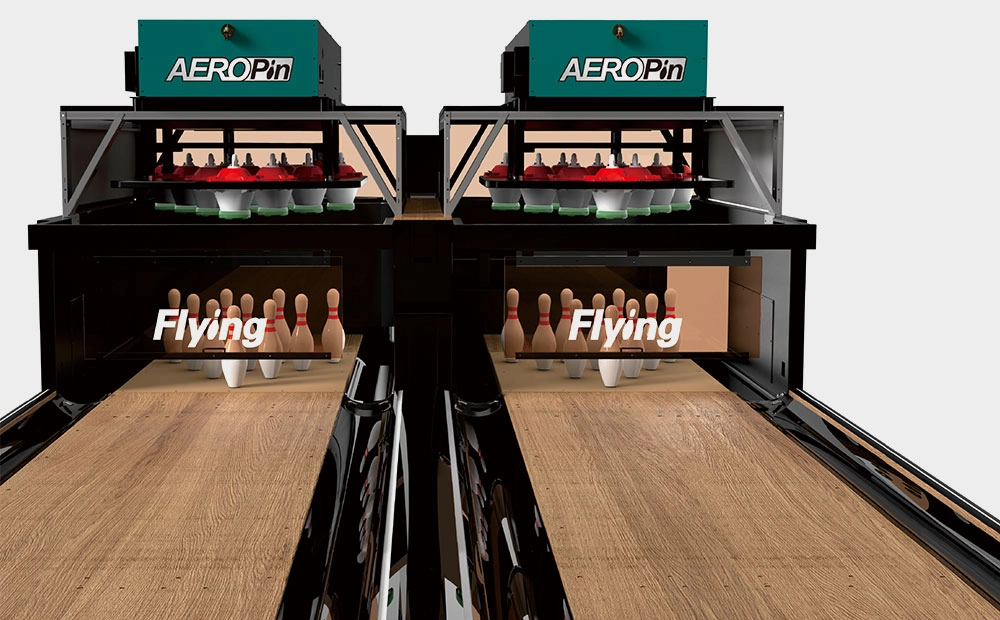
- Bowling String Pinsetters: Our string pinsetters are designed for efficiency and ease of maintenance, ensuring smooth gameplay.
- Bowling Ball Return Machines: Saving space while maximizing functionality, our compact ball return systems are ideal for mini alleys.
- Appropriate Lanes and Pins: Choose smaller lanes and lighter pins to adapt to scaled dimensions without compromising on the experience.
Step 3: Design and Construction
Once equipment selection is finalized, the design and construction phase commences. Our team at Flying can assist with comprehensive design and layout solutions, ensuring optimal utilization of space. Construction follows the design blueprint, setting up lane infrastructure, installing mechanics, and ensuring proper alignment.
Step 4: Installation
Following construction, the installation of equipment such as pinsetters and ball return machines takes precedence. Flying’s qualified technicians ensure everything is set up correctly and test the machinery for smooth operation. Proper installation minimizes future maintenance requirements and enhances user satisfaction.
Step 5: Customization and Aesthetics
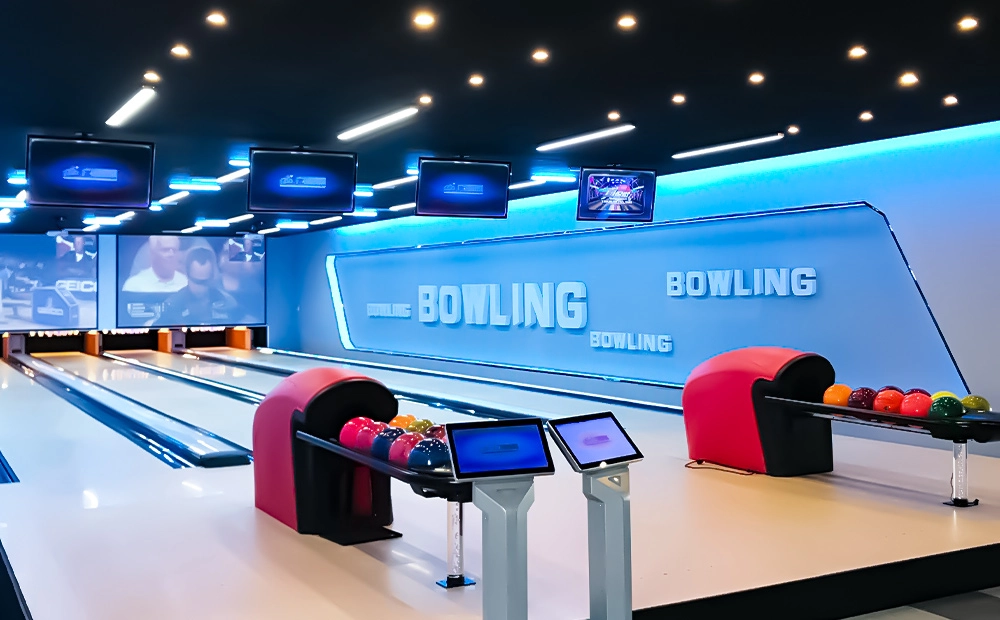
Personalize your mini bowling alley to add unique flare and attraction. Consider adding themed decor, lighting effects, and seating arrangements. Customization not only enhances the ambiance but can also be a lucrative aspect if the alley is commercially oriented.
Conclusion: Enjoy Your Mini Bowling Alley
Building a mini bowling alley is an exciting venture that combines creativity with technical skill. Flying, with its years of expertise since 2015, ensures you have access to top-quality equipment and comprehensive support through the process. Whether for personal enjoyment or commercial purposes, a mini bowling alley is a worthwhile investment in entertainment.
FAQs
Q1: How much space is required for a mini bowling alley?
A: Typically, a mini bowling alley requires about 35 to 45 feet in length and around 5 to 6 feet in width.
Q2: Can Flying assist with both design and installation?
A: Yes, Flying offers complete services from design to installation, ensuring your mini bowling alley meets all standards.
Q3: What equipment is necessary for a mini bowling alley?
A: Essential equipment includes bowling string pinsetters, ball return machines, and appropriately sized lanes and pins.
Q4: Is mini bowling suitable for commercial establishments?
A: Yes, mini bowling is ideal for commercial spaces looking to offer unique entertainment options.
Embark on your mini bowling project with confidence, knowing Flying stands by your side, providing quality, innovation, and unparalleled support. Transform your vision into a reality and experience the joy of bowling in a compact, engaging venue.
Recommended products
Flying Smart Duckpin Bowling Equipment and Lane System for Commercial Venues
USBC-Certified AEROPIN String Pinsetter System
Mini Bowling Equipment for Kids and Family Entertainment Venues
Medium Bowling Equipment for Social Entertainment Venues
Complete String Pinsetter Bowling Alley Equipment System
You may also like
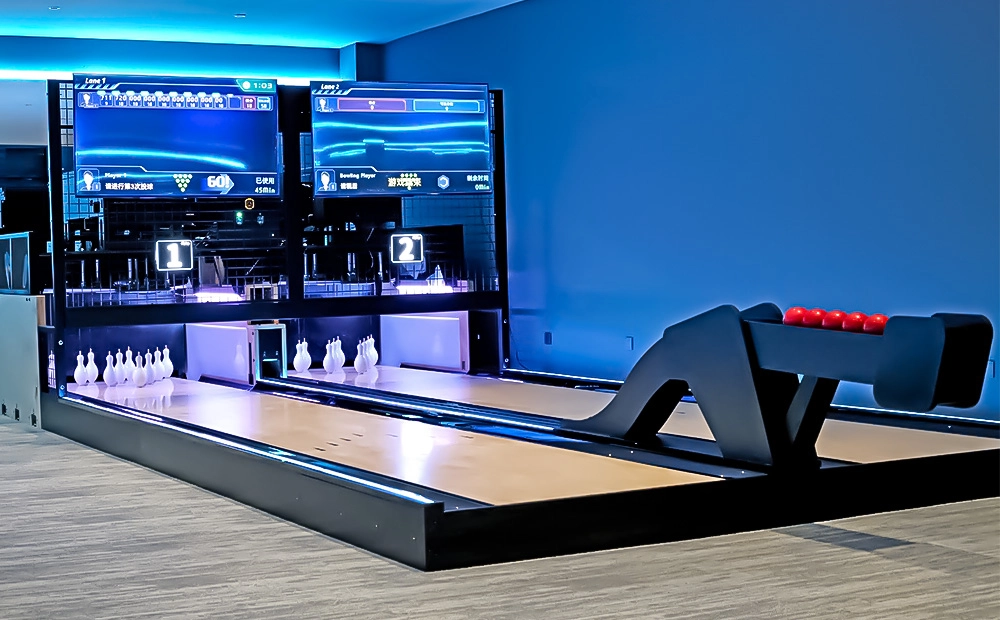
Flying Smart Duckpin Bowling (FSDB) innovative design, standard 9.2-meter short lane, can be shortened in length, compact layout suitable for small spaces. The game rules are simple but challenging, attracting players of different ages to actively participate.
Suitable for social entertainment venues such as bars, billiard halls, and game centers, it not only enhances interactivity but also increases the popularity and consumption frequency of the venue. The fun and competitive nature of FSDB will make it a new focus of social activities.
Flying Classic Standard Bowling (FCSB) is designed according to international competition standards and equipped with an accurate automatic scoring system, providing bowling enthusiasts with a pure professional experience. Whether it is for competitions or leisure entertainment, FCSB can meet high-level needs.
Suitable for family entertainment centers, luxury resorts, private villas, or clubs, it is an ideal choice for customers who pursue high-end quality and professional experience. Its classic design and excellent performance will add lasting appeal to the venue.
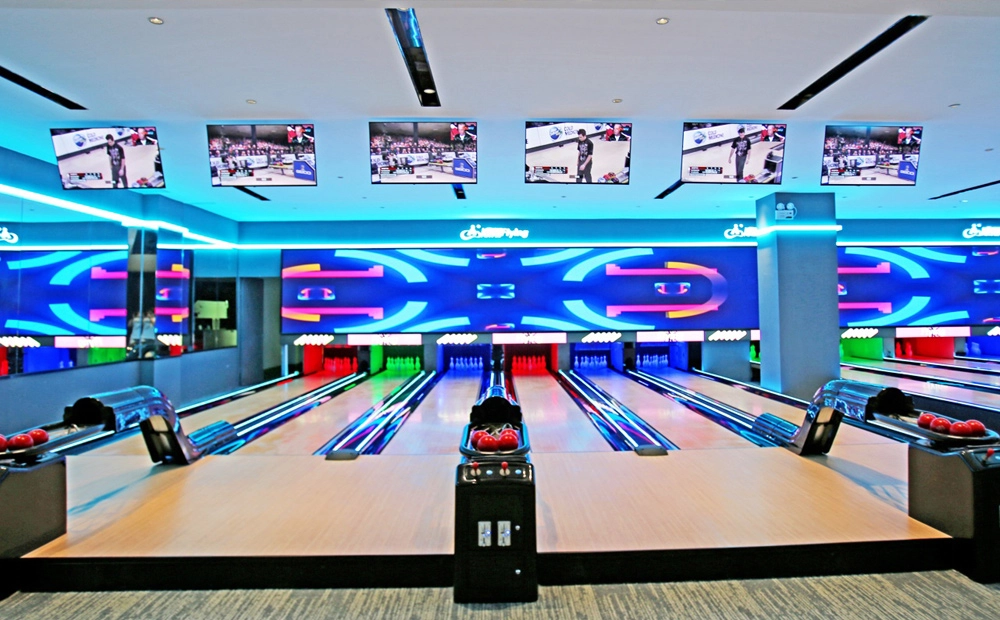
Flying Cute Mini Bowling (FCMB) is a mini bowling experience designed for children and families. The lane length is fixed at 12 meters, equipped with lightweight balls without finger holes (only 1.25kg) and small pins, specially designed for children and family fun.
It can not only help children feel the fun of bowling, but also stimulate their interest and competitive consciousness. Suitable for children's playgrounds, theme parks and parent-child centers, it is the best choice for places focusing on the children's market.
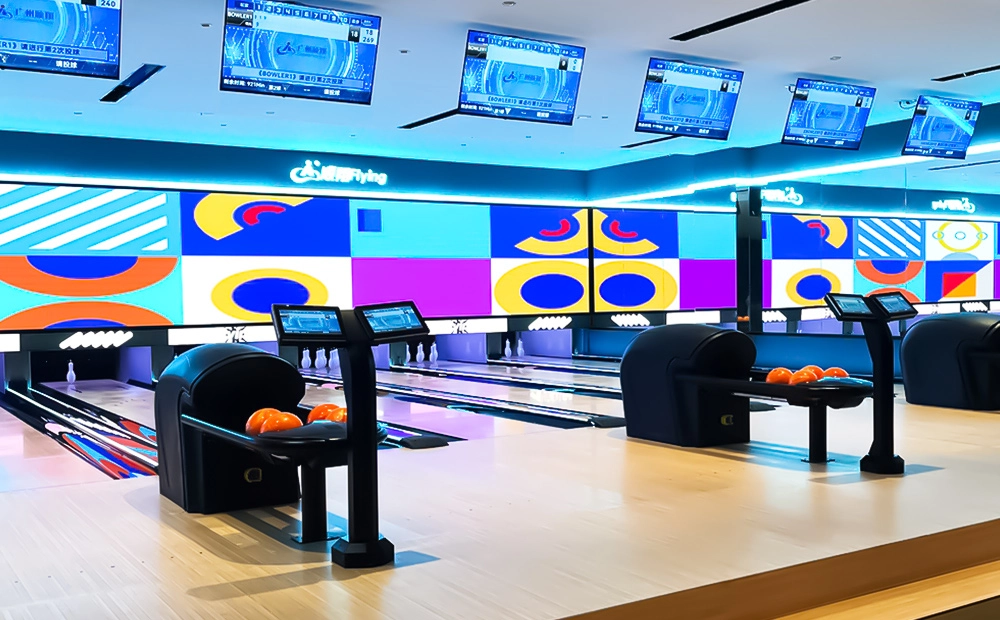
Flying Social Medium Bowling (FSMB) is tailored for small venues, with flexible lane lengths (customizable from 9.6 meters to 18 meters), a small ball design suitable for players of all ages, and light pins that are easier to knock down, increasing participation and fun.
Whether it is a gathering of friends or a casual social, FSMB can easily create a relaxed and pleasant atmosphere. Its efficient space-utilization design is particularly suitable for cafes, bars and community entertainment venues, allowing people to fall in love with bowling in a relaxed interaction.
Contact Flying
Start your bowling alley project
If you contact us now for more details, we can provide you with a custom bowling alley service. Our service team will get back to you within 24 hours normally!
© 2026 Flying BOWLING. Designed by gooeyun.
FOLLOW US:
Flying Bowling
Flying Bowling
Flyingbowling
Flyingbowling