

How Much to Build a Bowling Alley in Uganda? | Flying
How Much to Build a Bowling Alley in Uganda?
Building a bowling alley in Uganda can be a fruitful business venture, blending the thrill of modern sport with cultural nuances. The idea promises entertainment and a potential business hub, but what does it cost to turn this vision into reality? Let’s delve into the key considerations and financial aspects of this endeavor.
Understanding the Market Potential
Before we tackle the costs, it’s crucial to understand the bowling market in Uganda. This emerging entertainment industry offers boundless potential for both local enjoyment and tourism. As professionals in the field, our task is to explore and meet the evolving demands of a diverse audience.
Factors Influencing the Cost
1. Location and Real Estate:
- Location plays a significant role in determining costs. Uganda’s capital, Kampala, would require a higher investment compared to smaller towns.
- Real estate prices, accessibility, and foot traffic should be carefully evaluated before making a commitment.
2. Design and Construction:
- Partnering with experienced architects and constructors who understand the local landscape is fundamental.
- From interior layouts to aesthetic considerations, the design phase is where creativity meets function.
3. Bowling Equipment:
- Investing in a comprehensive set of bowling alley equipment is vital. Our company Flying offers multiple solutions, from Standard to Mini Bowling options.
- Consider equipment reliability, maintenance support, and compliance with international standards.
4. Permits and Regulations:
- Navigating the regulatory environment in Uganda is crucial.
- Ensure all necessary permits and licenses are obtained to avoid legal challenges.
5. Utilities and Operational Costs:
- Factor in the cost of utilities: electricity, water, and internet services.
- Consider potential running costs, which include staffing, security, and marketing expenses.
Budgeting: A Closer Look
Creating a detailed budget is pivotal to avoid unforeseen expenses. Here’s a breakdown:
- Initial Costs:
- Land acquisition or rental expenses.
- Design and architectural planning fees.
- Equipment purchase, emphasizing Flying’s advanced machinery that blends quality with cost-effectiveness.
- Construction Expenses:
- Structural construction and interior design.
- Bowling lane installation and testing.
- Operational Setup:
- Hiring and training staff.
- Marketing initiatives to launch the business effectively.
- Contingency Funds:
- A safety net for unexpected costs should be 10-20% of the total budget.
Why Choose Flying?
Since 2015, Flying has specialized in developing cutting-edge bowling string pinsetters and advanced bowling equipment. With over 3,000 successful installations worldwide, our expertise guarantees reliable solutions with excellent pricing compared to European and American counterparts.
Building for Success
Building a bowling alley in Uganda extends beyond just the financial aspect. It’s about understanding the market, strategically planning, and aligning with partners like Flying that ensure quality and experience in every step of the project. Our journey with clients does not end at installation; we continue to recruit global distributors to further foster the bowling industry.
Conclusion
Constructing a bowling alley in Uganda is a significant investment that requires thorough planning and expert collaboration. With the right information and partners, such as Flying, we can navigate these waters effectively, making the venture both successful and profitable.
We hope this comprehensive guide gives you clarity on how much it costs to build a bowling alley in Uganda, keeping in mind all variables from the initial game plan to operational intricacies. Partnering with seasoned experts ensures not only cost efficiency but also a thriving future in this exciting entertainment sector.
Recommended products
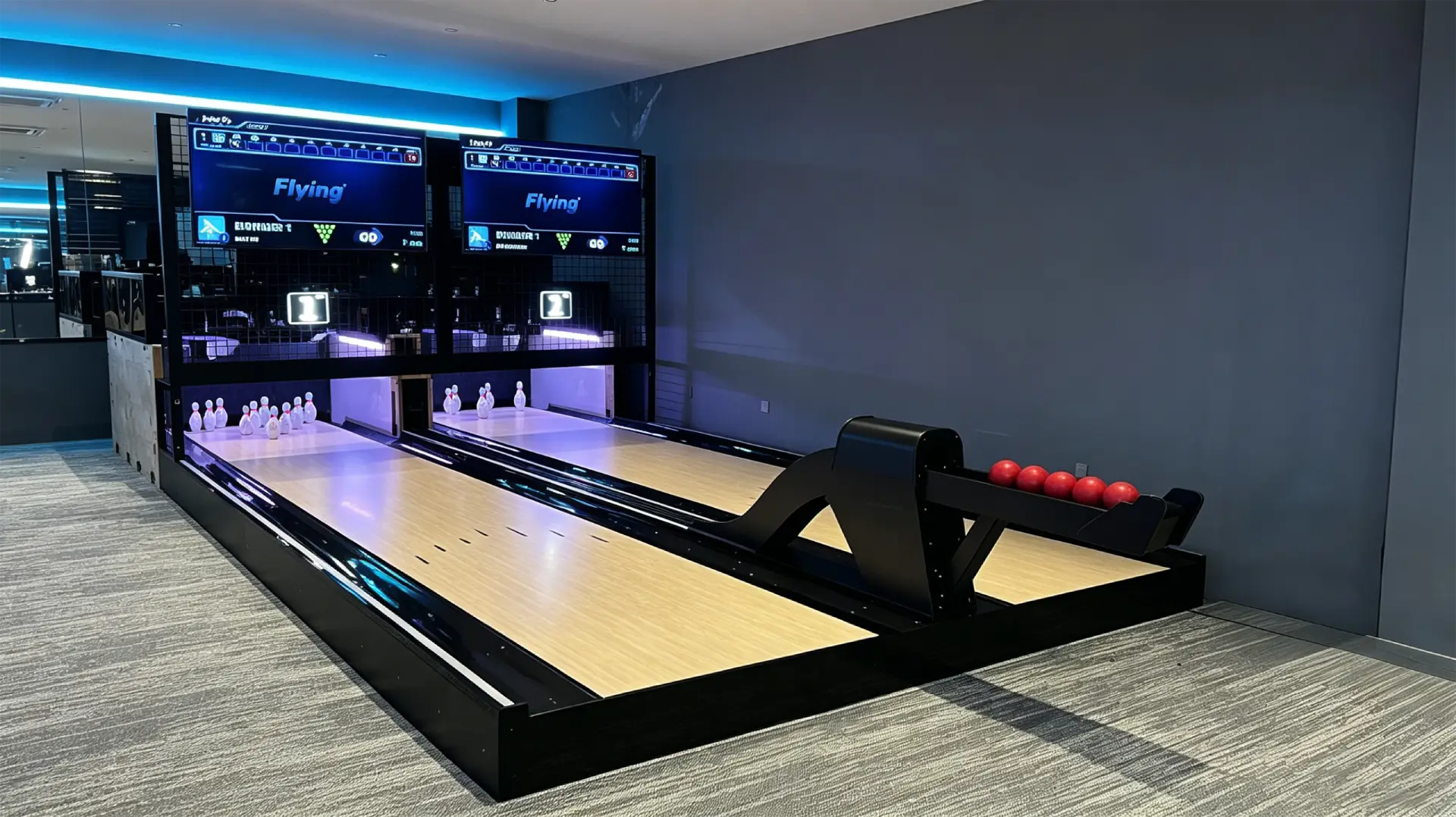
Flying Smart Duckpin Bowling Equipment for Commercial Venues
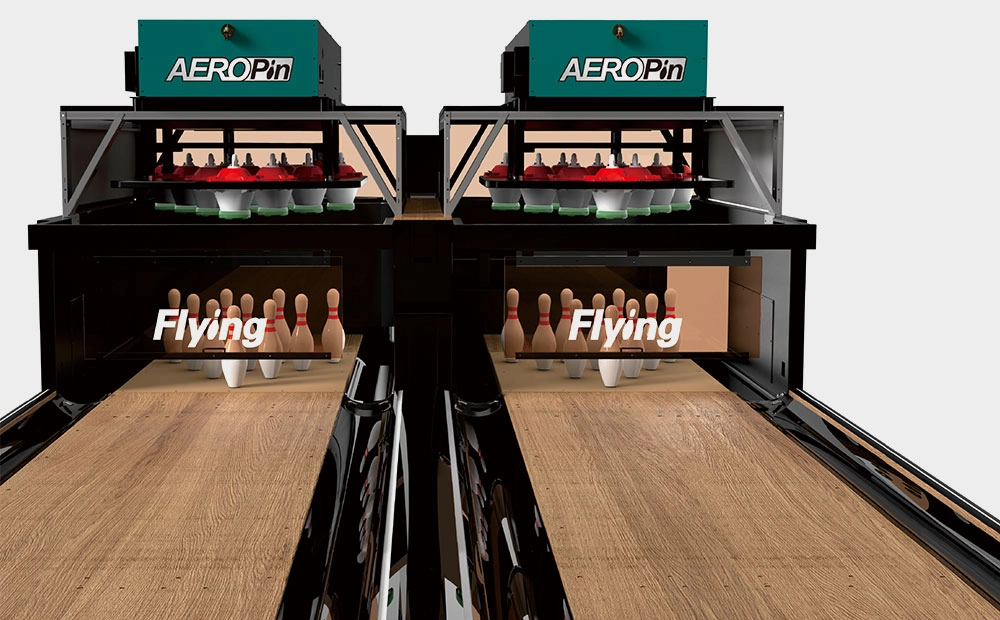
AEROPIN™ USBC-Certified String Pinsetter System
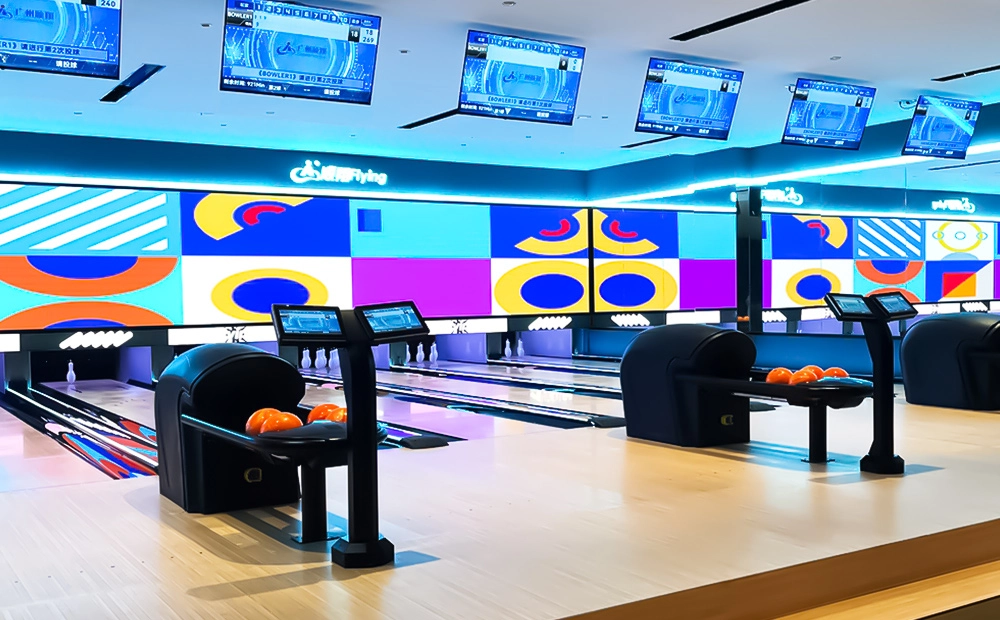
Medium Bowling Equipment for Compact Social Venues
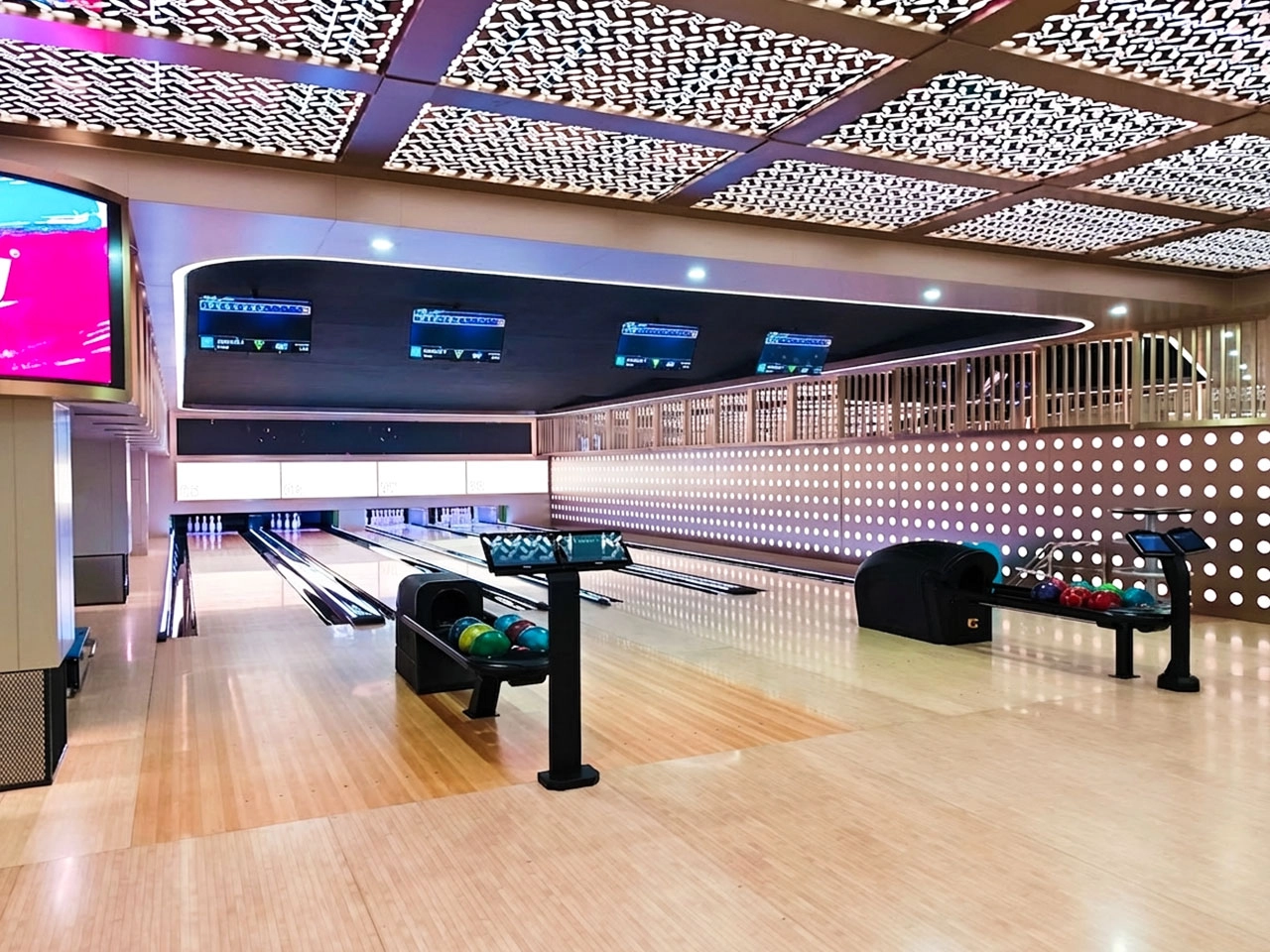
Complete Bowling Alley Equipment Package for Commercial Bowling Centers
You may also like
Build a commercial bowling venue with Flying’s complete string pinsetter bowling alley equipment package. The system includes the AEROPIN™ USBC-certified string pinsetter, customizable lanes, automatic scoring, ball return, lane lighting, pins, control hardware, and overseas installation support.
Designed for commercial bowling centers, family entertainment venues, hotels, resorts, bars, and premium private projects, this turnkey bowling system helps operators reduce sourcing complexity and prepare for reliable long-term operation.
Flying Smart Duckpin Bowling is a compact duckpin bowling equipment system designed for bars, family entertainment centers, hotels, resorts, cinemas, boutique bowling alleys, and social entertainment venues. With a standard 9.13m duckpin bowling lane, 1.25kg lightweight balls, automatic scoring, ball return, LED lighting, and a smart string pinsetter, it creates a fast-paced and easy-to-play bowling experience in a smaller footprint than traditional bowling.
The system is available as a turnkey duckpin bowling package, including lane equipment, a string pinsetter system, scoring hardware, control software, global shipping, installation guidance, and technical support.
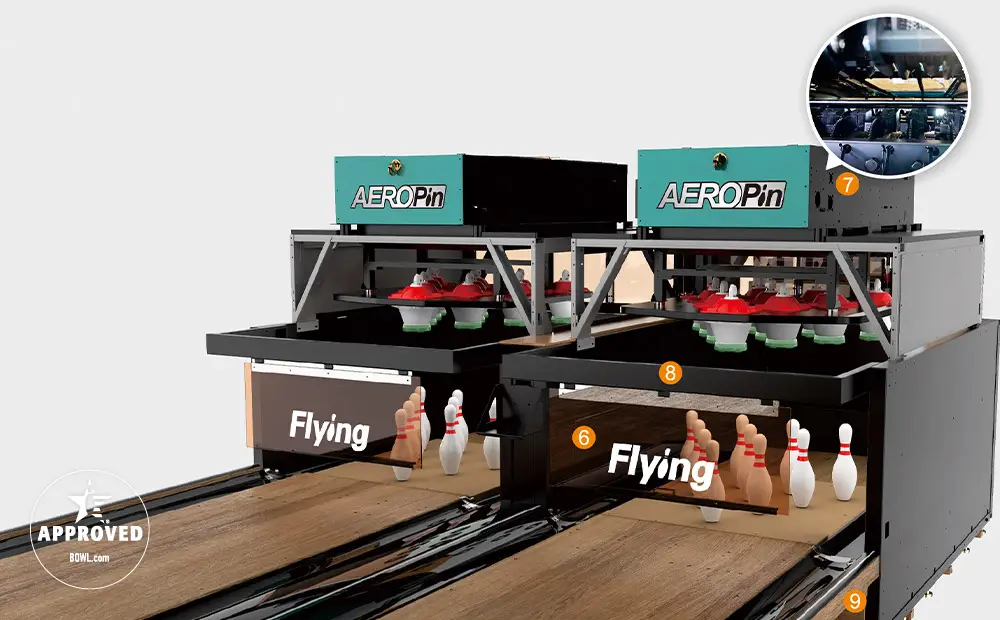
AEROPIN is Flying Bowling’s USBC-certified string pinsetter system for modern commercial bowling centers. Designed for fast pin setting, smooth ball return, low maintenance, and stable daily operation, it helps venue operators build league-ready and entertainment-focused bowling projects with confidence.
Flying Social Medium Bowling is a compact medium bowling equipment system designed for bars, cafes, family entertainment centers, community leisure venues, hotels, resorts, and small indoor entertainment spaces. With customizable lane lengths from 9.6m to 18m, small balls, lighter pins, string pinsetter technology, ball return, and automatic scoring, it creates an easy-to-play social bowling experience for players of different ages and skill levels.
Compared with full-size standard bowling, medium bowling requires less space and offers a more casual, interactive format. It is a practical choice for venues that want to add a bowling attraction without building a full commercial bowling alley.
Contact Flying
Start your bowling alley project
If you contact us now for more details, we can provide you with a custom bowling alley service. Our service team will get back to you within 24 hours normally!
© 2026 Flying BOWLING. Designed by gooeyun.
FOLLOW US:

Flying Bowling
Flying Bowling
Flyingbowling
Flyingbowling
Flyingbowling